Step 1 decision
Season the chicken and stage the aromatics
Chicken surfaces look matte rather than wet, pieces are even, and three separate aromatic piles are ready beside the hot pot.
Open step 1SEA · Melbourne / contemporary weeknight
This is a transparent contemporary Melbourne weeknight curry, not a claimed traditional dish: supermarket curry powder provides the shortcut while fresh curry leaves, ginger, tomato, and coconut receive full restaurant-style heat control.
Decision-point map
Scan the decision points now. Each full-size cooking frame appears once, beside the step where you need it.
Chicken surfaces look matte rather than wet, pieces are even, and three separate aromatic piles are ready beside the hot pot.
Open step 1The onion is gold, curry leaves are crisp and aromatic, and the deglazed paste smells roasted rather than dusty.
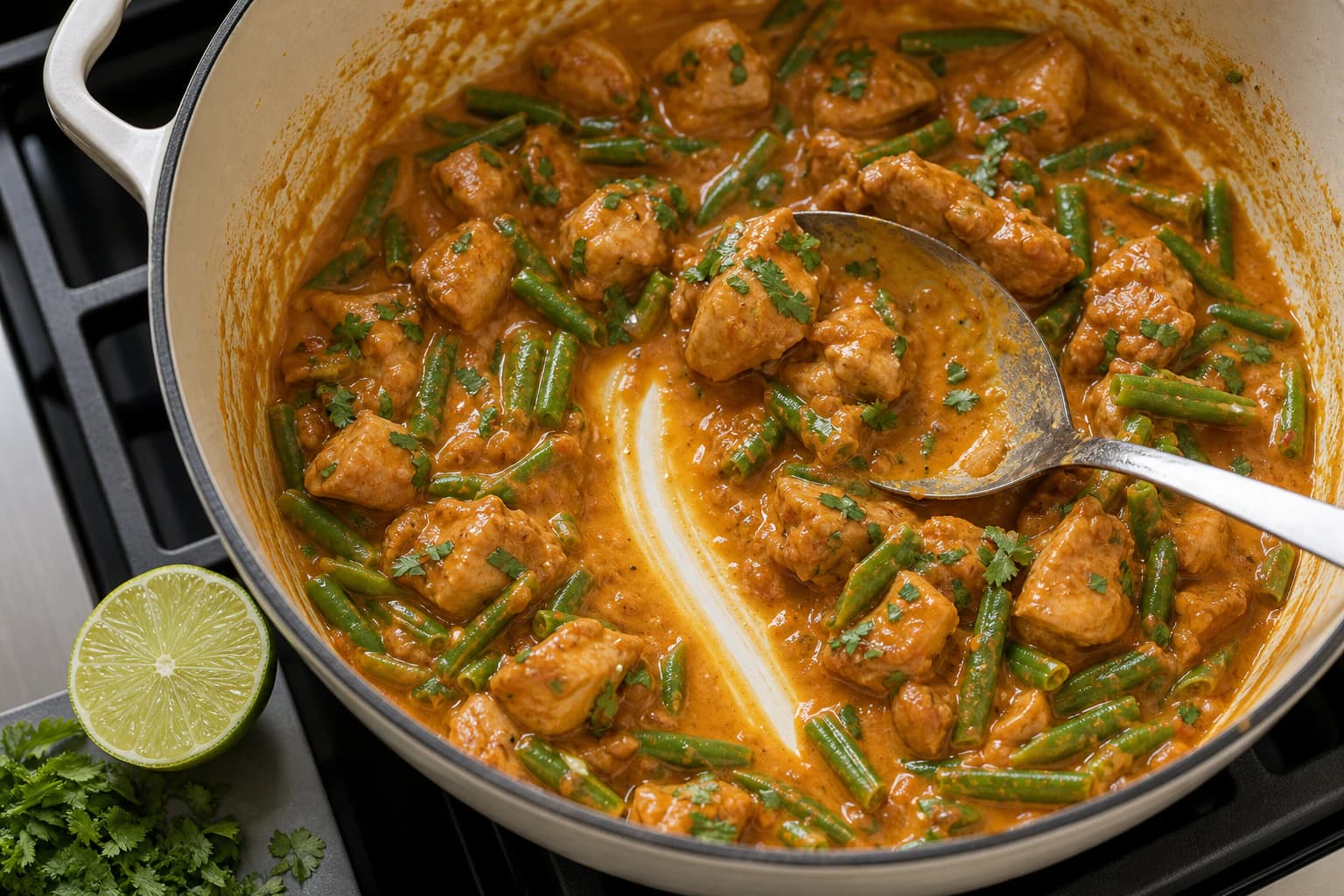
Open step 3Glossy orange sauce clings to chicken and beans, with fresh lime lift and no watery red rim.
Check the final stepIngredients
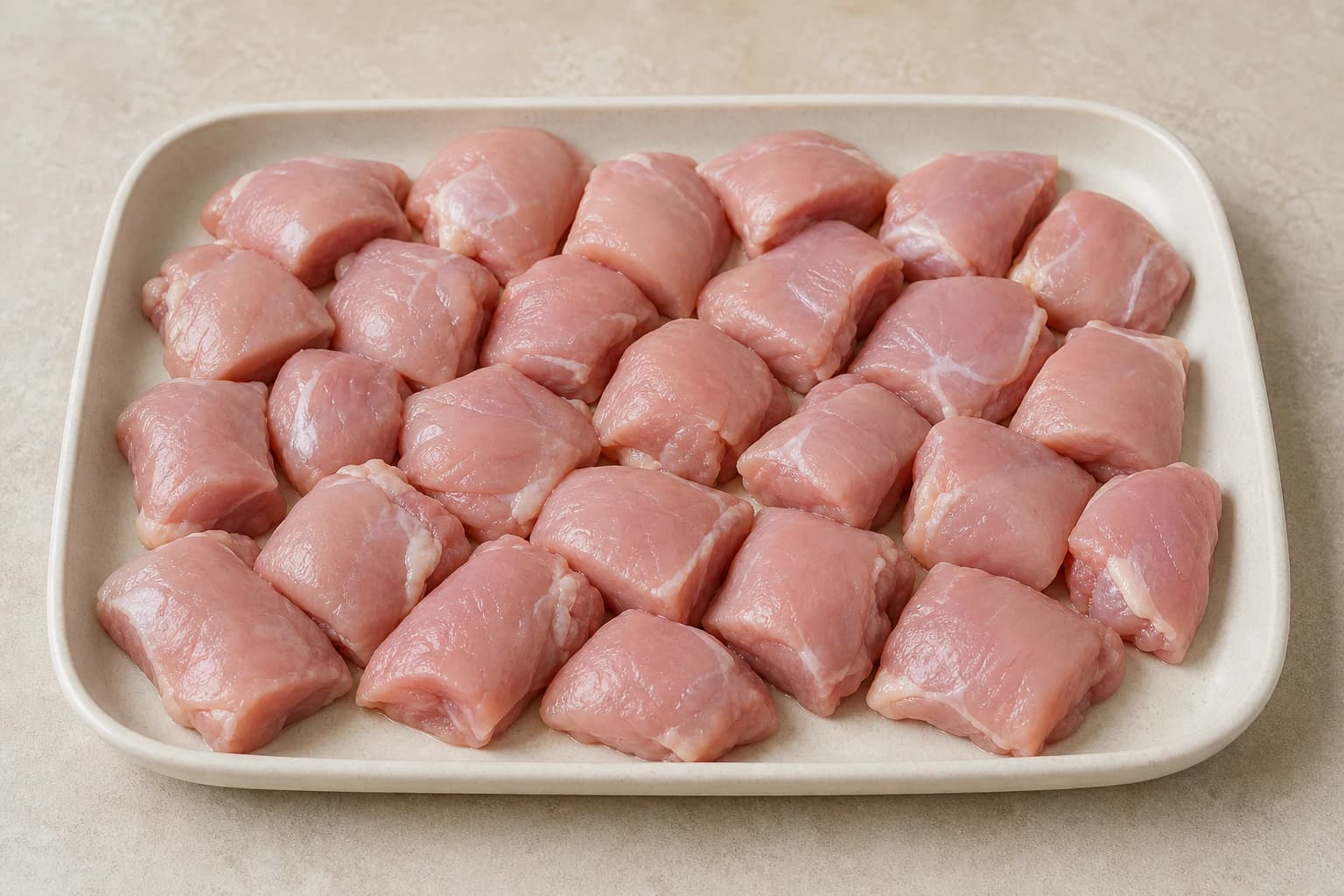
quick-cooking dark meat that remains juicy during a one-pot simmer
Note: Keep at 5°C or colder, do not wash raw chicken, prevent cross-contamination, and cook every piece to at least 75°C in the centre.
Swap: 800 g chicken breast cut into 4 cm pieces, added later as described in the FAQ
Melbourne
 Nearby butchers
 Search Coles
 Search WoolworthsFind an ALDIFind an IGASearch TozerbaSearch Asian PantryToko Nusantara
These links open searches, catalogues, or store locators. Check the exact form and local availability there.
Jakarta
Nearby butchers and marketsPasar Jaya networkSuper Indo locationsRanch Market outletsHypermart online Search Sayurbox
 Search Tokopedia
 Search ShopeeOpen GrabMart
These links open searches, catalogues, or store locators. Check the exact form and local availability there.
seasons the chicken before browning and balances the reduced sauce
Melbourne
Nearby specialist grocersMr Dad CBD guideGuideSolAsia QV guideGuideSearch TozerbaSearch Asian PantryToko NusantaraSearch ColesSearch WoolworthsFind an ALDIFind an IGAThese links open searches, catalogues, or store locators. Check the exact form and local availability there.
Jakarta
Nearby specialist shopsSearch SayurboxSearch TokopediaSearch ShopeeOpen GrabMartSuper Indo locationsRanch Market outletsHypermart onlinePasar Jaya networkThese links open searches, catalogues, or store locators. Check the exact form and local availability there.
browns the chicken and carries curry-leaf and spice aroma
Swap: rice-bran, canola, sunflower, or vegetable oil
Melbourne
Nearby supermarketsSearch ColesSearch WoolworthsFind an ALDIFind an IGASearch TozerbaSearch Asian PantryToko NusantaraThese links open searches, catalogues, or store locators. Check the exact form and local availability there.
Jakarta
Nearby supermarketsSuper Indo locationsRanch Market outletsHypermart onlinePasar Jaya networkSearch SayurboxSearch TokopediaSearch ShopeeOpen GrabMartThese links open searches, catalogues, or store locators. Check the exact form and local availability there.
small measured deglaze that releases the chicken fond before coconut enters
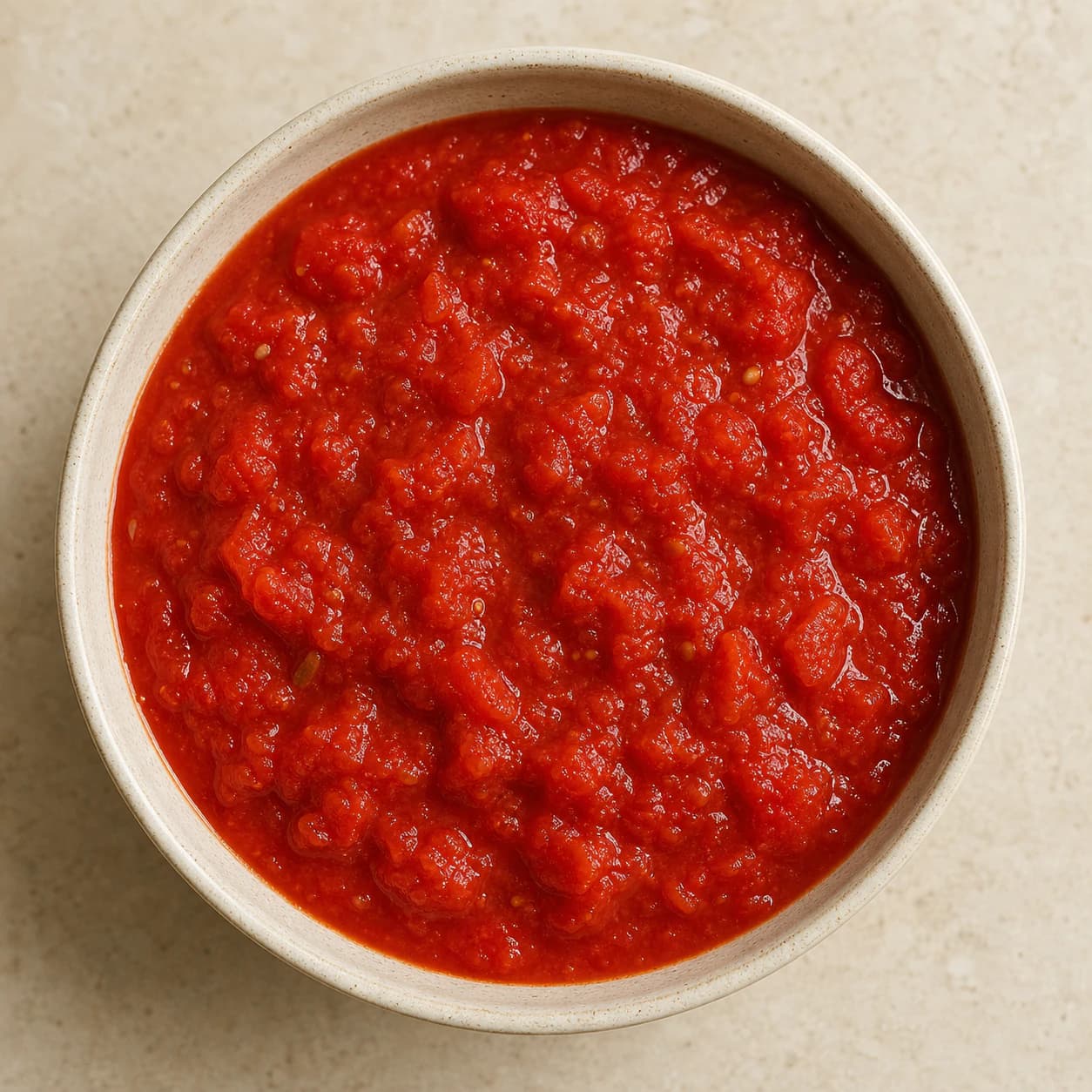
reliable winter acidity, red fruit, and sauce body
Swap: 400 g canned whole peeled tomatoes, crushed by hand
Melbourne
Nearby supermarketsSearch ColesSearch WoolworthsFind an ALDIFind an IGASearch TozerbaSearch Asian PantryToko NusantaraThese links open searches, catalogues, or store locators. Check the exact form and local availability there.
Jakarta
Nearby supermarketsSuper Indo locationsRanch Market outletsHypermart onlinePasar Jaya networkSearch SayurboxSearch TokopediaSearch ShopeeOpen GrabMartThese links open searches, catalogues, or store locators. Check the exact form and local availability there.
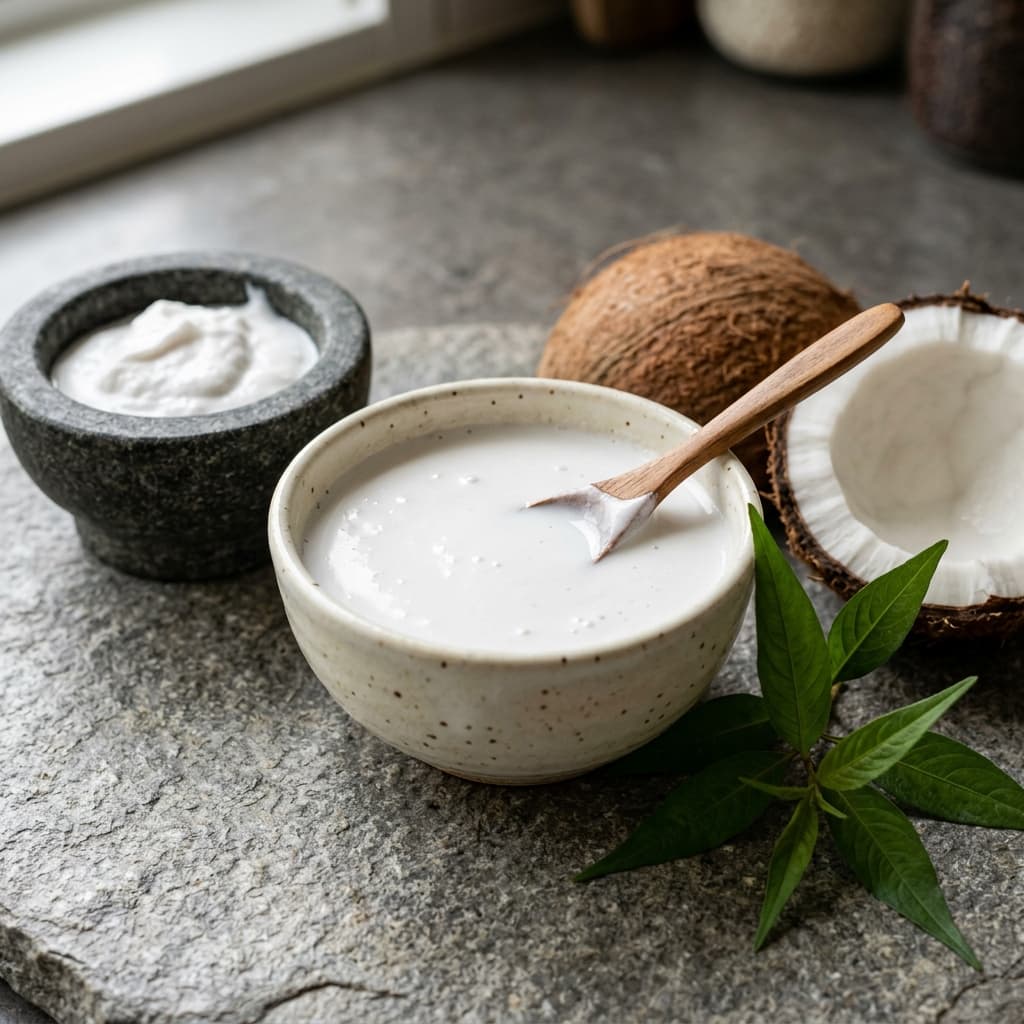
rounds the spice and reduces to a glossy dairy-free sauce
Note: Light coconut milk gives a thinner sauce and a less stable finish.
Melbourne
Nearby specialist grocersMr Dad CBD guideGuideSolAsia QV guideGuideSearch TozerbaSearch Asian PantryToko NusantaraSearch ColesSearch WoolworthsFind an ALDIFind an IGAThese links open searches, catalogues, or store locators. Check the exact form and local availability there.
Jakarta
Nearby specialist shopsSearch SayurboxSearch TokopediaSearch ShopeeOpen GrabMartSuper Indo locationsRanch Market outletsHypermart onlinePasar Jaya networkThese links open searches, catalogues, or store locators. Check the exact form and local availability there.
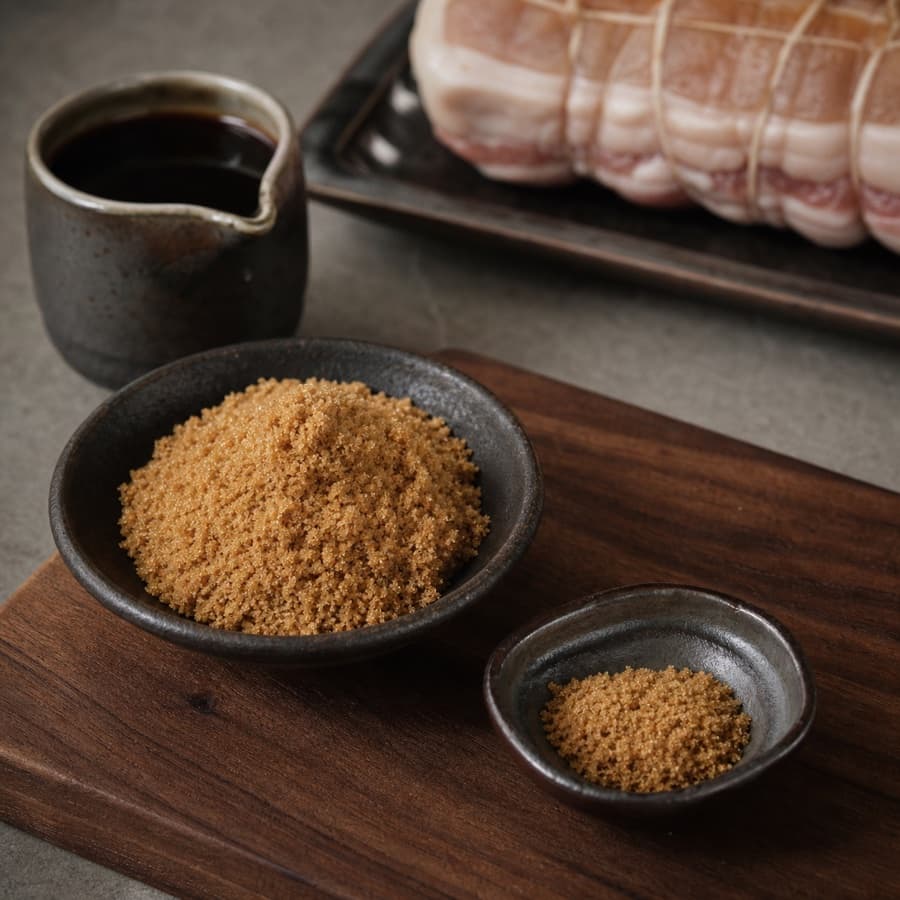
a small measured balance for canned tomato acidity
Swap: 8 g finely shaved palm sugar
Melbourne
Nearby supermarketsSearch ColesSearch WoolworthsFind an ALDIFind an IGASearch TozerbaSearch Asian PantryToko NusantaraThese links open searches, catalogues, or store locators. Check the exact form and local availability there.
Jakarta
Nearby supermarketsSuper Indo locationsRanch Market outletsHypermart onlinePasar Jaya networkSearch SayurboxSearch TokopediaSearch ShopeeOpen GrabMartThese links open searches, catalogues, or store locators. Check the exact form and local availability there.
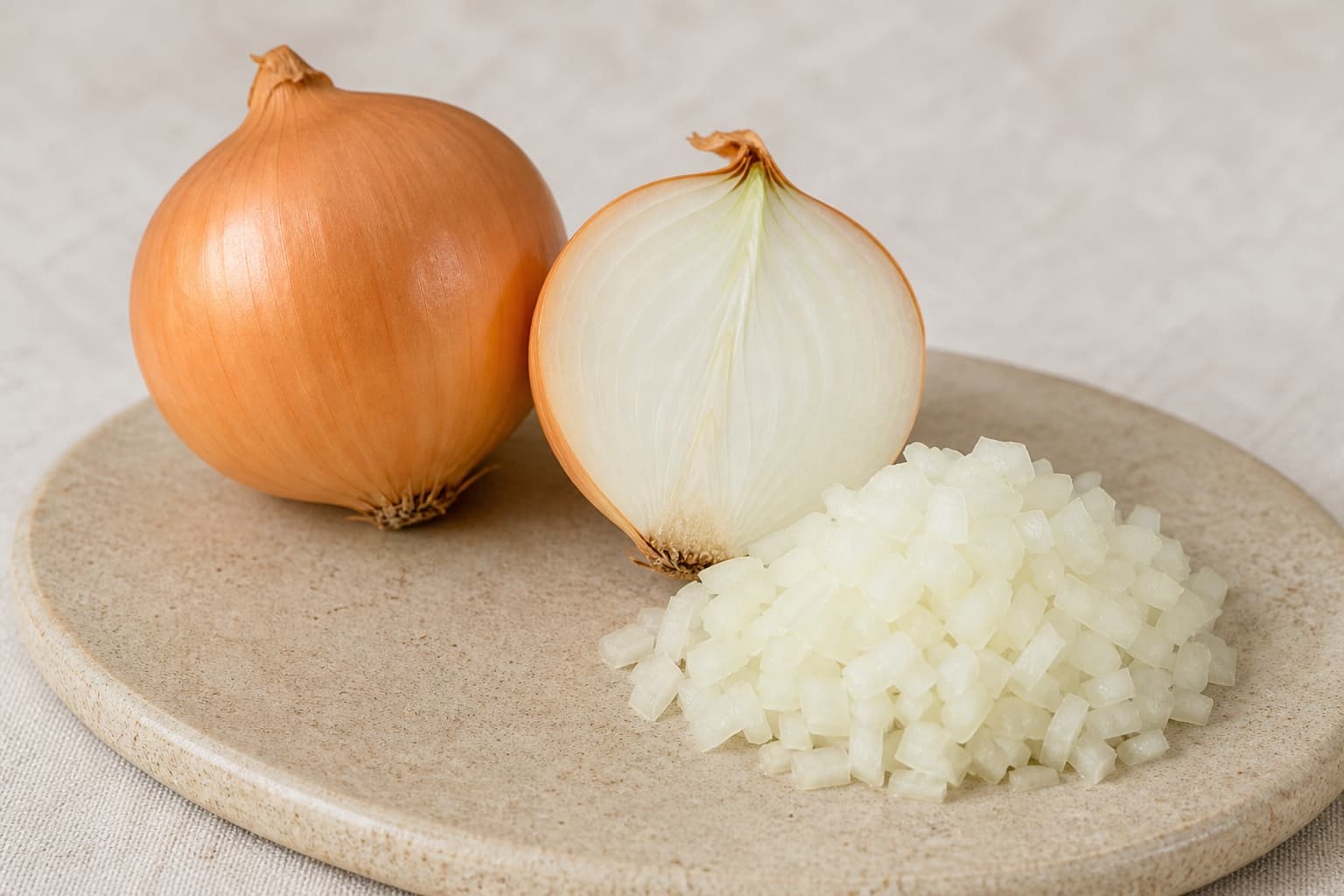
deep sweet body beneath the fast curry-powder route
Swap: 220 g red onion or 200 g shallots
Melbourne
Nearby produce marketsSearch ColesSearch WoolworthsFind an ALDIFind an IGASearch TozerbaSearch Asian PantryToko NusantaraThese links open searches, catalogues, or store locators. Check the exact form and local availability there.
Jakarta
Nearby produce marketsPasar Jaya networkSuper Indo locationsRanch Market outletsHypermart onlineSearch SayurboxSearch TokopediaSearch ShopeeOpen GrabMartThese links open searches, catalogues, or store locators. Check the exact form and local availability there.
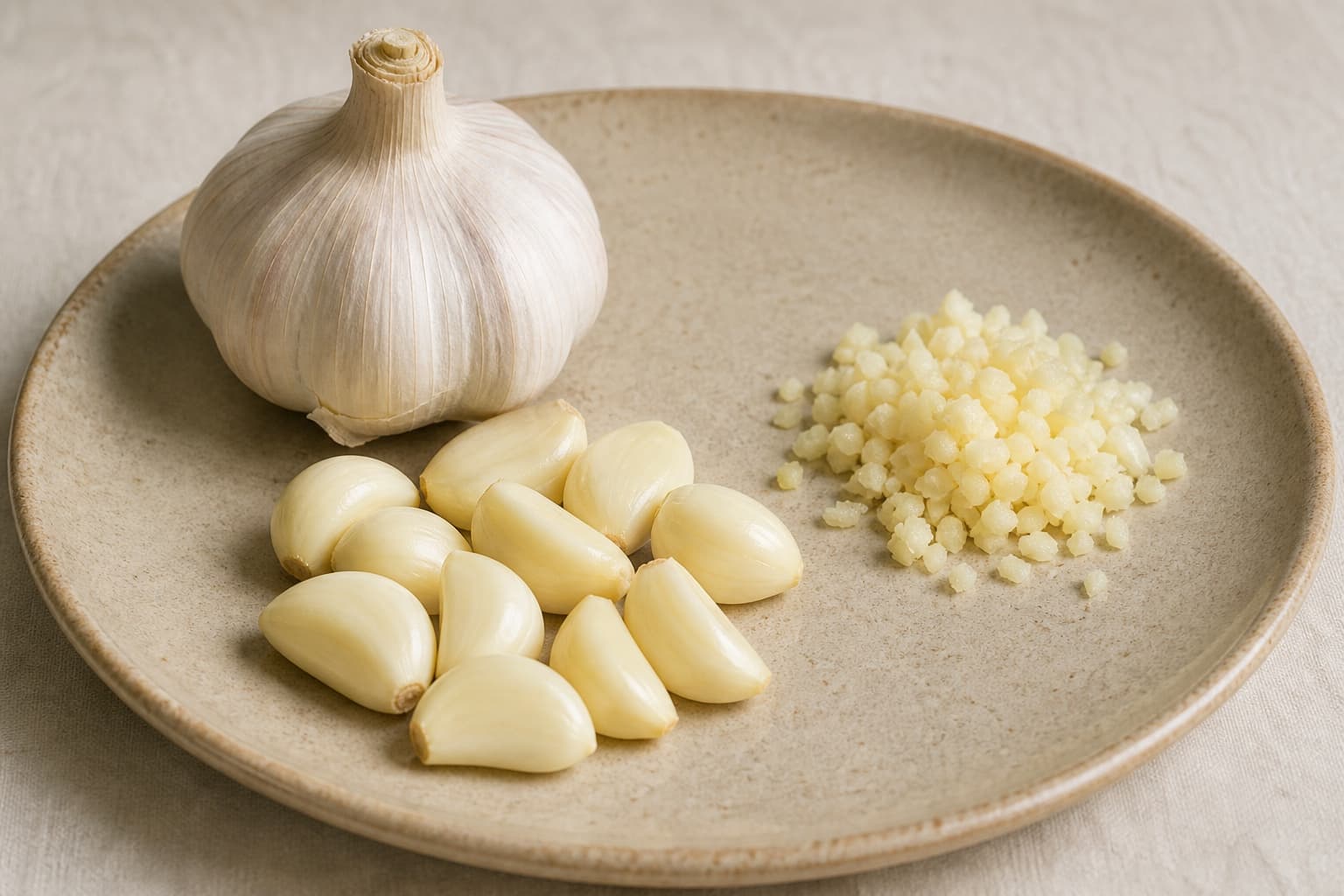
savoury aromatic cooked until sweet before dry spice enters
Melbourne
Nearby produce marketsSearch ColesSearch WoolworthsFind an ALDIFind an IGASearch TozerbaSearch Asian PantryToko NusantaraThese links open searches, catalogues, or store locators. Check the exact form and local availability there.
Jakarta
Nearby produce marketsPasar Jaya networkSuper Indo locationsRanch Market outletsHypermart onlineSearch SayurboxSearch TokopediaSearch ShopeeOpen GrabMartThese links open searches, catalogues, or store locators. Check the exact form and local availability there.
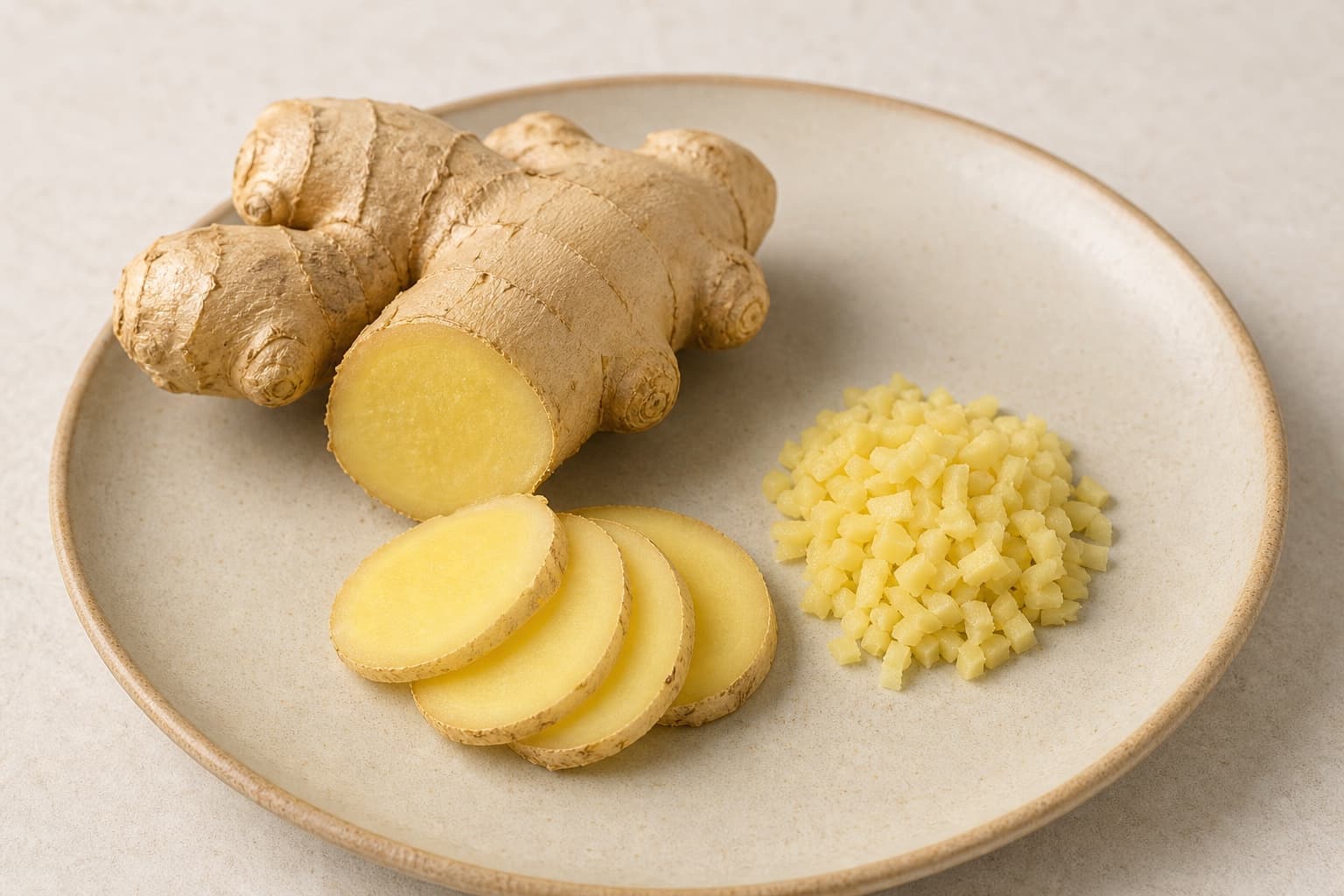
clean warmth that keeps the coconut-tomato sauce lively
Melbourne
Nearby produce marketsSearch ColesSearch WoolworthsFind an ALDIFind an IGASearch TozerbaSearch Asian PantryToko NusantaraThese links open searches, catalogues, or store locators. Check the exact form and local availability there.
Jakarta
Nearby produce marketsPasar Jaya networkSuper Indo locationsRanch Market outletsHypermart onlineSearch SayurboxSearch TokopediaSearch ShopeeOpen GrabMartThese links open searches, catalogues, or store locators. Check the exact form and local availability there.
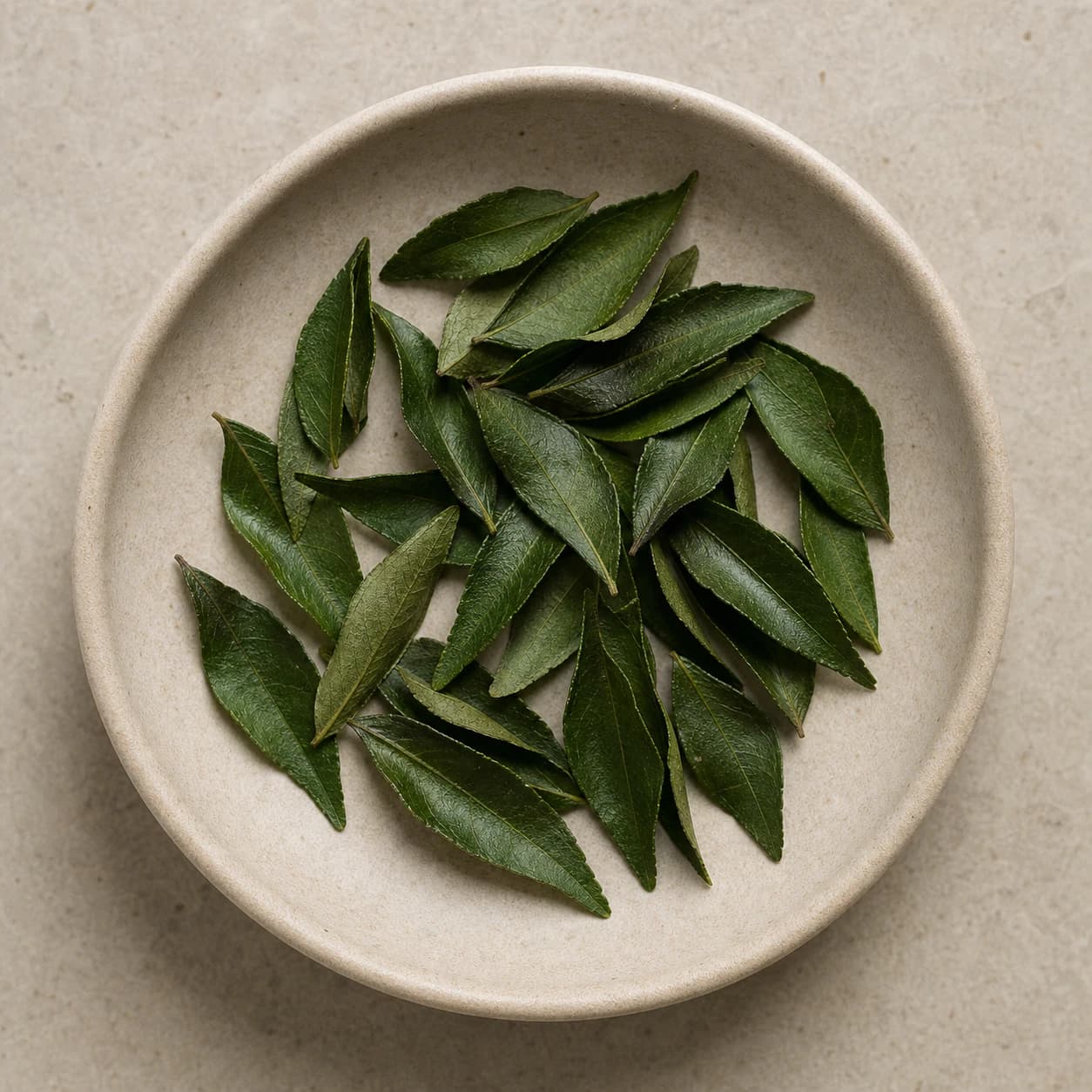
toasted citrus and warm resin aroma that a jarred powder cannot supply
Note: Leaves spit sharply if wet when they hit hot oil; dry them completely.
Swap: frozen curry leaves; omit rather than replacing with bay leaf
Melbourne
Nearby produce marketsSearch ColesSearch WoolworthsFind an ALDIFind an IGASearch TozerbaSearch Asian PantryToko NusantaraThese links open searches, catalogues, or store locators. Check the exact form and local availability there.
Jakarta
Nearby produce marketsPasar Jaya networkSuper Indo locationsRanch Market outletsHypermart onlineSearch SayurboxSearch TokopediaSearch ShopeeOpen GrabMartThese links open searches, catalogues, or store locators. Check the exact form and local availability there.
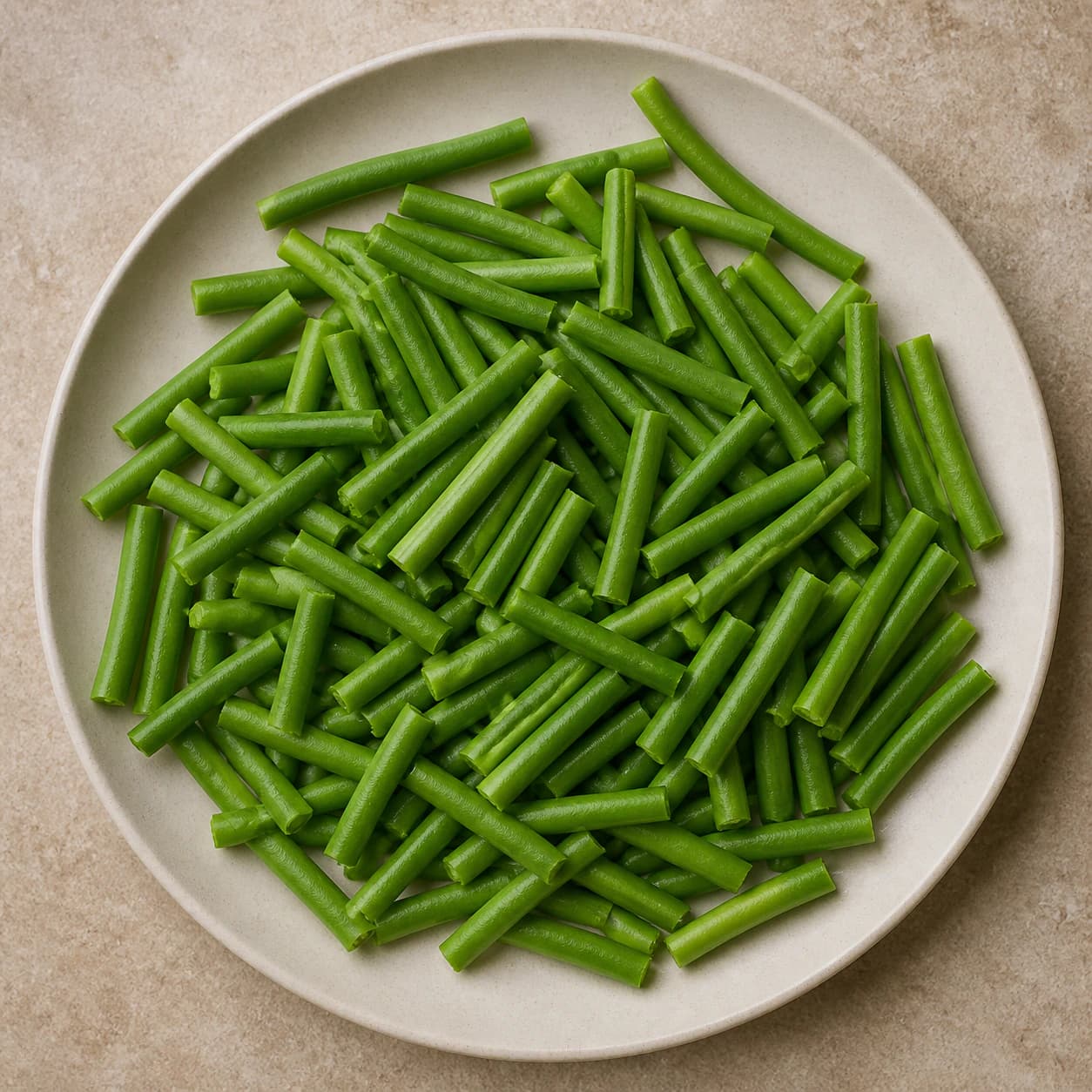
fresh green snap cooked in the same pot without muddying the sauce
Swap: 200 g cauliflower florets, added 4 minutes earlier
Melbourne
Nearby produce marketsSearch ColesSearch WoolworthsFind an ALDIFind an IGASearch TozerbaSearch Asian PantryToko NusantaraThese links open searches, catalogues, or store locators. Check the exact form and local availability there.
Jakarta
Nearby produce marketsPasar Jaya networkSuper Indo locationsRanch Market outletsHypermart onlineSearch SayurboxSearch TokopediaSearch ShopeeOpen GrabMartThese links open searches, catalogues, or store locators. Check the exact form and local availability there.
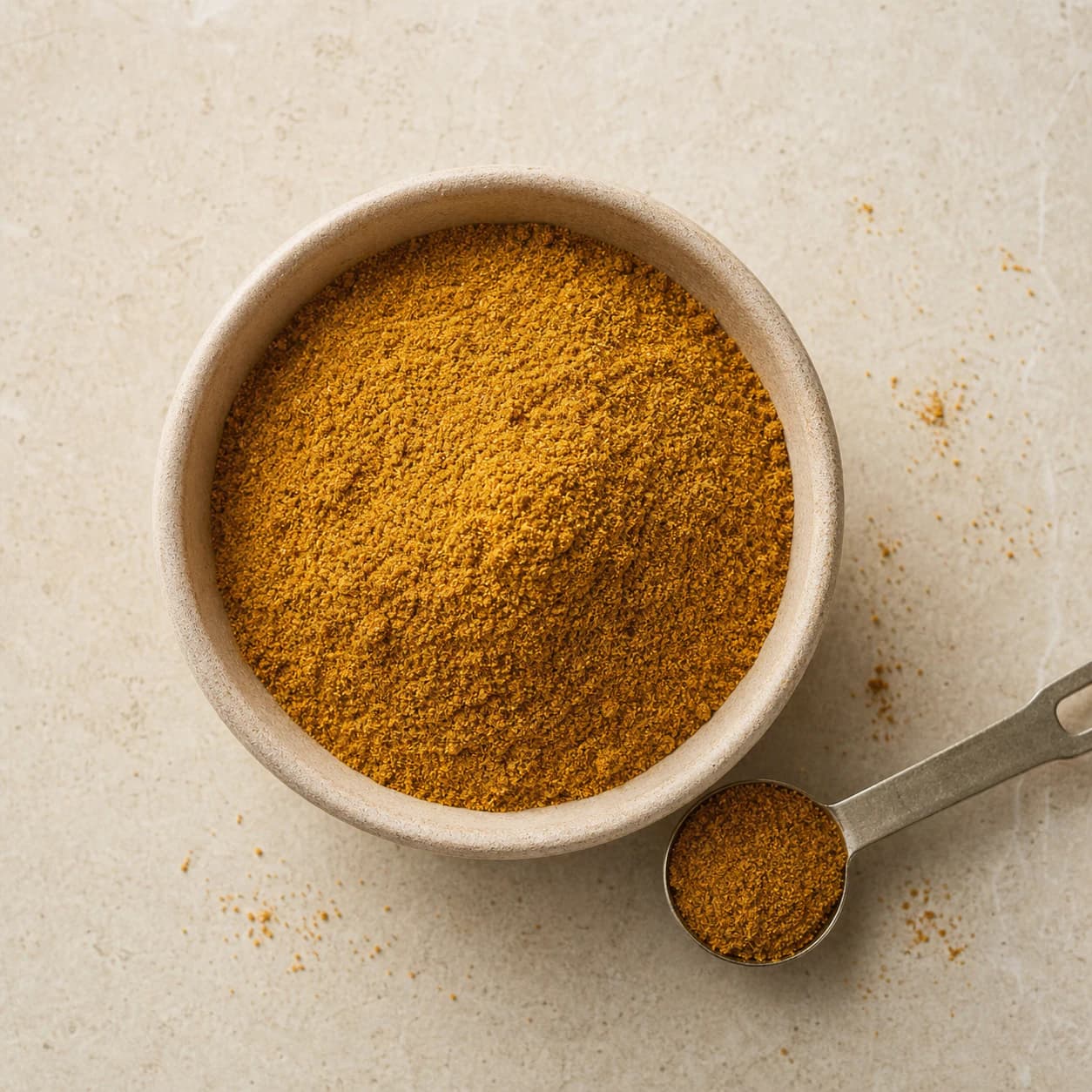
a transparent supermarket shortcut supplying coriander, cumin, fenugreek, and warm spice
Note: Blends vary in salt, chilli, mustard, celery, and wheat. Read the exact label and use a fresh aromatic jar, not a stale open packet.
Melbourne
Nearby specialist grocersMr Dad CBD guideGuideSolAsia QV guideGuideSearch TozerbaSearch Asian PantryToko NusantaraSearch ColesSearch WoolworthsFind an ALDIFind an IGAThese links open searches, catalogues, or store locators. Check the exact form and local availability there.
Jakarta
Nearby specialist shopsSearch SayurboxSearch TokopediaSearch ShopeeOpen GrabMartSuper Indo locationsRanch Market outletsHypermart onlinePasar Jaya networkThese links open searches, catalogues, or store locators. Check the exact form and local availability there.
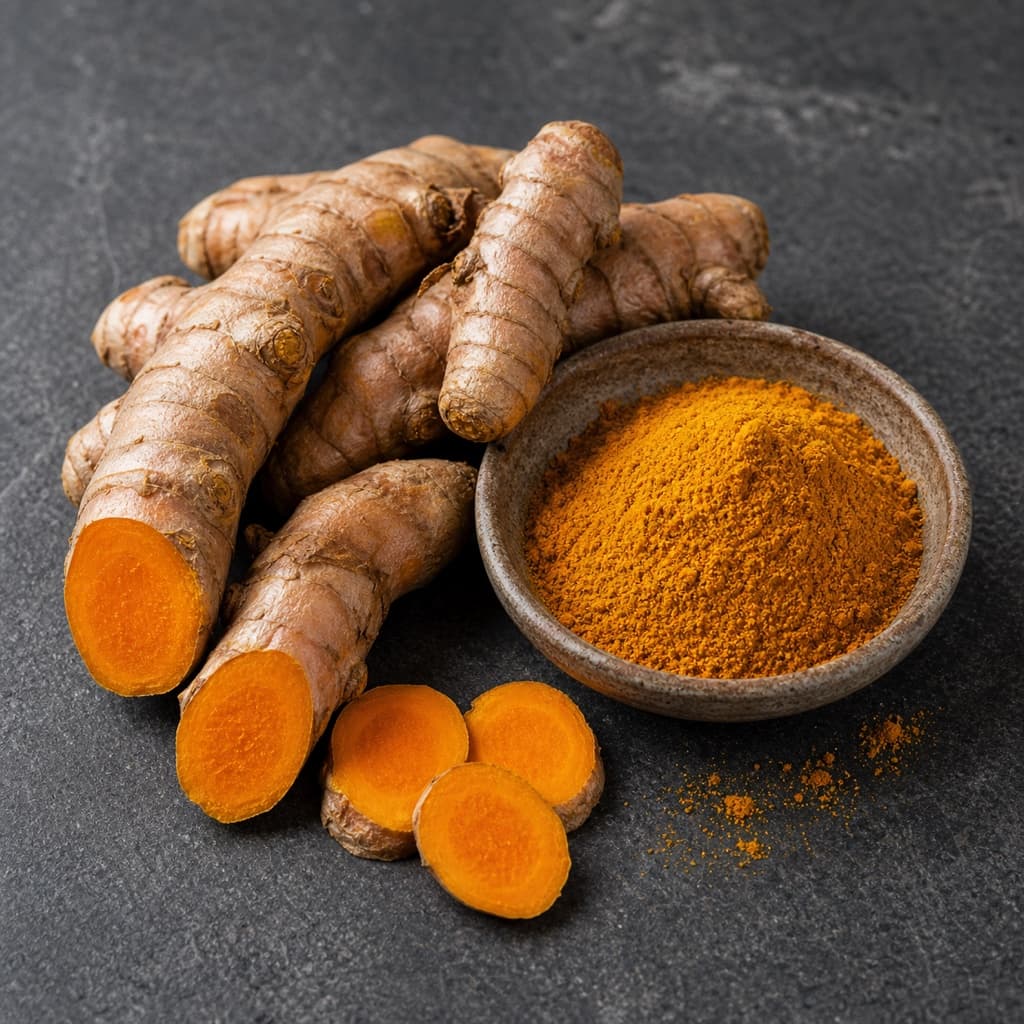
reinforces the golden colour without requiring a second spice blend
Melbourne
Nearby specialist grocersMr Dad CBD guideGuideSolAsia QV guideGuideSearch TozerbaSearch Asian PantryToko NusantaraSearch ColesSearch WoolworthsFind an ALDIFind an IGAThese links open searches, catalogues, or store locators. Check the exact form and local availability there.
Jakarta
Nearby specialist shopsSearch SayurboxSearch TokopediaSearch ShopeeOpen GrabMartSuper Indo locationsRanch Market outletsHypermart onlinePasar Jaya networkThese links open searches, catalogues, or store locators. Check the exact form and local availability there.
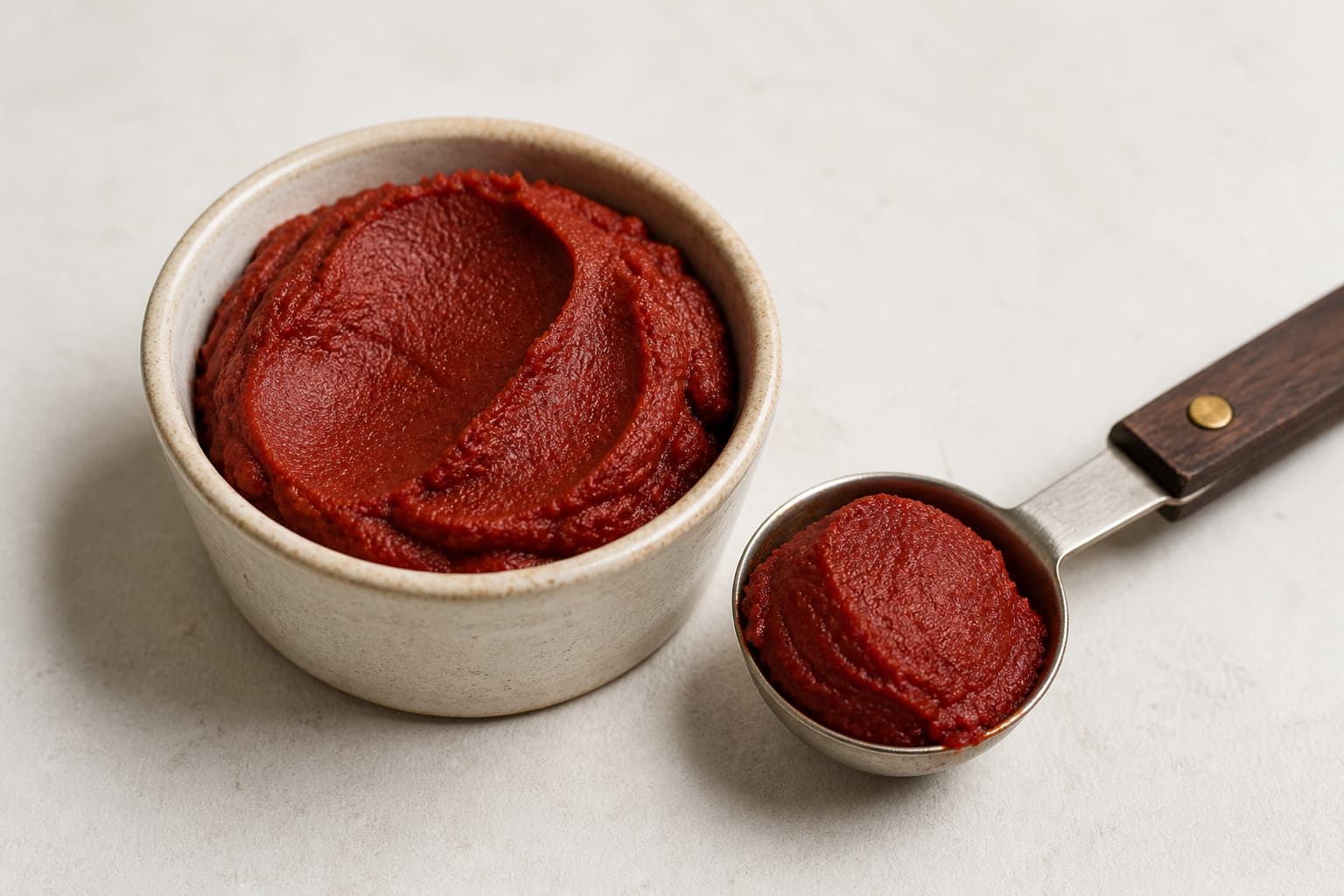
fried savoury concentration beneath the canned tomato
Note: Use unsweetened tomato paste, not ketchup or bottled tomato sauce.
Melbourne
Nearby specialist grocersMr Dad CBD guideGuideSolAsia QV guideGuideSearch TozerbaSearch Asian PantryToko NusantaraSearch ColesSearch WoolworthsFind an ALDIFind an IGAThese links open searches, catalogues, or store locators. Check the exact form and local availability there.
Jakarta
Nearby specialist shopsSearch SayurboxSearch TokopediaSearch ShopeeOpen GrabMartSuper Indo locationsRanch Market outletsHypermart onlinePasar Jaya networkThese links open searches, catalogues, or store locators. Check the exact form and local availability there.
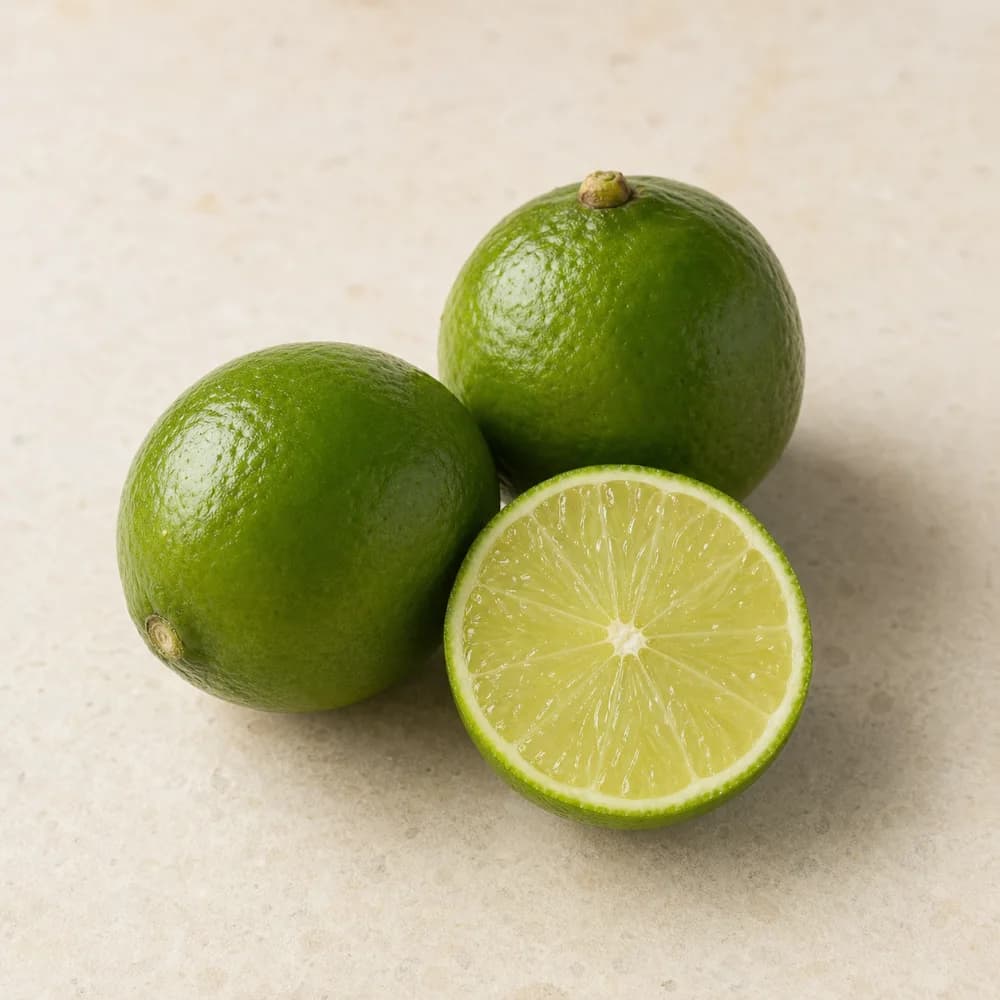
off-heat acidity that restores definition after coconut reduction
Melbourne
Nearby produce marketsSearch ColesSearch WoolworthsFind an ALDIFind an IGASearch TozerbaSearch Asian PantryToko NusantaraThese links open searches, catalogues, or store locators. Check the exact form and local availability there.
Jakarta
Nearby produce marketsPasar Jaya networkSuper Indo locationsRanch Market outletsHypermart onlineSearch SayurboxSearch TokopediaSearch ShopeeOpen GrabMartThese links open searches, catalogues, or store locators. Check the exact form and local availability there.
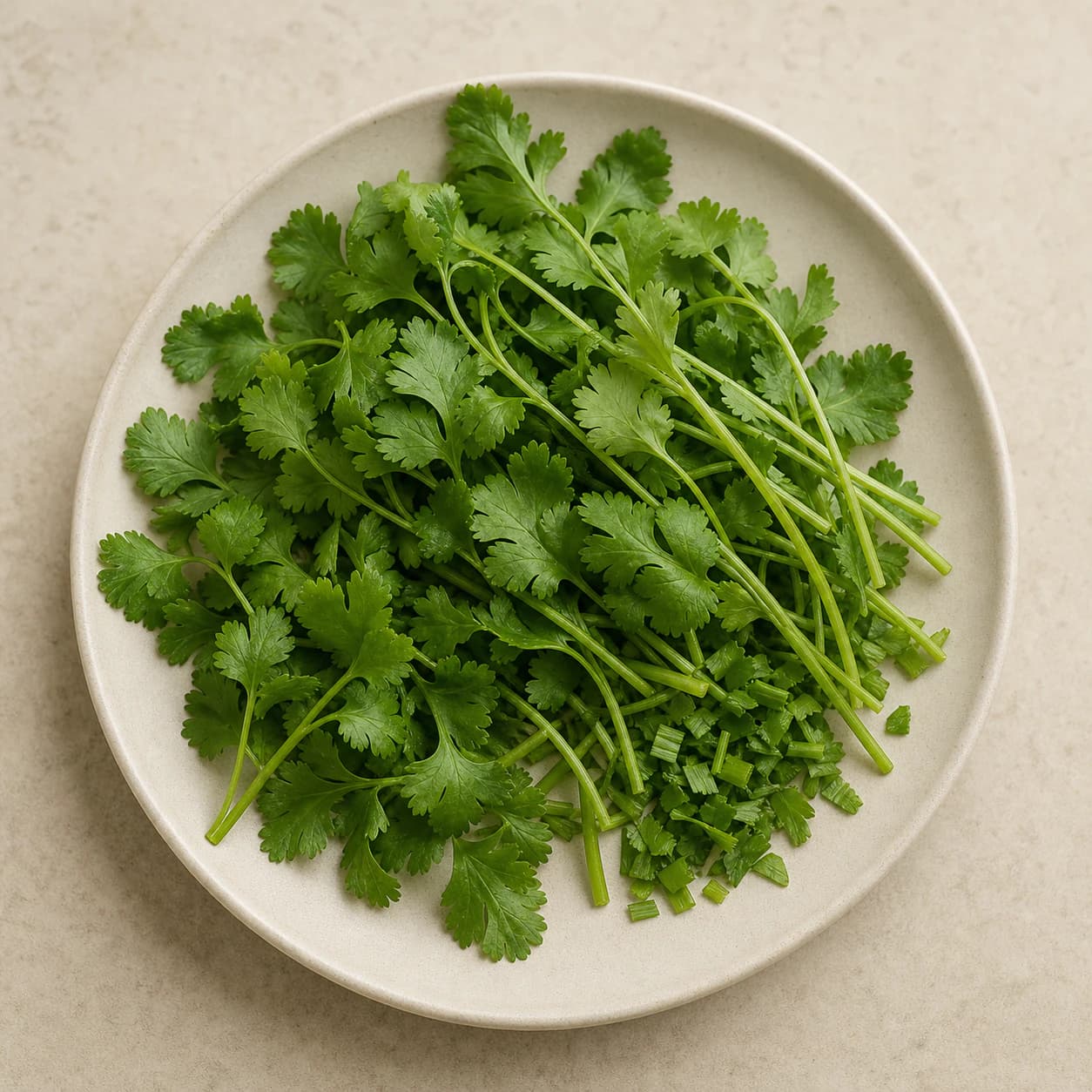
optional fresh herbal finish rather than a cooked generic green note
Swap: thinly sliced scallion greens
Melbourne
Nearby produce marketsSearch ColesSearch WoolworthsFind an ALDIFind an IGASearch TozerbaSearch Asian PantryToko NusantaraThese links open searches, catalogues, or store locators. Check the exact form and local availability there.
Jakarta
Nearby produce marketsPasar Jaya networkSuper Indo locationsRanch Market outletsHypermart onlineSearch SayurboxSearch TokopediaSearch ShopeeOpen GrabMartThese links open searches, catalogues, or store locators. Check the exact form and local availability there.
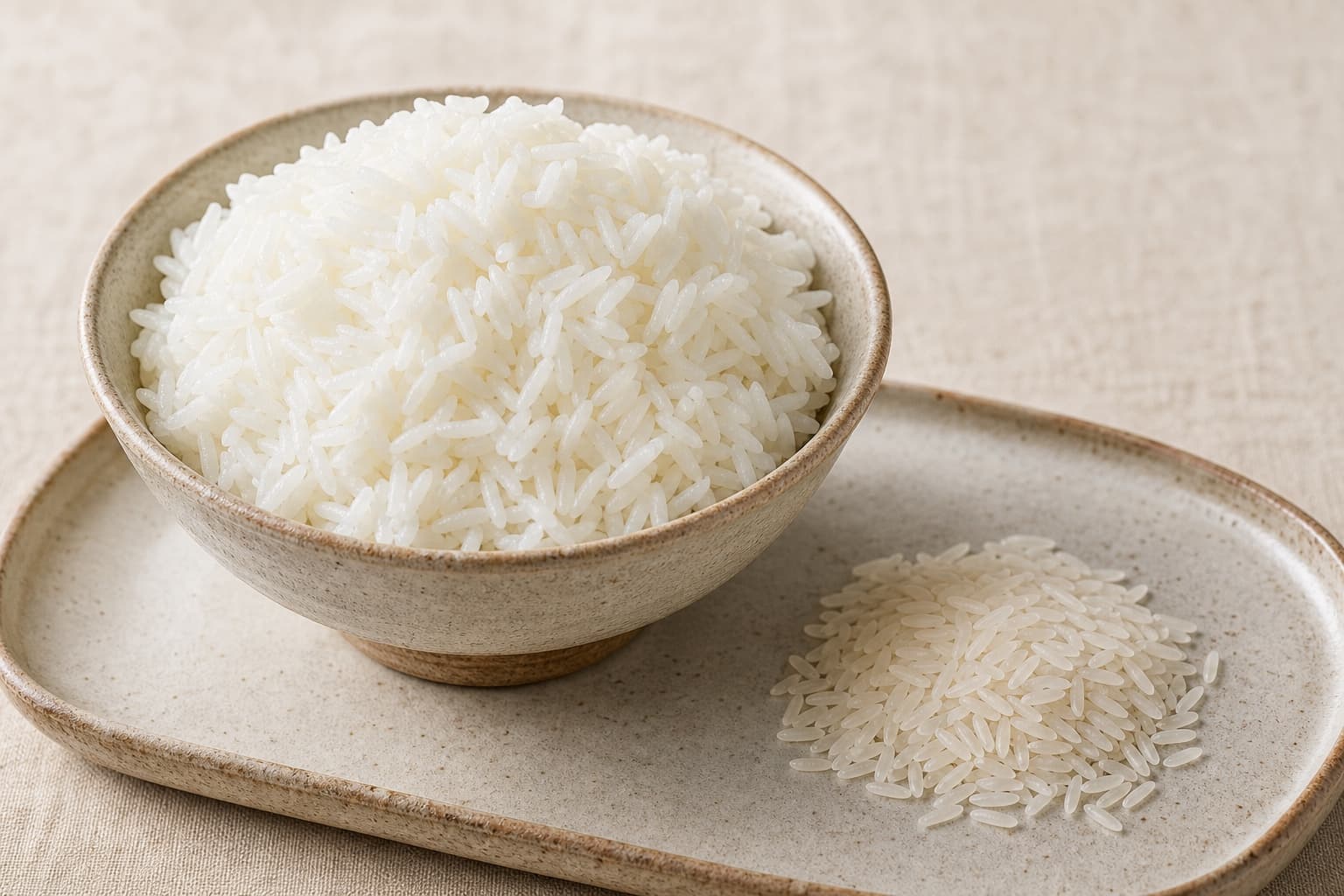
optional prepared accompaniment for four bowls
Melbourne
Nearby produce marketsSearch ColesSearch WoolworthsFind an ALDIFind an IGASearch TozerbaSearch Asian PantryToko NusantaraThese links open searches, catalogues, or store locators. Check the exact form and local availability there.
Jakarta
Nearby produce marketsPasar Jaya networkSuper Indo locationsRanch Market outletsHypermart onlineSearch SayurboxSearch TokopediaSearch ShopeeOpen GrabMartThese links open searches, catalogues, or store locators. Check the exact form and local availability there.
Calculated estimate · per serving
1 of 4 curry servings; optional rice or flatbread excluded
Calculated from the authored edible ingredient weights using representative AFCD Release 3 and USDA FoodData Central profiles, then divided by the recipe yield. Energy follows the FSANZ ingredient-contribution method. Optional serving accompaniments are excluded. The full authored chicken, vegetables, tomato, coconut milk, aromatics, spices, acid, salt, and measured oil are divided across four curry portions; optional starch accompaniments are excluded.
Calculated estimate only, not a laboratory result or personalised dietary advice. Actual values vary with brands, produce, meat trim, substitutions, final serving size, and how much cooking or rendered oil is left in the pan or skimmed. Check packaged labels for allergens and sodium; consult an accredited practising dietitian or clinician for medical dietary needs. Chicken trim, coconut-milk brand, vegetable size, final reduction, and oil left in the pot can shift energy, fat, carbohydrate, and sodium.
Reference data: Australian Food Composition Database · FSANZ calculation method · USDA FoodData Central · calculated 2026-07-15
Step-by-step method
Read the action and cue together. Move on when the food matches the cue.
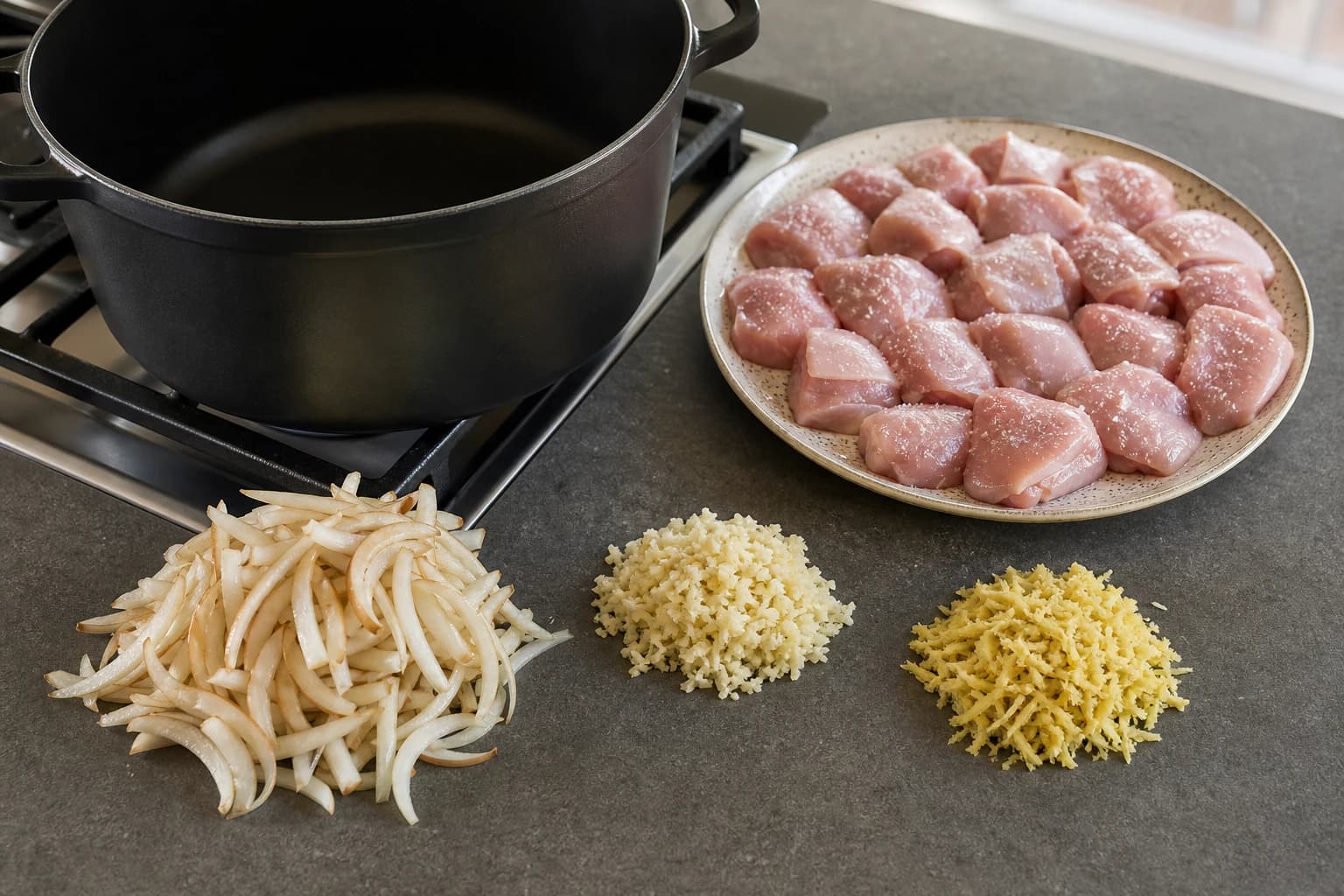
Do not wash the chicken. Pat it dry, cut it into even 4 cm pieces, and toss with 5 g of the measured salt; reserve 4 g salt for the sauce. Slice the onion, grate the garlic and ginger, and keep each separate. Let the salted chicken stand only while the wide pot heats over medium-high for 3 minutes.
Common mistake: Wet or uneven chicken steams and reaches 75°C at different times.
Recovery: Spread the food out, raise heat only after moisture drops, and hold back extra sauce until the pan is frying again.
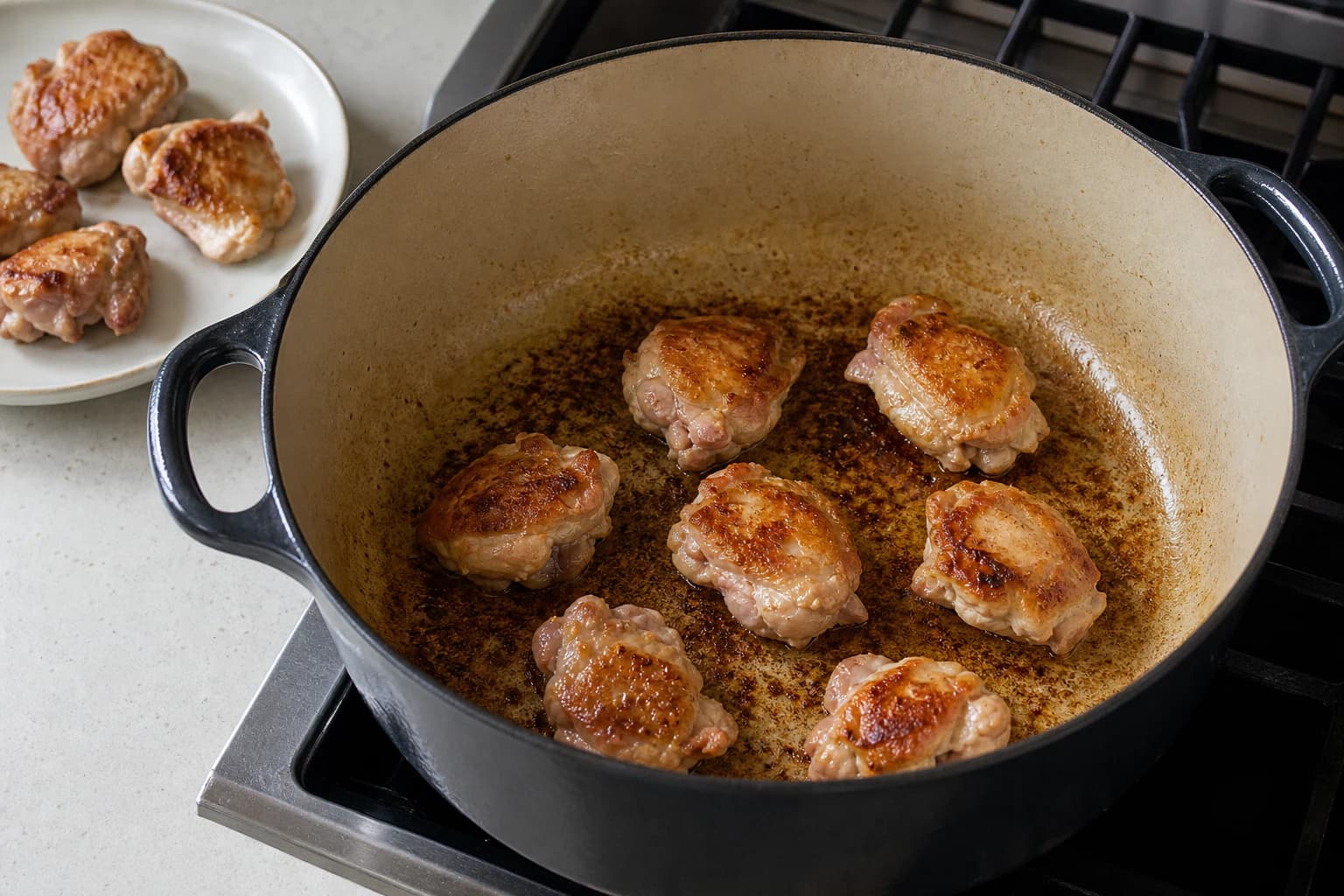
Using the raw-poultry utensil, add the neutral oil. When it shimmers, brown half the chicken without moving it for about 90 seconds, turn, and colour a second face for 60 seconds. Transfer to a raw-chicken plate and repeat. The chicken must remain raw inside at this stage. If grey liquid pools, let it evaporate before the next batch rather than adding more oil. Wash and sanitise this utensil or set it aside; keep the second utensil clean for cooked chicken.
Common mistake: Cooking the chicken through before the sauce is built guarantees dry meat after simmering.
Recovery: Pause before the next step, compare the cue, then correct heat, moisture, or seasoning while the dish is still flexible.
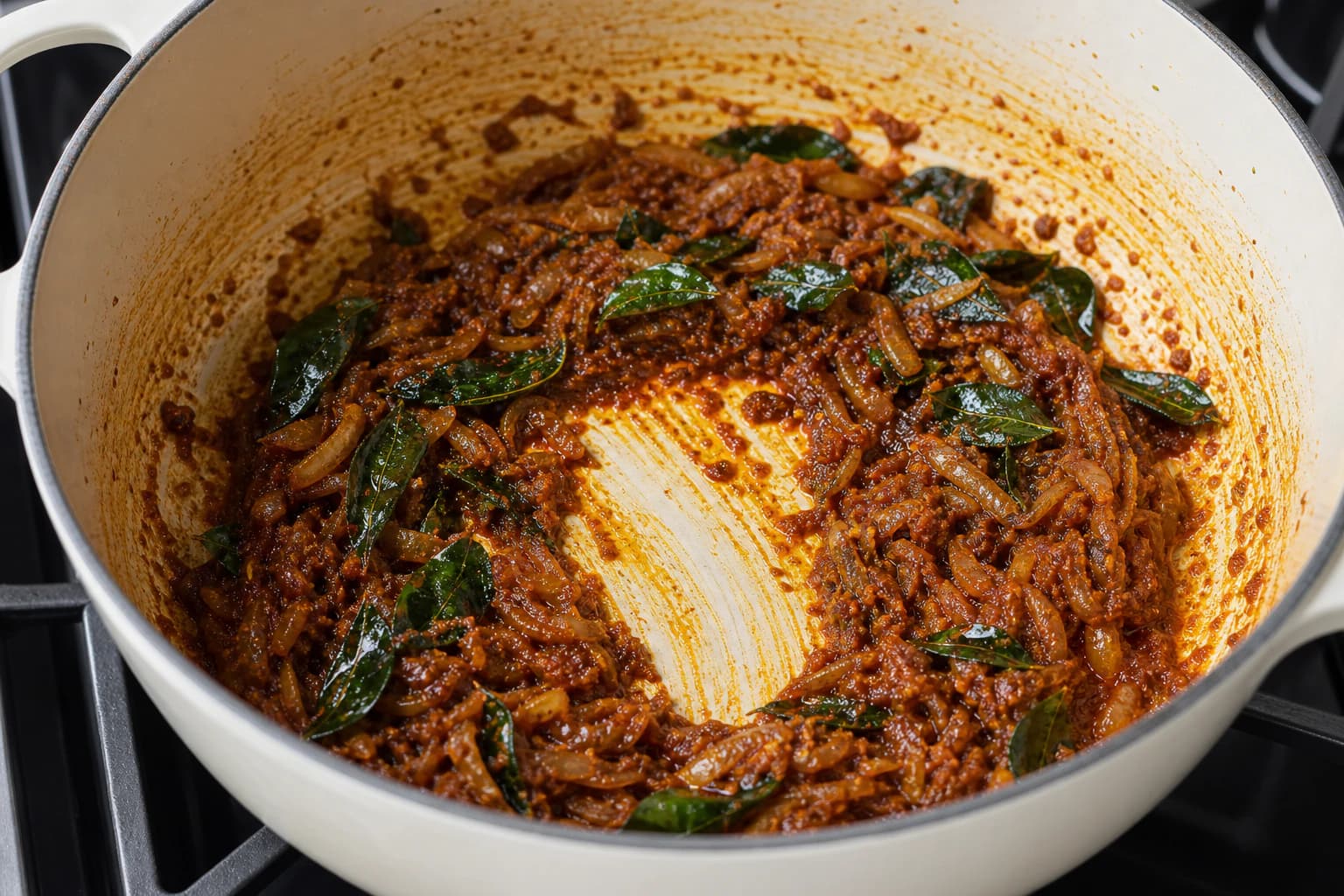
Lower to medium. Add the sliced onion and cook for 7–8 minutes, scraping the chicken fond into it, until soft and gold at the edges. Add the completely dry curry leaves carefully; they will crackle. After 20 seconds add garlic and ginger for 60 seconds. Add curry powder and turmeric for 45 seconds, then fry the tomato paste for 90 seconds until rust-red. Pour in the measured water and scrape until the pot base is clean.
Common mistake: Wet curry leaves spit dangerously; dry spice left unfried tastes gritty and flat.
Recovery: Spread the food out, raise heat only after moisture drops, and hold back extra sauce until the pan is frying again.
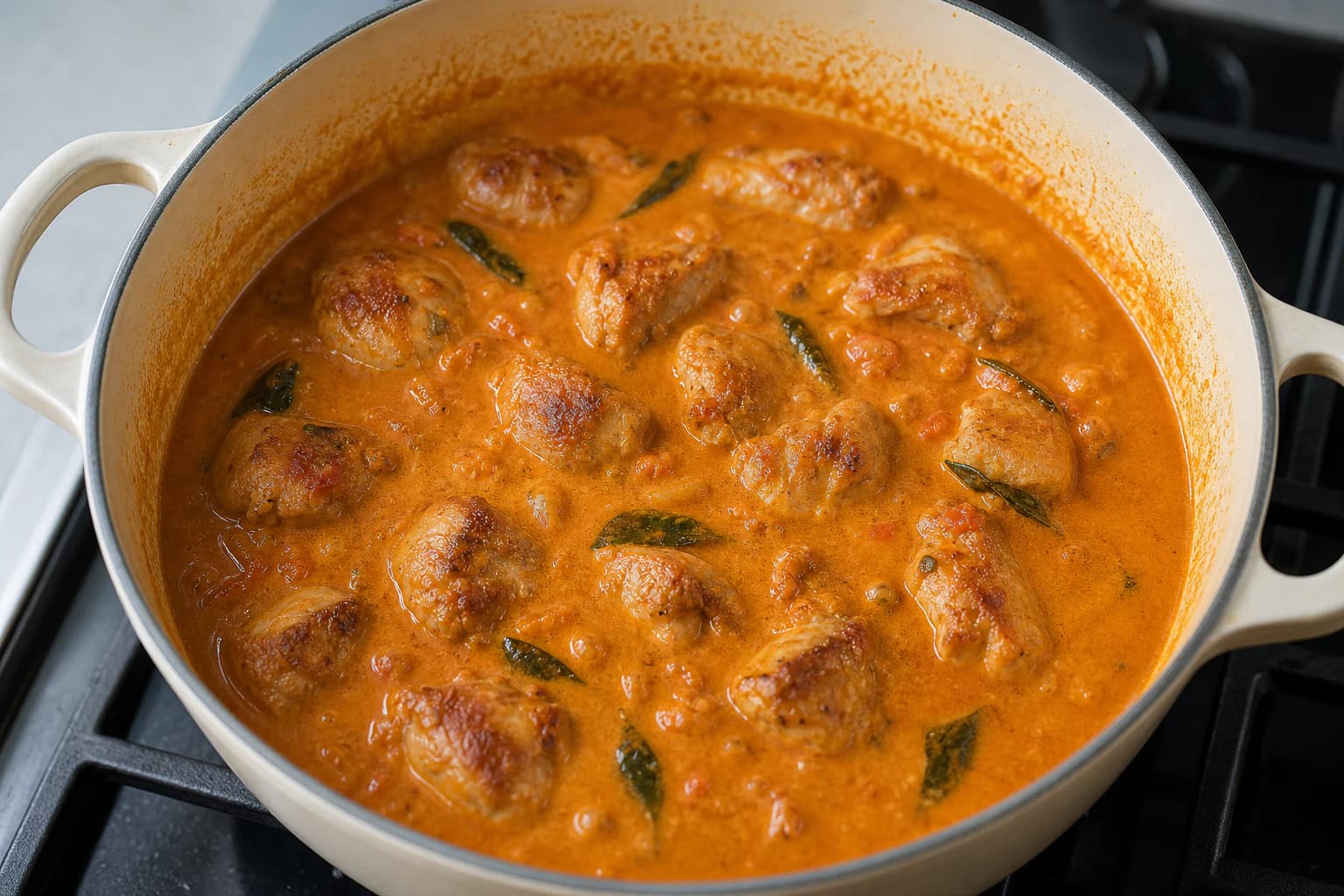
Stir in the crushed tomatoes, coconut milk, brown sugar, and 2 g of the reserved salt until smooth. Return the browned chicken and its plate juices. Bring to the first boil, then hold an uncovered gentle simmer for 10–12 minutes, stirring the bottom every 2 minutes so coconut solids and tomato do not catch.
Common mistake: A hard boil splits the sauce aggressively and toughens the outside of the chicken.
Recovery: Lower the heat immediately, skim or stir gently, and continue at a small simmer until the surface calms.
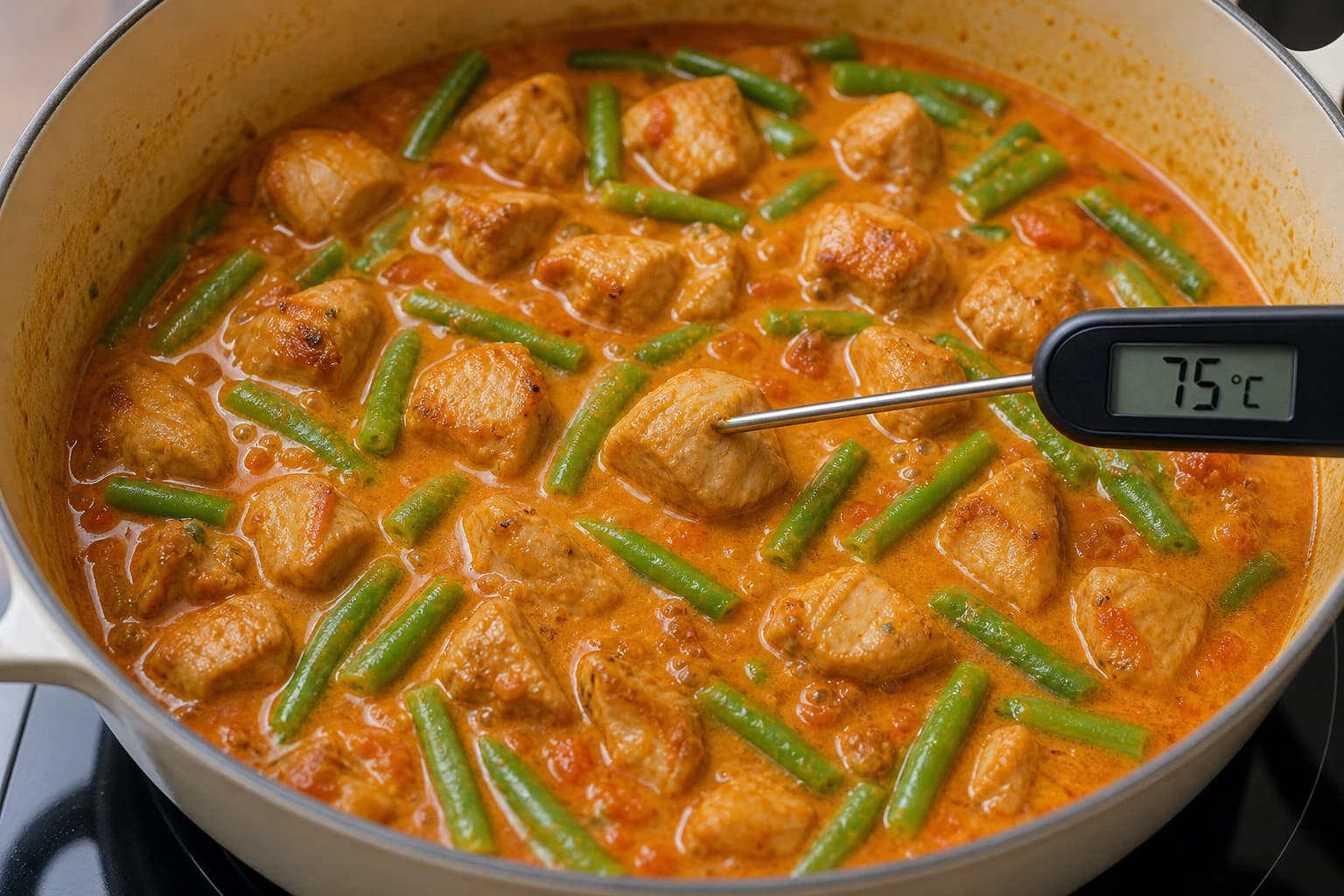
Trim and halve the green beans, add them to the pot, and simmer for 5–7 minutes until bright and just tender. Probe several chicken pieces, including the largest, through the centre; every piece must reach at least 75°C. Using the clean cooked-food utensil, transfer safe pieces to the clean serving bowl if the sauce still pours like soup, leaving the beans behind to finish.
Common mistake: Using the smallest piece as the only temperature check can leave a large piece undercooked.
Recovery: Pause before the next step, compare the cue, then correct heat, moisture, or seasoning while the dish is still flexible.
If needed, reduce the sauce and beans over medium-high until a spoon trail exposes the pot for about 2 seconds. Return any held chicken and juices for 30 seconds. Turn off the heat, squeeze in 15 ml lime juice, taste, then add more lime and only enough of the remaining 2 g salt. Fold through optional coriander and serve with the optional cooked rice. Cool leftovers in shallow containers within 2 hours, refrigerate at 5°C or colder for up to 3 days, and reheat rapidly to at least 75°C.
Common mistake: Adding lime before reduction dulls its aroma; keeping safe chicken in the pot during a long reduction dries it.
Recovery: Pause before the next step, compare the cue, then correct heat, moisture, or seasoning while the dish is still flexible.
Fix problems
The active method already includes its most likely mistake and recovery. Open the reference library when your question falls outside the current step.
No. It is a transparent contemporary Melbourne weeknight synthesis using a commercial curry-powder shortcut with fresh curry leaves, tomato, coconut, ginger, and restaurant-style fond and reduction control.
Yes, but shorten its exposure. Brown 4 cm breast pieces for only 60 seconds per face, build and simmer the sauce for 8 minutes before returning them, then cook just until every centre reaches at least 75°C.
Lift out chicken once it reaches 75°C and reduce the sauce alone. A few orange oil glints are normal; for a greasy split, lower the heat and stir in 15 ml hot water. Do not disguise a thin sauce with flour or starch.
Yes, although green beans soften. For the best result, freeze the chicken and sauce without beans or coriander for up to 2 months, thaw in the refrigerator, reheat to at least 75°C, and add freshly cooked beans and lime.
Turn a supermarket curry-powder shortcut into a layered, glossy sauce without drying the chicken or leaving raw spice grit. Look for glossy orange curry clinging to chicken and bright green beans with a slow-closing spoon trail: A spoon dragged across the pot exposes the base for two seconds; sauce coats chicken and beans without a red water ring.
Wet or uneven chicken steams and reaches 75°C at different times. Spread the food out, raise heat only after moisture drops, and hold back extra sauce until the pan is frying again.
Scale the measured ingredients with the serving count, then scale the vessel or work in batches. Keep the same visual finish - glossy orange curry clinging to chicken and bright green beans with a slow-closing spoon trail - rather than forcing the original timer.
boneless skinless chicken thighs: 800 g chicken breast cut into 4 cm pieces, added later as described in the FAQ; brown onion: 220 g red onion or 200 g shallots; neutral cooking oil: rice-bran, canola, sunflower, or vegetable oil; fresh curry leaves: frozen curry leaves; omit rather than replacing with bay leaf
boneless skinless chicken thighs: Keep at 5°C or colder, do not wash raw chicken, prevent cross-contamination, and cook every piece to at least 75°C in the centre.; fresh curry leaves: Leaves spit sharply if wet when they hit hot oil; dry them completely.; mild Madras-style curry powder: Blends vary in salt, chilli, mustard, celery, and wheat. Read the exact label and use a fresh aromatic jar, not a stale open packet.; double-concentrated tomato paste: Use unsweetened tomato paste, not ketchup or bottled tomato sauce.
Recipe sourcing hand-off
This page keeps only the dish-specific brief. The complete aisle list, Bahasa names, dated store evidence, optional distance sorting, and map routes live in the connected shopping and city guides.
A butcher, poultry shop, Coles, Woolworths, IGA, or market counter can cover boneless thigh; choose an intact cold pack with a suitable use-by date. Onion, garlic, ginger, lime, coriander, beans, canned tomato, coconut milk, and rice need no specialist trip.
Open the Melbourne sourcing guideUse a trusted pasar poultry seller or supermarket chilled counter for boneless thigh. Pasar produce covers onion, garlic, ginger, lime, coriander, and beans, while canned tomato, coconut milk, sugar, and rice are standard supermarket or warung lines.
Open the Jakarta sourcing guideFlavour foundation
Chicken browns in batches, then its fond seasons a patient onion base. Curry leaves bloom in hot fat before dry spices and tomato paste are fried; full-fat coconut milk simmers uncovered, and the chicken leaves at 75°C if the sauce needs further concentration.
Taste profile
This is an original contemporary Melbourne weeknight curry. Curry leaves, coconut, tomato, and commercial Madras-style powder draw from multiple South and Southeast Asian pantry traditions, so the dish is deliberately not labelled traditional, regional, or the authentic version of another community's curry.
Cook plan
Versions
Diet & allergens
Dietary notes: dairy-free, gluten-free with certified curry powder, halal-friendly with certified chicken.
Contains or may contain: mustard, celery, or wheat may occur in curry powder; check the exact label, coconut.
Check packaged-ingredient labels and cross-contamination advice for the brands you use.
Budget
Planning estimate only - not live or locally verified pricing
What belongs where
The ingredient list is organised for shopping; this map reorganises the same recipe by cooking function so you know what belongs in the pot and what stays separate.
onion, garlic, ginger, curry leaves, curry powder, turmeric, tomato, coconut
lime, coriander leaves and tender stems, cooked basmati or jasmine rice
Storage notes are conservative home-kitchen guidance. Chill perishable food within 2 hours, keep it at 5°C or colder, and follow local food-safety and package directions when they are stricter.
Sources & evidence
Sources support the specific technique or safety point stated below.
Cross-checks a one-pot chicken curry architecture built with toasted spice, curry leaves, onion, aromatics, tomato, coconut, and a bright acidic finish.
Boundary: The published Bumbu Lens dish is explicitly a contemporary Melbourne weeknight curry, not a claim to one traditional Sri Lankan, Indian, Malaysian, or Indonesian formula.Recorded as a local editorial or generated visual cue asset, not an independent external source.
Boundary: A local or generated asset is visual guidance, not evidence of authenticity, ingredient quantities, timing, safety, or method accuracy.Applies the Australian consumer guidance to cook all poultry and minced meat to at least 75°C in the centre and to keep raw-meat tools separate from ready-to-eat garnishes.
Boundary: Colour, clear juices, wrapper translucency, and elapsed time do not replace a clean probe reading in the thickest or largest test piece.Next cooks
Recipes here share ingredients, bumbu logic, region, spice level, or weeknight patterns so the next cook reuses what you just learned.
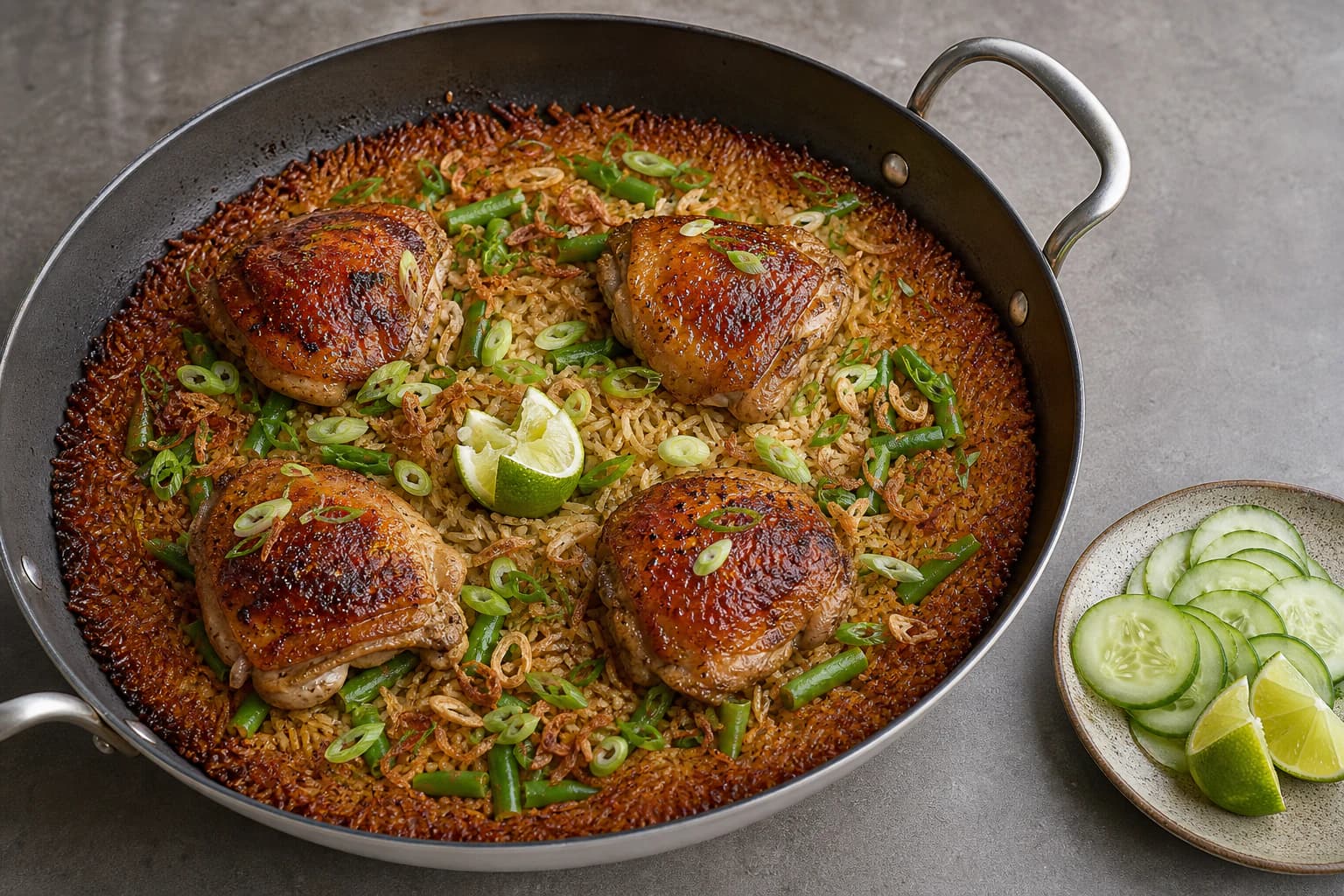 Contemporary Indonesian-inspired · IntermediateOne-Pan Chicken and Crispy RiceRender crisp chicken skin, cook separate rice grains in measured stock, and build brittle kecap-darkened edges without taking the chicken beyond its safe endpoint.
 China / home-style · IntermediateChinese Tomato Beef StewKnow when the beef is truly spoon-tender while keeping the tomato sauce glossy, not watery.
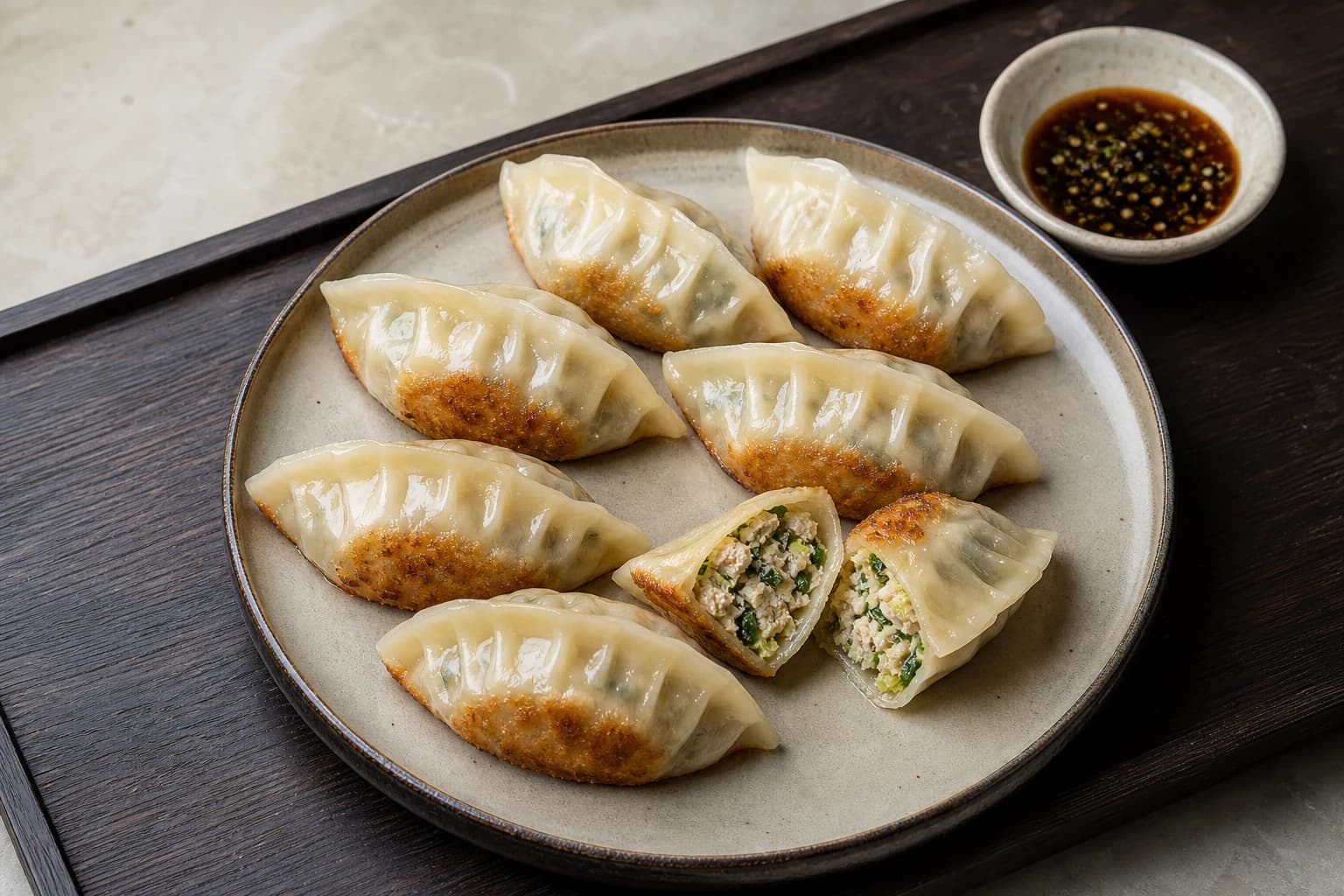 Korea / home-style gogi mandu · IntermediateHomemade Pork ManduSeal juicy pork filling inside thin mandu skins without wet seams or raw centres.
 Modern Indonesian · PatientIga Sapi Goreng MaduMake ribs fork-tender yet intact, then glaze them glossy without scorching the honey.
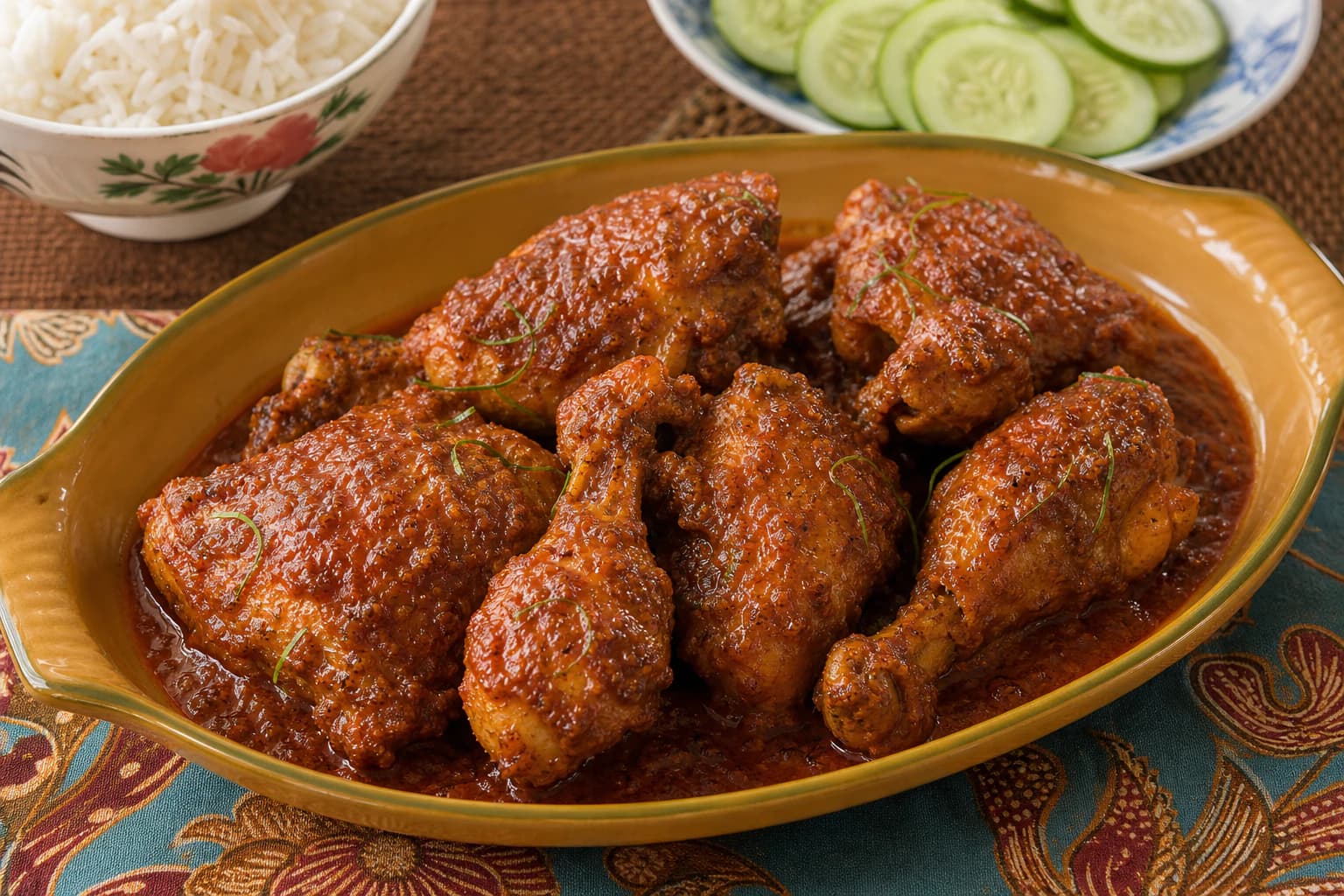 Penang / Peranakan Nyonya · IntermediatePenang Nyonya Kari KapitanCook the rempah past its raw stage, bring every chicken piece to 75°C, and reduce the sauce until it lacquers rather than floods the plate.
 Singapore / Malaysia, lemak-style · IntermediateWeeknight Laksa LemakBuild a glossy, balanced laksa broth in under an hour by frying the rempah until it releases orange oil before any stock goes in.