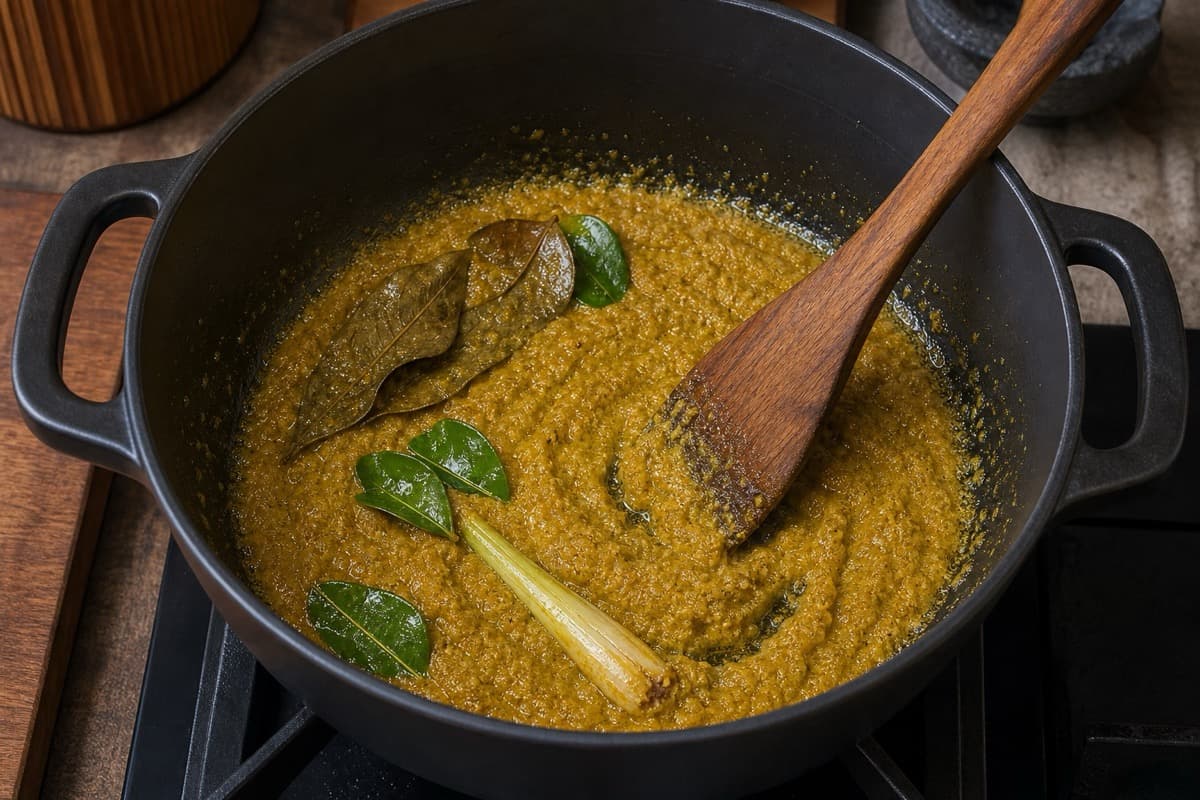
Blend and fully fry the bumbu
Golden bumbu looks glossy with a fine oil line at the edge and smells rounded, not sharp.
See this stepID · Modern Indonesian
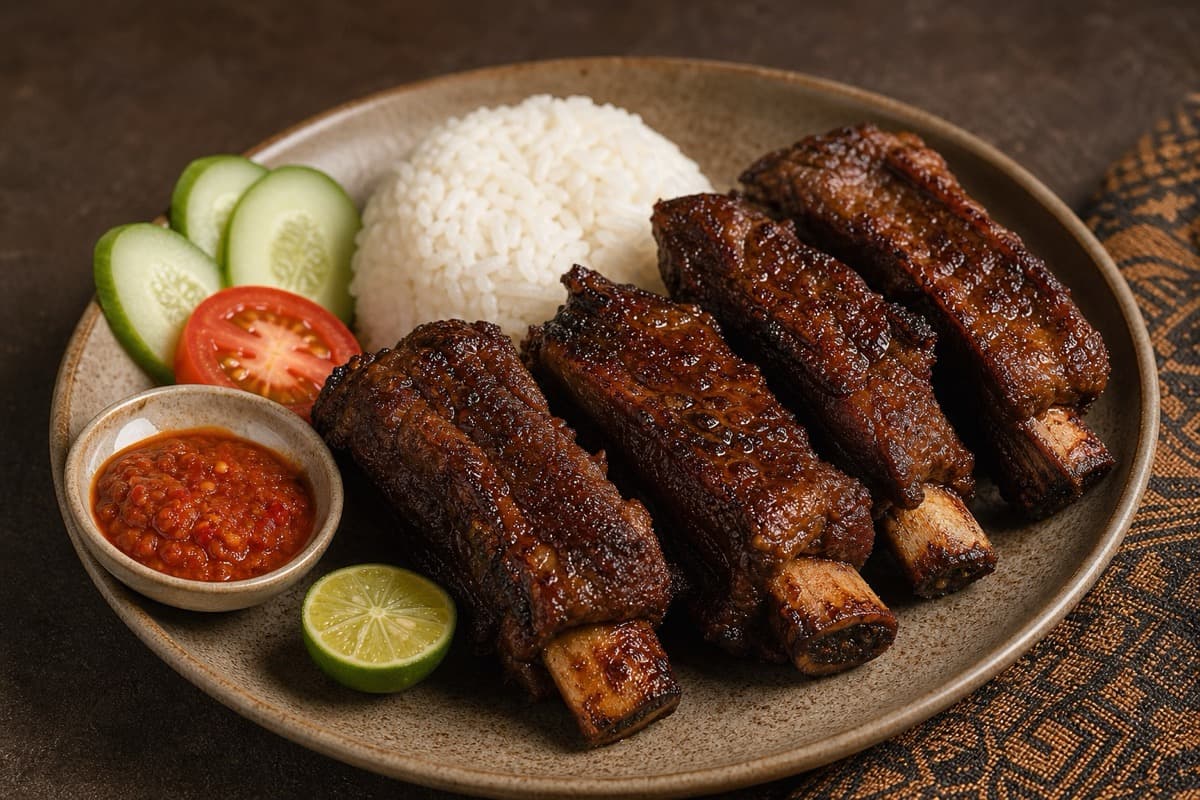
Modern Indonesian honey-glazed fried beef short ribs: tender-braised with bumbu, dried, briefly fried for crisp edges, then coated in kecap, honey, pepper, and fresh lime.
The transformation
Compare the colour, consistency, and cue at each stage.
Golden bumbu looks glossy with a fine oil line at the edge and smells rounded, not sharp.
See this step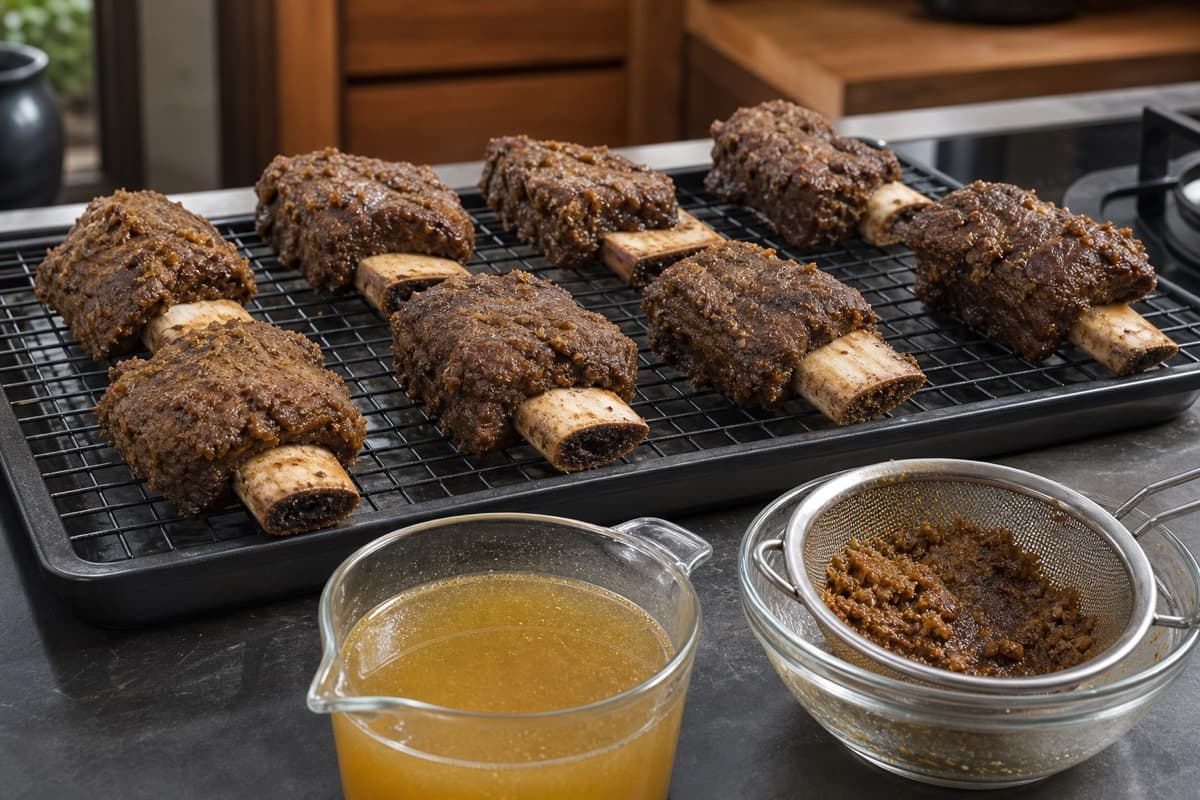
Ribs feel dry outside, remain intact, and no liquid drips toward the frying pan.
See this step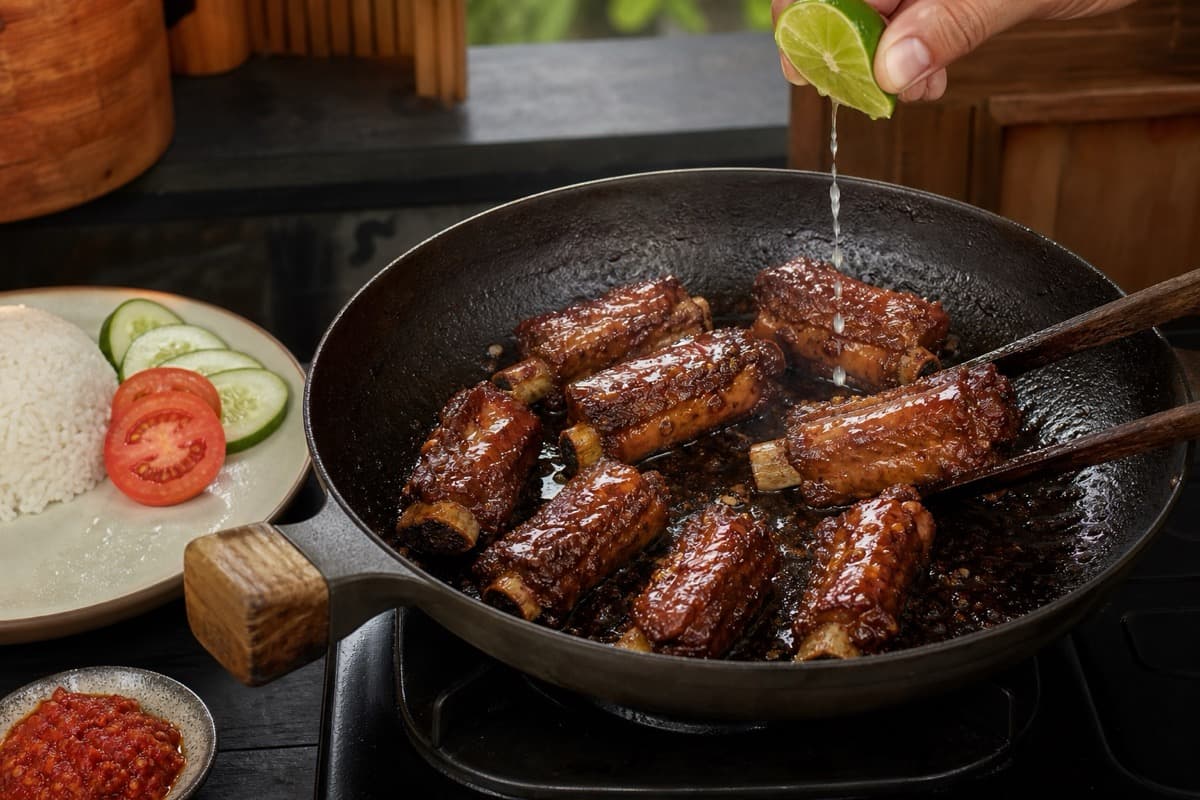
A dark-mahogany glaze clings in a thin shine; sweetness is rounded and lime smells fresh.
ReadyFlavour foundation
Moist heat converts the ribs' collagen before frying, a dry surface makes the brief fry safe and crisp, and reducing kecap-stock before adding honey prevents bitter burnt sugar.
Taste profile
A contemporary Indonesian technique synthesis rather than an invented provincial heirloom: braise first, fry briefly, glaze last.
Cook plan
Versions
Diet & allergens
Dietary notes: halal-friendly, dairy-free, egg-free.
Contains or may contain: soy, wheat depending on kecap brand.
Check packaged-ingredient labels and cross-contamination advice for the brands you use.
Budget
Planning estimate only · not live or locally verified pricing
What belongs where
The ribs have two cooked flavour systems: an aromatic braising bumbu that penetrates the meat, then a late honey-kecap glaze that coats the crisp exterior. Sambal and lalapan remain optional plate companions.
bumbu rebus iga
saus madu kecap
pelengkap
Storage notes are conservative home-kitchen guidance. Chill perishable food within 2 hours, keep it at 5°C or colder, and follow local food-safety and package directions when they are stricter.
Step-by-step method
Read the action and cue together. Move on when the food matches the cue.
Pat ribs dry. Blend shallot, garlic, turmeric, ginger, coriander, and white pepper smooth. Heat 30 ml oil over medium and fry 8–10 minutes, adding galangal, daun salam, lime leaves, and bruised lemongrass halfway. Stir until the colour deepens and raw allium smell disappears.
Common mistake: Water added while the paste smells raw locks a flat onion taste into the long braise.
Recovery: Pause before the next step, compare the cue, then correct heat, moisture, or seasoning while the dish is still flexible.
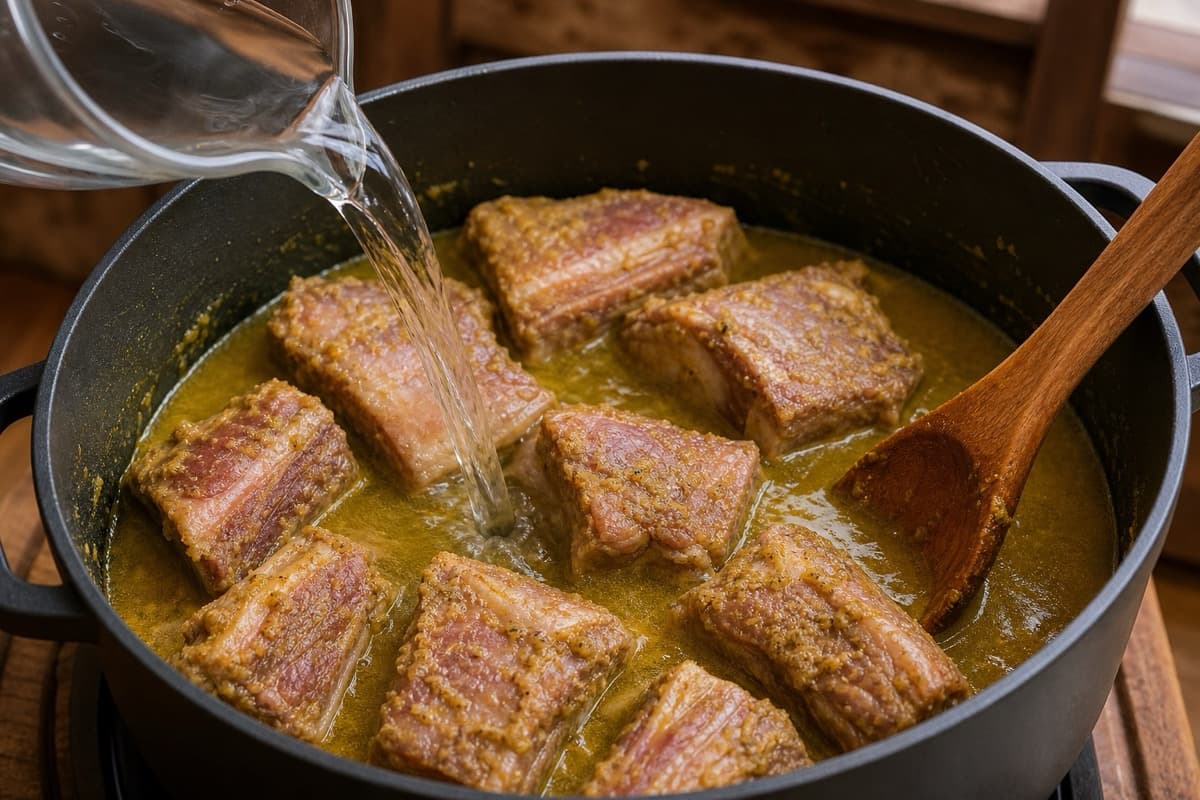
Turn eight even rib pieces through the cooked bumbu for 3 minutes. Add 1.5 L water, salt, and palm sugar; scrape the base and bring only to a gentle simmer. Partly cover once the surface is calm.
Common mistake: Honey belongs nowhere near this stage; long high heat would make it bitter.
Recovery: Move the pan off heat, scrape only the unburnt paste into a clean spot, add a small splash of oil or liquid, and restart gently.
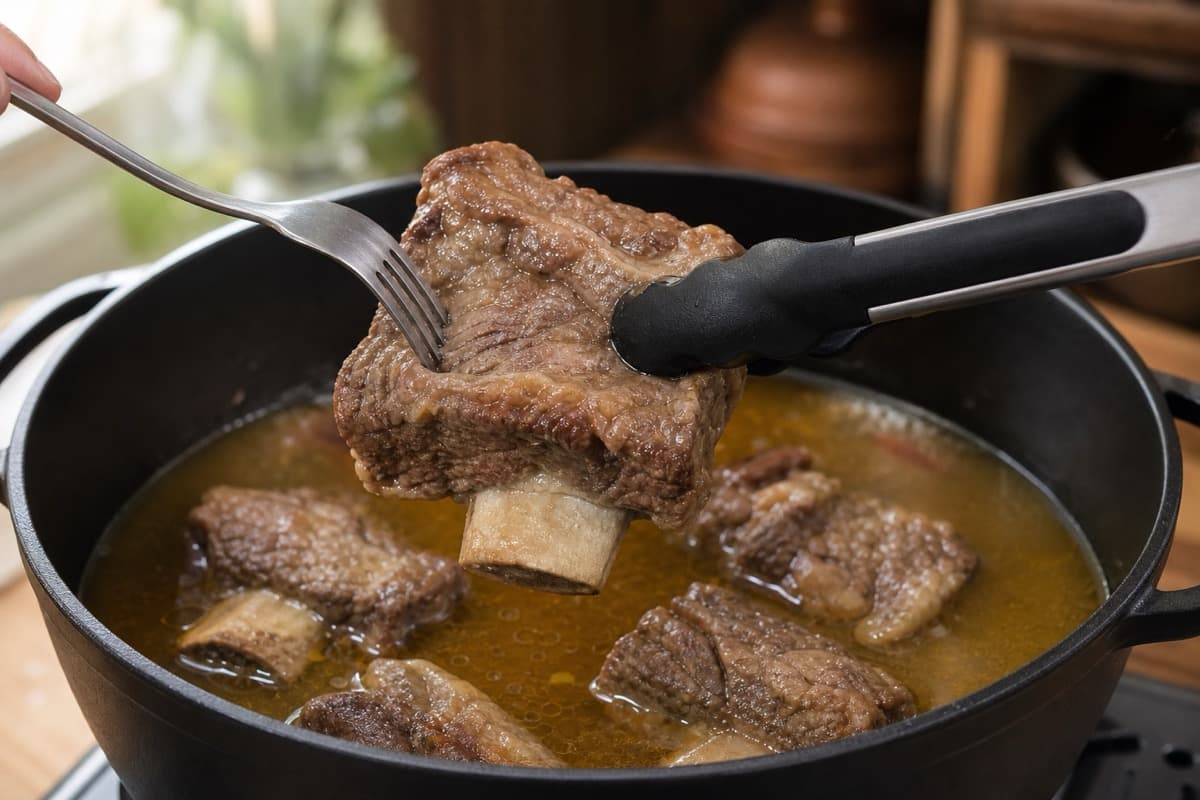
Maintain a gentle simmer for 2–2½ hours total, turning every 30 minutes and adding boiling water only if needed. Stop when a fork enters easily and about 5 mm of bone is exposed, while each piece can still be lifted. Pressure-cooker option: 750–800 ml water, 35–40 minutes high pressure, then 15 minutes natural release.
Common mistake: Falling-apart ribs disintegrate during frying, while chewy ribs need time rather than harder heat.
Recovery: Skip the oil fry. Chill the pieces until firm, reduce the glaze separately, and brush or spoon it over the meat so the flavour is saved without breaking the ribs.
Lift ribs to a rack. Strain and de-fat 150 ml braising liquid for the glaze. Gently remove only loose, thick bumbu clumps that would burn, leaving a thin seasoning film. Cool at least 20 minutes until the surface is matte, or chill uncovered for 30 minutes.
Common mistake: Wet ribs cause dangerous oil splatter and steam instead of crisping.
Recovery: Turn off the heat and step back. Never add water to hot oil. Let bubbling settle, dry the food completely, reduce the batch size, and restart only when the setup is stable.
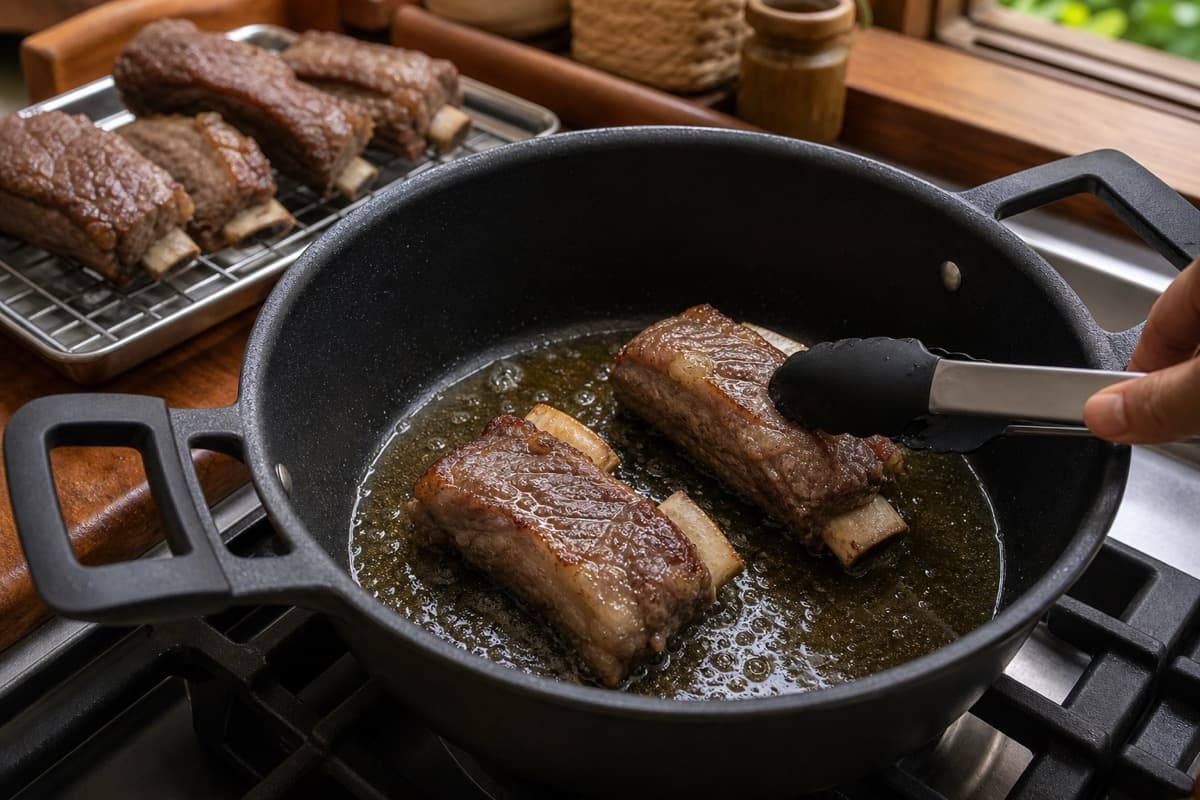
Heat 1–2 cm neutral oil to 170–175°C in a stable high-sided pan. Fry only 2–3 ribs at a time for 45–75 seconds per side, just until edges become medium brown. Drain on a clean rack; do not chase the final dark colour in oil.
Common mistake: Several minutes of frying dries meat that is already fully cooked.
Recovery: Pause before the next step, compare the cue, then correct heat, moisture, or seasoning while the dish is still flexible.
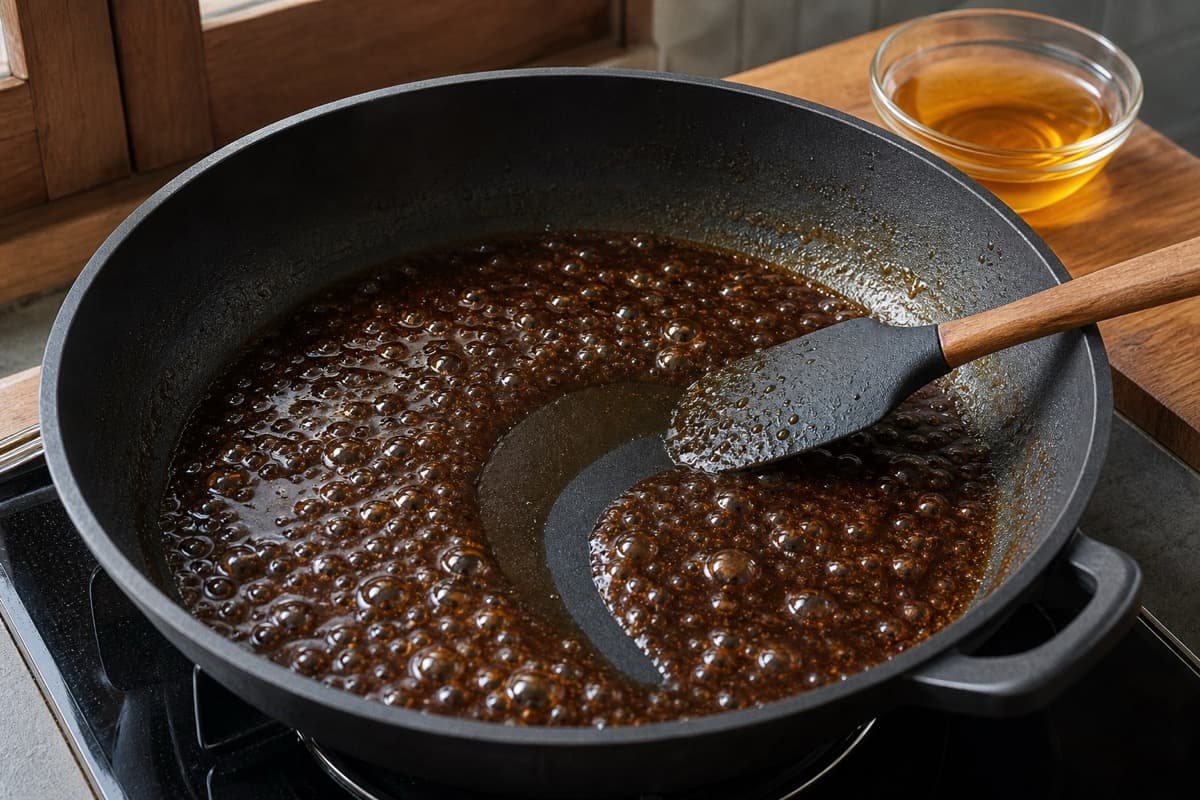
In a clean wide pan combine the 150 ml reserved stock, kecap manis, black pepper, and optional sliced chilli. Boil over medium until bubbles become large and a spatula trail stays visible for about one second. Only then lower the heat completely.
Common mistake: Reducing stock, kecap, and honey together burns the honey while water is still escaping.
Recovery: Move the pan off heat, scrape only the unburnt paste into a clean spot, add a small splash of oil or liquid, and restart gently.
Stir honey into the low-heat reduction for 20–30 seconds. Add ribs and turn gently for 45–90 seconds until coated. If it turns candy-sticky, loosen with 1 tbsp hot stock or water. Switch off heat, add lime, and serve immediately with rice, cucumber, tomato, sambal, and extra lime.
Common mistake: High heat blackens the honey, and lime cooked too early loses brightness.
Recovery: Pause before the next step, compare the cue, then correct heat, moisture, or seasoning while the dish is still flexible.
Ingredients
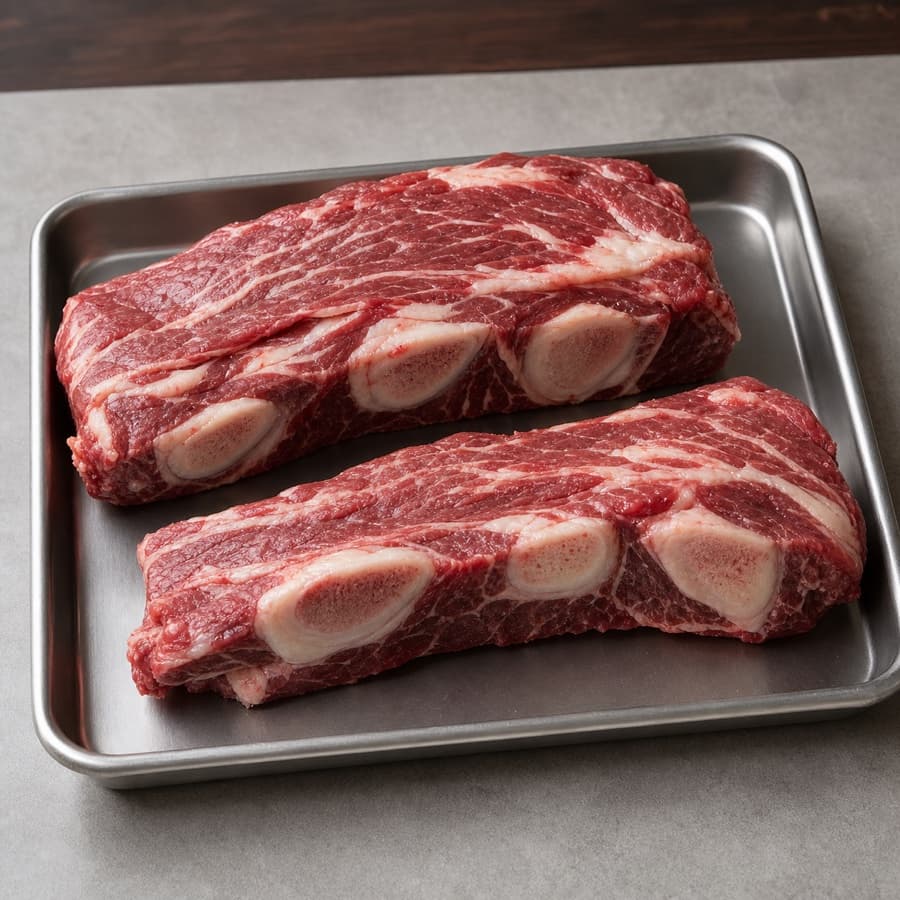
collagen-rich ribs that become tender yet survive a brief fry
Note: Ask for eight even 5–7 cm pieces; thin back ribs dry out before the braise pays off.
 Nearby Asian grocersSearch TozerbaSearch Asian PantryToko Nusantara
 Search Coles
 Search WoolworthsFind an ALDIFind an IGA
These links open searches, catalogues, or store locators. Check the exact form and local availability there.
Nearby traditional marketsPasar Jaya networkSuper Indo locationsRanch Market outletsHypermart online Search Sayurbox
 Search Tokopedia
 Search ShopeeOpen GrabMart
These links open searches, catalogues, or store locators. Check the exact form and local availability there.
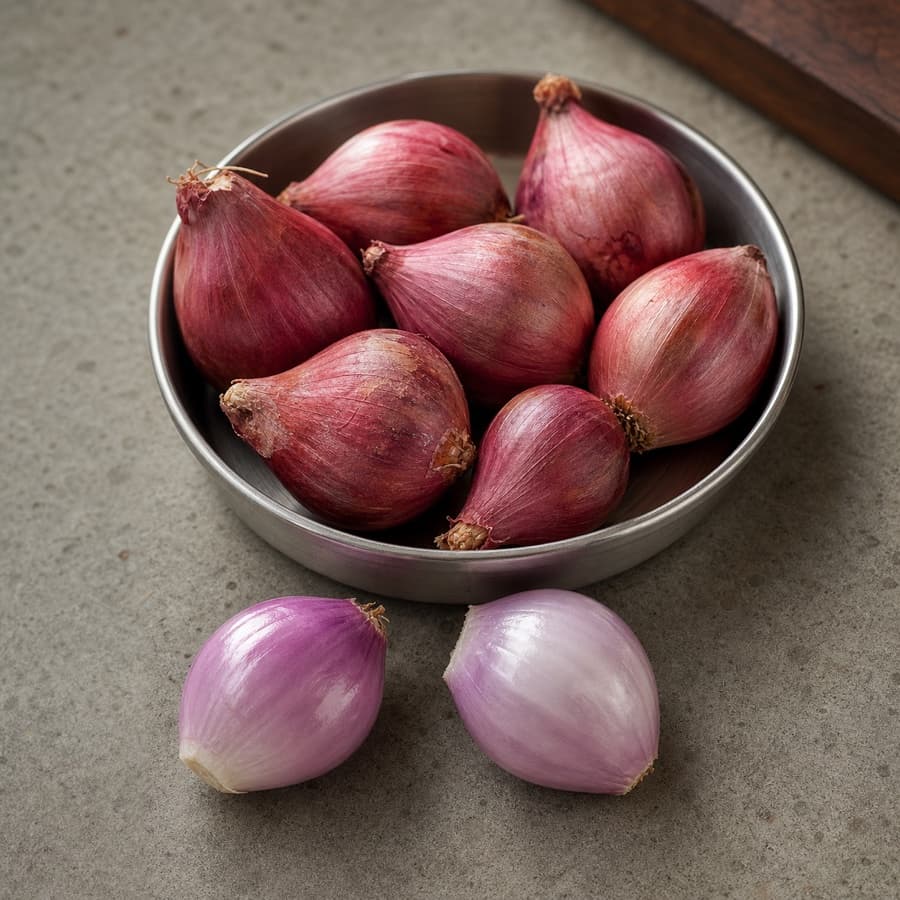
sweet body for the braising bumbu
Nearby Asian grocersSearch TozerbaSearch Asian PantryToko NusantaraSearch ColesSearch WoolworthsFind an ALDIFind an IGAThese links open searches, catalogues, or store locators. Check the exact form and local availability there.
Nearby traditional marketsPasar Jaya networkSuper Indo locationsRanch Market outletsHypermart onlineSearch SayurboxSearch TokopediaSearch ShopeeOpen GrabMartThese links open searches, catalogues, or store locators. Check the exact form and local availability there.
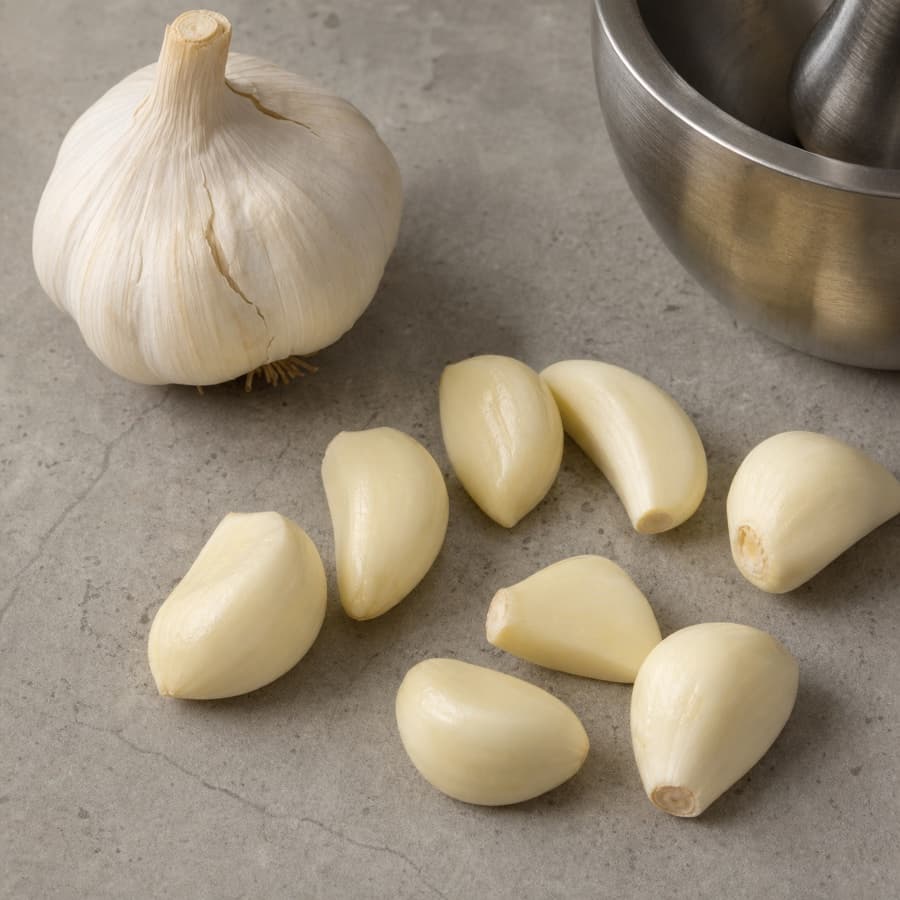
savoury depth cooked past its raw edge
Nearby Asian grocersSearch TozerbaSearch Asian PantryToko NusantaraSearch ColesSearch WoolworthsFind an ALDIFind an IGAThese links open searches, catalogues, or store locators. Check the exact form and local availability there.
Nearby traditional marketsPasar Jaya networkSuper Indo locationsRanch Market outletsHypermart onlineSearch SayurboxSearch TokopediaSearch ShopeeOpen GrabMartThese links open searches, catalogues, or store locators. Check the exact form and local availability there.
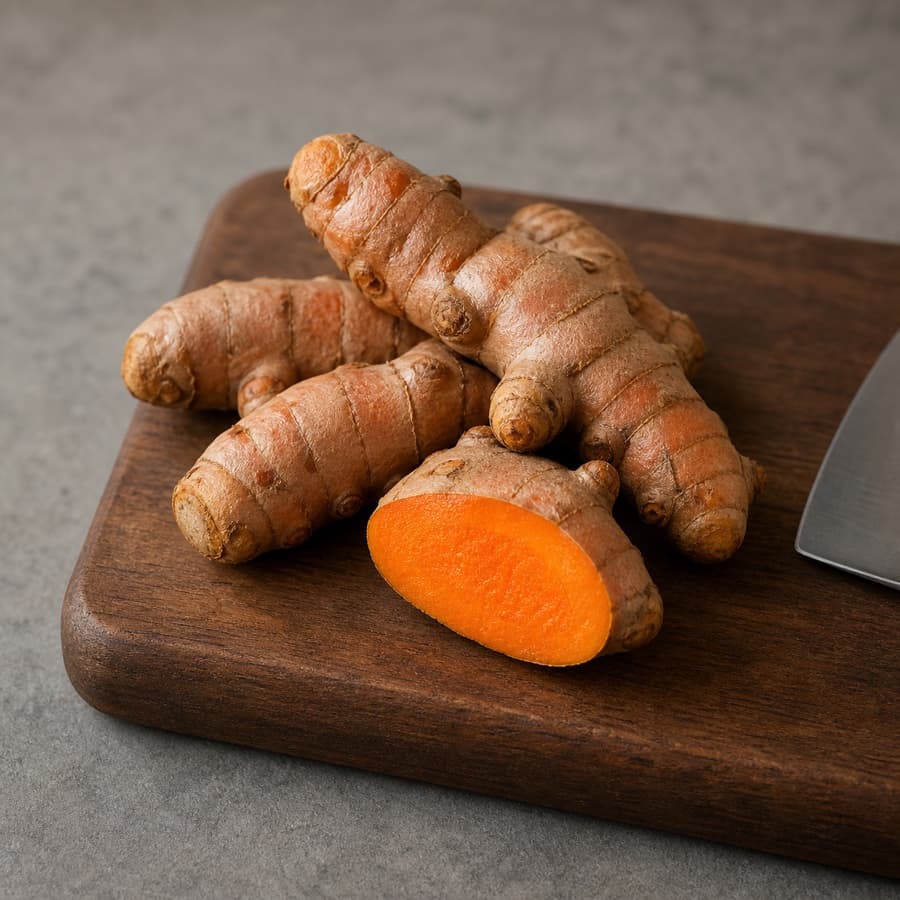
earthy colour and Indonesian braise character
Swap: 1 tsp ground turmeric
Nearby Asian grocersSearch TozerbaSearch Asian PantryToko NusantaraSearch ColesSearch WoolworthsFind an ALDIFind an IGAThese links open searches, catalogues, or store locators. Check the exact form and local availability there.
Nearby traditional marketsPasar Jaya networkSuper Indo locationsRanch Market outletsHypermart onlineSearch SayurboxSearch TokopediaSearch ShopeeOpen GrabMartThese links open searches, catalogues, or store locators. Check the exact form and local availability there.
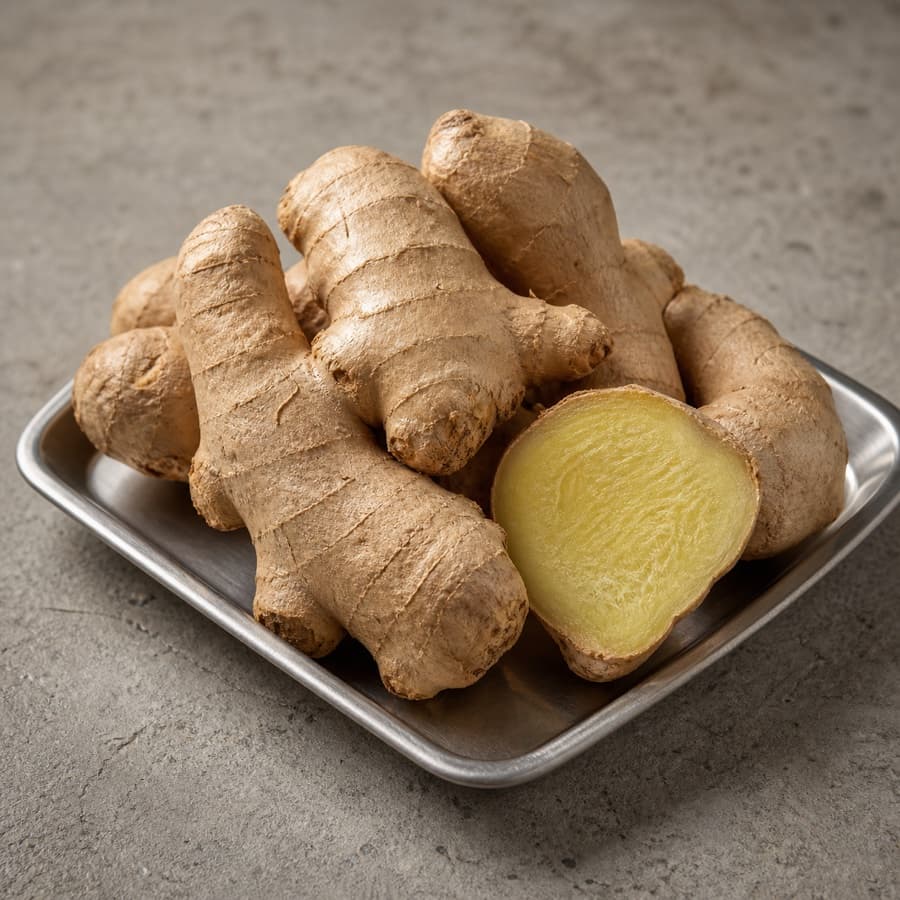
warm aromatic lift through the rich beef
Nearby Asian grocersSearch TozerbaSearch Asian PantryToko NusantaraSearch ColesSearch WoolworthsFind an ALDIFind an IGAThese links open searches, catalogues, or store locators. Check the exact form and local availability there.
Nearby traditional marketsPasar Jaya networkSuper Indo locationsRanch Market outletsHypermart onlineSearch SayurboxSearch TokopediaSearch ShopeeOpen GrabMartThese links open searches, catalogues, or store locators. Check the exact form and local availability there.
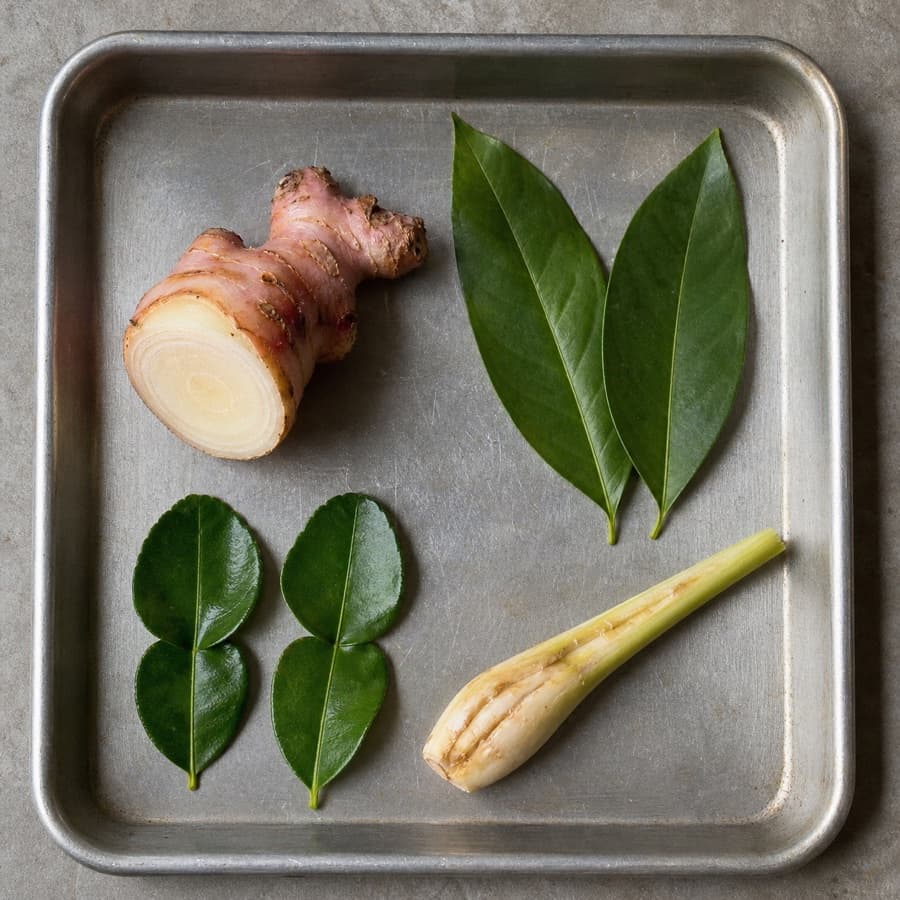
whole aromatics perfume the braise without becoming grit in the glaze
Swap: omit daun salam rather than replacing it heavily with European bay
Nearby Asian grocersSearch TozerbaSearch Asian PantryToko NusantaraSearch ColesSearch WoolworthsFind an ALDIFind an IGAThese links open searches, catalogues, or store locators. Check the exact form and local availability there.
Nearby traditional marketsPasar Jaya networkSuper Indo locationsRanch Market outletsHypermart onlineSearch SayurboxSearch TokopediaSearch ShopeeOpen GrabMartThese links open searches, catalogues, or store locators. Check the exact form and local availability there.
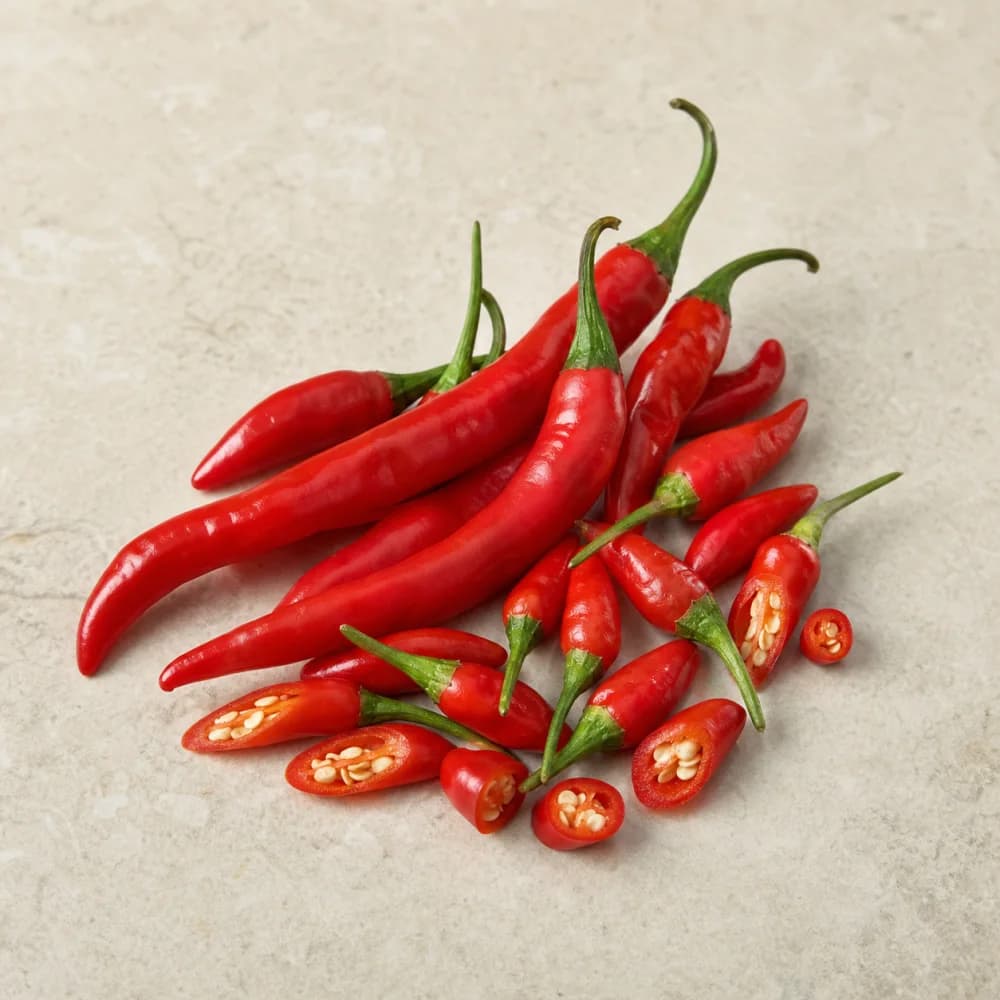
optional fresh heat in the savoury glaze
Nearby Asian grocersSearch TozerbaSearch Asian PantryToko NusantaraSearch ColesSearch WoolworthsFind an ALDIFind an IGAThese links open searches, catalogues, or store locators. Check the exact form and local availability there.
Nearby traditional marketsPasar Jaya networkSuper Indo locationsRanch Market outletsHypermart onlineSearch SayurboxSearch TokopediaSearch ShopeeOpen GrabMartThese links open searches, catalogues, or store locators. Check the exact form and local availability there.
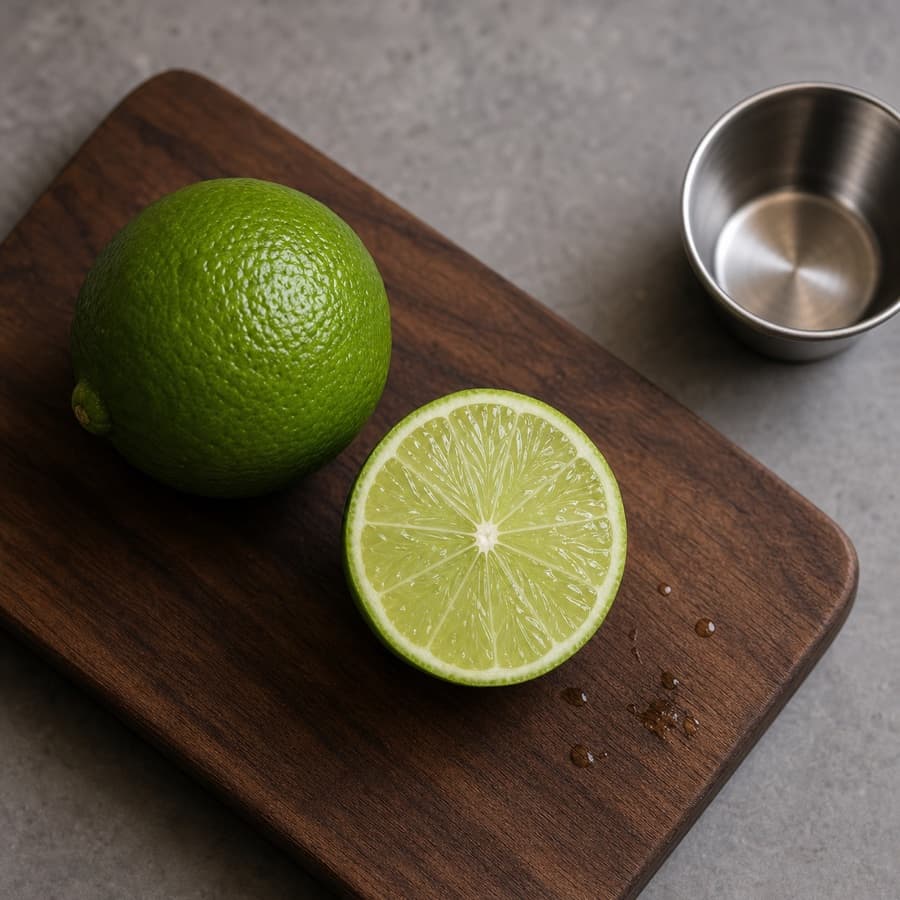
brightens the rich glaze after the heat is turned off
Nearby Asian grocersSearch TozerbaSearch Asian PantryToko NusantaraSearch ColesSearch WoolworthsFind an ALDIFind an IGAThese links open searches, catalogues, or store locators. Check the exact form and local availability there.
Nearby traditional marketsPasar Jaya networkSuper Indo locationsRanch Market outletsHypermart onlineSearch SayurboxSearch TokopediaSearch ShopeeOpen GrabMartThese links open searches, catalogues, or store locators. Check the exact form and local availability there.
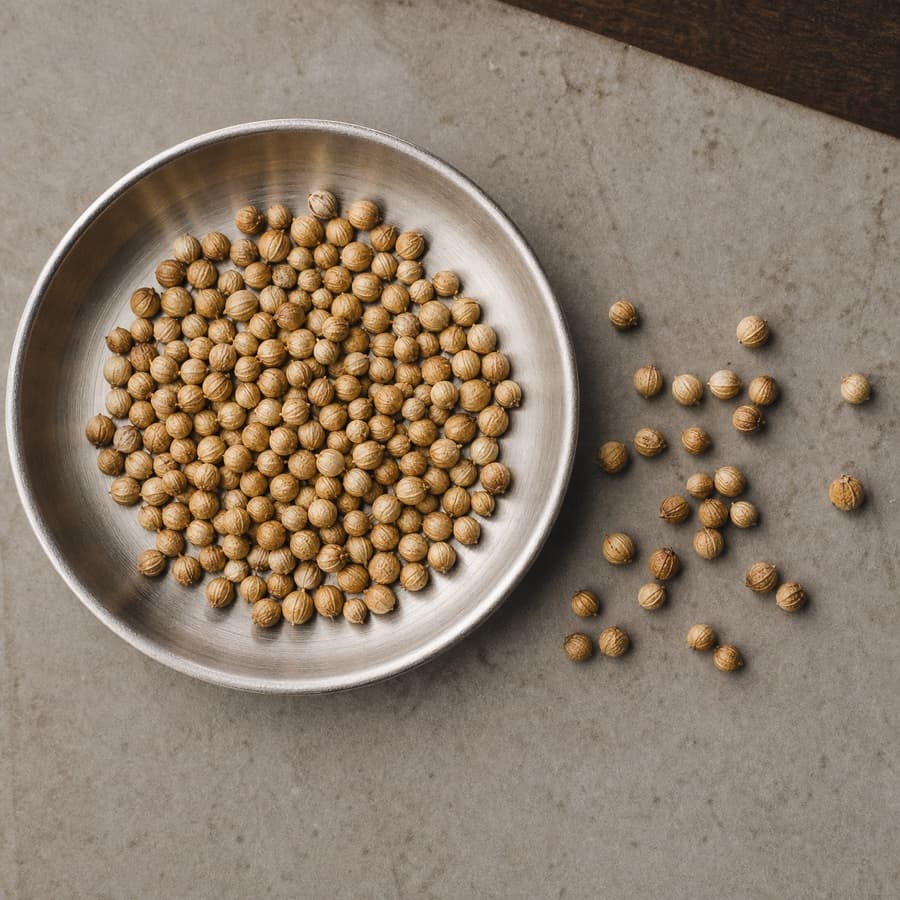
toasted citrus-spice note in the bumbu
Nearby Asian grocersSearch TozerbaSearch Asian PantryToko NusantaraSearch ColesSearch WoolworthsFind an ALDIFind an IGAThese links open searches, catalogues, or store locators. Check the exact form and local availability there.
Nearby traditional marketsPasar Jaya networkSuper Indo locationsRanch Market outletsHypermart onlineSearch SayurboxSearch TokopediaSearch ShopeeOpen GrabMartThese links open searches, catalogues, or store locators. Check the exact form and local availability there.
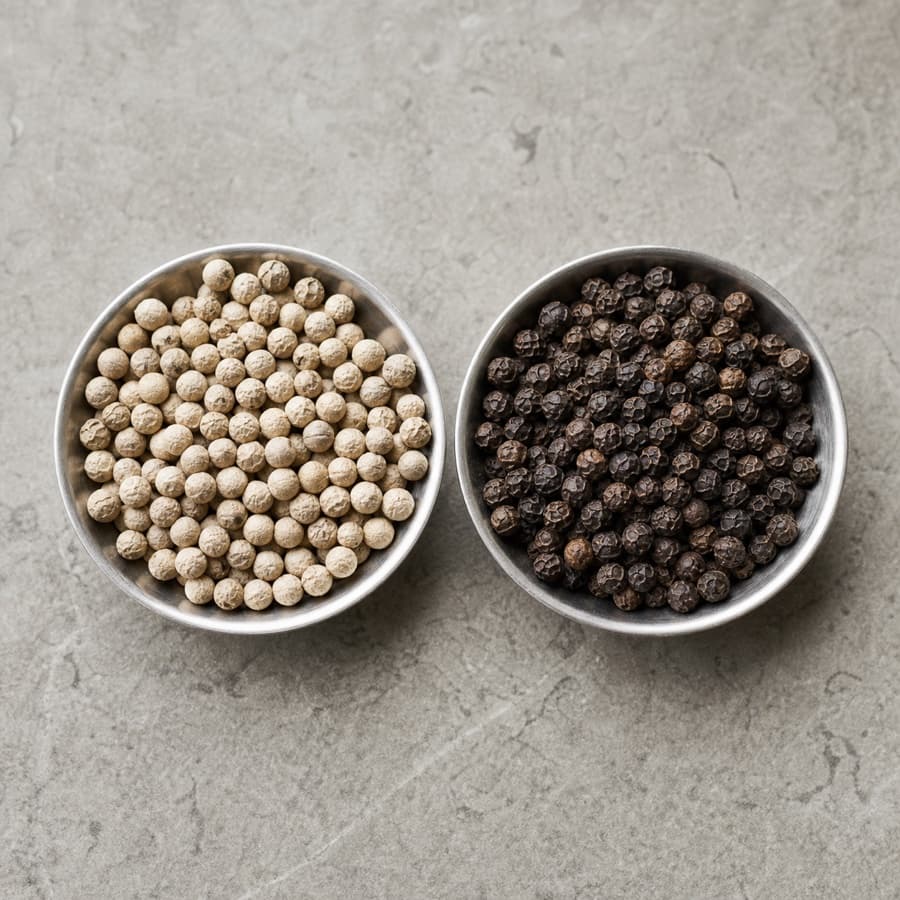
white pepper seasons the braise; coarse black pepper finishes the glaze
Nearby Asian grocersSearch TozerbaSearch Asian PantryToko NusantaraSearch ColesSearch WoolworthsFind an ALDIFind an IGAThese links open searches, catalogues, or store locators. Check the exact form and local availability there.
Nearby traditional marketsPasar Jaya networkSuper Indo locationsRanch Market outletsHypermart onlineSearch SayurboxSearch TokopediaSearch ShopeeOpen GrabMartThese links open searches, catalogues, or store locators. Check the exact form and local availability there.
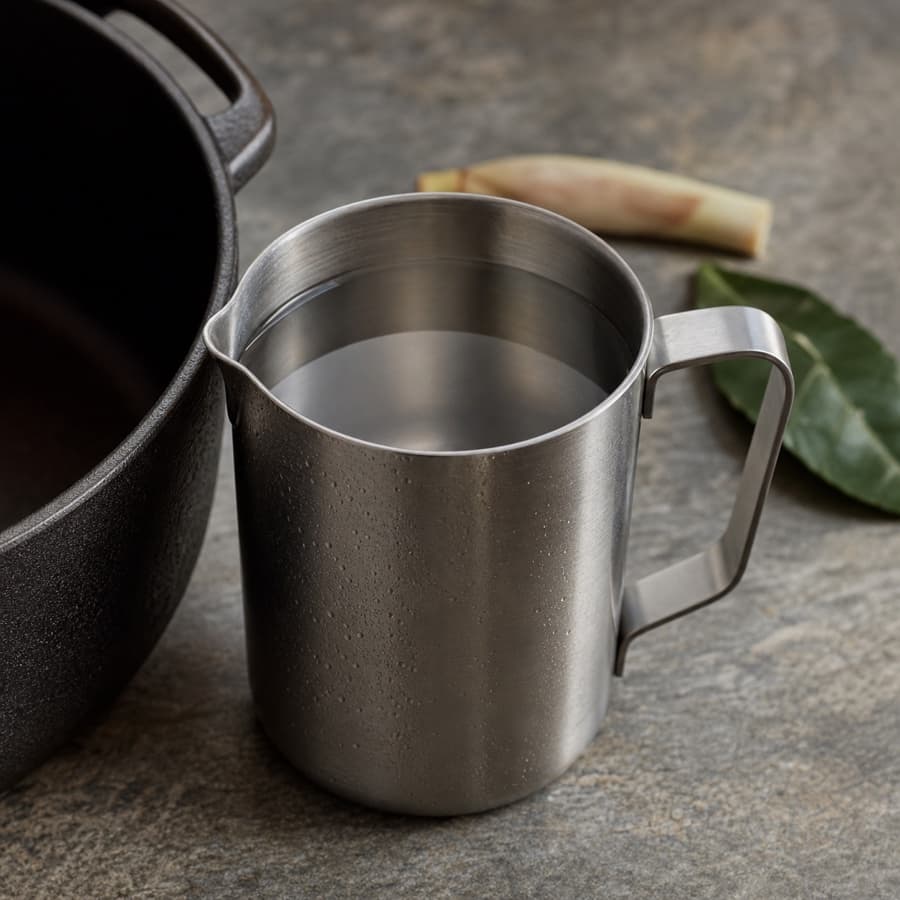
moist heat for collagen conversion and the later savoury glaze base
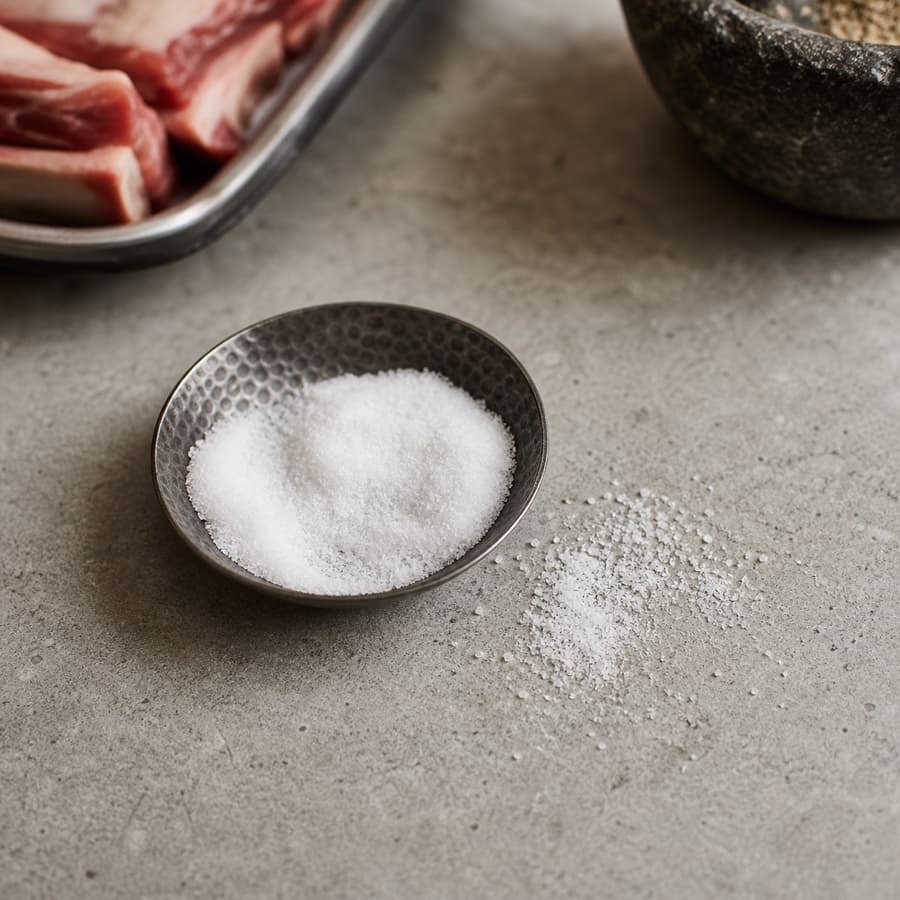
seasons the beef before salty kecap enters the final glaze
Nearby Asian grocersSearch TozerbaSearch Asian PantryToko NusantaraSearch ColesSearch WoolworthsFind an ALDIFind an IGAThese links open searches, catalogues, or store locators. Check the exact form and local availability there.
Nearby traditional marketsPasar Jaya networkSuper Indo locationsRanch Market outletsHypermart onlineSearch SayurboxSearch TokopediaSearch ShopeeOpen GrabMartThese links open searches, catalogues, or store locators. Check the exact form and local availability there.
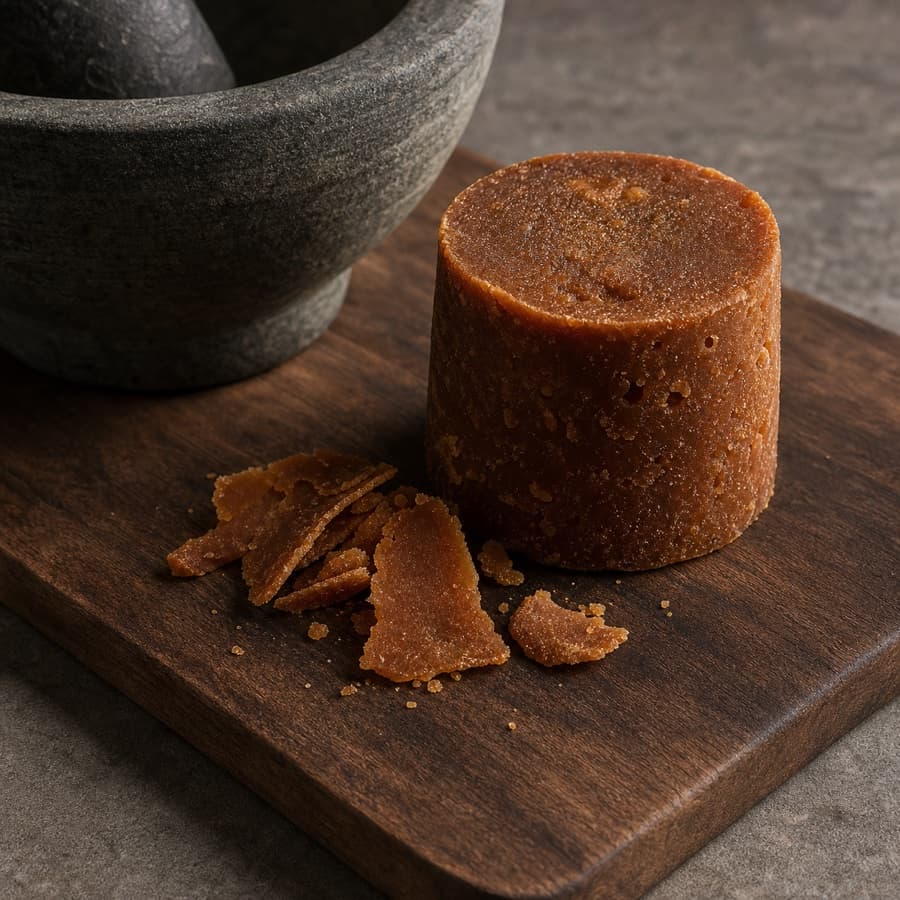
small background sweetness in the braise
Nearby Asian grocersSearch TozerbaSearch Asian PantryToko NusantaraSearch ColesSearch WoolworthsFind an ALDIFind an IGAThese links open searches, catalogues, or store locators. Check the exact form and local availability there.
Nearby traditional marketsPasar Jaya networkSuper Indo locationsRanch Market outletsHypermart onlineSearch SayurboxSearch TokopediaSearch ShopeeOpen GrabMartThese links open searches, catalogues, or store locators. Check the exact form and local availability there.
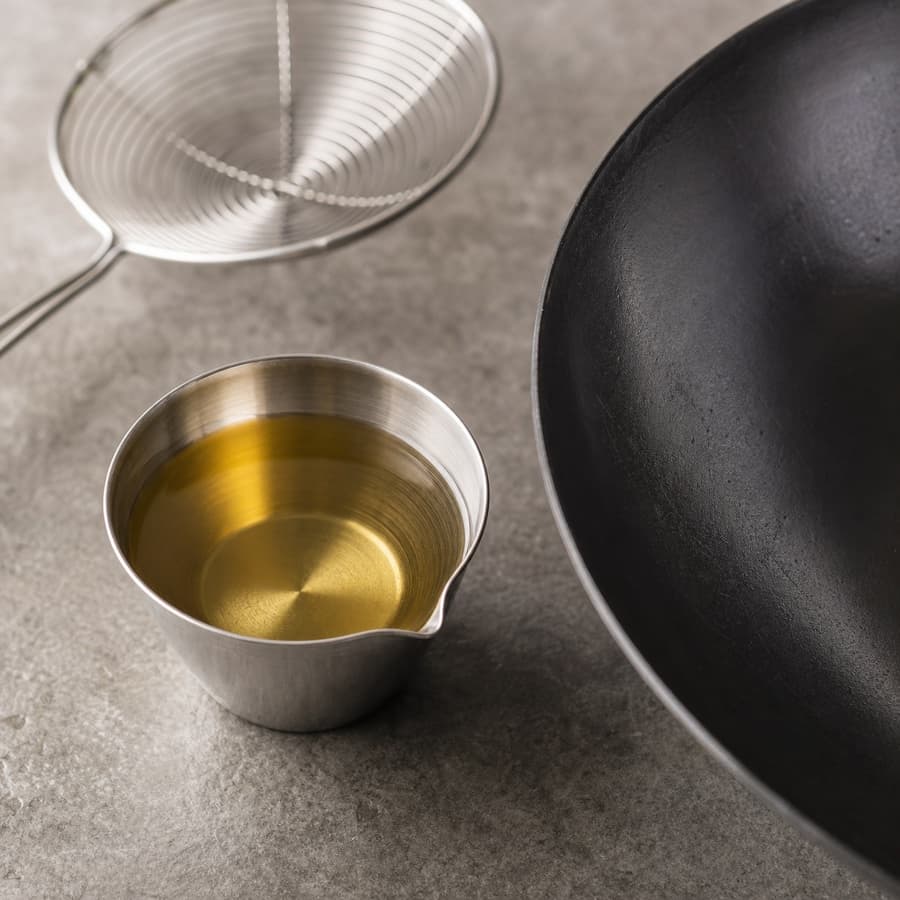
fries the bumbu and gives the tender ribs a brief crisp edge
Nearby Asian grocersSearch TozerbaSearch Asian PantryToko NusantaraSearch ColesSearch WoolworthsFind an ALDIFind an IGAThese links open searches, catalogues, or store locators. Check the exact form and local availability there.
Nearby traditional marketsPasar Jaya networkSuper Indo locationsRanch Market outletsHypermart onlineSearch SayurboxSearch TokopediaSearch ShopeeOpen GrabMartThese links open searches, catalogues, or store locators. Check the exact form and local availability there.
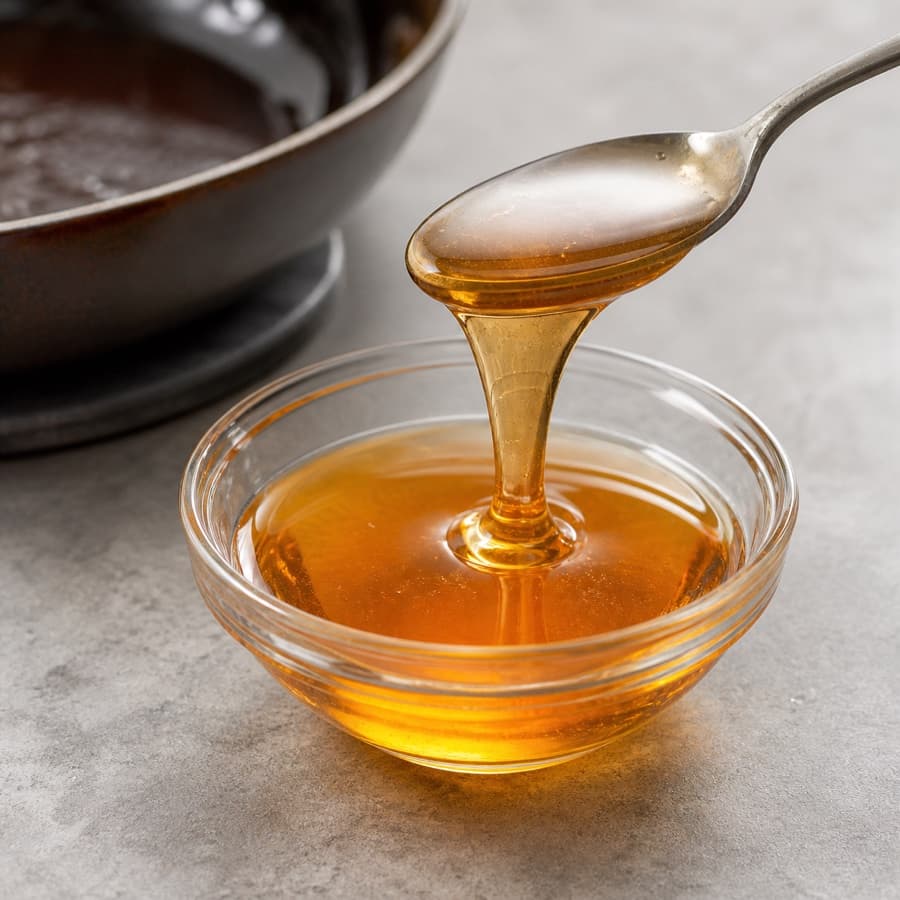
rounded floral sweetness added only after the savoury glaze reduces
Note: Never serve honey to a baby under 12 months; keep it away from high heat so it does not burn.
Nearby Asian grocersSearch TozerbaSearch Asian PantryToko NusantaraSearch ColesSearch WoolworthsFind an ALDIFind an IGAThese links open searches, catalogues, or store locators. Check the exact form and local availability there.
Nearby traditional marketsPasar Jaya networkSuper Indo locationsRanch Market outletsHypermart onlineSearch SayurboxSearch TokopediaSearch ShopeeOpen GrabMartThese links open searches, catalogues, or store locators. Check the exact form and local availability there.
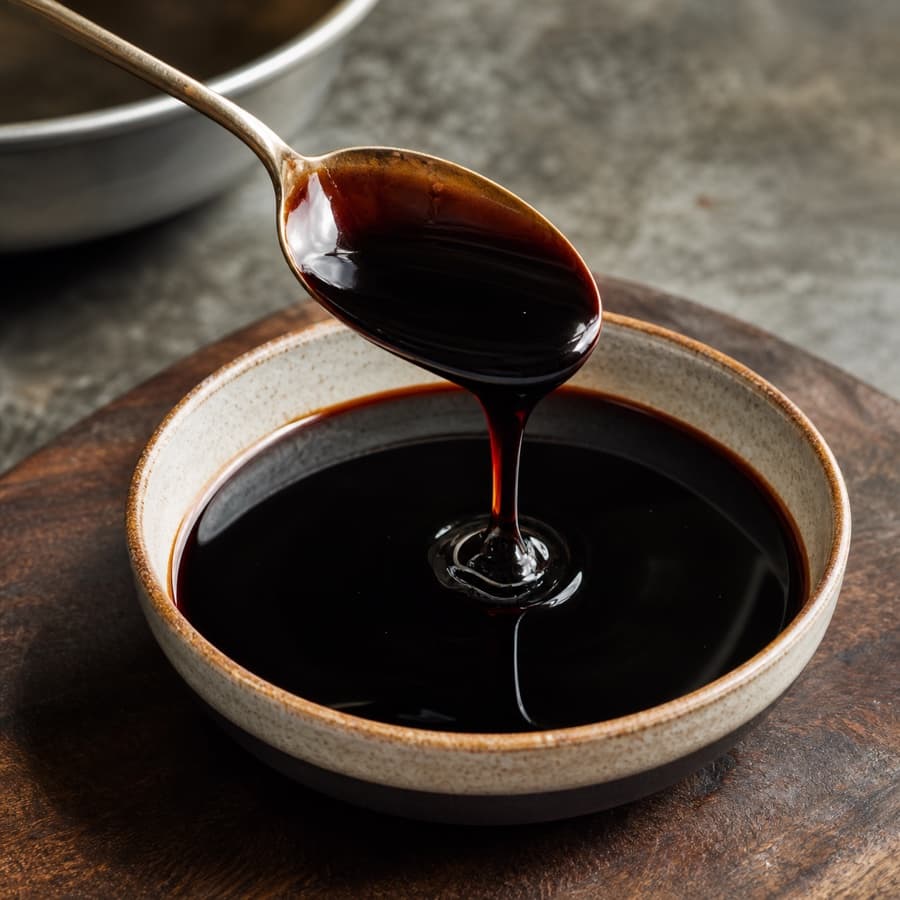
soy, caramel colour, and body in the reduced glaze
Note: Contains soy and may contain wheat; check the brand if gluten matters.
Swap: 30 ml regular soy plus 20 g dark brown sugar; reduce the braising salt
Nearby Asian grocersSearch TozerbaSearch Asian PantryToko NusantaraSearch ColesSearch WoolworthsFind an ALDIFind an IGAThese links open searches, catalogues, or store locators. Check the exact form and local availability there.
Nearby traditional marketsPasar Jaya networkSuper Indo locationsRanch Market outletsHypermart onlineSearch SayurboxSearch TokopediaSearch ShopeeOpen GrabMartThese links open searches, catalogues, or store locators. Check the exact form and local availability there.
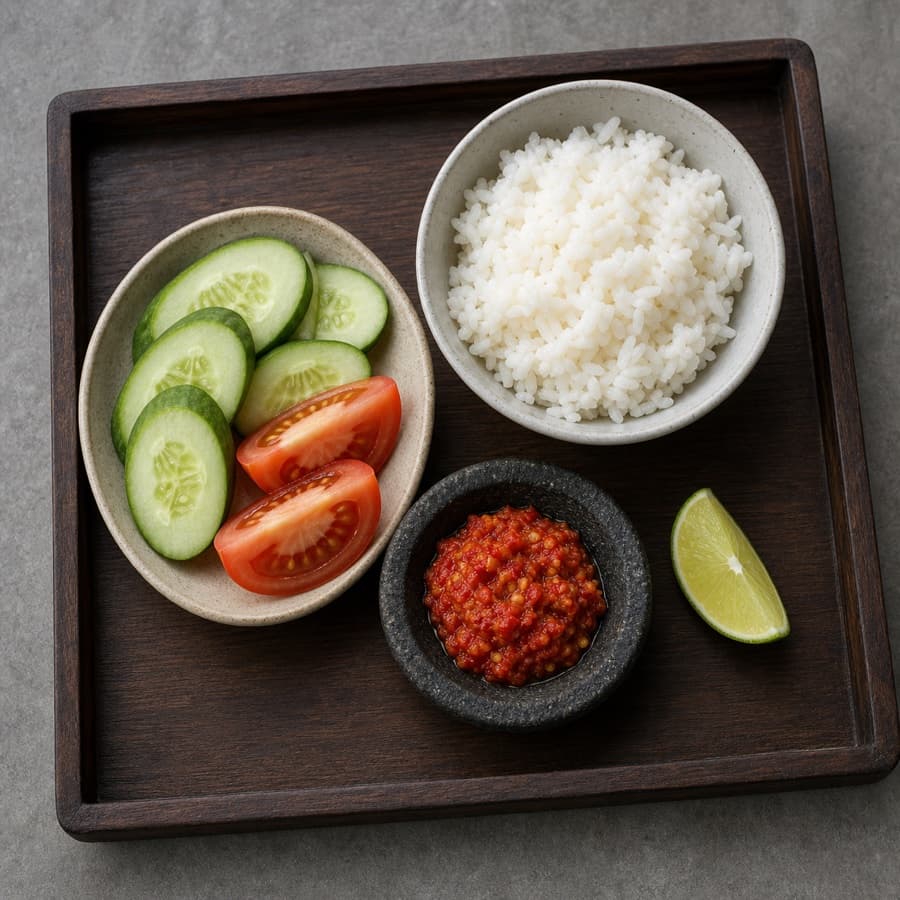
plain rice and fresh acidity balance the dark glossy ribs
Melbourne and Jakarta
Current links help you search by the right ingredient name; they do not confirm a product, price, or stock level.
Start with an Indonesian or broader Asian grocer for meaty bone-in beef short ribs; use supermarkets or butchers for meaty bone-in beef short ribs, water.
fresh turmeric: 1 tsp ground turmeric.
meaty bone-in beef short ribs: Ask for eight even 5–7 cm pieces; thin back ribs dry out before the braise pays off.
Nearby Asian grocersSearch TozerbaSearch Asian PantryToko NusantaraSearch ColesSearch WoolworthsFind an ALDIFind an IGAThese links open searches, catalogues, or store locators. Check the exact form and local availability there.
Start with pasar stalls for iga sapi bertulang dan berdaging, bawang merah; use supermarkets or online marketplaces for sealed pantry staples.
fresh turmeric: 1 tsp ground turmeric.
meaty bone-in beef short ribs: Ask for eight even 5–7 cm pieces; thin back ribs dry out before the braise pays off.
Nearby traditional marketsPasar Jaya networkSuper Indo locationsRanch Market outletsHypermart onlineSearch SayurboxSearch TokopediaSearch ShopeeOpen GrabMartThese links open searches, catalogues, or store locators. Check the exact form and local availability there.
Fix problems
The active method already includes its most likely mistake and recovery. Open the reference library when your question falls outside the current step.
The exact name is best documented as a modern Indonesian home and restaurant-style dish, not one canonical provincial heritage recipe. This version transparently combines sourced Indonesian rib-braising, brief frying, and late honey-kecap glazing techniques.
Yes. Spray the dry braised ribs lightly with oil and air-fry at 200°C for 6–8 minutes before glazing. The texture is slightly different, but it is a safer lower-oil path for some beginners.
Braise, cool, and refrigerate the ribs with a little cooking liquid for up to 3–4 days. Dry, crisp, and make the honey glaze only when serving; reheat cooked beef to at least 74°C.
Make ribs fork-tender yet intact, then glaze them glossy without scorching the honey. Look for large glossy bubbles and a mahogany coating, never black candy: Kecap-stock reduces first; honey goes in on low heat and lime goes in only after heat is off.
Honey belongs nowhere near this stage; long high heat would make it bitter. Move the pan off heat, scrape only the unburnt paste into a clean spot, add a small splash of oil or liquid, and restart gently.
Scale the measured ingredients with the serving count, then scale the vessel or work in batches. Keep the same visual finish - large glossy bubbles and a mahogany coating, never black candy - rather than forcing the original timer.
fresh turmeric: 1 tsp ground turmeric; galangal, salam, lime leaf, and lemongrass: omit daun salam rather than replacing it heavily with European bay; kecap manis: 30 ml regular soy plus 20 g dark brown sugar; reduce the braising salt
meaty bone-in beef short ribs: Ask for eight even 5–7 cm pieces; thin back ribs dry out before the braise pays off.; kecap manis: Contains soy and may contain wheat; check the brand if gluten matters.; honey: Never serve honey to a baby under 12 months; keep it away from high heat so it does not burn.
Next cooks
Recipes here share ingredients, bumbu logic, region, spice level, or weeknight patterns so the next cook reuses what you just learned.
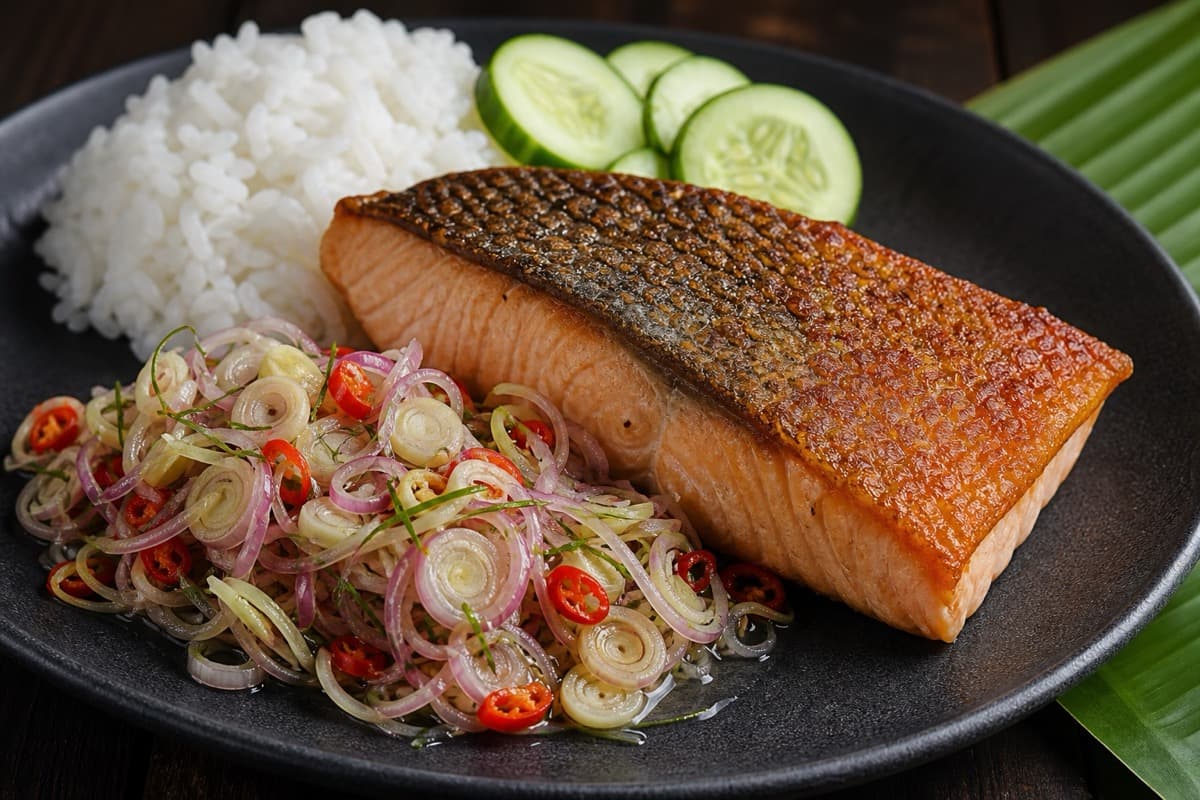 Bali-inspired · IntermediateCrispy-Skin Salmon Sambal MatahCrisp the skin without drying the fish, then keep bright sambal beside - not over - the crust.
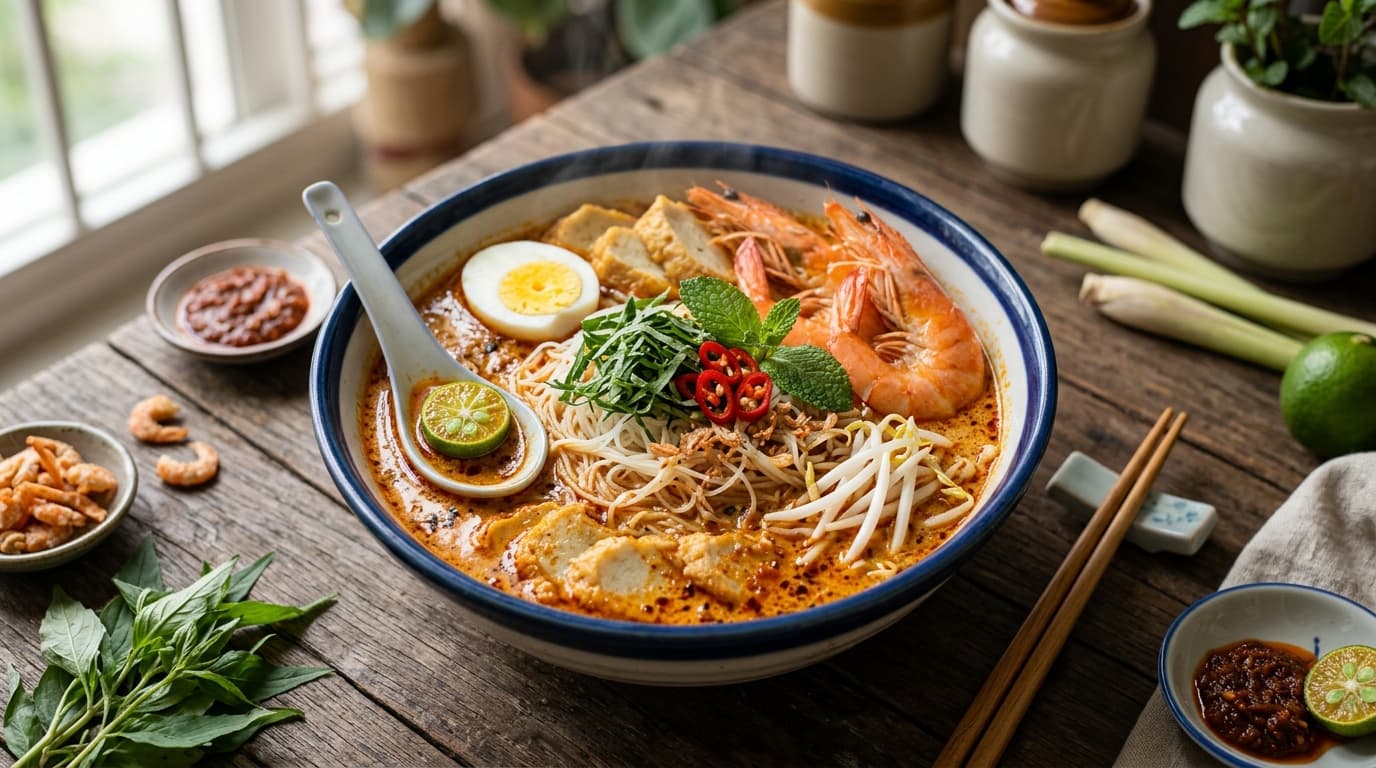 Singapore / Malaysia · IntermediateLaksa LemakMake a soup that tastes deep without a restaurant stockpot.
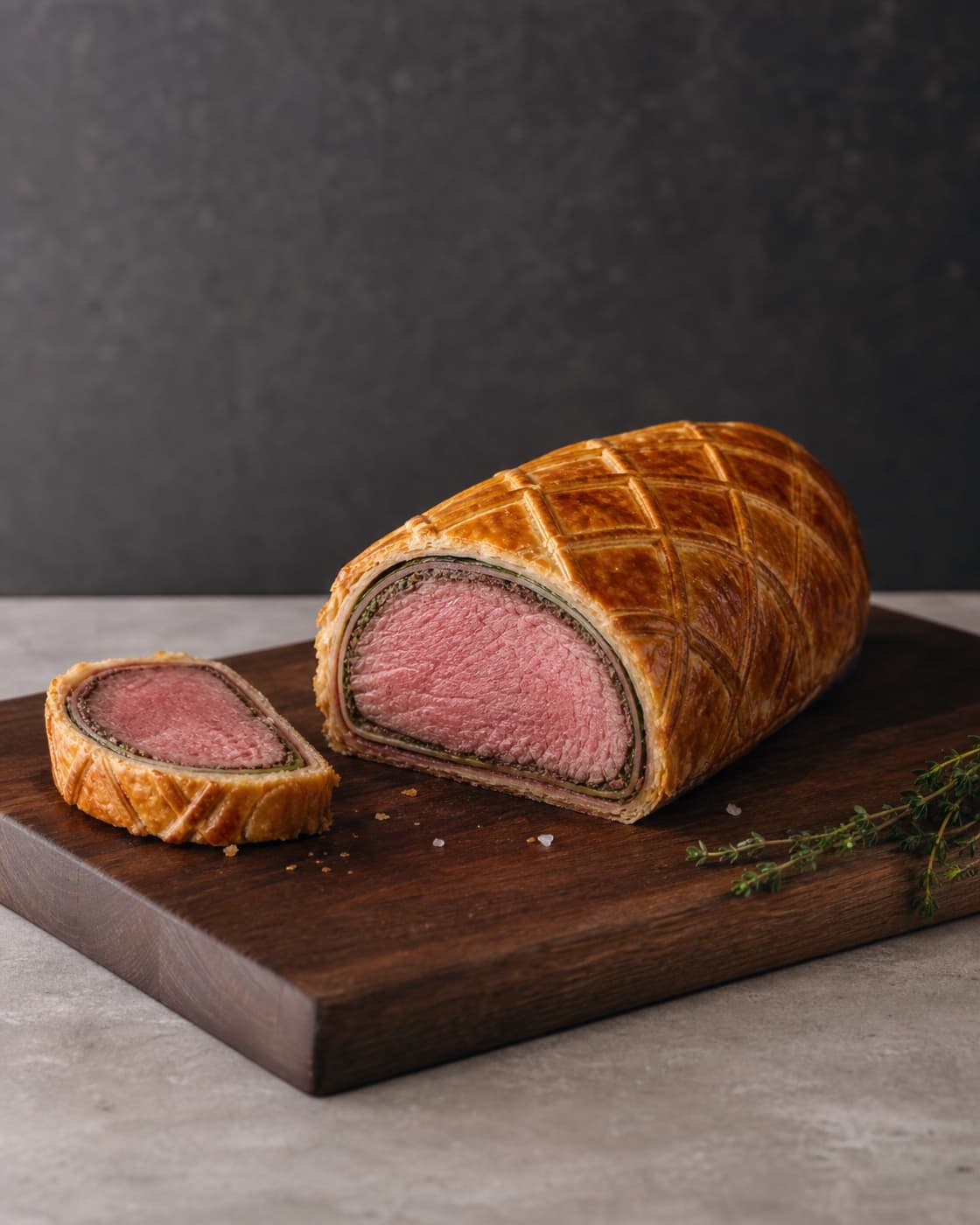 Britain / modern restaurant tradition · PatientBeef WellingtonSynchronise a crisp pastry shell with safely rested, evenly pink beef and thin, distinct moisture-barrier layers.
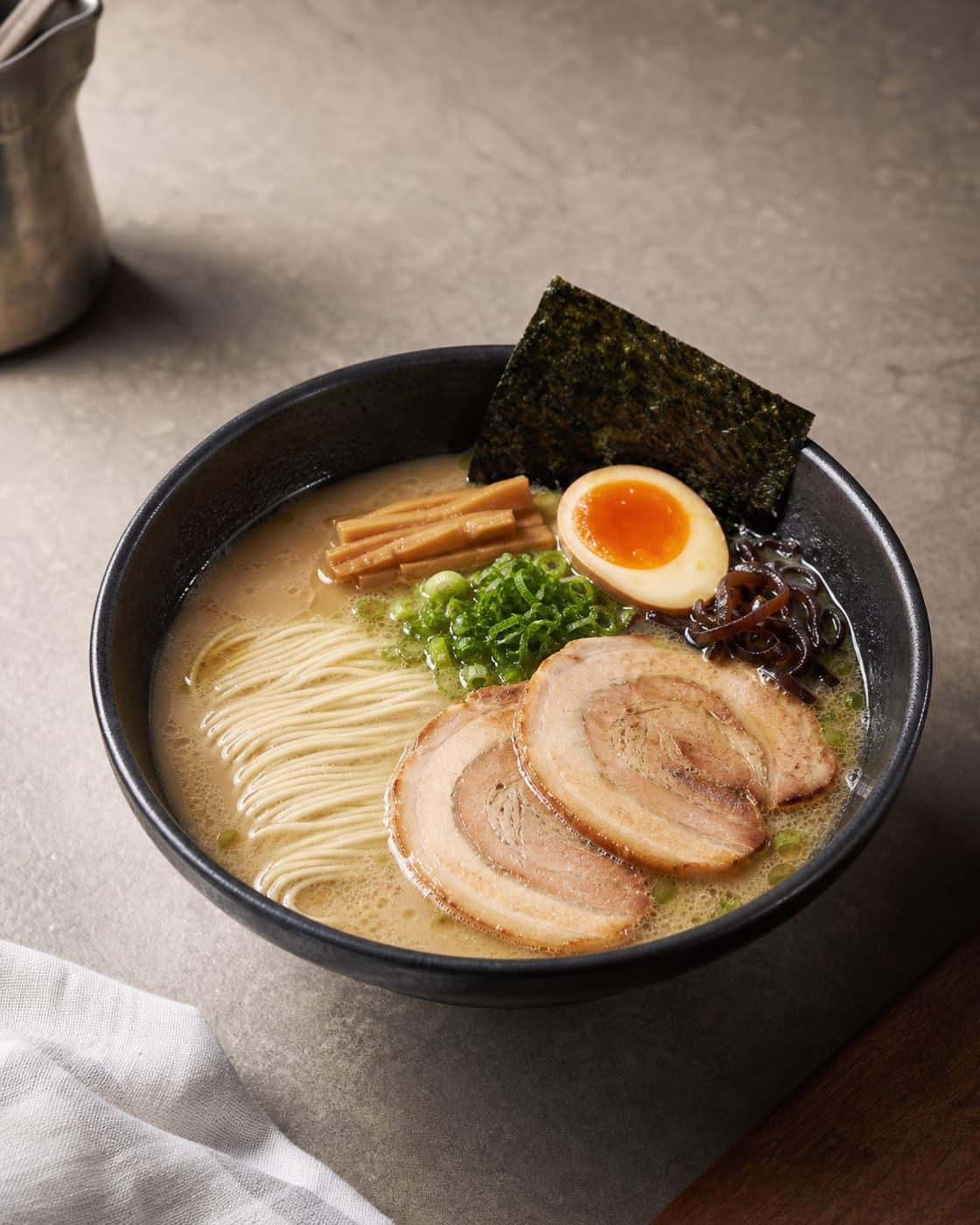 Japan / composed pork-bone ramen · PatientTonkotsu Shoyu RamenBuild an opaque ivory broth that tastes like pork - not dairy - and assemble six balanced bowls before the noodles soften.
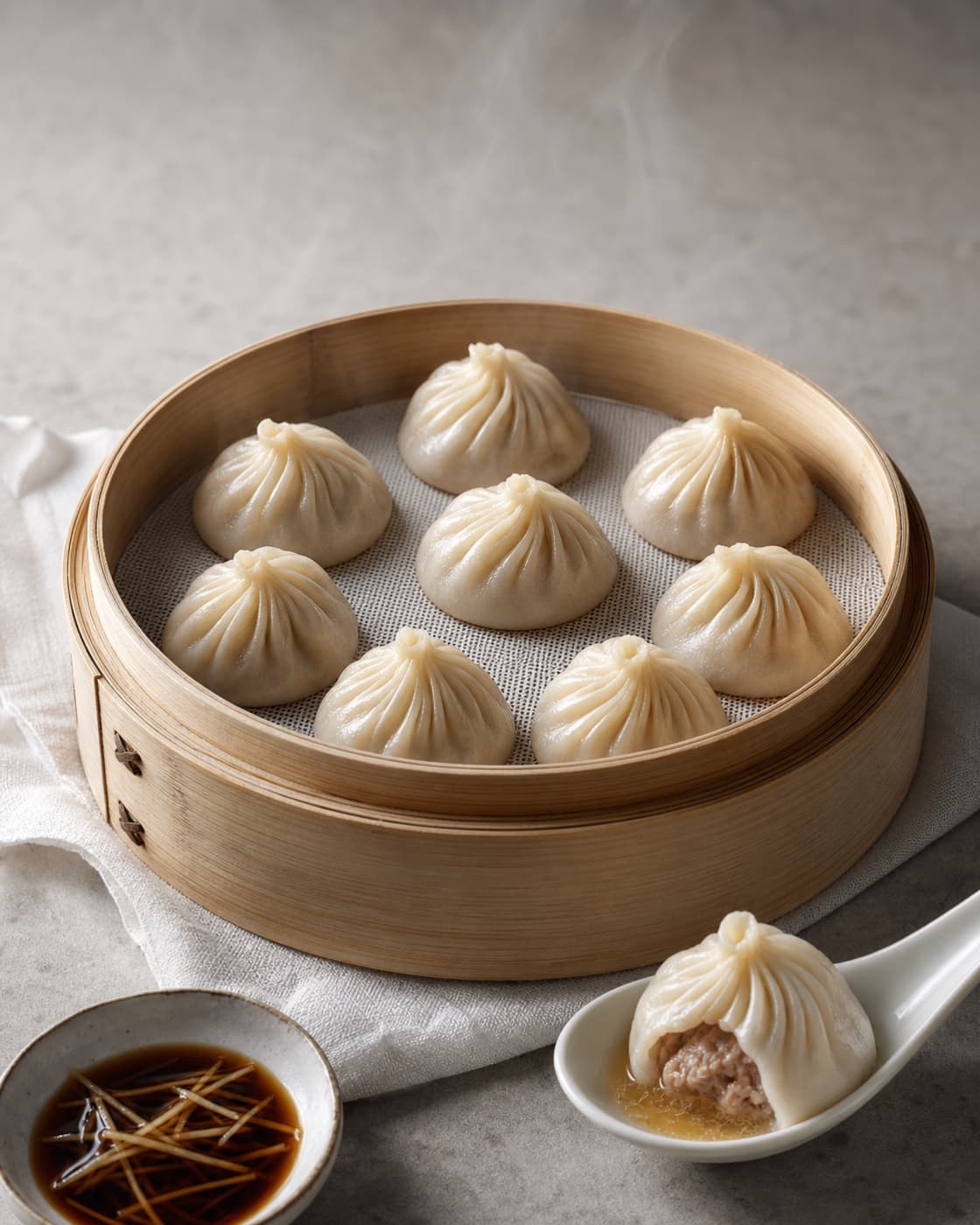 Nanxiang / Shanghai · PatientXiao Long BaoSeal clear hot soup inside a delicate wrapper that survives the steamer and reaches the spoon intact.
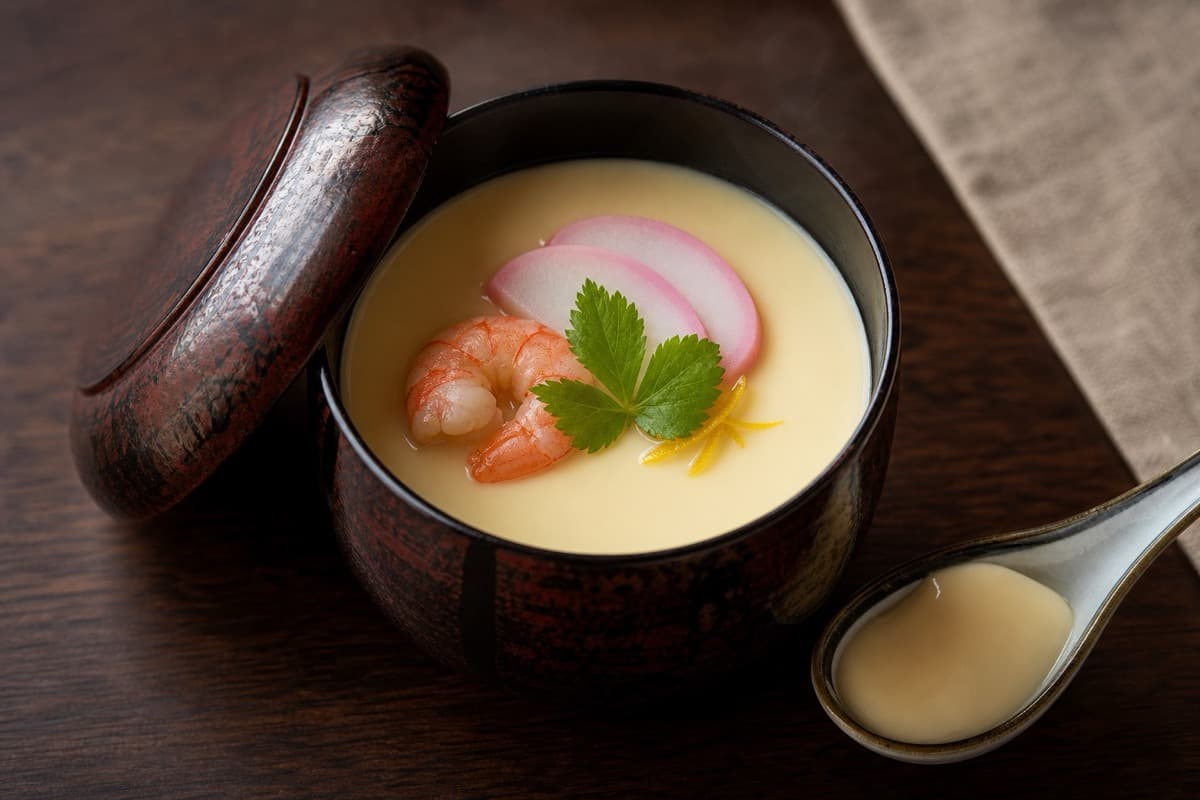 Japan · IntermediateChawanmushiSet a glossy, spoonable custard with no bubbles, stringy egg, or honeycomb holes.