Step 1 decision
Cook, squeeze, and cool every wet component
Zucchini, sprouts, tofu, and noodles feel moist but produce no liquid when squeezed again.
Open step 1KR · Korea / home-style gogi mandu
Korean mandu make room for meat, tofu, noodles, and vegetables in the same thin wrapper. This pork version controls moisture first, then uses an easy half-moon seal and pan-steam-crisp finish.
Decision-point map
Scan the decision points now. Each full-size cooking frame appears once, beside the step where you need it.
Zucchini, sprouts, tofu, and noodles feel moist but produce no liquid when squeezed again.
Open step 1Each mandu is plump without strain, with no air pocket, filling smear, crack, or gap along the rim.
Open step 3The dip is sharp and fluid, and the mandu reach the table with dry audible bases and juicy centres.
Check the final stepIngredients
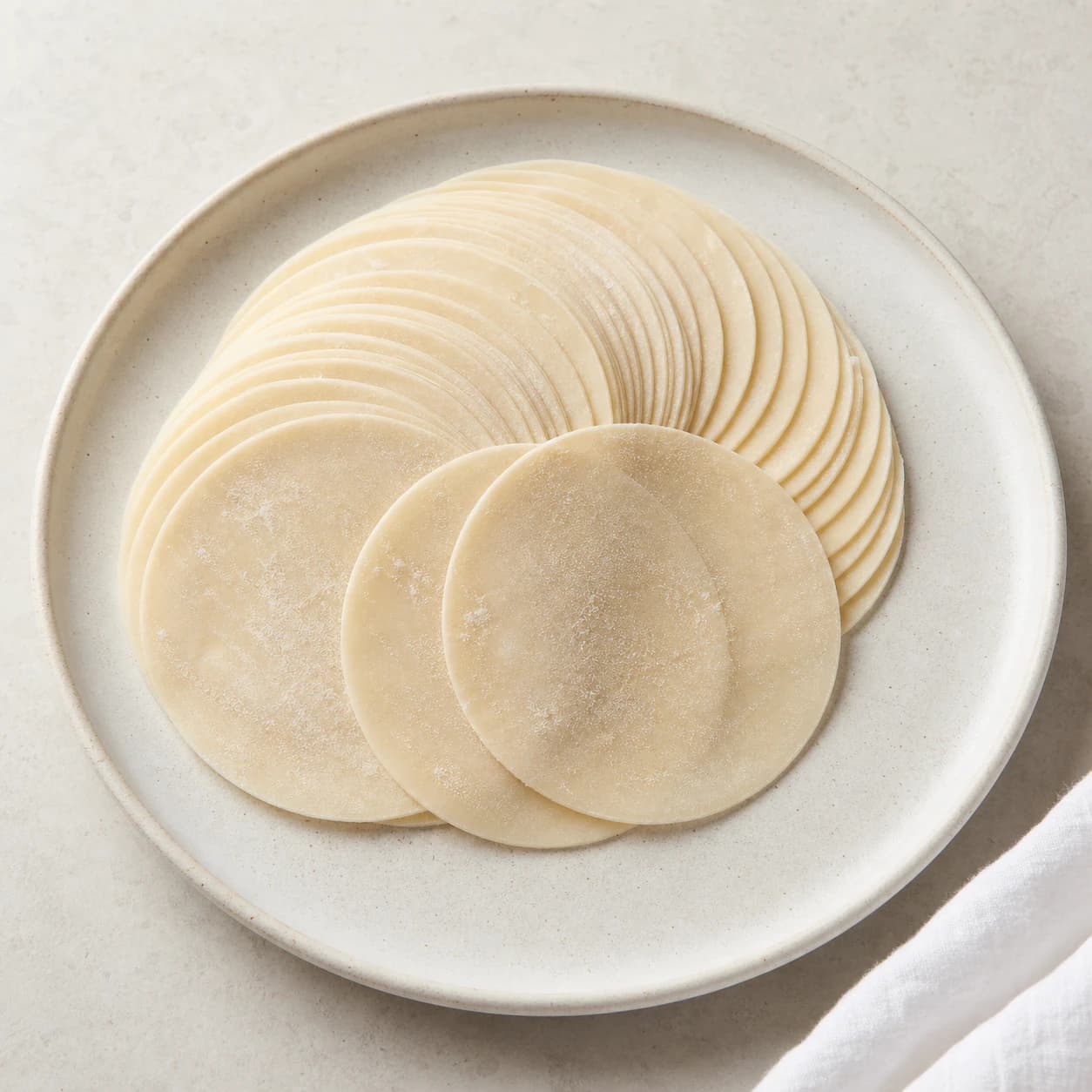
thin wheat skin for about forty sealed dumplings
Note: Contains wheat. Thaw in the refrigerator and keep covered so edges do not crack.
Swap: round gyoza wrappers; expect slightly smaller mandu
Melbourne
 Nearby supermarkets
 Search Coles
 Search WoolworthsFind an ALDIFind an IGASearch TozerbaSearch Asian PantryToko Nusantara
These links open searches, catalogues, or store locators. Check the exact form and local availability there.
Jakarta
Nearby supermarketsSuper Indo locationsRanch Market outletsHypermart onlinePasar Jaya network Search Sayurbox
 Search Tokopedia
 Search ShopeeOpen GrabMart
These links open searches, catalogues, or store locators. Check the exact form and local availability there.
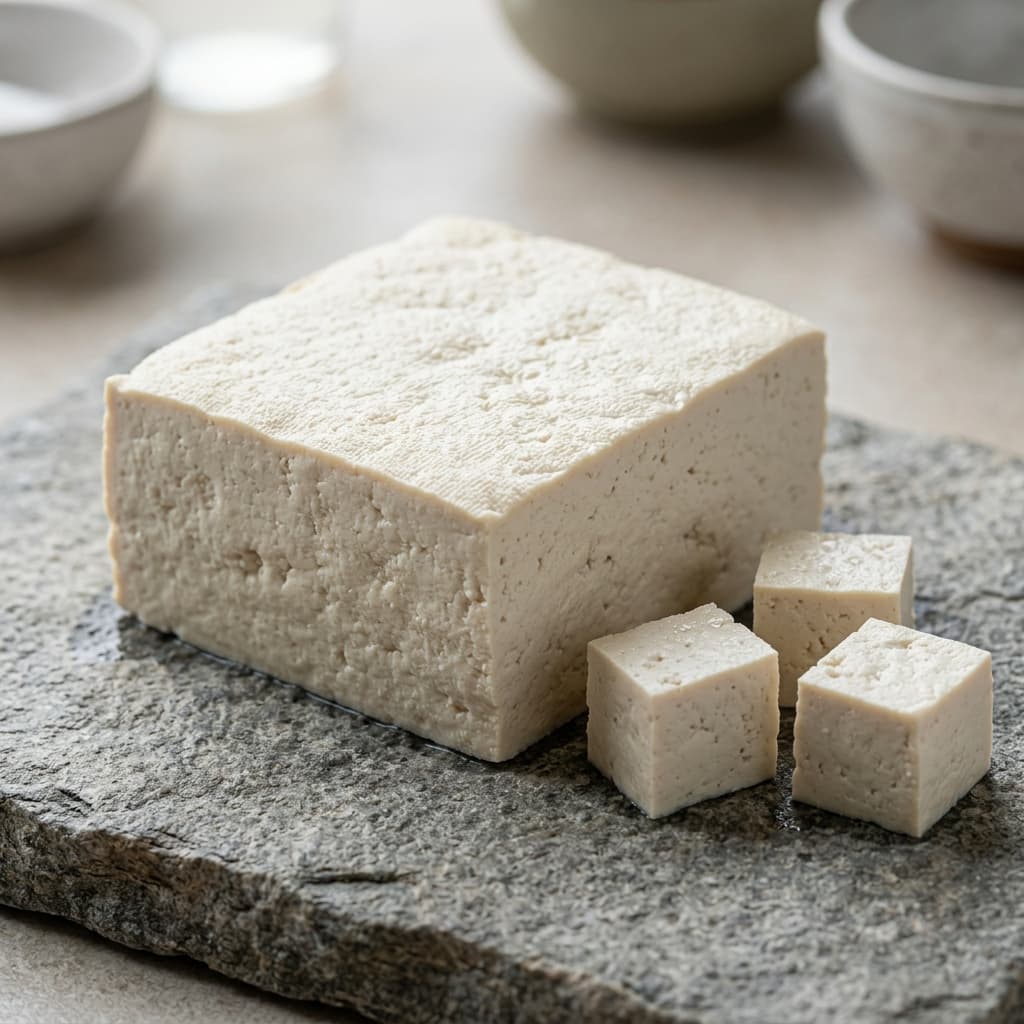
light body and moisture-holding protein once thoroughly pressed
Note: Contains soy. Soft silken tofu carries too much water for this filling.
Melbourne
Nearby supermarketsSearch ColesSearch WoolworthsFind an ALDIFind an IGASearch TozerbaSearch Asian PantryToko NusantaraThese links open searches, catalogues, or store locators. Check the exact form and local availability there.
Jakarta
Nearby supermarketsSuper Indo locationsRanch Market outletsHypermart onlinePasar Jaya networkSearch SayurboxSearch TokopediaSearch ShopeeOpen GrabMartThese links open searches, catalogues, or store locators. Check the exact form and local availability there.
binder for the loose vegetable, tofu, noodle, and pork mixture
Note: Contains egg; the finished filling must reach at least 75°C.
Melbourne
Nearby supermarketsSearch ColesSearch WoolworthsFind an ALDIFind an IGASearch TozerbaSearch Asian PantryToko NusantaraThese links open searches, catalogues, or store locators. Check the exact form and local availability there.
Jakarta
Nearby supermarketsSuper Indo locationsRanch Market outletsHypermart onlinePasar Jaya networkSearch SayurboxSearch TokopediaSearch ShopeeOpen GrabMartThese links open searches, catalogues, or store locators. Check the exact form and local availability there.
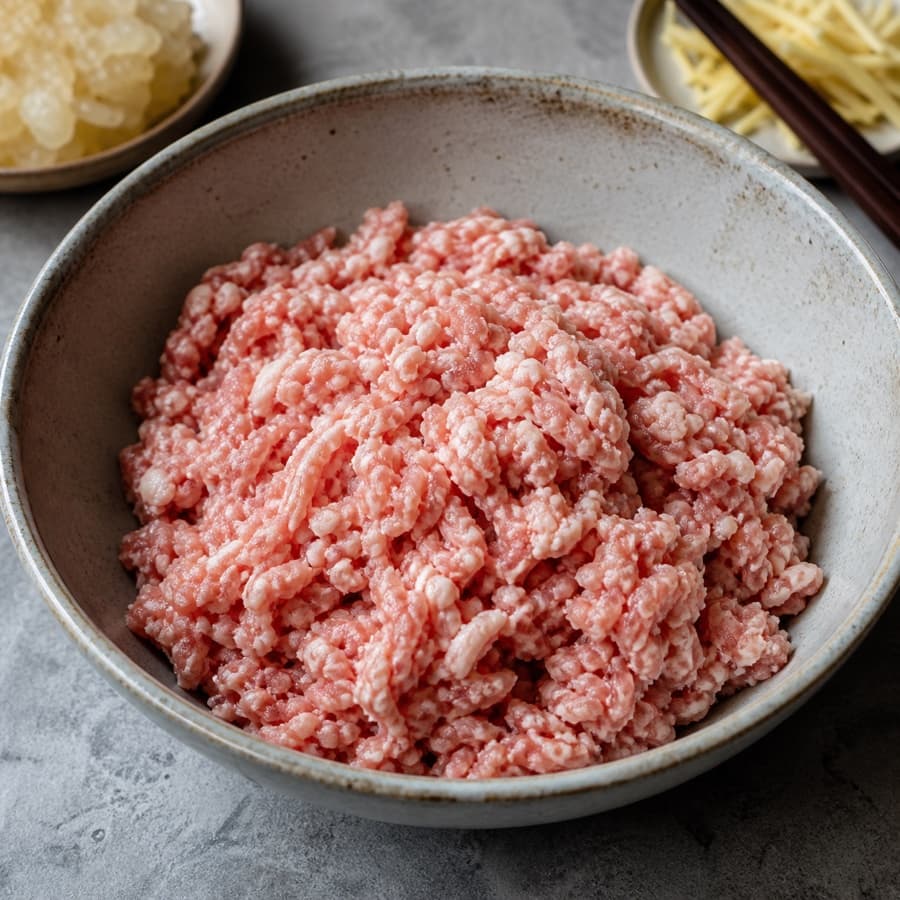
juicy savoury base that binds the vegetable-heavy filling
Note: Contains pork. Keep below 5°C and prevent contact with wrappers or vegetables not yet destined for cooking.
Melbourne
Nearby butchersSearch ColesSearch WoolworthsFind an ALDIFind an IGASearch TozerbaSearch Asian PantryToko NusantaraThese links open searches, catalogues, or store locators. Check the exact form and local availability there.
Jakarta
Nearby butchers and marketsPasar Jaya networkSuper Indo locationsRanch Market outletsHypermart onlineSearch SayurboxSearch TokopediaSearch ShopeeOpen GrabMartThese links open searches, catalogues, or store locators. Check the exact form and local availability there.
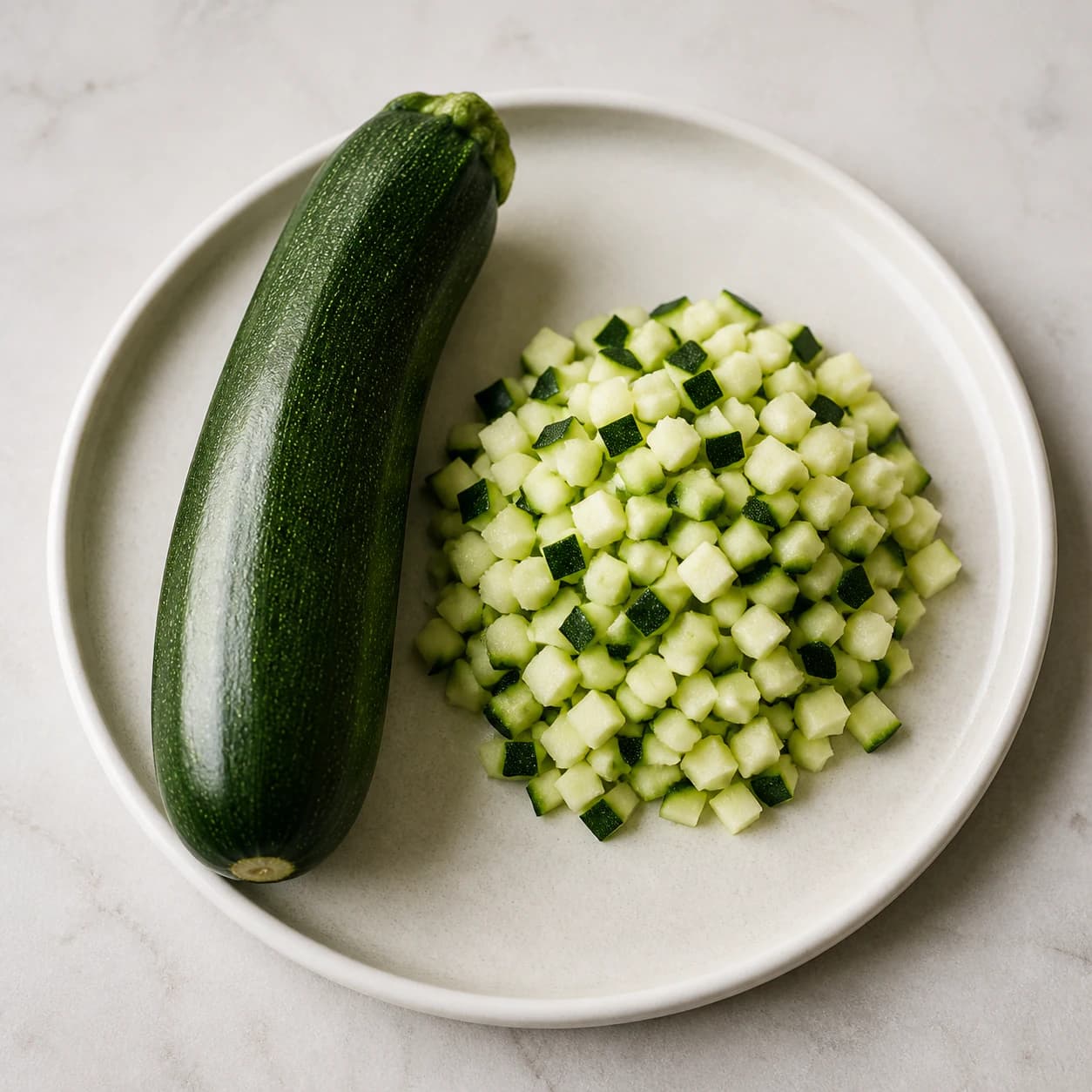
fresh green sweetness after salting and hard squeezing
Swap: finely chopped green cabbage, salted and squeezed in the same way
Melbourne
Nearby produce marketsSearch ColesSearch WoolworthsFind an ALDIFind an IGASearch TozerbaSearch Asian PantryToko NusantaraThese links open searches, catalogues, or store locators. Check the exact form and local availability there.
Jakarta
Nearby produce marketsPasar Jaya networkSuper Indo locationsRanch Market outletsHypermart onlineSearch SayurboxSearch TokopediaSearch ShopeeOpen GrabMartThese links open searches, catalogues, or store locators. Check the exact form and local availability there.
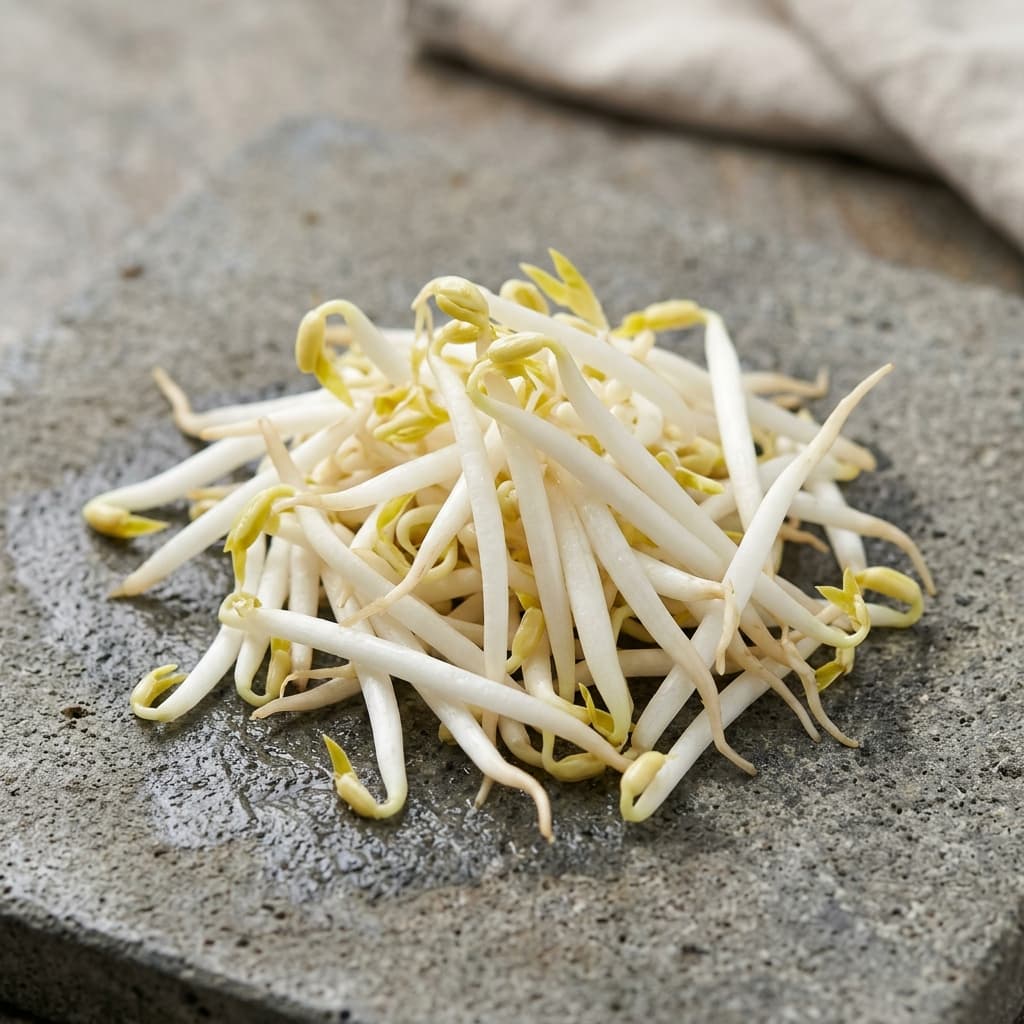
light crunch and recognisably Korean mixed-filling texture
Note: Blanch before filling; raw sprouts can carry harmful bacteria and leak water.
Melbourne
Nearby produce marketsSearch ColesSearch WoolworthsFind an ALDIFind an IGASearch TozerbaSearch Asian PantryToko NusantaraThese links open searches, catalogues, or store locators. Check the exact form and local availability there.
Jakarta
Nearby produce marketsPasar Jaya networkSuper Indo locationsRanch Market outletsHypermart onlineSearch SayurboxSearch TokopediaSearch ShopeeOpen GrabMartThese links open searches, catalogues, or store locators. Check the exact form and local availability there.
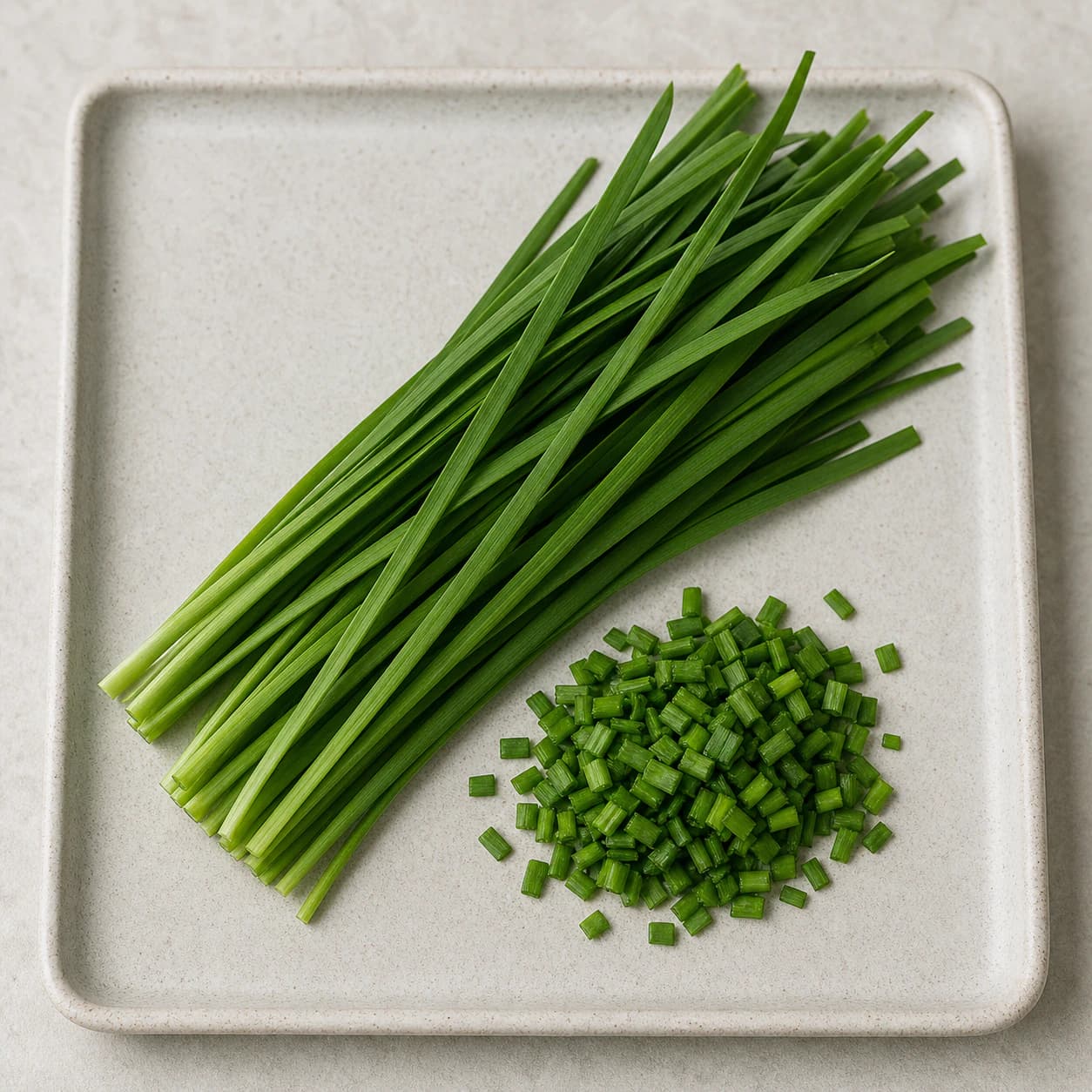
fresh allium aroma through the rich pork filling
Swap: 40 g garlic chives plus 30 g spring-onion greens
Melbourne
Nearby produce marketsSearch ColesSearch WoolworthsFind an ALDIFind an IGASearch TozerbaSearch Asian PantryToko NusantaraThese links open searches, catalogues, or store locators. Check the exact form and local availability there.
Jakarta
Nearby produce marketsPasar Jaya networkSuper Indo locationsRanch Market outletsHypermart onlineSearch SayurboxSearch TokopediaSearch ShopeeOpen GrabMartThese links open searches, catalogues, or store locators. Check the exact form and local availability there.
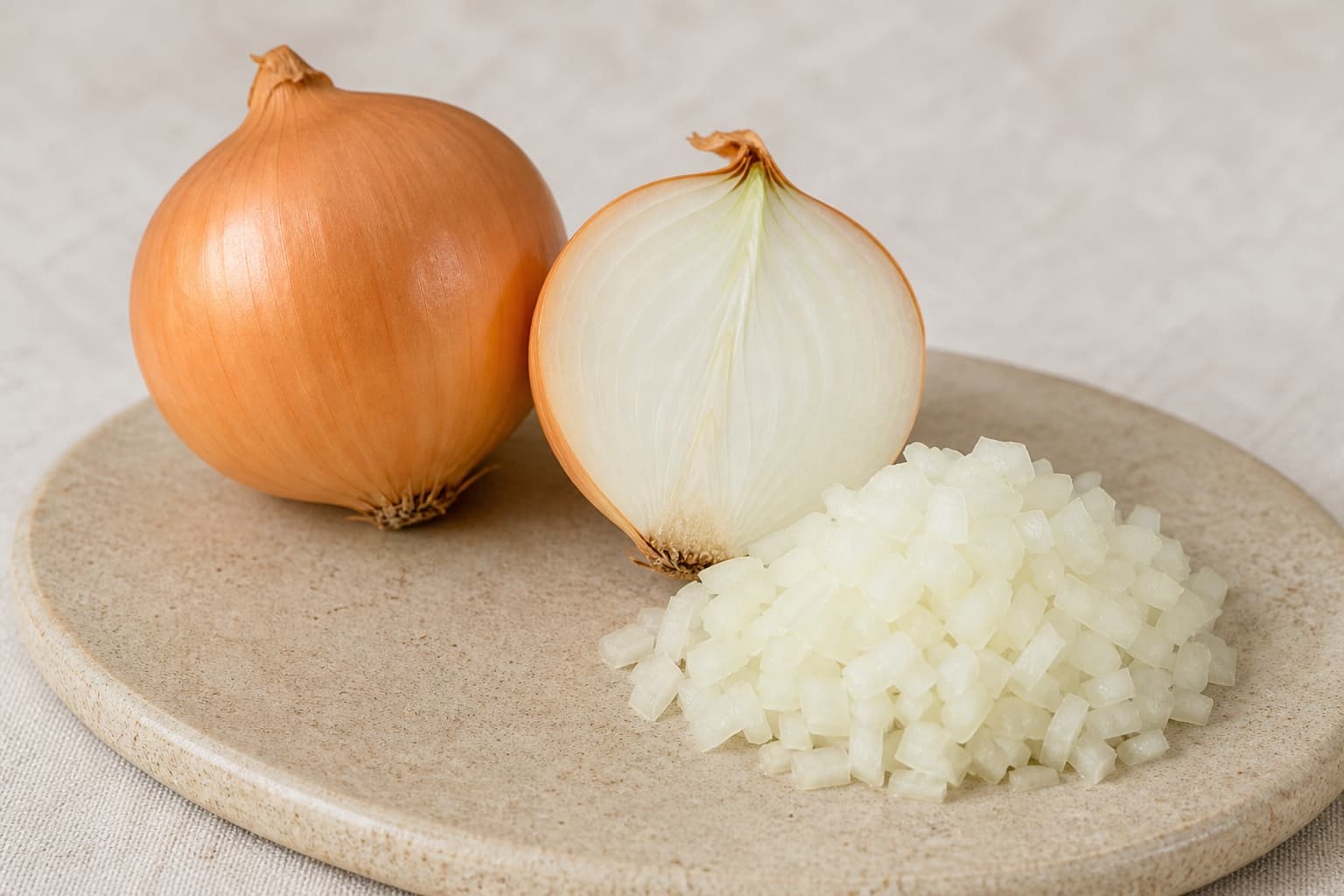
sweet aromatic body in very fine dice
Melbourne
Nearby produce marketsSearch ColesSearch WoolworthsFind an ALDIFind an IGASearch TozerbaSearch Asian PantryToko NusantaraThese links open searches, catalogues, or store locators. Check the exact form and local availability there.
Jakarta
Nearby produce marketsPasar Jaya networkSuper Indo locationsRanch Market outletsHypermart onlineSearch SayurboxSearch TokopediaSearch ShopeeOpen GrabMartThese links open searches, catalogues, or store locators. Check the exact form and local availability there.
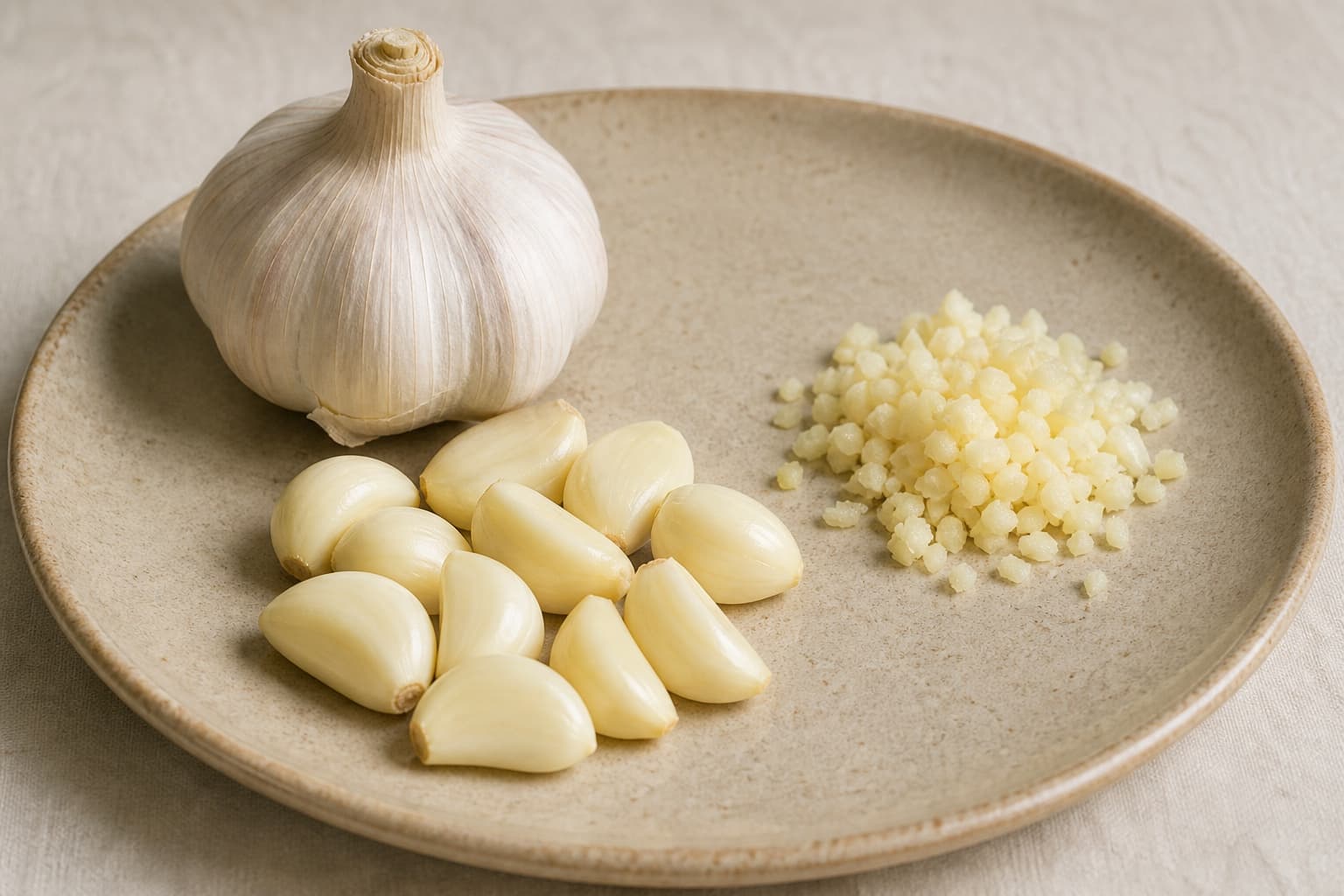
savoury aromatic in the pork mixture
Melbourne
Nearby produce marketsSearch ColesSearch WoolworthsFind an ALDIFind an IGASearch TozerbaSearch Asian PantryToko NusantaraThese links open searches, catalogues, or store locators. Check the exact form and local availability there.
Jakarta
Nearby produce marketsPasar Jaya networkSuper Indo locationsRanch Market outletsHypermart onlineSearch SayurboxSearch TokopediaSearch ShopeeOpen GrabMartThese links open searches, catalogues, or store locators. Check the exact form and local availability there.
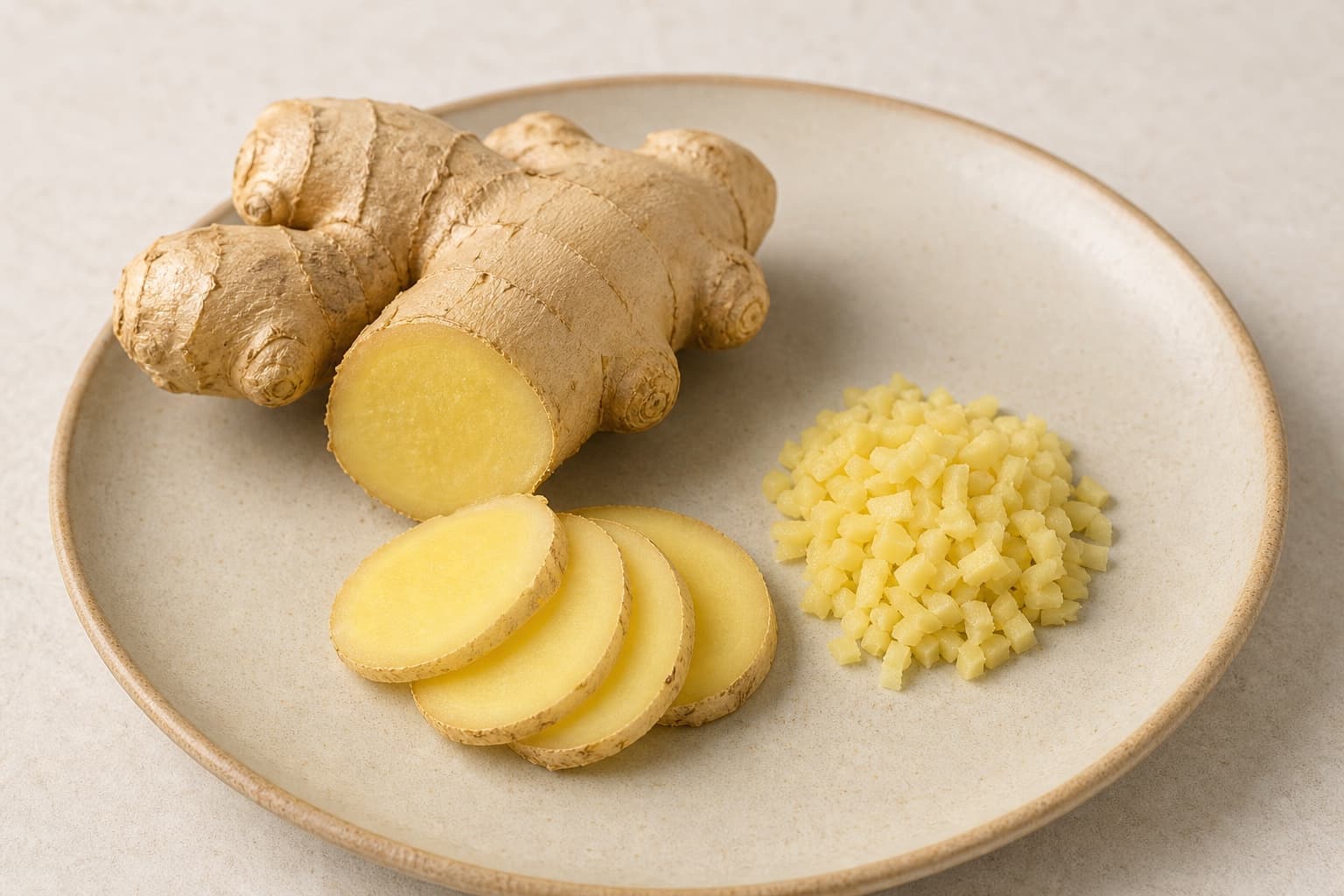
clean warmth that balances pork fat
Melbourne
Nearby produce marketsSearch ColesSearch WoolworthsFind an ALDIFind an IGASearch TozerbaSearch Asian PantryToko NusantaraThese links open searches, catalogues, or store locators. Check the exact form and local availability there.
Jakarta
Nearby produce marketsPasar Jaya networkSuper Indo locationsRanch Market outletsHypermart onlineSearch SayurboxSearch TokopediaSearch ShopeeOpen GrabMartThese links open searches, catalogues, or store locators. Check the exact form and local availability there.
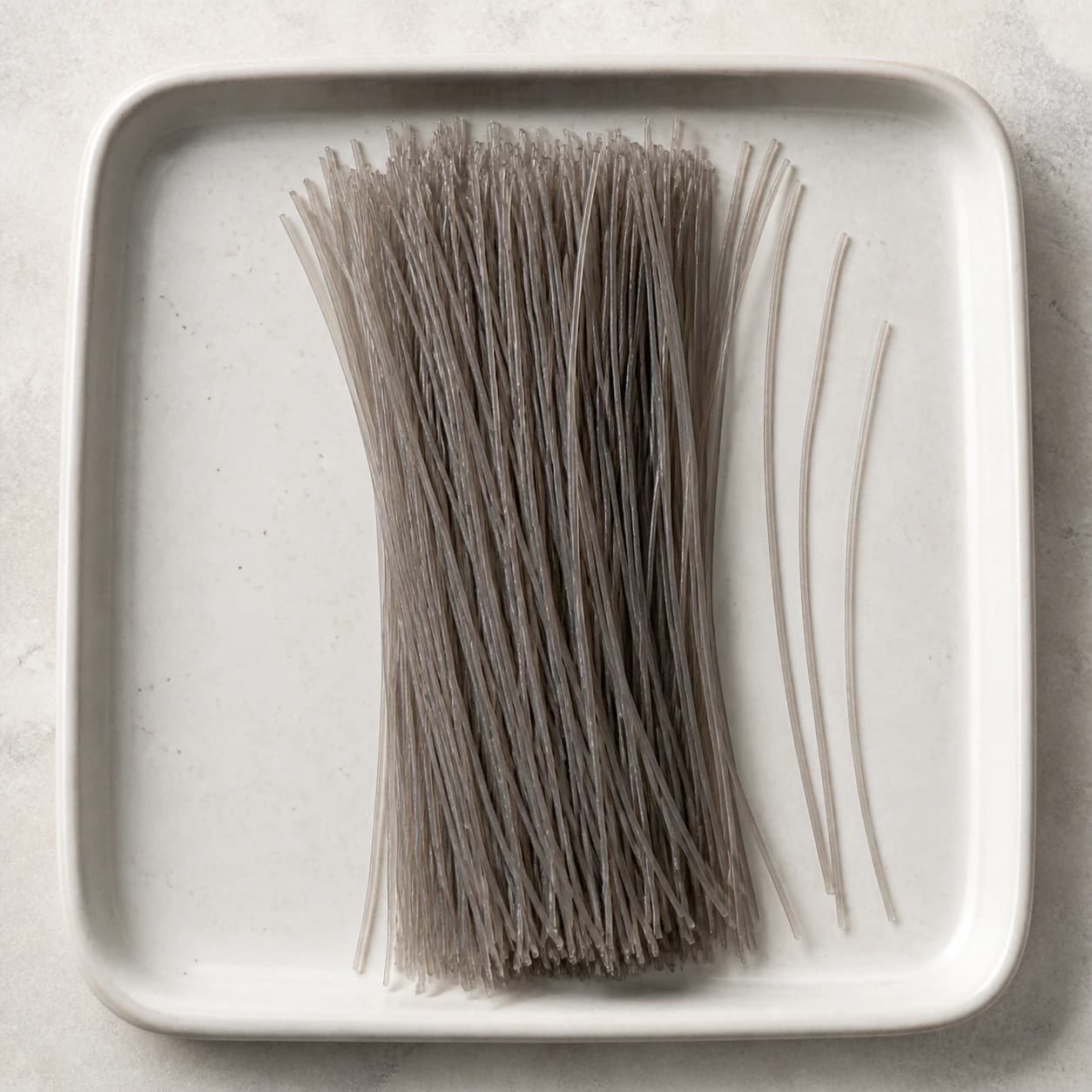
short springy strands that absorb pork juices inside the wrapper
Melbourne
Nearby specialist grocersMr Dad CBD guideGuideSolAsia QV guideGuideKT Mart / KKETTA guideGuideTokyo Hometown guideGuideSearch TozerbaSearch Asian PantryToko NusantaraSearch ColesSearch WoolworthsFind an ALDIFind an IGAThese links open searches, catalogues, or store locators. Check the exact form and local availability there.
Jakarta
Nearby specialist shopsSearch SayurboxSearch TokopediaSearch ShopeeOpen GrabMartSuper Indo locationsRanch Market outletsHypermart onlinePasar Jaya networkThese links open searches, catalogues, or store locators. Check the exact form and local availability there.
draws water from zucchini and finishes the pork seasoning
Melbourne
Nearby supermarketsSearch ColesSearch WoolworthsFind an ALDIFind an IGASearch TozerbaSearch Asian PantryToko NusantaraThese links open searches, catalogues, or store locators. Check the exact form and local availability there.
Jakarta
Nearby supermarketsSuper Indo locationsRanch Market outletsHypermart onlinePasar Jaya networkSearch SayurboxSearch TokopediaSearch ShopeeOpen GrabMartThese links open searches, catalogues, or store locators. Check the exact form and local availability there.
activates the dry edge of store-bought wrappers
cooks the seasoning sample and forms crisp golden dumpling bases
Melbourne
Nearby supermarketsSearch ColesSearch WoolworthsFind an ALDIFind an IGASearch TozerbaSearch Asian PantryToko NusantaraThese links open searches, catalogues, or store locators. Check the exact form and local availability there.
Jakarta
Nearby supermarketsSuper Indo locationsRanch Market outletsHypermart onlinePasar Jaya networkSearch SayurboxSearch TokopediaSearch ShopeeOpen GrabMartThese links open searches, catalogues, or store locators. Check the exact form and local availability there.
measured steam that cooks raw filling before re-crisping
salt and fermented savour through the filling
Note: Contains soy and usually wheat; use certified gluten-free tamari only with matching gluten-free wrappers.
Melbourne
Nearby specialist grocersMr Dad CBD guideGuideSolAsia QV guideGuideSearch TozerbaSearch Asian PantryToko NusantaraSearch ColesSearch WoolworthsFind an ALDIFind an IGAThese links open searches, catalogues, or store locators. Check the exact form and local availability there.
Jakarta
Nearby specialist shopsSearch SayurboxSearch TokopediaSearch ShopeeOpen GrabMartSuper Indo locationsRanch Market outletsHypermart onlinePasar Jaya networkThese links open searches, catalogues, or store locators. Check the exact form and local availability there.
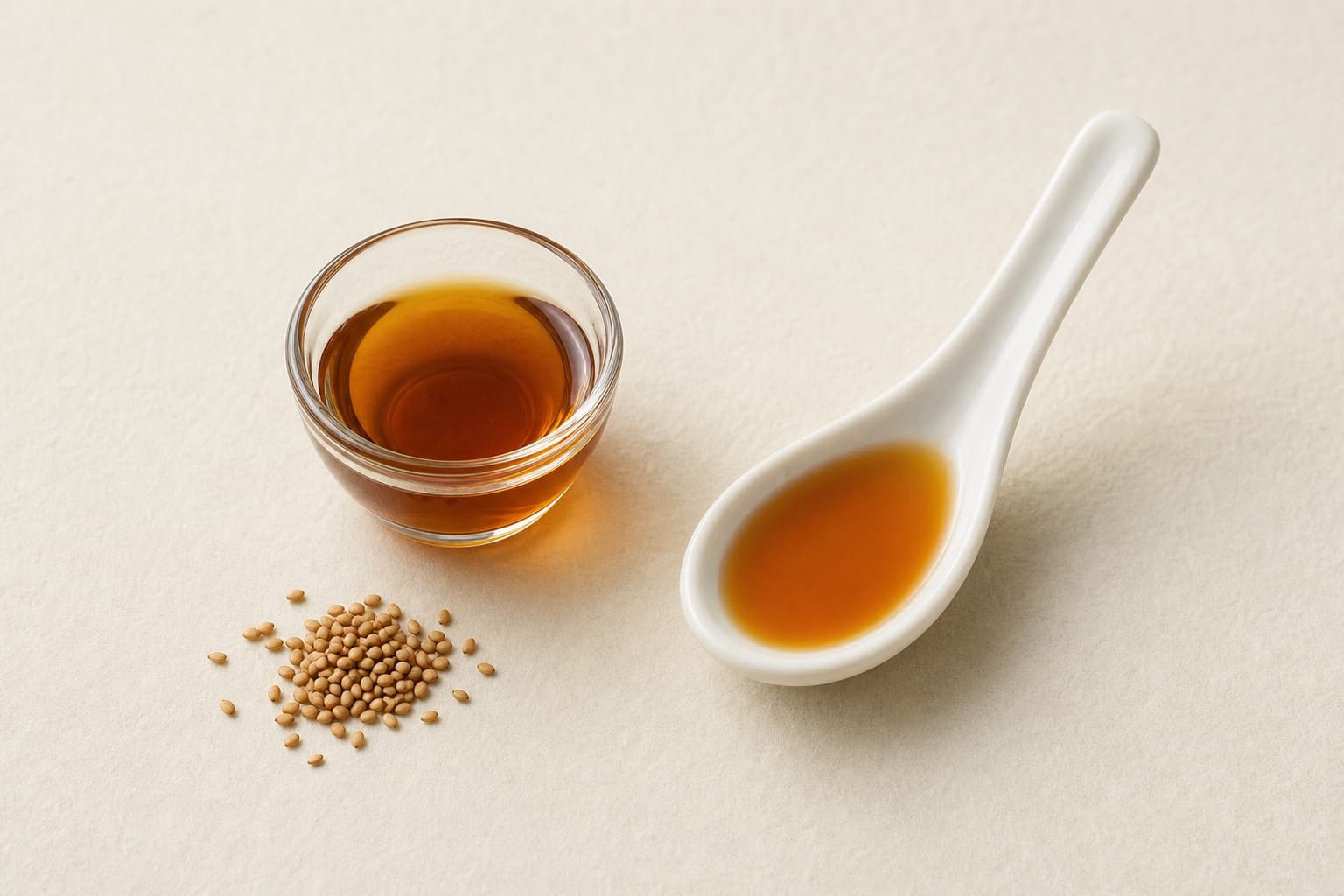
nutty Korean pantry aroma in the filling
Note: Contains sesame.
Melbourne
Nearby specialist grocersMr Dad CBD guideGuideSolAsia QV guideGuideSearch TozerbaSearch Asian PantryToko NusantaraSearch ColesSearch WoolworthsFind an ALDIFind an IGAThese links open searches, catalogues, or store locators. Check the exact form and local availability there.
Jakarta
Nearby specialist shopsSearch SayurboxSearch TokopediaSearch ShopeeOpen GrabMartSuper Indo locationsRanch Market outletsHypermart onlinePasar Jaya networkThese links open searches, catalogues, or store locators. Check the exact form and local availability there.
salty base for the sharp dipping sauce
Note: Contains soy and usually wheat.
Melbourne
Nearby specialist grocersMr Dad CBD guideGuideSolAsia QV guideGuideSearch TozerbaSearch Asian PantryToko NusantaraSearch ColesSearch WoolworthsFind an ALDIFind an IGAThese links open searches, catalogues, or store locators. Check the exact form and local availability there.
Jakarta
Nearby specialist shopsSearch SayurboxSearch TokopediaSearch ShopeeOpen GrabMartSuper Indo locationsRanch Market outletsHypermart onlinePasar Jaya networkThese links open searches, catalogues, or store locators. Check the exact form and local availability there.
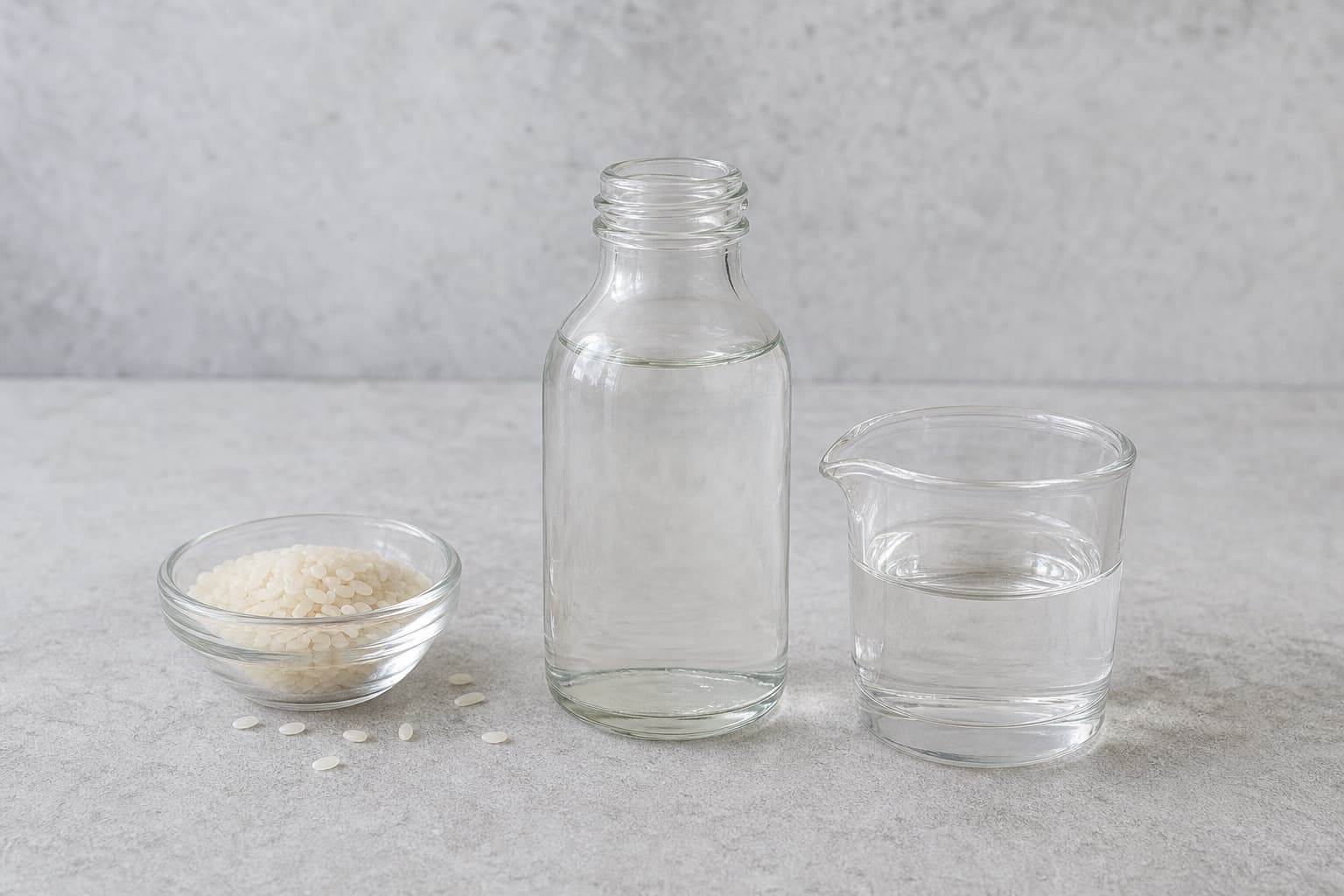
bright acidity against pork and sesame
Melbourne
Nearby specialist grocersMr Dad CBD guideGuideSolAsia QV guideGuideSearch TozerbaSearch Asian PantryToko NusantaraSearch ColesSearch WoolworthsFind an ALDIFind an IGAThese links open searches, catalogues, or store locators. Check the exact form and local availability there.
Jakarta
Nearby specialist shopsSearch SayurboxSearch TokopediaSearch ShopeeOpen GrabMartSuper Indo locationsRanch Market outletsHypermart onlinePasar Jaya networkThese links open searches, catalogues, or store locators. Check the exact form and local availability there.
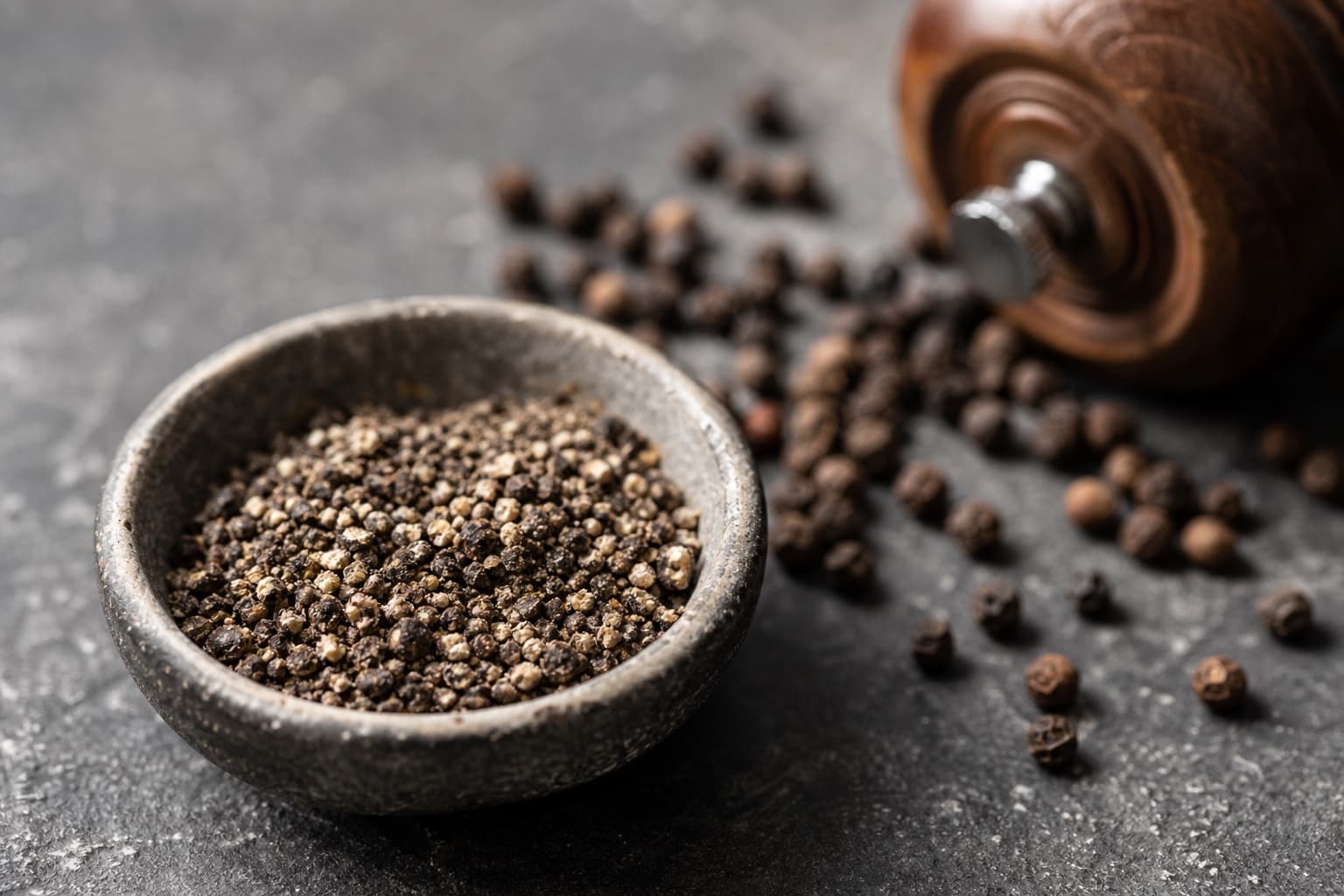
warm background seasoning
Melbourne
Nearby specialist grocersMr Dad CBD guideGuideSolAsia QV guideGuideSearch TozerbaSearch Asian PantryToko NusantaraSearch ColesSearch WoolworthsFind an ALDIFind an IGAThese links open searches, catalogues, or store locators. Check the exact form and local availability there.
Jakarta
Nearby specialist shopsSearch SayurboxSearch TokopediaSearch ShopeeOpen GrabMartSuper Indo locationsRanch Market outletsHypermart onlinePasar Jaya networkThese links open searches, catalogues, or store locators. Check the exact form and local availability there.
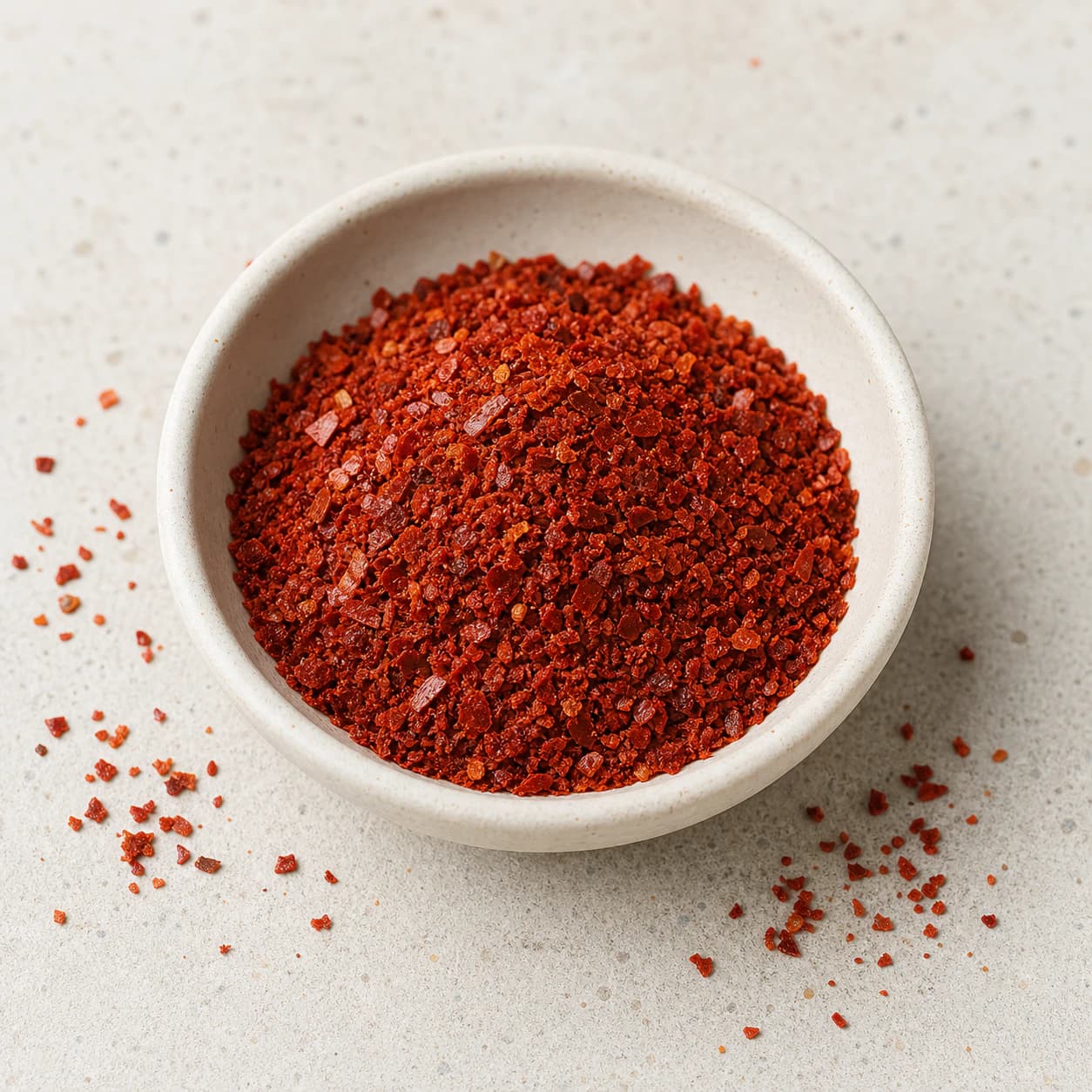
fruity chilli warmth in the dipping sauce
Swap: omit for a completely mild dip
Melbourne
Nearby specialist grocersMr Dad CBD guideGuideSolAsia QV guideGuideSearch TozerbaSearch Asian PantryToko NusantaraSearch ColesSearch WoolworthsFind an ALDIFind an IGAThese links open searches, catalogues, or store locators. Check the exact form and local availability there.
Jakarta
Nearby specialist shopsSearch SayurboxSearch TokopediaSearch ShopeeOpen GrabMartSuper Indo locationsRanch Market outletsHypermart onlinePasar Jaya networkThese links open searches, catalogues, or store locators. Check the exact form and local availability there.
Calculated estimate · per serving
5 dumplings, or 1 of 8 recipe servings; includes one-eighth of the dipping sauce
Calculated from the authored edible ingredient weights using representative AFCD Release 3 and USDA FoodData Central profiles, then divided by the recipe yield. Energy follows the FSANZ ingredient-contribution method. Optional serving accompaniments are excluded. The calculation assigns five wrappers and one-eighth of the pork, tofu, zucchini, sprouts, chive, noodle, egg, sesame seasoning, frying oil, and dipping sauce to each serving.
Calculated estimate only, not a laboratory result or personalised dietary advice. Actual values vary with brands, produce, meat trim, substitutions, final serving size, and how much cooking or rendered oil is left in the pan or skimmed. Check packaged labels for allergens and sodium; consult an accredited practising dietitian or clinician for medical dietary needs. Wrapper weight, pork fat percentage, moisture squeezed from tofu, zucchini, and sprouts, pan oil left behind, and dipping sauce consumed are the main uncertainties.
Reference data: Australian Food Composition Database · FSANZ calculation method · USDA FoodData Central · calculated 2026-07-15
Step-by-step method
Read the action and cue together. Move on when the food matches the cue.
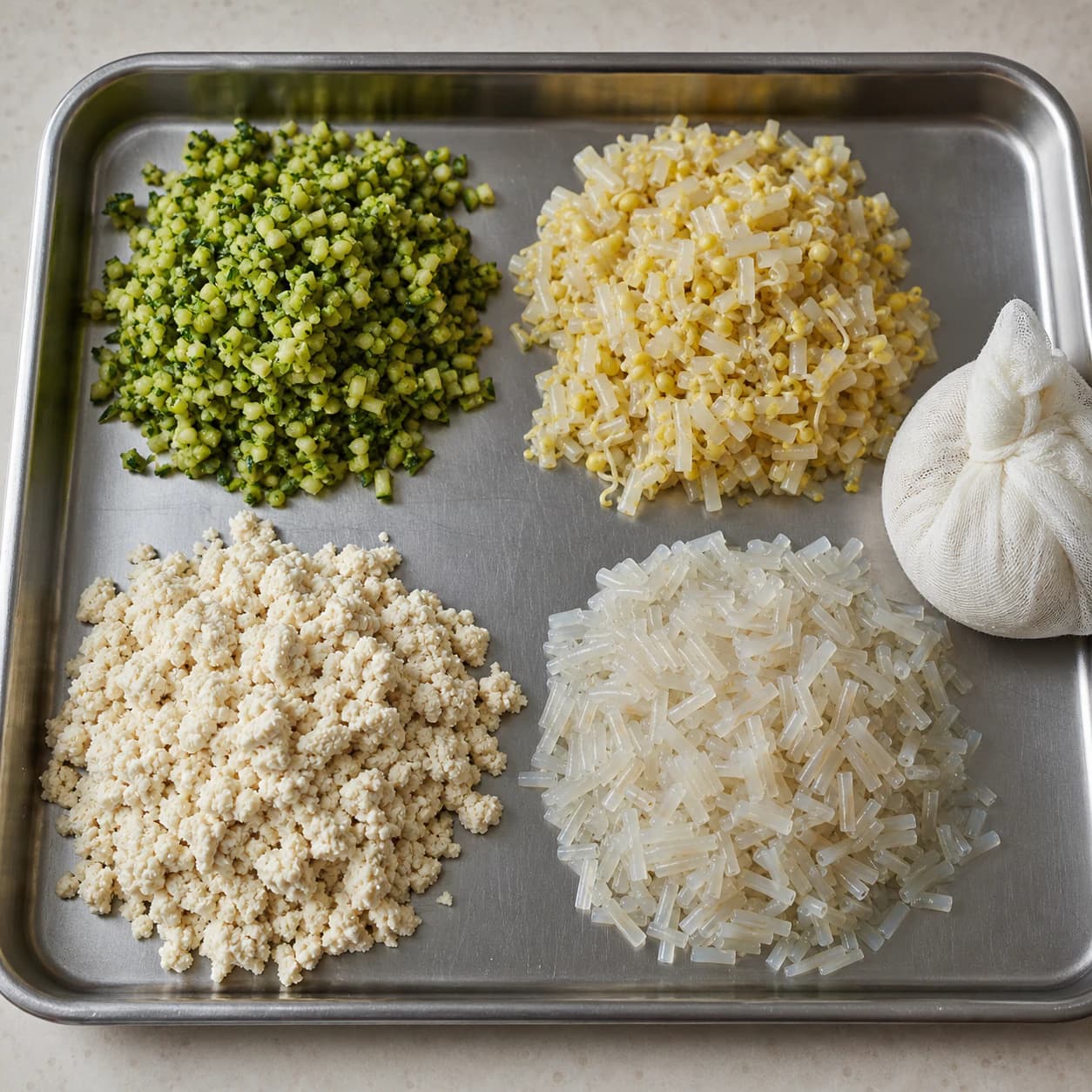
Mix zucchini with 5 g of the measured salt and stand 15 minutes. Blanch mung bean sprouts in boiling water for 1 minute, drain, cool, squeeze hard, and chop. Cook dangmyeon according to its pack until tender, rinse cold, drain thoroughly, and chop into 1 cm lengths. Wrap tofu in clean cloth and squeeze firmly. Squeeze zucchini until no droplets remain. Spread all four components out to cool completely; reserve the remaining 3 g salt for filling.
Common mistake: Warm or wet components dilute the bind and soften wrapper seams.
Recovery: Spread the food out, raise heat only after moisture drops, and hold back extra sauce until the pan is frying again.
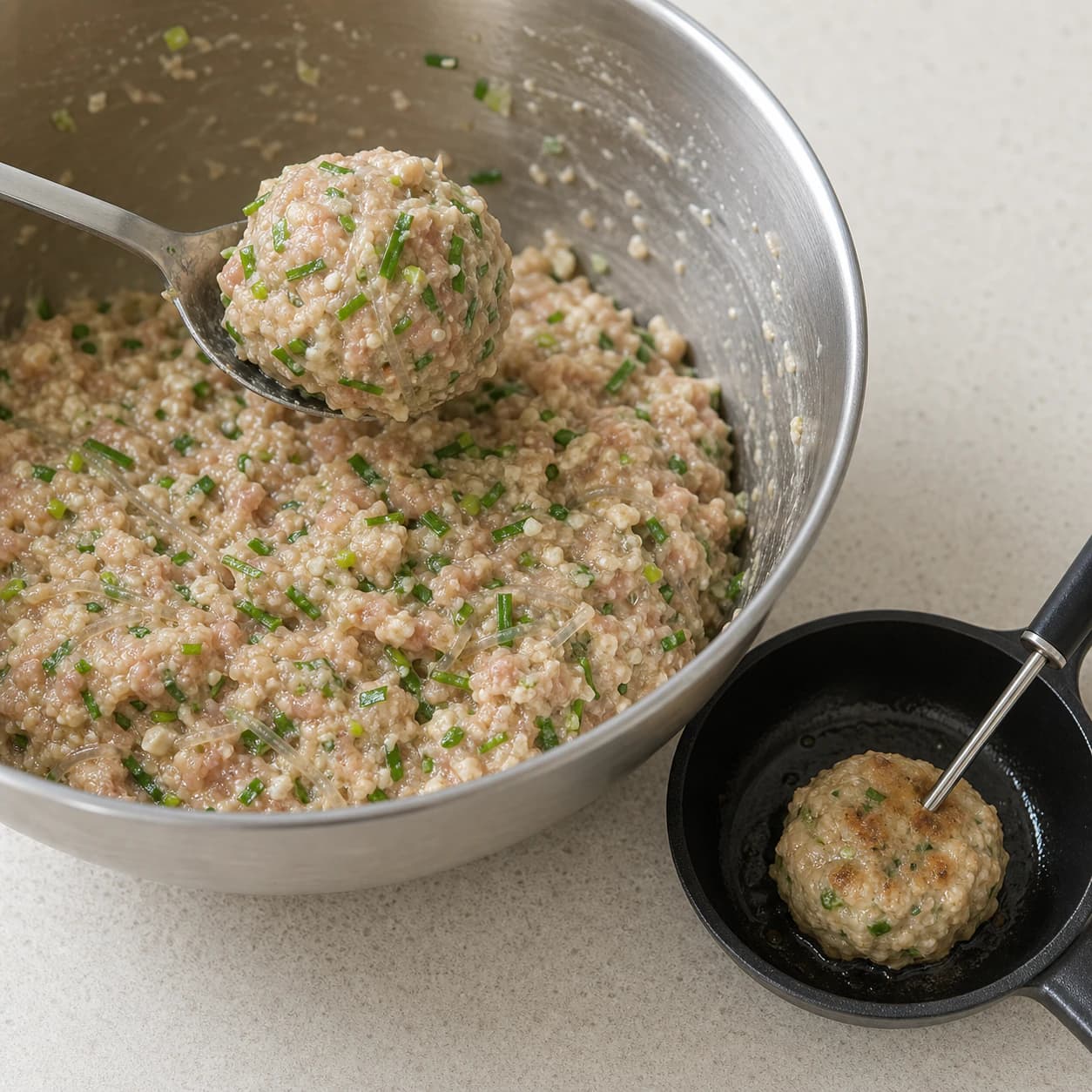
Combine cold pork, prepared tofu, zucchini, sprouts, and dangmyeon with buchu, onion, garlic, ginger, egg, filling soy, sesame oil, remaining salt, and pepper. Mix firmly in one direction for 2 minutes until tacky. Heat 5 ml of the measured oil in a small pan, cook a heaped teaspoon of filling through to at least 75°C, taste, and adjust only with a small pinch of salt if needed. Cool the filling promptly while preparing wrappers.
Common mistake: Tasting raw pork is unsafe; seasoning forty dumplings without a cooked sample is irreversible.
Recovery: Stop and discard the unsafe ingredient. Restart with a prepared edible version from a trusted food supplier.
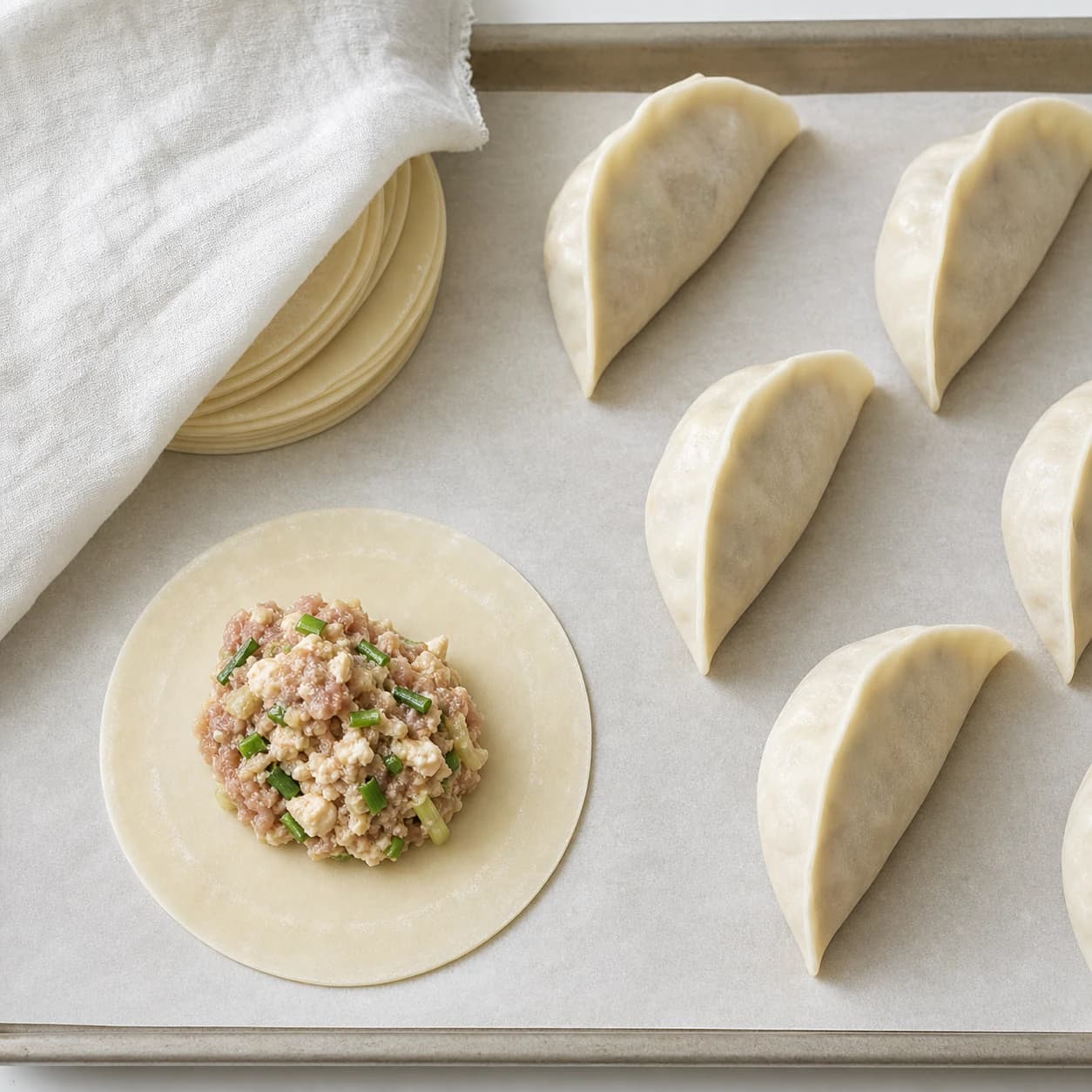
Keep wrappers under a barely damp towel. Put 20–25 g filling just off-centre on one wrapper, leaving a clean 12 mm border. Brush the border lightly with sealing water, fold, press air out from around the filling, and pinch a continuous half-moon seal. Pleats are optional. Put mandu seam-up on parchment without touching and cover. Freeze any uncooked extras on the tray until solid, then bag; do not thaw before cooking.
Common mistake: A wet, overfilled, or flour-coated seam opens when steam expands inside.
Recovery: Spread the food out, raise heat only after moisture drops, and hold back extra sauce until the pan is frying again.
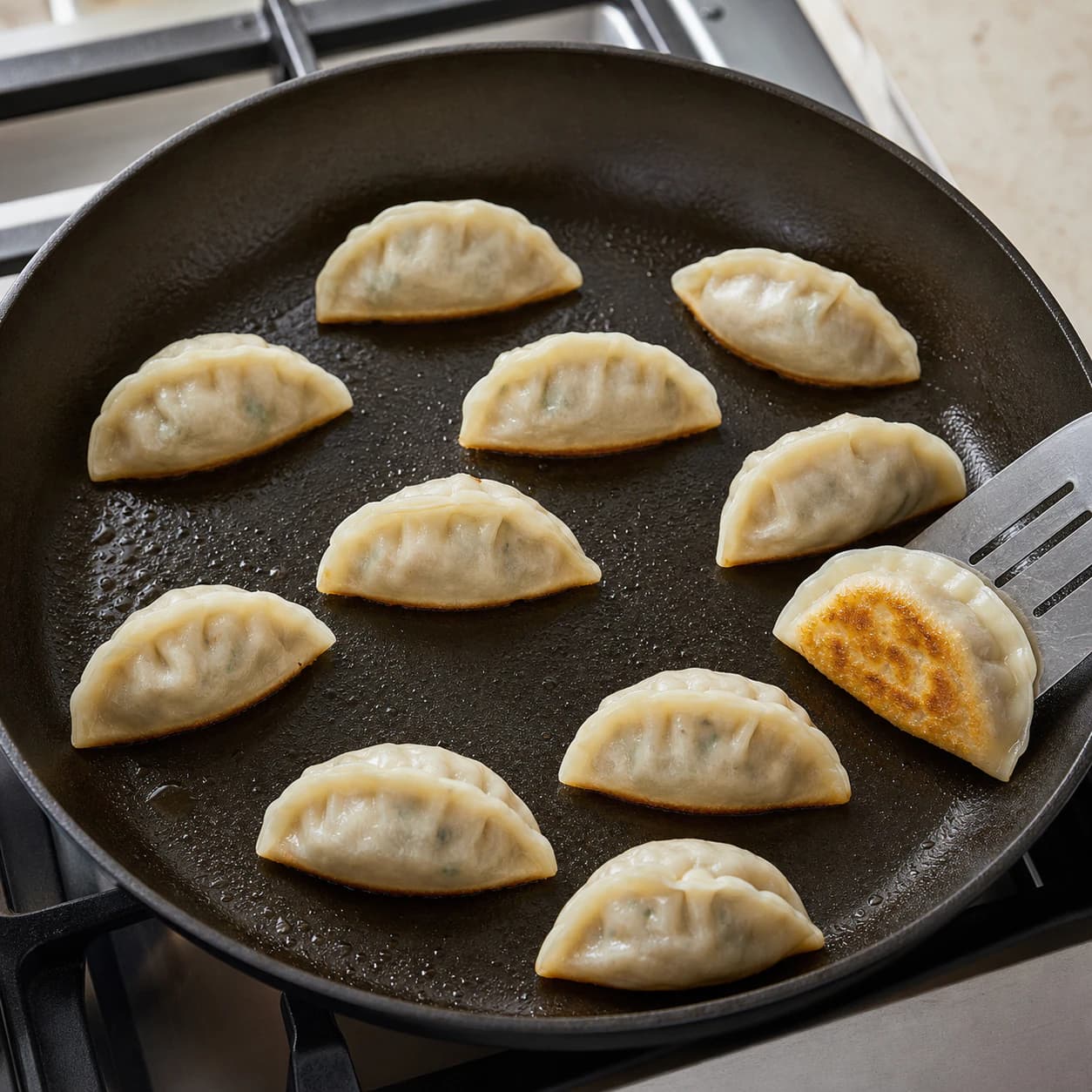
Heat the lidded skillet over medium-high. Add 10 ml of the remaining oil and arrange 10 mandu flat-side down with at least 1 cm between them. Fry 1–2 minutes without moving until the bases are evenly light golden. Keep the other mandu covered on their tray while this first batch cooks.
Common mistake: Crowding makes wrappers stick together; a dark base can burn before the raw filling cooks.
Recovery: Move the pan off heat, scrape only the unburnt paste into a clean spot, add a small splash of oil or liquid, and restart gently.
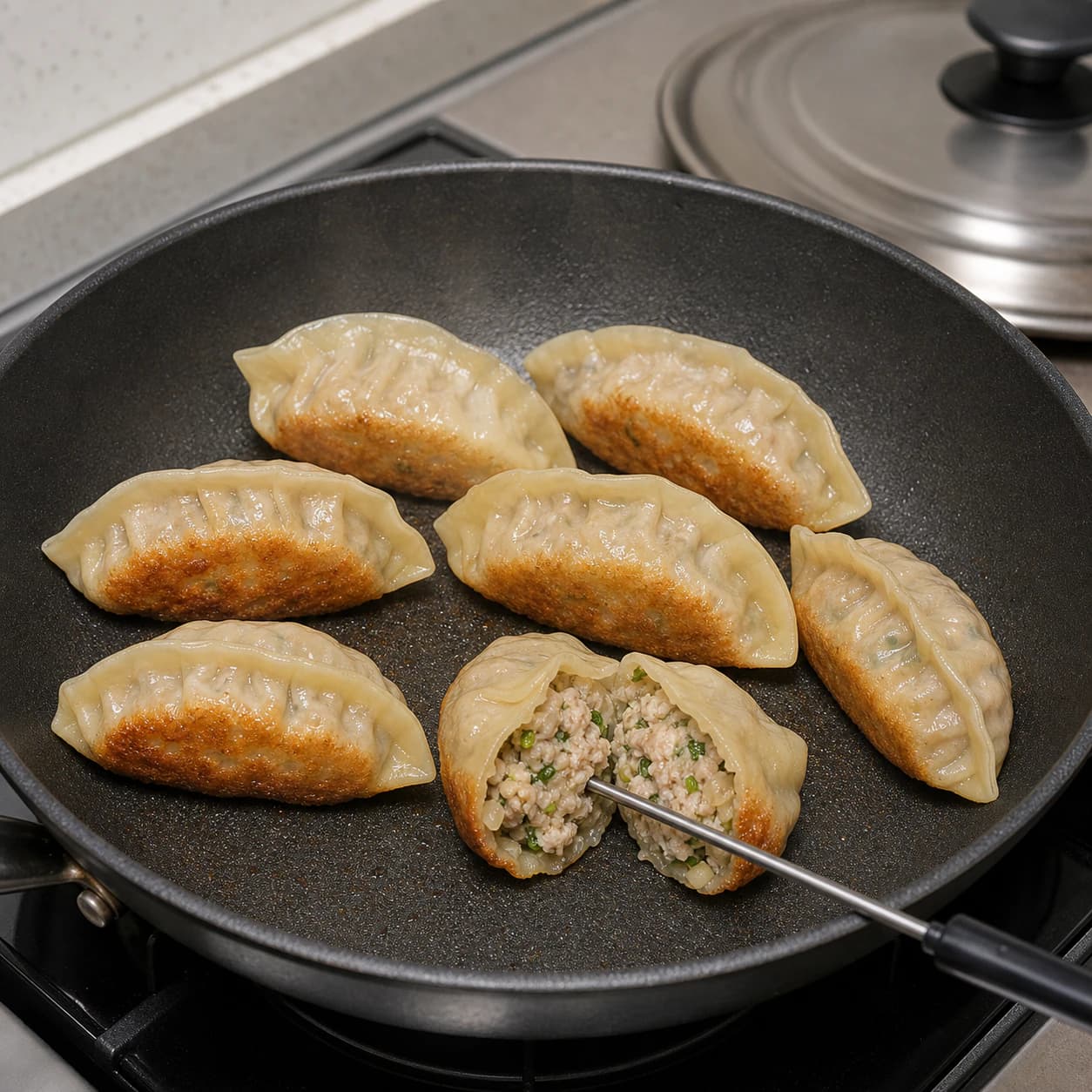
Carefully add 60 ml of the pan-steaming water at the skillet edge and cover immediately. Reduce to medium-low and steam fresh mandu for 5–6 minutes, or frozen mandu for 7–8 minutes. Uncover away from your face, let all water evaporate, then crisp 1–2 minutes. Probe one dumpling through the side into the filling centre: it must reach at least 75°C. Transfer crisp-side up, then repeat the sear, steam, probe, and re-crisp cycle with three more batches of 10, using 10 ml oil and 60 ml water for each batch. Continue any under-temperature batch covered in 1-minute blocks before rechecking.
Common mistake: Golden colour cannot verify minced pork; opening the lid repeatedly also loses the steam needed to cook it.
Recovery: Spread the food out, raise heat only after moisture drops, and hold back extra sauce until the pan is frying again.
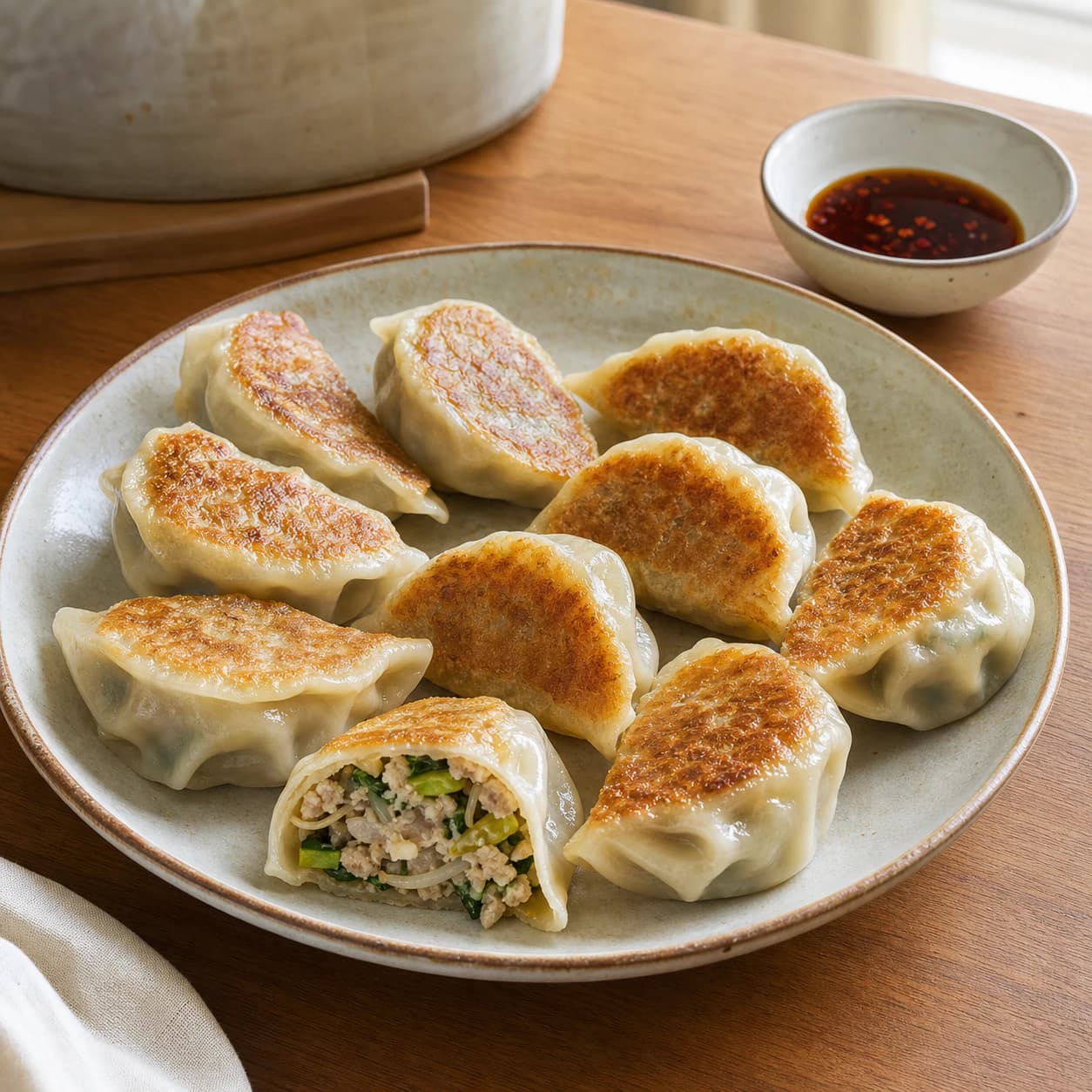
Stir dipping soy with rice vinegar and optional gochugaru. Serve the mandu crisp-side up so steam cannot soften the bases. Refrigerate cooked leftovers within 2 hours and use within 3 days; reheat once in a covered skillet until the centres again reach 75°C, then uncover to crisp.
Common mistake: Stacking or covering cooked mandu traps steam and erases the crust.
Recovery: Spread the food out, raise heat only after moisture drops, and hold back extra sauce until the pan is frying again.
Fix problems
The active method already includes its most likely mistake and recovery. Open the reference library when your question falls outside the current step.
No. Mandu is the standard Revised Romanization of 만두; mandoo is a common English search spelling. Use Mandu in the title and include Mandoo naturally as an alias, not as a separate dish.
Tofu is one common Korean mandu filling component alongside meat, vegetables, sprouts, mushrooms, or noodles. Firm tofu lightens the pork and holds seasoning, but it must be squeezed very dry.
Yes. Freeze uncooked mandu in one layer without touching until solid, then bag them. Cook from frozen and extend the covered steam, verifying a sacrificial centre reaches at least 75°C.
Yes. Steam fresh mandu about 10 minutes on a lined steamer or boil gently until they float and then continue 1–2 minutes, but always verify the centre of a sacrificial pork mandu reaches at least 75°C.
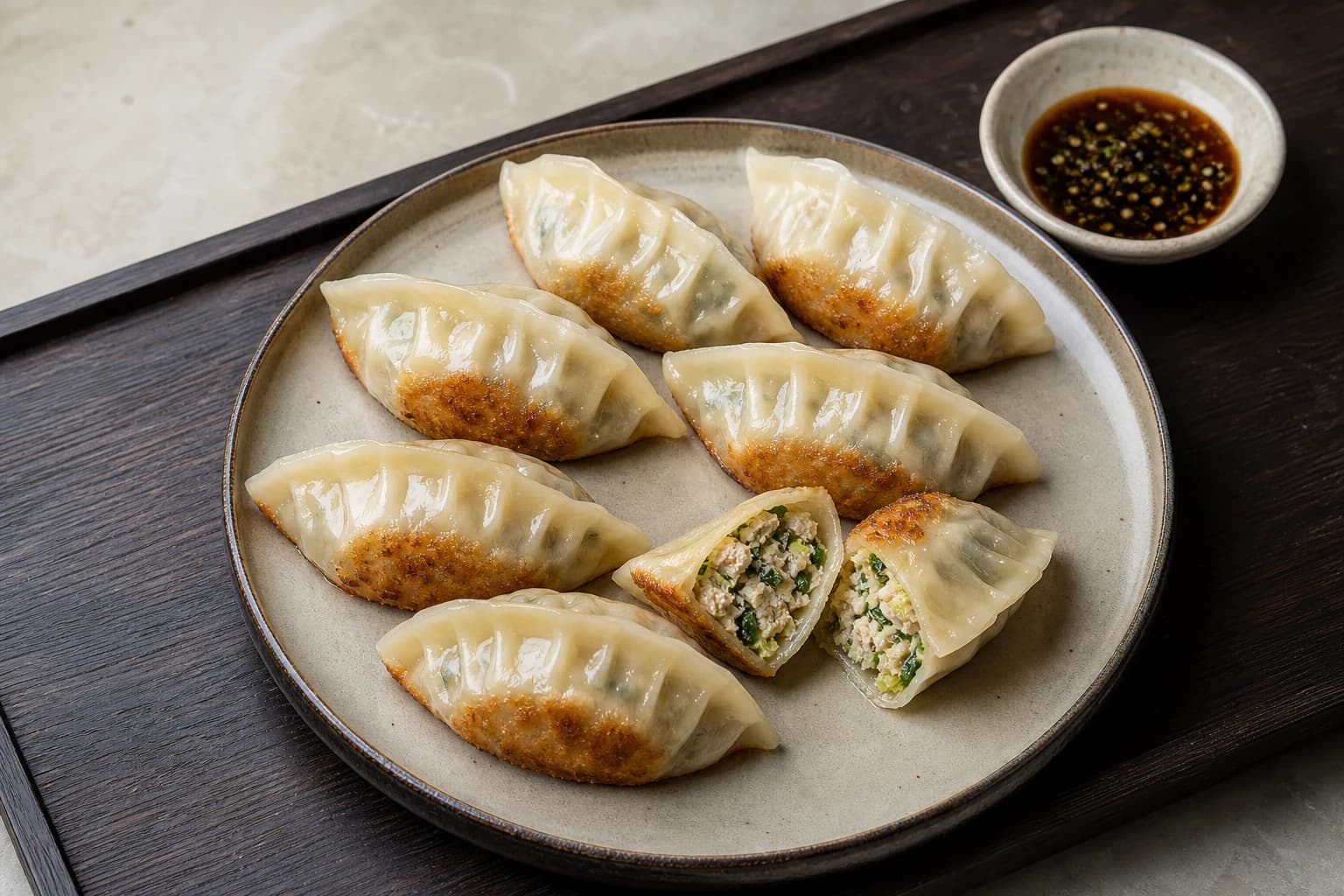
Seal juicy pork filling inside thin mandu skins without wet seams or raw centres. Look for golden flat base, supple pale top, juicy fully cooked cross-section: The base is evenly golden, the upper wrapper is tender and slightly translucent, and one sacrificial dumpling verifies at least 75°C in the centre.
Warm or wet components dilute the bind and soften wrapper seams. Spread the food out, raise heat only after moisture drops, and hold back extra sauce until the pan is frying again.
Scale the measured ingredients with the serving count, then scale the vessel or work in batches. Keep the same visual finish - golden flat base, supple pale top, juicy fully cooked cross-section - rather than forcing the original timer.
round mandu wrappers: round gyoza wrappers; expect slightly smaller mandu; zucchini: finely chopped green cabbage, salted and squeezed in the same way; Korean garlic chives, buchu: 40 g garlic chives plus 30 g spring-onion greens; gochugaru, optional: omit for a completely mild dip
round mandu wrappers: Contains wheat. Thaw in the refrigerator and keep covered so edges do not crack.; pork mince with about 20% fat: Contains pork. Keep below 5°C and prevent contact with wrappers or vegetables not yet destined for cooking.; firm tofu: Contains soy. Soft silken tofu carries too much water for this filling.; mung bean sprouts: Blanch before filling; raw sprouts can carry harmful bacteria and leak water.
Recipe sourcing hand-off
This page keeps only the dish-specific brief. The complete aisle list, Bahasa names, dated store evidence, optional distance sorting, and map routes live in the connected shopping and city guides.
Use a high-turnover butcher or supermarket for pork mince and a Korean or Asian grocer for round mandu wrappers. Keep wrappers chilled or frozen and check their diameter before choosing the 20–25 g filling weight.
Open the Melbourne sourcing guideThis pork recipe is for non-halal kitchens. Use a trusted pork butcher or non-halal supermarket counter and prevent contact with halal food, tools, and serving ware.
Open the Jakarta sourcing guideFlavour foundation
Salting, blanching, pressing, and chopping remove free water before it can burst the wrapper. Mixing the pork until tacky binds the varied filling; a measured pan-steam cooks the centre before the uncovered pan restores a crisp base.
Taste profile
Mandu is the Korean umbrella term for filled dumplings, with meat, kimchi, tofu, sprouts, noodles, mushrooms, and vegetables varying by home and region. Steamed, boiled, pan-fried, and soup forms are all established; one filling or pleat count should not be presented as the only authentic formula.
Cook plan
Versions
Diet & allergens
Dietary notes: dairy-free, nut-free.
Contains or may contain: pork, wheat/gluten, soy, sesame, egg.
Check packaged-ingredient labels and cross-contamination advice for the brands you use.
Budget
Planning estimate only - not live or locally verified pricing
What belongs where
The ingredient list is organised for shopping; this map reorganises the same recipe by cooking function so you know what belongs in the pot and what stays separate.
pork, pressed tofu, zucchini, mung bean sprouts, dangmyeon, buchu, soy, sesame
Storage notes are conservative home-kitchen guidance. Chill perishable food within 2 hours, keep it at 5°C or colder, and follow local food-safety and package directions when they are stricter.
Sources & evidence
Sources support the specific technique or safety point stated below.
Cross-checks pork, tofu, napa cabbage, garlic chives, scallion, sesame seasoning, thorough moisture removal, ready-made wrappers, and multiple valid cooking paths.
Boundary: Mandu fillings and shapes vary widely. This juicy pork, tofu, zucchini, mung-bean sprout, noodle, and chive filling is one home-style composition, not a single national formula.Recorded as a local editorial or generated visual cue asset, not an independent external source.
Boundary: A local or generated asset is visual guidance, not evidence of authenticity, ingredient quantities, timing, safety, or method accuracy.Applies the Australian consumer guidance to cook all poultry and minced meat to at least 75°C in the centre and to keep raw-meat tools separate from ready-to-eat garnishes.
Boundary: Colour, clear juices, wrapper translucency, and elapsed time do not replace a clean probe reading in the thickest or largest test piece.Next cooks
Recipes here share ingredients, bumbu logic, region, spice level, or weeknight patterns so the next cook reuses what you just learned.
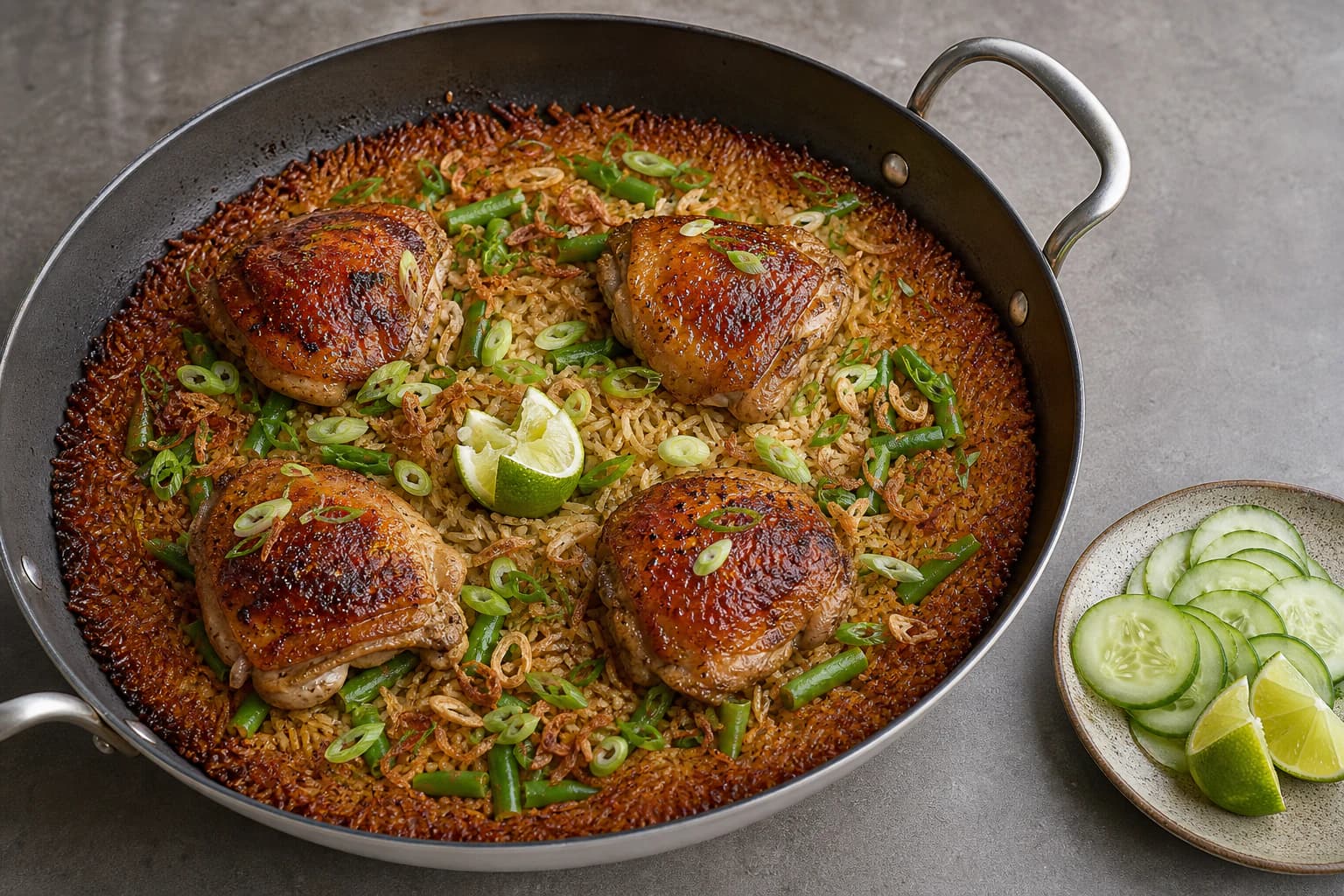 Contemporary Indonesian-inspired · IntermediateOne-Pan Chicken and Crispy RiceRender crisp chicken skin, cook separate rice grains in measured stock, and build brittle kecap-darkened edges without taking the chicken beyond its safe endpoint.
 China / home-style · IntermediateChinese Tomato Beef StewKnow when the beef is truly spoon-tender while keeping the tomato sauce glossy, not watery.
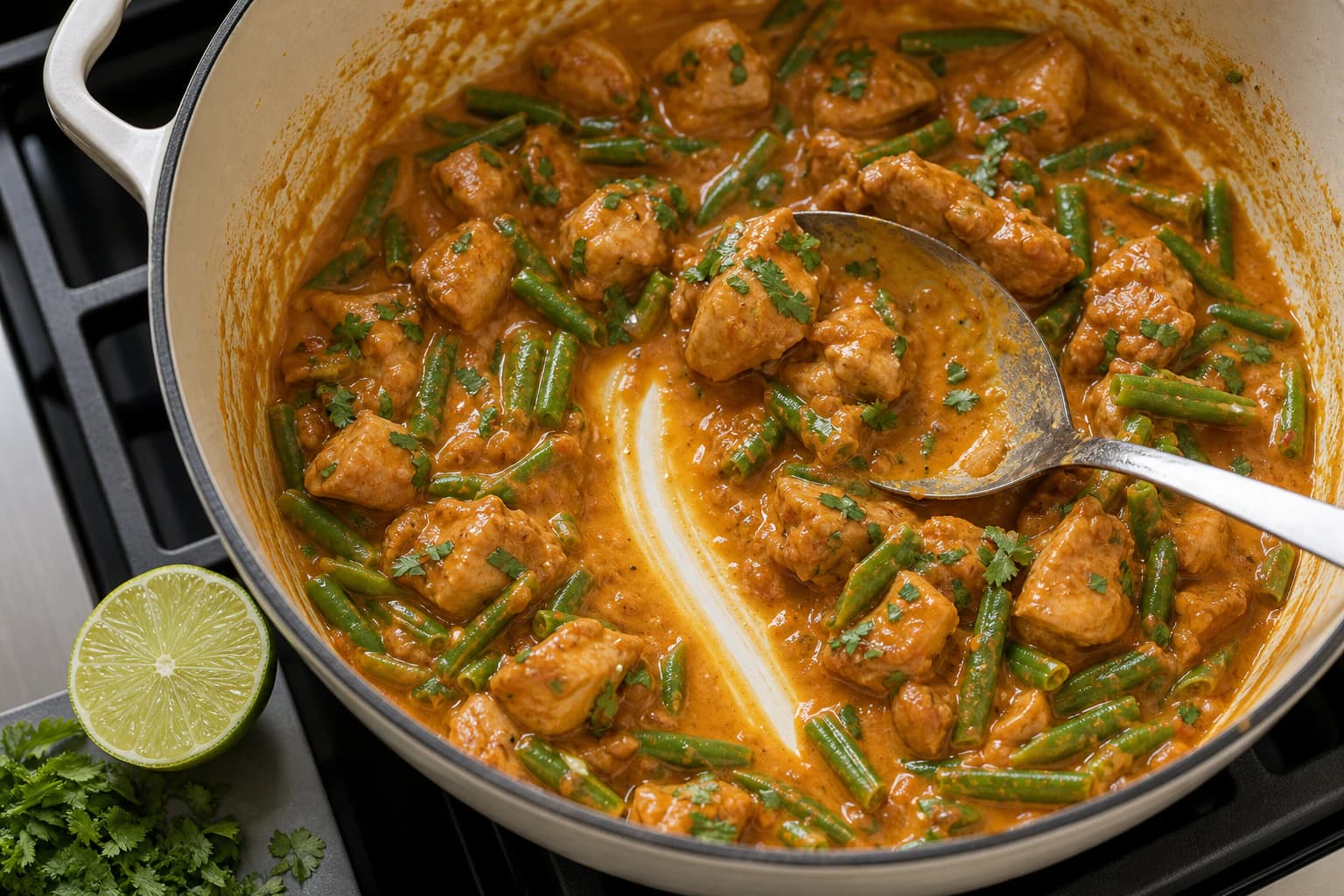 Melbourne / contemporary weeknight · BeginnerOne-Pot Chicken CurryTurn a supermarket curry-powder shortcut into a layered, glossy sauce without drying the chicken or leaving raw spice grit.
 Contemporary British technique · IntermediateUltra-Crispy Smashed PotatoesBuild a brittle, craggy golden shell around a genuinely fluffy centre without needing a deep fryer.
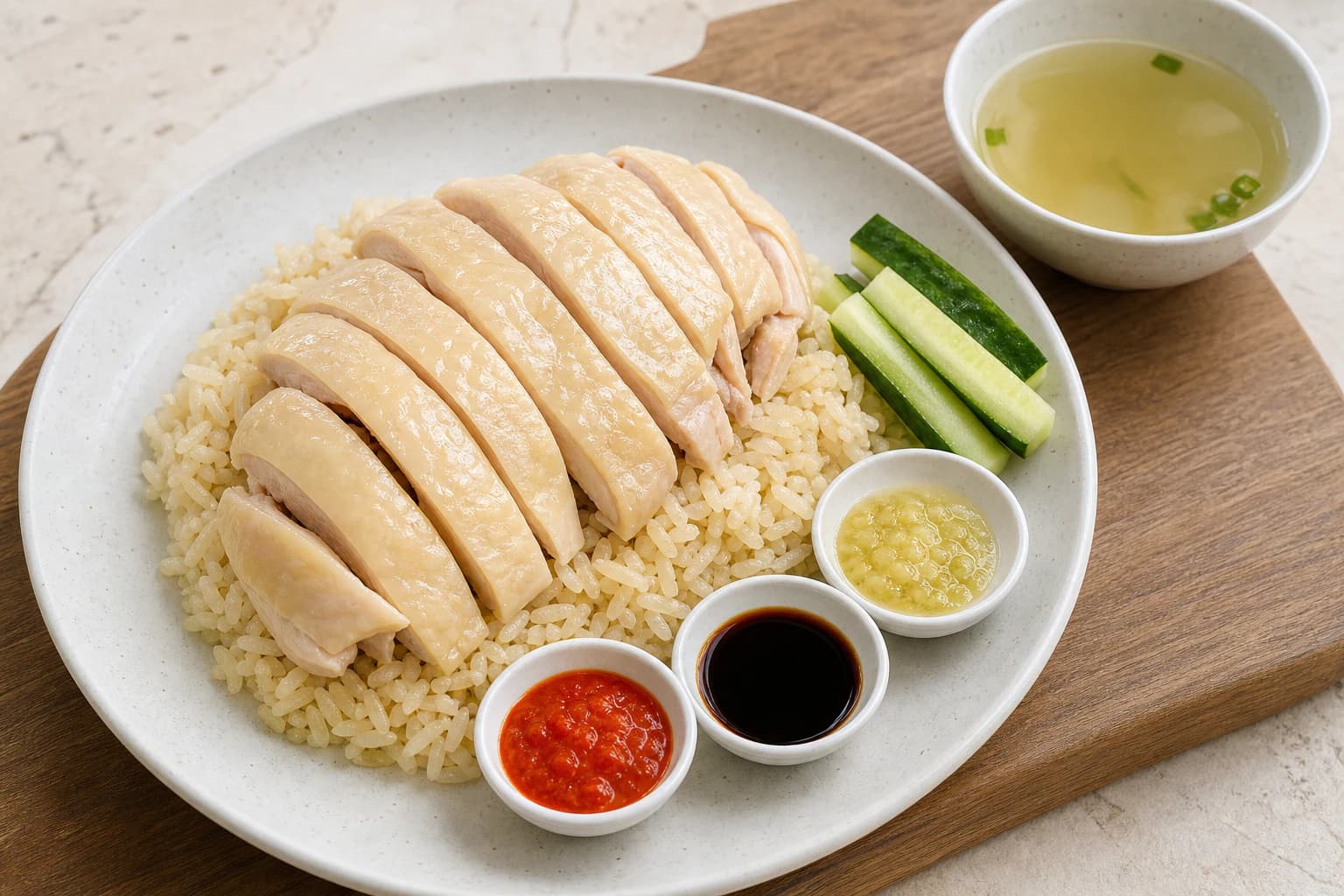 Singapore / Hainanese diaspora · IntermediateHainanese Chicken RicePoach a whole chicken safely to 75°C while keeping silky skin and separate, savoury rice grains.
 Nanxiang / Shanghai · PatientXiao Long BaoSeal clear hot soup inside a delicate wrapper that survives the steamer and reaches the spoon intact.