Step 1 decision
Soak, roast, and blend a fine rempah
The rempah is a fine spoonable orange-red paste with no long lemongrass fibres and no free water around it.
Open step 1MY · Penang / Peranakan Nyonya
Kari Kapitan belongs to Penang's Nyonya repertoire: a celebratory chicken curry whose fresh-turmeric rempah, coconut, tamarind, and lime leaf reduce to a thick coating rather than a bowl of loose gravy.
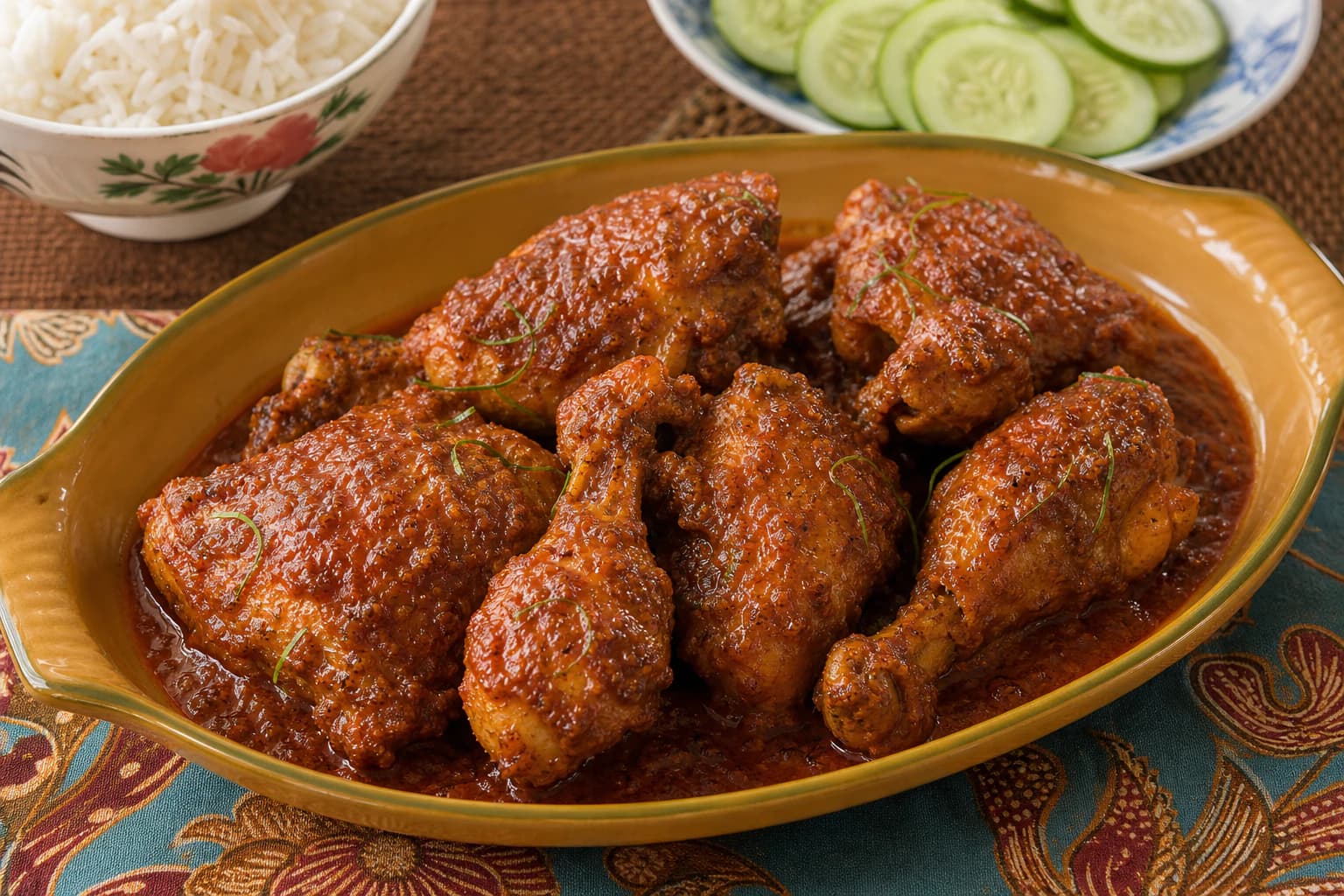
Decision-point map
Scan the decision points now. Each full-size cooking frame appears once, beside the step where you need it.
The rempah is a fine spoonable orange-red paste with no long lemongrass fibres and no free water around it.
Open step 1The rempah is deep orange-red, roughly half its initial volume, and a spatula trail remains open while clear oil glints at the edges.
Open step 3A spatula trail exposes the pot for 2–3 seconds and sauce drops slowly from each lacquered piece without a watery edge.
Check the final stepIngredients
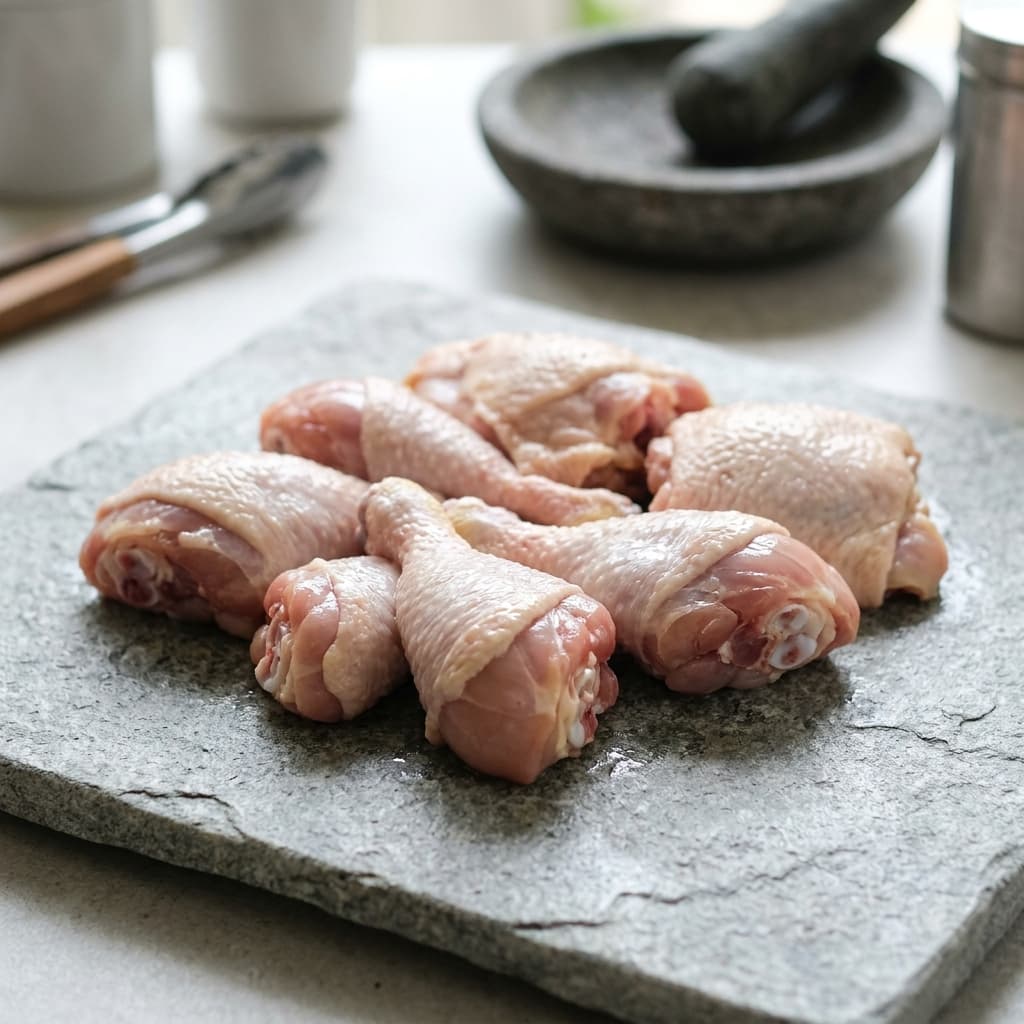
bone-in dark meat that stays succulent through browning, braising, and final glazing
Note: Keep at 5°C or colder, do not wash raw chicken, prevent cross-contamination, and cook the centre of every piece to at least 75°C.
Swap: 1.2 kg bone-in skinless thighs for a less rich sauce
Melbourne
 Nearby butchers
 Search Coles
 Search WoolworthsFind an ALDIFind an IGASearch TozerbaSearch Asian PantryToko Nusantara
These links open searches, catalogues, or store locators. Check the exact form and local availability there.
Jakarta
Nearby butchers and marketsPasar Jaya networkSuper Indo locationsRanch Market outletsHypermart online Search Sayurbox
 Search Tokopedia
 Search ShopeeOpen GrabMart
These links open searches, catalogues, or store locators. Check the exact form and local availability there.
seasons the chicken first and balances the fully reduced sauce last
Melbourne
Nearby specialist grocersMr Dad CBD guideGuideSolAsia QV guideGuideSearch TozerbaSearch Asian PantryToko NusantaraSearch ColesSearch WoolworthsFind an ALDIFind an IGAThese links open searches, catalogues, or store locators. Check the exact form and local availability there.
Jakarta
Nearby specialist shopsSearch SayurboxSearch TokopediaSearch ShopeeOpen GrabMartSuper Indo locationsRanch Market outletsHypermart onlinePasar Jaya networkThese links open searches, catalogues, or store locators. Check the exact form and local availability there.
seasons and browns the chicken, then fries the rempah until its own oil reappears
Swap: rice-bran, canola, sunflower, or vegetable oil
Melbourne
Nearby supermarketsSearch ColesSearch WoolworthsFind an ALDIFind an IGASearch TozerbaSearch Asian PantryToko NusantaraThese links open searches, catalogues, or store locators. Check the exact form and local availability there.
Jakarta
Nearby supermarketsSuper Indo locationsRanch Market outletsHypermart onlinePasar Jaya networkSearch SayurboxSearch TokopediaSearch ShopeeOpen GrabMartThese links open searches, catalogues, or store locators. Check the exact form and local availability there.
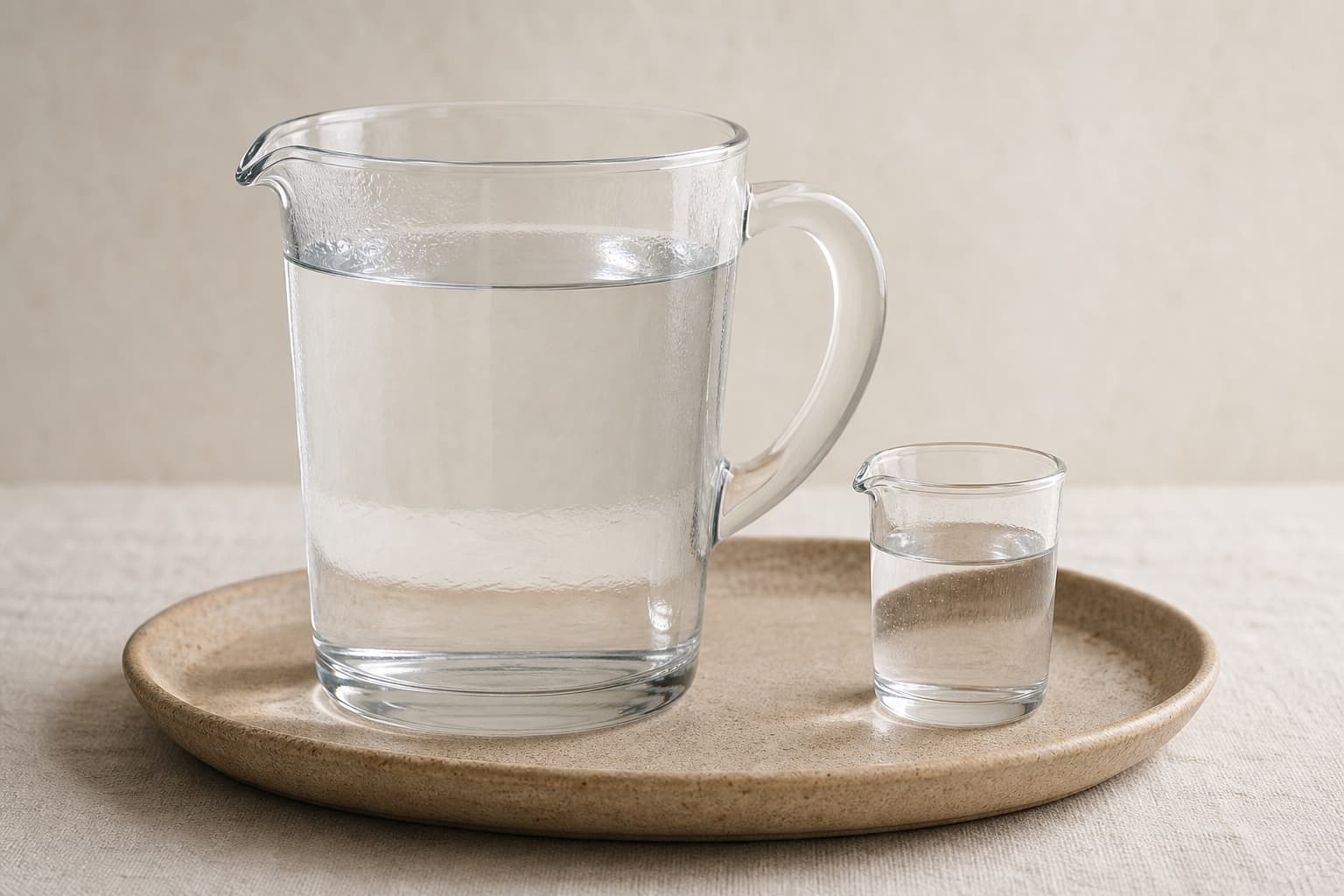
the minimum blender aid plus controlled braising liquid
Note: Do not freestyle extra blender water; every unnecessary millilitre lengthens the final reduction.
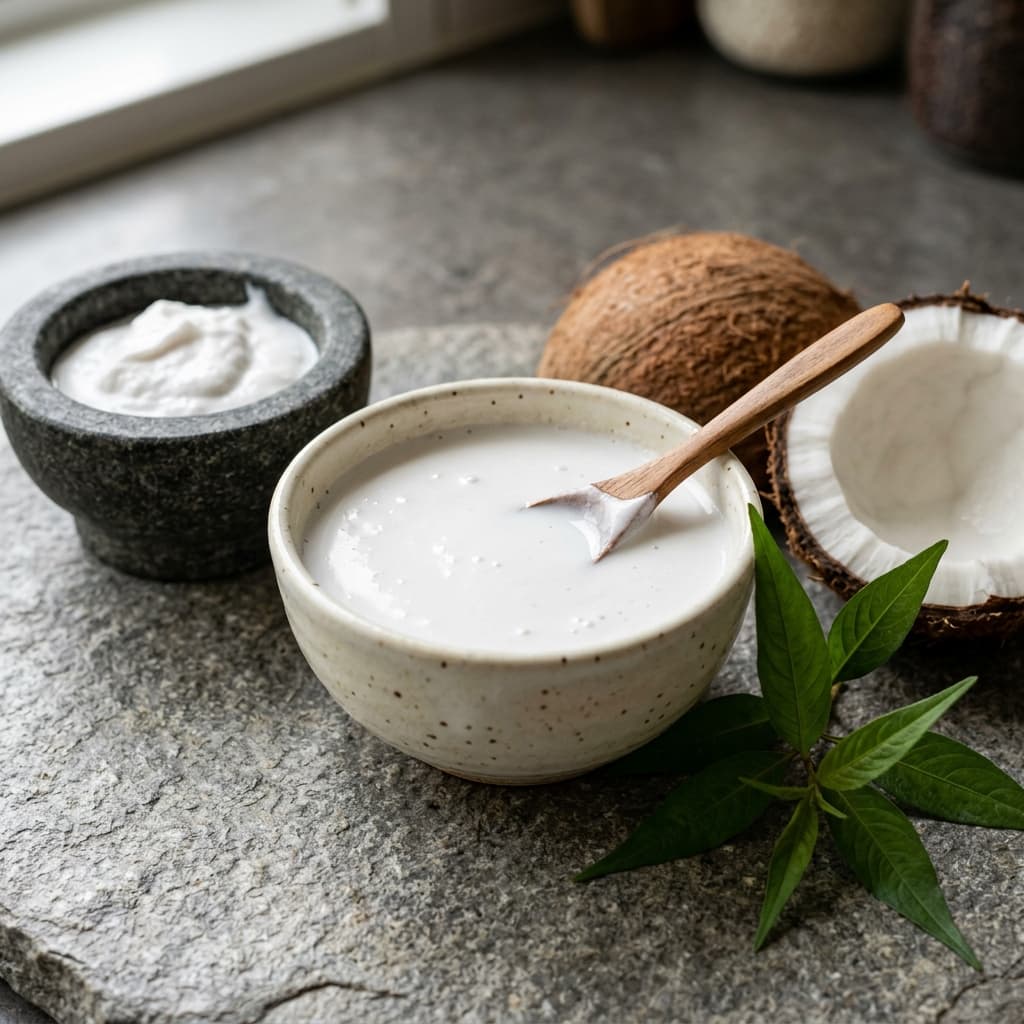
rich braising medium that reduces around the cooked rempah
Note: Light coconut milk produces a thinner, less glossy finish and takes longer to reduce.
Swap: 350 ml coconut milk plus 50 ml coconut cream
Melbourne
Nearby specialist grocersMr Dad CBD guideGuideSolAsia QV guideGuideSearch TozerbaSearch Asian PantryToko NusantaraSearch ColesSearch WoolworthsFind an ALDIFind an IGAThese links open searches, catalogues, or store locators. Check the exact form and local availability there.
Jakarta
Nearby specialist shopsSearch SayurboxSearch TokopediaSearch ShopeeOpen GrabMartSuper Indo locationsRanch Market outletsHypermart onlinePasar Jaya networkThese links open searches, catalogues, or store locators. Check the exact form and local availability there.
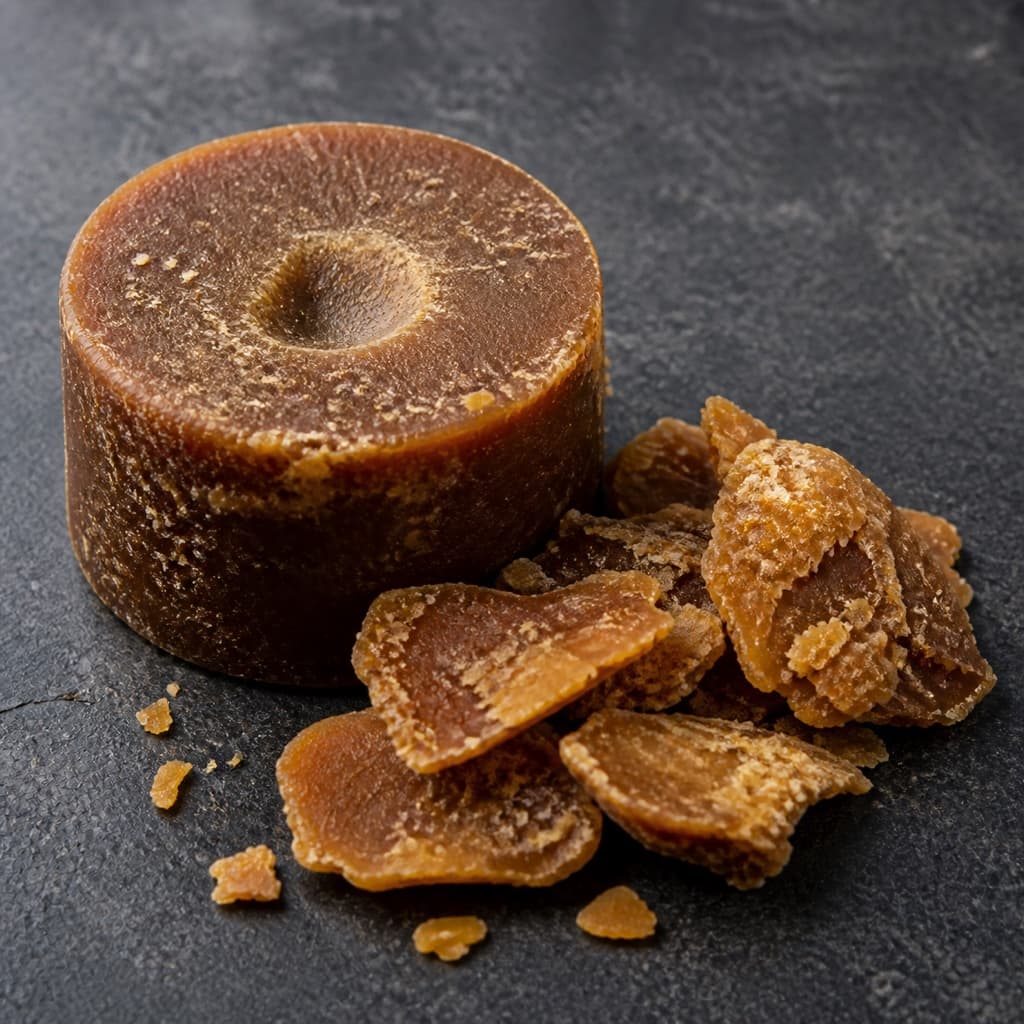
rounds chilli and tamarind without making the curry overtly sweet
Swap: 20 g soft brown sugar
Melbourne
Nearby specialist grocersMr Dad CBD guideGuideSolAsia QV guideGuideSearch TozerbaSearch Asian PantryToko NusantaraSearch ColesSearch WoolworthsFind an ALDIFind an IGAThese links open searches, catalogues, or store locators. Check the exact form and local availability there.
Jakarta
Nearby specialist shopsSearch SayurboxSearch TokopediaSearch ShopeeOpen GrabMartSuper Indo locationsRanch Market outletsHypermart onlinePasar Jaya networkThese links open searches, catalogues, or store locators. Check the exact form and local availability there.
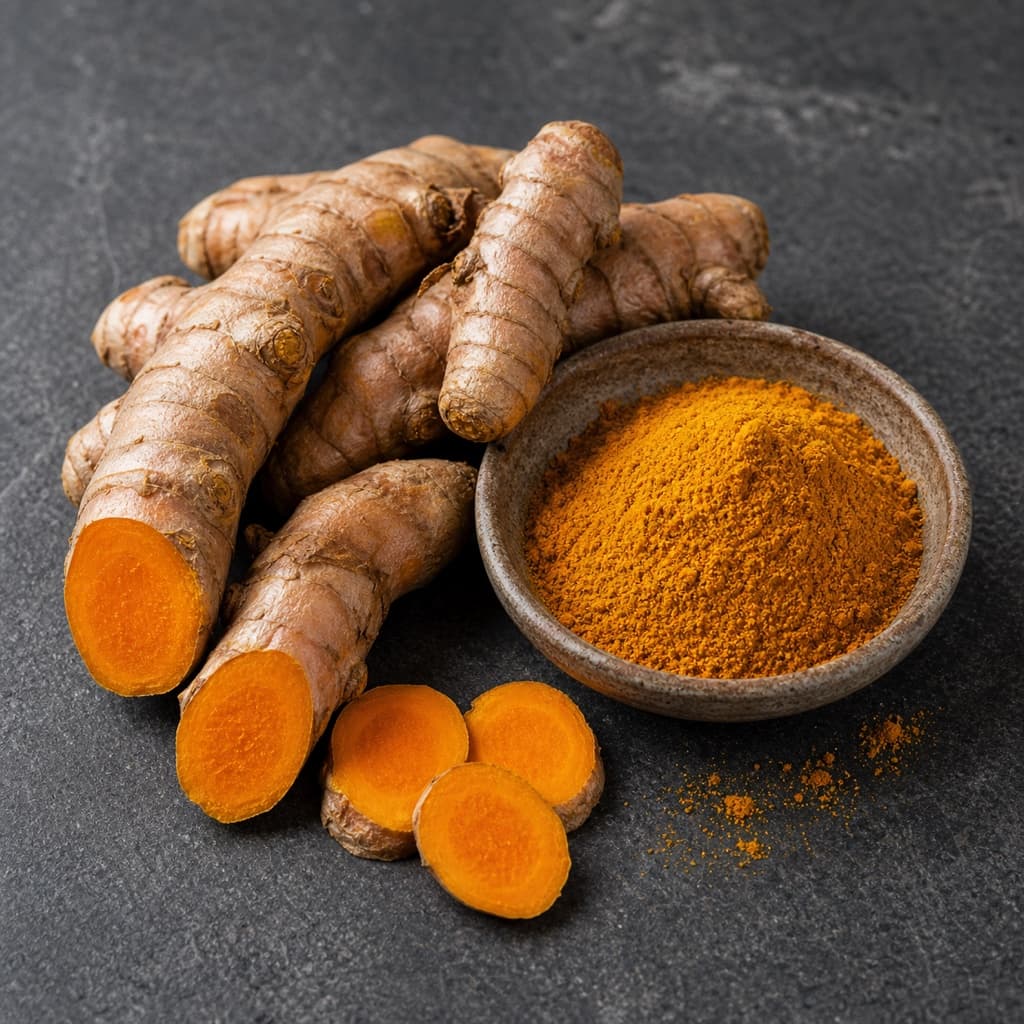
a thin golden seasoning layer beneath the fresh-turmeric rempah
Note: This is divided conceptually from the fresh turmeric in the rempah; do not replace all the fresh root with powder.
Melbourne
Nearby specialist grocersMr Dad CBD guideGuideSolAsia QV guideGuideSearch TozerbaSearch Asian PantryToko NusantaraSearch ColesSearch WoolworthsFind an ALDIFind an IGAThese links open searches, catalogues, or store locators. Check the exact form and local availability there.
Jakarta
Nearby specialist shopsSearch SayurboxSearch TokopediaSearch ShopeeOpen GrabMartSuper Indo locationsRanch Market outletsHypermart onlinePasar Jaya networkThese links open searches, catalogues, or store locators. Check the exact form and local availability there.
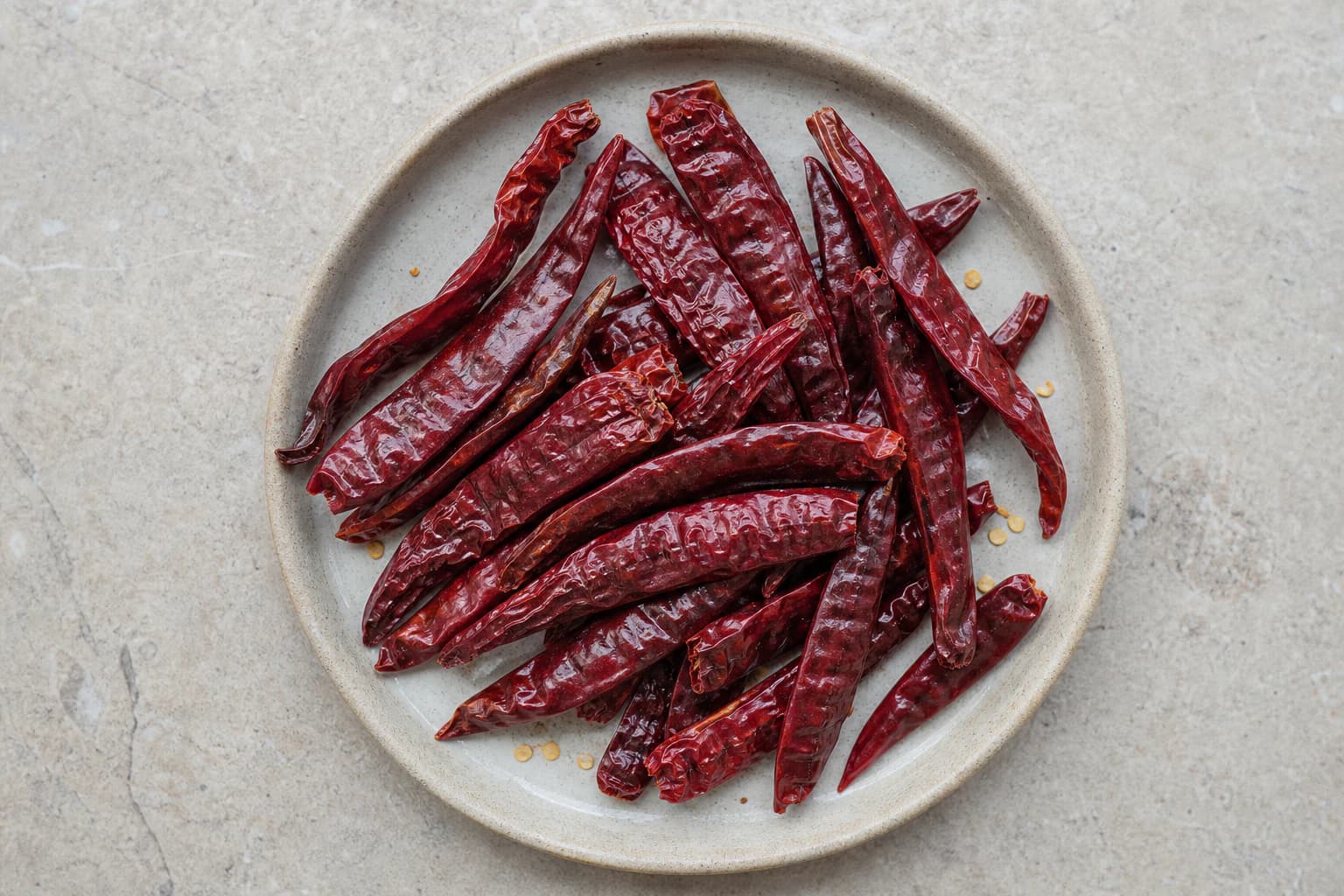
deep red colour, dried-fruit depth, and adjustable heat in the rempah
Note: Use gloves if sensitive and never touch eyes after handling chilli.
Swap: mild dried New Mexico chillies for a gentler but less Malaysian profile
Melbourne
Nearby specialist grocersMr Dad CBD guideGuideSolAsia QV guideGuideSearch TozerbaSearch Asian PantryToko NusantaraSearch ColesSearch WoolworthsFind an ALDIFind an IGAThese links open searches, catalogues, or store locators. Check the exact form and local availability there.
Jakarta
Nearby specialist shopsSearch SayurboxSearch TokopediaSearch ShopeeOpen GrabMartSuper Indo locationsRanch Market outletsHypermart onlinePasar Jaya networkThese links open searches, catalogues, or store locators. Check the exact form and local availability there.
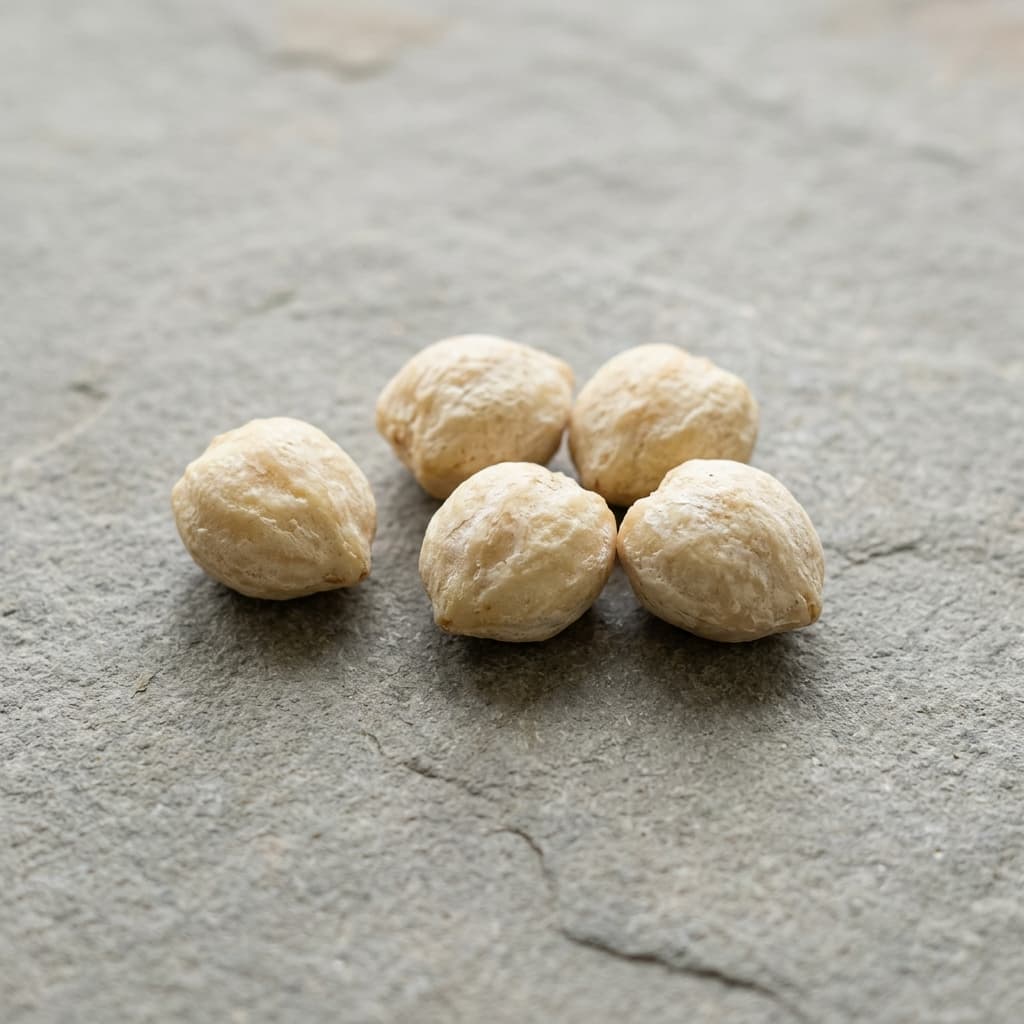
traditional rempah body that helps the reduced sauce cling
Note: Never eat candlenuts raw. If the packet is raw, roast at 150°C for 15 minutes and cool before blending; discard rancid or mouldy nuts.
Swap: 30 g roasted unsalted macadamias, disclosing the tree-nut allergen
Melbourne
Nearby specialist grocersMr Dad CBD guideGuideSolAsia QV guideGuideSearch TozerbaSearch Asian PantryToko NusantaraSearch ColesSearch WoolworthsFind an ALDIFind an IGAThese links open searches, catalogues, or store locators. Check the exact form and local availability there.
Jakarta
Nearby specialist shopsSearch SayurboxSearch TokopediaSearch ShopeeOpen GrabMartSuper Indo locationsRanch Market outletsHypermart onlinePasar Jaya networkThese links open searches, catalogues, or store locators. Check the exact form and local availability there.
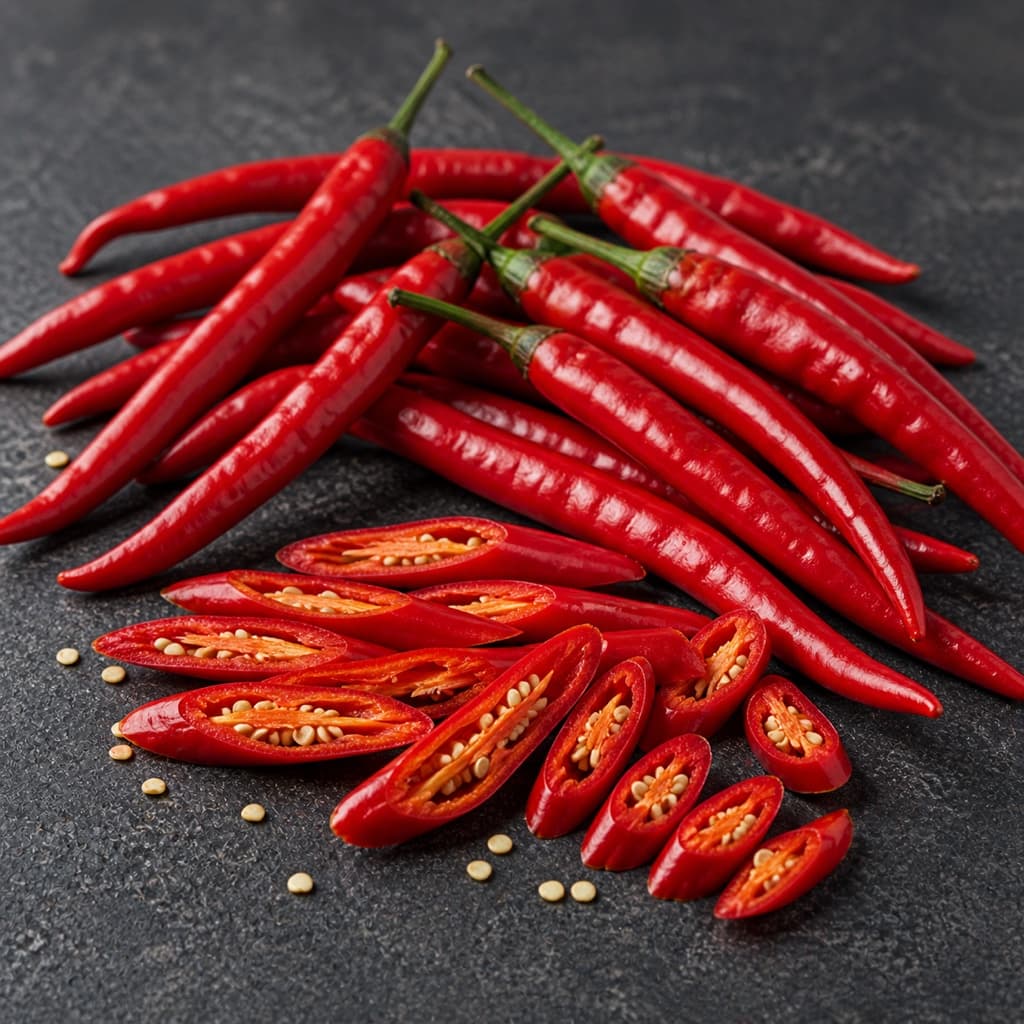
fresh capsicum aroma and a bright upper layer of chilli flavour
Swap: red bullhorn capsicum for up to half the weight to reduce heat
Melbourne
Nearby produce marketsSearch ColesSearch WoolworthsFind an ALDIFind an IGASearch TozerbaSearch Asian PantryToko NusantaraThese links open searches, catalogues, or store locators. Check the exact form and local availability there.
Jakarta
Nearby produce marketsPasar Jaya networkSuper Indo locationsRanch Market outletsHypermart onlineSearch SayurboxSearch TokopediaSearch ShopeeOpen GrabMartThese links open searches, catalogues, or store locators. Check the exact form and local availability there.
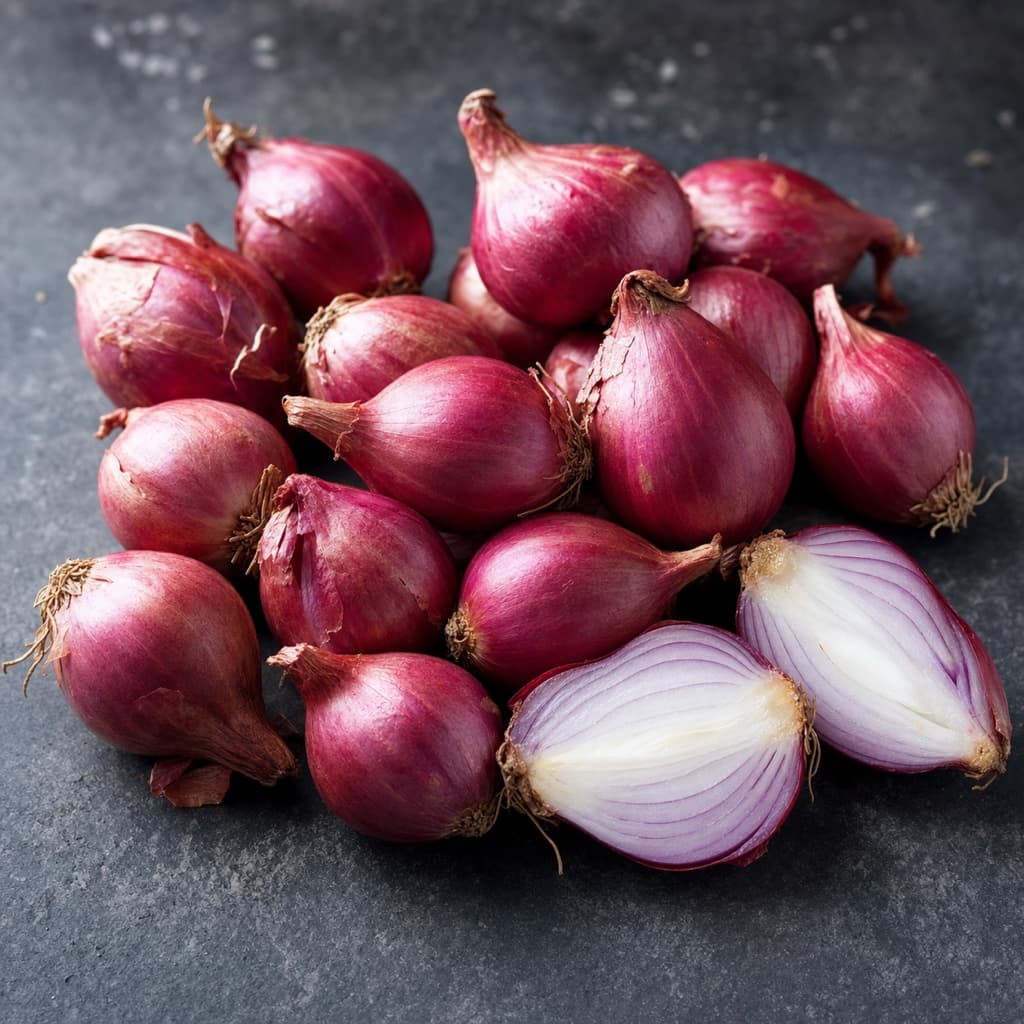
sweet body that gives the reduced rempah substance and gloss
Swap: 200 g red onion plus 50 g French shallots
Melbourne
Nearby produce marketsSearch ColesSearch WoolworthsFind an ALDIFind an IGASearch TozerbaSearch Asian PantryToko NusantaraThese links open searches, catalogues, or store locators. Check the exact form and local availability there.
Jakarta
Nearby produce marketsPasar Jaya networkSuper Indo locationsRanch Market outletsHypermart onlineSearch SayurboxSearch TokopediaSearch ShopeeOpen GrabMartThese links open searches, catalogues, or store locators. Check the exact form and local availability there.
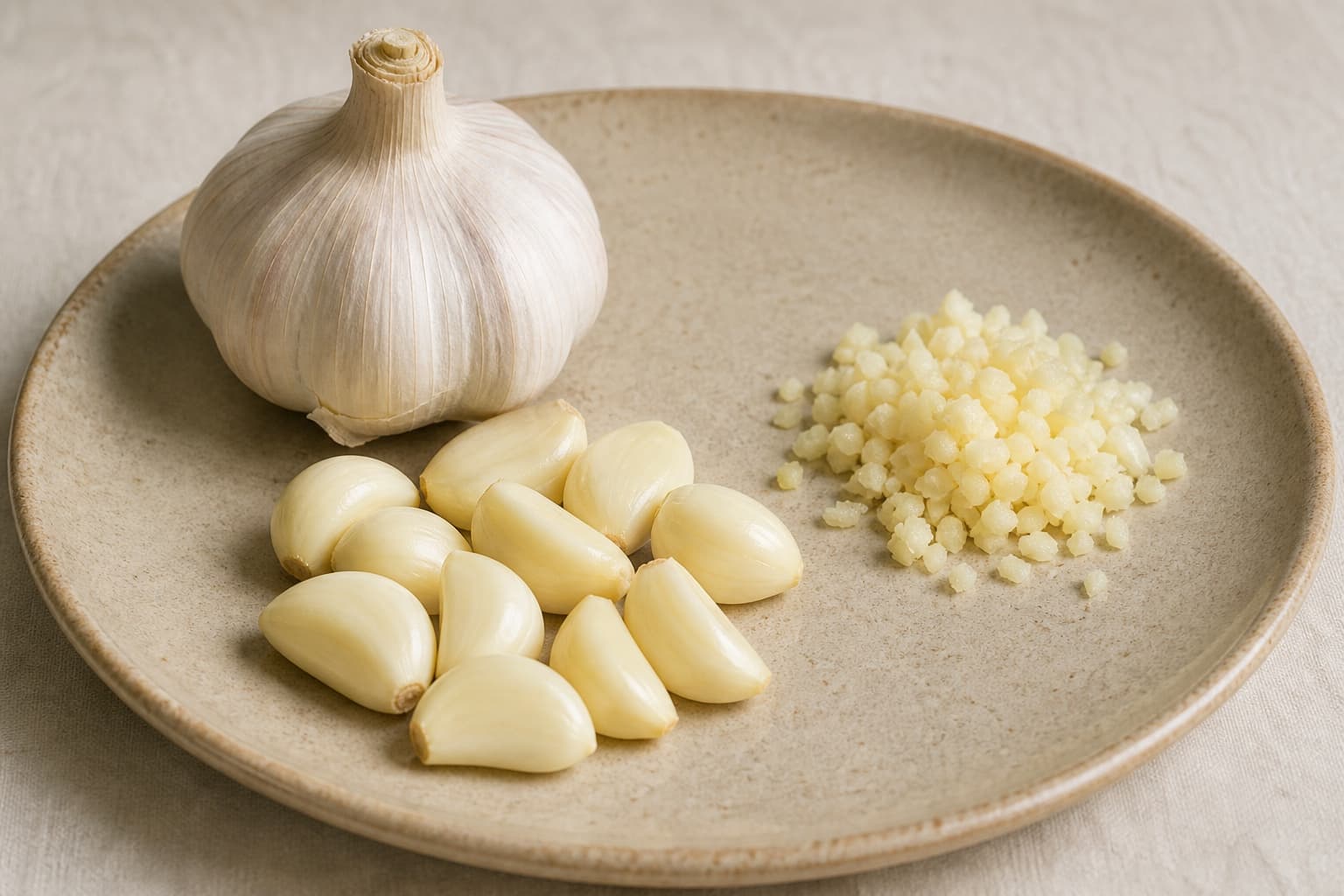
savoury base inside the long-cooked rempah
Note: Keep the rempah moving once its water evaporates; scorched garlic makes the whole pot bitter.
Melbourne
Nearby produce marketsSearch ColesSearch WoolworthsFind an ALDIFind an IGASearch TozerbaSearch Asian PantryToko NusantaraThese links open searches, catalogues, or store locators. Check the exact form and local availability there.
Jakarta
Nearby produce marketsPasar Jaya networkSuper Indo locationsRanch Market outletsHypermart onlineSearch SayurboxSearch TokopediaSearch ShopeeOpen GrabMartThese links open searches, catalogues, or store locators. Check the exact form and local availability there.
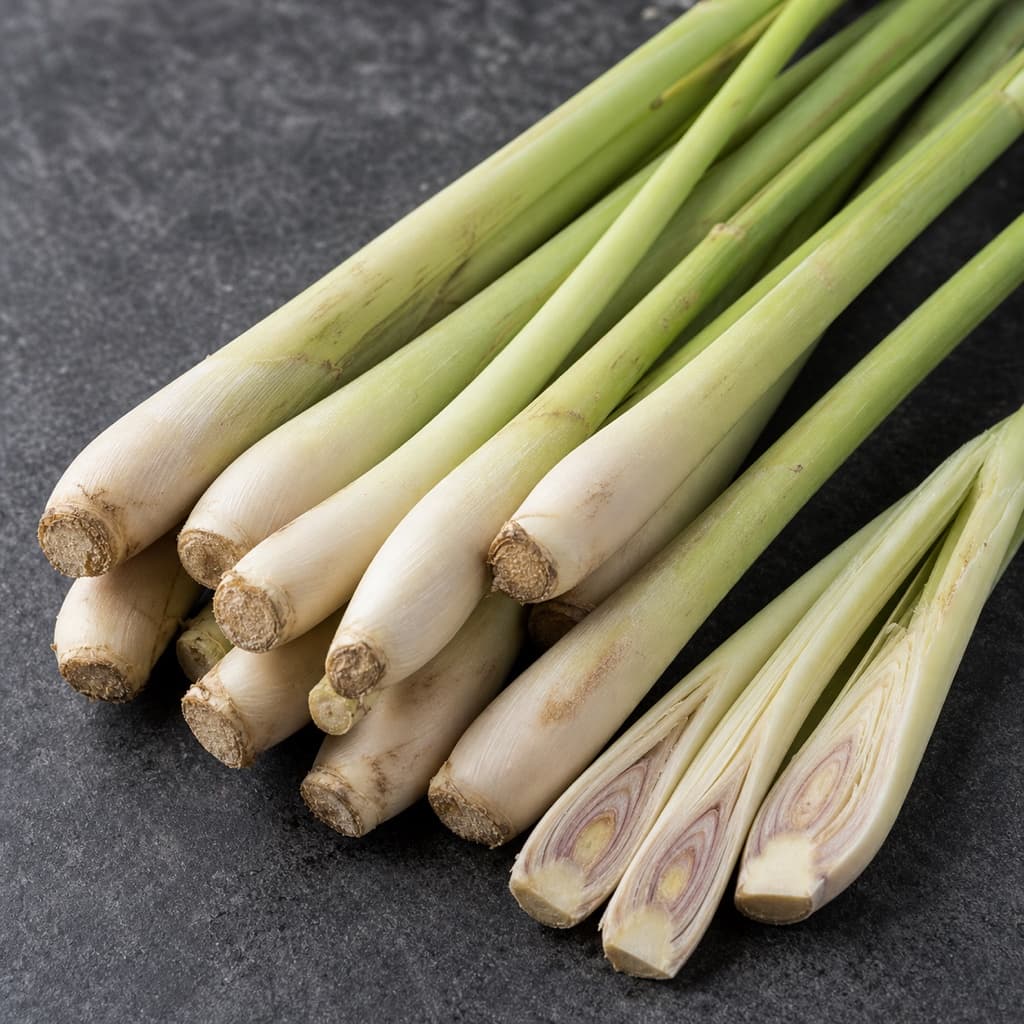
the sweet citrus-grass perfume central to the Penang Nyonya profile
Note: Discard the woody green tops or reserve them for stock; fibrous rings leave a hairy paste.
Melbourne
Nearby produce marketsSearch ColesSearch WoolworthsFind an ALDIFind an IGASearch TozerbaSearch Asian PantryToko NusantaraThese links open searches, catalogues, or store locators. Check the exact form and local availability there.
Jakarta
Nearby produce marketsPasar Jaya networkSuper Indo locationsRanch Market outletsHypermart onlineSearch SayurboxSearch TokopediaSearch ShopeeOpen GrabMartThese links open searches, catalogues, or store locators. Check the exact form and local availability there.
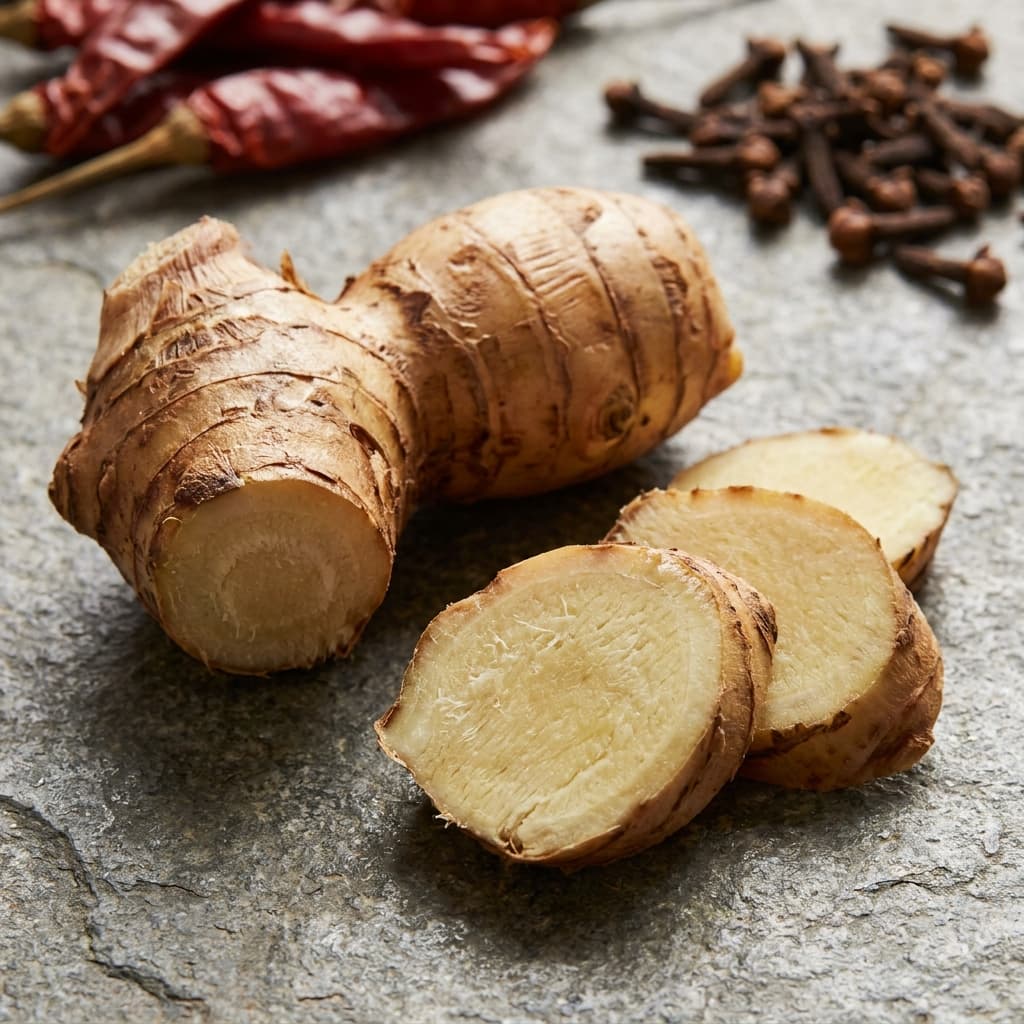
piney, peppery root aroma distinct from ginger
Swap: frozen sliced galangal, thawed and dried; ginger alone changes the dish materially
Melbourne
Nearby produce marketsSearch ColesSearch WoolworthsFind an ALDIFind an IGASearch TozerbaSearch Asian PantryToko NusantaraThese links open searches, catalogues, or store locators. Check the exact form and local availability there.
Jakarta
Nearby produce marketsPasar Jaya networkSuper Indo locationsRanch Market outletsHypermart onlineSearch SayurboxSearch TokopediaSearch ShopeeOpen GrabMartThese links open searches, catalogues, or store locators. Check the exact form and local availability there.
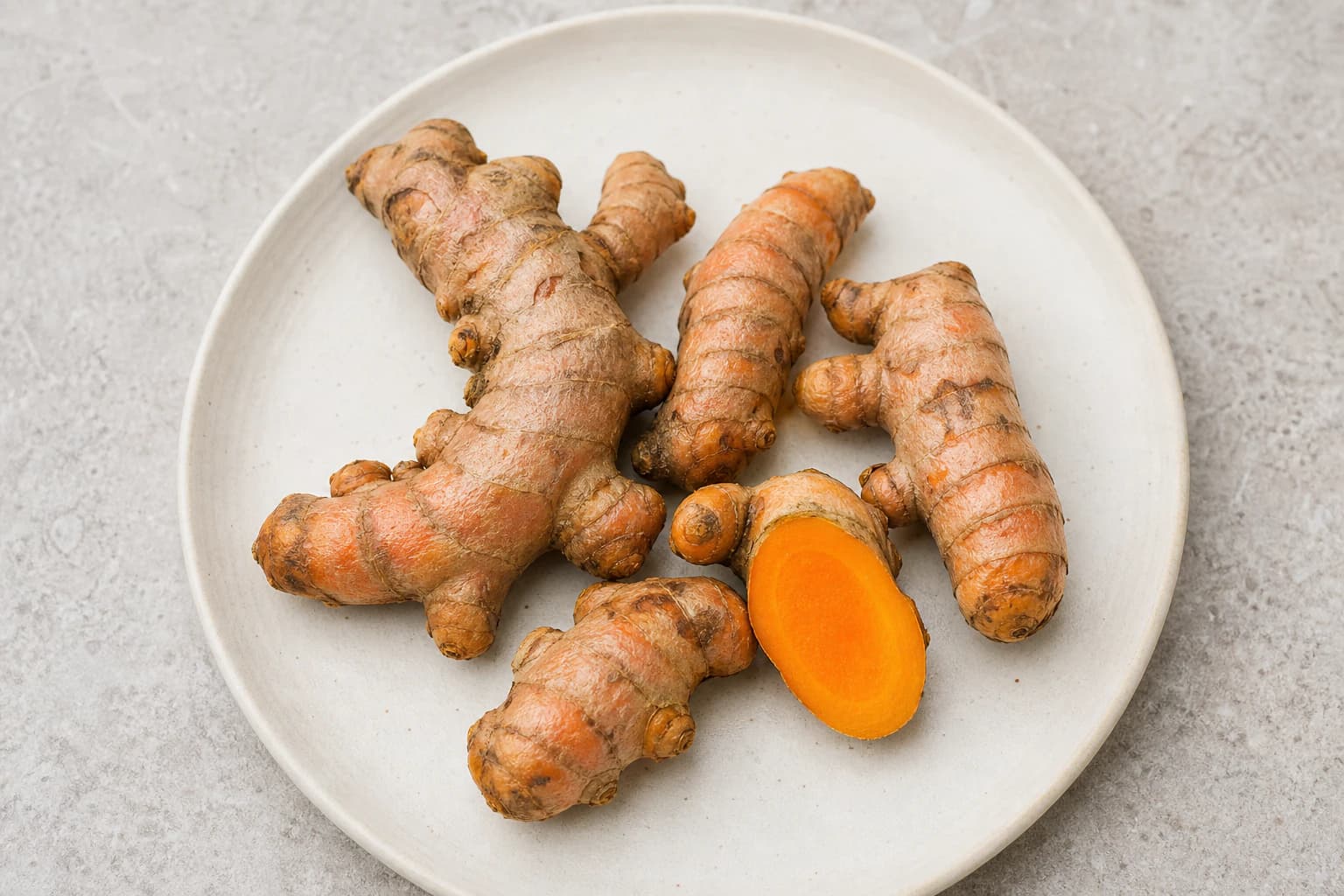
earthy floral aroma and saturated gold through the rempah
Note: Fresh turmeric stains skin, boards, and porous stone; use gloves and a washable board.
Swap: 8 g ground turmeric only when fresh is impossible, accepting a flatter aroma
Melbourne
Nearby produce marketsSearch ColesSearch WoolworthsFind an ALDIFind an IGASearch TozerbaSearch Asian PantryToko NusantaraThese links open searches, catalogues, or store locators. Check the exact form and local availability there.
Jakarta
Nearby produce marketsPasar Jaya networkSuper Indo locationsRanch Market outletsHypermart onlineSearch SayurboxSearch TokopediaSearch ShopeeOpen GrabMartThese links open searches, catalogues, or store locators. Check the exact form and local availability there.
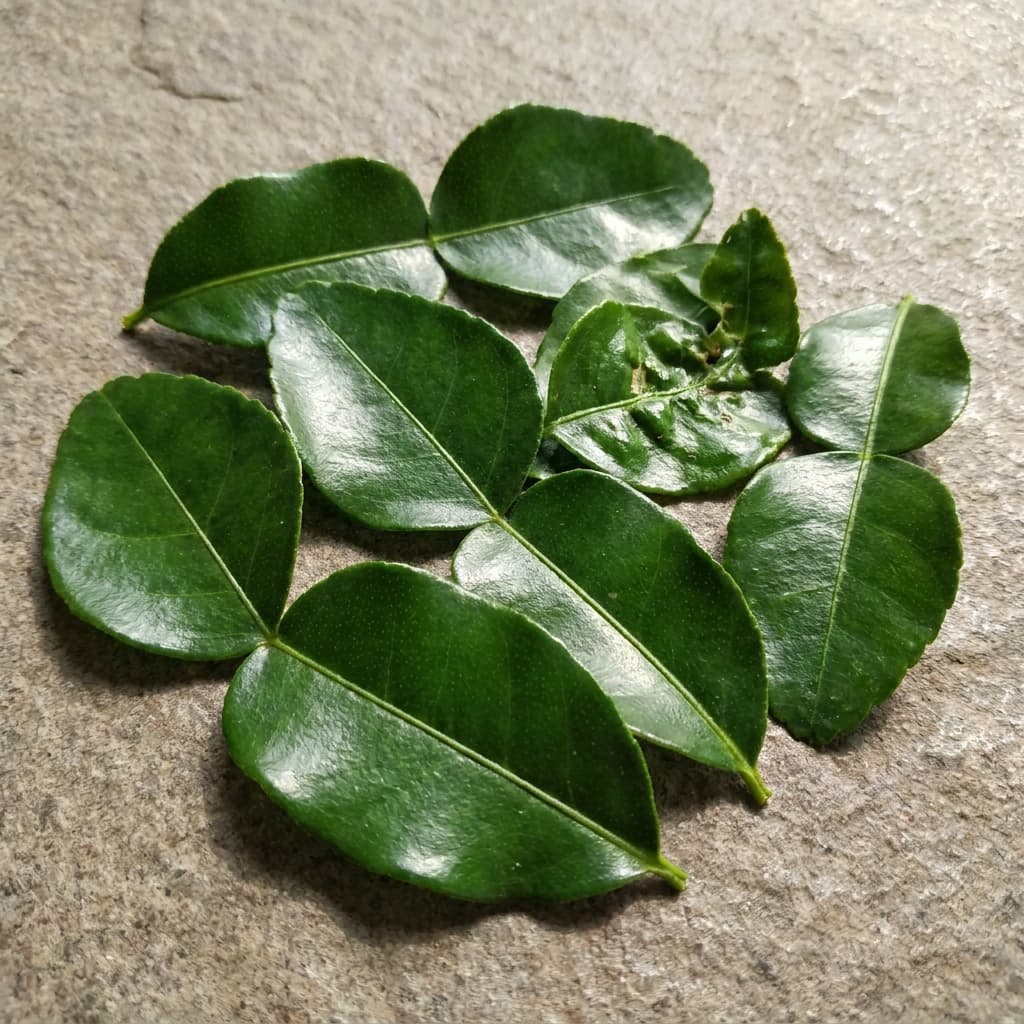
torn leaves perfume the braise while a fine final shred restores high citrus aroma
Note: Remove the hard centre ribs before finely slicing the two finishing leaves.
Swap: frozen leaves before dried leaves; lime zest alone lacks their floral depth
Melbourne
Nearby produce marketsSearch ColesSearch WoolworthsFind an ALDIFind an IGASearch TozerbaSearch Asian PantryToko NusantaraThese links open searches, catalogues, or store locators. Check the exact form and local availability there.
Jakarta
Nearby produce marketsPasar Jaya networkSuper Indo locationsRanch Market outletsHypermart onlineSearch SayurboxSearch TokopediaSearch ShopeeOpen GrabMartThese links open searches, catalogues, or store locators. Check the exact form and local availability there.
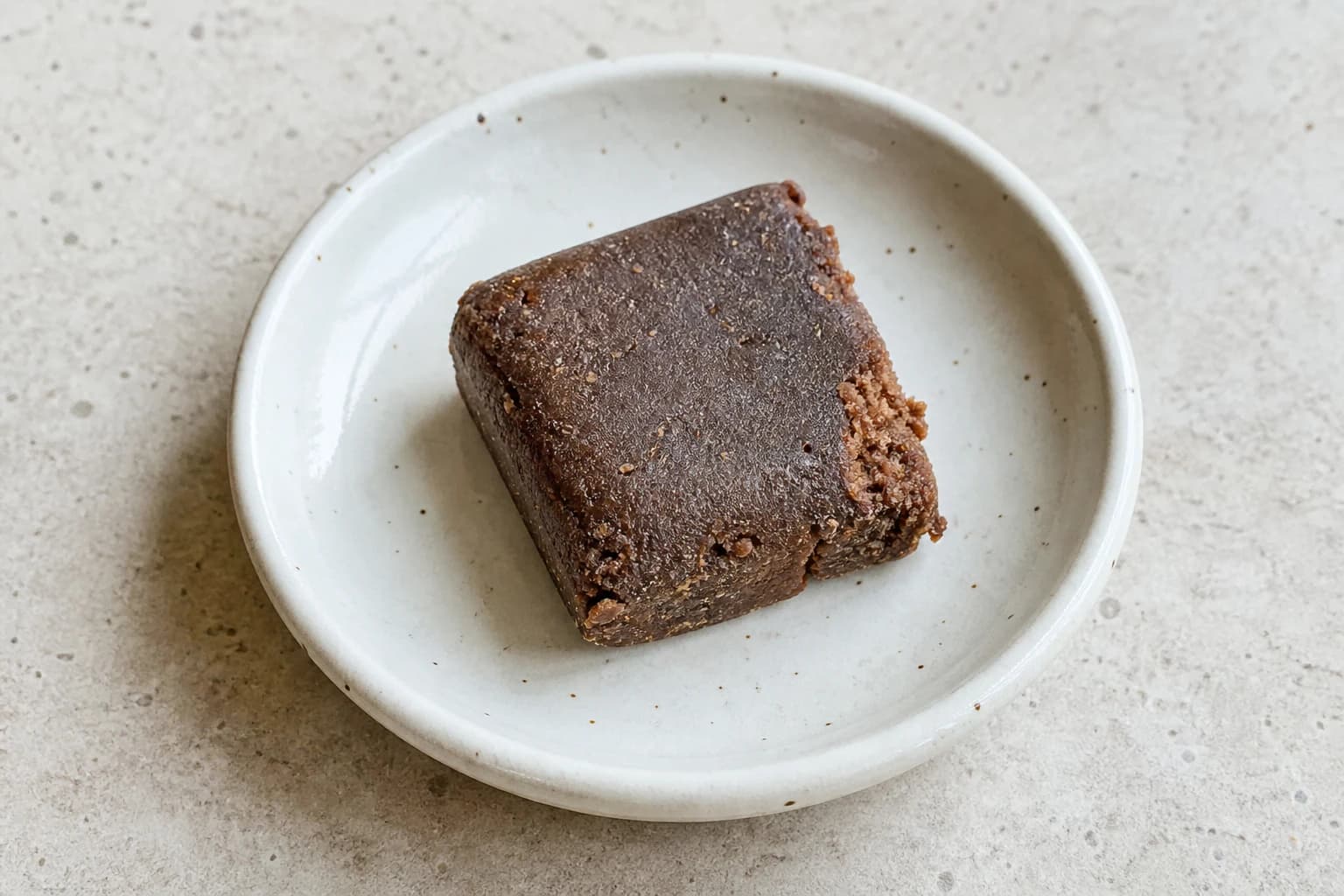
fermented crustacean depth that anchors the sweet, sour, and coconut notes
Note: Contains crustacean shellfish. Toast raw belacan before measuring and check the exact label for wheat or other additions.
Swap: 12 g toasted terasi for a close Indonesian pantry route, recognising a different fermentation profile
Melbourne
Nearby specialist grocersMr Dad CBD guideGuideSolAsia QV guideGuideSearch TozerbaSearch Asian PantryToko NusantaraSearch ColesSearch WoolworthsFind an ALDIFind an IGAThese links open searches, catalogues, or store locators. Check the exact form and local availability there.
Jakarta
Nearby specialist shopsSearch SayurboxSearch TokopediaSearch ShopeeOpen GrabMartSuper Indo locationsRanch Market outletsHypermart onlinePasar Jaya networkThese links open searches, catalogues, or store locators. Check the exact form and local availability there.
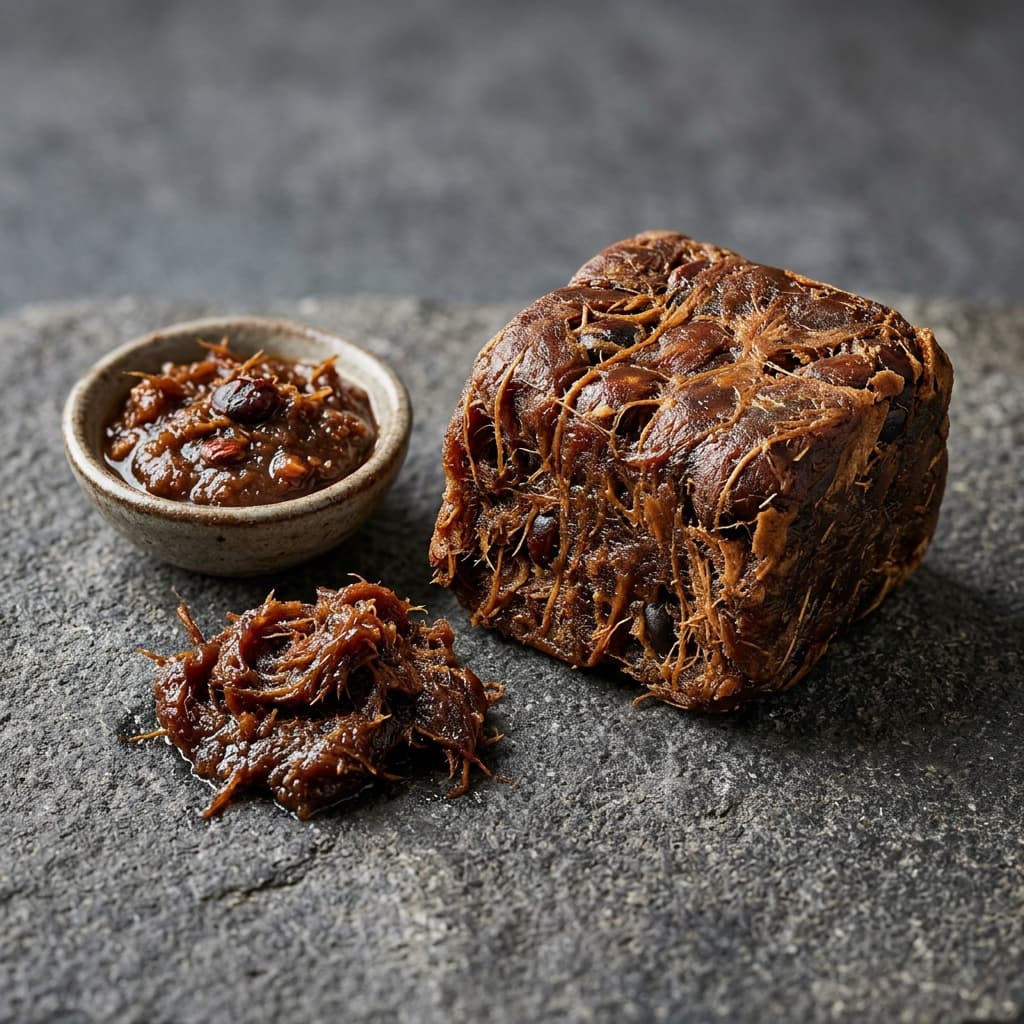
late clean sourness that sharpens the rich reduced coconut sauce
Note: Concentration varies widely. Use pure seedless paste, not sweet tamarind sauce, and make the final adjustment only after reduction.
Melbourne
Nearby specialist grocersMr Dad CBD guideGuideSolAsia QV guideGuideSearch TozerbaSearch Asian PantryToko NusantaraSearch ColesSearch WoolworthsFind an ALDIFind an IGAThese links open searches, catalogues, or store locators. Check the exact form and local availability there.
Jakarta
Nearby specialist shopsSearch SayurboxSearch TokopediaSearch ShopeeOpen GrabMartSuper Indo locationsRanch Market outletsHypermart onlinePasar Jaya networkThese links open searches, catalogues, or store locators. Check the exact form and local availability there.
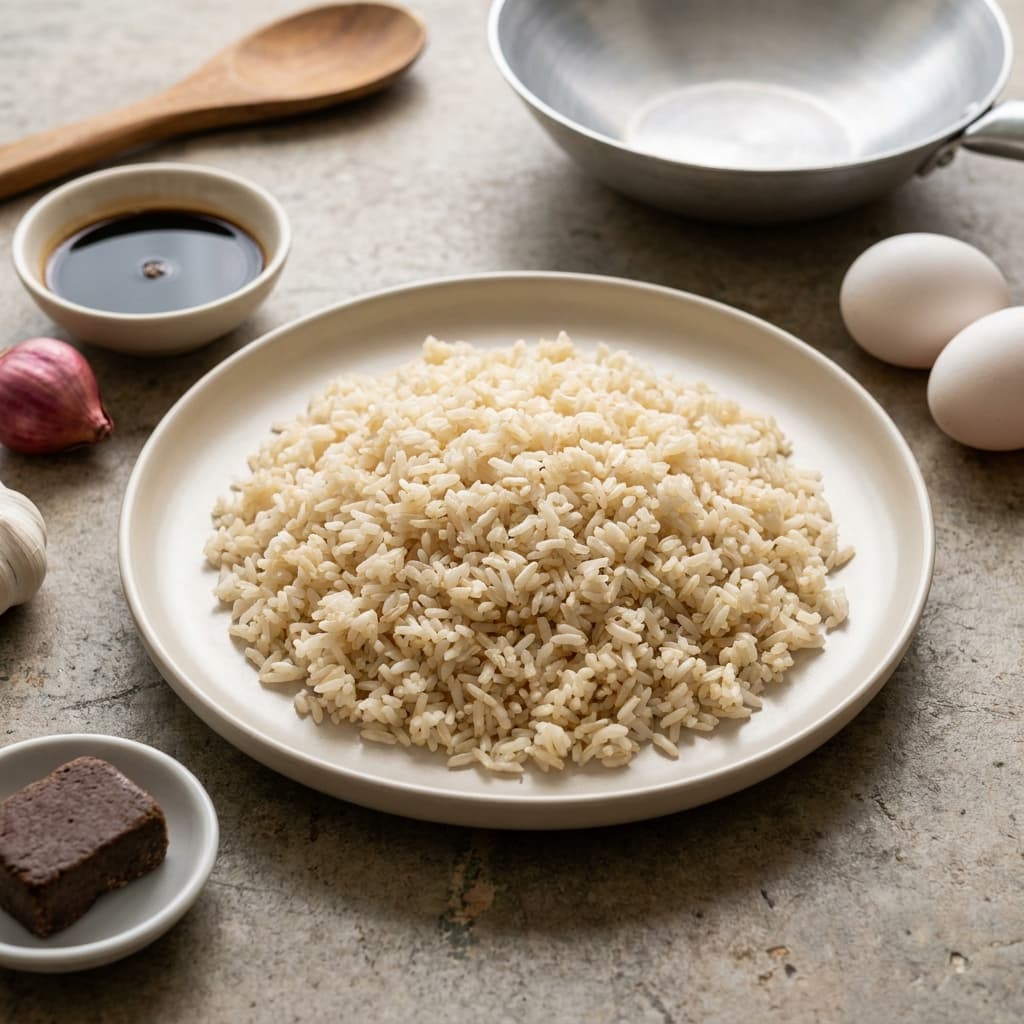
optional prepared accompaniment for four plates
Melbourne
Nearby produce marketsSearch ColesSearch WoolworthsFind an ALDIFind an IGASearch TozerbaSearch Asian PantryToko NusantaraThese links open searches, catalogues, or store locators. Check the exact form and local availability there.
Jakarta
Nearby produce marketsPasar Jaya networkSuper Indo locationsRanch Market outletsHypermart onlineSearch SayurboxSearch TokopediaSearch ShopeeOpen GrabMartThese links open searches, catalogues, or store locators. Check the exact form and local availability there.
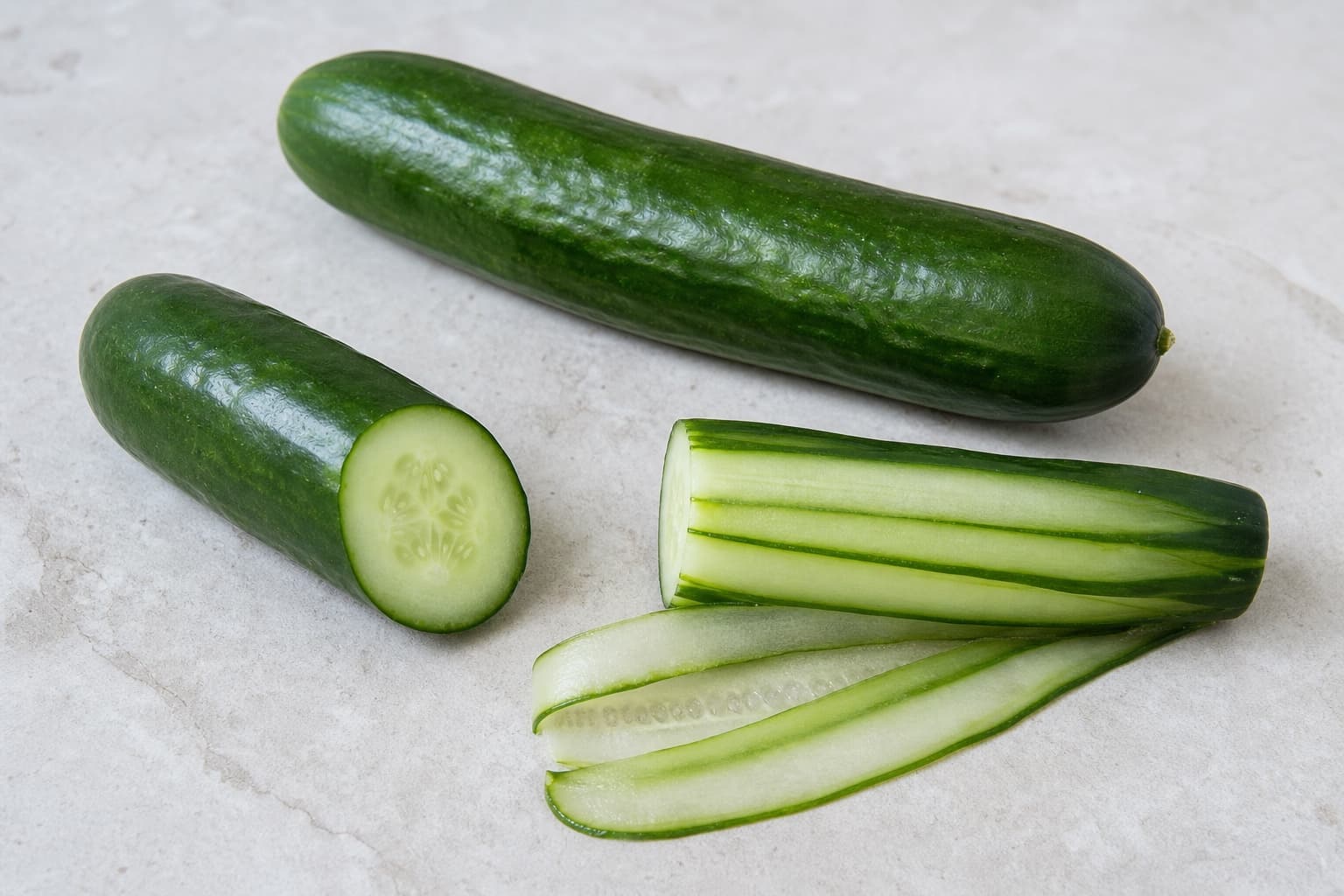
optional cool crisp garnish against the dense, aromatic sauce
Melbourne
Nearby produce marketsSearch ColesSearch WoolworthsFind an ALDIFind an IGASearch TozerbaSearch Asian PantryToko NusantaraThese links open searches, catalogues, or store locators. Check the exact form and local availability there.
Jakarta
Nearby produce marketsPasar Jaya networkSuper Indo locationsRanch Market outletsHypermart onlineSearch SayurboxSearch TokopediaSearch ShopeeOpen GrabMartThese links open searches, catalogues, or store locators. Check the exact form and local availability there.
Calculated estimate · per serving
1 of 4 curry servings; optional rice, roti, or lacy pancakes excluded
Calculated from the authored edible ingredient weights using representative AFCD Release 3 and USDA FoodData Central profiles, then divided by the recipe yield. Energy follows the FSANZ ingredient-contribution method. Optional serving accompaniments are excluded. The full authored chicken, coconut milk, candlenut, rempah, belacan, tamarind, sugar, salt, and measured oil are divided across four portions; optional rice and cucumber are excluded.
Calculated estimate only, not a laboratory result or personalised dietary advice. Actual values vary with brands, produce, meat trim, substitutions, final serving size, and how much cooking or rendered oil is left in the pan or skimmed. Check packaged labels for allergens and sodium; consult an accredited practising dietitian or clinician for medical dietary needs. Chicken skin and bone yield, coconut concentration, oil separated or left in the wok, belacan brand, and how much sauce is served produce meaningful variation.
Reference data: Australian Food Composition Database · FSANZ calculation method · USDA FoodData Central · calculated 2026-07-15
Step-by-step method
Read the action and cue together. Move on when the food matches the cue.
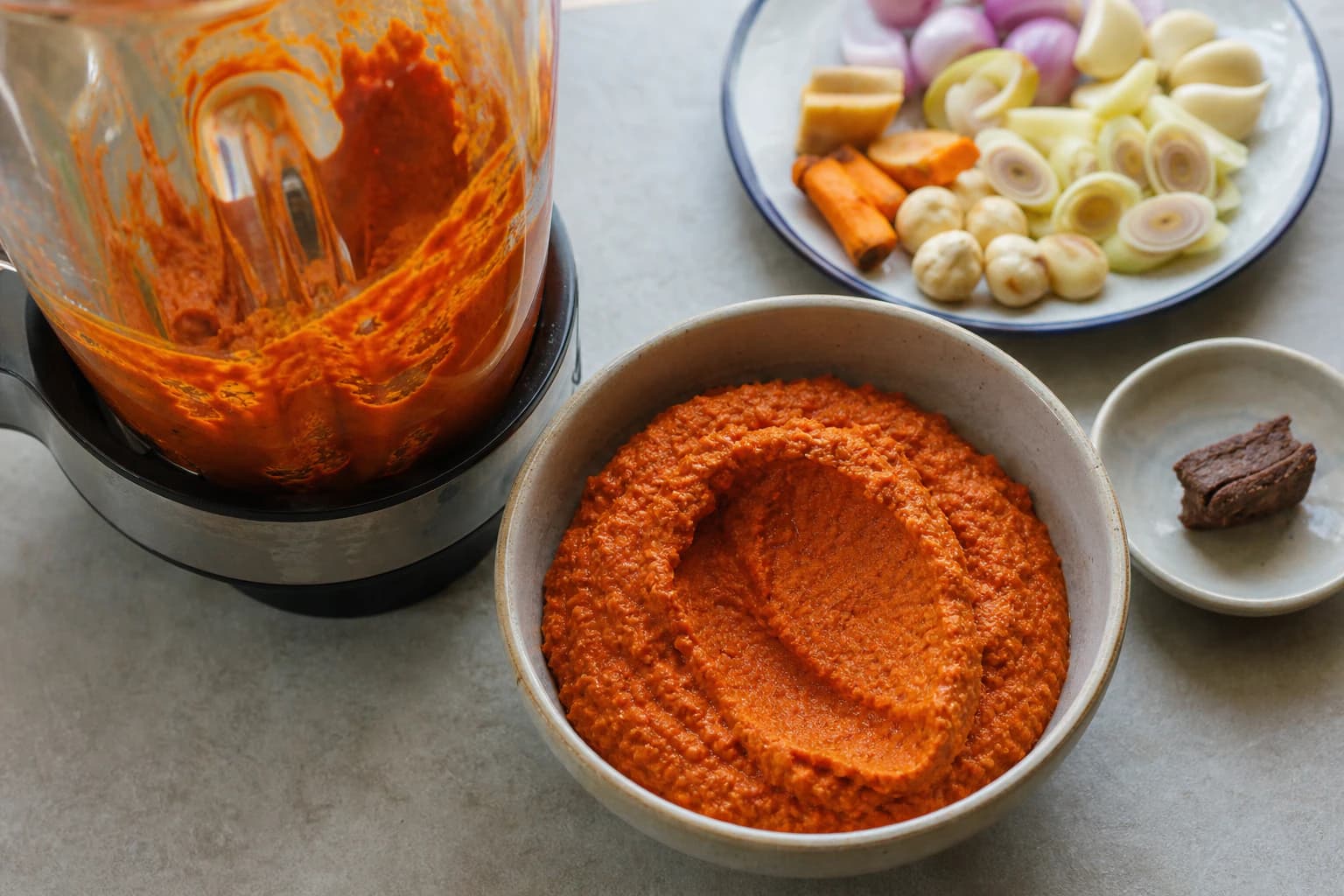
Cover the dried chillies with just-boiled water for 15 minutes, then drain and squeeze them dry. If the candlenuts are raw, roast them at 150°C for 15 minutes and cool; never taste them raw. If the belacan is sold raw rather than toasted, toast it in the dry heavy pot over medium-low for about 1 minute per face, with ventilation, then cool and wipe the pot. Blend the drained dried chillies, fresh chillies, shallots, garlic, sliced lemongrass, galangal, fresh turmeric, and roasted candlenuts with exactly 80 ml of the measured water. Scrape often and continue until fine; reserve the remaining 170 ml water for braising.
Common mistake: A coarse or flooded paste cooks unevenly and can leave raw fibrous pockets after the chicken is done.
Recovery: Pause before the next step, compare the cue, then correct heat, moisture, or seasoning while the dish is still flexible.
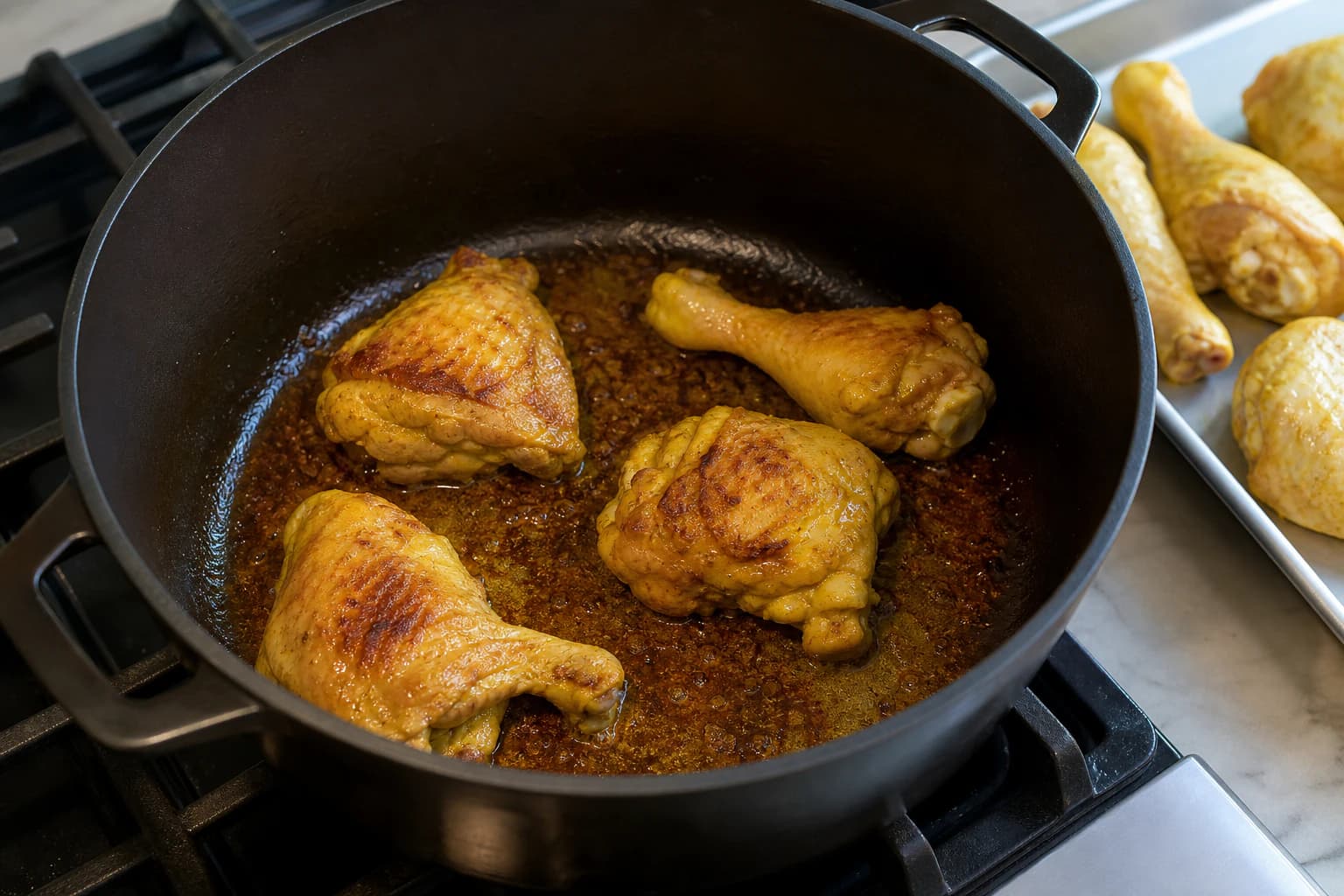
Do not wash the chicken. Pat every piece dry. Rub with 5 g of the measured salt, all the ground turmeric, and 15 ml of the measured oil; reserve 7 g salt and 60 ml oil. Stand for 10 minutes while the pot heats. Add 25 ml reserved oil, then use the raw-poultry tongs to brown chicken in two uncrowded batches for 3–4 minutes on the skin side and about 1 minute on a second face. Add no more than another 5 ml oil if the base is dry. Move the still-raw chicken to a tray and reserve 30–35 ml oil for the rempah. Wash and sanitise these tongs or set them aside; keep the second pair clean for cooked chicken.
Common mistake: Trying to cook through now dries the outer meat; crowding creates grey liquid instead of useful fond.
Recovery: Pause before the next step, compare the cue, then correct heat, moisture, or seasoning while the dish is still flexible.
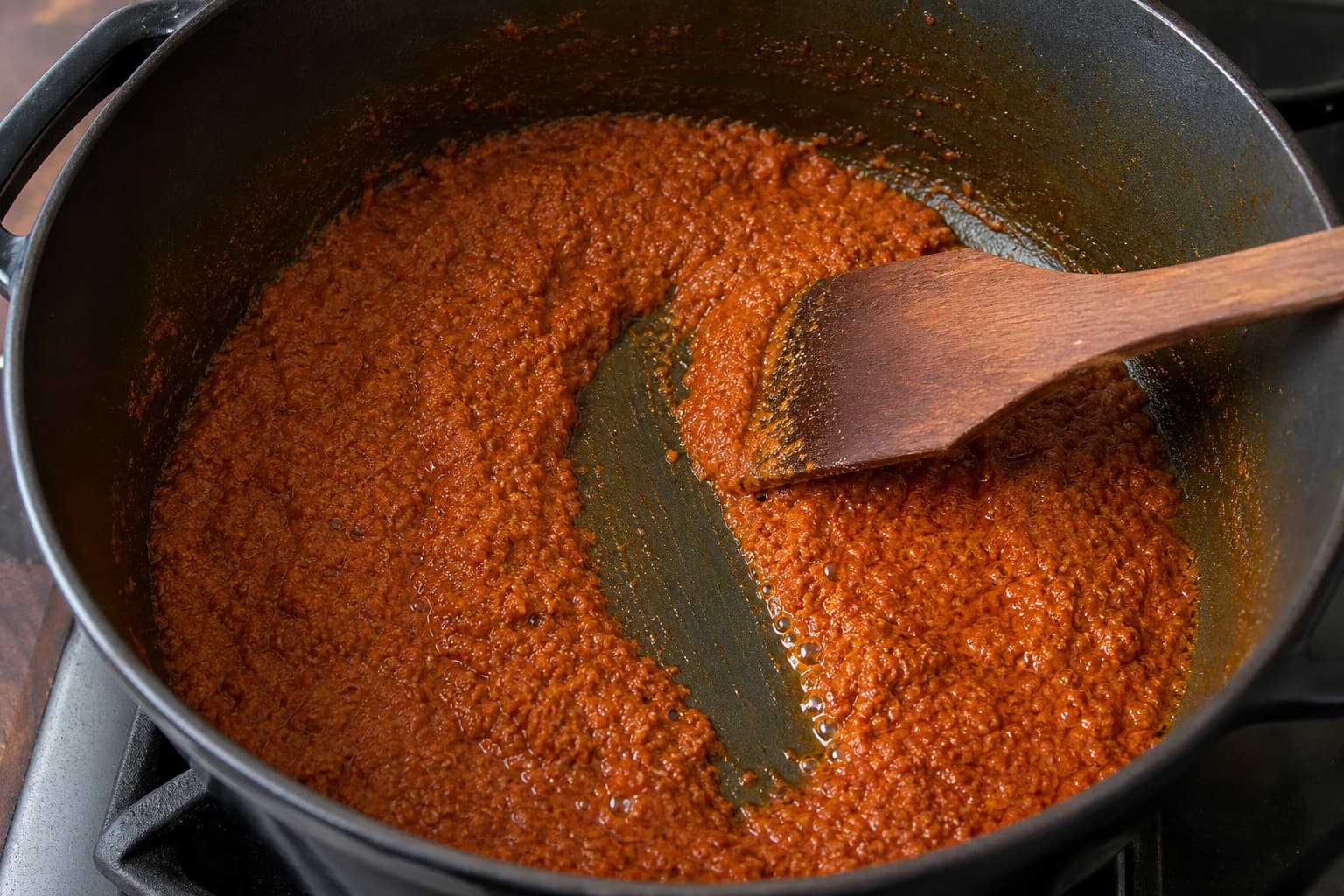
Pour off loose chicken fat but leave about 15 ml clean fat and all brown fond in the pot. Lower to medium, add the reserved 30–35 ml oil, then add the blended rempah and crumbled toasted belacan. Fry for 12–15 minutes, scraping the base and corners almost continuously once steam subsides. Lower the heat, not the cooking time, if it starts catching.
Common mistake: Pale steaming paste still contains raw shallot, turmeric, and chilli flavour; black specks mean the heat was too high.
Recovery: Spread the food out, raise heat only after moisture drops, and hold back extra sauce until the pan is frying again.
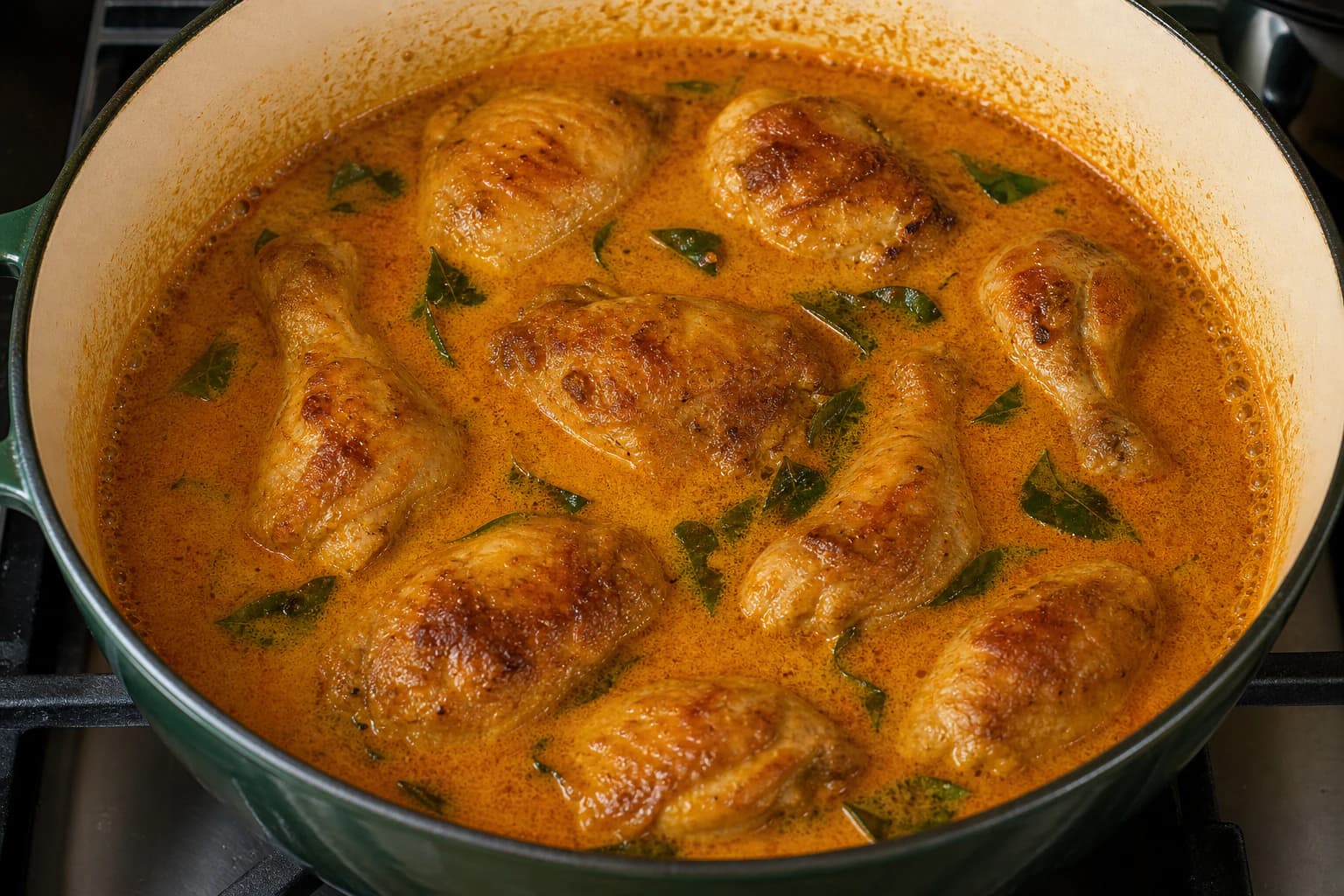
Stir the palm sugar into the cooked rempah for 30 seconds. Add coconut milk in three additions, stirring each smooth before the next, then add the reserved 170 ml water, 4 g of the reserved salt, and six torn makrut lime leaves. Scrape every fond patch into the sauce. Return the chicken and all tray juices in one layer, bring only to the first simmer, then immediately lower the heat.
Common mistake: Dumping in cold coconut milk all at once can leave paste lumps; fierce boiling tightens chicken and drives off lime-leaf aroma.
Recovery: Lower the heat immediately, skim or stir gently, and continue at a small simmer until the surface calms.
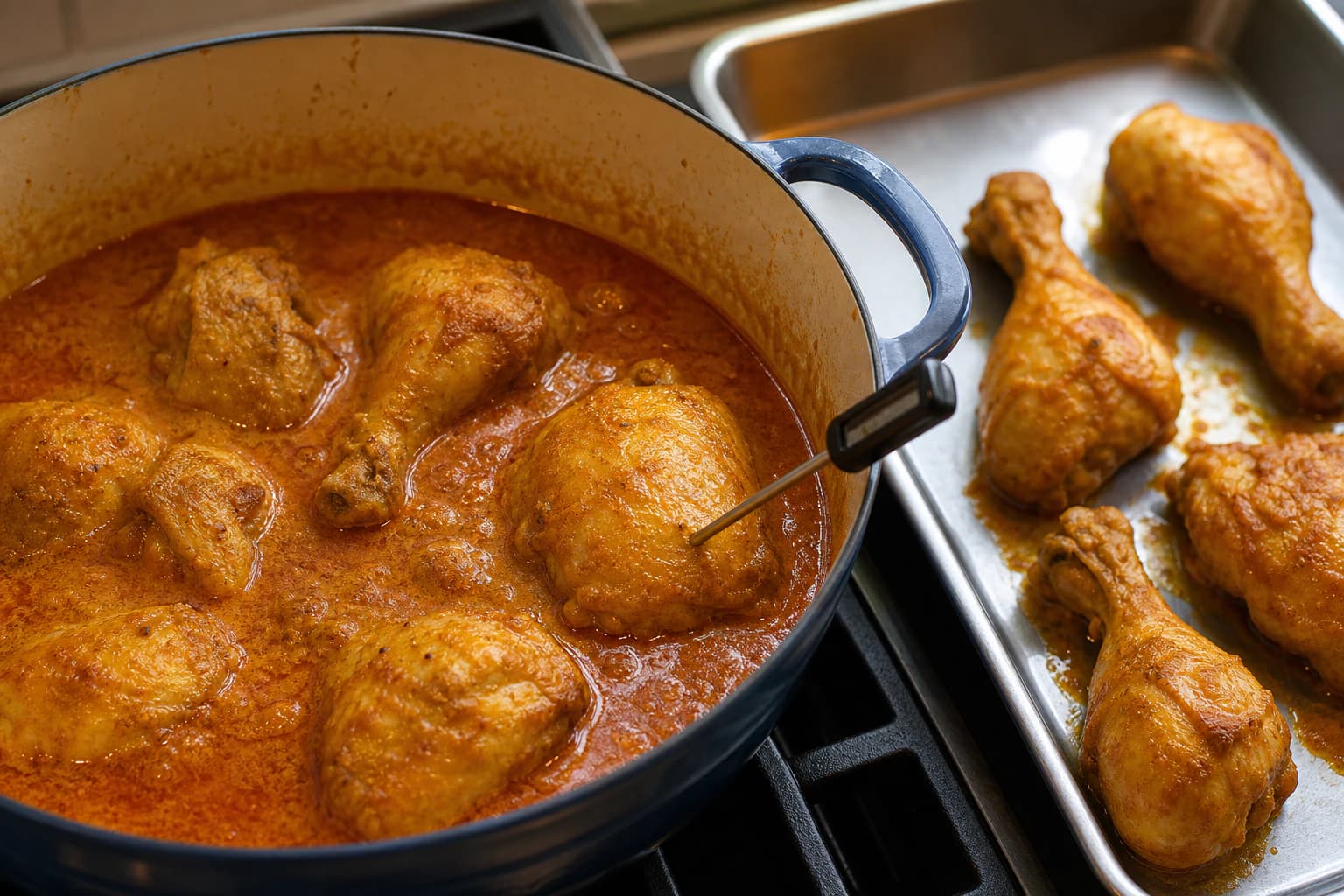
Partly cover and maintain a bare simmer, turning the pieces after 12 minutes. Begin probing the smallest pieces at 20 minutes. Insert a clean instant-read thermometer into the thickest meat beside, not touching, the bone. Using the clean cooked-food tongs, transfer each piece to a clean tray only when its centre reaches at least 75°C; check the largest thigh separately. Do not use colour or clear juices as the safety test.
Common mistake: Leaving early-safe drumsticks in the pot until the largest thigh is ready makes their meat stringy.
Recovery: Pause before the next step, compare the cue, then correct heat, moisture, or seasoning while the dish is still flexible.
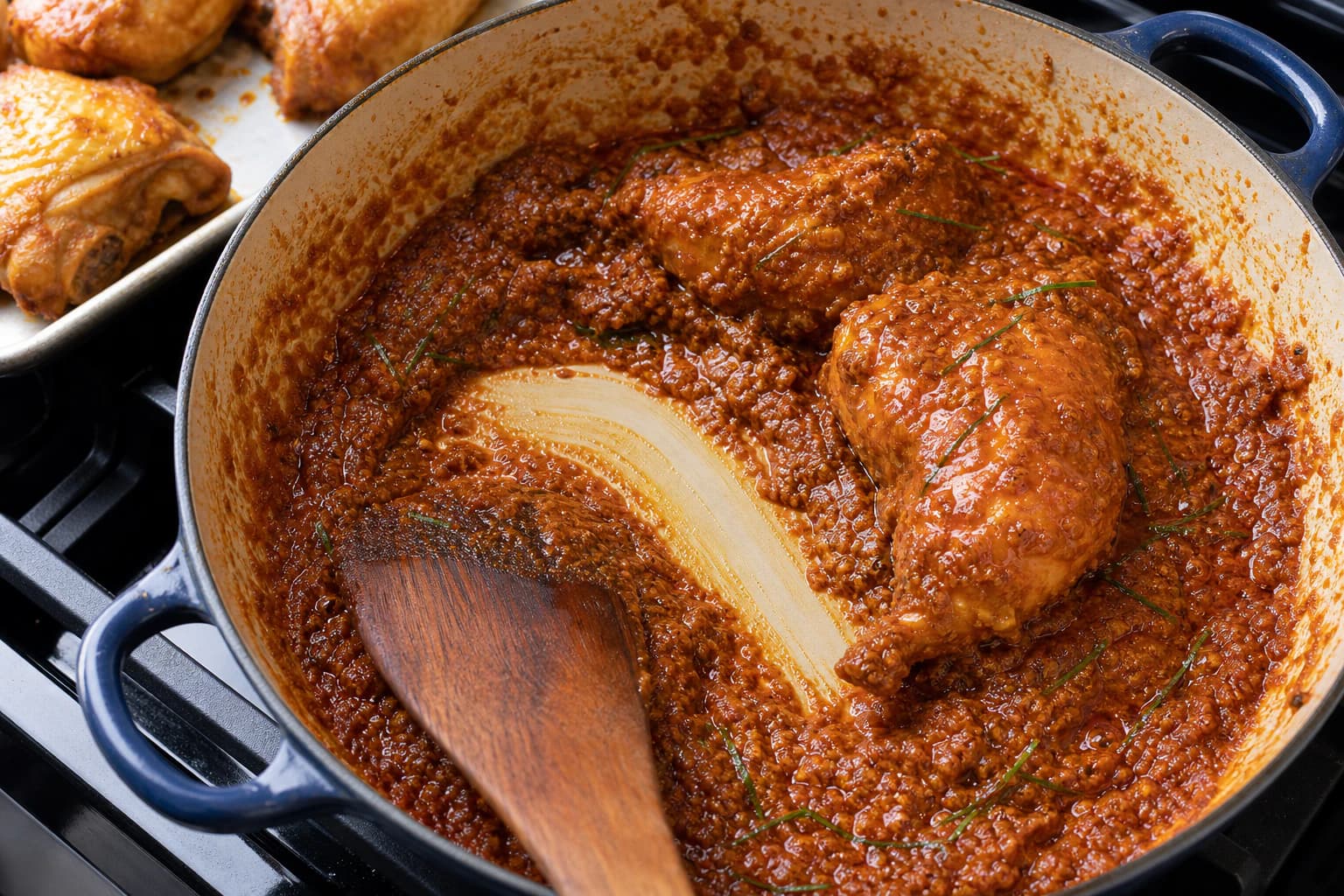
With the safe chicken held on its clean tray, raise the pot to medium and reduce uncovered, stirring and scraping more often as it thickens. Add 12 g of the tamarind paste, taste, then add up to the remaining 8 g only if the rich sauce needs more sourness. Add only enough of the remaining 3 g salt after reduction. Remove the six torn lime leaves. Return the chicken and its resting juices for 2 minutes, turning to glaze. Turn off the heat and fold through the two remaining makrut leaves, centre ribs removed and sliced hair-fine. Recheck that chicken remains at least 75°C before serving.
Common mistake: Reducing with already-safe chicken in the pot sacrifices succulence; cornstarch creates thickness without flavour concentration.
Recovery: Pause before the next step, compare the cue, then correct heat, moisture, or seasoning while the dish is still flexible.
Rest off heat for 5 minutes so the sauce settles around the chicken. Spoon only a shallow layer onto a warm platter, arrange the chicken, and coat it with the remaining sauce. Serve the optional cooked jasmine rice and sliced cucumber alongside. For leftovers, divide chicken and sauce into shallow containers within 2 hours, refrigerate at 5°C or colder for up to 3 days, and reheat rapidly to at least 75°C.
Common mistake: A deep sauce pool hides the defining reduced texture and softens any accompaniment immediately.
Recovery: Pause before the next step, compare the cue, then correct heat, moisture, or seasoning while the dish is still flexible.
Fix problems
The active method already includes its most likely mistake and recovery. Open the reference library when your question falls outside the current step.
Thick is the target for this Penang Nyonya style. Remove each chicken piece as it reaches 75°C, then reduce the sauce alone until a spatula trail stays visible for 2–3 seconds before glazing the meat.
No. Kari Kapitan is strongly associated with Penang Nyonya cooking, but family versions vary on coconut milk, potato, preserved soybean, whole spice, and souring. This is an original, source-grounded home production plan, not a copied restaurant recipe or a Michelin-awarded formula.
Candlenuts supply characteristic rempah body, but they must never be eaten raw. Roast raw nuts at 150°C for 15 minutes before blending. Roasted unsalted macadamias provide a practical textural substitution but introduce a tree-nut allergen and a different flavour.
Yes. It tastes integrated the next day. Cool in shallow containers within 2 hours, refrigerate up to 3 days, and reheat gently with a splash of water until every chicken piece reaches at least 75°C; reduce briefly again only if that water loosens the sauce.
Cook the rempah past its raw stage, bring every chicken piece to 75°C, and reduce the sauce until it lacquers rather than floods the plate. Look for chicken lacquered in thick rust-red sauce with tiny oil glints and no loose pool: The finished sauce leaves no watery moat, clings in a textured glossy coat, and drops slowly rather than running from a spoon.
Pale steaming paste still contains raw shallot, turmeric, and chilli flavour; black specks mean the heat was too high. Spread the food out, raise heat only after moisture drops, and hold back extra sauce until the pan is frying again.
Scale the measured ingredients with the serving count, then scale the vessel or work in batches. Keep the same visual finish - chicken lacquered in thick rust-red sauce with tiny oil glints and no loose pool - rather than forcing the original timer.
bone-in chicken thighs and drumsticks: 1.2 kg bone-in skinless thighs for a less rich sauce; neutral cooking oil, divided: rice-bran, canola, sunflower, or vegetable oil; dried long red chillies: mild dried New Mexico chillies for a gentler but less Malaysian profile; fresh long red chillies: red bullhorn capsicum for up to half the weight to reduce heat
bone-in chicken thighs and drumsticks: Keep at 5°C or colder, do not wash raw chicken, prevent cross-contamination, and cook the centre of every piece to at least 75°C.; ground turmeric for the chicken: This is divided conceptually from the fresh turmeric in the rempah; do not replace all the fresh root with powder.; dried long red chillies: Use gloves if sensitive and never touch eyes after handling chilli.; garlic: Keep the rempah moving once its water evaporates; scorched garlic makes the whole pot bitter.
Recipe sourcing hand-off
This page keeps only the dish-specific brief. The complete aisle list, Bahasa names, dated store evidence, optional distance sorting, and map routes live in the connected shopping and city guides.
Start with a high-turnover butcher, poultry shop, or market counter for similarly sized bone-in thighs and drumsticks. Queen Victoria Market and established neighbourhood fresh-food markets are practical starting points, but no directory or store mention is a live stock promise.
Open the Melbourne sourcing guideAsk a trusted pasar poultry seller for mixed paha atas and paha bawah of similar size, or use a reliable supermarket chilled counter. Transport raw chicken promptly and keep it separate from herbs and ready-to-eat cucumber.
Open the Jakarta sourcing guideFlavour foundation
A fine low-water rempah is cooked until its steam subsides and oil reappears. Bone-in chicken then braises gently in full-fat coconut milk; once safe and tender, it leaves the pot while the sauce reduces, so concentration never overcooks the meat.
Taste profile
Kari Kapitan is a recognised Penang Nyonya dish, traditionally presented as a thick, important curry rather than generic curry soup. Documented family versions differ on coconut milk, potato, preserved soybean, whole spices, and souring; this version preserves the Penang identity without claiming one universal household formula.
Cook plan
Versions
Diet & allergens
Dietary notes: dairy-free, egg-free, gluten-free with certified belacan and tamarind, halal-friendly with certified chicken and belacan.
Contains or may contain: crustacean shellfish in belacan, candlenut; tree nuts if using the macadamia substitution.
Check packaged-ingredient labels and cross-contamination advice for the brands you use.
Budget
Planning estimate only - not live or locally verified pricing
What belongs where
The ingredient list is organised for shopping; this map reorganises the same recipe by cooking function so you know what belongs in the pot and what stays separate.
dried and fresh chilli, shallot, lemongrass, galangal, fresh turmeric, candlenut, belacan
cooked jasmine rice, Lebanese cucumber
Storage notes are conservative home-kitchen guidance. Chill perishable food within 2 hours, keep it at 5°C or colder, and follow local food-safety and package directions when they are stricter.
Sources & evidence
Sources support the specific technique or safety point stated below.
Cross-checks the Penang Nyonya dish identity, turmeric-marinated chicken, chilli-aromatic rempah, toasted belacan, candlenut, coconut milk, tamarind, makrut lime leaf, potato, and a thick reduced finish.
Boundary: Kari kapitan varies by household. The Bumbu Lens method tightens the oil, salt, and temperature controls for a Melbourne home kitchen without presenting one family version as definitive.Recorded as a local editorial or generated visual cue asset, not an independent external source.
Boundary: A local or generated asset is visual guidance, not evidence of authenticity, ingredient quantities, timing, safety, or method accuracy.Applies the Australian consumer guidance to cook all poultry and minced meat to at least 75°C in the centre and to keep raw-meat tools separate from ready-to-eat garnishes.
Boundary: Colour, clear juices, wrapper translucency, and elapsed time do not replace a clean probe reading in the thickest or largest test piece.Next cooks
Recipes here share ingredients, bumbu logic, region, spice level, or weeknight patterns so the next cook reuses what you just learned.
 China / home-style · IntermediateChinese Tomato Beef StewKnow when the beef is truly spoon-tender while keeping the tomato sauce glossy, not watery.
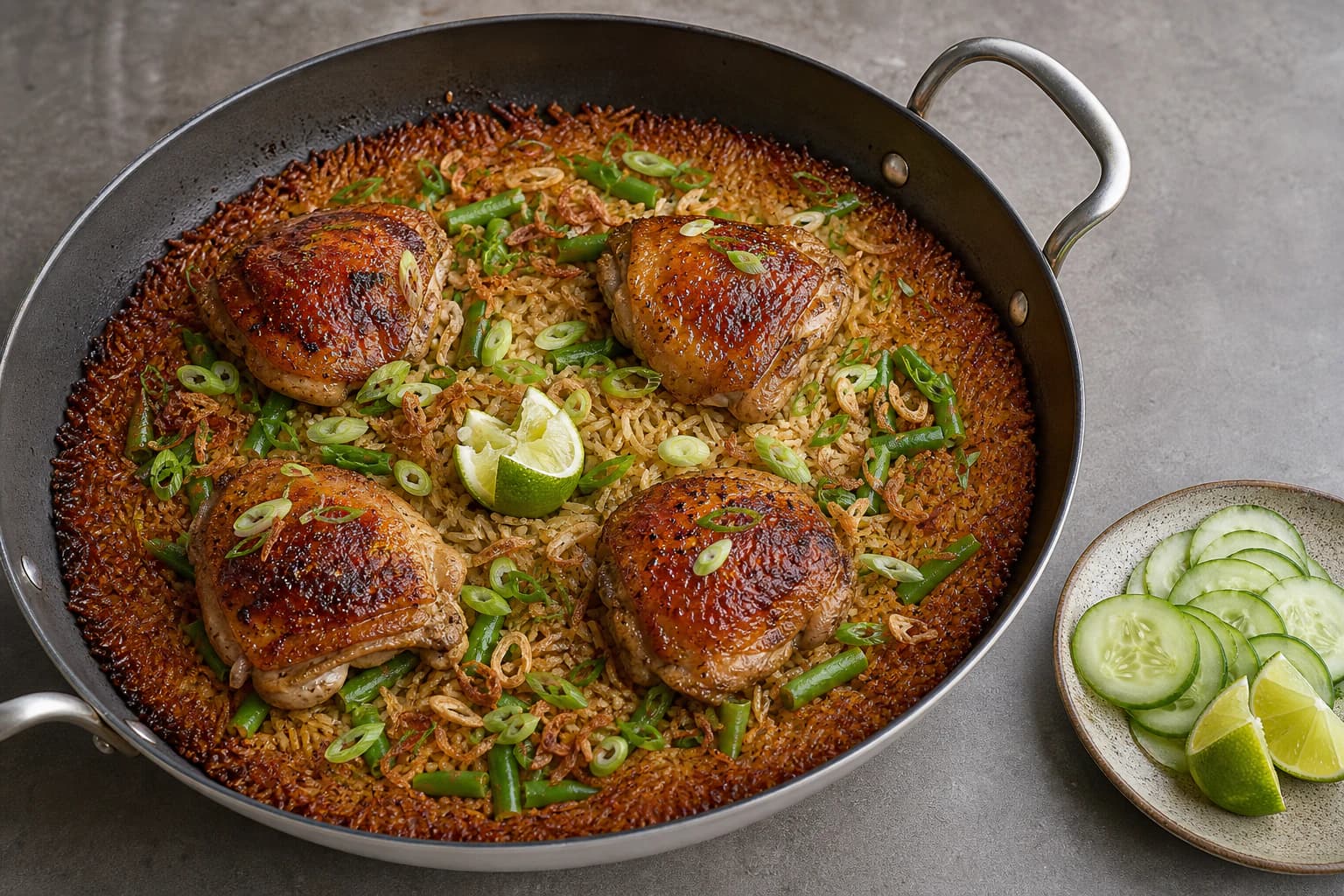 Contemporary Indonesian-inspired · IntermediateOne-Pan Chicken and Crispy RiceRender crisp chicken skin, cook separate rice grains in measured stock, and build brittle kecap-darkened edges without taking the chicken beyond its safe endpoint.
 Bali-inspired · IntermediateCrispy-Skin Salmon Sambal MatahCrisp the skin without drying the fish, then keep bright sambal beside - not over - the crust.
 Yogyakarta · IntermediateAyam Goreng KalasanKeep the chicken juicy, the crust golden, and the kremes brittle - not greasy.
 Modern Indonesian · PatientIga Sapi Goreng MaduMake ribs fork-tender yet intact, then glaze them glossy without scorching the honey.
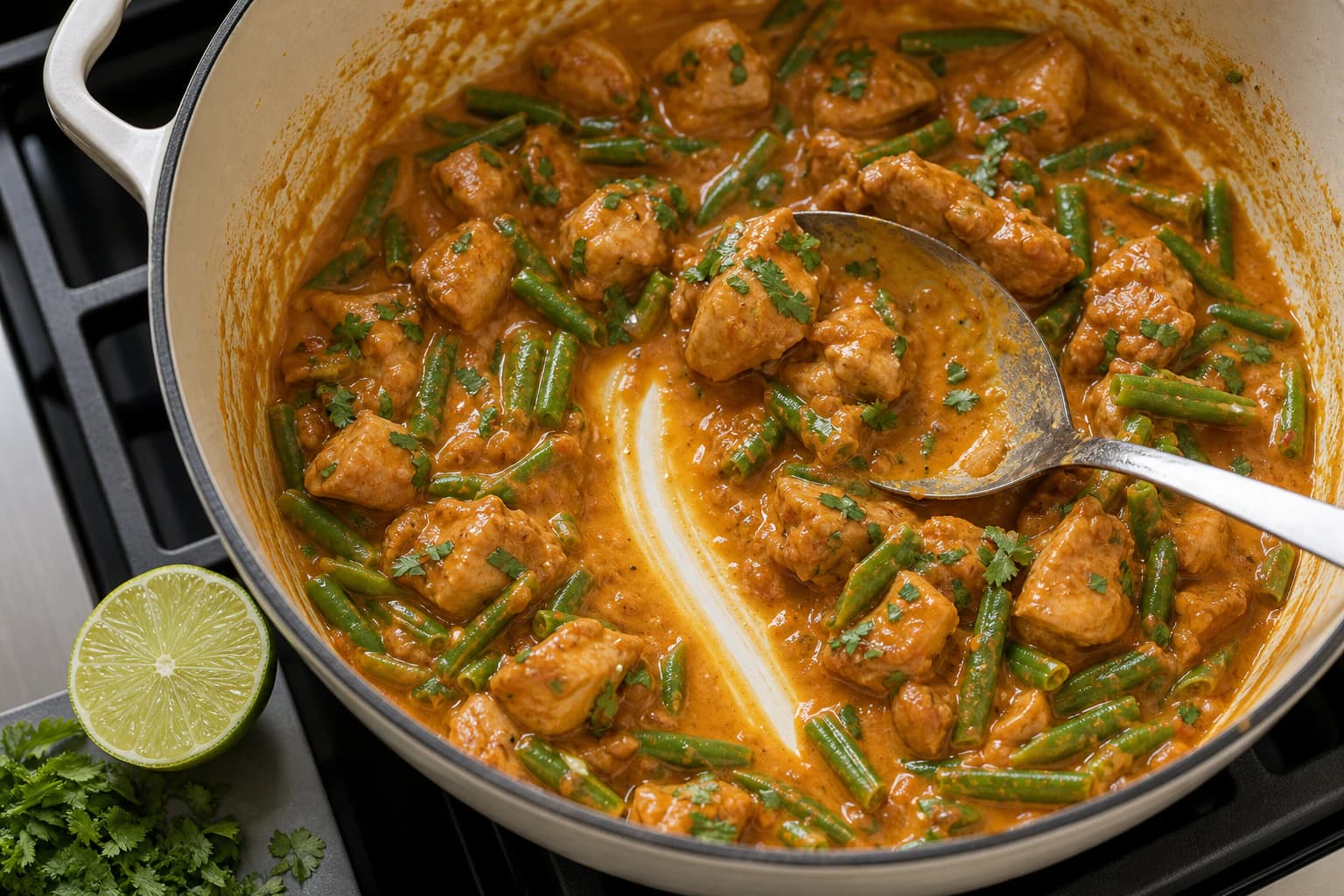 Melbourne / contemporary weeknight · BeginnerOne-Pot Chicken CurryTurn a supermarket curry-powder shortcut into a layered, glossy sauce without drying the chicken or leaving raw spice grit.