Recipe 29 / 30
SEA · Melbourne / contemporary weeknight
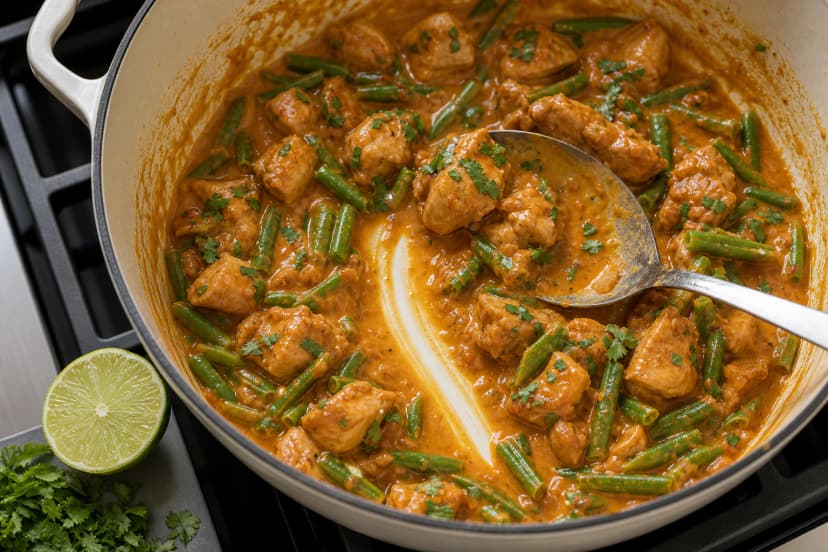
One-Pot Chicken Curry
This is a transparent contemporary Melbourne weeknight curry, not a claimed traditional dish: supermarket curry powder provides the shortcut while fresh curry leaves, ginger, tomato, and coconut receive full restaurant-style heat control.
Turn a supermarket curry-powder shortcut into a layered, glossy sauce without drying the chicken or leaving raw spice grit.
- Place & style
- Melbourne / contemporary weeknight Southeast Asian · Main
- Yield
- 4 servings Chicken · spice 2/5
- Time
- 1 hr 5 min 15 min prep · 50 min cook
- Cook level
- Beginner one-pot · weeknight · Melbourne · one-hour · freezer-friendly sauce
Bumbu / flavour foundation
onion, garlic, ginger, curry leaves, curry powder, turmeric, tomato, coconut
Chicken browns in batches, then its fond seasons a patient onion base. Curry leaves bloom in hot fat before dry spices and tomato paste are fried; full-fat coconut milk simmers uncovered, and the chicken leaves at 75°C if the sauce needs further concentration.
Equipment
- 5 L wide heavy pot or Dutch oven
- two handling utensils, such as heavy tongs or broad turners; reserve one clean for cooked chicken
- clean plate for browned chicken
- flat wooden spoon or silicone spatula
- fine grater
- instant-read thermometer
- citrus juicer
Read the visual cue before each step. The clock is guidance; the food decides when you move.
01 · Market sheet
Know what you are buying.
Every ingredient is shown in context, named in English and Bahasa Indonesia, and tied to its job in the dish.Meat or seafoodDaging atau seafood
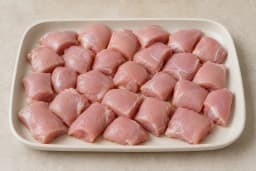
800 g, cut into 4 cm pieces
boneless skinless chicken thighs
paha ayam tanpa tulang dan kulit
quick-cooking dark meat that remains juicy during a one-pot simmer
Watch: Keep at 5°C or colder, do not wash raw chicken, prevent cross-contamination, and cook every piece to at least 75°C in the centre.
Dry pantryBahan kering

9 g
fine salt, divided
garam halus, dibagi
seasons the chicken before browning and balances the reduced sauce
30 ml
neutral cooking oil
minyak goreng netral
browns the chicken and carries curry-leaf and spice aroma

100 ml
water
air
small measured deglaze that releases the chicken fond before coconut enters
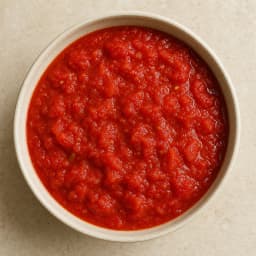
400 g can
canned crushed tomatoes
tomat kaleng yang dihancurkan
reliable winter acidity, red fruit, and sauce body
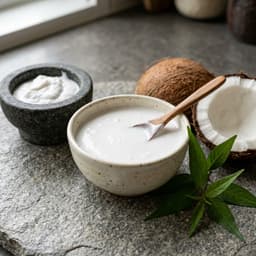
400 ml
full-fat coconut milk
santan kental
rounds the spice and reduces to a glossy dairy-free sauce
Watch: Light coconut milk gives a thinner sauce and a less stable finish.
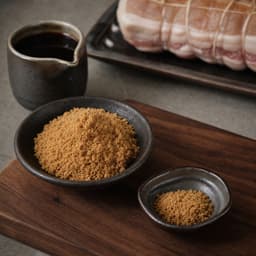
8 g, about 2 tsp
soft brown sugar
gula merah lembut
a small measured balance for canned tomato acidity
Fresh produceSayur & bahan segar
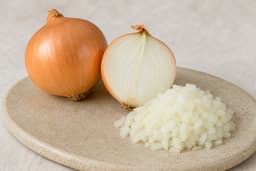
250 g, finely sliced
brown onion
bawang bombai cokelat
deep sweet body beneath the fast curry-powder route
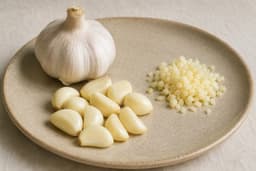
20 g, finely grated or minced
garlic
bawang putih
savoury aromatic cooked until sweet before dry spice enters
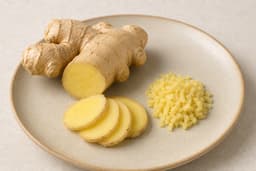
25 g, finely grated
fresh ginger
jahe segar
clean warmth that keeps the coconut-tomato sauce lively
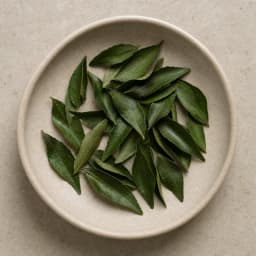
18-20 leaves, stripped from the stems and dried well
fresh curry leaves
daun kari segar
toasted citrus and warm resin aroma that a jarred powder cannot supply
Watch: Leaves spit sharply if wet when they hit hot oil; dry them completely.
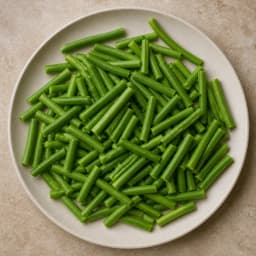
200 g, trimmed and halved
green beans
buncis
fresh green snap cooked in the same pot without muddying the sauce
SpicesRempah
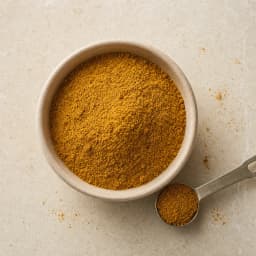
18 g, about 3 tbsp
mild Madras-style curry powder
bubuk kari gaya Madras yang ringan
a transparent supermarket shortcut supplying coriander, cumin, fenugreek, and warm spice
Watch: Blends vary in salt, chilli, mustard, celery, and wheat. Read the exact label and use a fresh aromatic jar, not a stale open packet.
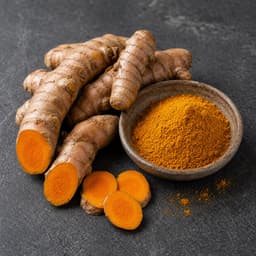
2 g, about 3/4 tsp
ground turmeric
kunyit bubuk
reinforces the golden colour without requiring a second spice blend
SaucesSaus & bumbu botol
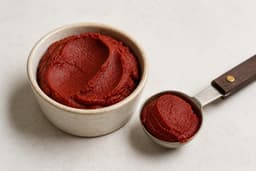
30 g
double-concentrated tomato paste
pasta tomat pekat
fried savoury concentration beneath the canned tomato
Watch: Use unsweetened tomato paste, not ketchup or bottled tomato sauce.
GarnishPelengkap
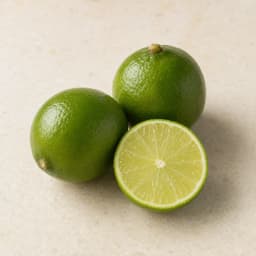
1 large, about 25 ml juice
lime
jeruk nipis
off-heat acidity that restores definition after coconut reduction
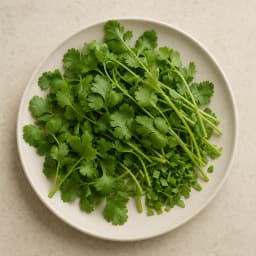
20 g, roughly chopped, optional
coriander leaves and tender stems
daun dan batang muda ketumbar
optional fresh herbal finish rather than a cooked generic green note
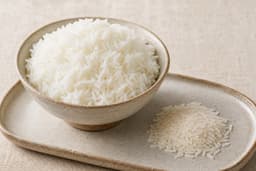
800 g cooked, optional
cooked basmati or jasmine rice
nasi basmati atau nasi melati matang
optional prepared accompaniment for four bowls
Calculated estimate · per serving
Nutrition information
1 of 4 curry servings; optional rice or flatbread excluded
- Energy
- 2410 kJ576 kcal
- Protein
- 41.7 g
- Carbohydrate
- 24.5 g
- Sugars
- 10.6 g
- Dietary fibre
- 5.3 g
- Total fat
- 34.2 g
- Saturated fat
- 17.8 g
- Sodium
- 890 mg
How this estimate was calculated
Calculated from the authored edible ingredient weights using representative AFCD Release 3 and USDA FoodData Central profiles, then divided by the recipe yield. Energy follows the FSANZ ingredient-contribution method. Optional serving accompaniments are excluded. The full authored chicken, vegetables, tomato, coconut milk, aromatics, spices, acid, salt, and measured oil are divided across four curry portions; optional starch accompaniments are excluded.
Calculated estimate only, not a laboratory result or personalised dietary advice. Actual values vary with brands, produce, meat trim, substitutions, final serving size, and how much cooking or rendered oil is left in the pan or skimmed. Check packaged labels for allergens and sodium; consult an accredited practising dietitian or clinician for medical dietary needs. Chicken trim, coconut-milk brand, vegetable size, final reduction, and oil left in the pot can shift energy, fat, carbohydrate, and sodium.
Reference data: Australian Food Composition Database · FSANZ calculation method · USDA FoodData Central · calculated 2026-07-15
02 · Method
Cook in order. Read the decisive cue.
6 stages · 1 hr 5 min total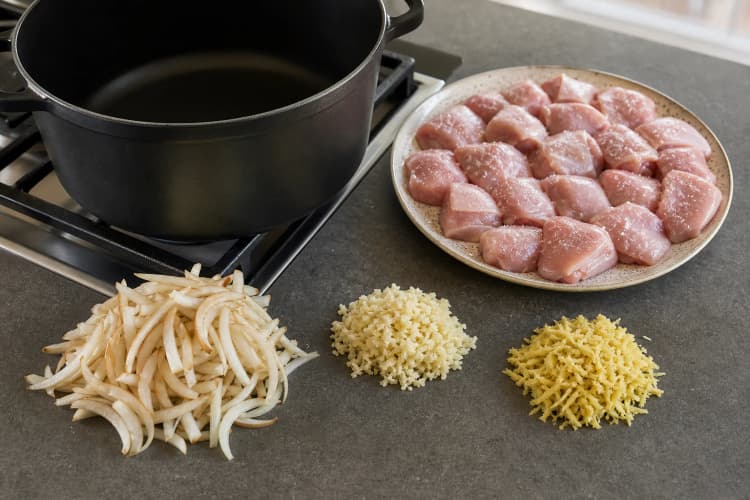
Stage 01
Season the chicken and stage the aromatics
Do not wash the chicken. Pat it dry, cut it into even 4 cm pieces, and toss with 5 g of the measured salt; reserve 4 g salt for the sauce. Slice the onion, grate the garlic and ginger, and keep each separate. Let the salted chicken stand only while the wide pot heats over medium-high for 3 minutes.
- Move on when
- Chicken surfaces look matte rather than wet, pieces are even, and three separate aromatic piles are ready beside the hot pot.
- Common mistake
- Wet or uneven chicken steams and reaches 75°C at different times.
- Recovery
- Spread the food out, raise heat only after moisture drops, and hold back extra sauce until the pan is frying again.
Stage 02
Brown in two fast batches
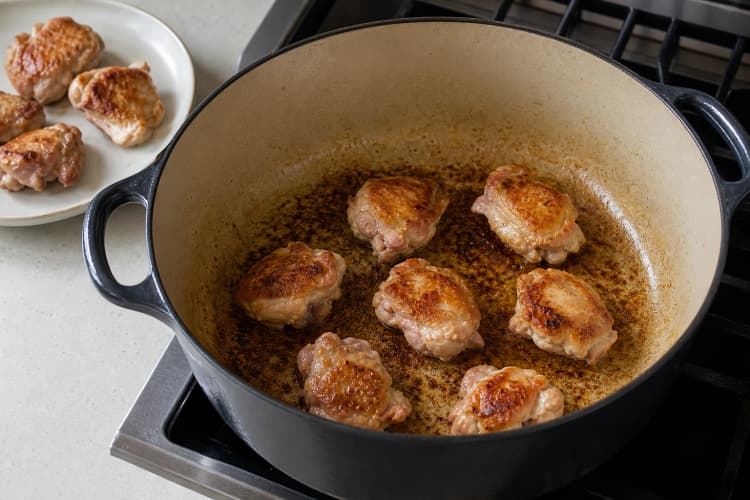
Using the raw-poultry utensil, add the neutral oil. When it shimmers, brown half the chicken without moving it for about 90 seconds, turn, and colour a second face for 60 seconds. Transfer to a raw-chicken plate and repeat. The chicken must remain raw inside at this stage. If grey liquid pools, let it evaporate before the next batch rather than adding more oil. Wash and sanitise this utensil or set it aside; keep the second utensil clean for cooked chicken.
- Move on when
- Each piece has two bronze faces and the pot base carries brown fond without black patches.
- Common mistake
- Cooking the chicken through before the sauce is built guarantees dry meat after simmering.
- Recovery
- Pause before the next step, compare the cue, then correct heat, moisture, or seasoning while the dish is still flexible.
Stage 03
Build a curry-leaf fond base
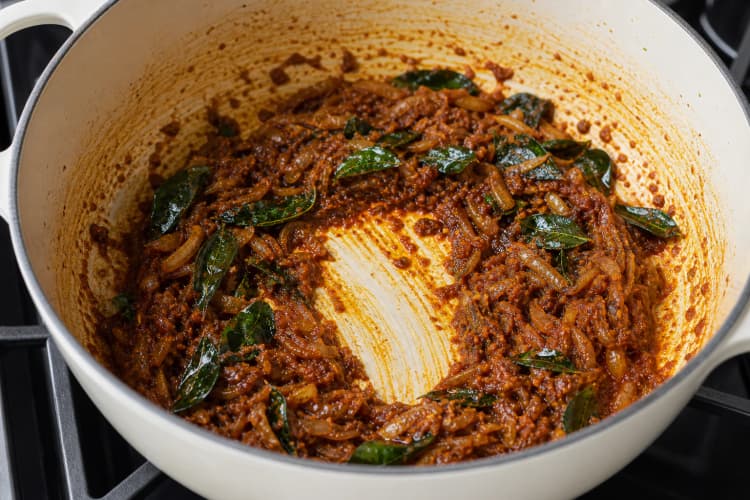
Lower to medium. Add the sliced onion and cook for 7-8 minutes, scraping the chicken fond into it, until soft and gold at the edges. Add the completely dry curry leaves carefully; they will crackle. After 20 seconds add garlic and ginger for 60 seconds. Add curry powder and turmeric for 45 seconds, then fry the tomato paste for 90 seconds until rust-red. Pour in the measured water and scrape until the pot base is clean.
- Move on when
- The onion is gold, curry leaves are crisp and aromatic, and the deglazed paste smells roasted rather than dusty.
- Common mistake
- Wet curry leaves spit dangerously; dry spice left unfried tastes gritty and flat.
- Recovery
- Spread the food out, raise heat only after moisture drops, and hold back extra sauce until the pan is frying again.
Stage 04
Simmer tomato, coconut, and chicken
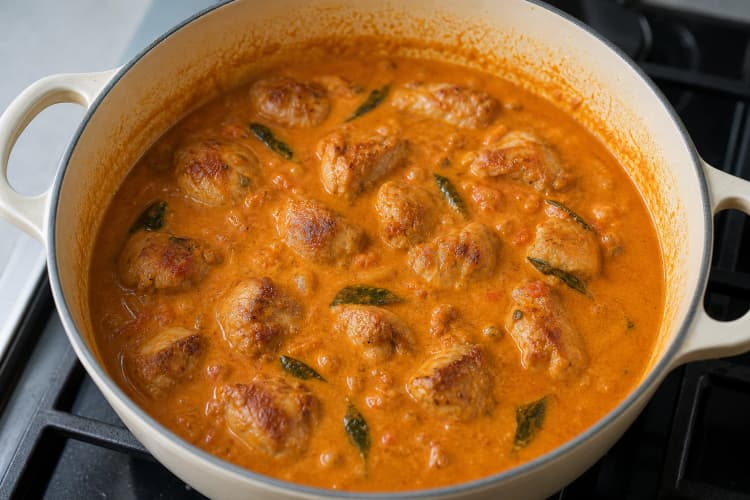
Stir in the crushed tomatoes, coconut milk, brown sugar, and 2 g of the reserved salt until smooth. Return the browned chicken and its plate juices. Bring to the first boil, then hold an uncovered gentle simmer for 10-12 minutes, stirring the bottom every 2 minutes so coconut solids and tomato do not catch.
- Move on when
- Small lazy bubbles break through a unified orange sauce and oil glints appear without a greasy slick.
- Common mistake
- A hard boil splits the sauce aggressively and toughens the outside of the chicken.
- Recovery
- Lower the heat immediately, skim or stir gently, and continue at a small simmer until the surface calms.
Stage 05
Cook the beans and verify 75°C
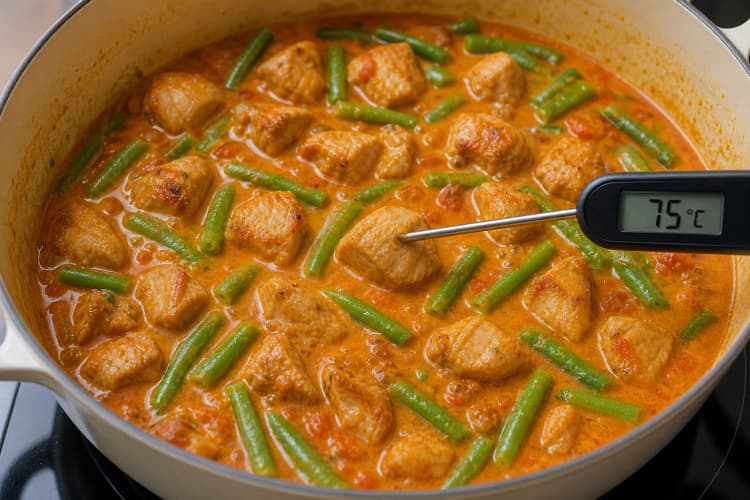
Trim and halve the green beans, add them to the pot, and simmer for 5-7 minutes until bright and just tender. Probe several chicken pieces, including the largest, through the centre; every piece must reach at least 75°C. Using the clean cooked-food utensil, transfer safe pieces to the clean serving bowl if the sauce still pours like soup, leaving the beans behind to finish.
- Move on when
- Beans are bright green with a tender snap, and every tested chicken centre reads at least 75°C.
- Common mistake
- Using the smallest piece as the only temperature check can leave a large piece undercooked.
- Recovery
- Pause before the next step, compare the cue, then correct heat, moisture, or seasoning while the dish is still flexible.
Stage 06
Reduce, brighten, and serve
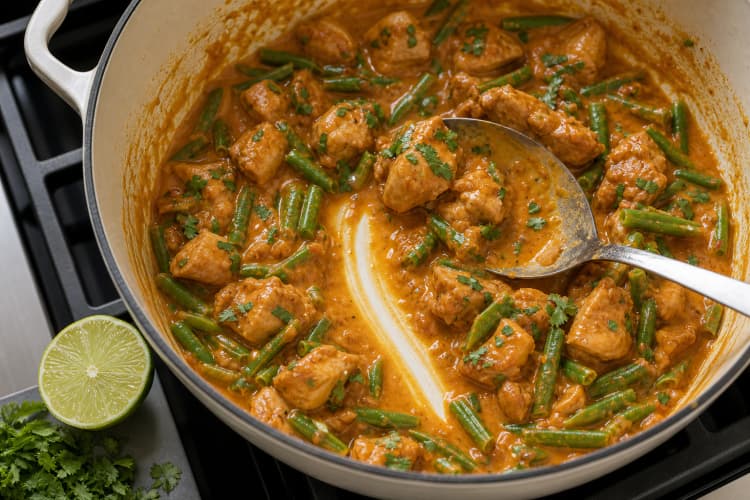
If needed, reduce the sauce and beans over medium-high until a spoon trail exposes the pot for about 2 seconds. Return any held chicken and juices for 30 seconds. Turn off the heat, squeeze in 15 ml lime juice, taste, then add more lime and only enough of the remaining 2 g salt. Fold through optional coriander and serve with the optional cooked rice. Cool leftovers in shallow containers within 2 hours, refrigerate at 5°C or colder for up to 3 days, and reheat rapidly to at least 75°C.
- Move on when
- Glossy orange sauce clings to chicken and beans, with fresh lime lift and no watery red rim.
- Common mistake
- Adding lime before reduction dulls its aroma; keeping safe chicken in the pot during a long reduction dries it.
- Recovery
- Pause before the next step, compare the cue, then correct heat, moisture, or seasoning while the dish is still flexible.
03 · Source & shop
Where the guidance comes from.
Technique guidance is stable editorial material. Prices, stock, and local availability should be rechecked before a special trip.Melbourne
- A butcher, poultry shop, Coles, Woolworths, IGA, or market counter can cover boneless thigh; choose an intact cold pack with a suitable use-by date. Onion, garlic, ginger, lime, coriander, beans, canned tomato, coconut milk, and rice need no specialist trip.
- Fresh curry leaves are the one produce item worth seeking at an Indian, Sri Lankan, Malaysian, or broad Asian grocer. Choose glossy attached leaflets; frozen leaves are a better fallback than dried leaves or bay leaf.
- Choose a mild Madras-style curry powder whose exact label lists ingredients and allergens. Blend heat, salt, mustard, celery, and wheat vary by brand, so the shelf category cannot establish dietary suitability.
- Catalogue pages identify common product forms, not selected-store stock or price. Keep chicken cold and confirm curry leaves and specialist-labelled powder before making a separate trip.
Jakarta
- Use a trusted pasar poultry seller or supermarket chilled counter for boneless thigh. Pasar produce covers onion, garlic, ginger, lime, coriander, and beans, while canned tomato, coconut milk, sugar, and rice are standard supermarket or warung lines.
- Daun kari availability is less uniform than common Indonesian aromatics; check an Indian grocer, high-turnover herb seller, larger supermarket, or trusted marketplace listing. Frozen leaves are acceptable.
- Select a clearly labelled curry powder and inspect salt, chilli, mustard, celery, wheat, and halal requirements. This recipe depends on knowing the blend rather than pretending all bubuk kari is interchangeable.
- Fresh santan is suitable only from a trusted high-turnover seller and should be used promptly; boxed full-fat santan is the more predictable weeknight option. Verify online seller, expiry, and delivery conditions.
Editorial provenance
SBS Food - Sri Lankan chicken curry
Cross-checks a one-pot chicken curry architecture built with toasted spice, curry leaves, onion, aromatics, tomato, coconut, and a bright acidic finish.
Supports: one-pot curry sequencing, curry-leaf and coconut structure, late acid balance.
Boundary: The published Bumbu Lens dish is explicitly a contemporary Melbourne weeknight curry, not a claim to one traditional Sri Lankan, Indian, Malaysian, or Indonesian formula.
Reviewed 2026-07-15Generated reference image · not verified cook evidence
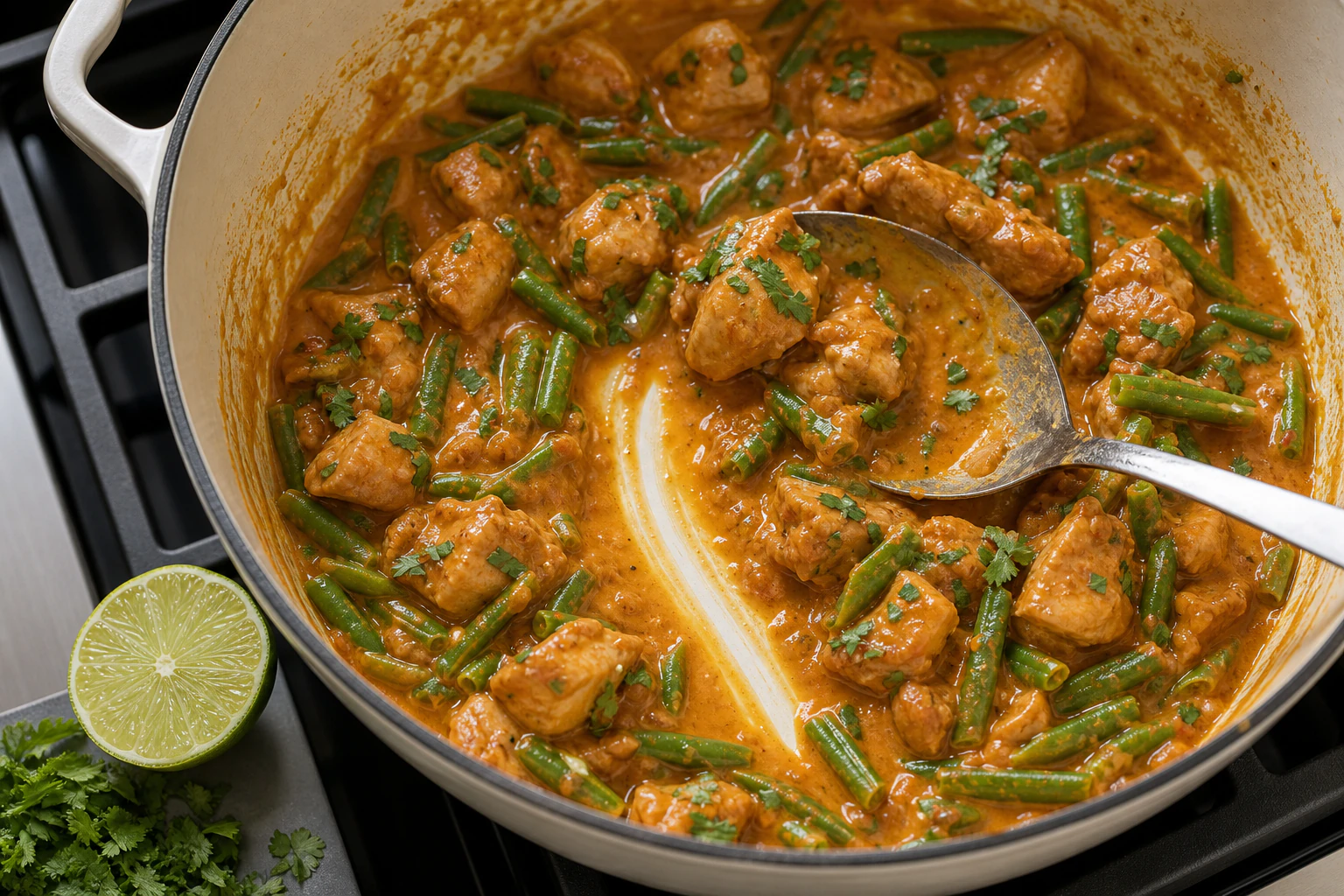
Recorded as a local editorial or generated visual cue asset, not an independent external source.
Supports: finished-dish appearance, image credit boundary.
Boundary: A local or generated asset is visual guidance, not evidence of authenticity, ingredient quantities, timing, safety, or method accuracy.
Reviewed 2026-07-15Bumbu Lens editorial method audit
Reviewed One-Pot Chicken Curry as an ordered cook flow with visual cues, common mistakes, and recovery notes.
Supports: method sequence, visual checkpoints, mistake and recovery notes.
Boundary: Use this as editorial guidance; run a tested-kitchen pass before publishing nutrition, safety guarantees, or commercial pack quantities.
Reviewed 2026-07-15Bumbu Lens Melbourne/Jakarta sourcing heuristic
Mapped ingredient groups to likely Melbourne grocer, supermarket, butcher, pasar, and Jakarta supermarket paths.
Supports: Melbourne sourcing, Jakarta sourcing, volatile availability boundary.
Boundary: Ingredient availability, price, and store stock change; verify with local grocers before travel, bulk shopping, or holiday cooking.
Reviewed 2026-07-15Food Standards Australia New Zealand - Food safety basics
Applies the Australian consumer guidance to cook all poultry and minced meat to at least 75°C in the centre and to keep raw-meat tools separate from ready-to-eat garnishes.
Supports: 75°C poultry endpoint, 75°C minced-meat endpoint, cross-contamination control.
Boundary: Colour, clear juices, wrapper translucency, and elapsed time do not replace a clean probe reading in the thickest or largest test piece.
Reviewed 2026-07-15Your next cook
Kitchen notes
Record the batch size, timing, substitutions, and visual cue you want to remember next time.