Step 1 decision
Heat the oven, dry-brine chicken, and drain rice
Chicken skin is matte and tacky, while drained grains are separate with no milky pool under the sieve.
Open step 1ID · Contemporary Indonesian-inspired
This is a contemporary Indonesian-inspired oven dinner, not a traditional named rice dish: chicken fat toasts jasmine rice while ginger, shallot, lemongrass, kecap manis, sambal, and lime create the pantry direction.
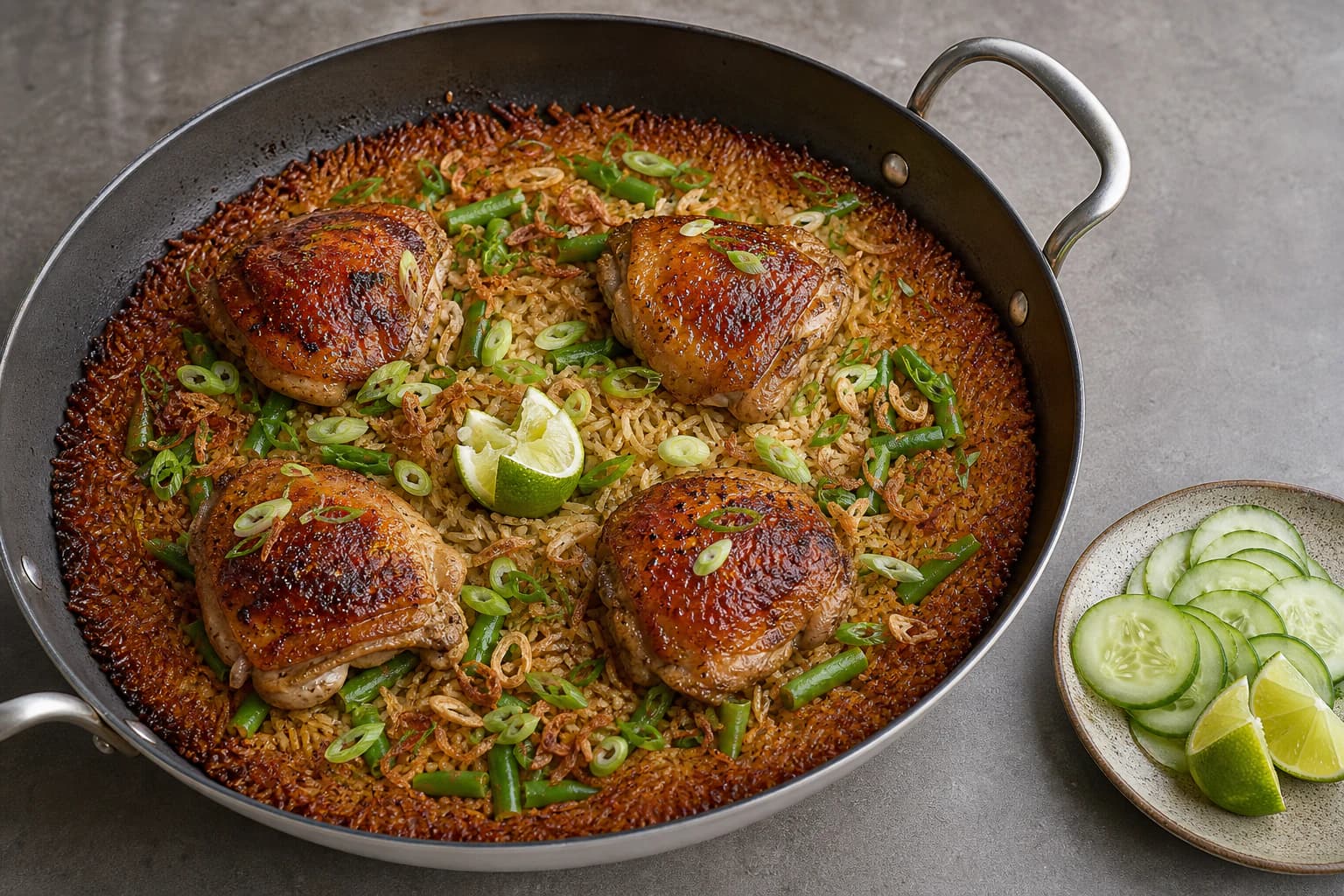
Decision-point map
Scan the decision points now. Each full-size cooking frame appears once, beside the step where you need it.
Chicken skin is matte and tacky, while drained grains are separate with no milky pool under the sieve.
Open step 1The liquid is boiling before the covered pan enters the oven and every chicken skin sits above the liquid line.
Open step 4Crisp skin and rice edge remain exposed, centre rice is glossy and separate, and cool cucumber stays outside the steam zone.
Check the final stepIngredients
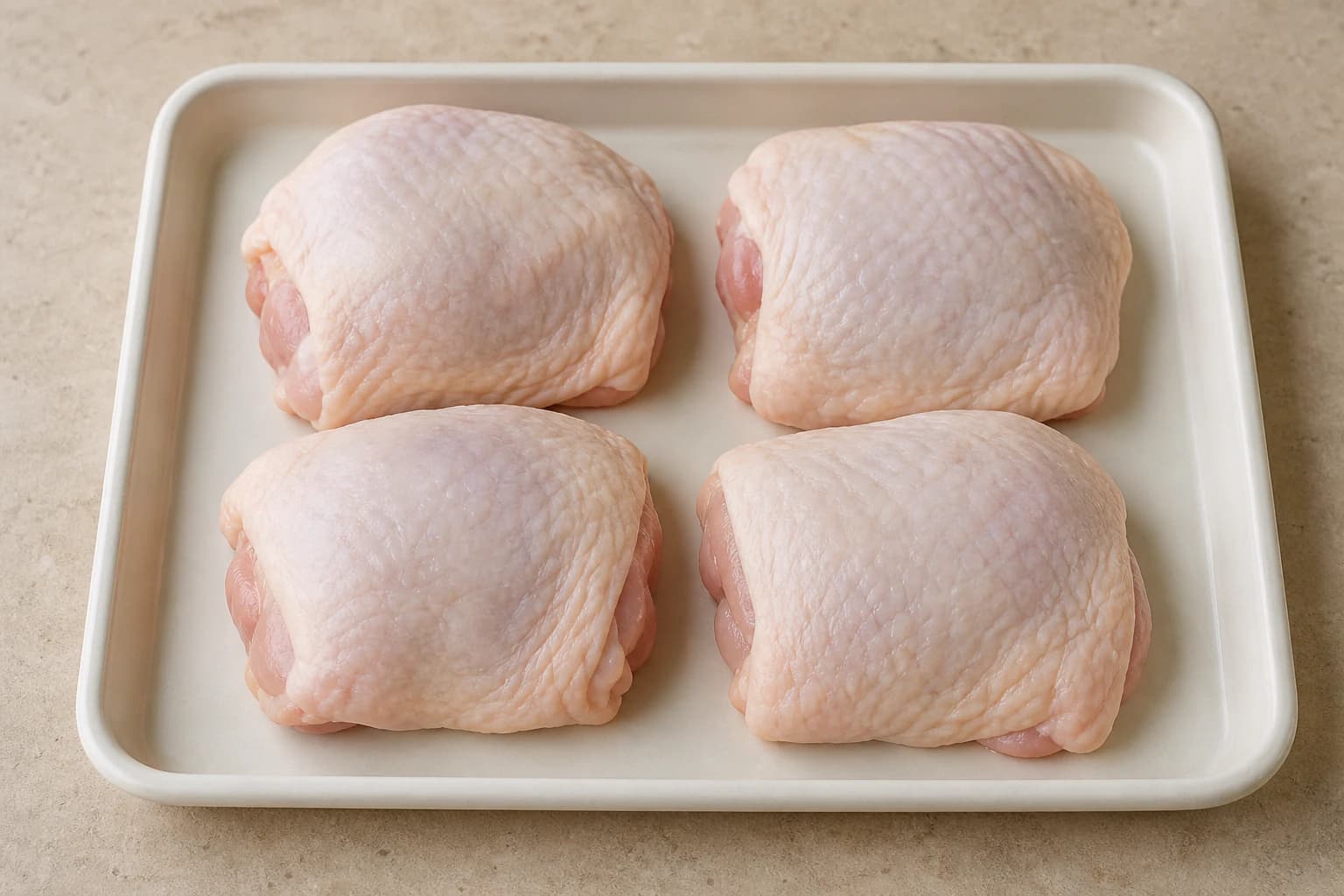
renders flavourful fat for the rice while its exposed skin becomes crisp
Note: Keep at 5°C or colder, do not wash raw chicken, prevent cross-contamination, and cook every thigh to at least 75°C beside the bone.
Swap: 6 smaller bone-in skin-on thighs of equal total weight, checked individually for doneness
Melbourne
 Nearby butchers
 Search Coles
 Search WoolworthsFind an ALDIFind an IGASearch TozerbaSearch Asian PantryToko Nusantara
These links open searches, catalogues, or store locators. Check the exact form and local availability there.
Jakarta
Nearby butchers and marketsPasar Jaya networkSuper Indo locationsRanch Market outletsHypermart online Search Sayurbox
 Search Tokopedia
 Search ShopeeOpen GrabMart
These links open searches, catalogues, or store locators. Check the exact form and local availability there.
dry-brines chicken skin and seasons the rice independently of salty packaged sauces
Melbourne
Nearby specialist grocersMr Dad CBD guideGuideSolAsia QV guideGuideSearch TozerbaSearch Asian PantryToko NusantaraSearch ColesSearch WoolworthsFind an ALDIFind an IGAThese links open searches, catalogues, or store locators. Check the exact form and local availability there.
Jakarta
Nearby specialist shopsSearch SayurboxSearch TokopediaSearch ShopeeOpen GrabMartSuper Indo locationsRanch Market outletsHypermart onlinePasar Jaya networkThese links open searches, catalogues, or store locators. Check the exact form and local availability there.
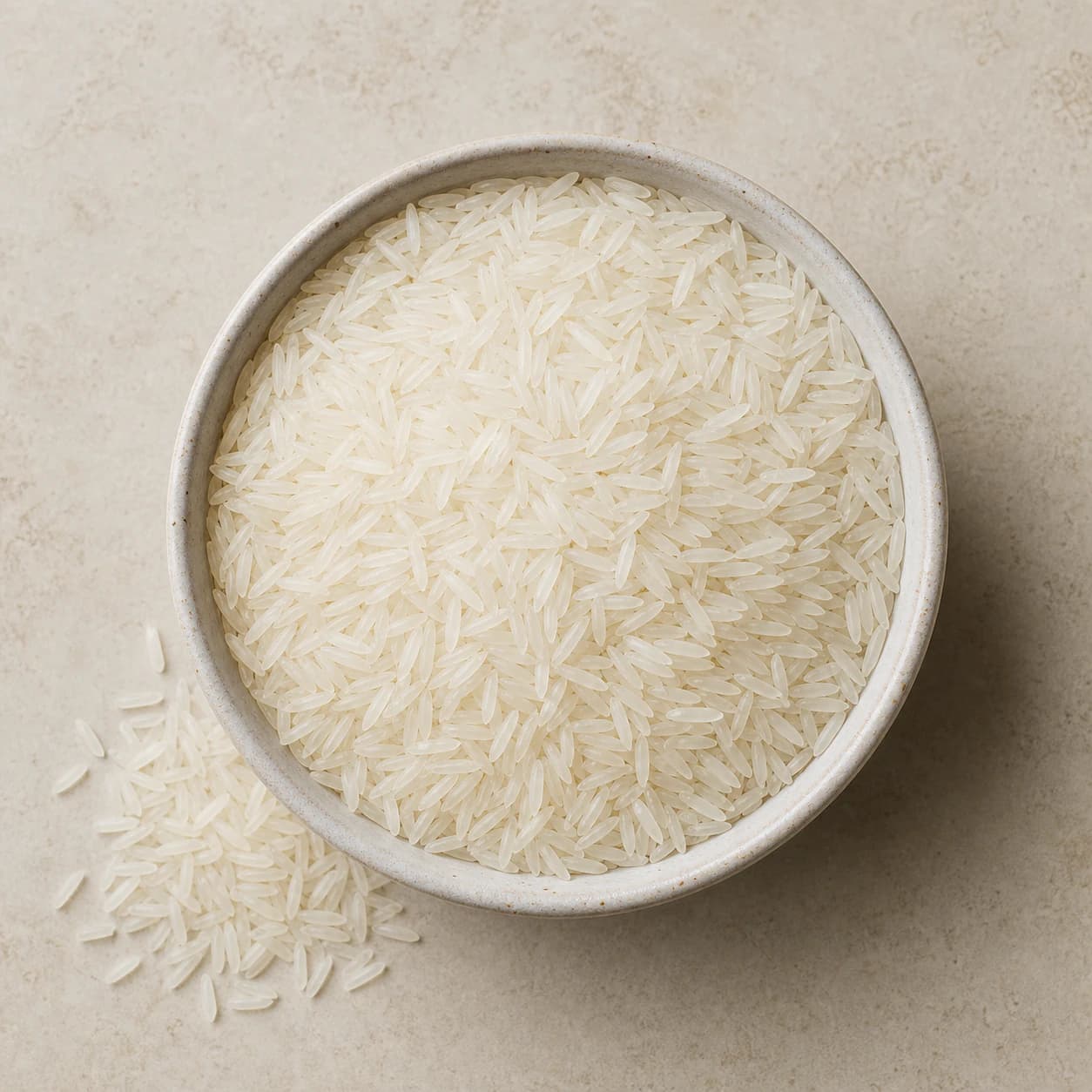
long aromatic grains that absorb stock yet form a crisp toasted pan edge
Note: Do not use par-cooked packet rice or replace by volume with brown rice; absorption and timing differ.
Melbourne
Nearby specialist grocersMr Dad CBD guideGuideSolAsia QV guideGuideSearch TozerbaSearch Asian PantryToko NusantaraSearch ColesSearch WoolworthsFind an ALDIFind an IGAThese links open searches, catalogues, or store locators. Check the exact form and local availability there.
Jakarta
Nearby specialist shopsSearch SayurboxSearch TokopediaSearch ShopeeOpen GrabMartSuper Indo locationsRanch Market outletsHypermart onlinePasar Jaya networkThese links open searches, catalogues, or store locators. Check the exact form and local availability there.
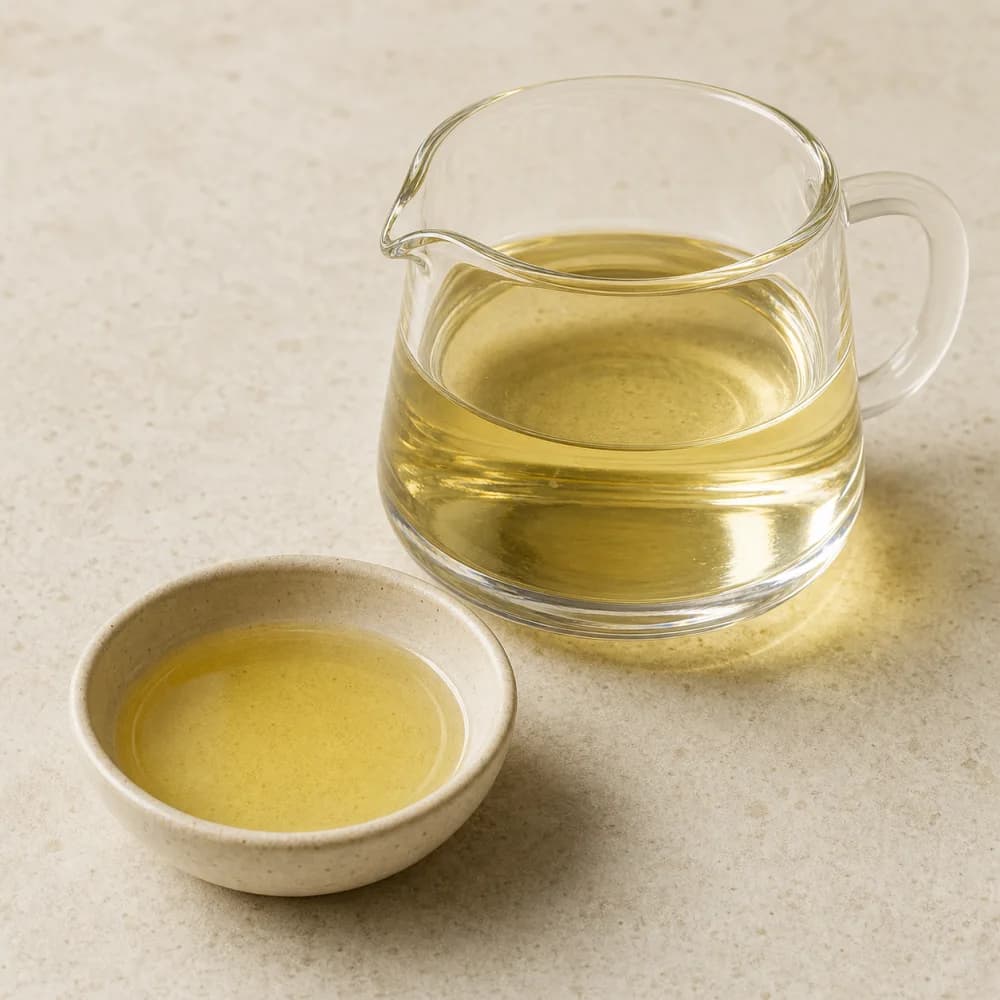
starts even skin rendering before the chicken releases its own fat
Swap: rice-bran, canola, sunflower, or vegetable oil
Melbourne
Nearby supermarketsSearch ColesSearch WoolworthsFind an ALDIFind an IGASearch TozerbaSearch Asian PantryToko NusantaraThese links open searches, catalogues, or store locators. Check the exact form and local availability there.
Jakarta
Nearby supermarketsSuper Indo locationsRanch Market outletsHypermart onlinePasar Jaya networkSearch SayurboxSearch TokopediaSearch ShopeeOpen GrabMartThese links open searches, catalogues, or store locators. Check the exact form and local availability there.
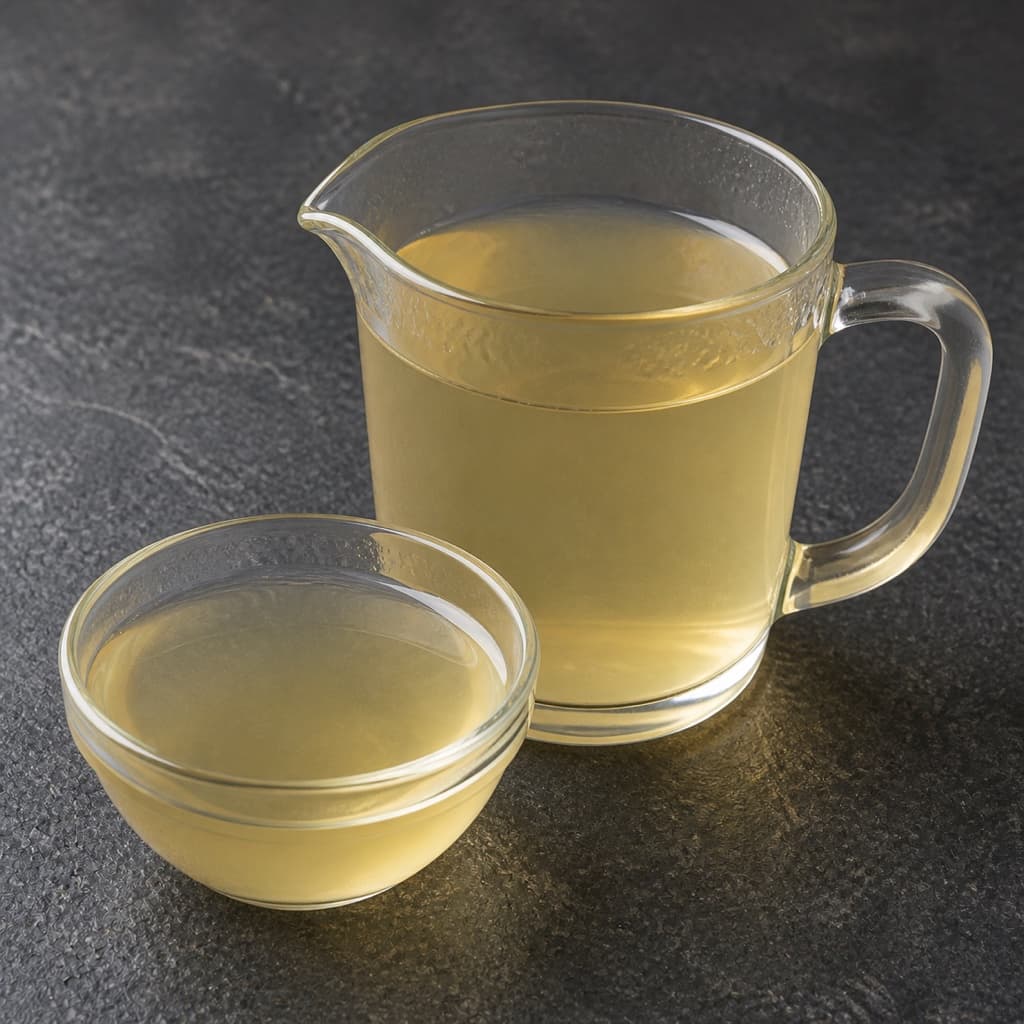
measured hot absorption liquid that starts the oven phase without cooling the pan
Note: Check stock for celery, wheat, soy, and salt; keep it at a boil immediately before adding.
Swap: 525 ml water plus an appropriate amount of low-sodium chicken stock powder
Melbourne
Nearby supermarketsSearch ColesSearch WoolworthsFind an ALDIFind an IGASearch TozerbaSearch Asian PantryToko NusantaraThese links open searches, catalogues, or store locators. Check the exact form and local availability there.
Jakarta
Nearby supermarketsSuper Indo locationsRanch Market outletsHypermart onlinePasar Jaya networkSearch SayurboxSearch TokopediaSearch ShopeeOpen GrabMartThese links open searches, catalogues, or store locators. Check the exact form and local availability there.
optional measured moisture only if the centre grains remain chalky after covered baking
Note: Do not add automatically; excess water prevents the edge from crisping.
Melbourne
Nearby supermarketsSearch ColesSearch WoolworthsFind an ALDIFind an IGASearch TozerbaSearch Asian PantryToko NusantaraThese links open searches, catalogues, or store locators. Check the exact form and local availability there.
Jakarta
Nearby supermarketsSuper Indo locationsRanch Market outletsHypermart onlinePasar Jaya networkSearch SayurboxSearch TokopediaSearch ShopeeOpen GrabMartThese links open searches, catalogues, or store locators. Check the exact form and local availability there.
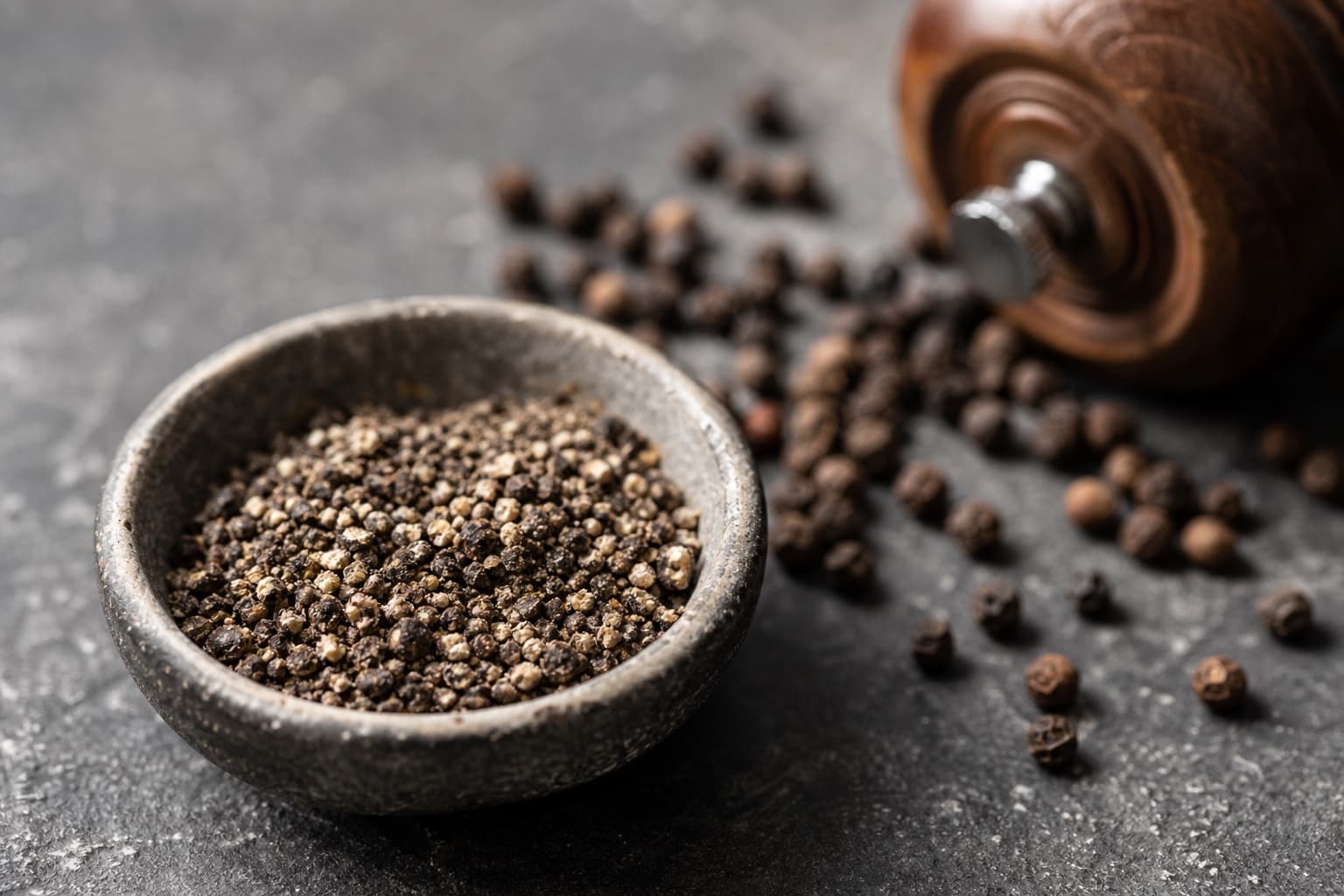
clean background heat on the chicken beneath the late sweet-spicy glaze
Melbourne
Nearby specialist grocersMr Dad CBD guideGuideSolAsia QV guideGuideSearch TozerbaSearch Asian PantryToko NusantaraSearch ColesSearch WoolworthsFind an ALDIFind an IGAThese links open searches, catalogues, or store locators. Check the exact form and local availability there.
Jakarta
Nearby specialist shopsSearch SayurboxSearch TokopediaSearch ShopeeOpen GrabMartSuper Indo locationsRanch Market outletsHypermart onlinePasar Jaya networkThese links open searches, catalogues, or store locators. Check the exact form and local availability there.
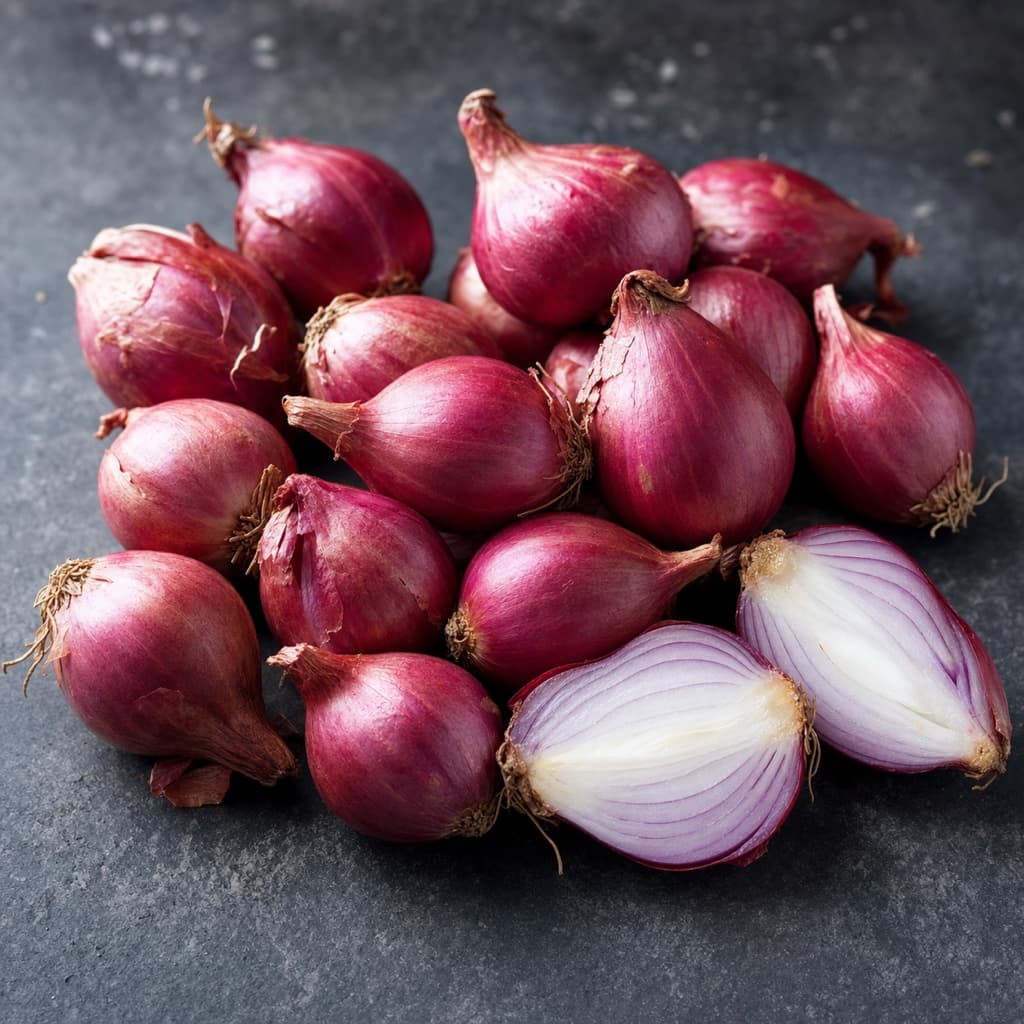
sweet aromatic foundation toasted in rendered chicken fat
Swap: 100 g red onion
Melbourne
Nearby produce marketsSearch ColesSearch WoolworthsFind an ALDIFind an IGASearch TozerbaSearch Asian PantryToko NusantaraThese links open searches, catalogues, or store locators. Check the exact form and local availability there.
Jakarta
Nearby produce marketsPasar Jaya networkSuper Indo locationsRanch Market outletsHypermart onlineSearch SayurboxSearch TokopediaSearch ShopeeOpen GrabMartThese links open searches, catalogues, or store locators. Check the exact form and local availability there.
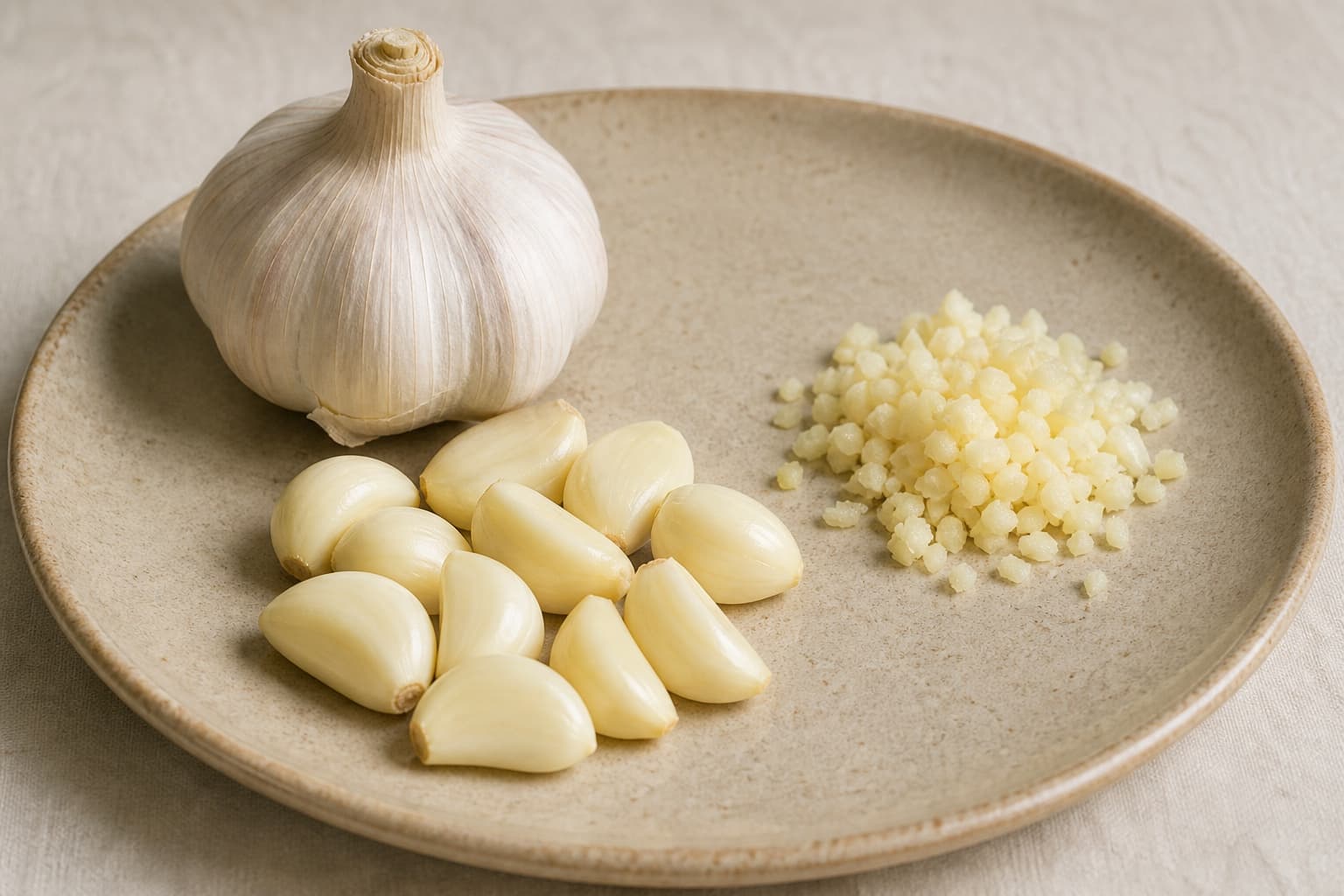
savoury aromatic kept pale before the rice and stock enter
Melbourne
Nearby produce marketsSearch ColesSearch WoolworthsFind an ALDIFind an IGASearch TozerbaSearch Asian PantryToko NusantaraThese links open searches, catalogues, or store locators. Check the exact form and local availability there.
Jakarta
Nearby produce marketsPasar Jaya networkSuper Indo locationsRanch Market outletsHypermart onlineSearch SayurboxSearch TokopediaSearch ShopeeOpen GrabMartThese links open searches, catalogues, or store locators. Check the exact form and local availability there.
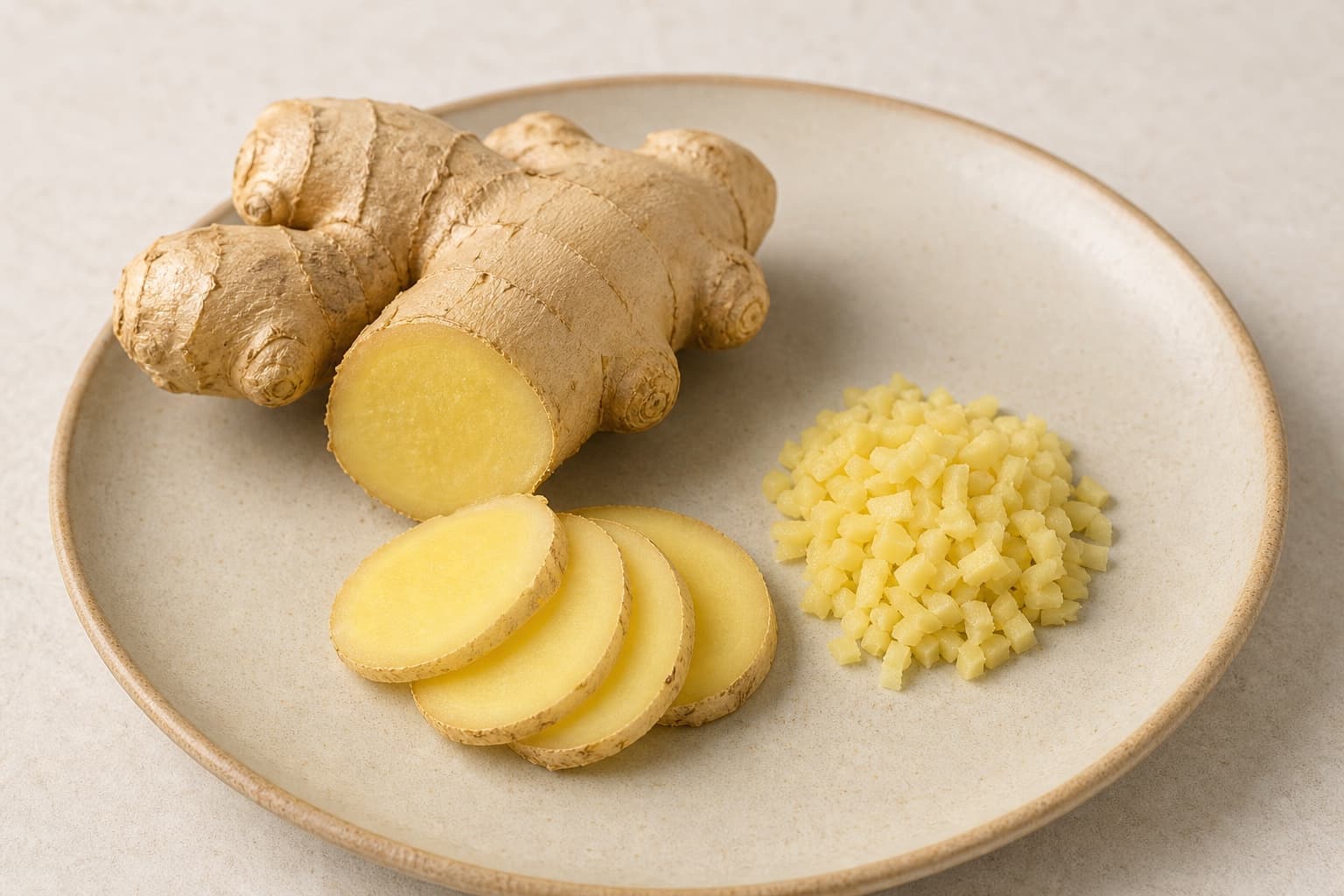
warm fresh root aroma through the kecap-seasoned rice
Melbourne
Nearby produce marketsSearch ColesSearch WoolworthsFind an ALDIFind an IGASearch TozerbaSearch Asian PantryToko NusantaraThese links open searches, catalogues, or store locators. Check the exact form and local availability there.
Jakarta
Nearby produce marketsPasar Jaya networkSuper Indo locationsRanch Market outletsHypermart onlineSearch SayurboxSearch TokopediaSearch ShopeeOpen GrabMartThese links open searches, catalogues, or store locators. Check the exact form and local availability there.
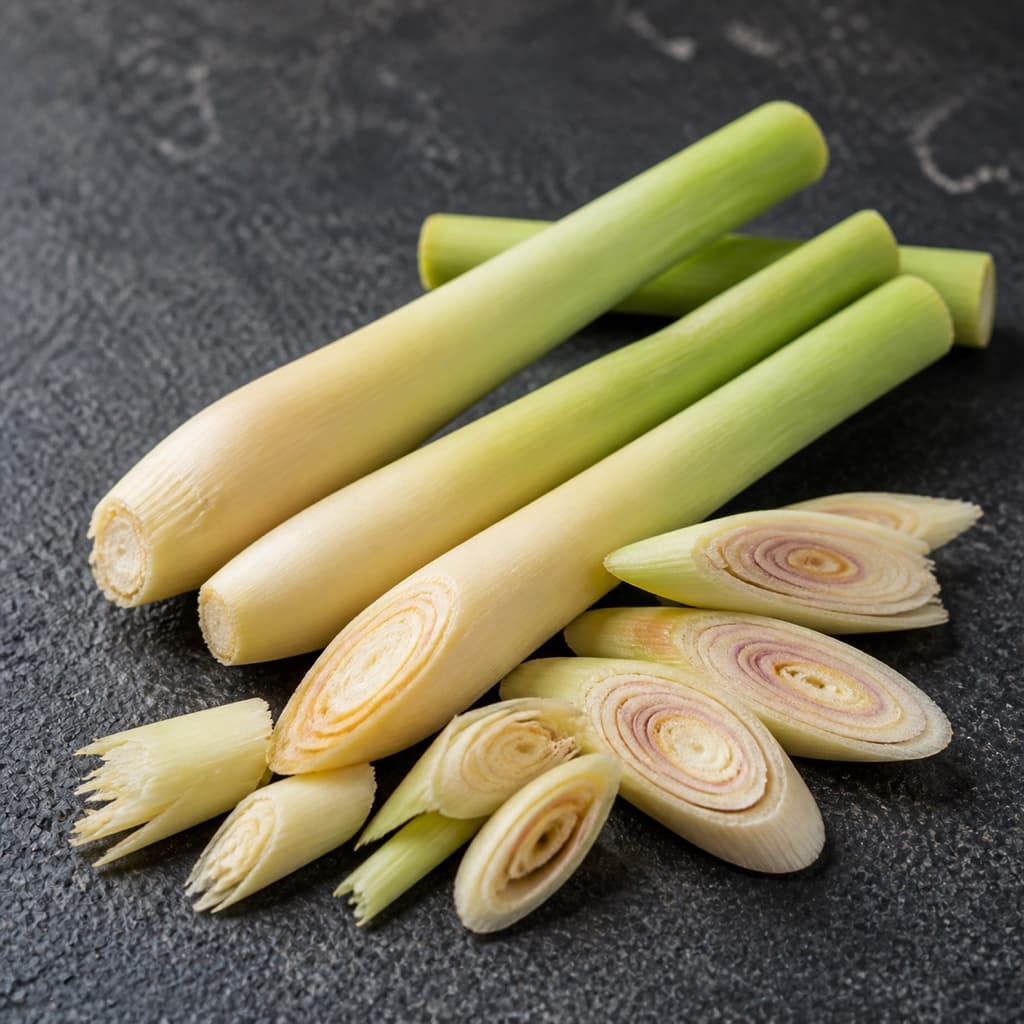
fine citrus-grass lift that disperses through the toasted rice
Note: Use only the tender inner core; woody rings stay unpleasantly fibrous.
Melbourne
Nearby produce marketsSearch ColesSearch WoolworthsFind an ALDIFind an IGASearch TozerbaSearch Asian PantryToko NusantaraThese links open searches, catalogues, or store locators. Check the exact form and local availability there.
Jakarta
Nearby produce marketsPasar Jaya networkSuper Indo locationsRanch Market outletsHypermart onlineSearch SayurboxSearch TokopediaSearch ShopeeOpen GrabMartThese links open searches, catalogues, or store locators. Check the exact form and local availability there.
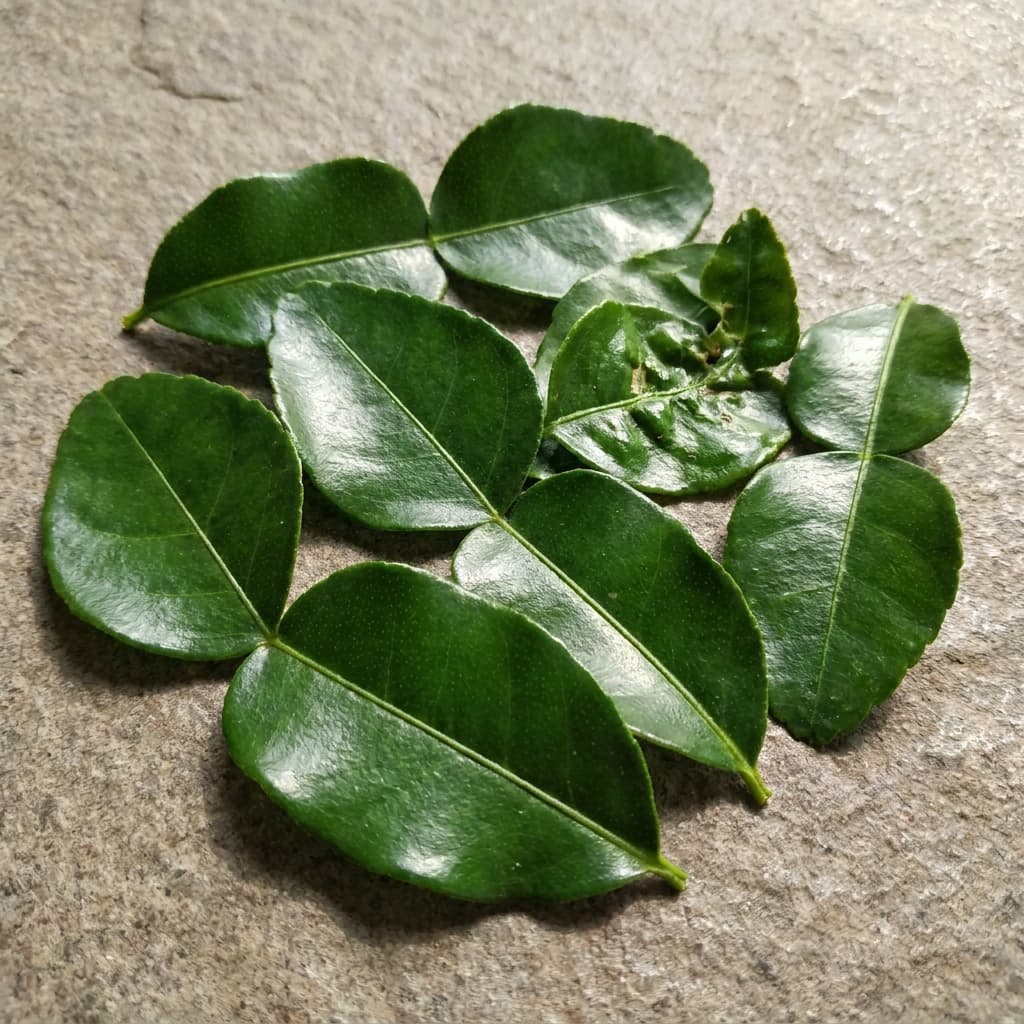
floral Indonesian citrus cue infused into the covered bake
Swap: frozen leaves before dried; omit rather than using bay leaf
Melbourne
Nearby produce marketsSearch ColesSearch WoolworthsFind an ALDIFind an IGASearch TozerbaSearch Asian PantryToko NusantaraThese links open searches, catalogues, or store locators. Check the exact form and local availability there.
Jakarta
Nearby produce marketsPasar Jaya networkSuper Indo locationsRanch Market outletsHypermart onlineSearch SayurboxSearch TokopediaSearch ShopeeOpen GrabMartThese links open searches, catalogues, or store locators. Check the exact form and local availability there.
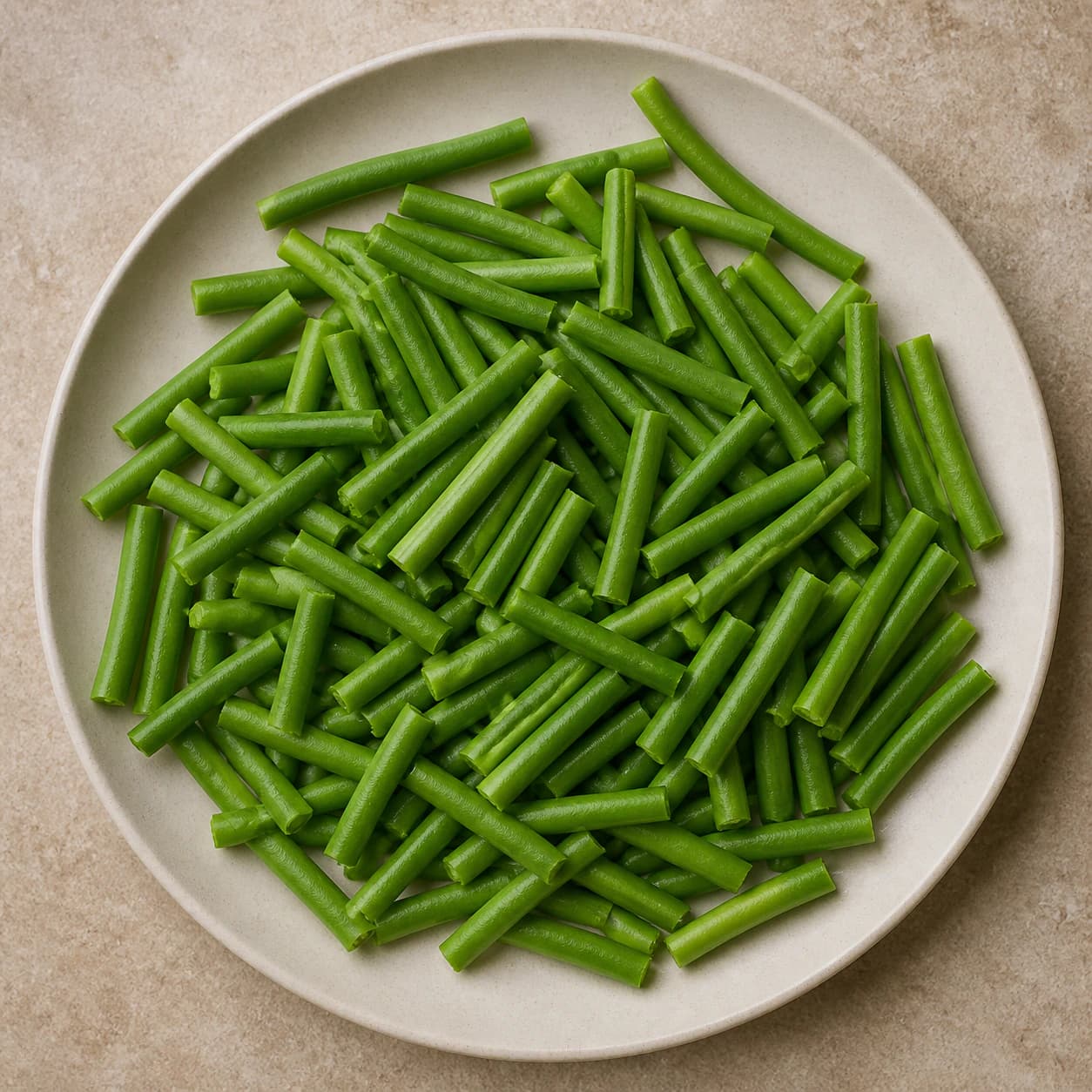
fresh green contrast roasted only during the uncovered phase
Swap: 200 g broccolini cut into 6 cm lengths
Melbourne
Nearby produce marketsSearch ColesSearch WoolworthsFind an ALDIFind an IGASearch TozerbaSearch Asian PantryToko NusantaraThese links open searches, catalogues, or store locators. Check the exact form and local availability there.
Jakarta
Nearby produce marketsPasar Jaya networkSuper Indo locationsRanch Market outletsHypermart onlineSearch SayurboxSearch TokopediaSearch ShopeeOpen GrabMartThese links open searches, catalogues, or store locators. Check the exact form and local availability there.
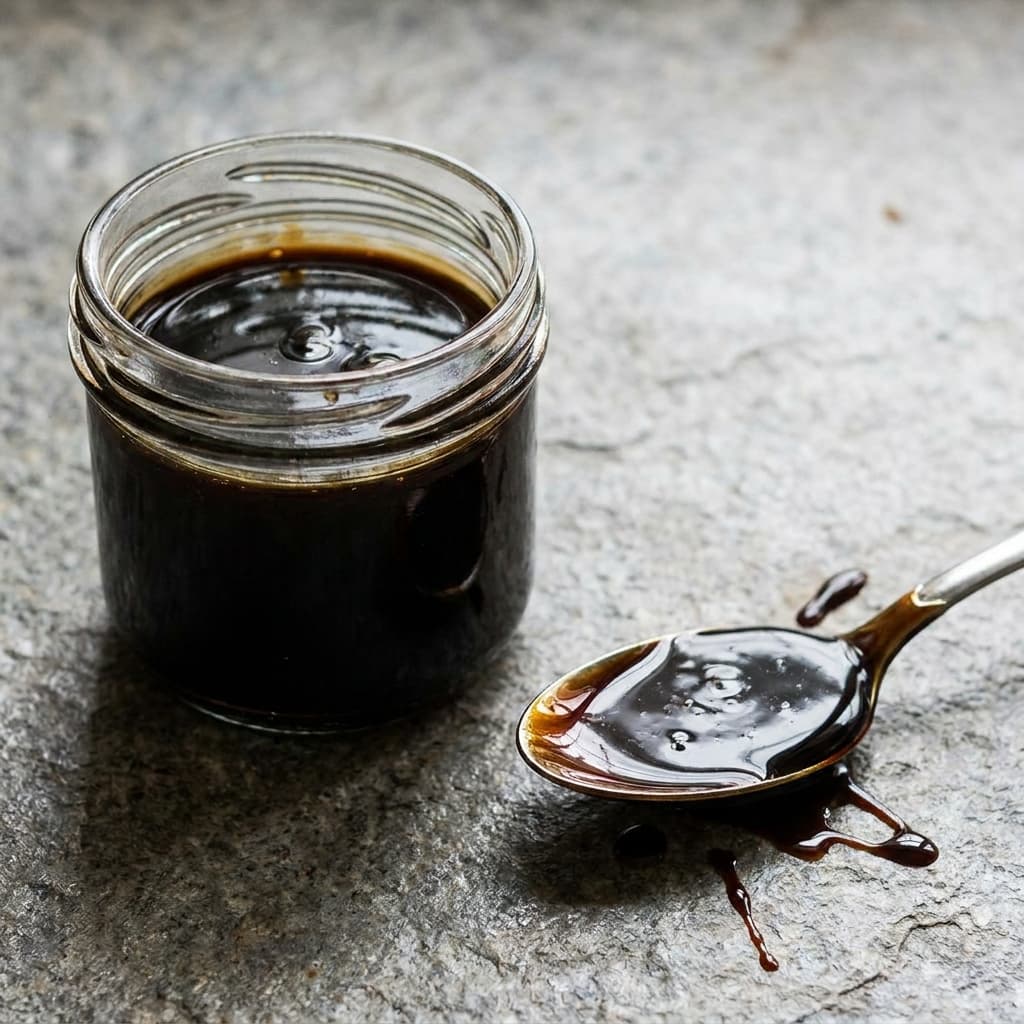
sweet fermented soy depth in the rice plus a controlled late glaze on the chicken
Note: Contains soy and usually wheat. Its sugar burns during an early sear, so keep the skin glaze for the late oven stage.
Swap: certified gluten-free sweet soy sauce for a gluten-free label path
Melbourne
Nearby specialist grocersMr Dad CBD guideGuideSolAsia QV guideGuideSearch TozerbaSearch Asian PantryToko NusantaraSearch ColesSearch WoolworthsFind an ALDIFind an IGAThese links open searches, catalogues, or store locators. Check the exact form and local availability there.
Jakarta
Nearby specialist shopsSearch SayurboxSearch TokopediaSearch ShopeeOpen GrabMartSuper Indo locationsRanch Market outletsHypermart onlinePasar Jaya networkThese links open searches, catalogues, or store locators. Check the exact form and local availability there.
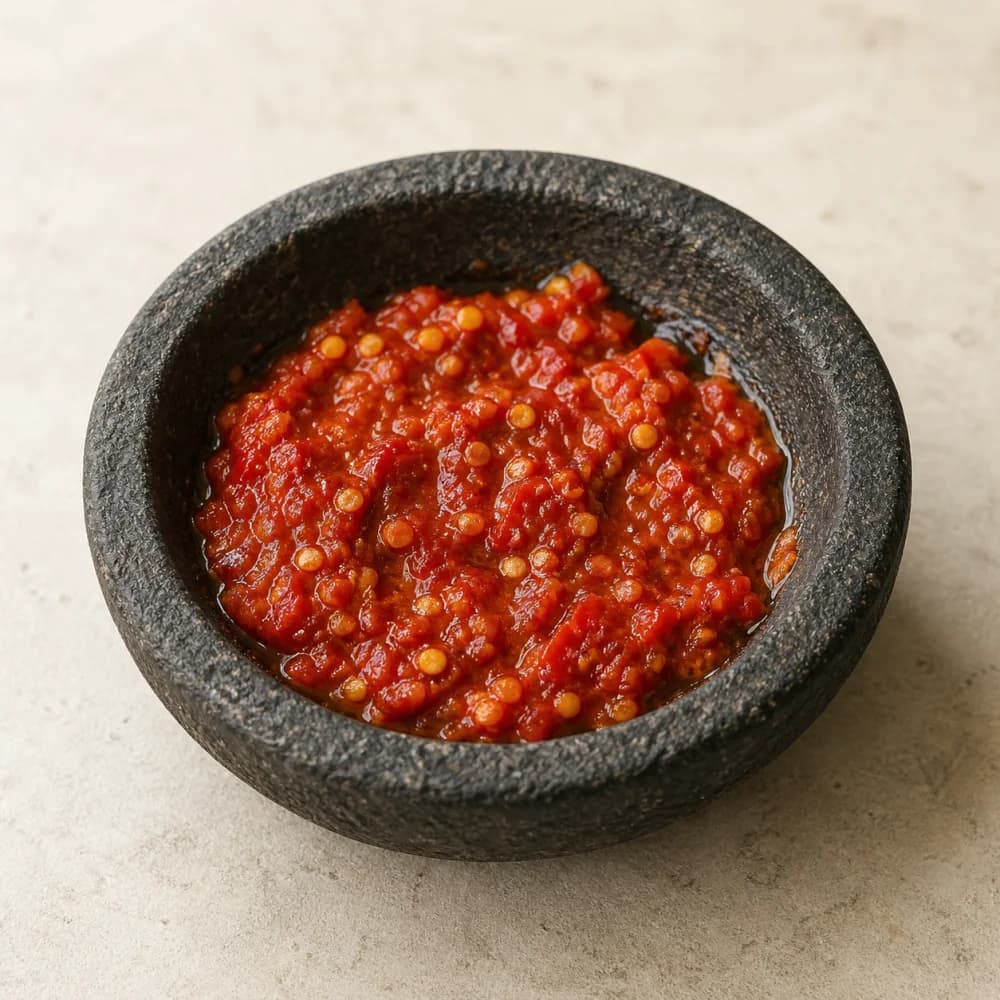
direct chilli-garlic savour in the rice and a lacquered late glaze
Note: Packaged sambal can contain wheat, shrimp, preservatives, or substantial salt; read the exact label.
Swap: 10–15 g for a mild family version, with the remainder served at the table
Melbourne
Nearby specialist grocersMr Dad CBD guideGuideSolAsia QV guideGuideSearch TozerbaSearch Asian PantryToko NusantaraSearch ColesSearch WoolworthsFind an ALDIFind an IGAThese links open searches, catalogues, or store locators. Check the exact form and local availability there.
Jakarta
Nearby specialist shopsSearch SayurboxSearch TokopediaSearch ShopeeOpen GrabMartSuper Indo locationsRanch Market outletsHypermart onlinePasar Jaya networkThese links open searches, catalogues, or store locators. Check the exact form and local availability there.
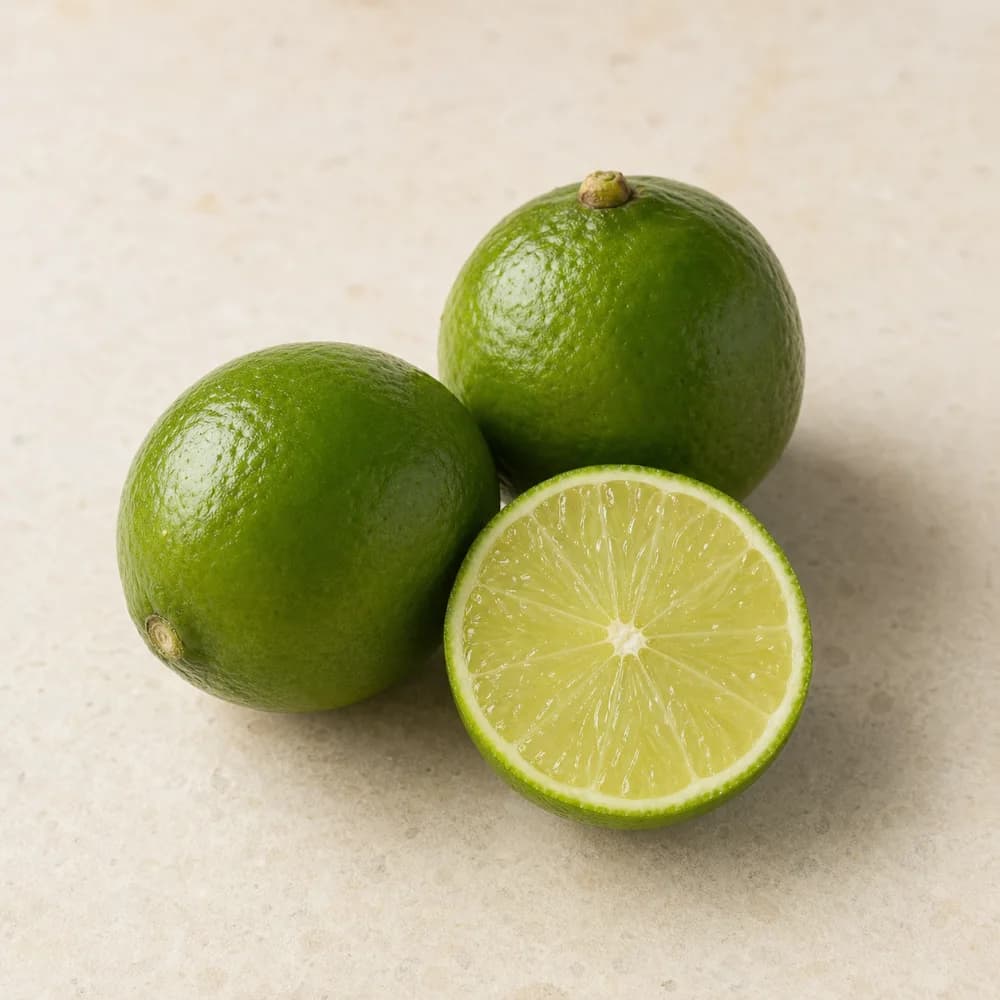
fresh juice over the finished rice and wedges for individual balance
Melbourne
Nearby produce marketsSearch ColesSearch WoolworthsFind an ALDIFind an IGASearch TozerbaSearch Asian PantryToko NusantaraThese links open searches, catalogues, or store locators. Check the exact form and local availability there.
Jakarta
Nearby produce marketsPasar Jaya networkSuper Indo locationsRanch Market outletsHypermart onlineSearch SayurboxSearch TokopediaSearch ShopeeOpen GrabMartThese links open searches, catalogues, or store locators. Check the exact form and local availability there.
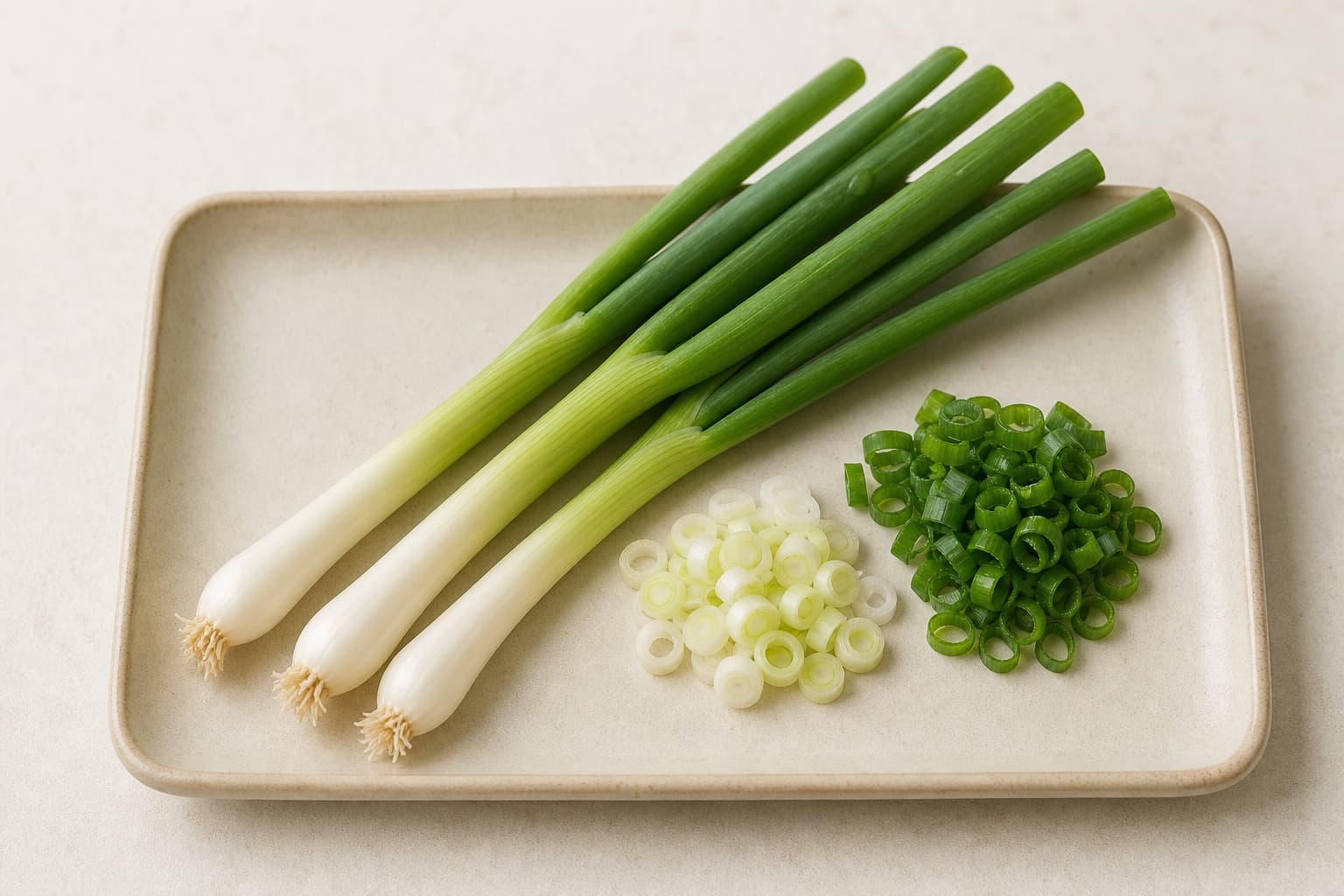
fresh green onion contrast added only after the crisp edge forms
Melbourne
Nearby produce marketsSearch ColesSearch WoolworthsFind an ALDIFind an IGASearch TozerbaSearch Asian PantryToko NusantaraThese links open searches, catalogues, or store locators. Check the exact form and local availability there.
Jakarta
Nearby produce marketsPasar Jaya networkSuper Indo locationsRanch Market outletsHypermart onlineSearch SayurboxSearch TokopediaSearch ShopeeOpen GrabMartThese links open searches, catalogues, or store locators. Check the exact form and local availability there.
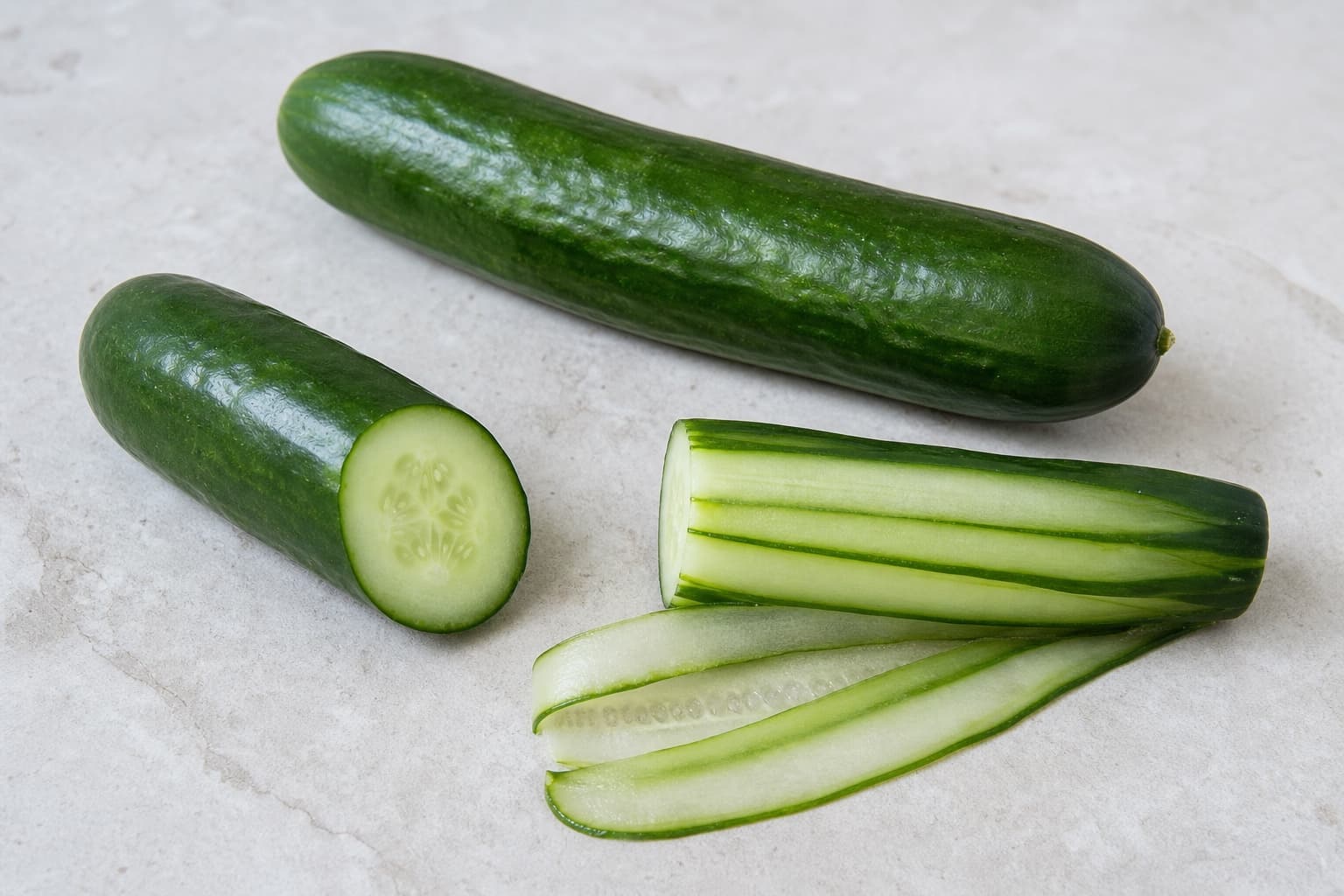
cool crisp garnish that never steams inside the rice pan
Melbourne
Nearby produce marketsSearch ColesSearch WoolworthsFind an ALDIFind an IGASearch TozerbaSearch Asian PantryToko NusantaraThese links open searches, catalogues, or store locators. Check the exact form and local availability there.
Jakarta
Nearby produce marketsPasar Jaya networkSuper Indo locationsRanch Market outletsHypermart onlineSearch SayurboxSearch TokopediaSearch ShopeeOpen GrabMartThese links open searches, catalogues, or store locators. Check the exact form and local availability there.
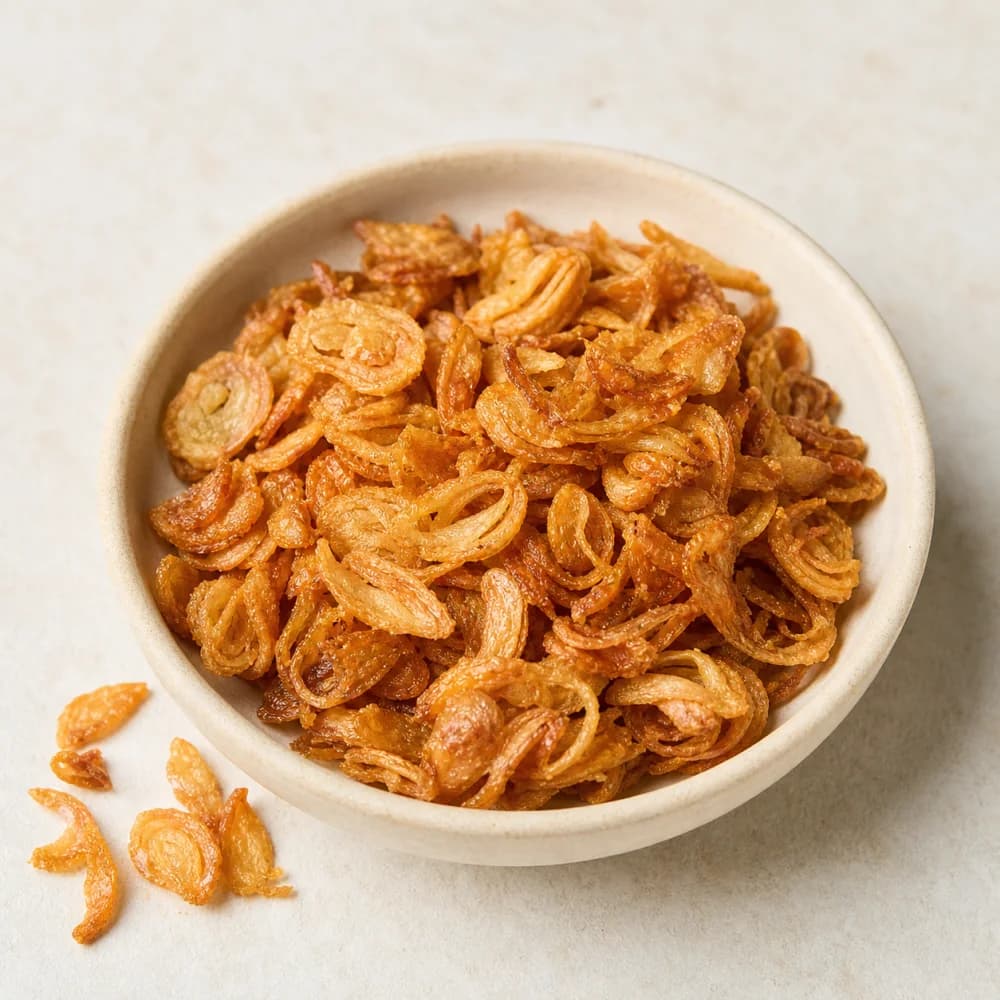
dry aromatic crunch that echoes the shallot base without softening the rice
Note: Check packaged fried shallots for wheat, allergen cross-contact, freshness, and rancid oil.
Melbourne
Nearby produce marketsSearch ColesSearch WoolworthsFind an ALDIFind an IGASearch TozerbaSearch Asian PantryToko NusantaraThese links open searches, catalogues, or store locators. Check the exact form and local availability there.
Jakarta
Nearby produce marketsPasar Jaya networkSuper Indo locationsRanch Market outletsHypermart onlineSearch SayurboxSearch TokopediaSearch ShopeeOpen GrabMartThese links open searches, catalogues, or store locators. Check the exact form and local availability there.
Calculated estimate · per serving
1 of 4 complete servings; includes one chicken thigh, crispy rice, vegetables, and finishing sauce
Calculated from the authored edible ingredient weights using representative AFCD Release 3 and USDA FoodData Central profiles, then divided by the recipe yield. Energy follows the FSANZ ingredient-contribution method. Optional serving accompaniments are excluded. The calculation divides four large skin-on thighs, all dry rice, stock, vegetables, kecap and sambal seasoning, aromatics, garnish, and measured oil across four plated servings.
Calculated estimate only, not a laboratory result or personalised dietary advice. Actual values vary with brands, produce, meat trim, substitutions, final serving size, and how much cooking or rendered oil is left in the pan or skimmed. Check packaged labels for allergens and sodium; consult an accredited practising dietitian or clinician for medical dietary needs. Thigh size and skin fat, rice brand and absorption, stock and kecap sodium, sambal brand, and rendered fat left in the skillet create the widest variation.
Reference data: Australian Food Composition Database · FSANZ calculation method · USDA FoodData Central · calculated 2026-07-15
Step-by-step method
Read the action and cue together. Move on when the food matches the cue.
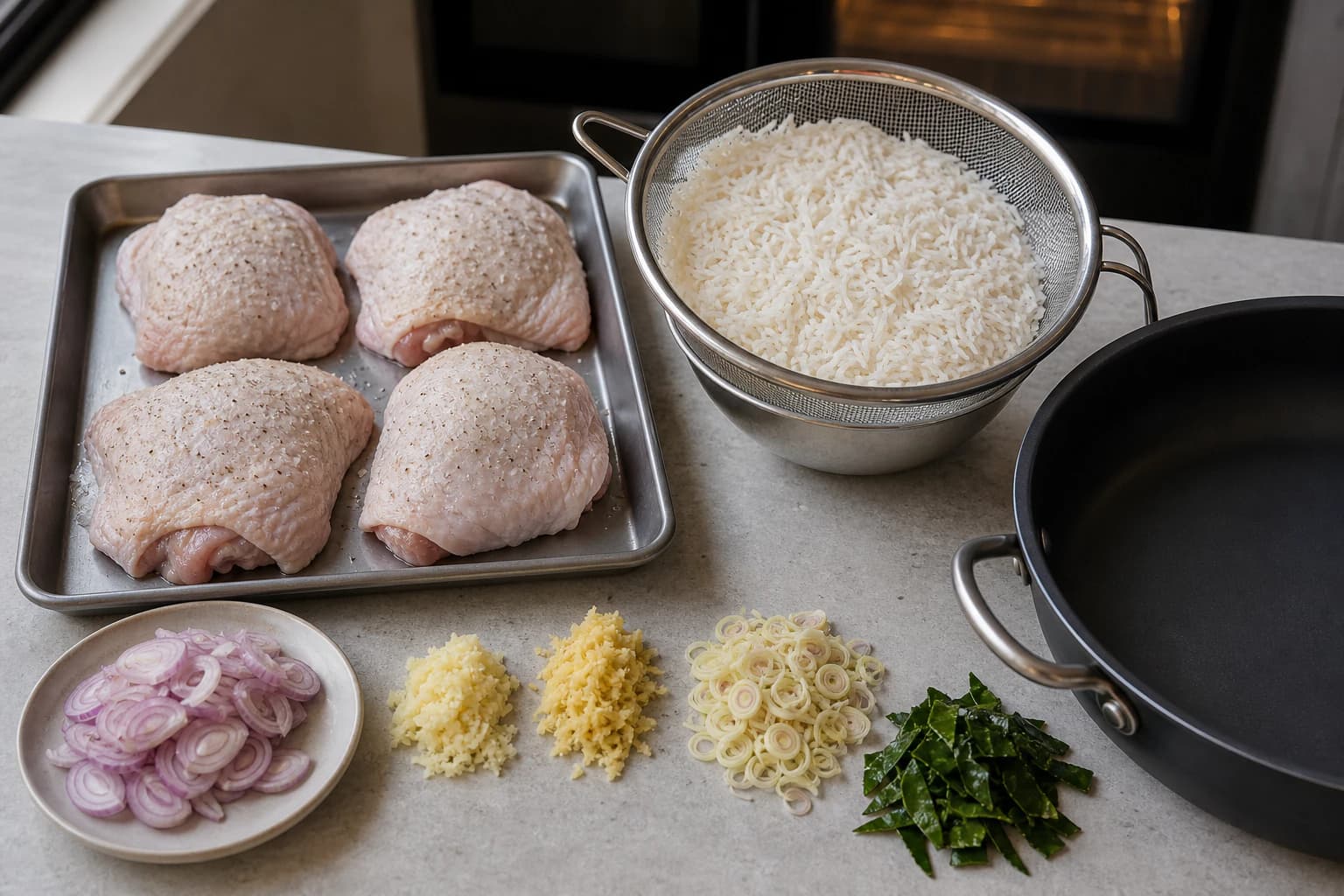
Heat a centre oven rack to 200°C fan or 220°C conventional. Do not wash the chicken. Pat every fold of skin dry, season with 6 g of the measured salt and all the black pepper, and stand uncovered for 15 minutes; reserve 4 g salt for the rice. Meanwhile rinse jasmine rice in four changes of cool water until the water is nearly clear, then drain in a fine sieve for at least 10 minutes. Slice shallots, grate garlic and ginger, slice only the tender lemongrass cores very finely, and tear the makrut leaves.
Common mistake: Surface water steams the skin and unmeasured rinse water throws off the stock ratio.
Recovery: Spread the food out, raise heat only after moisture drops, and hold back extra sauce until the pan is frying again.
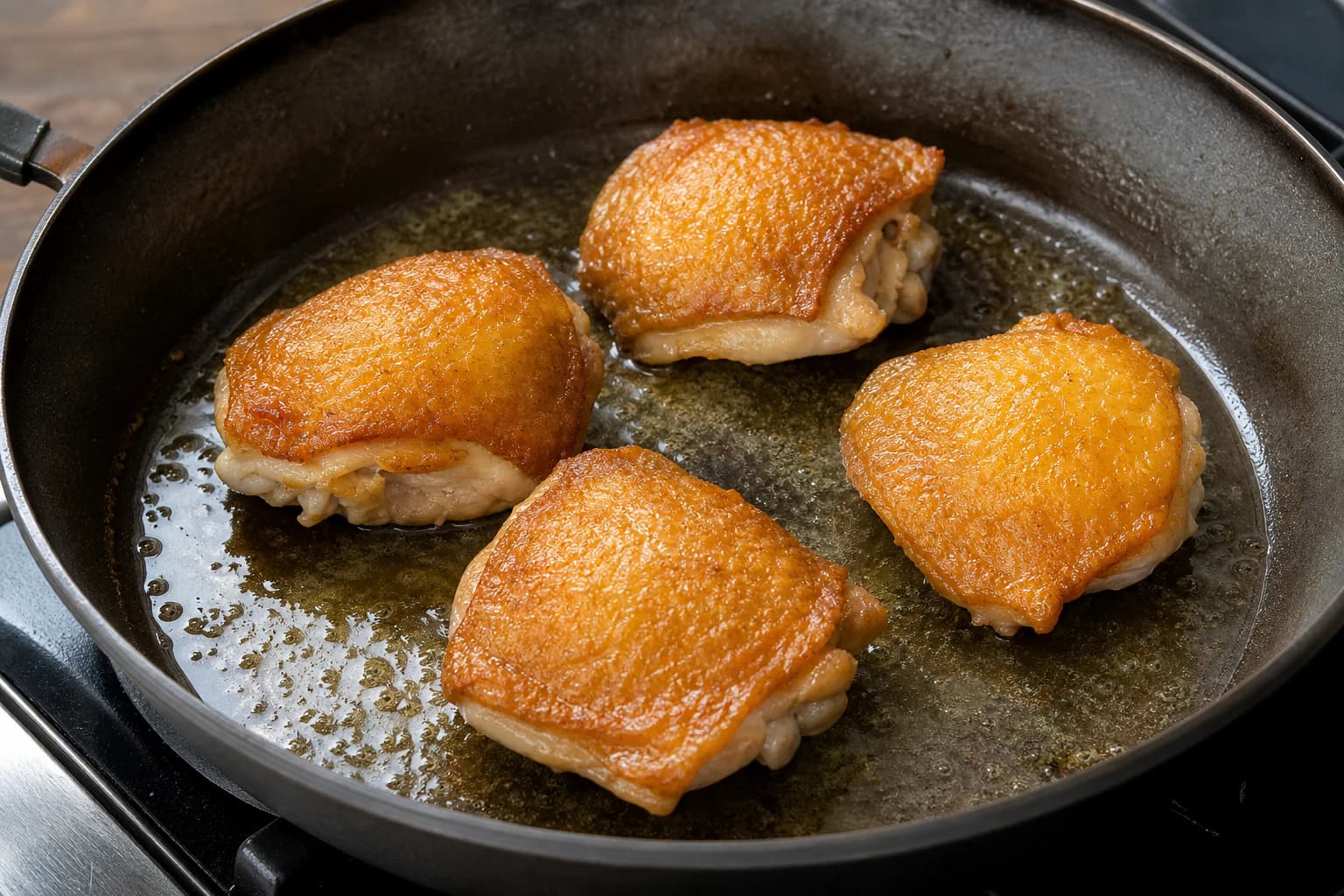
Put the dry ovenproof pan over medium heat, add the neutral oil, and immediately place the chicken skin-side down. Press each thigh for 30 seconds so the skin lies flat, then cook undisturbed for 7–9 minutes until amber and naturally released. Turn and cook the flesh side for 1 minute. Move the still-raw chicken to the raw-chicken plate; do not use that plate again after the thighs return to the pan.
Common mistake: Kecap in the early sear burns; fierce heat blackens skin before enough clean fat renders.
Recovery: Move the pan off heat, scrape only the unburnt paste into a clean spot, add a small splash of oil or liquid, and restart gently.
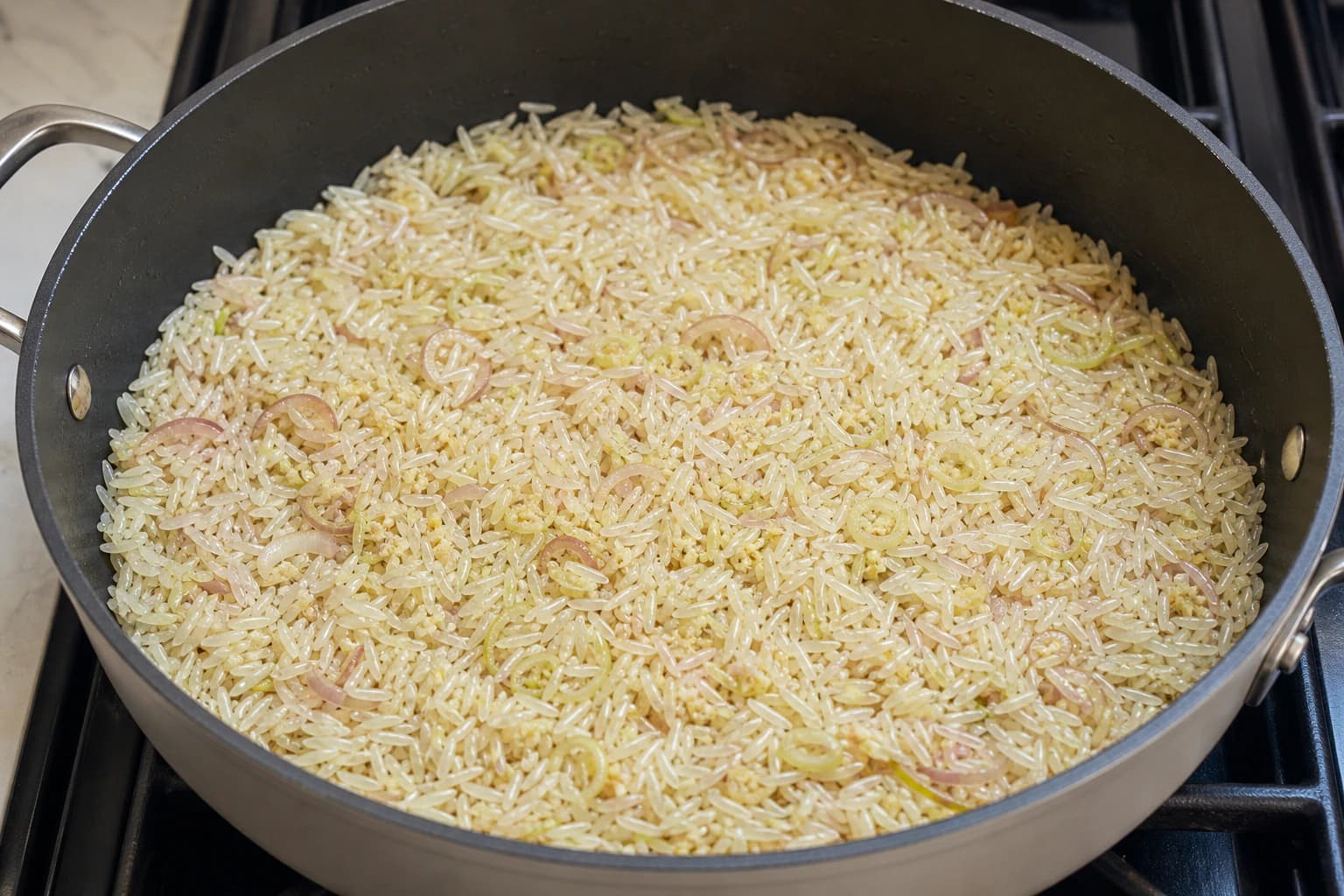
Pour rendered fat into a heatproof bowl, then return exactly 30 ml to the pan. Add shallots over medium and cook for 3 minutes until soft and pale gold. Add garlic, ginger, and lemongrass for 60 seconds. Add the fully drained rice and reserved 4 g salt; fold for 2 minutes until grains look glassy at the tips and every grain carries a thin coat of fat. Level the rice without compacting it.
Common mistake: Leaving all rendered fat makes greasy rice; browning garlic now makes the long bake bitter.
Recovery: Move the pan off heat, scrape only the unburnt paste into a clean spot, add a small splash of oil or liquid, and restart gently.
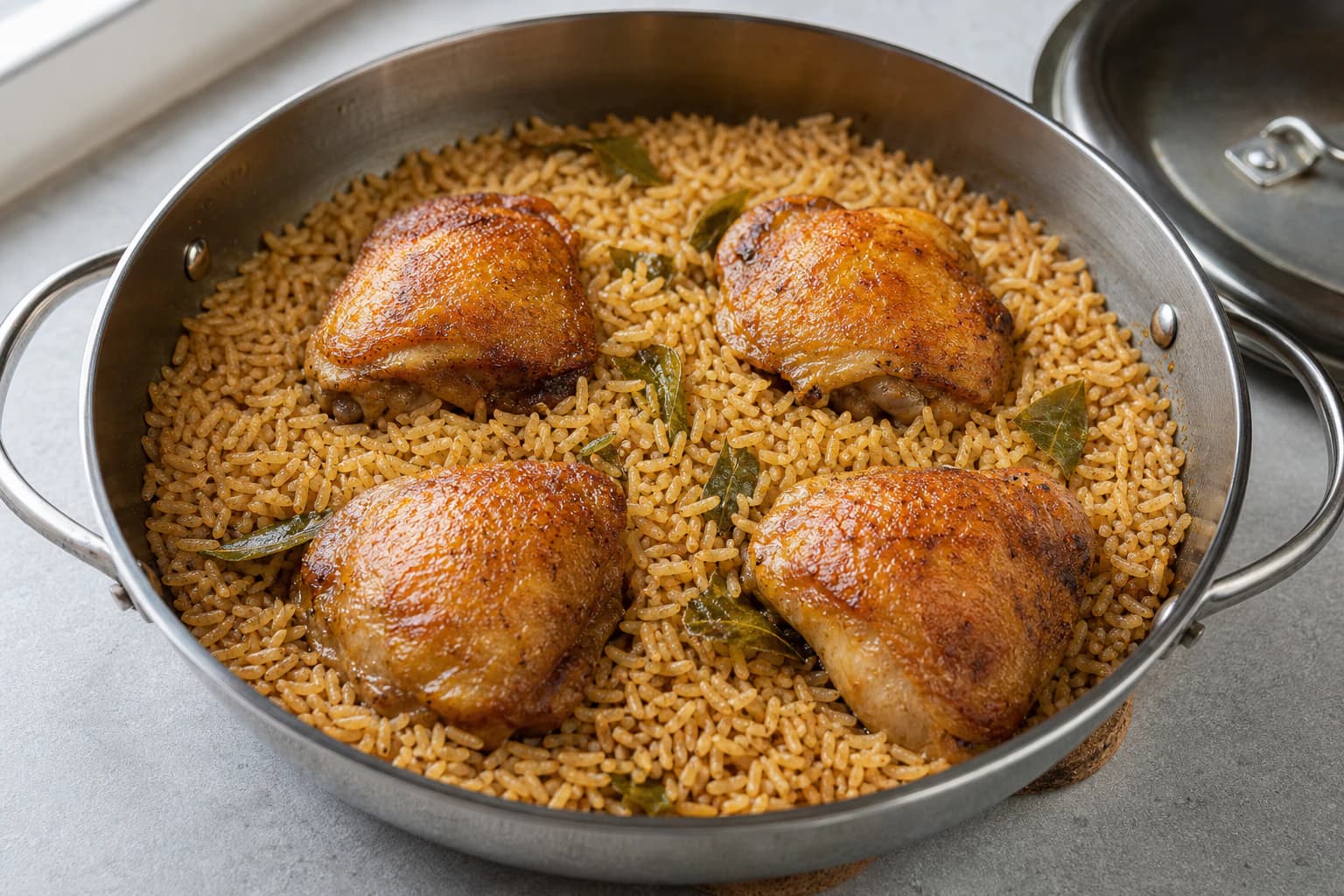
In the heatproof jug combine boiling stock, 30 ml of the measured kecap manis, and 15 g of the measured sambal; reserve 15 ml kecap and 10 g sambal for glazing. Pour the hot mixture evenly over the level rice, add torn makrut leaves, and scrape the pan base once. Bring to a full boil on the stove. Nestle chicken skin-side up without submerging the skin, cover tightly, and bake for 18 minutes. Wash and sanitise raw-chicken tools and the first plate now.
Common mistake: Cold stock delays absorption; stirring after the boil releases starch and prevents a continuous crisp edge.
Recovery: Lower the heat immediately, skim or stir gently, and continue at a small simmer until the surface calms.
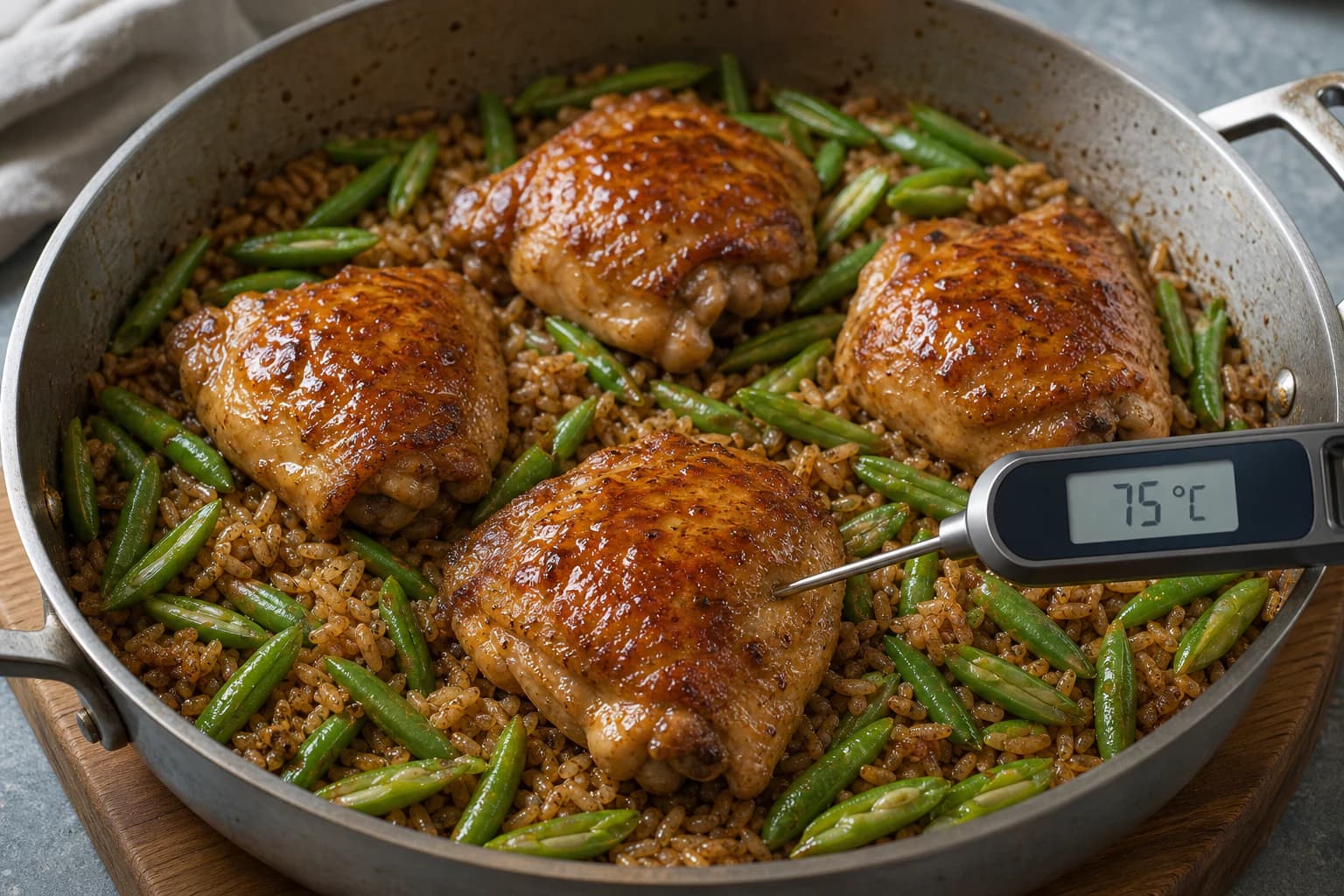
Uncover carefully away from the steam. Combine the reserved 15 ml kecap and 10 g sambal with 15 ml hot pan liquid, then brush a thin film over the chicken skin. Trim and halve the green beans and tuck them around, never over, the chicken. Bake uncovered for 10 minutes, then probe every thigh in the thickest meat beside the bone. Move each piece to the clean cooked-chicken plate only when it reaches at least 75°C; return any cooler piece for 3-minute intervals and recheck.
Common mistake: A thick glaze scorches; measuring only the hottest thigh can leave another unsafe.
Recovery: Stop and discard the unsafe ingredient. Restart with a prepared edible version from a trusted food supplier.
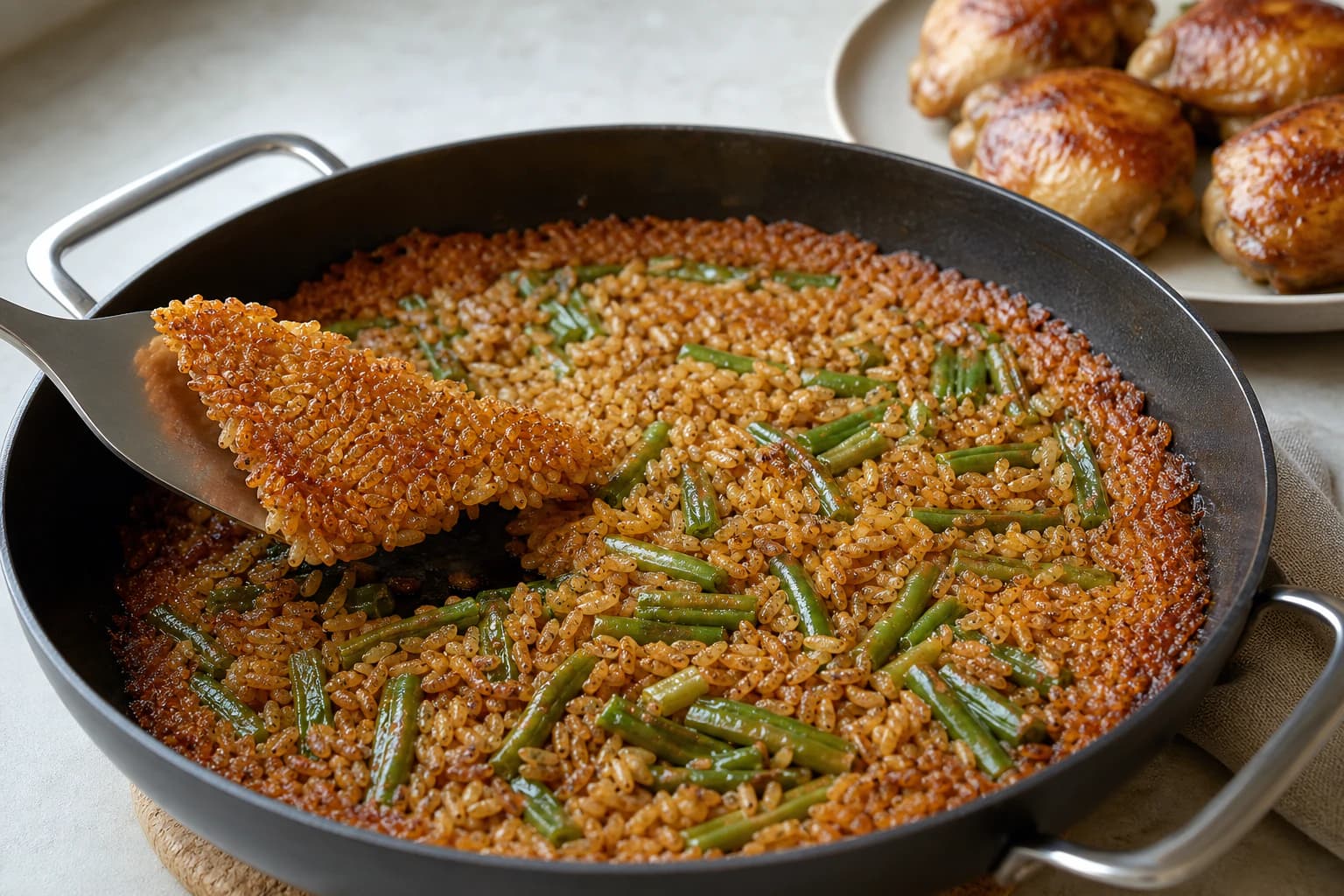
Rest the safe chicken uncovered. Increase the oven to 220°C fan or 240°C conventional and move the rice pan to the lower rack for 5–8 minutes. Listen for a faint frying crackle and test only one edge with a thin spatula; stop when it lifts as a rigid deep-golden shard. If the centre rice is still chalky before crisping, add 30 ml boiling water around the centre, cover, bake 5 minutes, then uncover and continue; use up to 60 ml water only as needed.
Common mistake: Repeated scraping destroys the forming crust; leaving safe chicken in during this stage dries it.
Recovery: Pause before the next step, compare the cue, then correct heat, moisture, or seasoning while the dish is still flexible.
Squeeze one lime over the rice, avoiding the crisp perimeter. Return chicken loosely on top and scatter sliced scallions and ready-to-eat fried shallots. Serve cucumber and the second lime in wedges alongside rather than covering the hot pan. For leftovers, transfer chicken and rice to separate shallow containers within 2 hours, refrigerate at 5°C or colder for up to 3 days, and reheat once to at least 75°C; expect a softer rice edge.
Common mistake: Covering the finished pan or piling wet cucumber over it erases both crisp textures within minutes.
Recovery: Spread the food out, raise heat only after moisture drops, and hold back extra sauce until the pan is frying again.
Fix problems
The active method already includes its most likely mistake and recovery. Open the reference library when your question falls outside the current step.
No. It is an original contemporary oven dish using Indonesian pantry cues: kecap manis, sambal, shallot, lemongrass, makrut lime leaf, and fried shallot. It is not a canonical named Indonesian preparation or a Michelin-awarded recipe.
Kecap contains substantial sugar and sambal solids scorch on the heat needed to render skin. Season the stock with most of each, then brush only a thin late glaze onto already-rendered skin.
For chalky centre grains, add 30 ml boiling water to the centre, cover, and bake 5 minutes before crisping. For wet rice, first remove any chicken that has reached 75°C, then bake uncovered until steam holes appear and the edge releases.
Yes, but the rice loses rendered fat and the visual crisp-skin cue. Brown boneless thighs briefly, retain all the measured oil, begin checking after 12 covered minutes, remove each piece at 75°C, and let the rice finish and crisp without the chicken.
Render crisp chicken skin, cook separate rice grains in measured stock, and build brittle kecap-darkened edges without taking the chicken beyond its safe endpoint. Look for glazed crisp-skinned chicken beside a lifted shard of deep-golden rice crust and separate centre grains: Every thigh reads at least 75°C beside the bone; after the chicken rests, the rice perimeter is deep gold, dry, and lifts in rigid shards.
Surface water steams the skin and unmeasured rinse water throws off the stock ratio. Spread the food out, raise heat only after moisture drops, and hold back extra sauce until the pan is frying again.
Scale the measured ingredients with the serving count, then scale the vessel or work in batches. Keep the same visual finish - glazed crisp-skinned chicken beside a lifted shard of deep-golden rice crust and separate centre grains - rather than forcing the original timer.
bone-in skin-on chicken thighs: 6 smaller bone-in skin-on thighs of equal total weight, checked individually for doneness; neutral cooking oil: rice-bran, canola, sunflower, or vegetable oil; Asian red shallots: 100 g red onion; makrut lime leaves: frozen leaves before dried; omit rather than using bay leaf
bone-in skin-on chicken thighs: Keep at 5°C or colder, do not wash raw chicken, prevent cross-contamination, and cook every thigh to at least 75°C beside the bone.; dry jasmine rice: Do not use par-cooked packet rice or replace by volume with brown rice; absorption and timing differ.; lemongrass, tender white inner part: Use only the tender inner core; woody rings stay unpleasantly fibrous.; low-sodium chicken stock, boiling: Check stock for celery, wheat, soy, and salt; keep it at a boil immediately before adding.
Drain wet components well, keep the pan hot, and add sauce only after the main ingredient is hot. If the pan steams, spread the food out and pause extra sauce.
Recipe sourcing hand-off
This page keeps only the dish-specific brief. The complete aisle list, Bahasa names, dated store evidence, optional distance sorting, and map routes live in the connected shopping and city guides.
Ask a high-turnover butcher, poultry shop, market counter, or supermarket for four similar-size bone-in skin-on thighs. Equal thickness matters for simultaneous 75°C timing; packaged skinless thigh cannot deliver the authored crisp-skin cue.
Open the Melbourne sourcing guideAsk a trusted pasar poultry seller for four similar paha atas ayam utuh dengan kulit, or use a reliable supermarket chilled counter. Keep the cold chain and do not let raw-chicken packaging contact cucumber or garnish.
Open the Jakarta sourcing guideFlavour foundation
Chicken starts skin-side down so its fat becomes the rice-toasting medium. Sugary kecap stays out of the early sear, measured boiling stock starts the rice evenly, and safe chicken rests while a final uncovered oven blast dehydrates the pan edge.
Taste profile
Kecap manis, sambal, shallot, lemongrass, makrut lime leaf, and bawang goreng establish a recognisable Indonesian pantry direction. The one-pan covered-and-crisped oven technique is a contemporary synthesis, not a canonical named Indonesian rice dish.
Cook plan
Versions
Diet & allergens
Dietary notes: dairy-free, nut-free, halal-friendly with certified chicken and stock, gluten-free label path.
Contains or may contain: soy, wheat/gluten depending on kecap manis, sambal, and stock, shellfish depending on the sambal label, celery may occur in stock.
Check packaged-ingredient labels and cross-contamination advice for the brands you use.
Budget
Planning estimate only - not live or locally verified pricing
What belongs where
The ingredient list is organised for shopping; this map reorganises the same recipe by cooking function so you know what belongs in the pot and what stays separate.
shallot, garlic, ginger, lemongrass, makrut lime leaf, kecap manis, sambal oelek
limes, scallions, Lebanese cucumber, ready-to-eat fried shallots
Storage notes are conservative home-kitchen guidance. Chill perishable food within 2 hours, keep it at 5°C or colder, and follow local food-safety and package directions when they are stricter.
Sources & evidence
Sources support the specific technique or safety point stated below.
Cross-checks the transferable one-pan method of browning skin-on chicken, blooming aromatics, coating raw rice in the pan, adding measured hot liquid, and finishing uncovered for crisp skin and cooked rice.
Boundary: Bumbu Lens uses a clearly labelled contemporary Indonesian-inspired ginger, kecap, and sambal direction. It is an original weeknight synthesis, not a traditional named regional dish.Recorded as a local editorial or generated visual cue asset, not an independent external source.
Boundary: A local or generated asset is visual guidance, not evidence of authenticity, ingredient quantities, timing, safety, or method accuracy.Applies the Australian consumer guidance to cook all poultry and minced meat to at least 75°C in the centre and to keep raw-meat tools separate from ready-to-eat garnishes.
Boundary: Colour, clear juices, wrapper translucency, and elapsed time do not replace a clean probe reading in the thickest or largest test piece.Treats cooked rice as potentially hazardous food: keep it at 5°C or colder or 60°C or hotter, and minimise time between those temperatures.
Boundary: Crisp texture does not establish safe storage. Cool leftovers promptly in shallow containers and reheat only the amount being served.Next cooks
Recipes here share ingredients, bumbu logic, region, spice level, or weeknight patterns so the next cook reuses what you just learned.
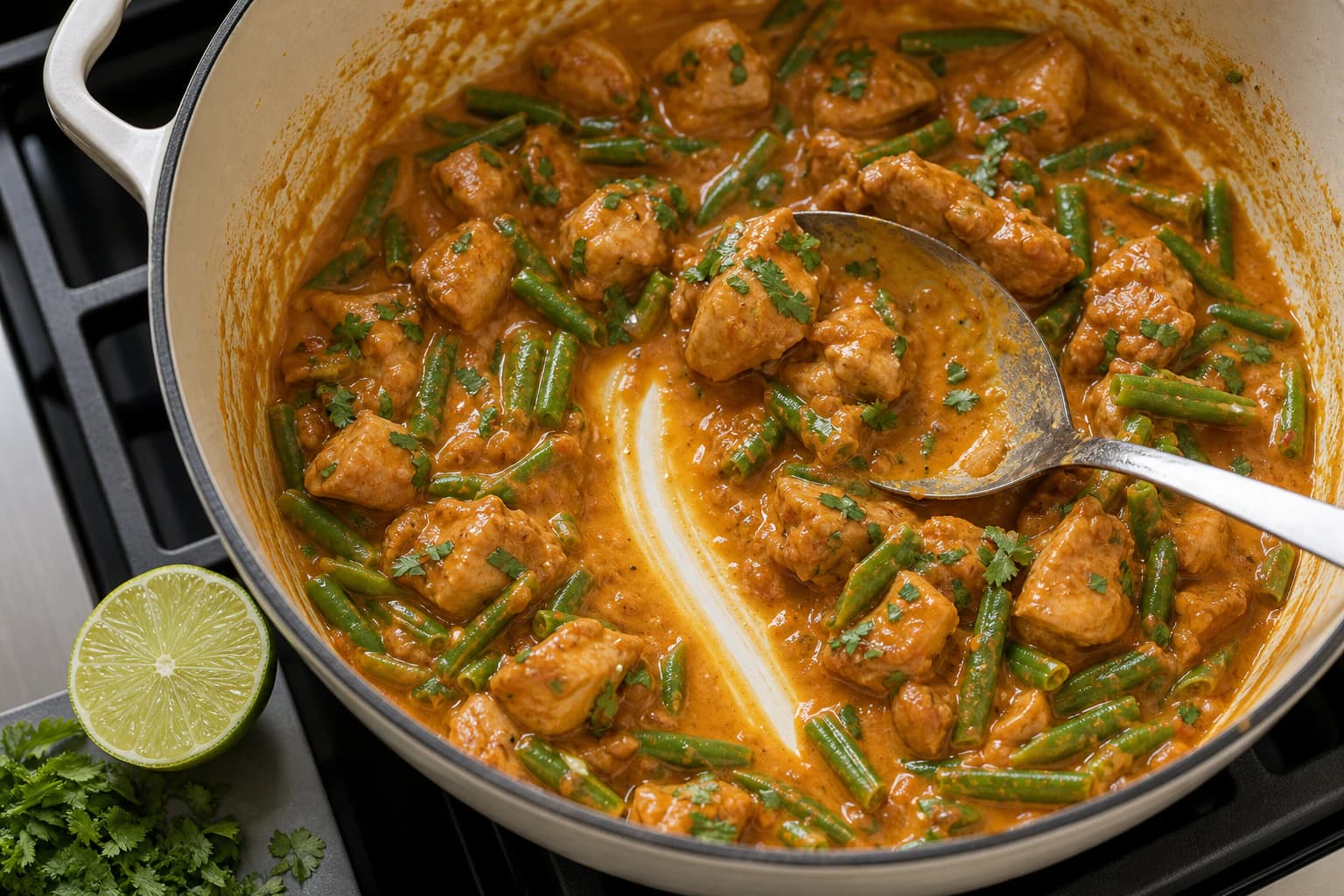 Melbourne / contemporary weeknight · BeginnerOne-Pot Chicken CurryTurn a supermarket curry-powder shortcut into a layered, glossy sauce without drying the chicken or leaving raw spice grit.
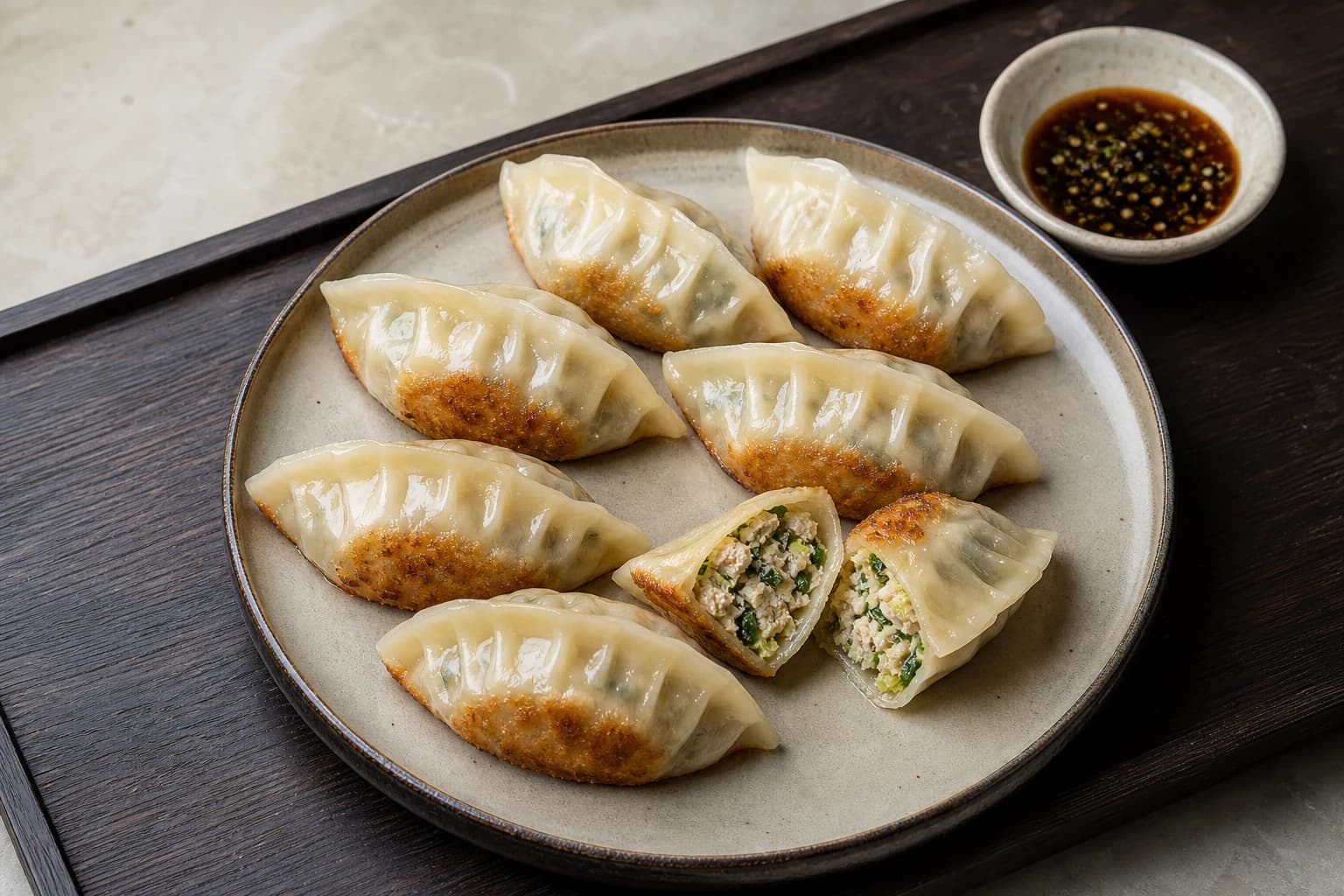 Korea / home-style gogi mandu · IntermediateHomemade Pork ManduSeal juicy pork filling inside thin mandu skins without wet seams or raw centres.
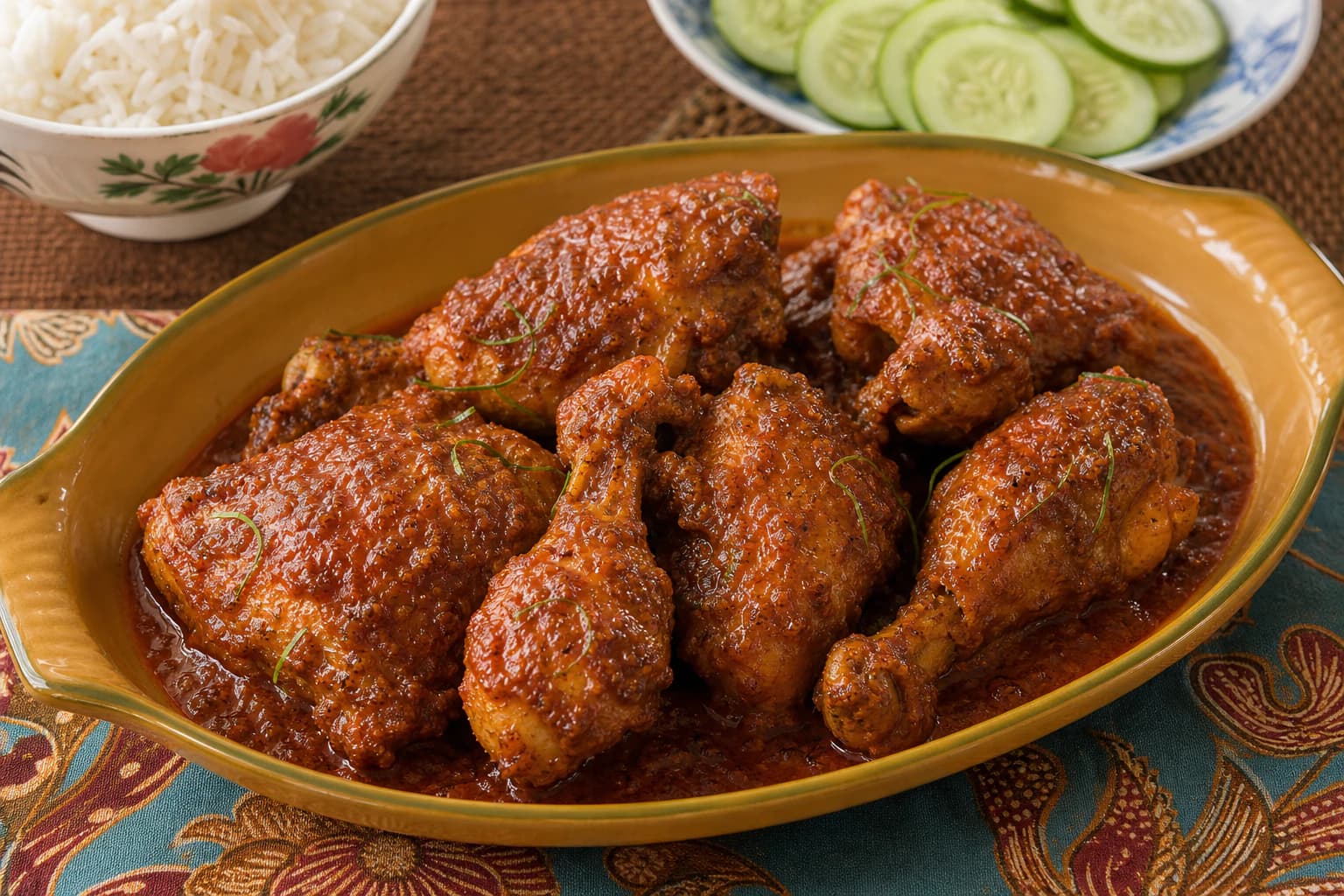 Penang / Peranakan Nyonya · IntermediatePenang Nyonya Kari KapitanCook the rempah past its raw stage, bring every chicken piece to 75°C, and reduce the sauce until it lacquers rather than floods the plate.
 China / home-style · IntermediateChinese Tomato Beef StewKnow when the beef is truly spoon-tender while keeping the tomato sauce glossy, not watery.
 Contemporary British technique · IntermediateUltra-Crispy Smashed PotatoesBuild a brittle, craggy golden shell around a genuinely fluffy centre without needing a deep fryer.
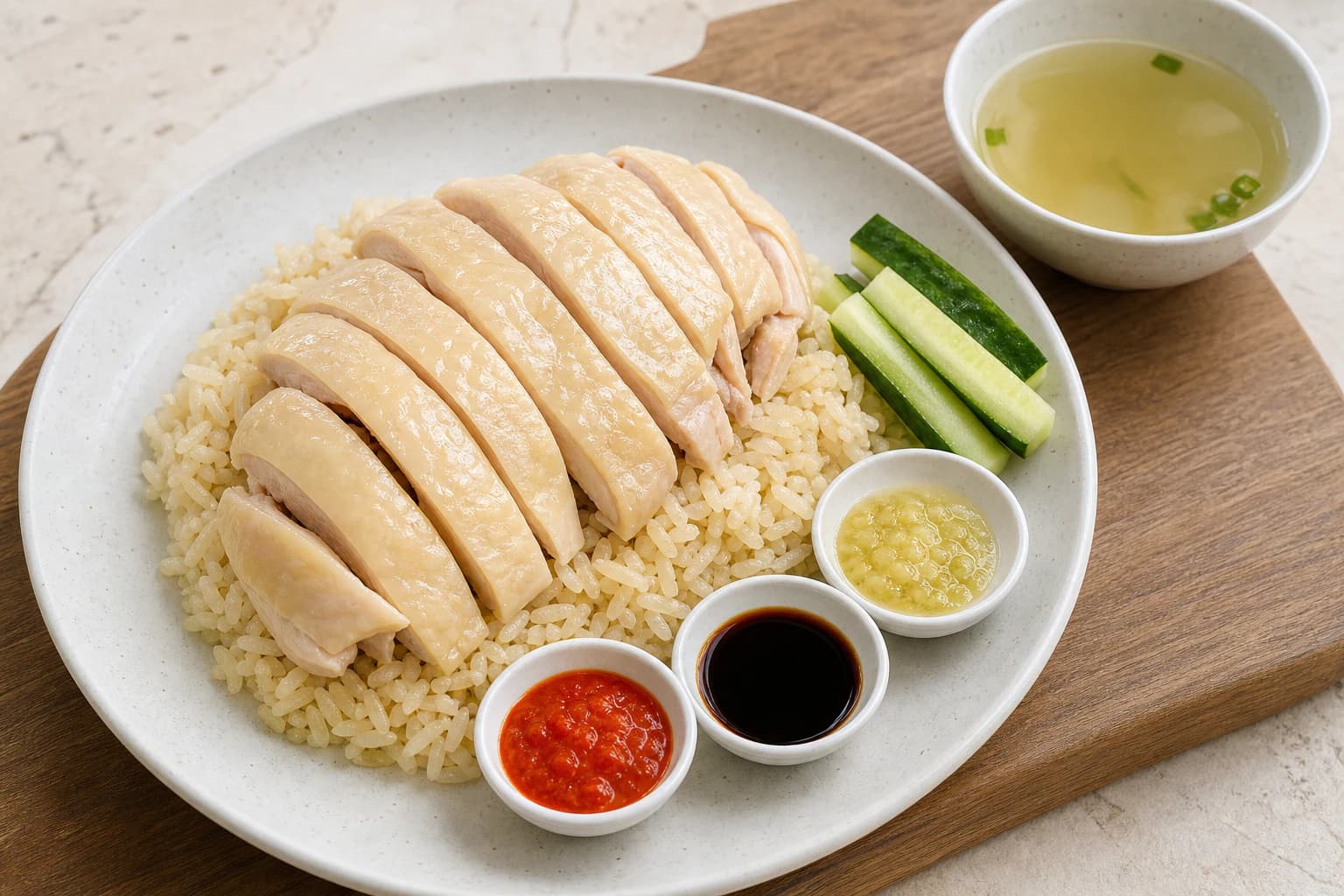 Singapore / Hainanese diaspora · IntermediateHainanese Chicken RicePoach a whole chicken safely to 75°C while keeping silky skin and separate, savoury rice grains.