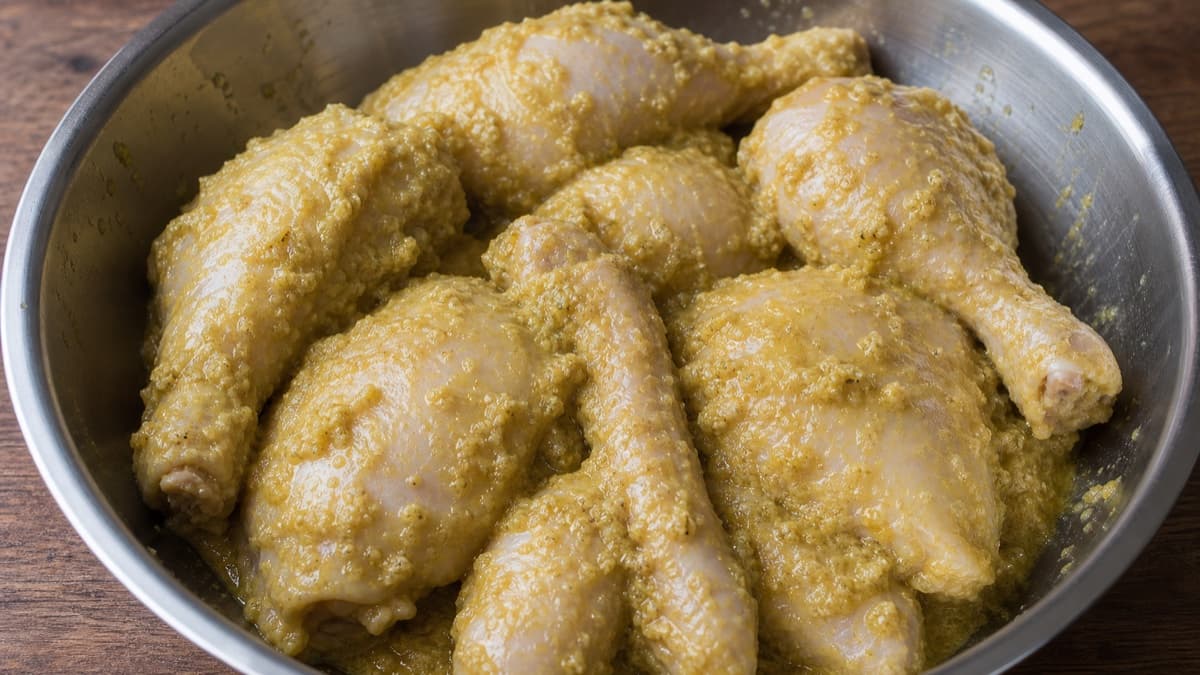
Grind the restrained bumbu
A pale, smooth paste coats the chicken with no visible candlenut chunks.
See this stepID · Kalasan / Sleman / Yogyakarta
A restrained coconut-water home style of Kalasan chicken: gently ungkep-cooked, dried, briefly fried, then served with locally characteristic lacy kremes, sambal, and lalapan.
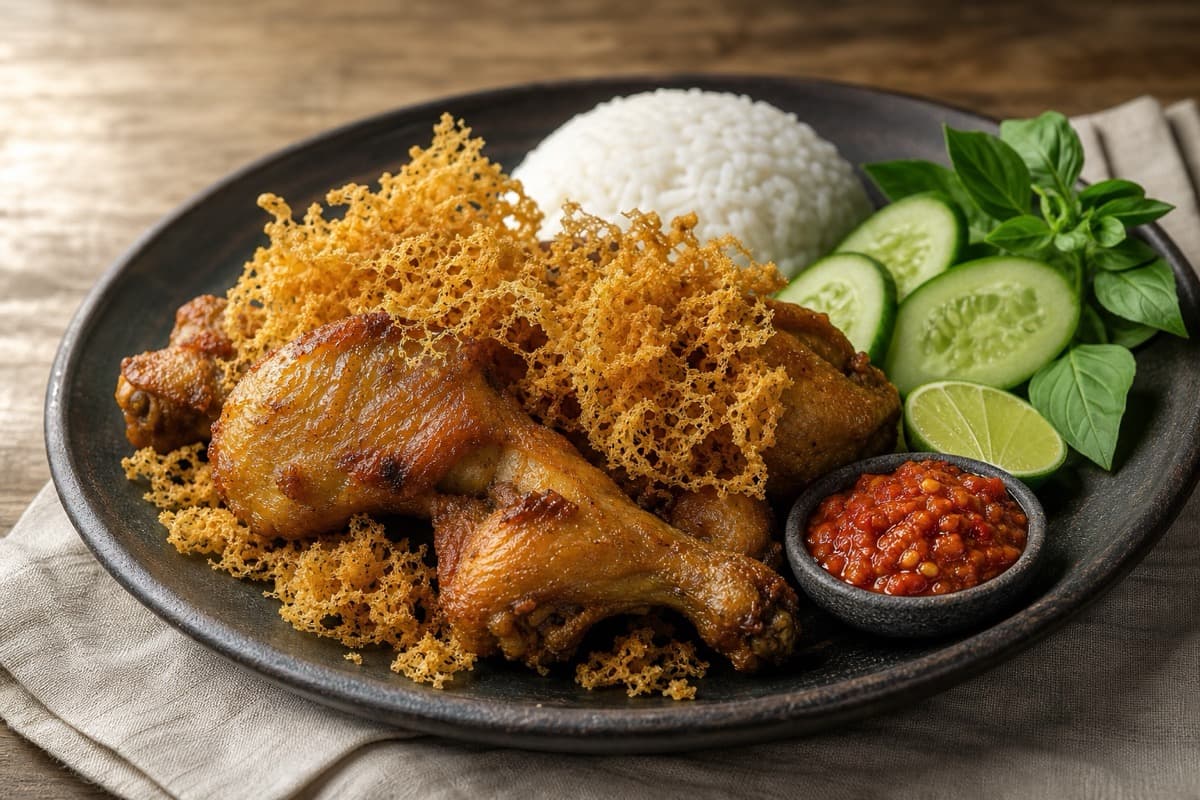
The transformation
Compare the colour, consistency, and cue at each stage.
A pale, smooth paste coats the chicken with no visible candlenut chunks.
See this step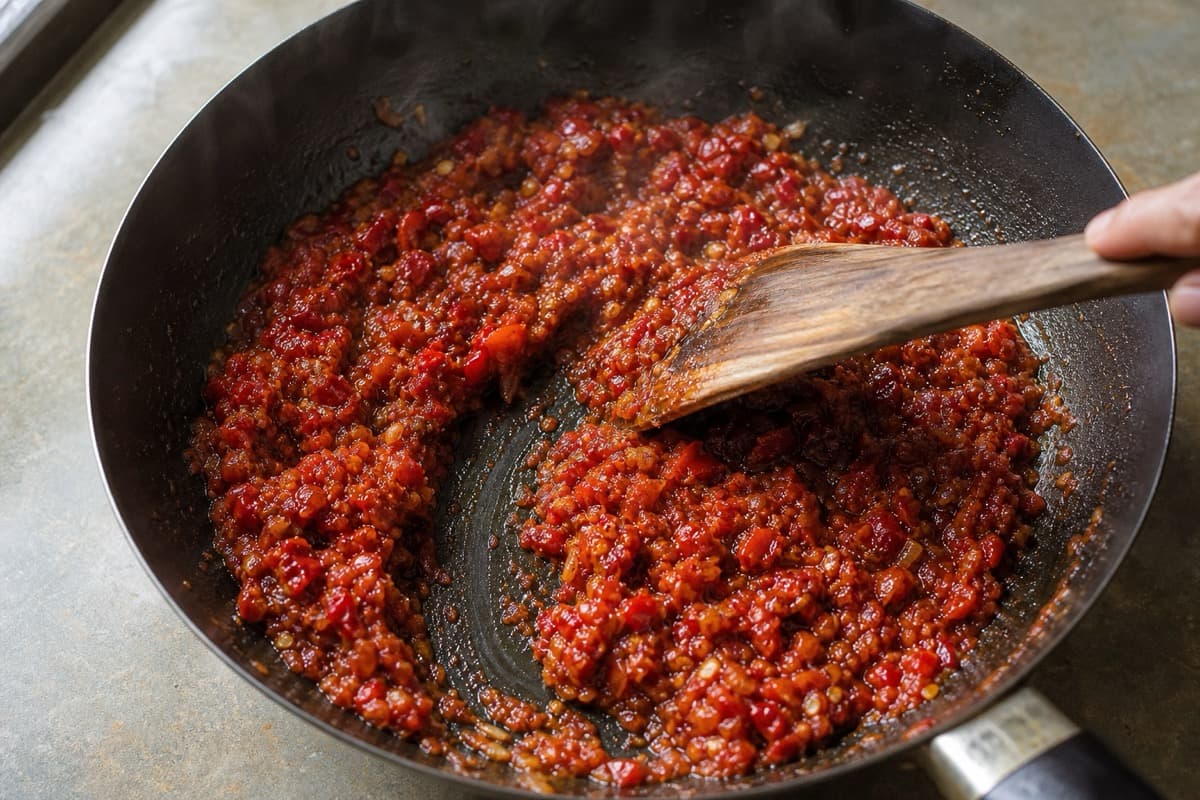
Coarse red sambal has tiny oil beads and no raw tomato or terasi smell.
See this step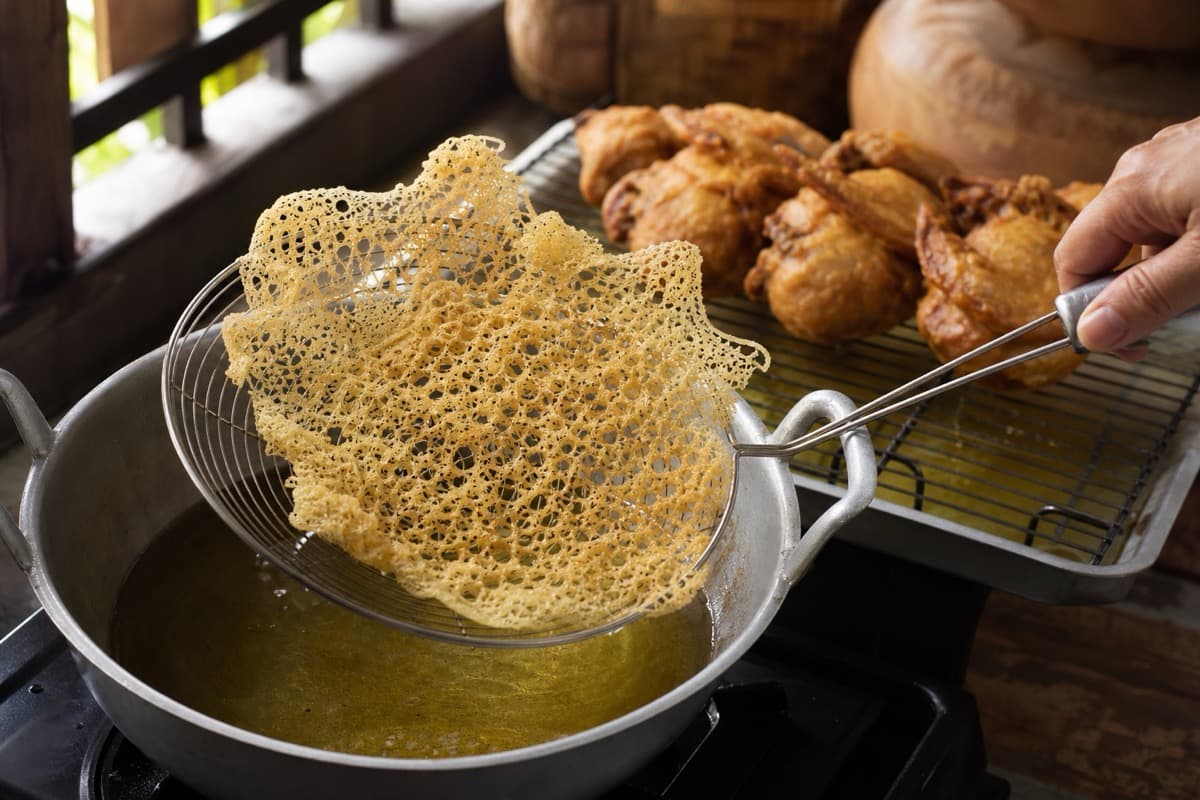
Kremes is airy, brittle, and audibly crisp beside juicy golden chicken.
ReadyFlavour foundation
Ungkep cooking seasons and tenderises the chicken before it reaches oil. Drying protects against splatter, the brief fry only crisps, and cooled broth becomes both lacy kremes and sambal depth.
Taste profile
Kalasan has both a locally documented savoury producer style and a nationally familiar coconut-water home style; this recipe labels its synthesis instead of pretending there is only one authentic formula.
Cook plan
Versions
Diet & allergens
Dietary notes: halal-friendly.
Contains or may contain: candlenut, egg, wheat, crustacean in sambal.
Check packaged-ingredient labels and cross-contamination advice for the brands you use.
Budget
Planning estimate only · not live or locally verified pricing
What belongs where
This is one dish with four deliberate parts. Make all four during the recipe, but do not collapse them into one paste: the bumbu seasons the chicken, the sambal supplies heat, the kremes supplies crunch, and the lalapan cools the plate.
bumbu ungkep
sambal merah matang
kremes
lalapan
Storage notes are conservative home-kitchen guidance. Chill perishable food within 2 hours, keep it at 5°C or colder, and follow local food-safety and package directions when they are stricter.
Step-by-step method
Read the action and cue together. Move on when the food matches the cue.
Pat the chicken dry; do not wash it. Toast coriander and candlenut lightly, then blend them with shallot, garlic, and salt, adding only enough coconut water to move the blades. Arrange chicken snugly in a wide pot and rub the smooth paste over every piece.
Common mistake: Washing chicken spreads contaminated droplets; a watery, coarse paste seasons unevenly.
Recovery: Reduce uncovered and season in small rounds, checking the visual cue before adding more salt, sugar, or sauce.
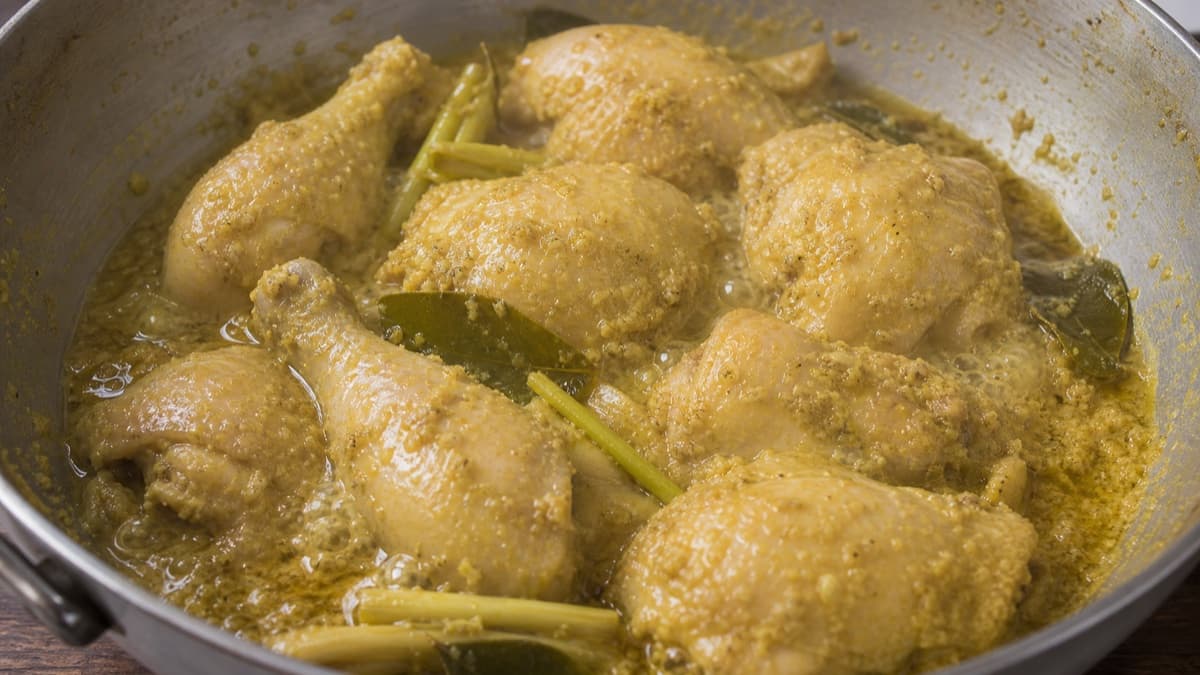
Add coconut water, measured water, galangal, and daun salam. Bring just to a simmer, partly cover, and cook with small lazy bubbles for 20 minutes. Turn once, add palm sugar, then continue uncovered until every piece reaches at least 75°C; move breast pieces to the top or remove them first if they finish early.
Common mistake: A rolling boil breaks soft broiler chicken and makes reduction unpredictable.
Recovery: Lower the heat immediately, skim or stir gently, and continue at a small simmer until the surface calms.
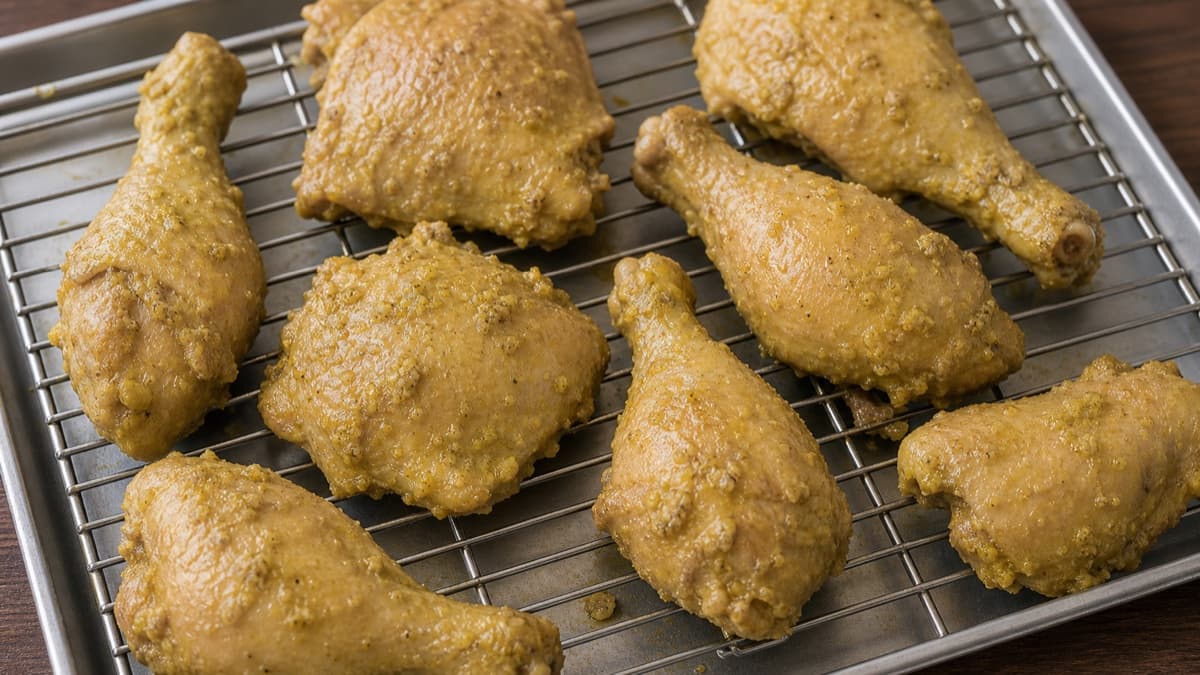
Lift chicken carefully to a rack. Strain 450 ml cooking liquid - 300 ml for kremes and 150 ml for sambal - and cool it completely. Simmer remaining bumbu briefly and spoon only a thin film over the chicken. Rest until the surface looks matte rather than wet.
Common mistake: Wet chicken spits violently, while hot broth makes lumpy kremes batter.
Recovery: Turn off the heat and step back. Never add water to hot oil. Let bubbling settle, dry the food completely, reduce the batch size, and restart only when the setup is stable.
Simmer chilli, tomato, 30 g of the shallot, and 10 g of the garlic in 150 ml reserved broth until soft and nearly dry. Grind coarsely with terasi and a pinch of the measured sugar and salt, then fry in a small splash of the measured oil until fragrant and glossy.
Common mistake: Leaving watery broth in the sambal makes it spit and taste raw.
Recovery: Reduce uncovered and season in small rounds, checking the visual cue before adding more salt, sugar, or sauce.
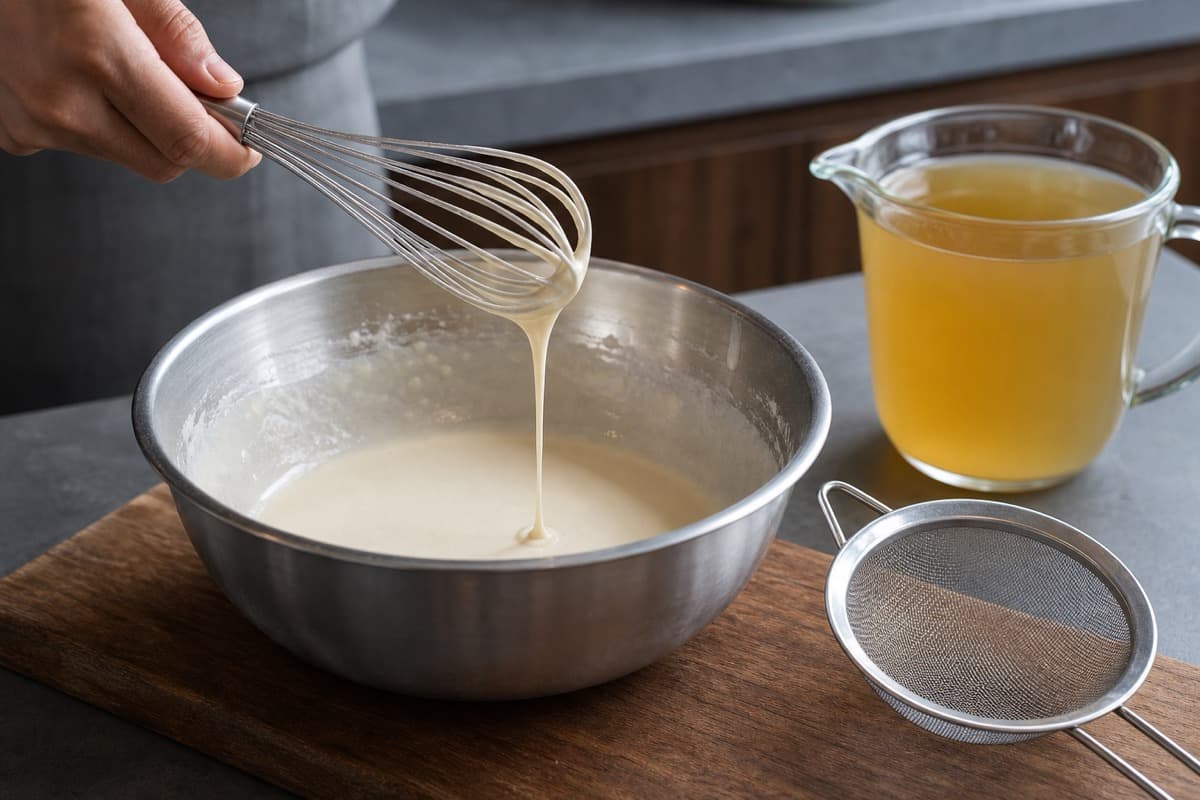
Whisk 300 ml cold reserved broth with tapioca, plain flour, and egg, then strain. It should pour like thin cream rather than pancake batter. Stir again before every pour because the starch settles quickly.
Common mistake: Thick batter forms hard clumps instead of an airy lace.
Recovery: Pause before the next step, compare the cue, then correct heat, moisture, or seasoning while the dish is still flexible.
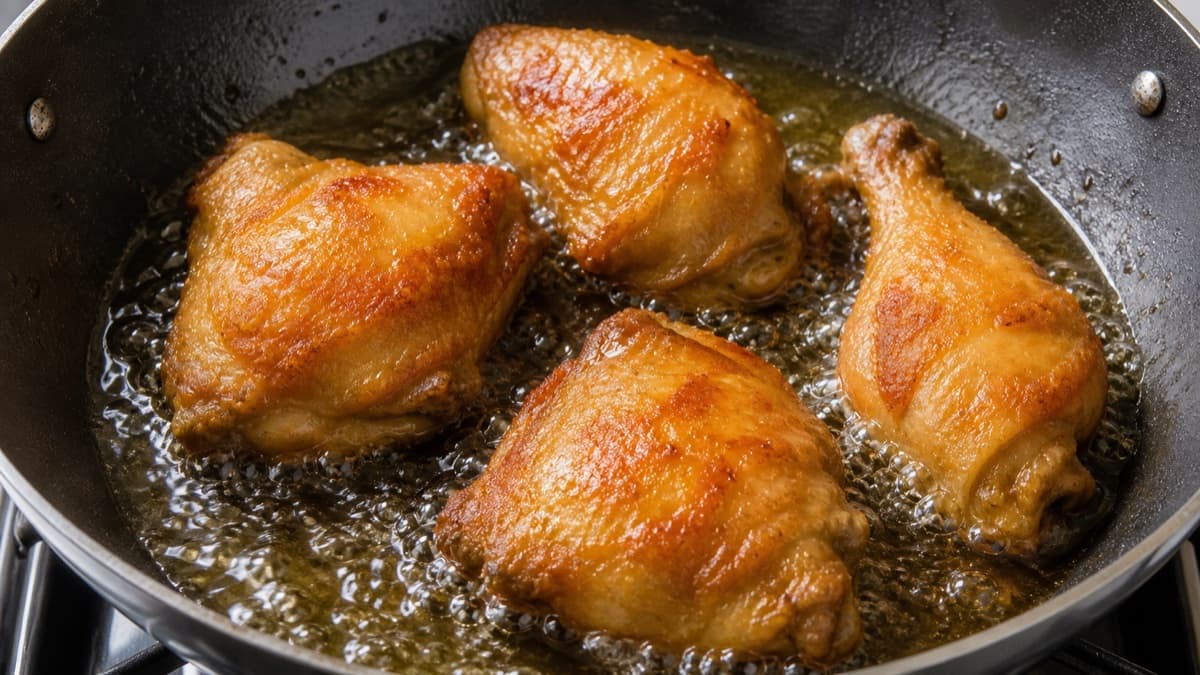
Heat a stable high-sided pot no more than half full of oil to 170–175°C. Brush a very thin film of batter onto the chicken, let excess drip off, and fry only 2–3 pieces at a time for 90 seconds to 2½ minutes, turning once. The meat is already cooked; stop at deep gold.
Common mistake: Crowding cools the oil; frying until dark dries the meat and burns coconut-water sugars.
Recovery: Move the pan off heat, scrape only the unburnt paste into a clean spot, add a small splash of oil or liquid, and restart gently.
Raise oil to about 180°C. From 25–30 cm above, drizzle one-third of the stirred batter in a thin circular stream and stand back as it foams. After 10–15 seconds gather the lace gently; fry 45–75 seconds until dry and pale gold. Drain, repeat, then serve chicken with kremes, sambal, cucumber, kemangi, lime, and rice.
Common mistake: Pouring all batter at once can overflow the oil; covering the platter traps steam and softens everything.
Recovery: Turn off the heat and step back. Never add water to hot oil. Let bubbling settle, dry the food completely, reduce the batch size, and restart only when the setup is stable.
Ingredients
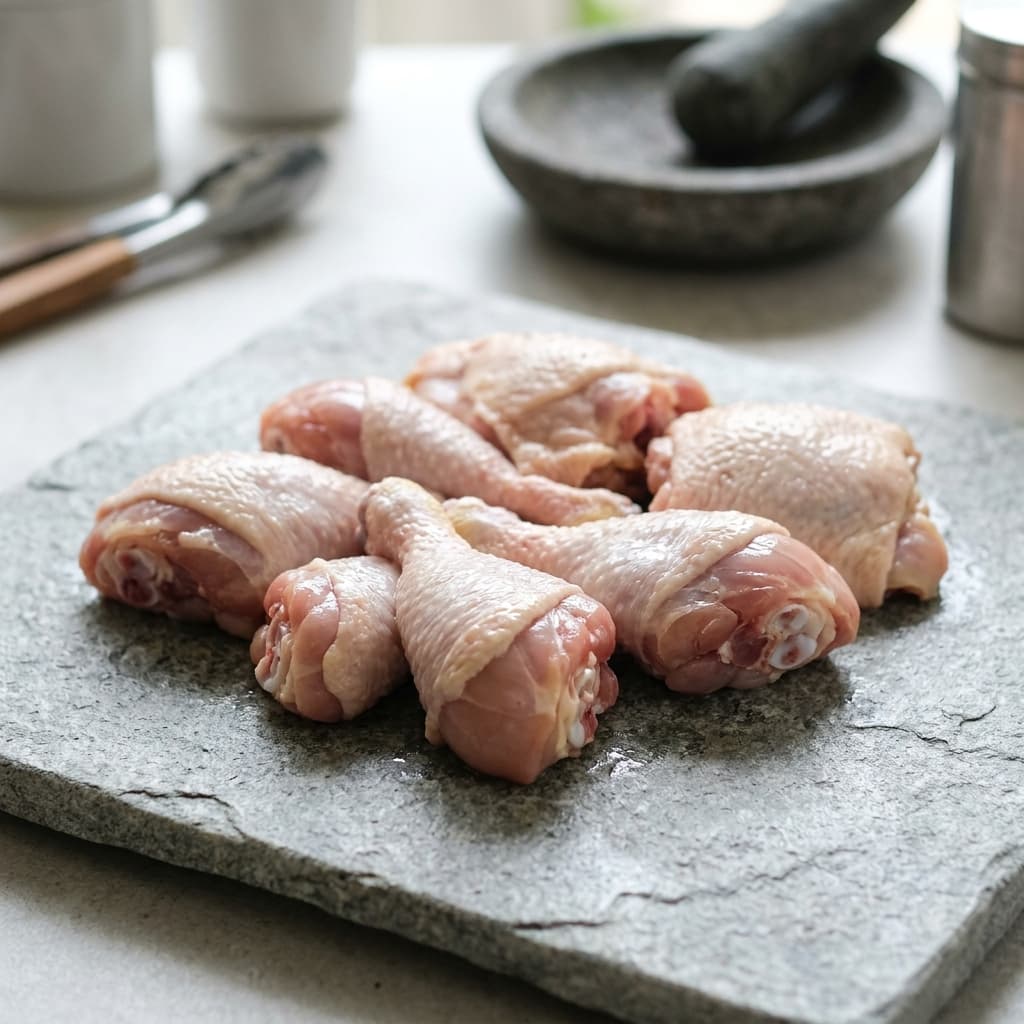
skin-on bone-in pieces stay juicy through ungkep and a brief fry
 Nearby Asian grocersSearch TozerbaSearch Asian PantryToko Nusantara
 Search Coles
 Search WoolworthsFind an ALDIFind an IGA
These links open searches, catalogues, or store locators. Check the exact form and local availability there.
Nearby traditional marketsPasar Jaya networkSuper Indo locationsRanch Market outletsHypermart online Search Sayurbox
 Search Tokopedia
 Search ShopeeOpen GrabMart
These links open searches, catalogues, or store locators. Check the exact form and local availability there.
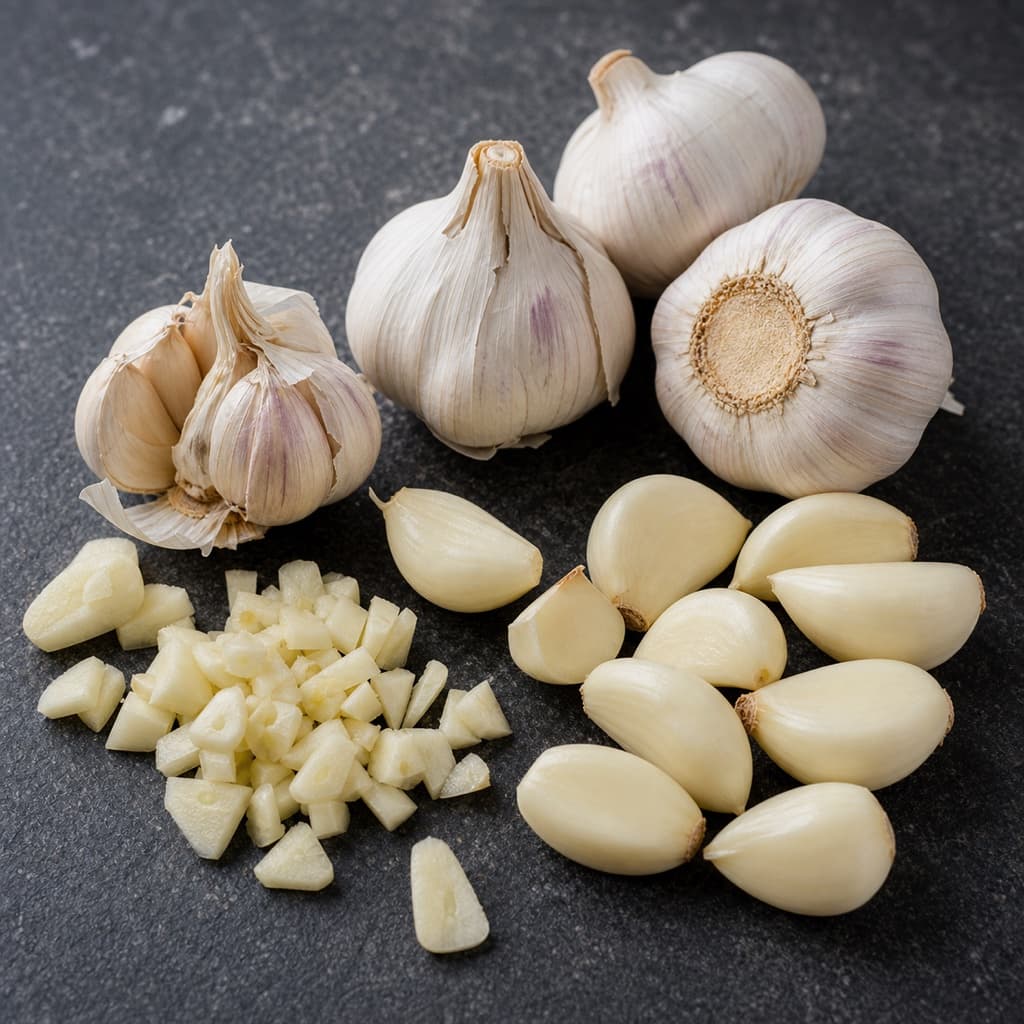
main savoury bumbu for the ungkep braise
Nearby Asian grocersSearch TozerbaSearch Asian PantryToko NusantaraSearch ColesSearch WoolworthsFind an ALDIFind an IGAThese links open searches, catalogues, or store locators. Check the exact form and local availability there.
Nearby traditional marketsPasar Jaya networkSuper Indo locationsRanch Market outletsHypermart onlineSearch SayurboxSearch TokopediaSearch ShopeeOpen GrabMartThese links open searches, catalogues, or store locators. Check the exact form and local availability there.
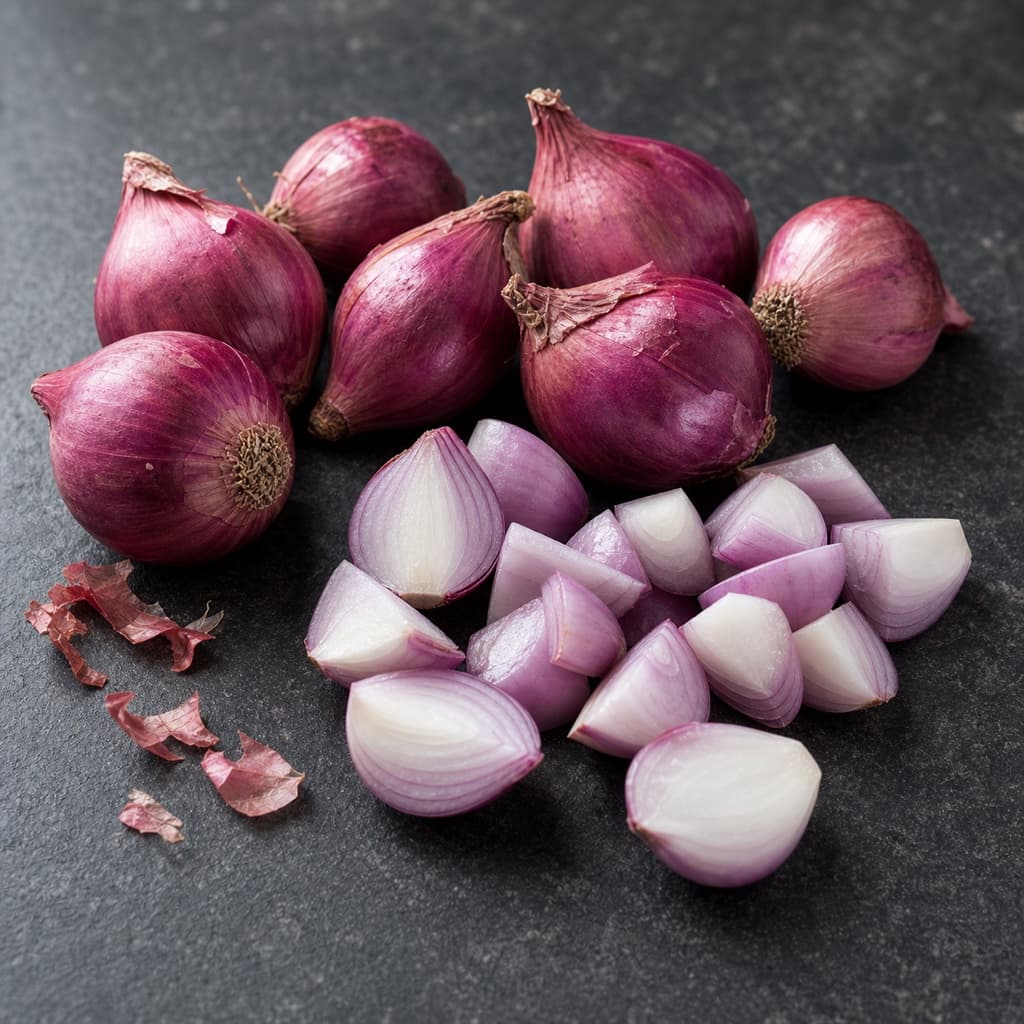
sweet base that helps the braise cling
Nearby Asian grocersSearch TozerbaSearch Asian PantryToko NusantaraSearch ColesSearch WoolworthsFind an ALDIFind an IGAThese links open searches, catalogues, or store locators. Check the exact form and local availability there.
Nearby traditional marketsPasar Jaya networkSuper Indo locationsRanch Market outletsHypermart onlineSearch SayurboxSearch TokopediaSearch ShopeeOpen GrabMartThese links open searches, catalogues, or store locators. Check the exact form and local availability there.
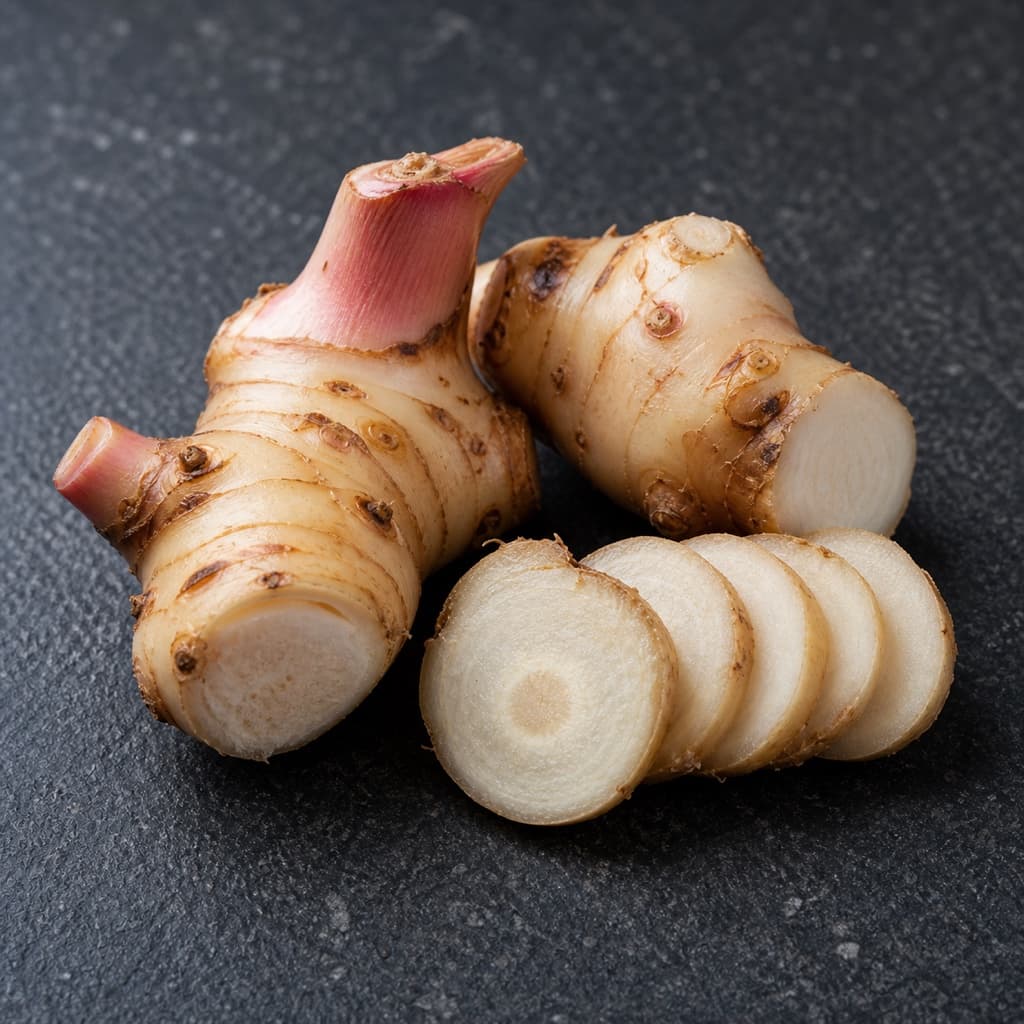
aromatic warmth in the braising liquid
Swap: ginger only if galangal is impossible
Nearby Asian grocersSearch TozerbaSearch Asian PantryToko NusantaraSearch ColesSearch WoolworthsFind an ALDIFind an IGAThese links open searches, catalogues, or store locators. Check the exact form and local availability there.
Nearby traditional marketsPasar Jaya networkSuper Indo locationsRanch Market outletsHypermart onlineSearch SayurboxSearch TokopediaSearch ShopeeOpen GrabMartThese links open searches, catalogues, or store locators. Check the exact form and local availability there.
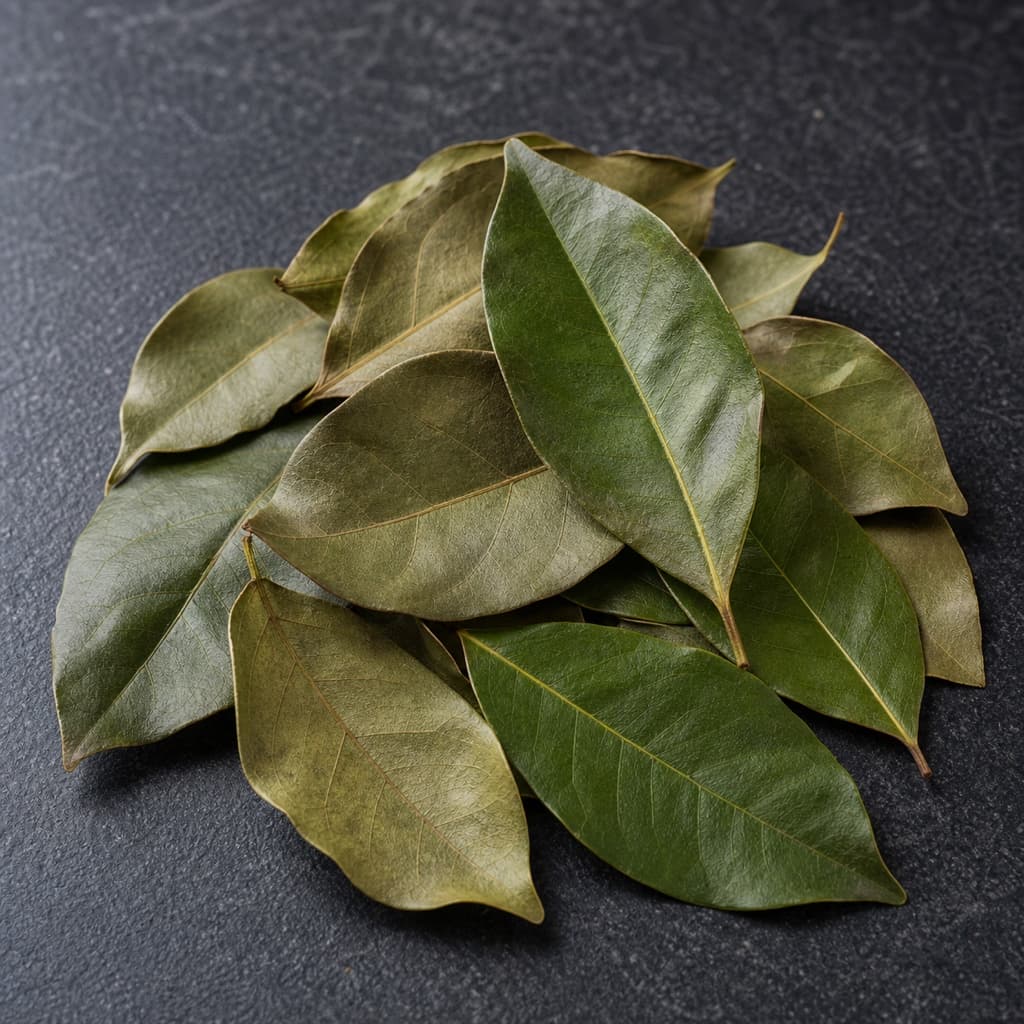
Javanese braising aroma
Swap: omit before using European bay leaf, which tastes different
Nearby Asian grocersSearch TozerbaSearch Asian PantryToko NusantaraSearch ColesSearch WoolworthsFind an ALDIFind an IGAThese links open searches, catalogues, or store locators. Check the exact form and local availability there.
Nearby traditional marketsPasar Jaya networkSuper Indo locationsRanch Market outletsHypermart onlineSearch SayurboxSearch TokopediaSearch ShopeeOpen GrabMartThese links open searches, catalogues, or store locators. Check the exact form and local availability there.
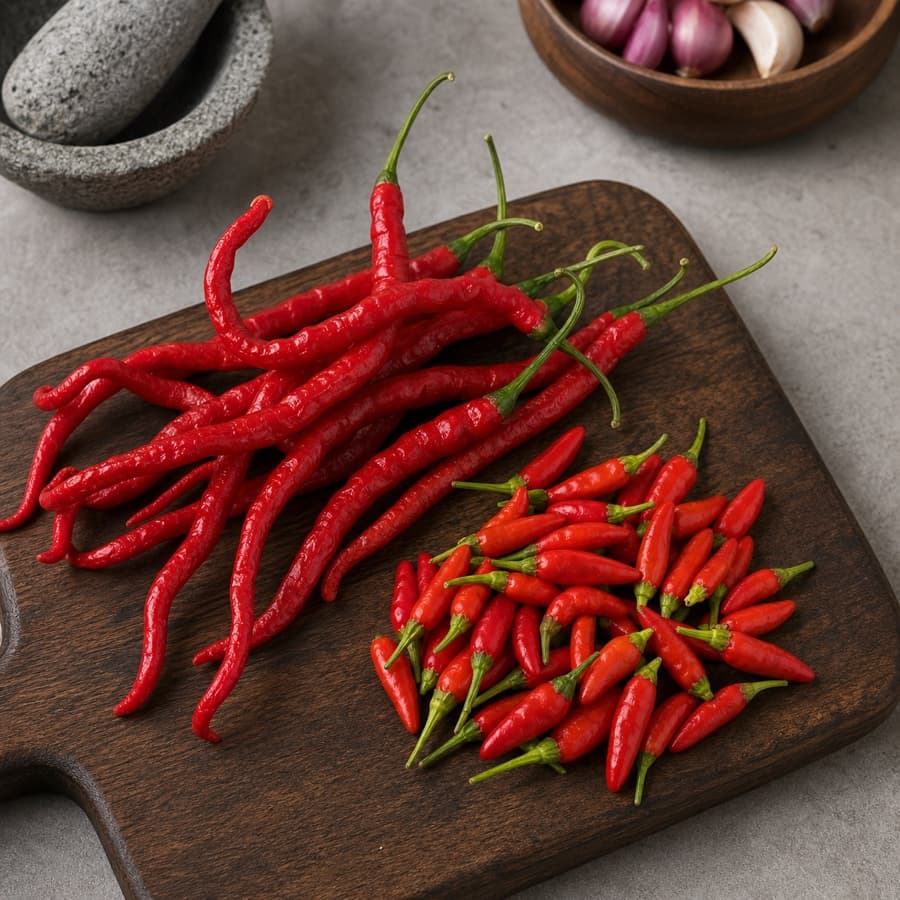
forms the fresh, adjustable heat of the separate sambal
Swap: use mostly deseeded long red chilli for a mild family sambal
Nearby Asian grocersSearch TozerbaSearch Asian PantryToko NusantaraSearch ColesSearch WoolworthsFind an ALDIFind an IGAThese links open searches, catalogues, or store locators. Check the exact form and local availability there.
Nearby traditional marketsPasar Jaya networkSuper Indo locationsRanch Market outletsHypermart onlineSearch SayurboxSearch TokopediaSearch ShopeeOpen GrabMartThese links open searches, catalogues, or store locators. Check the exact form and local availability there.
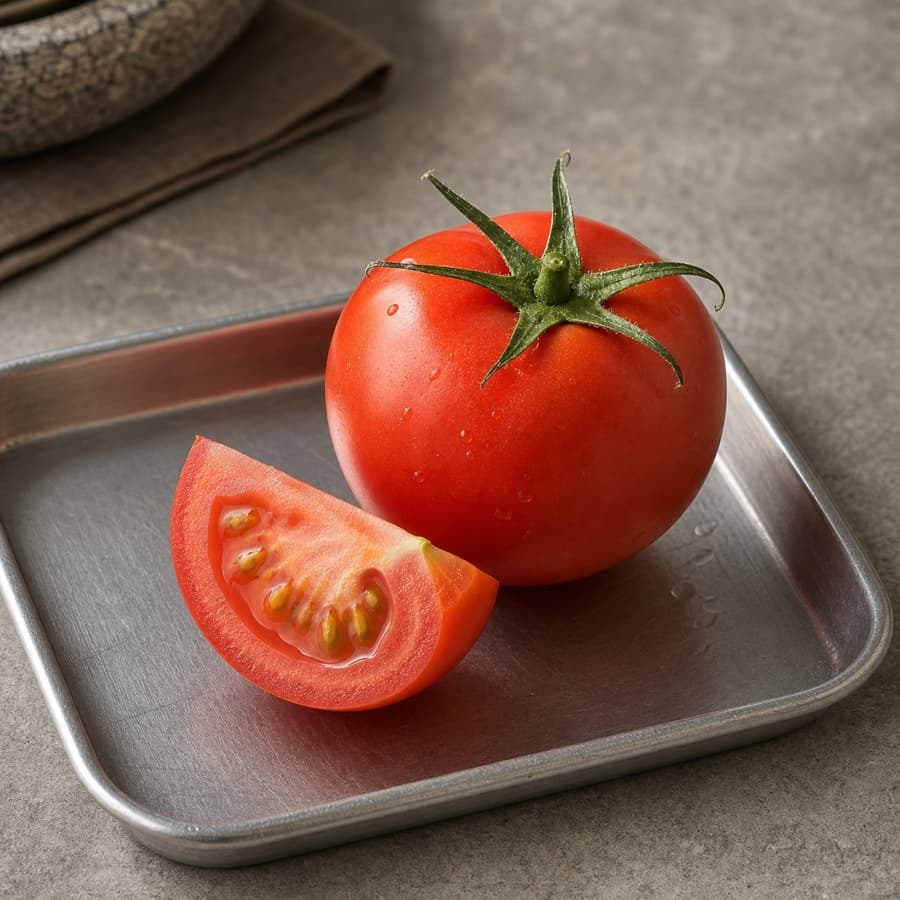
softens the separate sambal's chilli heat and gives it body
Nearby Asian grocersSearch TozerbaSearch Asian PantryToko NusantaraSearch ColesSearch WoolworthsFind an ALDIFind an IGAThese links open searches, catalogues, or store locators. Check the exact form and local availability there.
Nearby traditional marketsPasar Jaya networkSuper Indo locationsRanch Market outletsHypermart onlineSearch SayurboxSearch TokopediaSearch ShopeeOpen GrabMartThese links open searches, catalogues, or store locators. Check the exact form and local availability there.
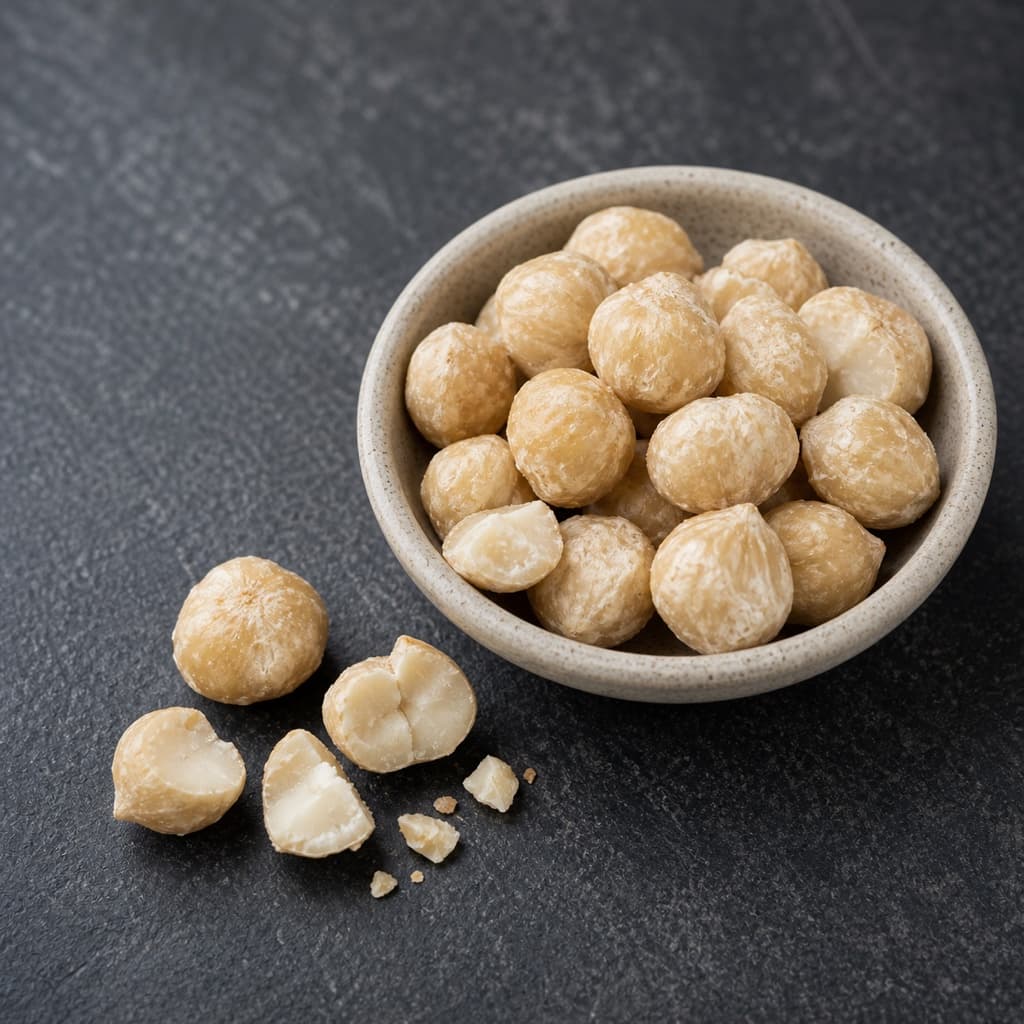
nutty body in the spice paste
Note: Cook candlenut in the paste; do not eat it raw.
Nearby Asian grocersSearch TozerbaSearch Asian PantryToko NusantaraSearch ColesSearch WoolworthsFind an ALDIFind an IGAThese links open searches, catalogues, or store locators. Check the exact form and local availability there.
Nearby traditional marketsPasar Jaya networkSuper Indo locationsRanch Market outletsHypermart onlineSearch SayurboxSearch TokopediaSearch ShopeeOpen GrabMartThese links open searches, catalogues, or store locators. Check the exact form and local availability there.
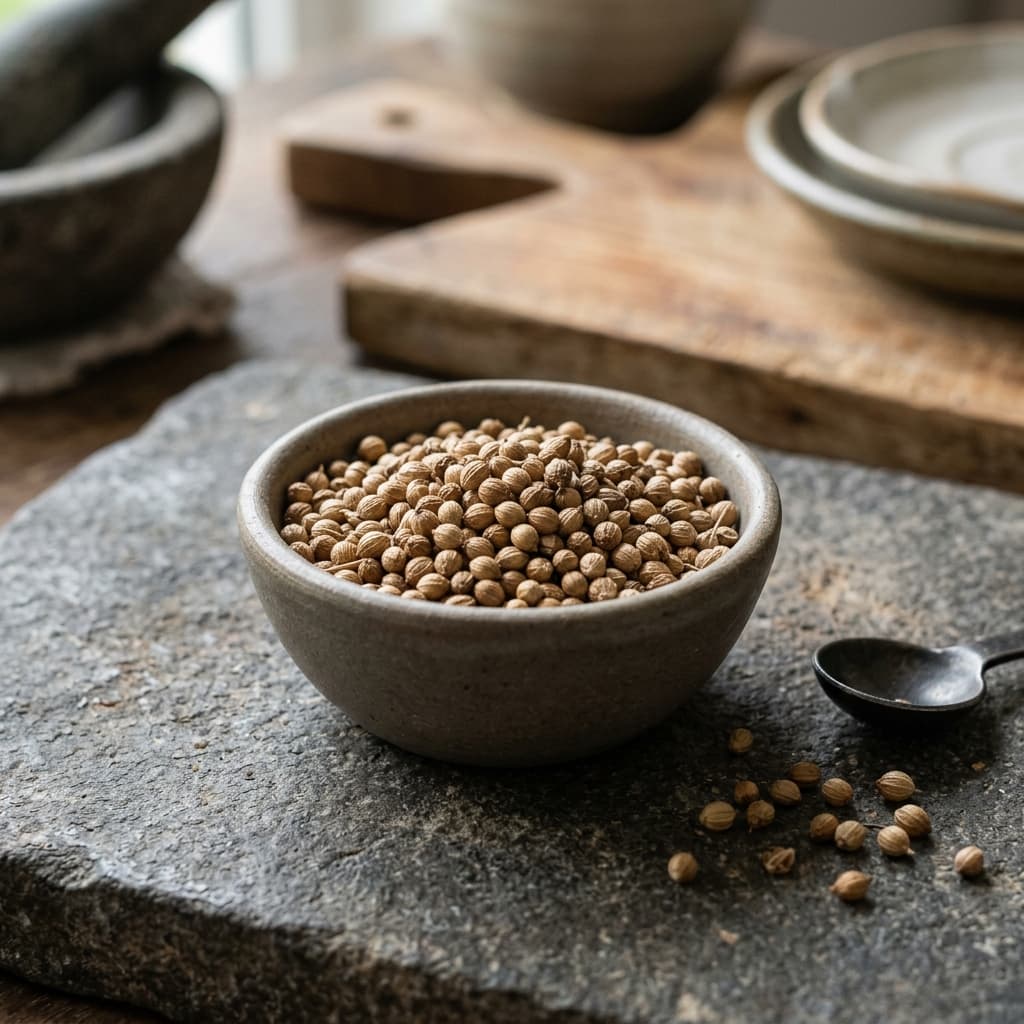
warm Javanese aroma
Nearby Asian grocersSearch TozerbaSearch Asian PantryToko NusantaraSearch ColesSearch WoolworthsFind an ALDIFind an IGAThese links open searches, catalogues, or store locators. Check the exact form and local availability there.
Nearby traditional marketsPasar Jaya networkSuper Indo locationsRanch Market outletsHypermart onlineSearch SayurboxSearch TokopediaSearch ShopeeOpen GrabMartThese links open searches, catalogues, or store locators. Check the exact form and local availability there.
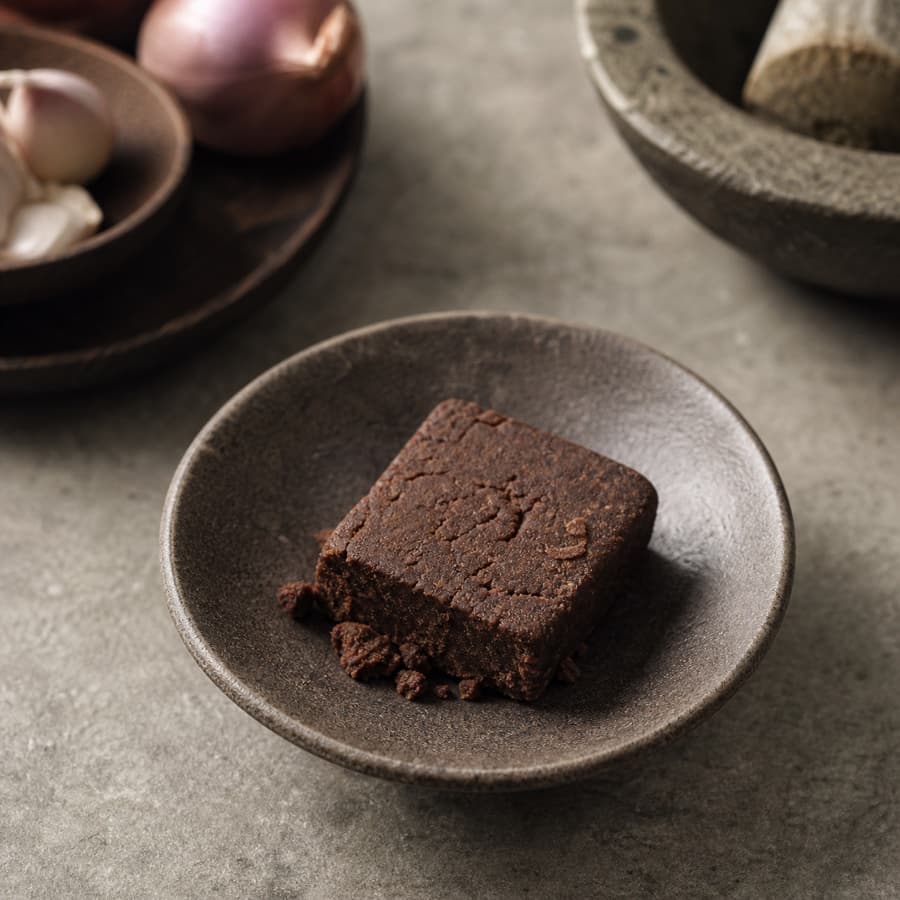
deep savoury finish in the separate sambal
Note: Contains crustacean. Toast raw terasi before grinding, or use a labelled pre-roasted block.
Nearby Asian grocersSearch TozerbaSearch Asian PantryToko NusantaraSearch ColesSearch WoolworthsFind an ALDIFind an IGAThese links open searches, catalogues, or store locators. Check the exact form and local availability there.
Nearby traditional marketsPasar Jaya networkSuper Indo locationsRanch Market outletsHypermart onlineSearch SayurboxSearch TokopediaSearch ShopeeOpen GrabMartThese links open searches, catalogues, or store locators. Check the exact form and local availability there.
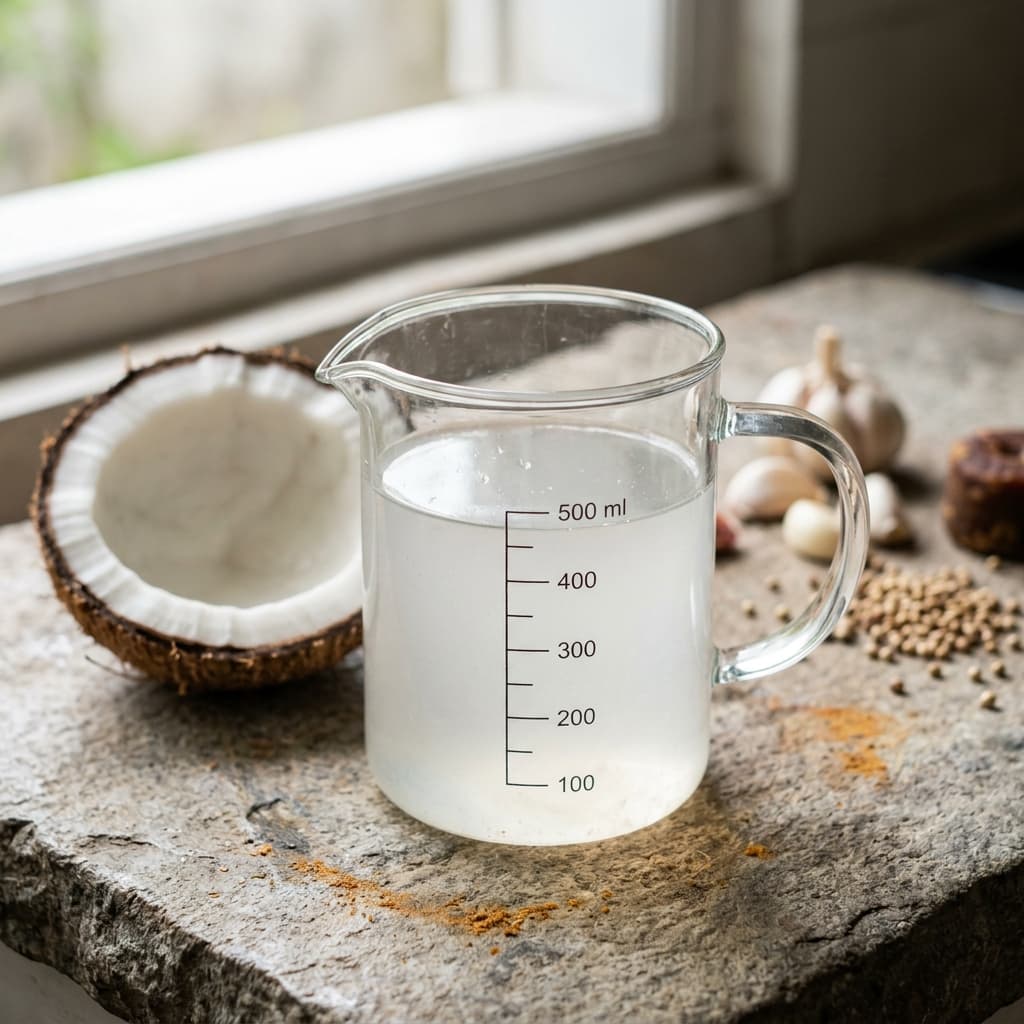
fragrant ungkep liquid without coconut-milk heaviness
Nearby Asian grocersSearch TozerbaSearch Asian PantryToko NusantaraSearch ColesSearch WoolworthsFind an ALDIFind an IGAThese links open searches, catalogues, or store locators. Check the exact form and local availability there.
Nearby traditional marketsPasar Jaya networkSuper Indo locationsRanch Market outletsHypermart onlineSearch SayurboxSearch TokopediaSearch ShopeeOpen GrabMartThese links open searches, catalogues, or store locators. Check the exact form and local availability there.
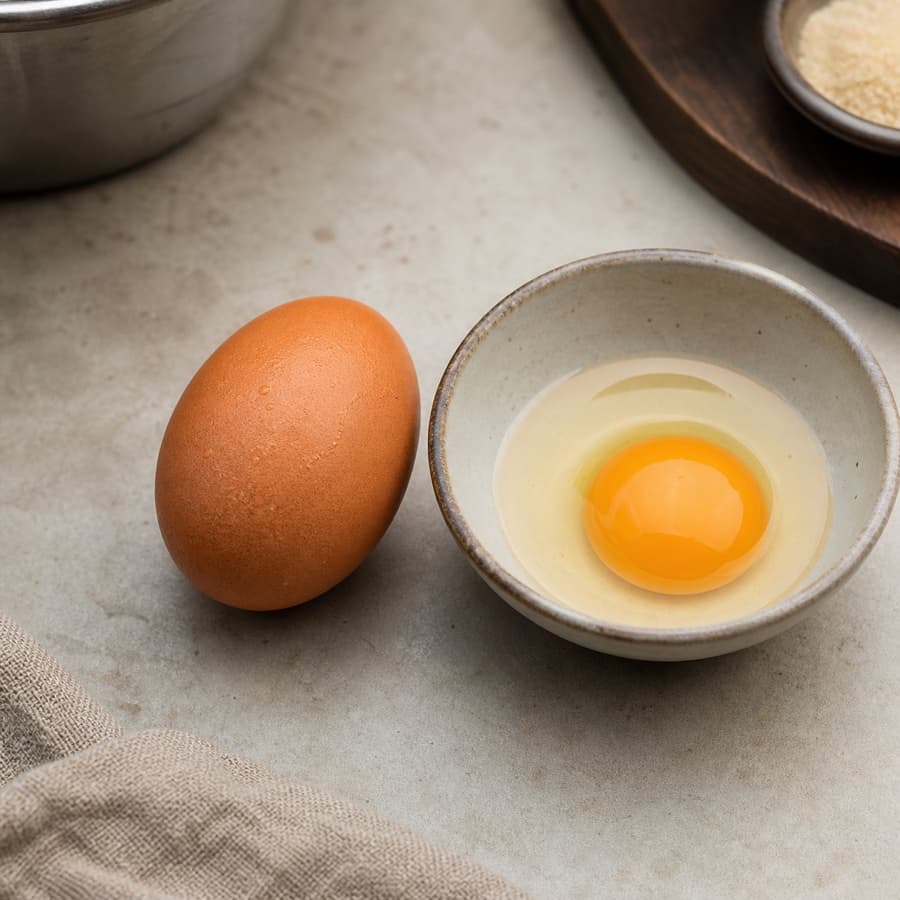
binds and colours the kremes without making it bready
Nearby Asian grocersSearch TozerbaSearch Asian PantryToko NusantaraSearch ColesSearch WoolworthsFind an ALDIFind an IGAThese links open searches, catalogues, or store locators. Check the exact form and local availability there.
Nearby traditional marketsPasar Jaya networkSuper Indo locationsRanch Market outletsHypermart onlineSearch SayurboxSearch TokopediaSearch ShopeeOpen GrabMartThese links open searches, catalogues, or store locators. Check the exact form and local availability there.
keeps the chicken mostly submerged while the coconut water reduces
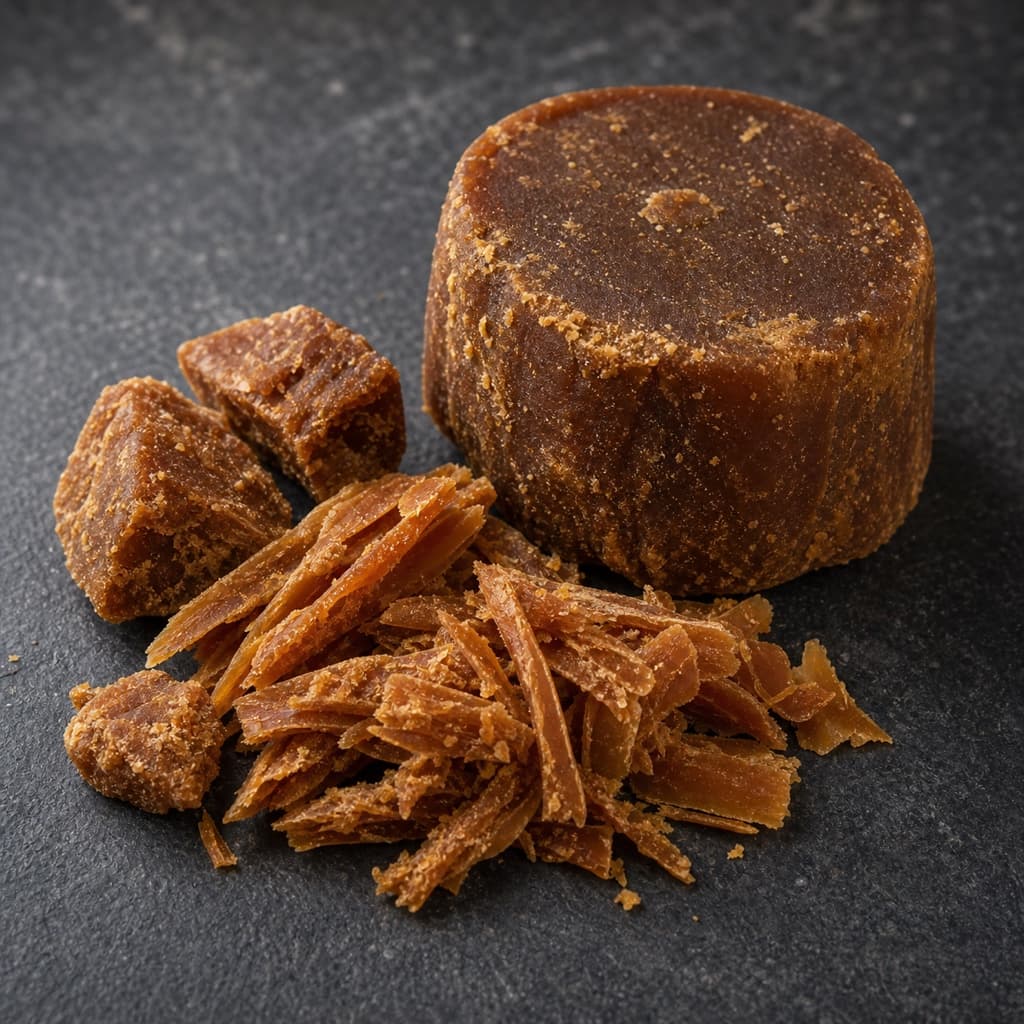
restrained sweetness that supports rather than lacquers the chicken
Nearby Asian grocersSearch TozerbaSearch Asian PantryToko NusantaraSearch ColesSearch WoolworthsFind an ALDIFind an IGAThese links open searches, catalogues, or store locators. Check the exact form and local availability there.
Nearby traditional marketsPasar Jaya networkSuper Indo locationsRanch Market outletsHypermart onlineSearch SayurboxSearch TokopediaSearch ShopeeOpen GrabMartThese links open searches, catalogues, or store locators. Check the exact form and local availability there.
seasons the bumbu, sambal, and reserved broth consistently
Nearby Asian grocersSearch TozerbaSearch Asian PantryToko NusantaraSearch ColesSearch WoolworthsFind an ALDIFind an IGAThese links open searches, catalogues, or store locators. Check the exact form and local availability there.
Nearby traditional marketsPasar Jaya networkSuper Indo locationsRanch Market outletsHypermart onlineSearch SayurboxSearch TokopediaSearch ShopeeOpen GrabMartThese links open searches, catalogues, or store locators. Check the exact form and local availability there.
briefly crisps cooked chicken and fries the lacy kremes
Nearby Asian grocersSearch TozerbaSearch Asian PantryToko NusantaraSearch ColesSearch WoolworthsFind an ALDIFind an IGAThese links open searches, catalogues, or store locators. Check the exact form and local availability there.
Nearby traditional marketsPasar Jaya networkSuper Indo locationsRanch Market outletsHypermart onlineSearch SayurboxSearch TokopediaSearch ShopeeOpen GrabMartThese links open searches, catalogues, or store locators. Check the exact form and local availability there.
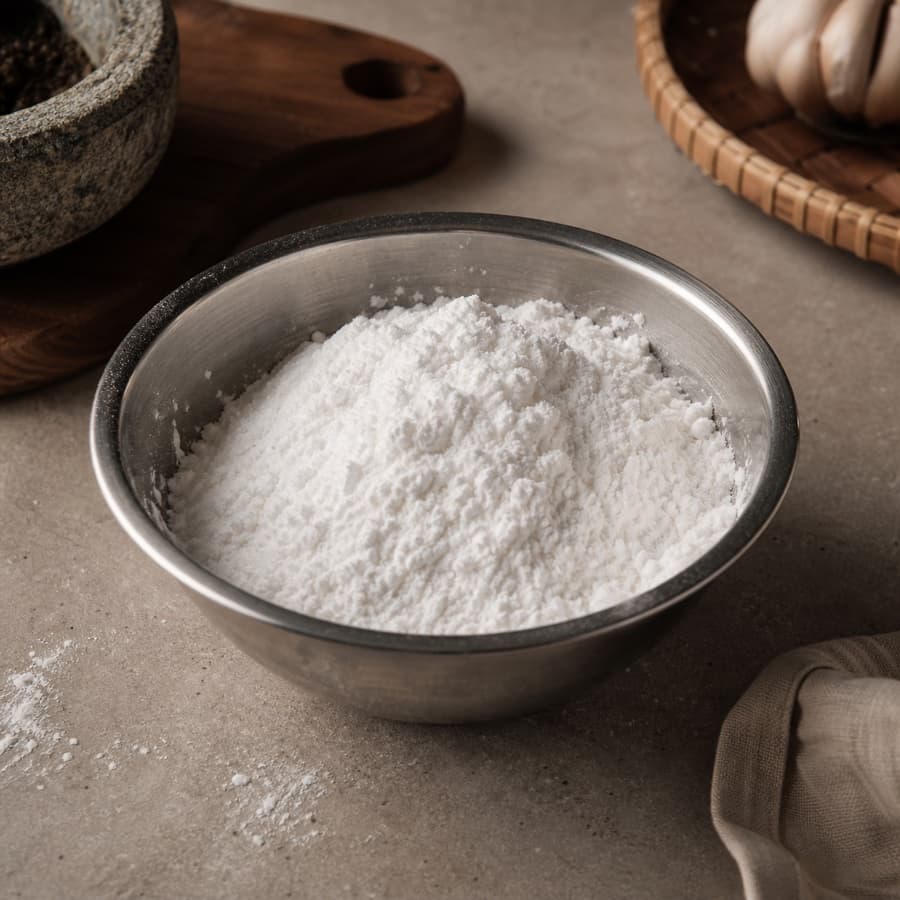
creates the brittle, glassy body of the kremes lace
Swap: potato starch makes a slightly heavier lace; do not use all plain flour
Nearby Asian grocersSearch TozerbaSearch Asian PantryToko NusantaraSearch ColesSearch WoolworthsFind an ALDIFind an IGAThese links open searches, catalogues, or store locators. Check the exact form and local availability there.
Nearby traditional marketsPasar Jaya networkSuper Indo locationsRanch Market outletsHypermart onlineSearch SayurboxSearch TokopediaSearch ShopeeOpen GrabMartThese links open searches, catalogues, or store locators. Check the exact form and local availability there.
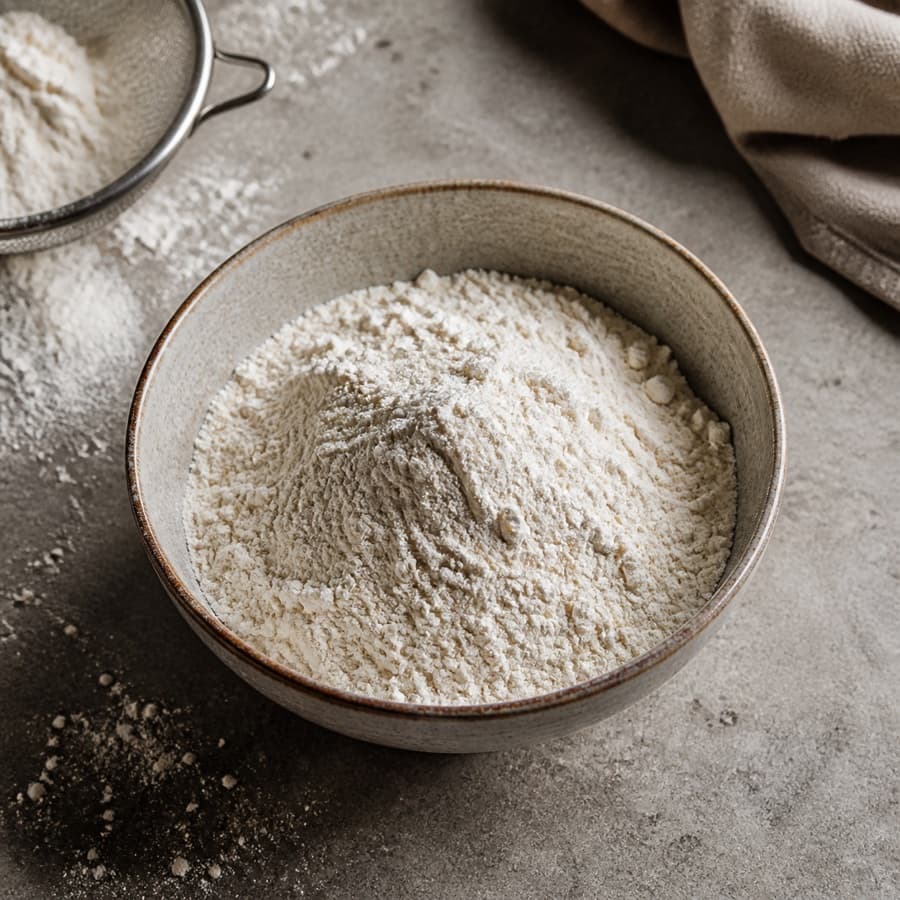
gives the delicate kremes enough structure to gather and lift
Nearby Asian grocersSearch TozerbaSearch Asian PantryToko NusantaraSearch ColesSearch WoolworthsFind an ALDIFind an IGAThese links open searches, catalogues, or store locators. Check the exact form and local availability there.
Nearby traditional marketsPasar Jaya networkSuper Indo locationsRanch Market outletsHypermart onlineSearch SayurboxSearch TokopediaSearch ShopeeOpen GrabMartThese links open searches, catalogues, or store locators. Check the exact form and local availability there.
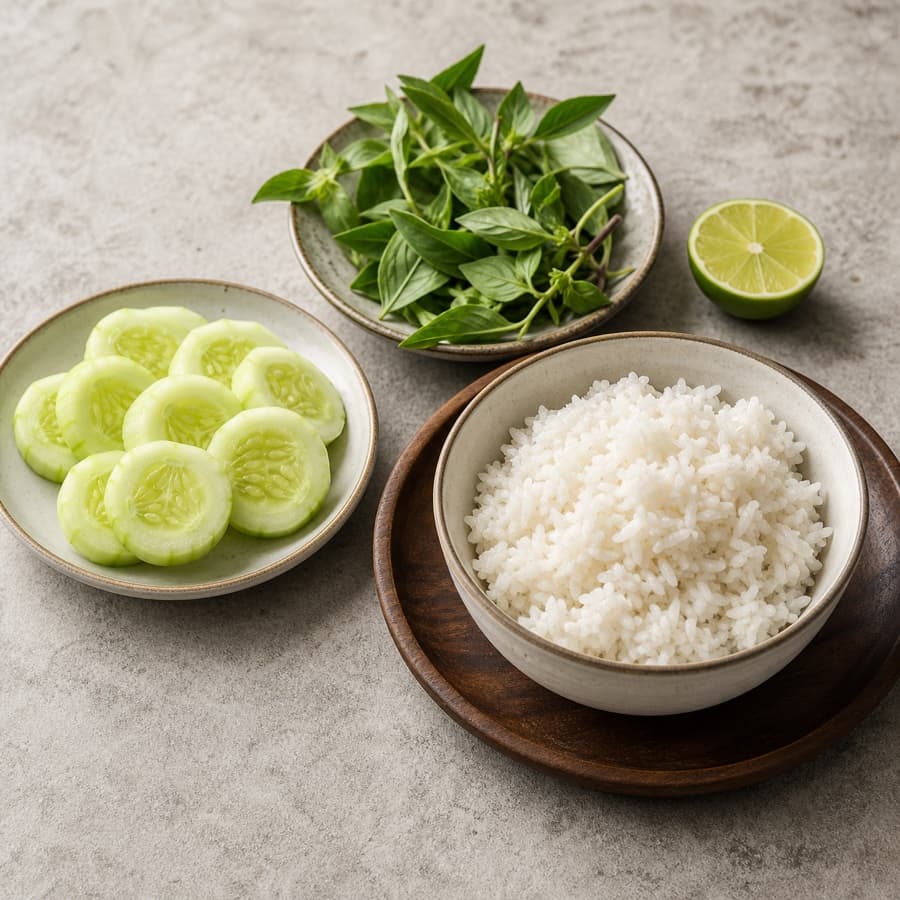
cool, aromatic table companions kept separate from the crisp chicken
Swap: Thai basil is more anise-like but works when Indonesian lemon basil is unavailable
Melbourne and Jakarta
Current links help you search by the right ingredient name; they do not confirm a product, price, or stock level.
Start with an Indonesian or broader Asian grocer for candlenut; use supermarkets or butchers for small whole chicken, cut into 8, coconut water.
galangal: ginger only if galangal is impossible.
candlenut: Cook candlenut in the paste; do not eat it raw.
Nearby Asian grocersSearch TozerbaSearch Asian PantryToko NusantaraSearch ColesSearch WoolworthsFind an ALDIFind an IGAThese links open searches, catalogues, or store locators. Check the exact form and local availability there.
Start with pasar stalls for ayam utuh kecil, potong 8, bawang putih; use supermarkets or online marketplaces for sealed pantry staples.
galangal: ginger only if galangal is impossible.
candlenut: Cook candlenut in the paste; do not eat it raw.
Nearby traditional marketsPasar Jaya networkSuper Indo locationsRanch Market outletsHypermart onlineSearch SayurboxSearch TokopediaSearch ShopeeOpen GrabMartThese links open searches, catalogues, or store locators. Check the exact form and local availability there.
Fix problems
The active method already includes its most likely mistake and recovery. Open the reference library when your question falls outside the current step.
No. Producers documented in Bendan, Kalasan also make a savoury garlic-and-stock chicken with thin coating, kremes, and sambal. This recipe uses the nationally familiar coconut-water home style with restrained palm sugar and keeps the local-style kremes presentation.
Yes for the chicken: ungkep, dry thoroughly, spray lightly, and air-fry at 200°C until deep gold and at least 74–75°C when reheated. Kremes still needs a separate oil fry for its lacy texture.
Yes. Cool the fully cooked ungkep chicken quickly, refrigerate covered within 2 hours, and fry within 3–4 days. Keep strained broth chilled and make kremes close to serving.
Keep the chicken juicy, the crust golden, and the kremes brittle - not greasy. Look for crisp brown ridges, no black spice flecks: Edges turn deep gold while the inside stays juicy.
Washing chicken spreads contaminated droplets; a watery, coarse paste seasons unevenly. Reduce uncovered and season in small rounds, checking the visual cue before adding more salt, sugar, or sauce.
Scale the measured ingredients with the serving count, then scale the vessel or work in batches. Keep the same visual finish - crisp brown ridges, no black spice flecks - rather than forcing the original timer.
galangal: ginger only if galangal is impossible; Indonesian bay leaf: omit before using European bay leaf, which tastes different; tapioca starch: potato starch makes a slightly heavier lace; do not use all plain flour; red curly chillies plus bird's-eye chillies: use mostly deseeded long red chilli for a mild family sambal
candlenut: Cook candlenut in the paste; do not eat it raw.; roasted shrimp paste: Contains crustacean. Toast raw terasi before grinding, or use a labelled pre-roasted block.
Next cooks
Recipes here share ingredients, bumbu logic, region, spice level, or weeknight patterns so the next cook reuses what you just learned.
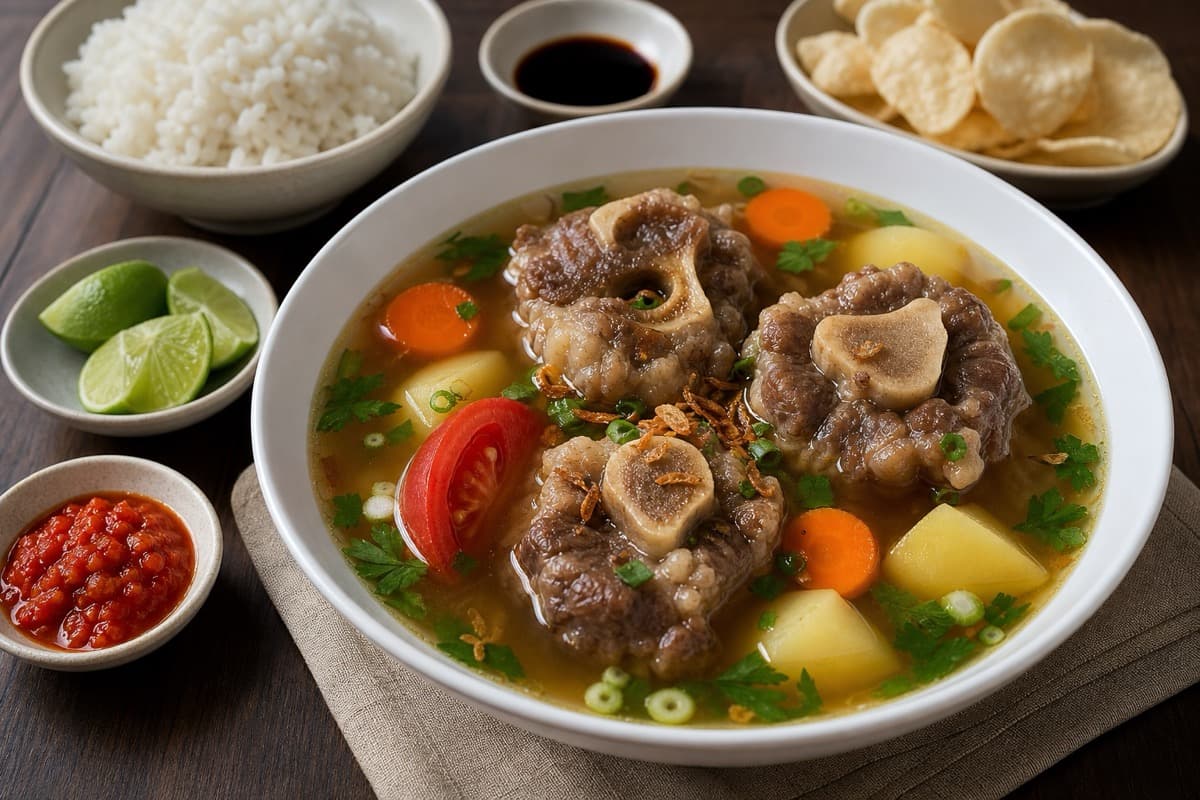 Jakarta · PatientSop BuntutBuild a clear amber broth and know exactly when oxtail is tender but still attached to the bone.
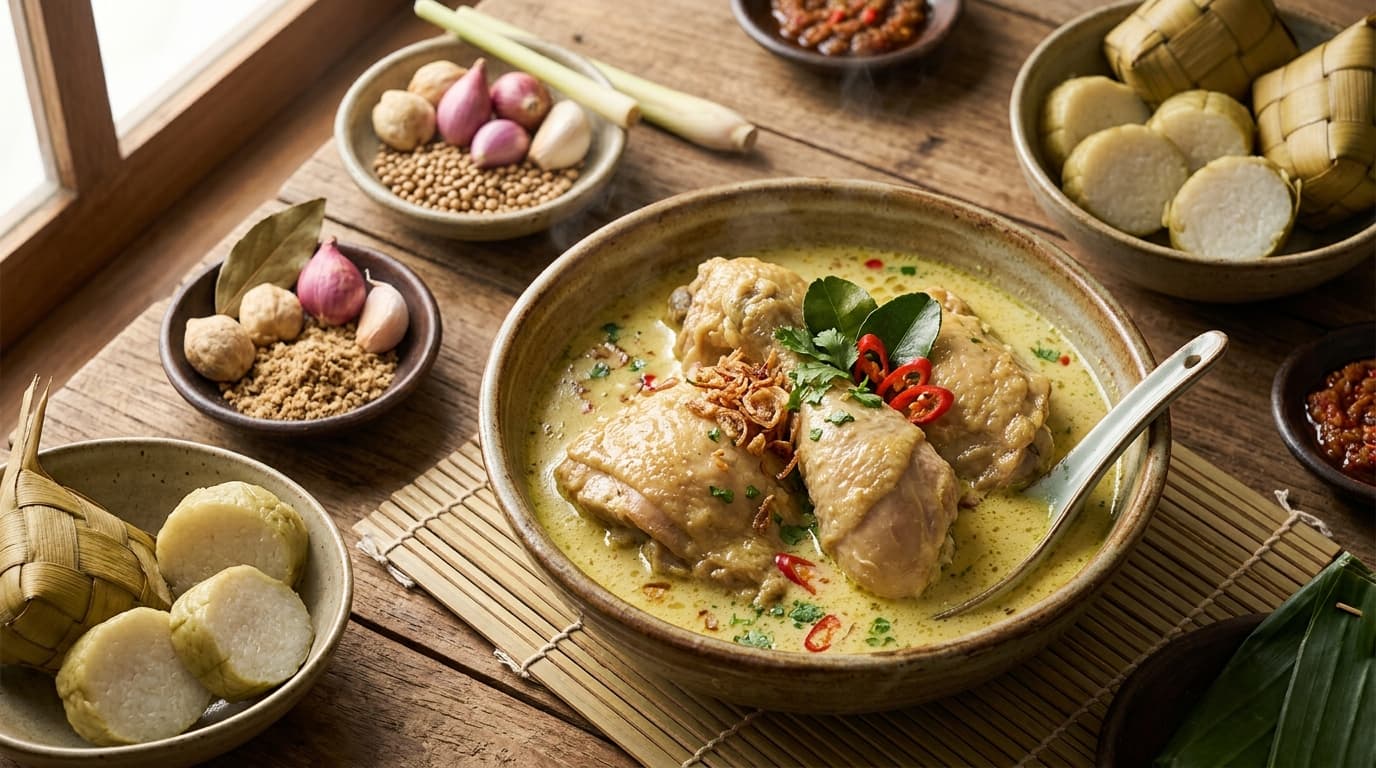 Java · IntermediateOpor AyamKeep coconut sauce silky and aromatic.
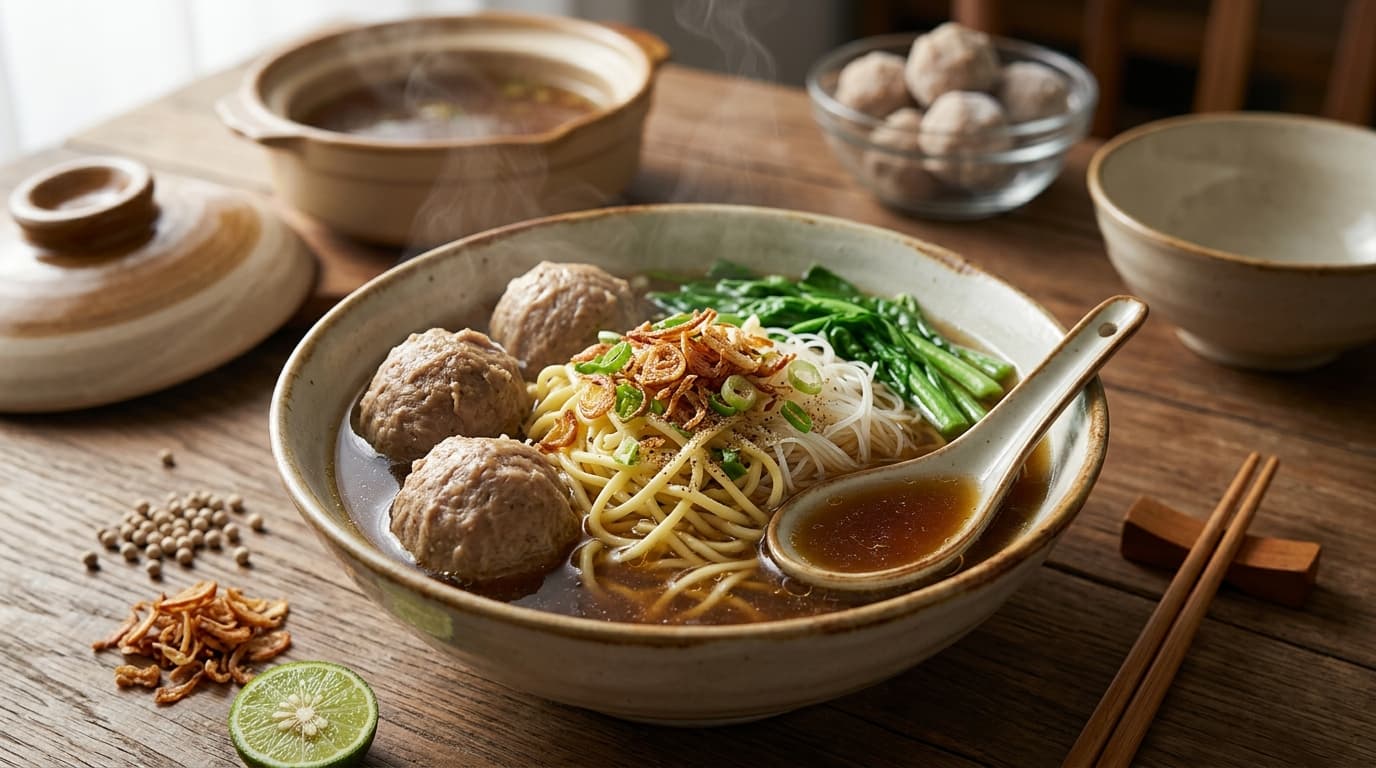 Indonesia · BeginnerBaksoMake a clear, savoury bowl that does not taste watery.
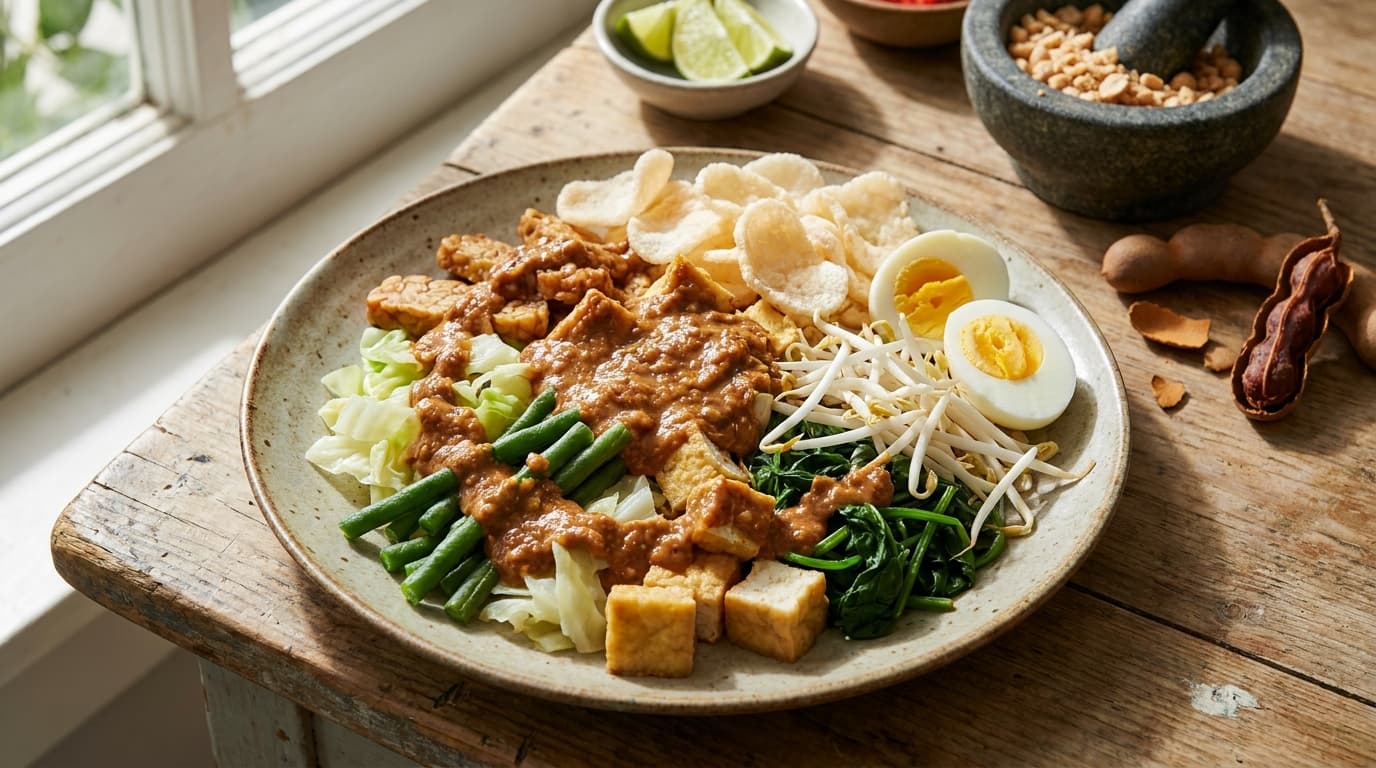 Jakarta · BeginnerGado-GadoBuild a sauce that coats vegetables without turning the plate heavy.
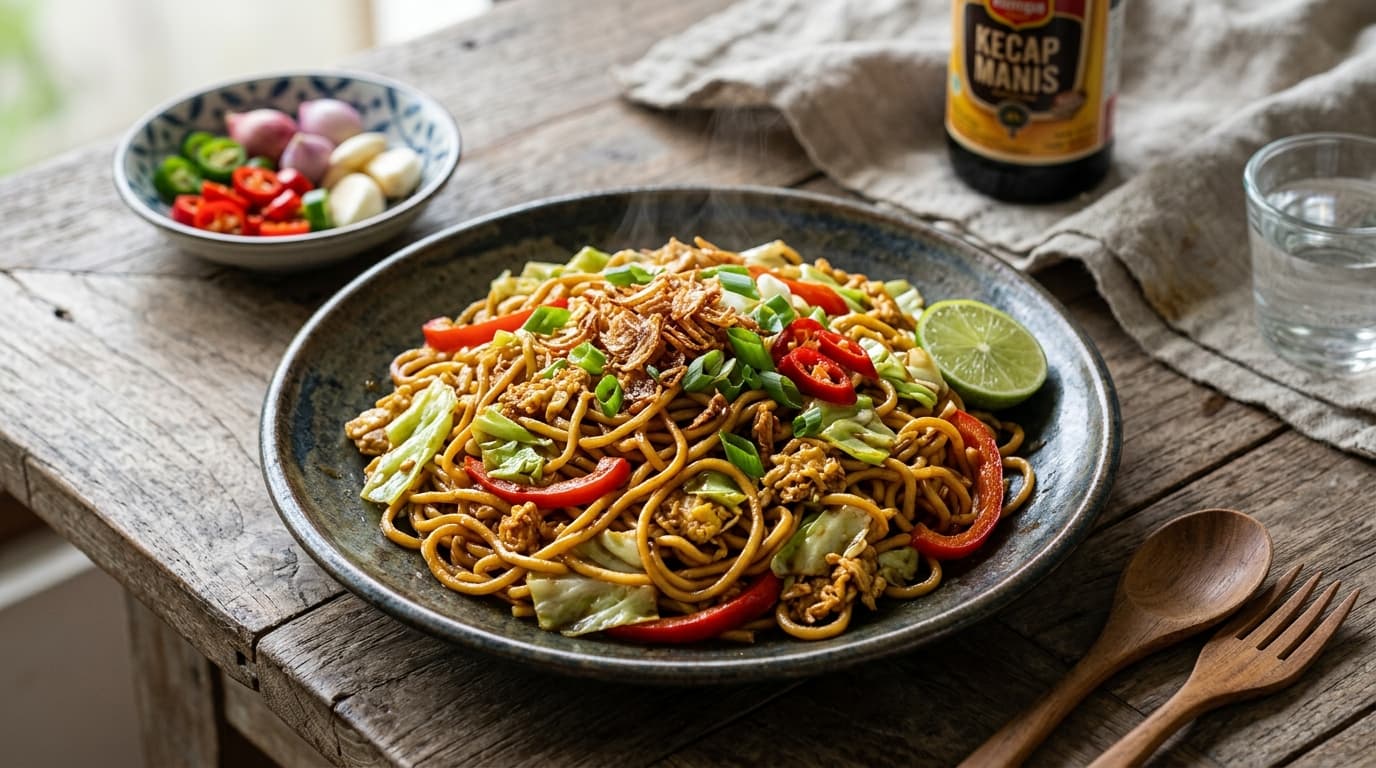 Indonesia · BeginnerMie GorengGet glossy noodles that stay springy.
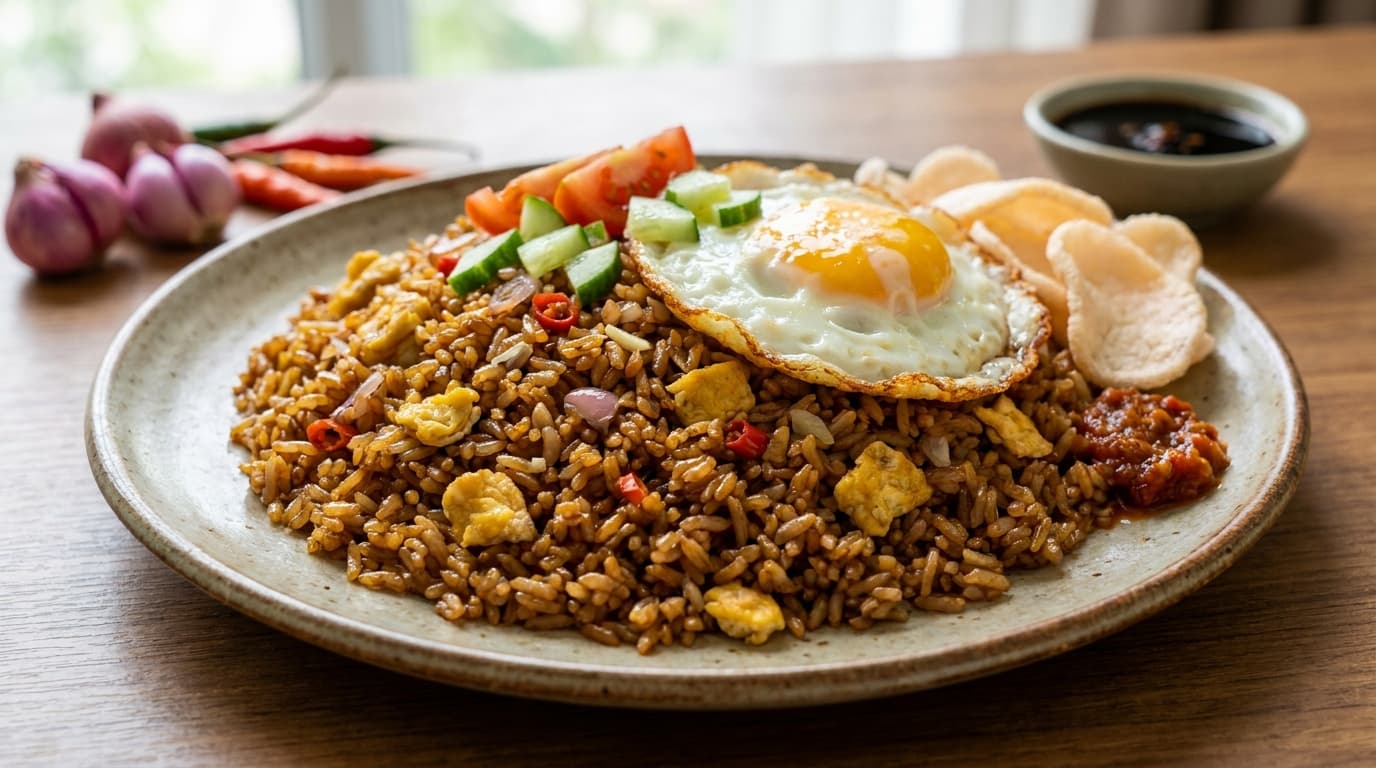 Indonesia · BeginnerNasi GorengGet separate grains and kecap gloss instead of sticky rice.