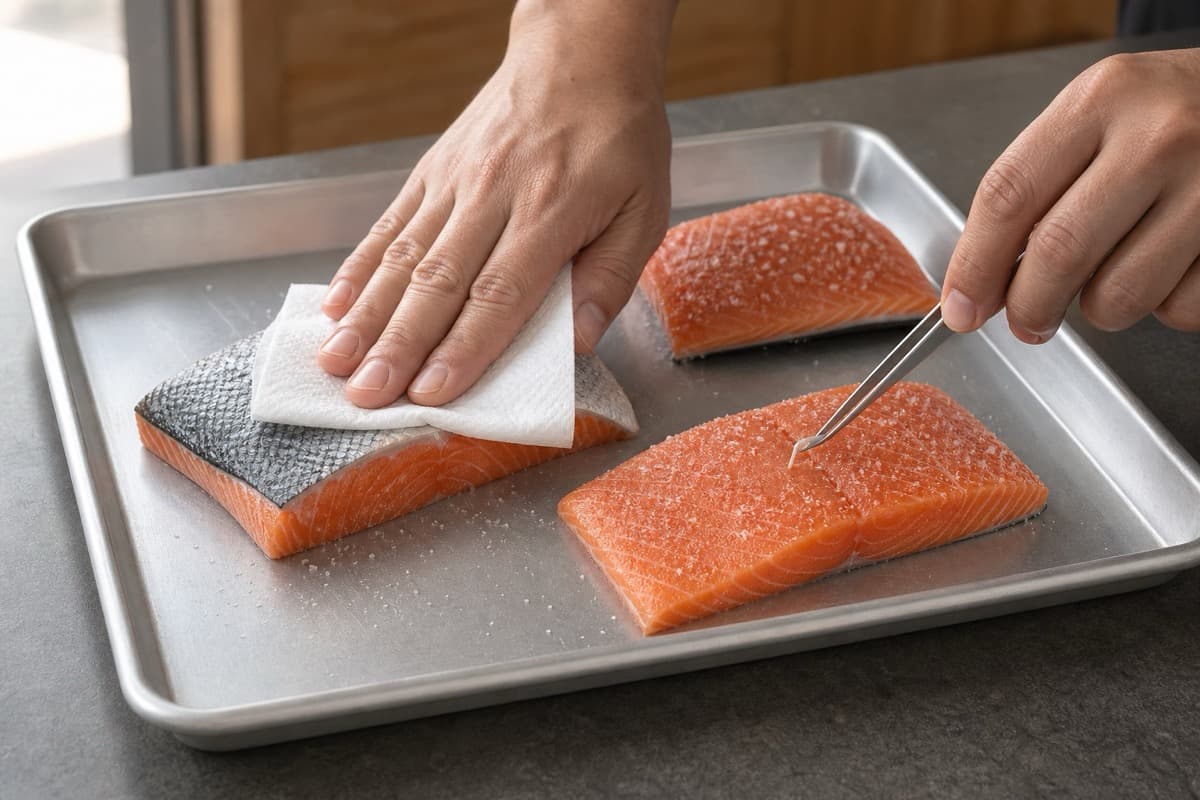
Dry, de-bone, and salt the salmon
The skin looks matte and taut with no visible beads of water.
See this stepID · Bali-inspired modern pairing
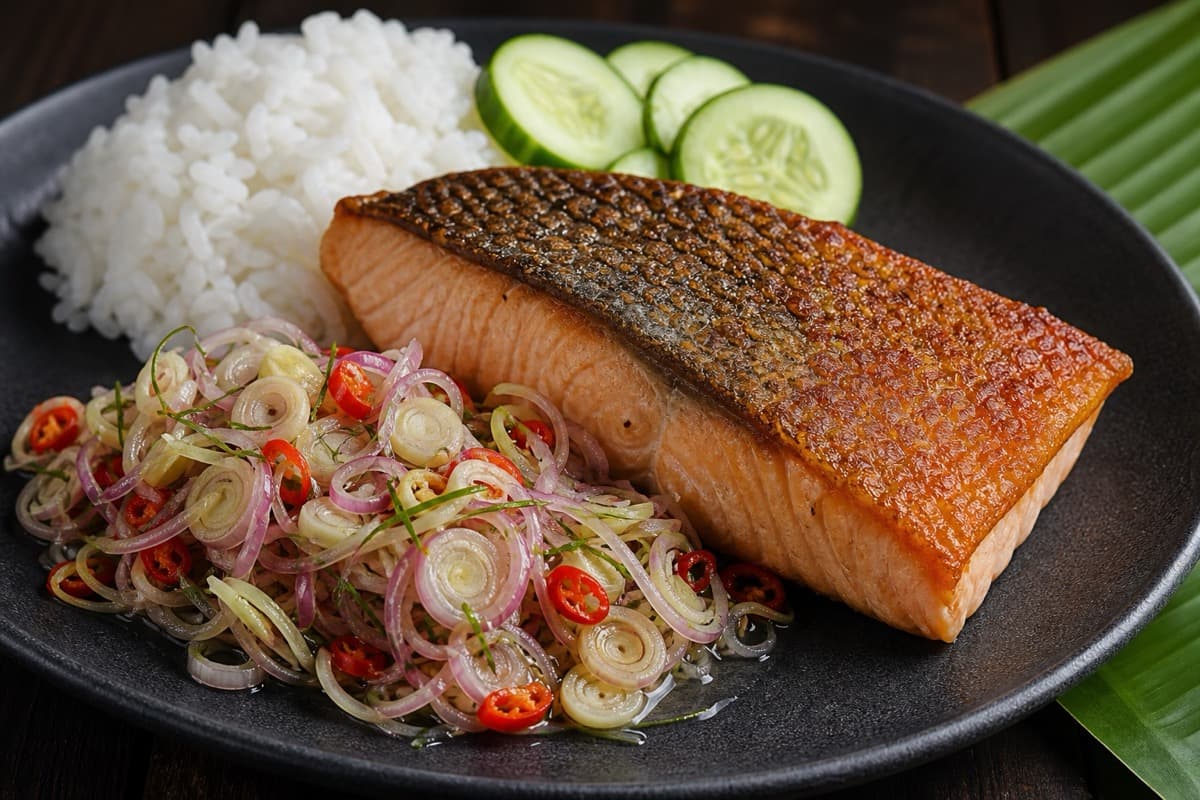
Crisp-skinned salmon with Bali's fresh sliced shallot, chilli, lemongrass, and lime-leaf sambal - a modern pairing built around a traditional raw condiment.
The transformation
Compare the colour, consistency, and cue at each stage.
The skin looks matte and taut with no visible beads of water.
See this step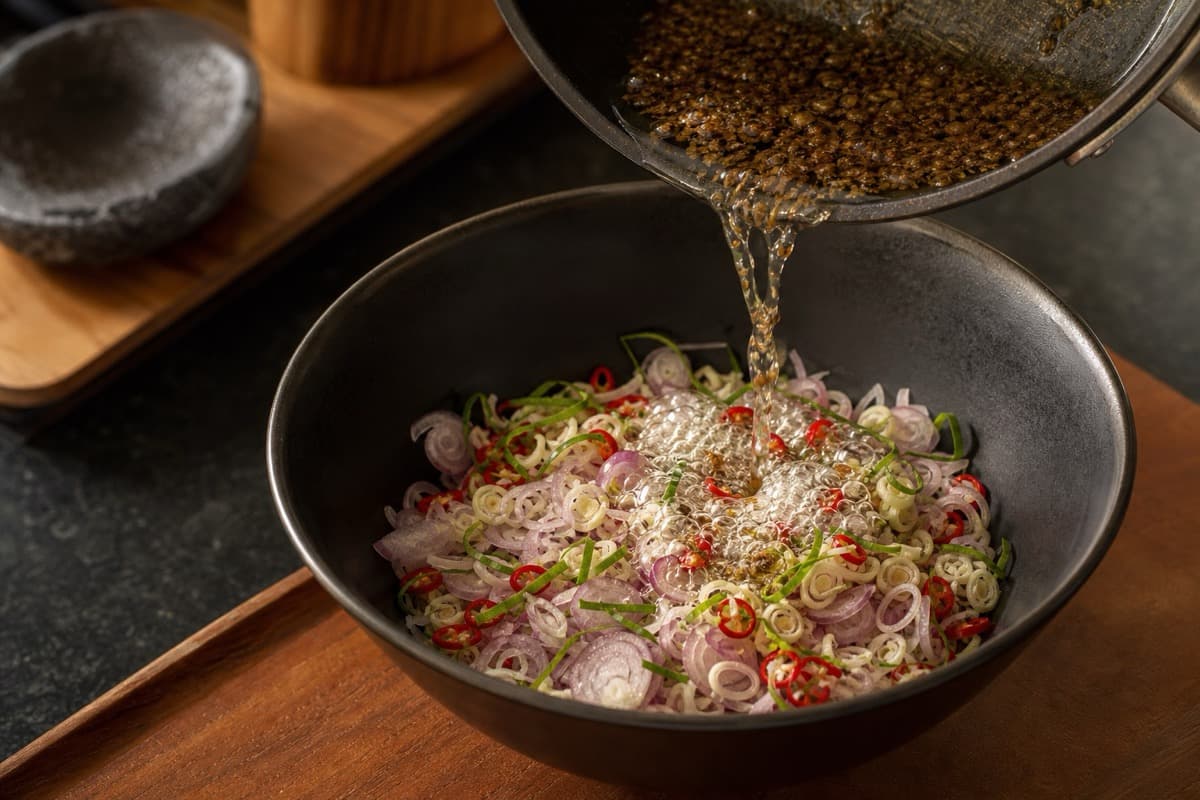
Shallot softens slightly yet keeps its shape; glossy slices remain distinct rather than puréed.
See this step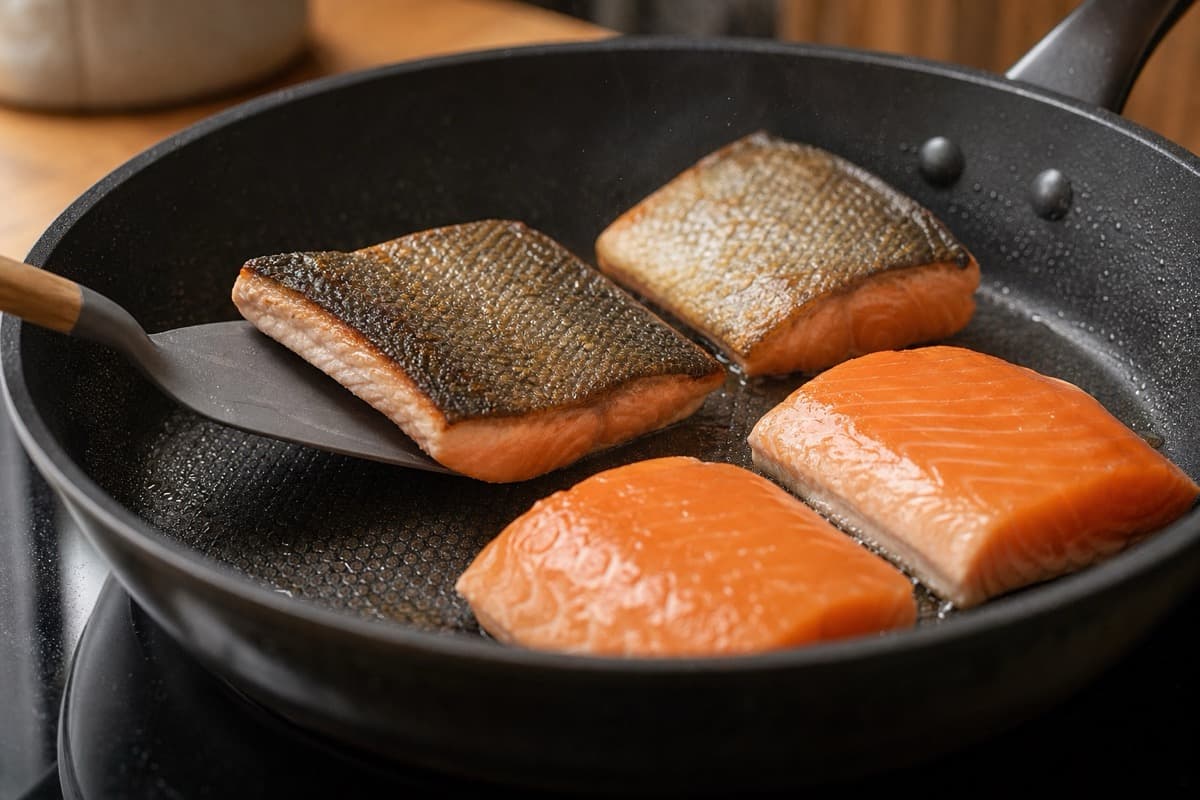
Skin is evenly deep golden; the thickest centre reaches the conservative 63°C endpoint and separates into moist flakes.
See this stepFlavour foundation
Dry skin, firm early pressure, and an undisturbed sear create the crust. Hot - but non-smoking - coconut oil softens the sliced aromatics while lime added later keeps the sambal fresh.
Taste profile
Traditional Balinese sambal matah remains sliced and raw; salmon is transparently presented as the modern partner.
Cook plan
Versions
Diet & allergens
Dietary notes: pescatarian, dairy-free, egg-free, gluten-free adaptable.
Contains or may contain: fish, crustacean in terasi, coconut.
Check packaged-ingredient labels and cross-contamination advice for the brands you use.
Budget
Planning estimate only · not live or locally verified pricing
What belongs where
Sambal matah is a complete Balinese condiment made beside the fish - not a marinade and not a bumbu paste. The salmon pairing is contemporary; keeping the two components separate protects both food safety and crisp skin.
sambal matah
nasi dan lalapan
Storage notes are conservative home-kitchen guidance. Chill perishable food within 2 hours, keep it at 5°C or colder, and follow local food-safety and package directions when they are stricter.
Step-by-step method
Read the action and cue together. Move on when the food matches the cue.
Check the skin for scales, pull pin bones, and pat every surface dry. Sprinkle a little measured salt on the skin and leave it skin-up while the sambal is prepared. Moisture will bead on the surface; blot it completely dry again before cooking.
Common mistake: Wet skin steams, splatters, and cannot become crisp.
Recovery: Turn off the heat and step back. Never add water to hot oil. Let bubbling settle, dry the food completely, reduce the batch size, and restart only when the setup is stable.
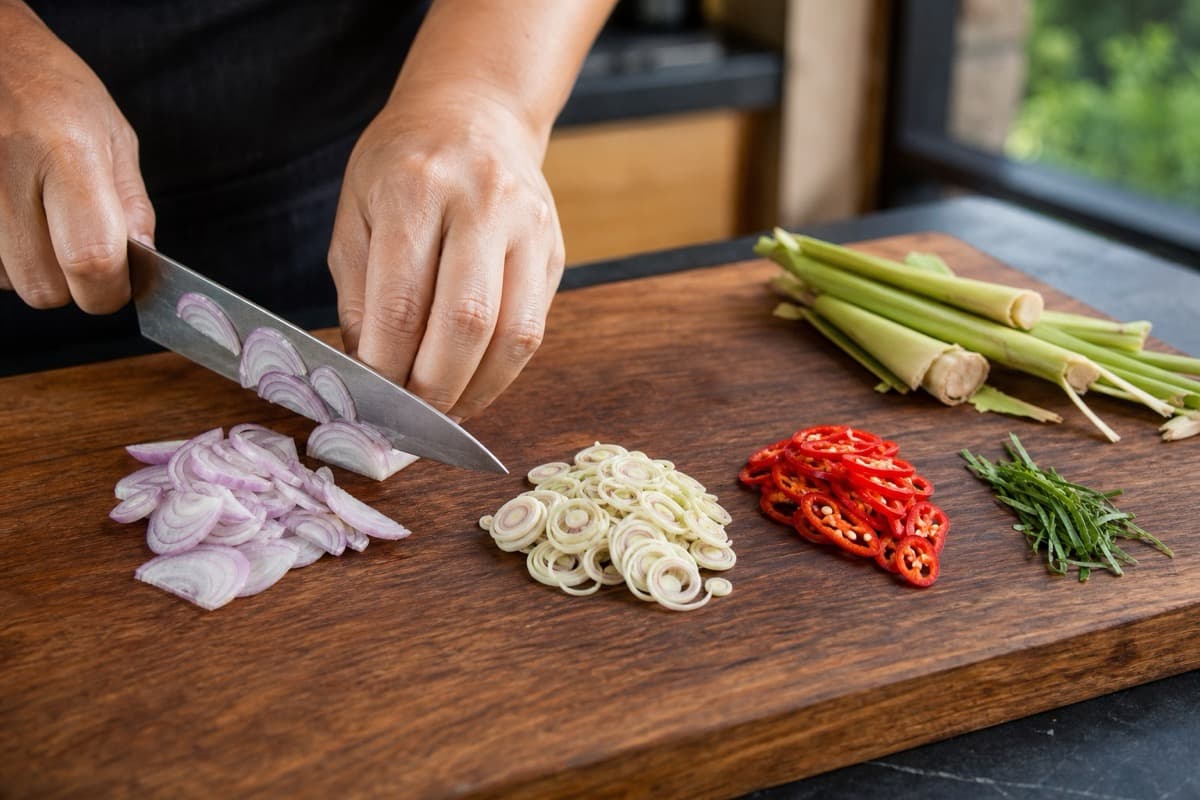
Halve shallots and cut 1–2 mm half-moons. Strip lemongrass to the pale tender heart and slice nearly transparent rings. Slice chilli. Remove the lime-leaf central vein, roll the leaves, and shred them hair-fine. Toast terasi briefly until fragrant.
Common mistake: Green lemongrass and lime-leaf midribs stay woody no matter how much oil is added.
Recovery: Pause before the next step, compare the cue, then correct heat, moisture, or seasoning while the dish is still flexible.
Combine sliced aromatics, crumbled terasi, palm sugar, and the sambal portion of salt. Wearing a glove, squeeze lightly for 30–45 seconds. Heat coconut oil to 150–160°C - shimmering and fragrant, never smoking - then pour it over for a gentle sizzle. Toss and rest 2 minutes.
Common mistake: Smoking oil or burnt terasi makes the whole raw condiment acrid.
Recovery: Move the pan off heat, scrape only the unburnt paste into a clean spot, add a small splash of oil or liquid, and restart gently.
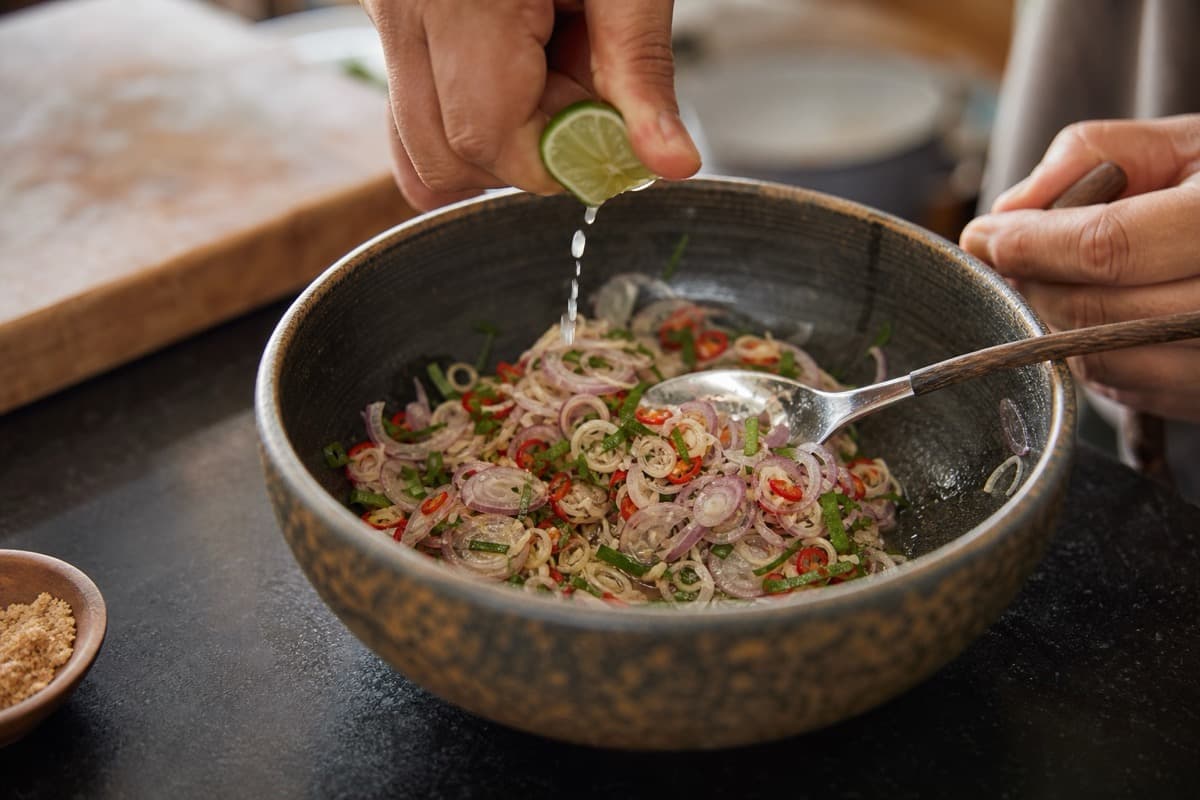
Stir lime juice into the warm sambal only after the initial sizzling stops. Taste for shallot, citrus, salt, savoury terasi, and chilli in that order. Hold at room temperature while the fish cooks; it is not shelf-stable.
Common mistake: Lime under very hot oil splatters and loses its fresh aroma.
Recovery: Turn off the heat and step back. Never add water to hot oil. Let bubbling settle, dry the food completely, reduce the batch size, and restart only when the setup is stable.
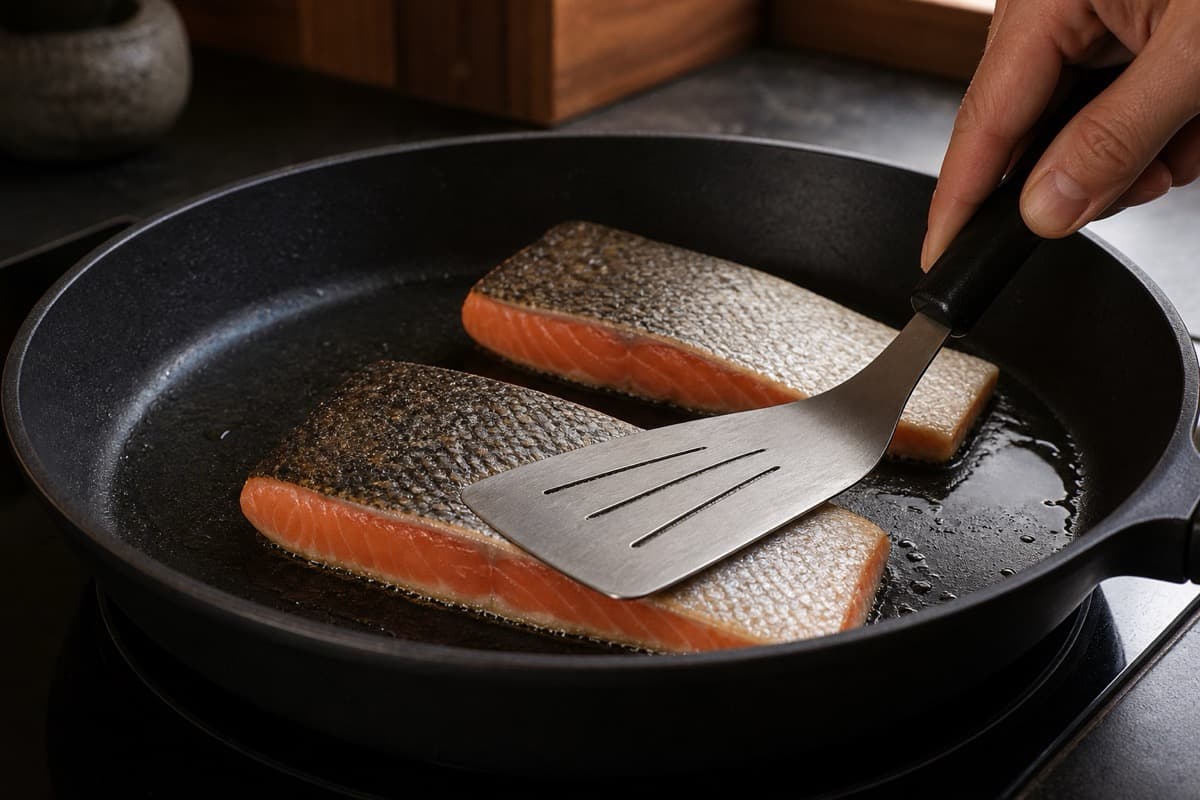
Season the flesh with remaining salt and pepper. Preheat the pan over medium-high for about 2 minutes, add neutral oil, then lay fillets away from your body. Press each flat with a fish slice for 15–20 seconds so the skin cannot buckle; reduce to medium.
Common mistake: A cold pan or no early pressure leaves pale rubbery patches.
Recovery: Pause before the next step, compare the cue, then correct heat, moisture, or seasoning while the dish is still flexible.
Cook undisturbed skin-side down for 5–7 minutes in total. Turn only when the skin is deep gold, releases without force, and the opaque cooked band reaches about three-quarters up the side. Flip once and cook the flesh side 1–3 minutes by thickness.
Common mistake: Repeated lifting tears skin; aggressive high heat squeezes out white albumin and dries the fish.
Recovery: Pause before the next step, compare the cue, then correct heat, moisture, or seasoning while the dish is still flexible.
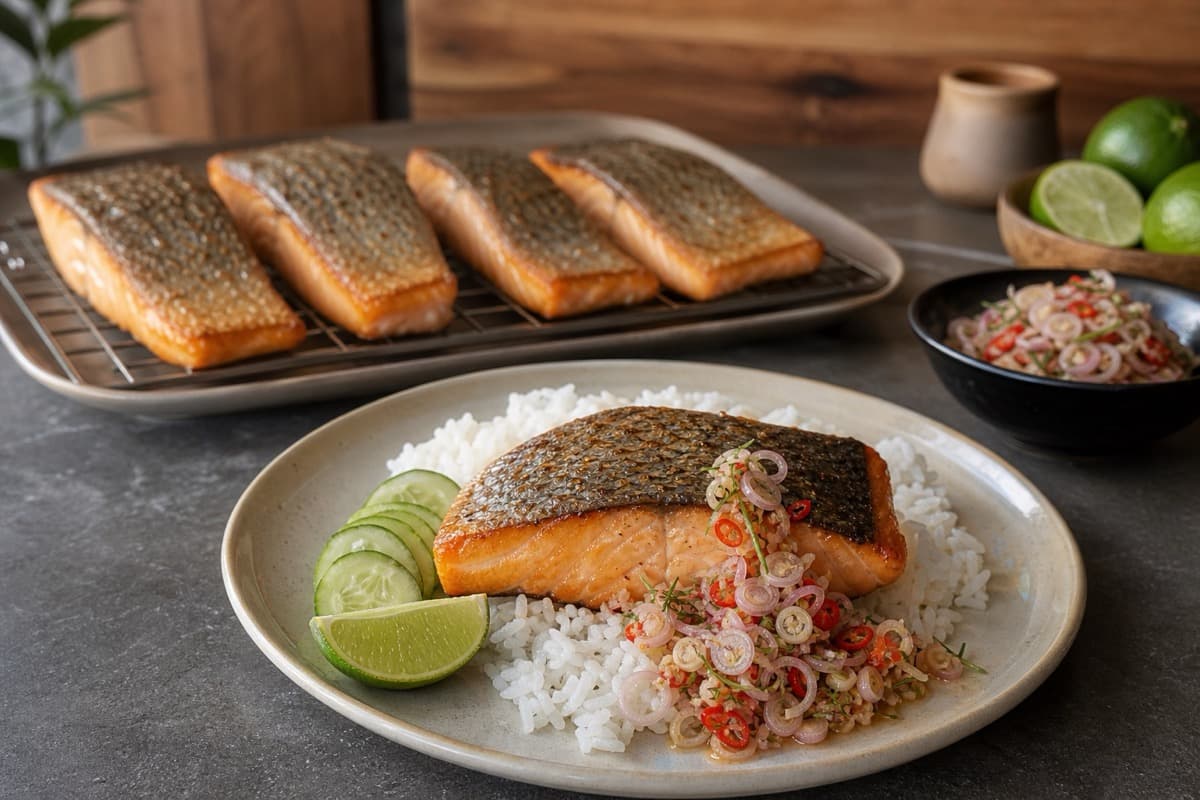
Rest salmon for 2 minutes with skin facing up. Plate beside rice and cucumber with the crust exposed. Spoon sambal against the flesh or beside the fish, and drizzle only a little coconut-lime dressing around it - never blanket the skin.
Common mistake: Resting skin-down or covering it with wet sambal traps steam and undoes the sear.
Recovery: Do not force the fish. Lower the heat slightly and wait until the skin releases, then slide a thin fish slice underneath. Rest and plate with the skin exposed to preserve what crispness remains.
Ingredients
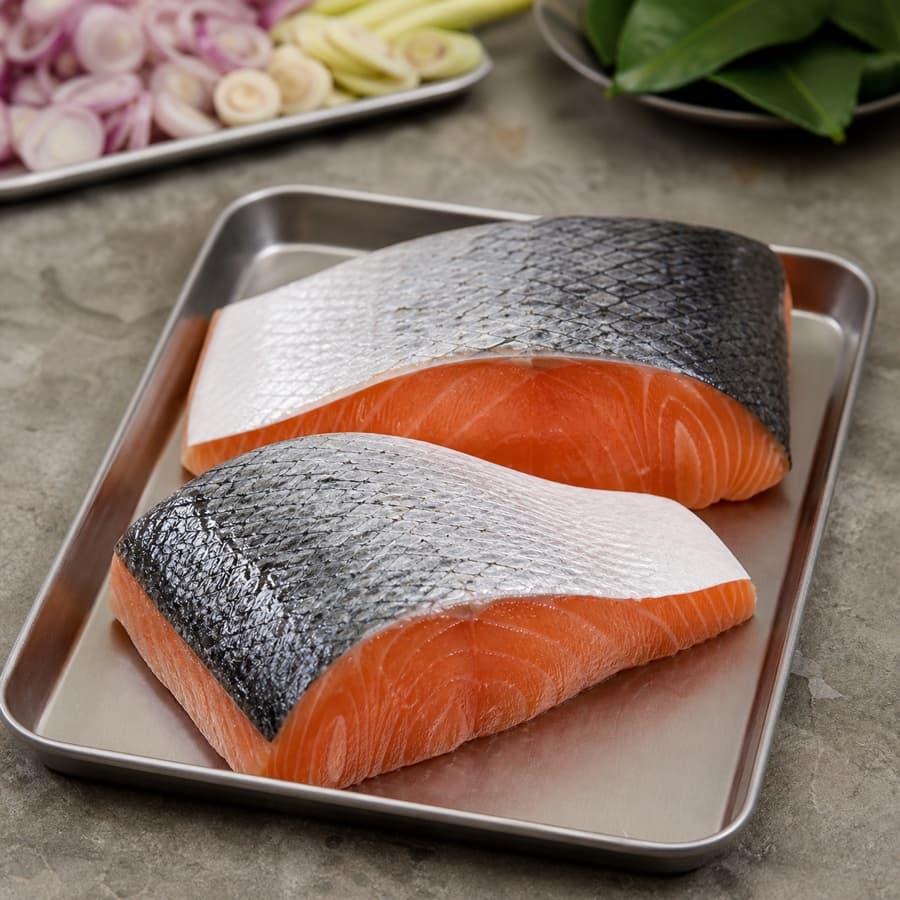
rich fish with a skin that becomes the main crisp texture
Note: Remove pin bones and keep raw fish separate from the ready-to-eat sambal.
Swap: ocean trout, barramundi, snapper, or mackerel; cook by thickness and temperature
 Nearby Asian grocersSearch TozerbaSearch Asian PantryToko Nusantara
 Search Coles
 Search WoolworthsFind an ALDIFind an IGA
These links open searches, catalogues, or store locators. Check the exact form and local availability there.
Nearby traditional marketsPasar Jaya networkSuper Indo locationsRanch Market outletsHypermart online Search Sayurbox
 Search Tokopedia
 Search ShopeeOpen GrabMart
These links open searches, catalogues, or store locators. Check the exact form and local availability there.
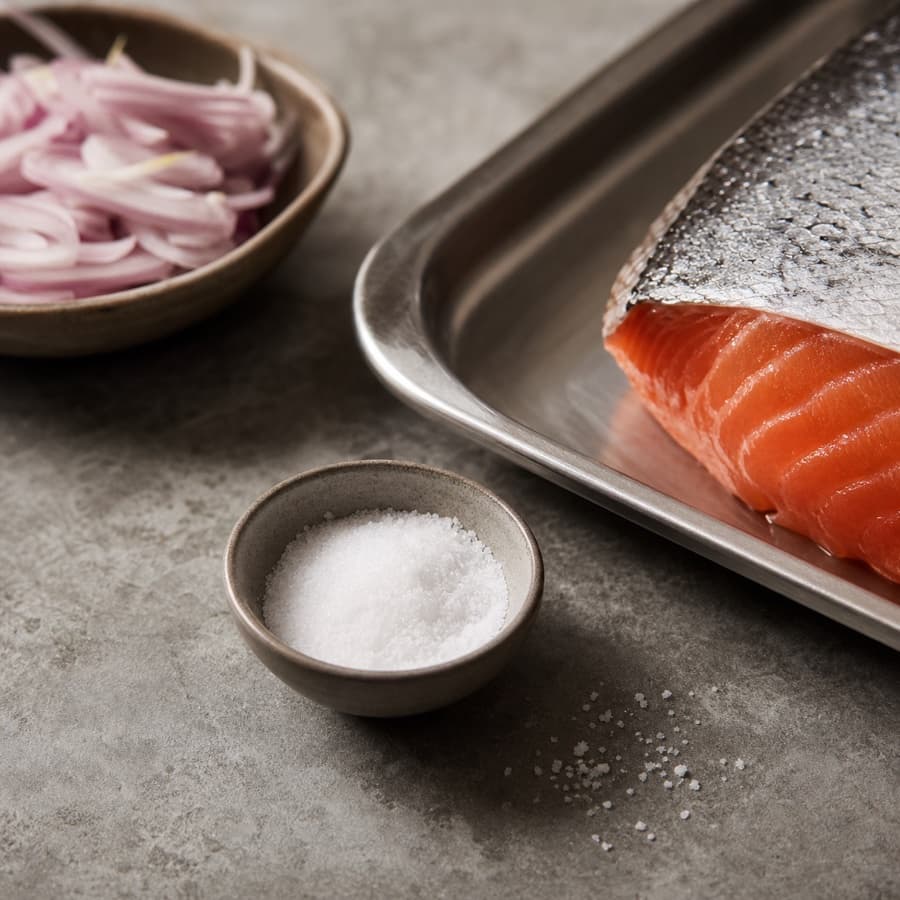
seasons both fish and sliced sambal precisely
Nearby Asian grocersSearch TozerbaSearch Asian PantryToko NusantaraSearch ColesSearch WoolworthsFind an ALDIFind an IGAThese links open searches, catalogues, or store locators. Check the exact form and local availability there.
Nearby traditional marketsPasar Jaya networkSuper Indo locationsRanch Market outletsHypermart onlineSearch SayurboxSearch TokopediaSearch ShopeeOpen GrabMartThese links open searches, catalogues, or store locators. Check the exact form and local availability there.
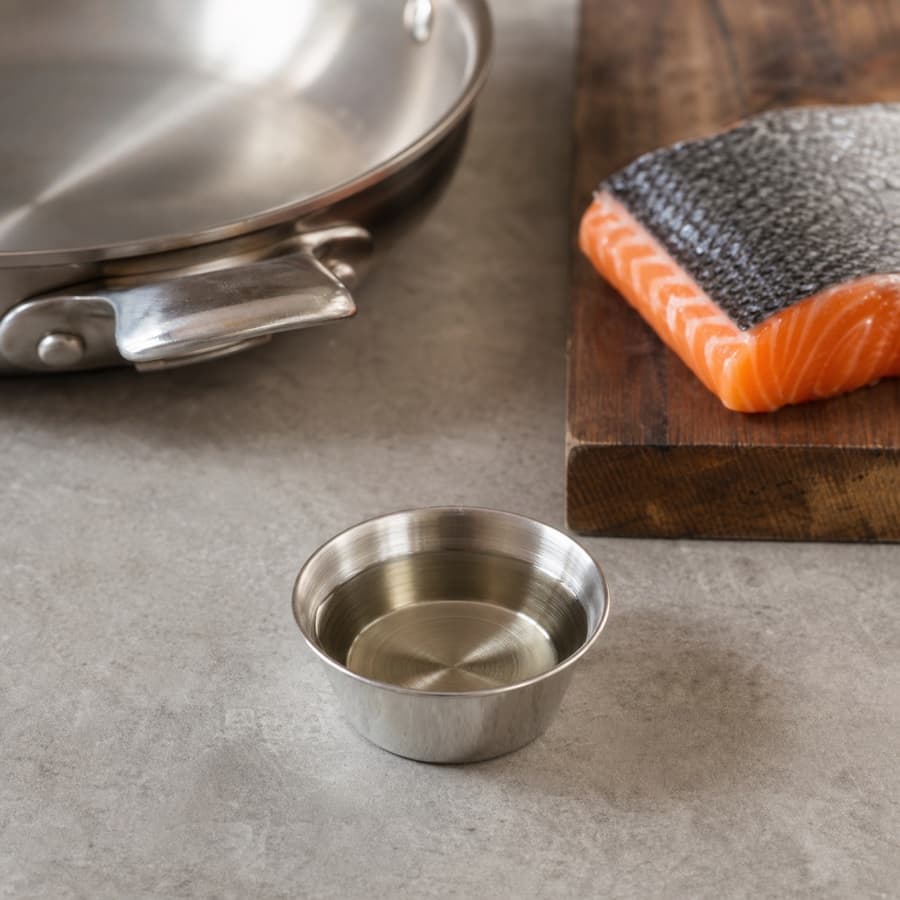
conducts even heat under the salmon skin
Nearby Asian grocersSearch TozerbaSearch Asian PantryToko NusantaraSearch ColesSearch WoolworthsFind an ALDIFind an IGAThese links open searches, catalogues, or store locators. Check the exact form and local availability there.
Nearby traditional marketsPasar Jaya networkSuper Indo locationsRanch Market outletsHypermart onlineSearch SayurboxSearch TokopediaSearch ShopeeOpen GrabMartThese links open searches, catalogues, or store locators. Check the exact form and local availability there.
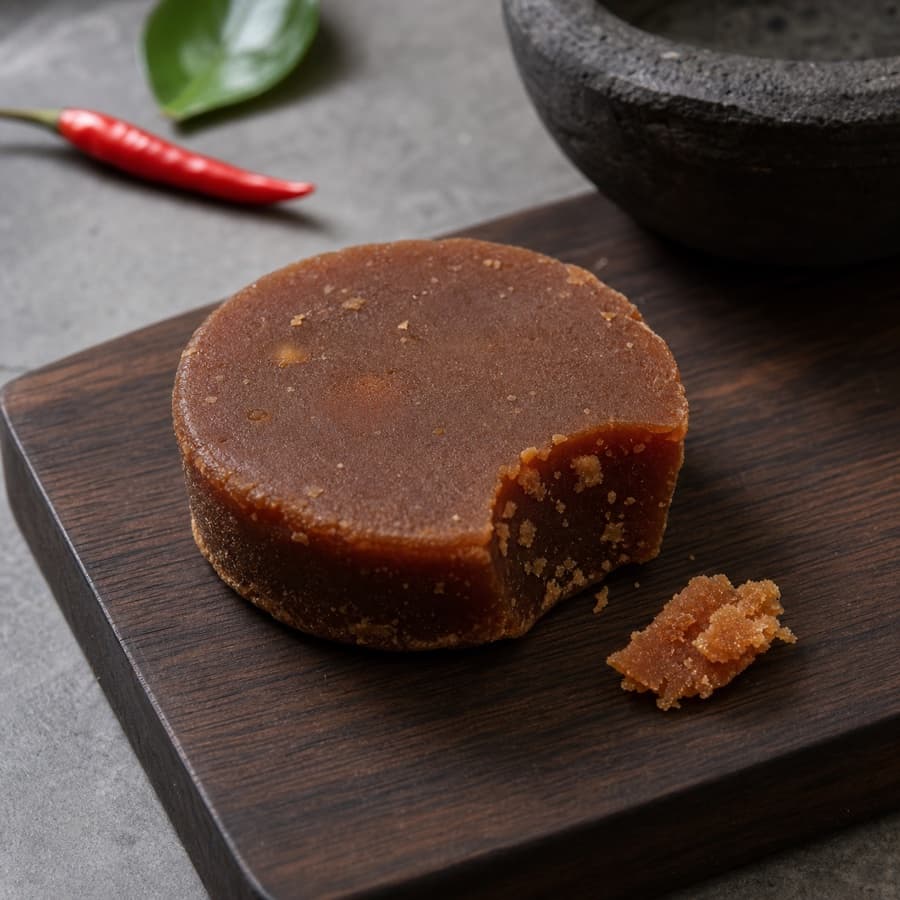
tiny amount rounds chilli and lime without making a sweet relish
Nearby Asian grocersSearch TozerbaSearch Asian PantryToko NusantaraSearch ColesSearch WoolworthsFind an ALDIFind an IGAThese links open searches, catalogues, or store locators. Check the exact form and local availability there.
Nearby traditional marketsPasar Jaya networkSuper Indo locationsRanch Market outletsHypermart onlineSearch SayurboxSearch TokopediaSearch ShopeeOpen GrabMartThese links open searches, catalogues, or store locators. Check the exact form and local availability there.
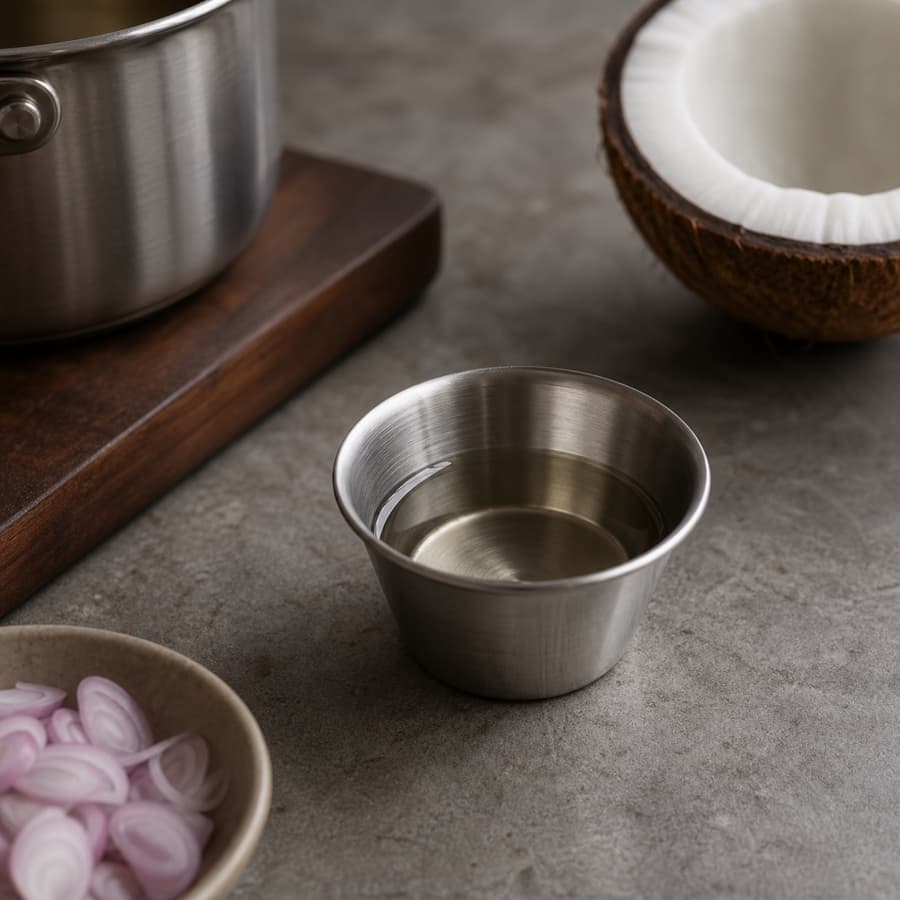
defining Balinese aroma and the hot bloom for raw slices
Note: Heat only until shimmering, about 150–160°C; smoking oil tastes acrid.
Swap: neutral oil works technically but loses a defining aroma
Nearby Asian grocersSearch TozerbaSearch Asian PantryToko NusantaraSearch ColesSearch WoolworthsFind an ALDIFind an IGAThese links open searches, catalogues, or store locators. Check the exact form and local availability there.
Nearby traditional marketsPasar Jaya networkSuper Indo locationsRanch Market outletsHypermart onlineSearch SayurboxSearch TokopediaSearch ShopeeOpen GrabMartThese links open searches, catalogues, or store locators. Check the exact form and local availability there.
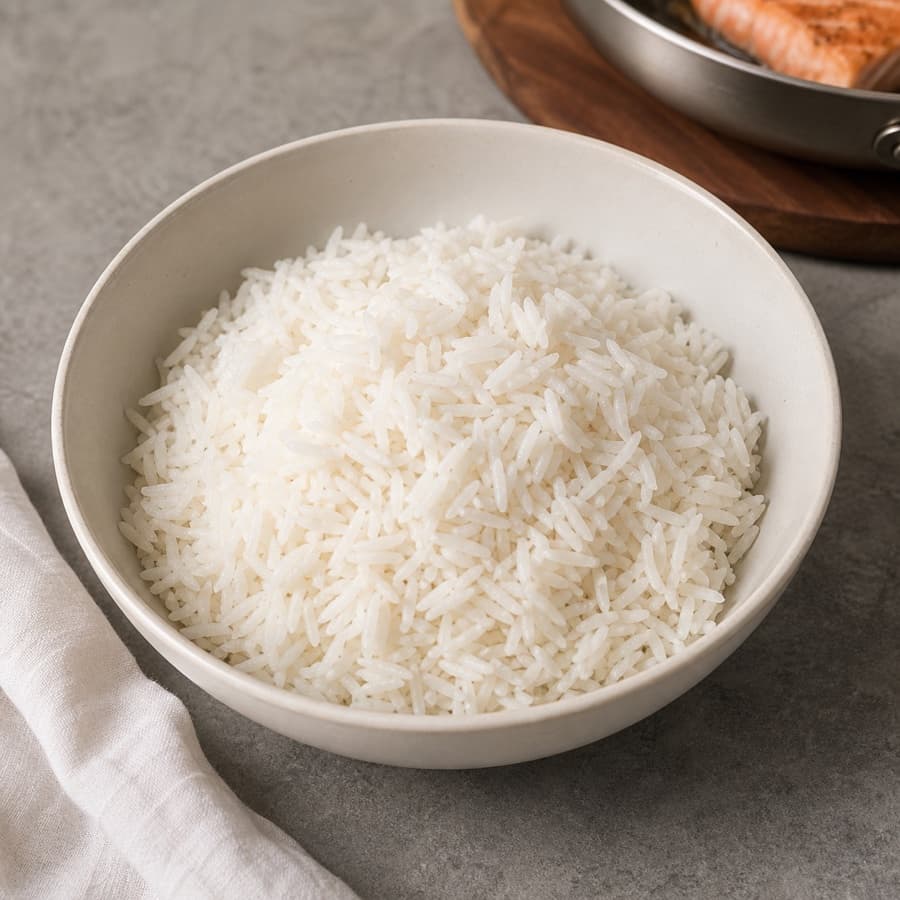
plain base for the rich fish and aromatic oil
Nearby Asian grocersSearch TozerbaSearch Asian PantryToko NusantaraSearch ColesSearch WoolworthsFind an ALDIFind an IGAThese links open searches, catalogues, or store locators. Check the exact form and local availability there.
Nearby traditional marketsPasar Jaya networkSuper Indo locationsRanch Market outletsHypermart onlineSearch SayurboxSearch TokopediaSearch ShopeeOpen GrabMartThese links open searches, catalogues, or store locators. Check the exact form and local availability there.
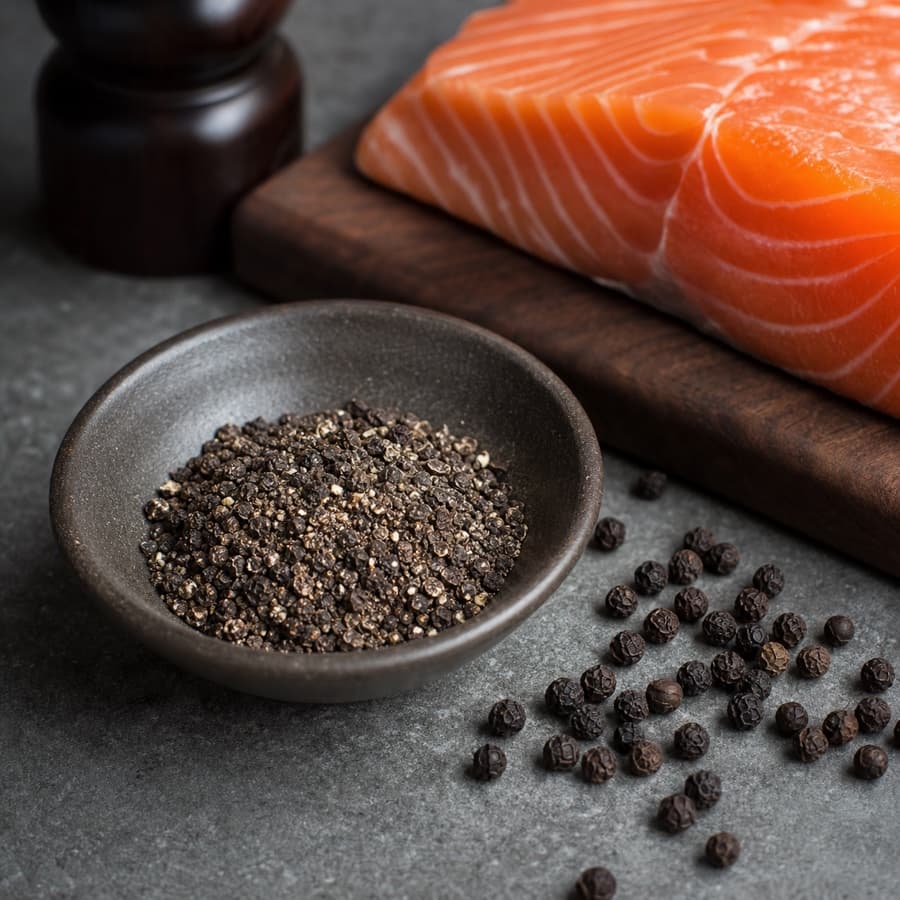
light seasoning on the salmon flesh
Nearby Asian grocersSearch TozerbaSearch Asian PantryToko NusantaraSearch ColesSearch WoolworthsFind an ALDIFind an IGAThese links open searches, catalogues, or store locators. Check the exact form and local availability there.
Nearby traditional marketsPasar Jaya networkSuper Indo locationsRanch Market outletsHypermart onlineSearch SayurboxSearch TokopediaSearch ShopeeOpen GrabMartThese links open searches, catalogues, or store locators. Check the exact form and local availability there.
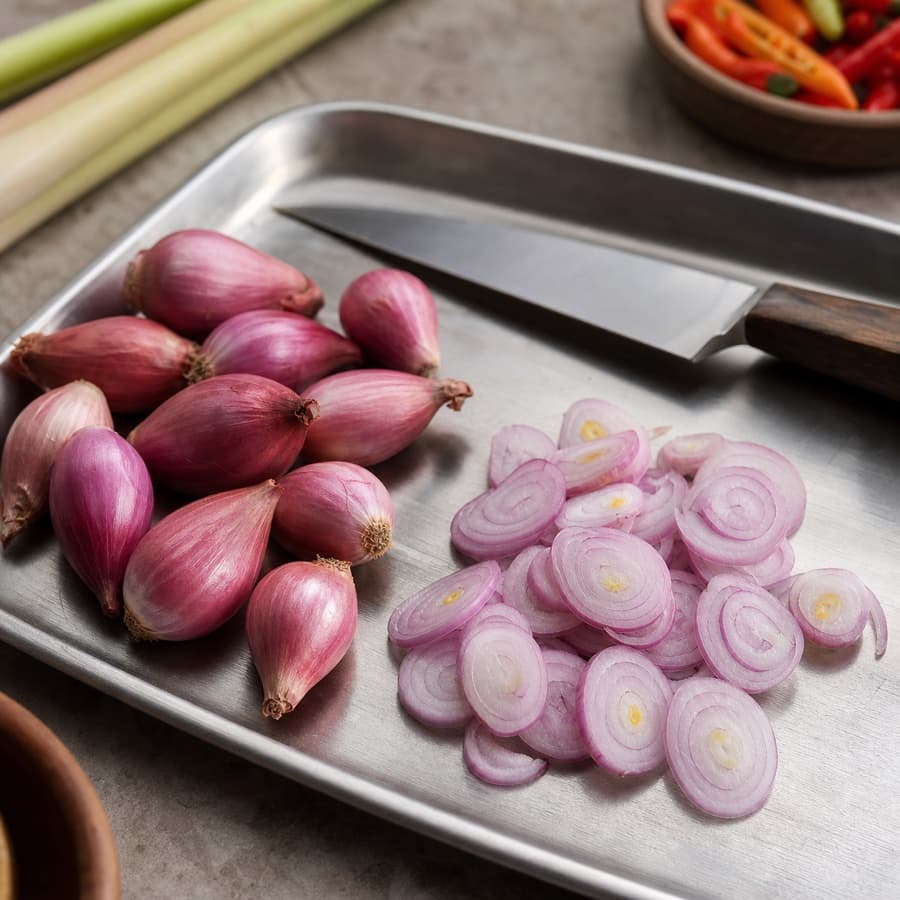
the crisp, sweet sliced body of sambal matah
Swap: red onion sliced paper-thin; it will taste stronger
Nearby Asian grocersSearch TozerbaSearch Asian PantryToko NusantaraSearch ColesSearch WoolworthsFind an ALDIFind an IGAThese links open searches, catalogues, or store locators. Check the exact form and local availability there.
Nearby traditional marketsPasar Jaya networkSuper Indo locationsRanch Market outletsHypermart onlineSearch SayurboxSearch TokopediaSearch ShopeeOpen GrabMartThese links open searches, catalogues, or store locators. Check the exact form and local availability there.
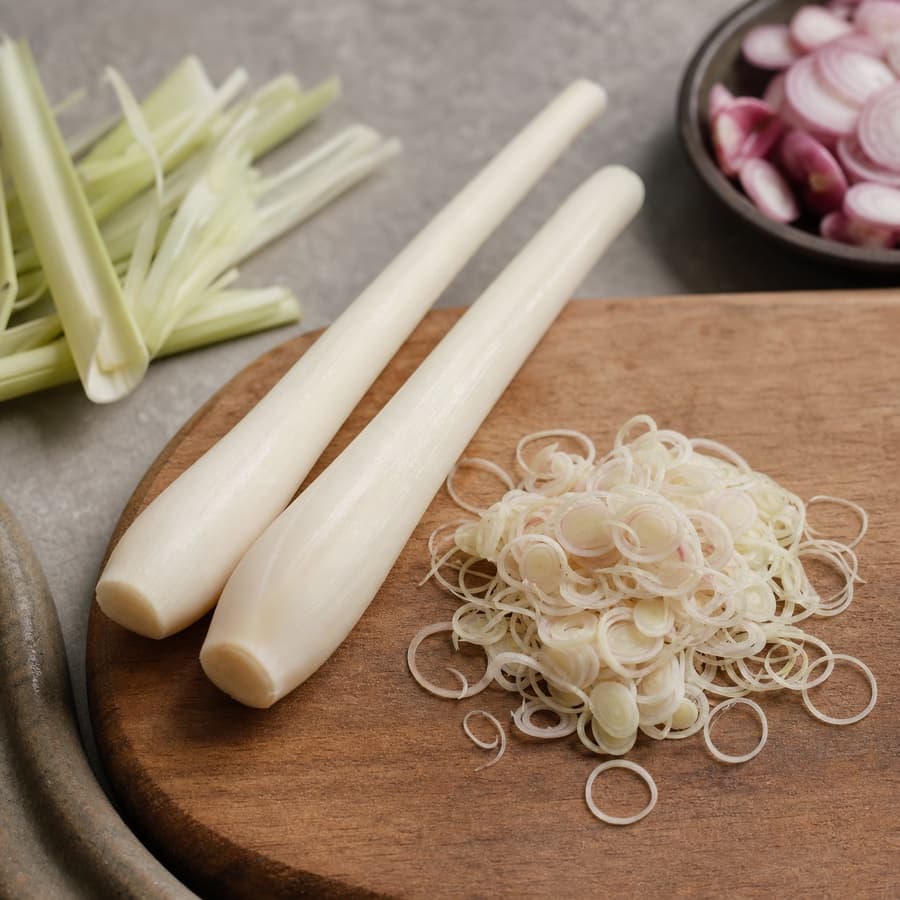
soft citrus rings that can be eaten raw
Note: Discard dry outer layers and the green top; thick green rings stay woody.
Nearby Asian grocersSearch TozerbaSearch Asian PantryToko NusantaraSearch ColesSearch WoolworthsFind an ALDIFind an IGAThese links open searches, catalogues, or store locators. Check the exact form and local availability there.
Nearby traditional marketsPasar Jaya networkSuper Indo locationsRanch Market outletsHypermart onlineSearch SayurboxSearch TokopediaSearch ShopeeOpen GrabMartThese links open searches, catalogues, or store locators. Check the exact form and local availability there.
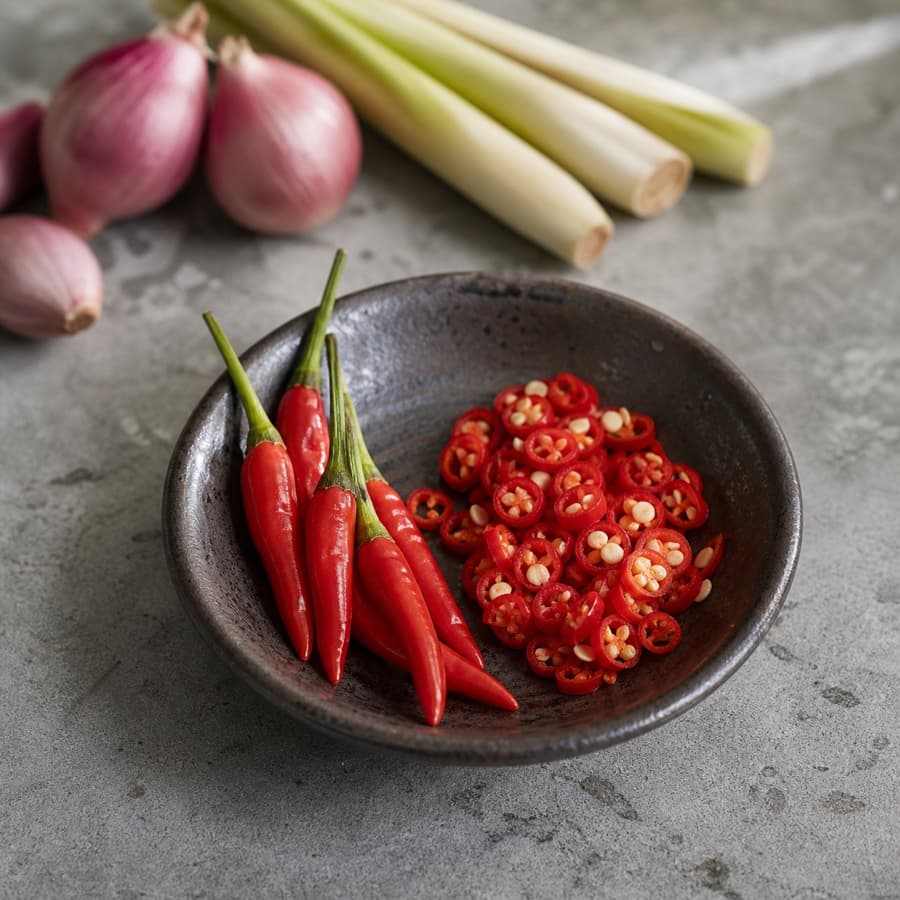
clean sharp heat in fine visible rings
Swap: 1 bird's-eye chilli plus 15 g deseeded long red chilli for a mild version
Nearby Asian grocersSearch TozerbaSearch Asian PantryToko NusantaraSearch ColesSearch WoolworthsFind an ALDIFind an IGAThese links open searches, catalogues, or store locators. Check the exact form and local availability there.
Nearby traditional marketsPasar Jaya networkSuper Indo locationsRanch Market outletsHypermart onlineSearch SayurboxSearch TokopediaSearch ShopeeOpen GrabMartThese links open searches, catalogues, or store locators. Check the exact form and local availability there.
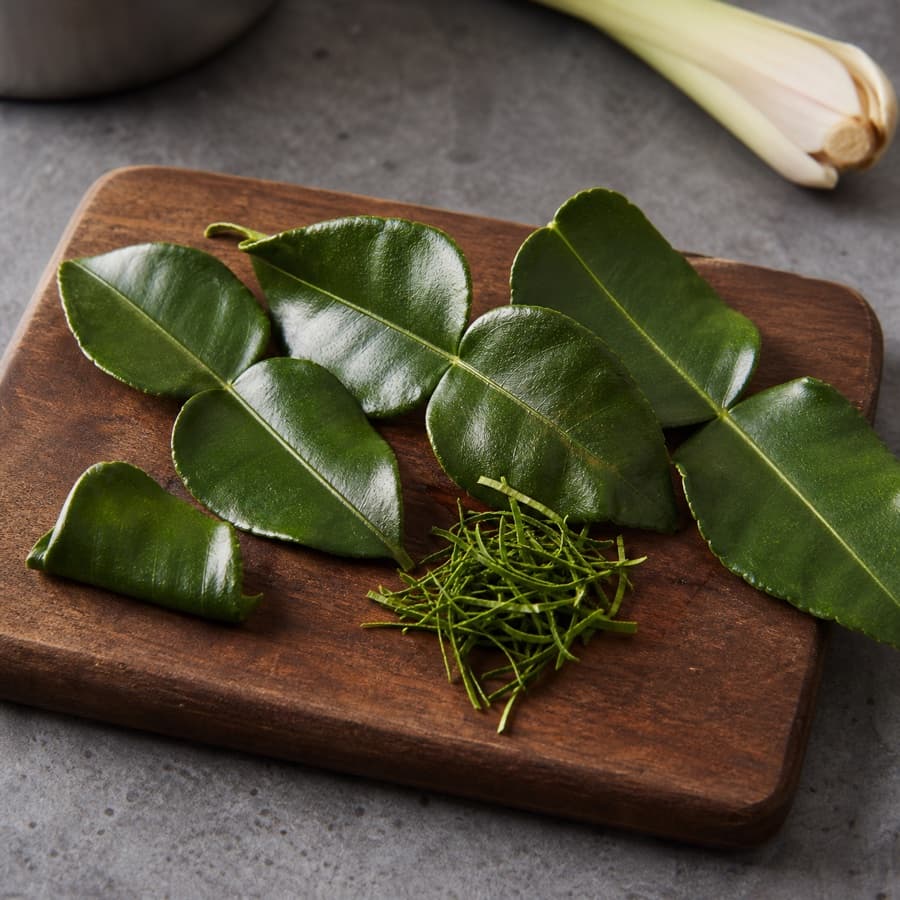
intense citrus perfume in hair-fine shreds
Note: Remove the tough central vein before shredding.
Swap: 1–2 g lime zest added after the hot oil
Nearby Asian grocersSearch TozerbaSearch Asian PantryToko NusantaraSearch ColesSearch WoolworthsFind an ALDIFind an IGAThese links open searches, catalogues, or store locators. Check the exact form and local availability there.
Nearby traditional marketsPasar Jaya networkSuper Indo locationsRanch Market outletsHypermart onlineSearch SayurboxSearch TokopediaSearch ShopeeOpen GrabMartThese links open searches, catalogues, or store locators. Check the exact form and local availability there.
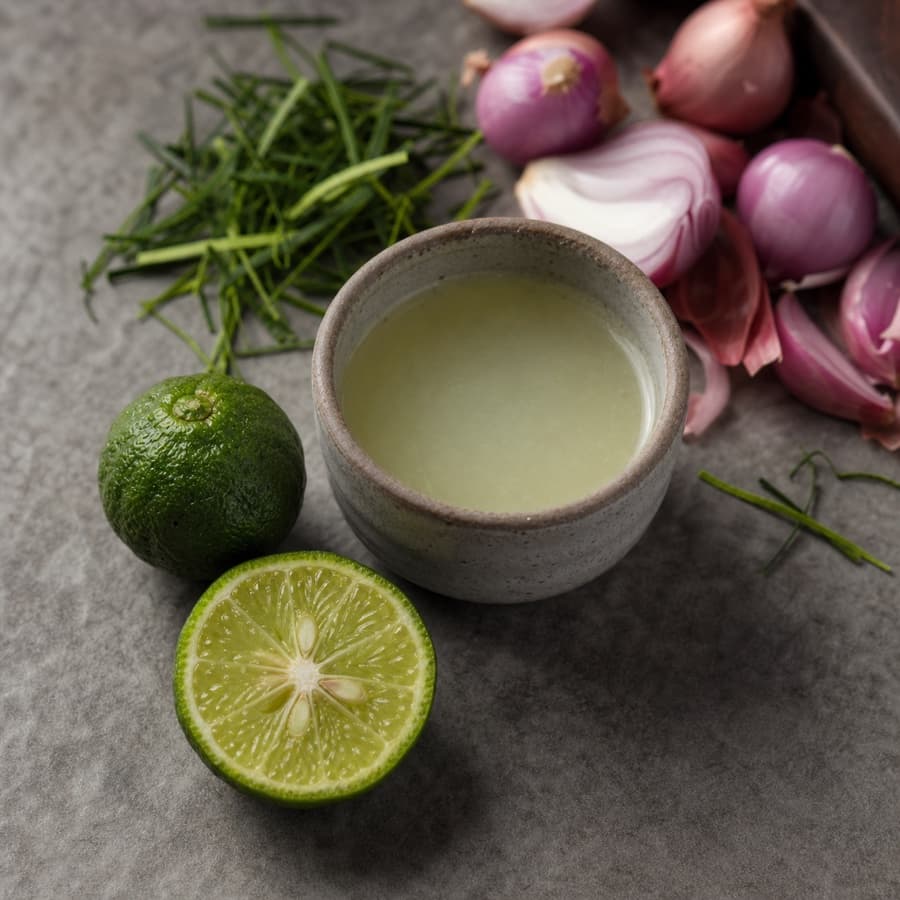
fresh acid added after the oil's initial heat subsides
Note: Do not add before pouring hot oil; wet citrus can splatter and loses its fresh aroma.
Nearby Asian grocersSearch TozerbaSearch Asian PantryToko NusantaraSearch ColesSearch WoolworthsFind an ALDIFind an IGAThese links open searches, catalogues, or store locators. Check the exact form and local availability there.
Nearby traditional marketsPasar Jaya networkSuper Indo locationsRanch Market outletsHypermart onlineSearch SayurboxSearch TokopediaSearch ShopeeOpen GrabMartThese links open searches, catalogues, or store locators. Check the exact form and local availability there.
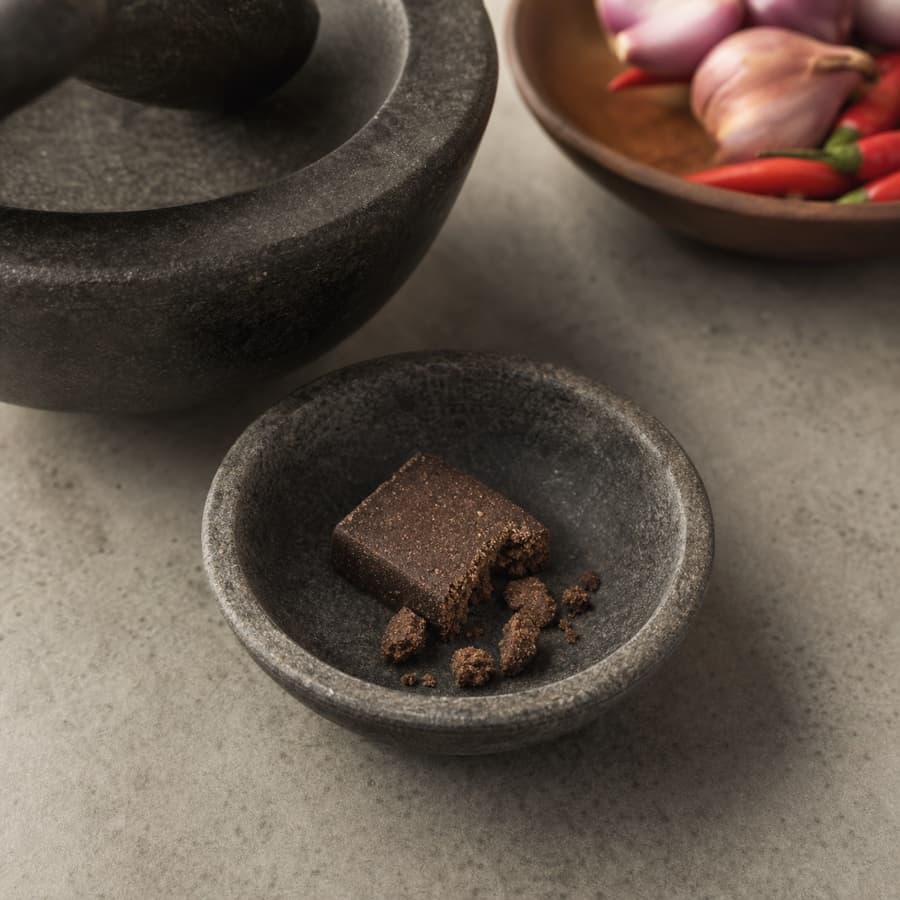
small fermented savoury note behind the fresh aromatics
Note: Contains crustacean; toast it until fragrant or use a pre-toasted product.
Swap: omit and add about 1 g extra salt for a crustacean-free version
Nearby Asian grocersSearch TozerbaSearch Asian PantryToko NusantaraSearch ColesSearch WoolworthsFind an ALDIFind an IGAThese links open searches, catalogues, or store locators. Check the exact form and local availability there.
Nearby traditional marketsPasar Jaya networkSuper Indo locationsRanch Market outletsHypermart onlineSearch SayurboxSearch TokopediaSearch ShopeeOpen GrabMartThese links open searches, catalogues, or store locators. Check the exact form and local availability there.
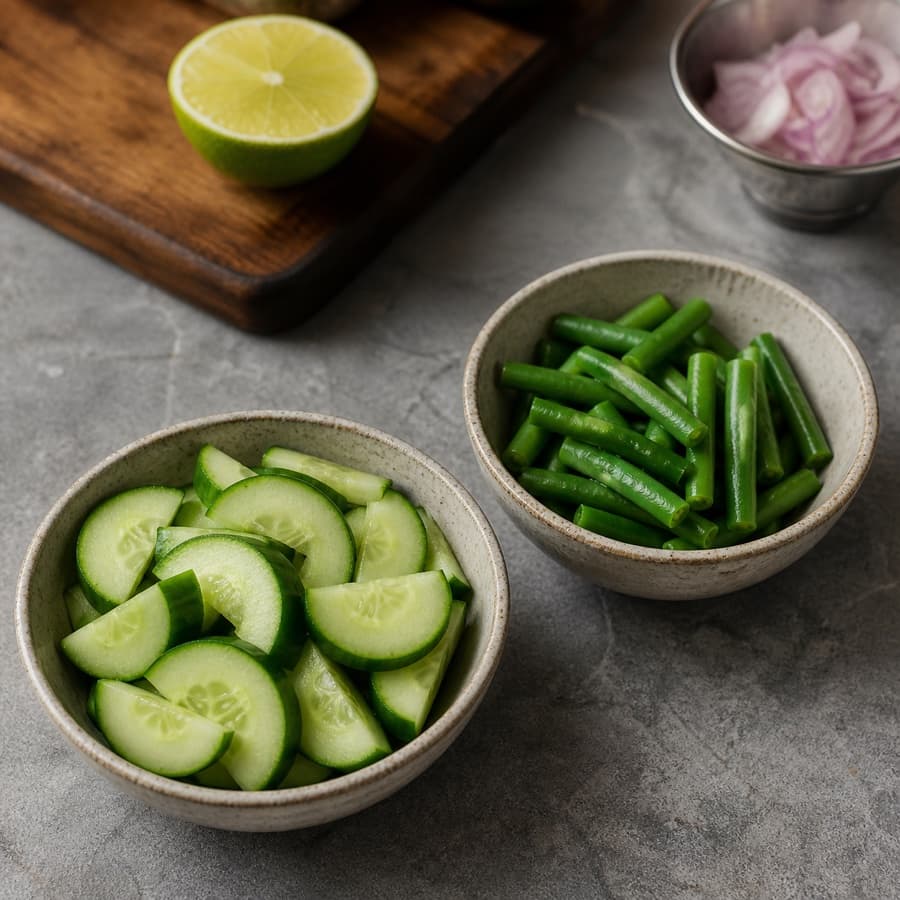
cool fresh contrast beside the salmon
Nearby Asian grocersSearch TozerbaSearch Asian PantryToko NusantaraSearch ColesSearch WoolworthsFind an ALDIFind an IGAThese links open searches, catalogues, or store locators. Check the exact form and local availability there.
Nearby traditional marketsPasar Jaya networkSuper Indo locationsRanch Market outletsHypermart onlineSearch SayurboxSearch TokopediaSearch ShopeeOpen GrabMartThese links open searches, catalogues, or store locators. Check the exact form and local availability there.
Melbourne and Jakarta
Current links help you search by the right ingredient name; they do not confirm a product, price, or stock level.
Start with an Indonesian or broader Asian grocer for skin-on salmon fillets; use supermarkets or butchers for skin-on salmon fillets, fine sea salt.
skin-on salmon fillets: ocean trout, barramundi, snapper, or mackerel; cook by thickness and temperature.
skin-on salmon fillets: Remove pin bones and keep raw fish separate from the ready-to-eat sambal.
Nearby Asian grocersSearch TozerbaSearch Asian PantryToko NusantaraSearch ColesSearch WoolworthsFind an ALDIFind an IGAThese links open searches, catalogues, or store locators. Check the exact form and local availability there.
Start with pasar stalls for fillet salmon dengan kulit, bawang merah; use supermarkets or online marketplaces for sealed pantry staples.
skin-on salmon fillets: ocean trout, barramundi, snapper, or mackerel; cook by thickness and temperature.
skin-on salmon fillets: Remove pin bones and keep raw fish separate from the ready-to-eat sambal.
Nearby traditional marketsPasar Jaya networkSuper Indo locationsRanch Market outletsHypermart onlineSearch SayurboxSearch TokopediaSearch ShopeeOpen GrabMartThese links open searches, catalogues, or store locators. Check the exact form and local availability there.
Fix problems
The active method already includes its most likely mistake and recovery. Open the reference library when your question falls outside the current step.
Sambal matah is a traditional Balinese raw sliced condiment; salmon is a modern pairing. Bumbu Lens labels the dish as Indonesian fusion while keeping the sambal's shallot, white lemongrass, chilli, lime leaf, terasi, coconut oil, and lime structure intact.
Yes. Omit it for a crustacean-free version and add about 1 g extra salt. The result is cleaner and less fermented but still recognisably shallot-, lemongrass-, and lime-leaf-forward.
Keep fish and sambal separate and refrigerate within 2 hours. Use sambal within 24 hours for best texture and cooked salmon within 3 days; re-crisp salmon skin gently before adding cool sambal.
Crisp the skin without drying the fish, then keep bright sambal beside - not over - the crust. Look for moist opaque flakes, audibly crisp skin, sambal beside not over it: Salmon reaches the conservative 63°C endpoint, rests with its crust exposed, and receives sambal only beside the flesh.
Wet skin steams, splatters, and cannot become crisp. Turn off the heat and step back. Never add water to hot oil. Let bubbling settle, dry the food completely, reduce the batch size, and restart only when the setup is stable.
Scale the measured ingredients with the serving count, then scale the vessel or work in batches. Keep the same visual finish - moist opaque flakes, audibly crisp skin, sambal beside not over it - rather than forcing the original timer.
skin-on salmon fillets: ocean trout, barramundi, snapper, or mackerel; cook by thickness and temperature; Asian red shallots: red onion sliced paper-thin; it will taste stronger; red bird's-eye chillies: 1 bird's-eye chilli plus 15 g deseeded long red chilli for a mild version; makrut lime leaves: 1–2 g lime zest added after the hot oil
skin-on salmon fillets: Remove pin bones and keep raw fish separate from the ready-to-eat sambal.; tender white lemongrass hearts: Discard dry outer layers and the green top; thick green rings stay woody.; makrut lime leaves: Remove the tough central vein before shredding.; toasted shrimp paste: Contains crustacean; toast it until fragrant or use a pre-toasted product.
Next cooks
Recipes here share ingredients, bumbu logic, region, spice level, or weeknight patterns so the next cook reuses what you just learned.
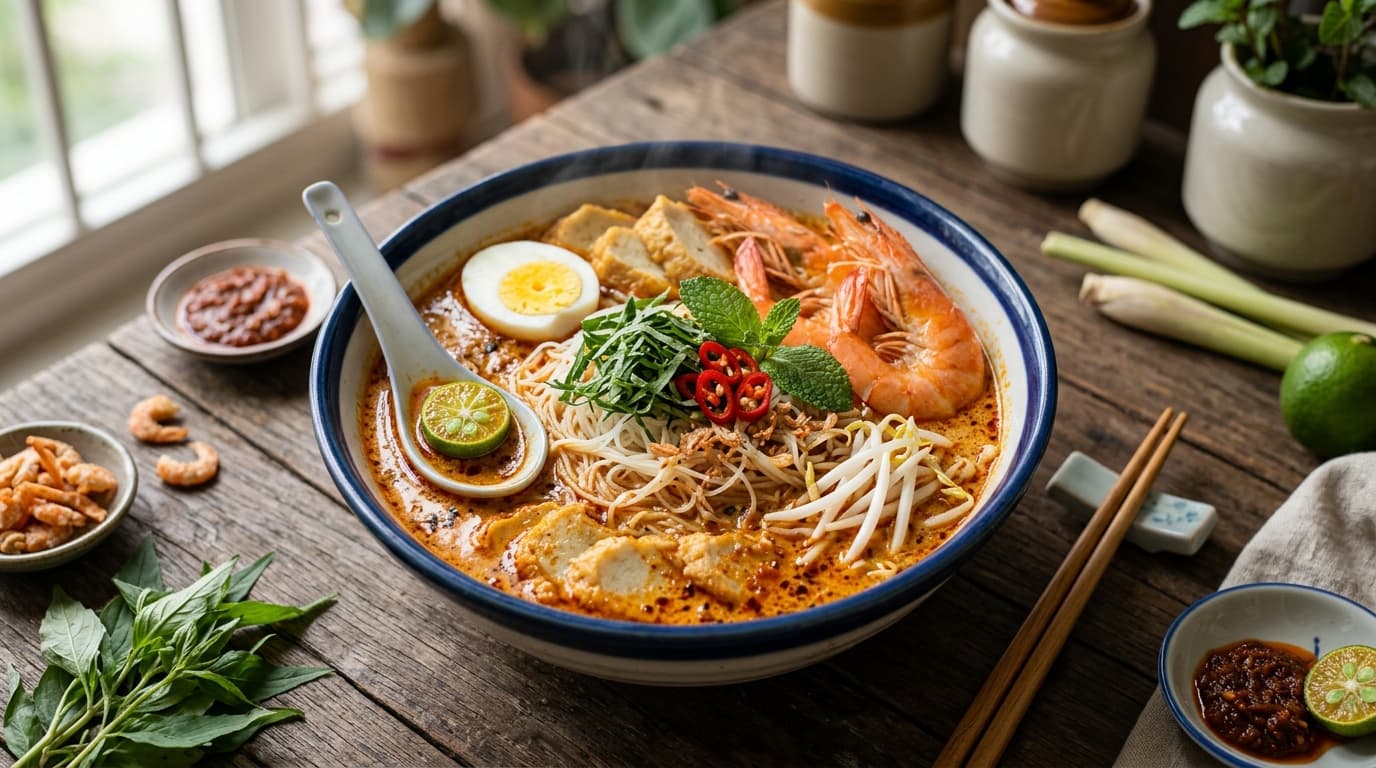 Singapore / Malaysia · IntermediateLaksa LemakMake a soup that tastes deep without a restaurant stockpot.
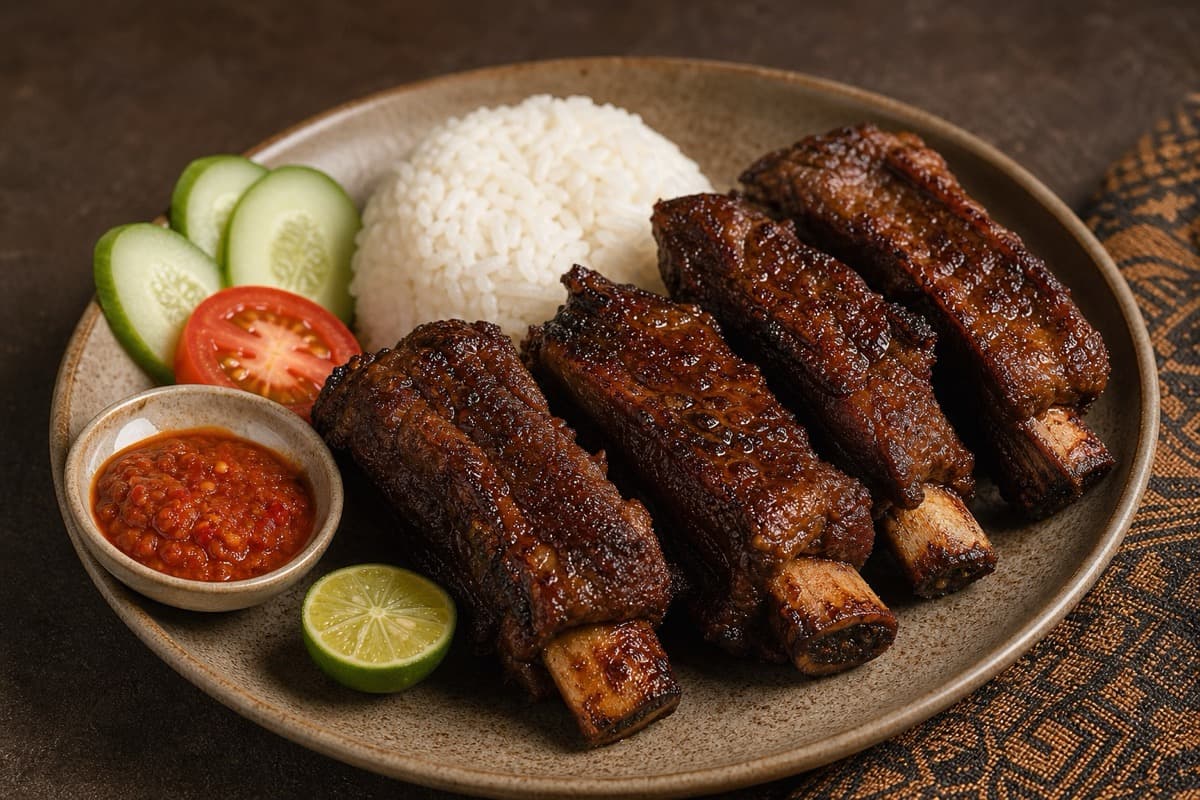 Modern Indonesian · PatientIga Sapi Goreng MaduMake ribs fork-tender yet intact, then glaze them glossy without scorching the honey.
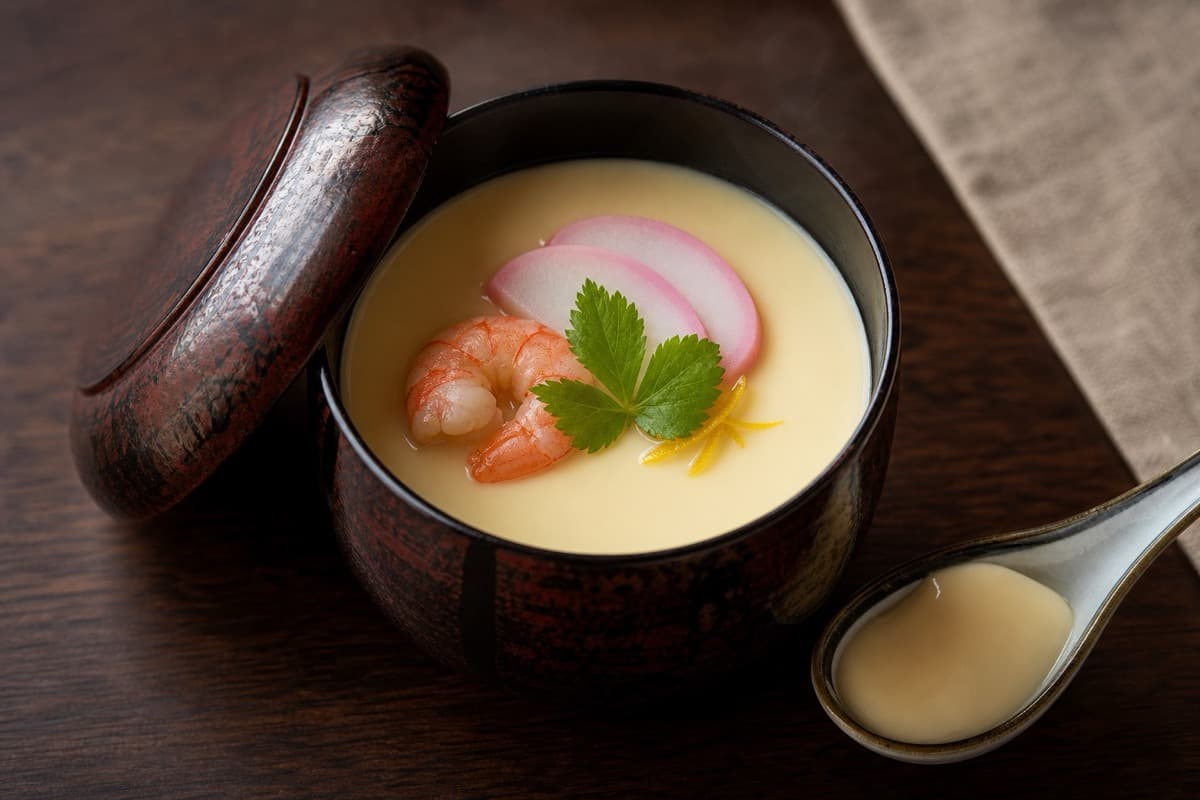 Japan · IntermediateChawanmushiSet a glossy, spoonable custard with no bubbles, stringy egg, or honeycomb holes.
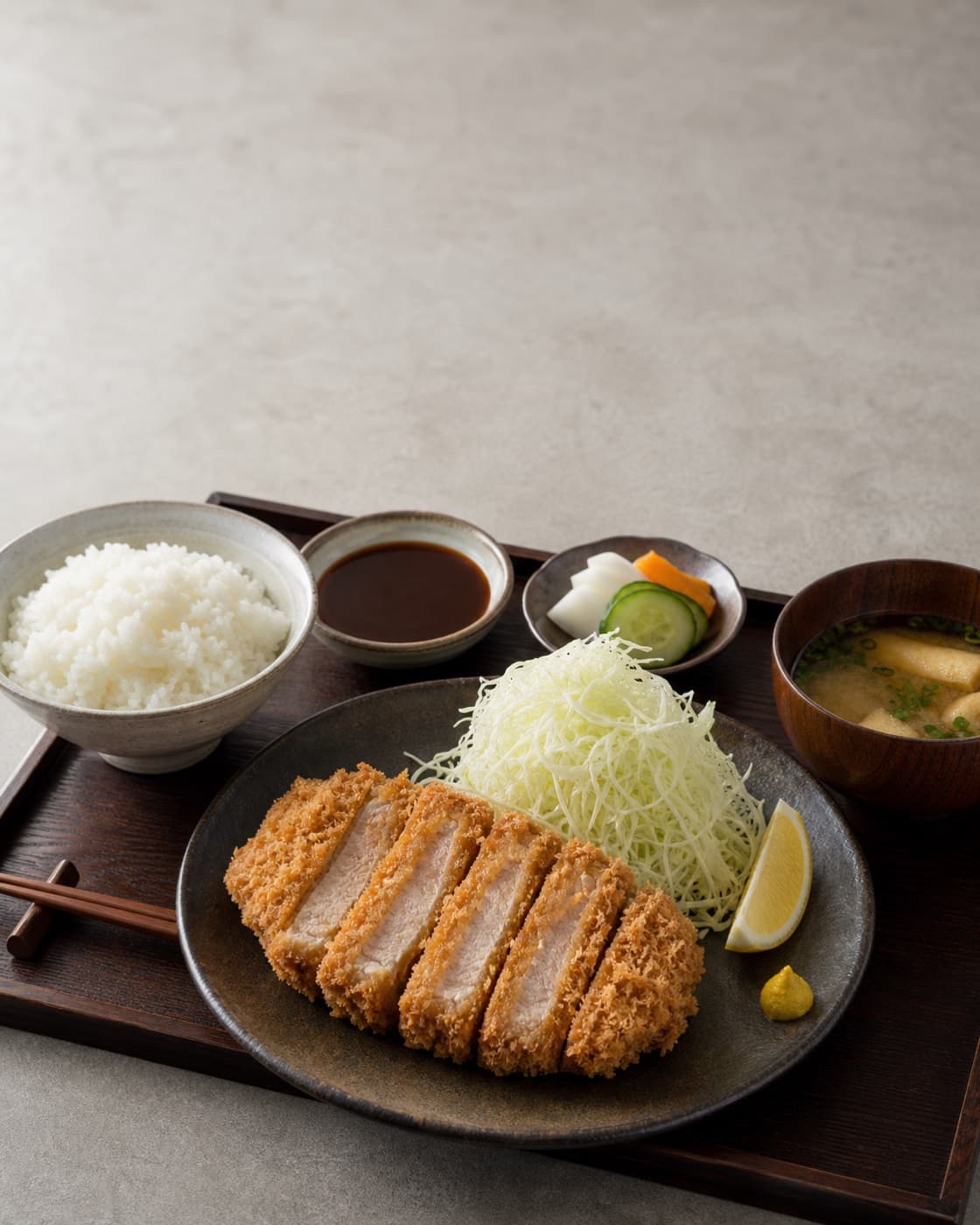 Japan / yōshoku · IntermediateJapanese Pork TonkatsuKeep a thick pork chop juicy and safely cooked inside an airy panko shell that stays attached and audibly crisp.
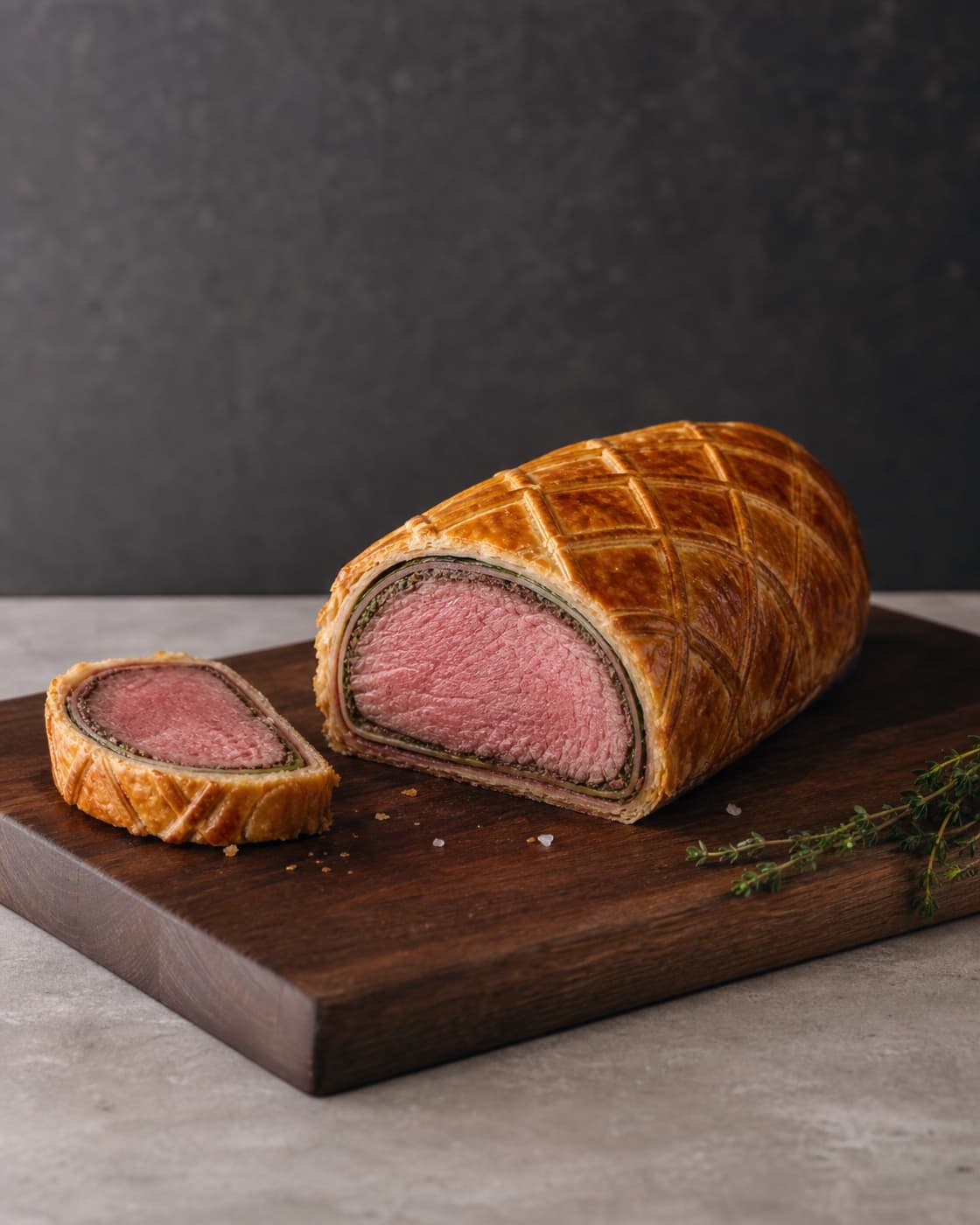 Britain / modern restaurant tradition · PatientBeef WellingtonSynchronise a crisp pastry shell with safely rested, evenly pink beef and thin, distinct moisture-barrier layers.
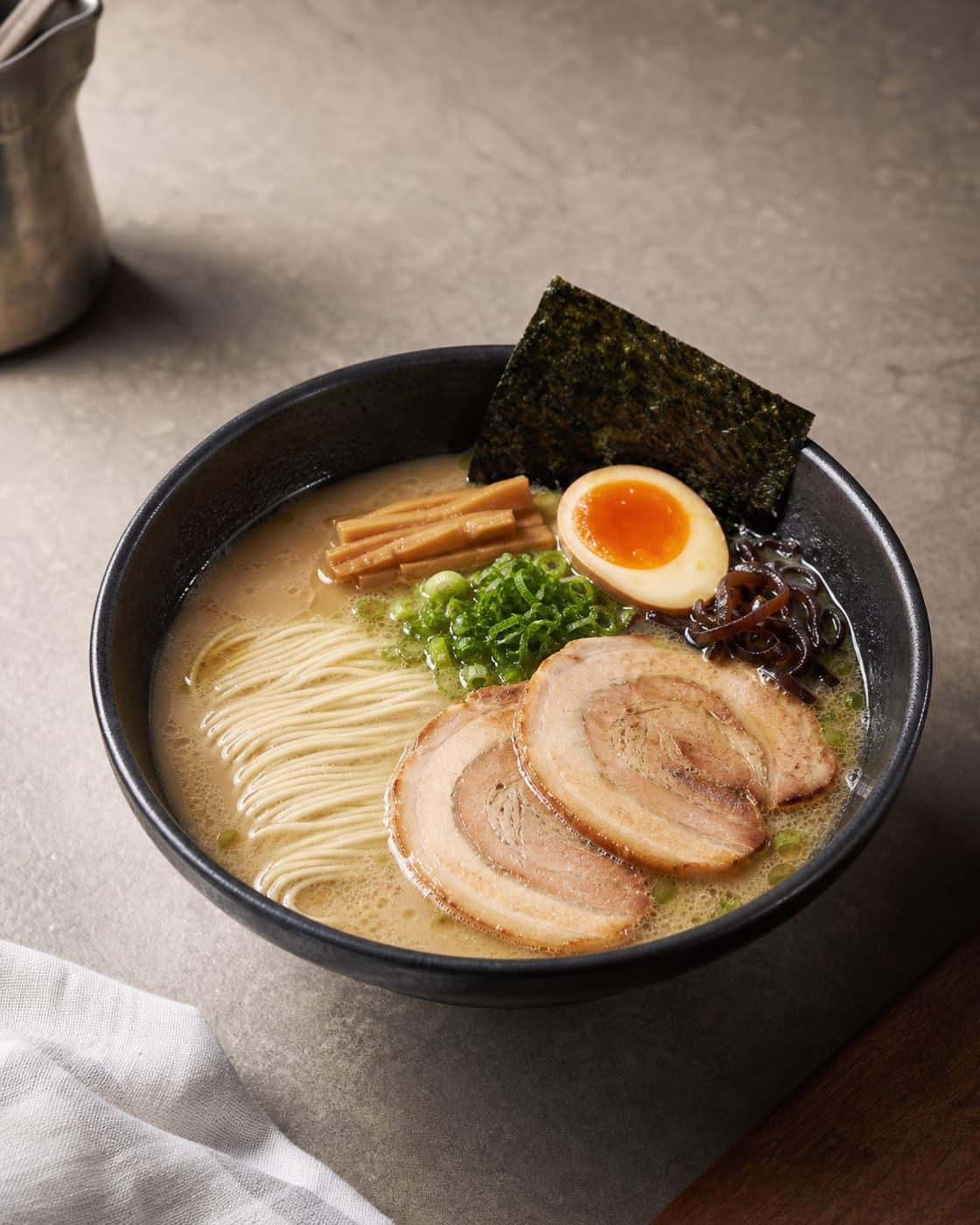 Japan / composed pork-bone ramen · PatientTonkotsu Shoyu RamenBuild an opaque ivory broth that tastes like pork - not dairy - and assemble six balanced bowls before the noodles soften.