Step 1 decision
Cut tomatoes without losing their juice
Plump tomato wedges sit in their own juice, with white and green scallion parts held separately.
Open step 1CN · China / home-style
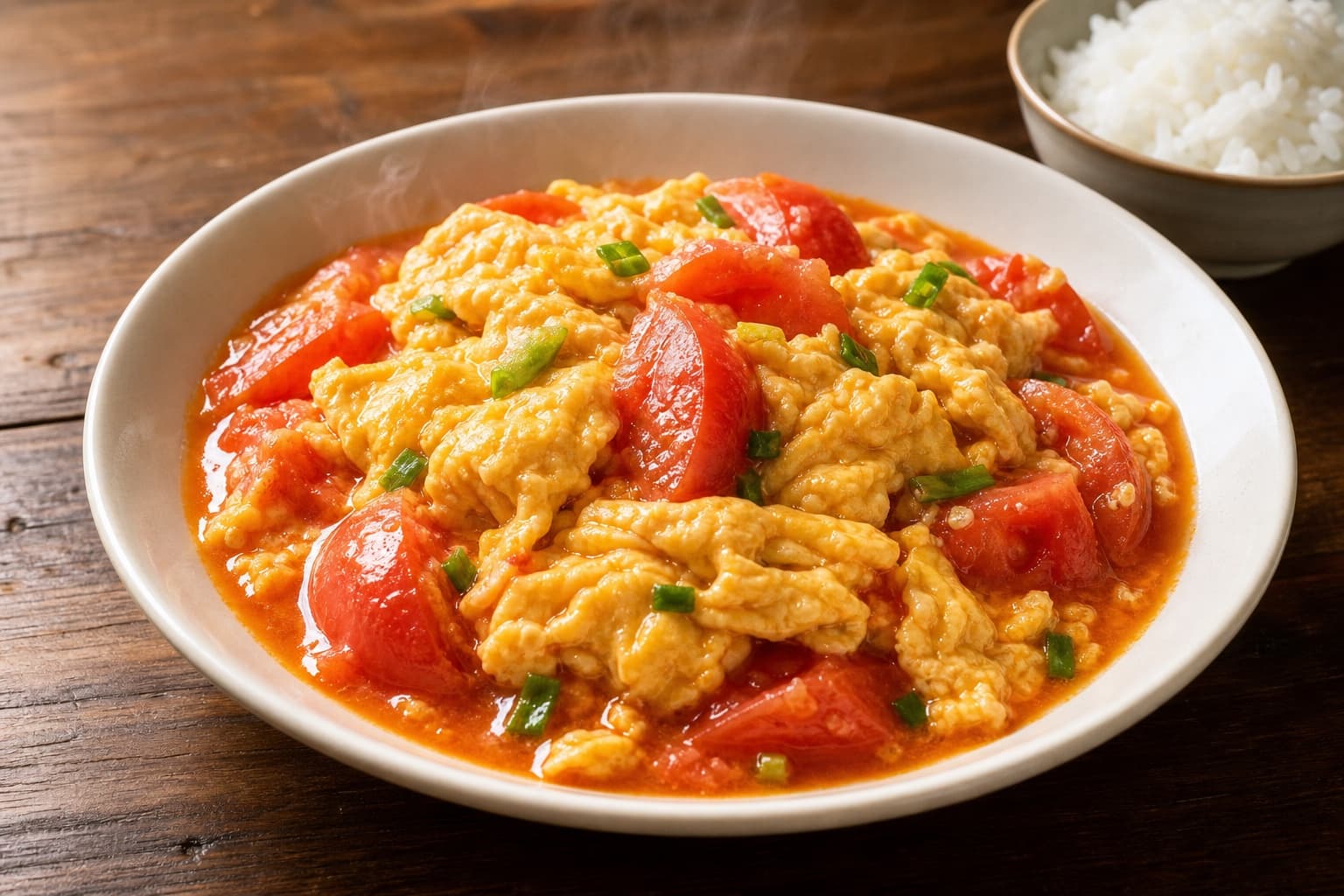
番茄炒蛋 is Chinese 家常菜 at its most revealing: few ingredients, but only a narrow window between cloud-soft egg, raw watery tomato, and rubbery overcooking.
Decision-point map
Scan the decision points now. Each full-size cooking frame appears once, beside the step where you need it.
Plump tomato wedges sit in their own juice, with white and green scallion parts held separately.
Open step 1Large puffy curds remain glossy and moist on top with no brown crust.
Open step 3Distinct golden folds hold red-orange sauce in their creases, with bright scallion and no watery pool.
Check the final stepIngredients
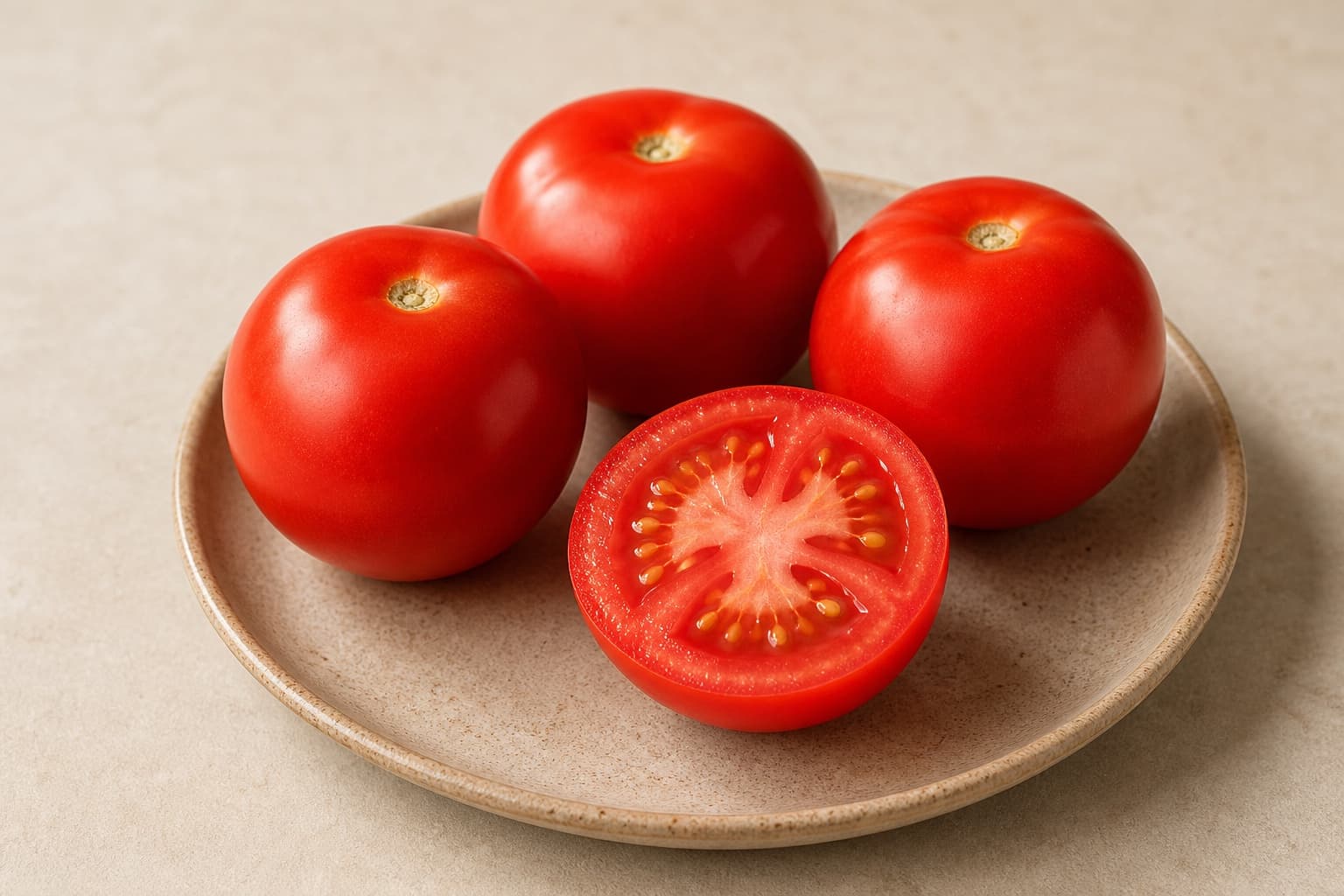
fresh sweet-tart sauce with intact softened wedges
Generated reference - not verified cook evidence.
Note: Keep the seeds and juice; dry seeded flesh cannot make the spoonable sauce.
Swap: for weak winter tomatoes, add 15 g ketchup with the water and reduce sugar to 2 g
 Nearby produce markets
 Search Coles
 Search WoolworthsFind an ALDIFind an IGASearch TozerbaSearch Asian PantryToko Nusantara
These links open searches, catalogues, or store locators. Check the exact form and local availability there.
Nearby produce marketsPasar Jaya networkSuper Indo locationsRanch Market outletsHypermart online Search Sayurbox
 Search Tokopedia
 Search ShopeeOpen GrabMart
These links open searches, catalogues, or store locators. Check the exact form and local availability there.
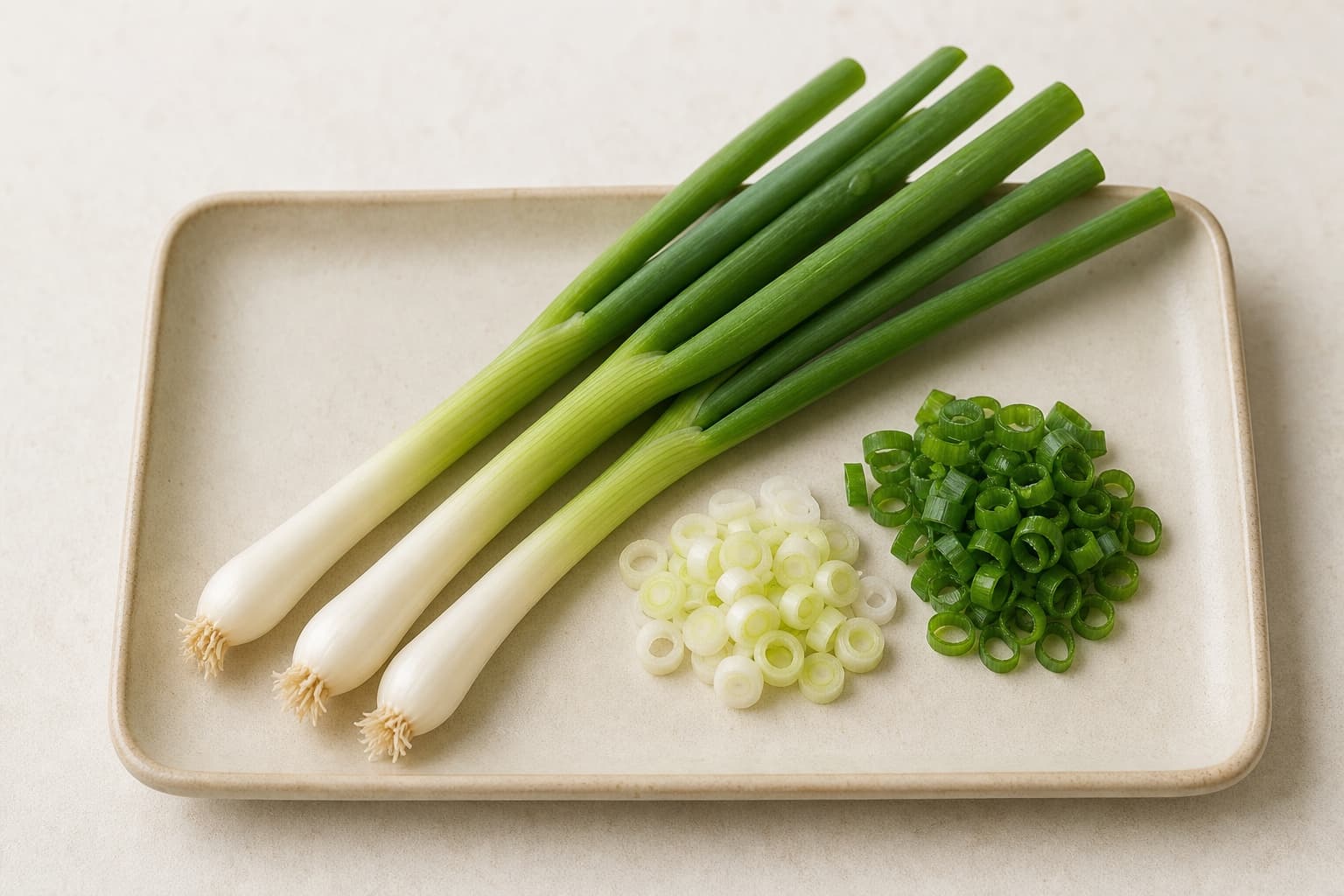
white parts perfume the tomatoes and green parts freshen the finished dish
Generated reference - not verified cook evidence.
Nearby produce marketsSearch ColesSearch WoolworthsFind an ALDIFind an IGASearch TozerbaSearch Asian PantryToko NusantaraThese links open searches, catalogues, or store locators. Check the exact form and local availability there.
Nearby produce marketsPasar Jaya networkSuper Indo locationsRanch Market outletsHypermart onlineSearch SayurboxSearch TokopediaSearch ShopeeOpen GrabMartThese links open searches, catalogues, or store locators. Check the exact form and local availability there.
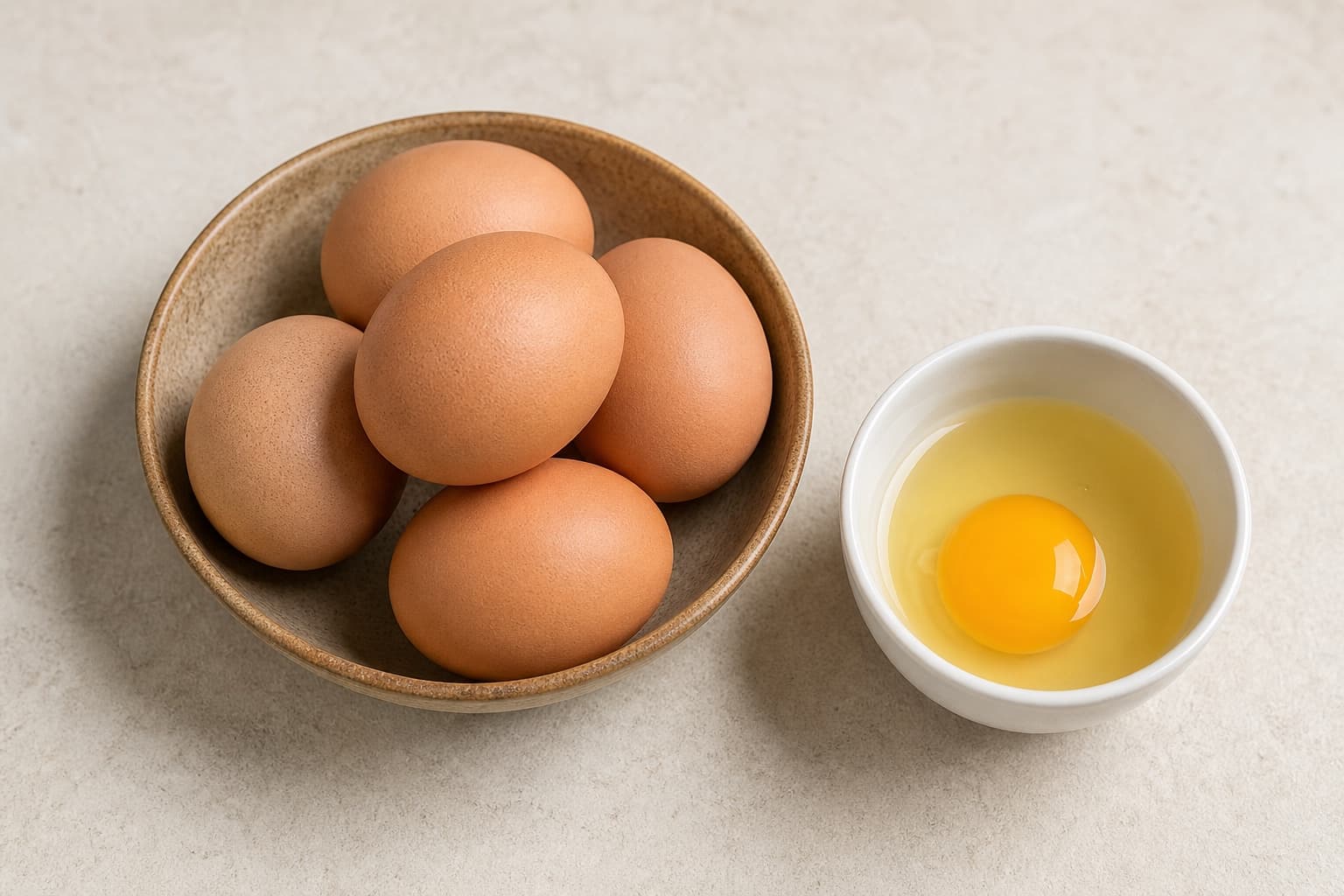
large cloud-soft curds that carry the fresh tomato sauce
Generated reference - not verified cook evidence.
Note: Use clean, uncracked eggs and cook the thickest curd to 71°C; texture alone is not a safety test.
Nearby butchersSearch ColesSearch WoolworthsFind an ALDIFind an IGASearch TozerbaSearch Asian PantryToko NusantaraThese links open searches, catalogues, or store locators. Check the exact form and local availability there.
Nearby butchers and marketsPasar Jaya networkSuper Indo locationsRanch Market outletsHypermart onlineSearch SayurboxSearch TokopediaSearch ShopeeOpen GrabMartThese links open searches, catalogues, or store locators. Check the exact form and local availability there.

loosens the egg mixture and starts a controlled tomato sauce
Generated reference - not verified cook evidence.
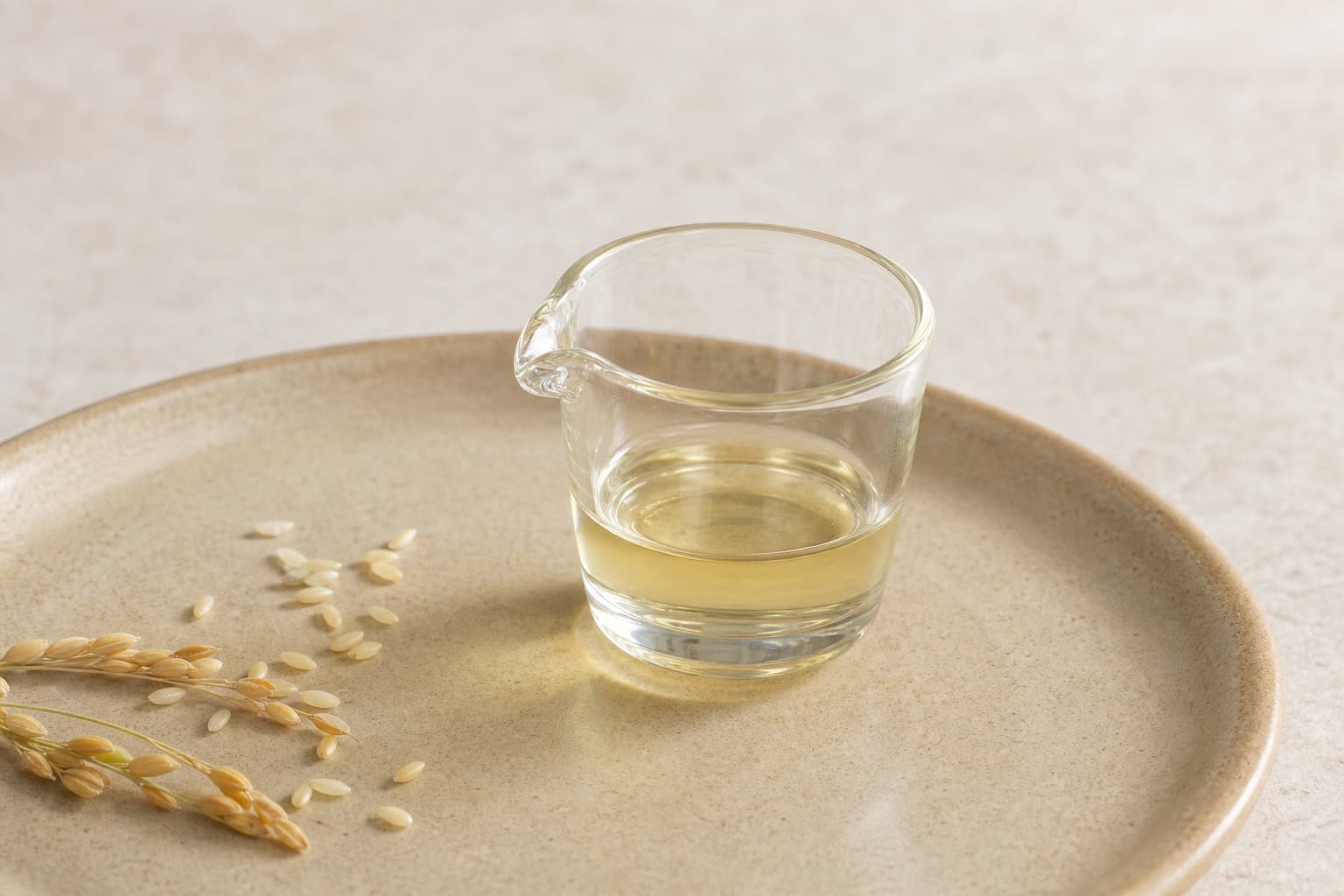
20 ml puffs the egg and 10 ml carries the scallion and tomato
Generated reference - not verified cook evidence.
Swap: canola, rice-bran, peanut, or vegetable oil
Nearby supermarketsSearch ColesSearch WoolworthsFind an ALDIFind an IGASearch TozerbaSearch Asian PantryToko NusantaraThese links open searches, catalogues, or store locators. Check the exact form and local availability there.
Nearby supermarketsSuper Indo locationsRanch Market outletsHypermart onlinePasar Jaya networkSearch SayurboxSearch TokopediaSearch ShopeeOpen GrabMartThese links open searches, catalogues, or store locators. Check the exact form and local availability there.
seasons egg and tomato independently before the final fold
Generated reference - not verified cook evidence.
Nearby supermarketsSearch ColesSearch WoolworthsFind an ALDIFind an IGASearch TozerbaSearch Asian PantryToko NusantaraThese links open searches, catalogues, or store locators. Check the exact form and local availability there.
Nearby supermarketsSuper Indo locationsRanch Market outletsHypermart onlinePasar Jaya networkSearch SayurboxSearch TokopediaSearch ShopeeOpen GrabMartThese links open searches, catalogues, or store locators. Check the exact form and local availability there.
balances tomato acidity without making the dish taste sweet
Generated reference - not verified cook evidence.
Nearby supermarketsSearch ColesSearch WoolworthsFind an ALDIFind an IGASearch TozerbaSearch Asian PantryToko NusantaraThese links open searches, catalogues, or store locators. Check the exact form and local availability there.
Nearby supermarketsSuper Indo locationsRanch Market outletsHypermart onlinePasar Jaya networkSearch SayurboxSearch TokopediaSearch ShopeeOpen GrabMartThese links open searches, catalogues, or store locators. Check the exact form and local availability there.
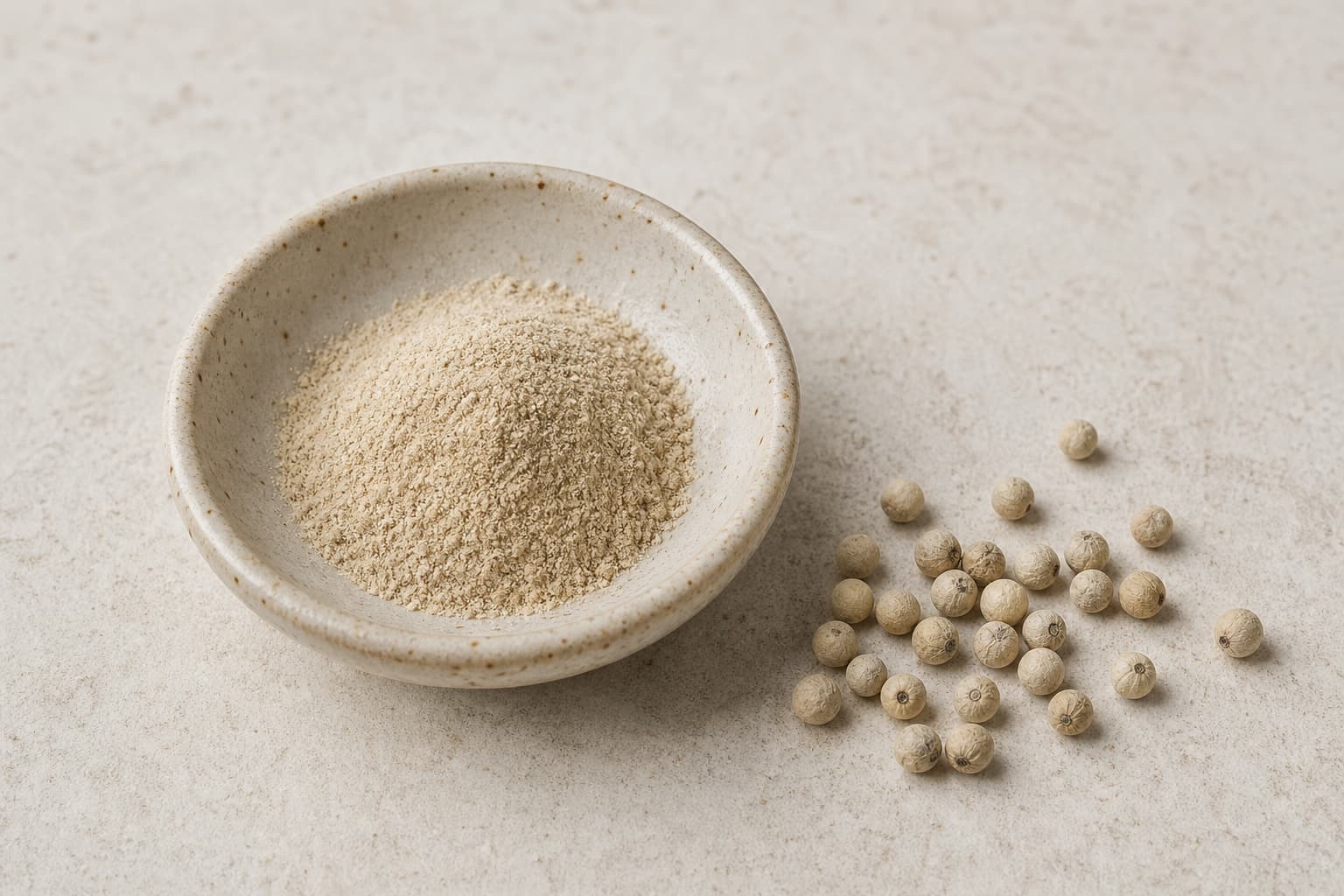
quiet warm lift without black flecks
Generated reference - not verified cook evidence.
Swap: black pepper, accepting visible dark flecks and a sharper aroma
Nearby specialist grocersMr Dad CBD guideGuideLaguna QV route leadGuideSearch TozerbaSearch Asian PantryToko NusantaraSearch ColesSearch WoolworthsFind an ALDIFind an IGAThese links open searches, catalogues, or store locators. Check the exact form and local availability there.
Nearby specialist shopsSearch SayurboxSearch TokopediaSearch ShopeeOpen GrabMartSuper Indo locationsRanch Market outletsHypermart onlinePasar Jaya networkThese links open searches, catalogues, or store locators. Check the exact form and local availability there.
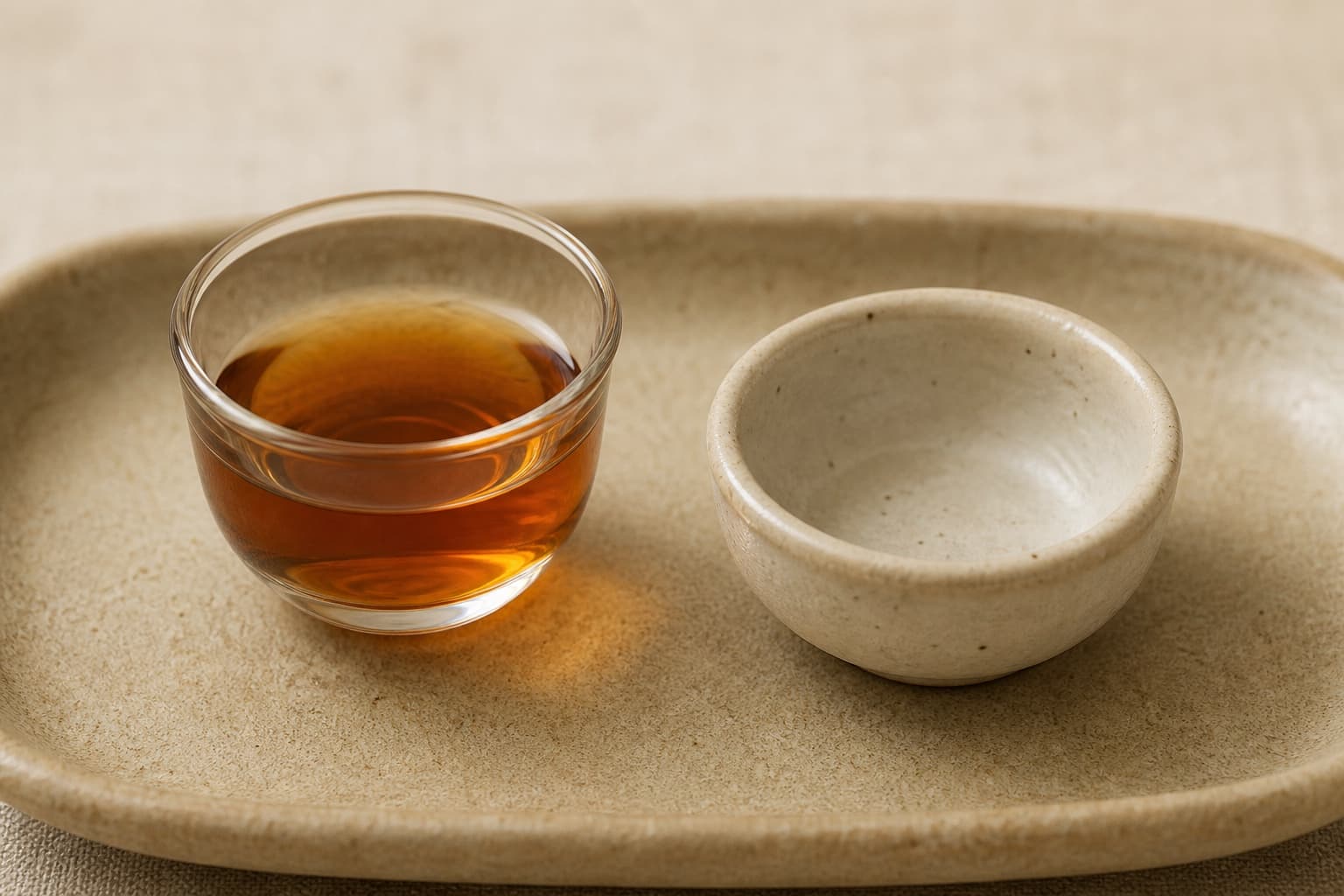
a small aromatic lift inside the egg mixture
Generated reference - not verified cook evidence.
Note: Contains alcohol and may contain wheat or sulphites; check the exact label.
Swap: 5 ml water for an alcohol-free version
Nearby specialist grocersMr Dad CBD guideGuideLaguna QV route leadGuideSearch TozerbaSearch Asian PantryToko NusantaraSearch ColesSearch WoolworthsFind an ALDIFind an IGAThese links open searches, catalogues, or store locators. Check the exact form and local availability there.
Nearby specialist shopsSearch SayurboxSearch TokopediaSearch ShopeeOpen GrabMartSuper Indo locationsRanch Market outletsHypermart onlinePasar Jaya networkThese links open searches, catalogues, or store locators. Check the exact form and local availability there.
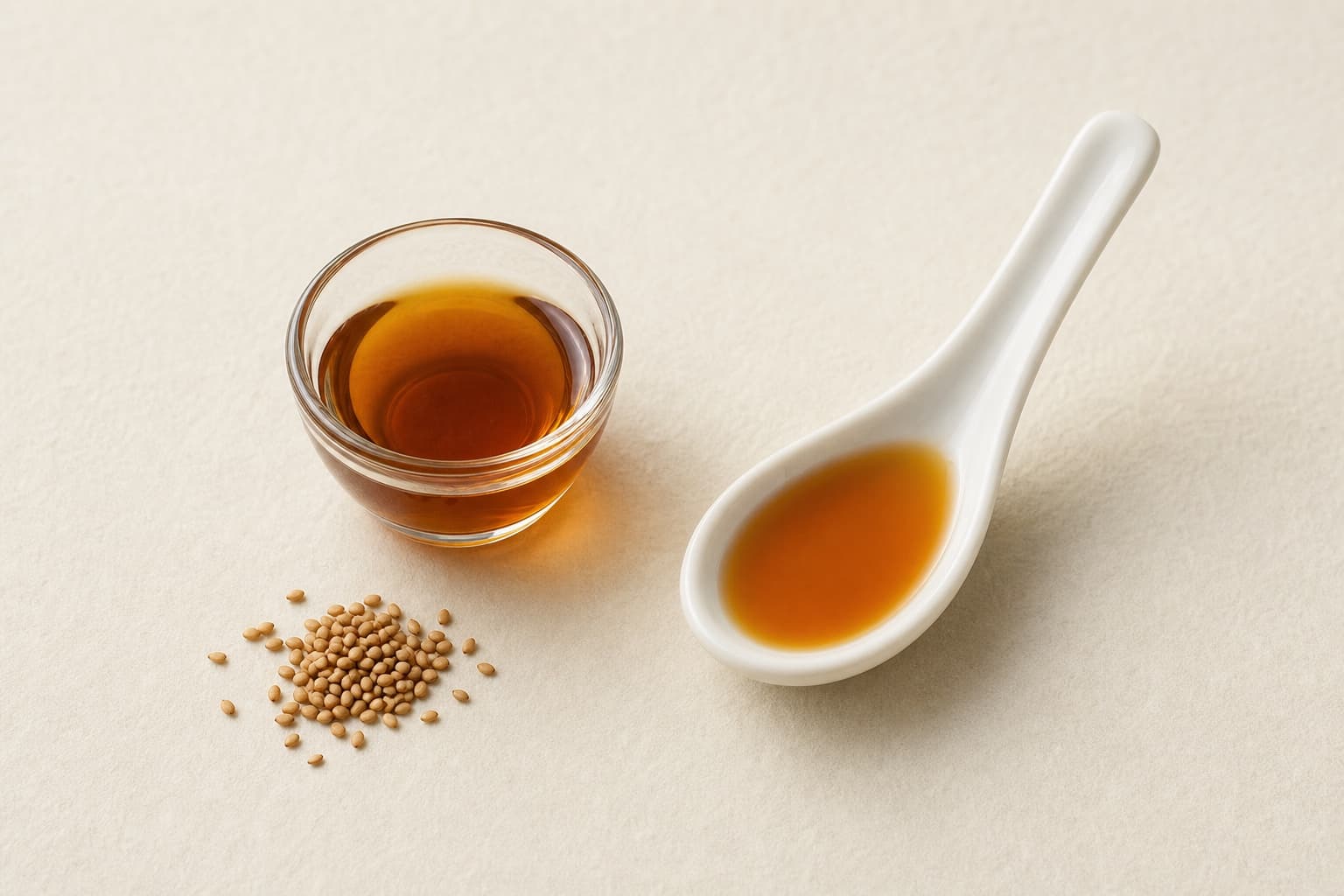
a restrained off-heat nutty finish
Generated reference - not verified cook evidence.
Note: Contains sesame; add only after the heat is off.
Swap: omit for a sesame allergy rather than replacing it with raw sesame seeds
Nearby specialist grocersMr Dad CBD guideGuideLaguna QV route leadGuideSearch TozerbaSearch Asian PantryToko NusantaraSearch ColesSearch WoolworthsFind an ALDIFind an IGAThese links open searches, catalogues, or store locators. Check the exact form and local availability there.
Nearby specialist shopsSearch SayurboxSearch TokopediaSearch ShopeeOpen GrabMartSuper Indo locationsRanch Market outletsHypermart onlinePasar Jaya networkThese links open searches, catalogues, or store locators. Check the exact form and local availability there.
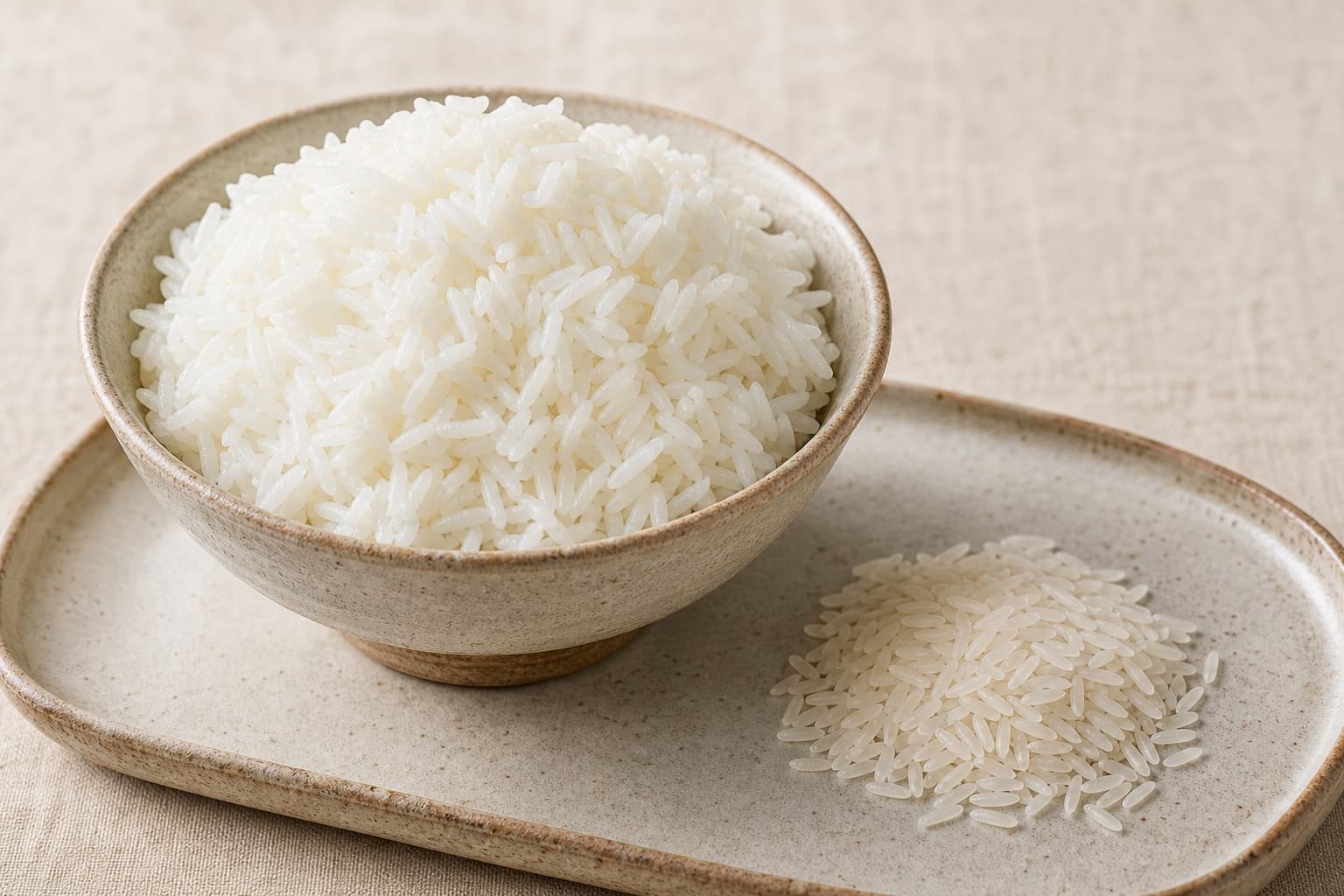
optional prepared accompaniment for two generous bowls
Generated reference - not verified cook evidence.
Nearby produce marketsSearch ColesSearch WoolworthsFind an ALDIFind an IGASearch TozerbaSearch Asian PantryToko NusantaraThese links open searches, catalogues, or store locators. Check the exact form and local availability there.
Nearby produce marketsPasar Jaya networkSuper Indo locationsRanch Market outletsHypermart onlineSearch SayurboxSearch TokopediaSearch ShopeeOpen GrabMartThese links open searches, catalogues, or store locators. Check the exact form and local availability there.
Calculated estimate · per serving
1 of 2 recipe servings; optional 200 g cooked jasmine rice excluded
Calculated from the authored edible ingredient weights using representative AFCD Release 3 and USDA FoodData Central profiles, then divided by the recipe yield. Energy follows the FSANZ ingredient-contribution method. Optional serving accompaniments are excluded. The calculation counts four 50 g edible eggs and all measured neutral and sesame oil, salt, and cooking wine.
Calculated estimate only, not a laboratory result or personalised dietary advice. Actual values vary with brands, produce, meat trim, substitutions, final serving size, and how much cooking or rendered oil is left in the pan or skimmed. Check packaged labels for allergens and sodium; consult an accredited practising dietitian or clinician for medical dietary needs.
Reference data: Australian Food Composition Database · FSANZ calculation method · USDA FoodData Central · calculated 2026-07-14
Step-by-step method
Read the action and cue together. Move on when the food matches the cue.
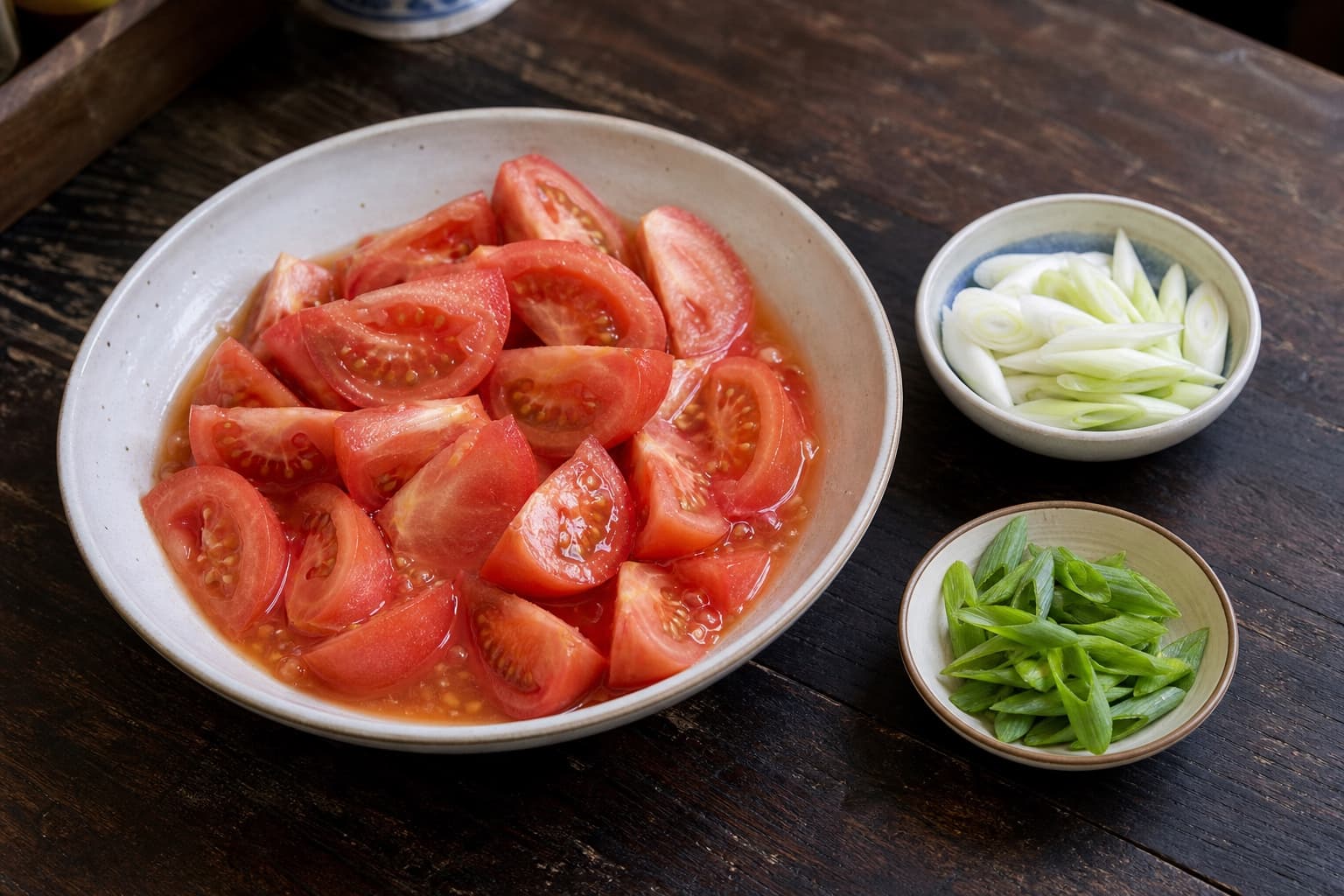
Core each tomato and cut it into eight bite-size wedges, roughly 2–3 cm. Keep every seed and drop of juice. Separate the scallion whites from the greens. Peeling is optional; for thick-skinned tomatoes, score, blanch for 30 seconds, chill, and peel before cutting.
Common mistake: Removing seeds or cutting tiny dice makes the result dry or indistinct.
Recovery: Pause before the next step, compare the cue, then correct heat, moisture, or seasoning while the dish is still flexible.
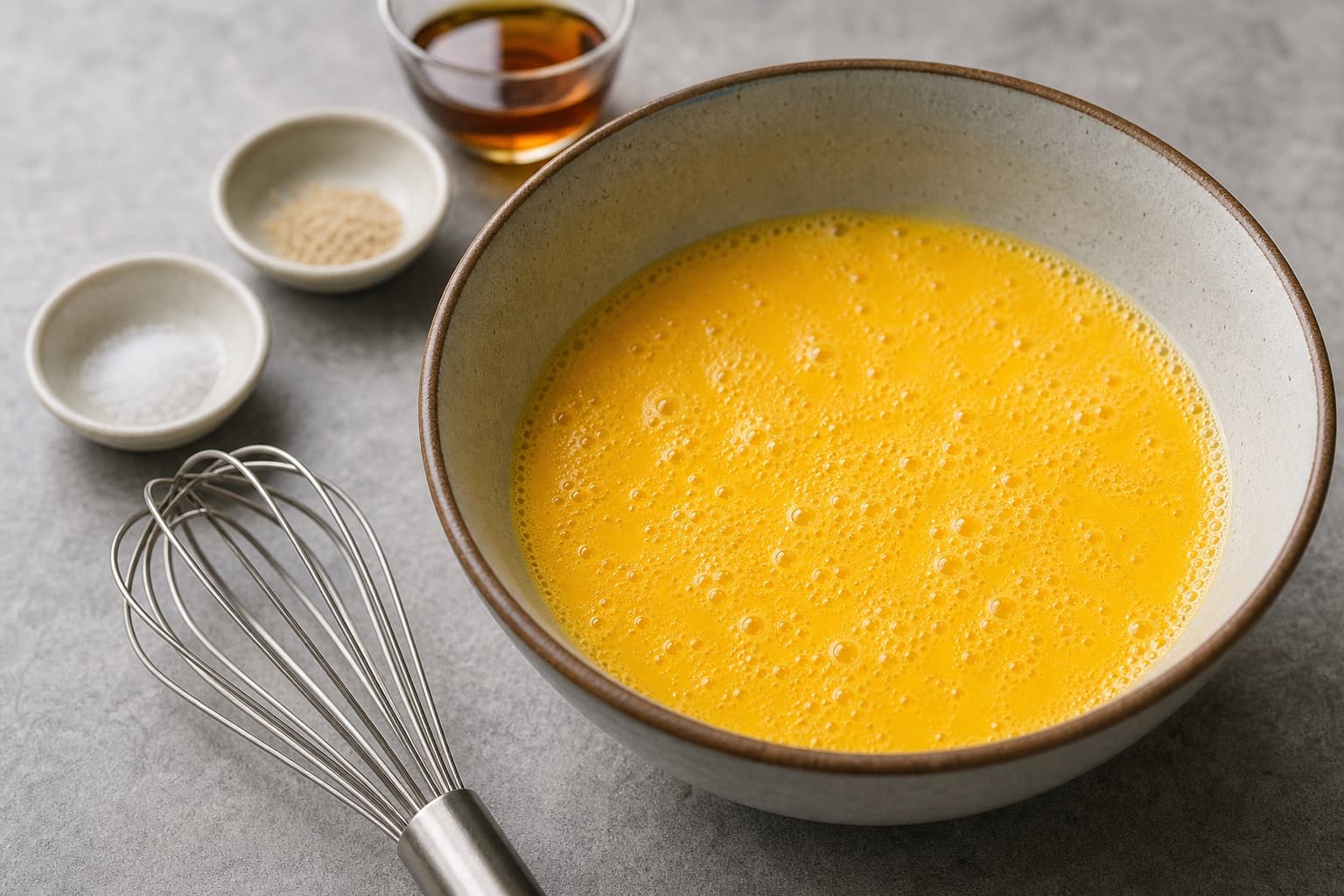
Whisk the eggs with 15 ml of the measured cold water, 1.5 g of the measured salt, all the white pepper, and the Shaoxing for 30–45 seconds. Reserve the remaining 45 ml water and 2.5 g salt for the tomatoes. Stop when whites and yolks are fully joined and fine foam forms.
Common mistake: A few lazy fork strokes leave rubbery white streaks and uneven curds.
Recovery: Pause before the next step, compare the cue, then correct heat, moisture, or seasoning while the dish is still flexible.
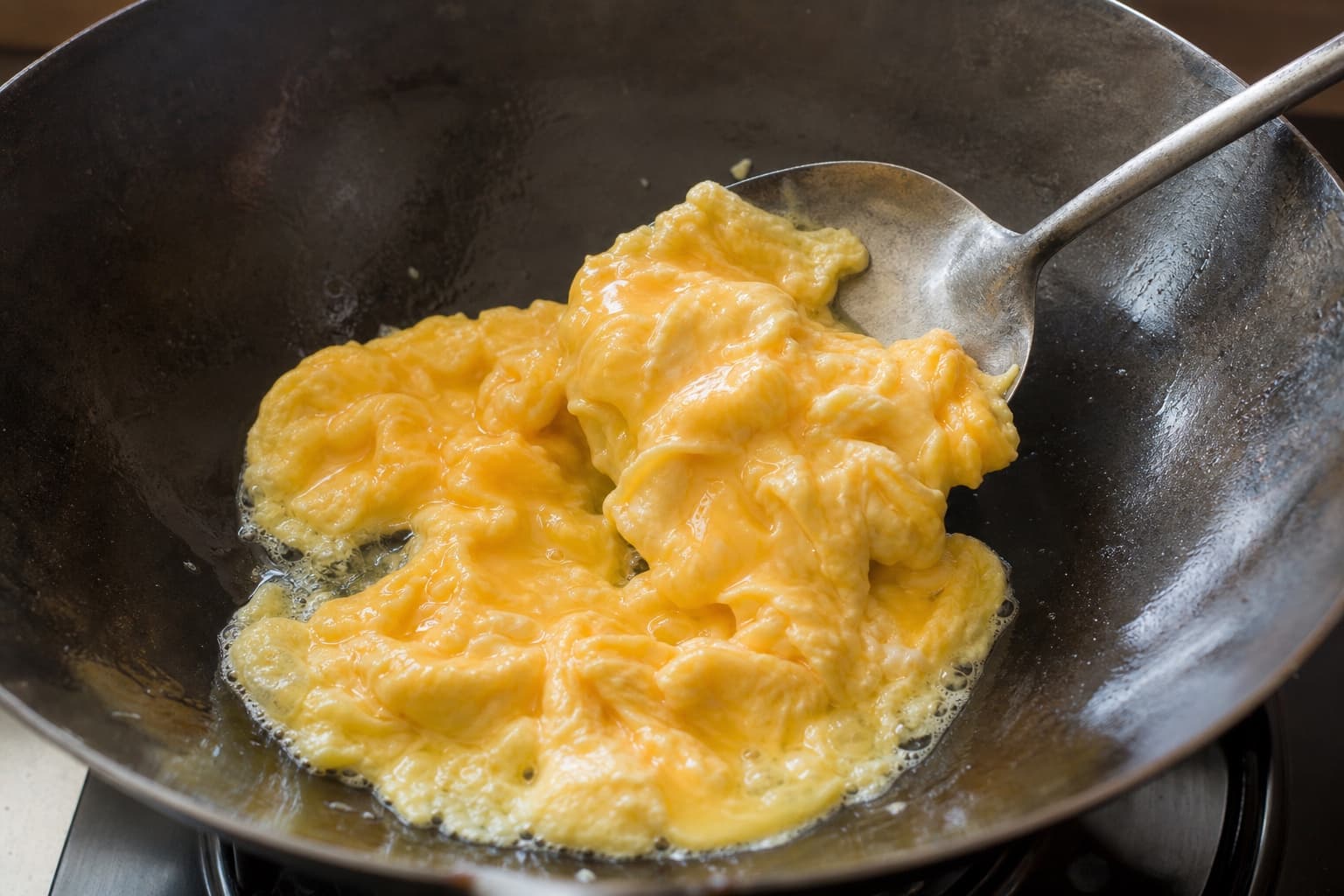
For carbon steel, preheat the wok until the first wisp of smoke; for non-stick, heat until properly hot but not smoking. Add 20 ml of the measured oil, reserving 10 ml for the tomato. Pour in the egg, leave it for 3 seconds, then make broad sweeping folds so liquid runs onto the hot surface. Transfer to a clean plate after about 25–35 seconds, when only 70–75% set.
Common mistake: Fully cooking the eggs now guarantees rubbery eggs after the second pass.
Recovery: Pause before the next step, compare the cue, then correct heat, moisture, or seasoning while the dish is still flexible.
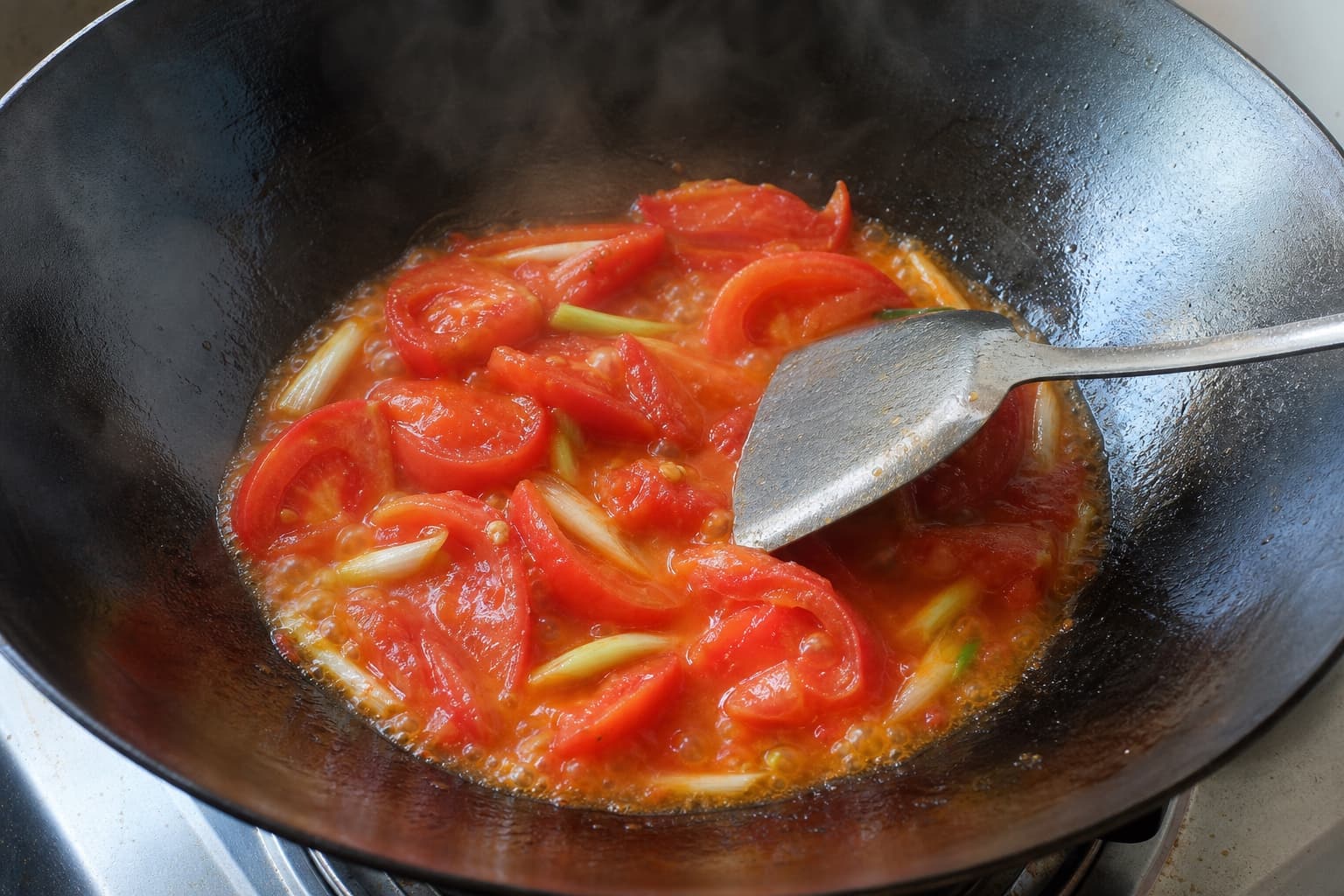
Add the reserved 10 ml oil. Sizzle the prepared scallion whites for about 10 seconds, then add the tomatoes over high heat for 30 seconds. Add the reserved 2.5 g salt and all the sugar, toss, then add the reserved 45 ml water. Cover over medium-high for 60–90 seconds. Uncover, press only about one-quarter of the wedges, and cook another 30–60 seconds.
Common mistake: Boiling every wedge into purée or adding a heavy slurry makes the dish gloopy and flat.
Recovery: Lower the heat immediately, skim or stir gently, and continue at a small simmer until the surface calms.
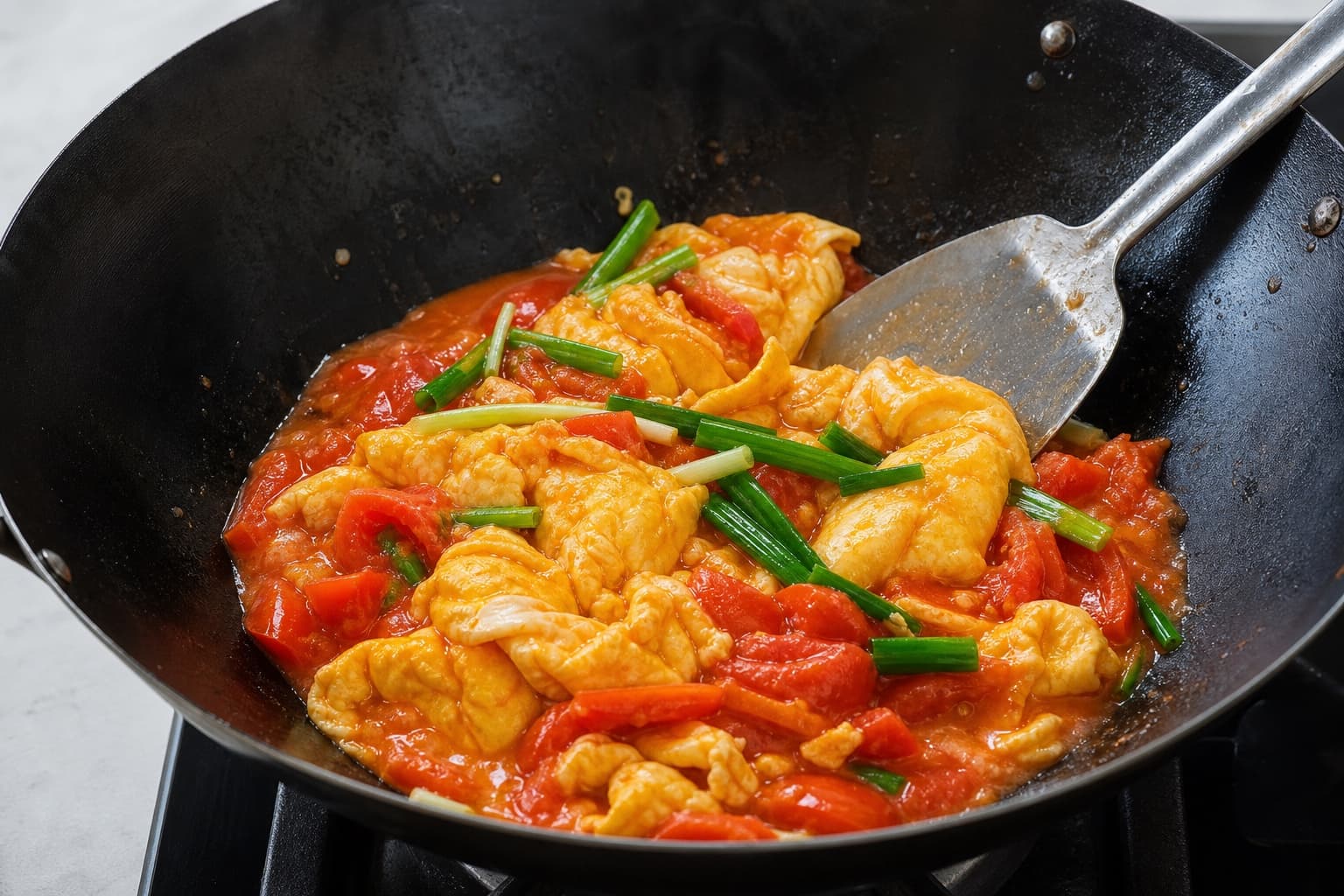
Lower to medium. Return the egg and fold only two or three times for 20–30 seconds so the tomato sauce settles into the curds. Verify the thickest curd reaches 71°C and no liquid raw egg remains; if necessary, cover for only 10–15 seconds. Turn off the heat immediately, add the sesame oil and prepared scallion greens, and serve with the optional jasmine rice. Refrigerate leftovers in a shallow container within 2 hours and use within 2 days for best texture; reheat once to 74°C.
Common mistake: Chopping or simmering the curds in the sauce turns them small and tough.
Recovery: Lower to a gentle simmer and give it more time; texture fixes happen slowly, not with harder heat.
Fix problems
The active method already includes its most likely mistake and recovery. Open the reference library when your question falls outside the current step.
Beat until fine foam appears, use a properly hot pan, sweep broad folds, and remove the curds at 70–75% set. Their second pass in the tomato sauce finishes the cook.
Neither is required for this fresh home-style version. For weak winter tomatoes, 15 g ketchup with sugar reduced to 2 g is a documented family variation; a small slurry is more useful for a noodle topping than a rice plate.
Lift the egg out, reduce the tomato liquid over high heat for 30–60 seconds, then refold the curds briefly. Do not simmer the eggs while reducing.
Cut tomatoes and scallions up to 4 hours ahead and refrigerate them, but beat and cook the eggs close to serving. The finished dish is best immediately and should not be frozen.
Keep large cloud-soft egg curds distinct inside a fresh, spoonable tomato sauce. Look for separate golden curds, bright tomato sauce, scallion green, and no watery pool: Distinct golden curds hold tomato sauce in their creases, the thickest curd reaches 71°C, and no thin pool remains.
Chopping or simmering the curds in the sauce turns them small and tough. Lower to a gentle simmer and give it more time; texture fixes happen slowly, not with harder heat.
Scale the measured ingredients with the serving count, then scale the vessel or work in batches. Keep the same visual finish - separate golden curds, bright tomato sauce, scallion green, and no watery pool - rather than forcing the original timer.
ripe medium tomatoes: for weak winter tomatoes, add 15 g ketchup with the water and reduce sugar to 2 g; neutral cooking oil, divided: canola, rice-bran, peanut, or vegetable oil; ground white pepper: black pepper, accepting visible dark flecks and a sharper aroma; Shaoxing cooking wine: 5 ml water for an alcohol-free version
ripe medium tomatoes: Keep the seeds and juice; dry seeded flesh cannot make the spoonable sauce.; large eggs: Use clean, uncracked eggs and cook the thickest curd to 71°C; texture alone is not a safety test.; Shaoxing cooking wine: Contains alcohol and may contain wheat or sulphites; check the exact label.; toasted sesame oil: Contains sesame; add only after the heat is off.
Melbourne and Jakarta
Current links help you search by the right ingredient name; they do not confirm a product, price, or stock level.
Choose the ripest thin-skinned round or vine tomatoes first; the nearest or cheapest pack is not useful if the fruit cannot release a fresh sauce. Eggs and scallions are standard supermarket lines.
ripe medium tomatoes: for weak winter tomatoes, add 15 g ketchup with the water and reduce sugar to 2 g.
ripe medium tomatoes: Keep the seeds and juice; dry seeded flesh cannot make the spoonable sauce.
Nearby produce marketsSearch ColesSearch WoolworthsFind an ALDIFind an IGASearch TozerbaSearch Asian PantryToko NusantaraThese links open searches, catalogues, or store locators. Check the exact form and local availability there.
Buy ripe tomatoes, clean uncracked eggs, and scallions from a high-turnover pasar stall or supermarket; cook the dish the same day for the clearest texture.
ripe medium tomatoes: for weak winter tomatoes, add 15 g ketchup with the water and reduce sugar to 2 g.
ripe medium tomatoes: Keep the seeds and juice; dry seeded flesh cannot make the spoonable sauce.
Nearby produce marketsPasar Jaya networkSuper Indo locationsRanch Market outletsHypermart onlineSearch SayurboxSearch TokopediaSearch ShopeeOpen GrabMartThese links open searches, catalogues, or store locators. Check the exact form and local availability there.
Flavour foundation
Egg and tomato are cooked separately. The eggs leave the wok at roughly three-quarters set; tomatoes then make their own sauce before the eggs return for only a brief final fold.
Taste profile
番茄炒蛋, also called 西红柿炒鸡蛋, is widely recognised Chinese home cooking. Families differ on scallion or ginger, garlic, ketchup, slurry, wine, sesame oil, and sweetness, so this is labelled a balanced home version rather than the single authentic formula.
Cook plan
Versions
Diet & allergens
Dietary notes: vegetarian, dairy-free, nut-free, gluten-free option.
Contains or may contain: egg, sesame, wheat/gluten depending on Shaoxing wine.
Check packaged-ingredient labels and cross-contamination advice for the brands you use.
Budget
Planning estimate only - not live or locally verified pricing
What belongs where
Egg and tomato are cooked as two separate texture systems, then combined for seconds. The short final fold is what preserves tender curds inside a glossy tomato sauce.
Storage notes are conservative home-kitchen guidance. Chill perishable food within 2 hours, keep it at 5°C or colder, and follow local food-safety and package directions when they are stricter.
Sources & evidence
Sources support the specific technique or safety point stated below. Generated reference imagery is editorial guidance, not proof that this recipe has passed an independent cook test.
Cross-checks the four-egg to 500 g tomato scale, strongly beaten egg, separate soft egg cooking, brief covered tomato sauce, and short final fold with Shaoxing, white pepper, sugar, and sesame oil.
Boundary: This is one well-documented family version. Scallion or ginger, ketchup, slurry, wine, sesame oil, and sweetness vary widely across Chinese homes.Cross-checks optional tomato peeling, strongly beaten egg, removing curds while still underdone, cooking tomatoes separately, and ketchup or slurry as one Cantonese family style.
Boundary: The ketchup-and-slurry approach is presented as a legitimate variation, not a requirement for all tomato-and-egg dishes.Cross-checks ripe thin-skinned tomatoes, high-heat tender egg, a simple salt-and-sugar home style, and a sauce that does not require cornstarch.
Boundary: It documents one concise home style; regional and household seasoning choices remain variable.Applies 71°C to egg dishes and 74°C to reheated leftovers, verified in the thickest curd rather than inferred from colour alone.
Boundary: A glossy surface is a quality cue but cannot independently prove a safe egg temperature, especially for vulnerable diners.Recorded as a local editorial or generated visual cue asset, not an independent external source.
Boundary: A local or generated asset is visual guidance, not evidence of authenticity, ingredient quantities, timing, safety, or method accuracy.Next cooks
Recipes here share ingredients, bumbu logic, region, spice level, or weeknight patterns so the next cook reuses what you just learned.
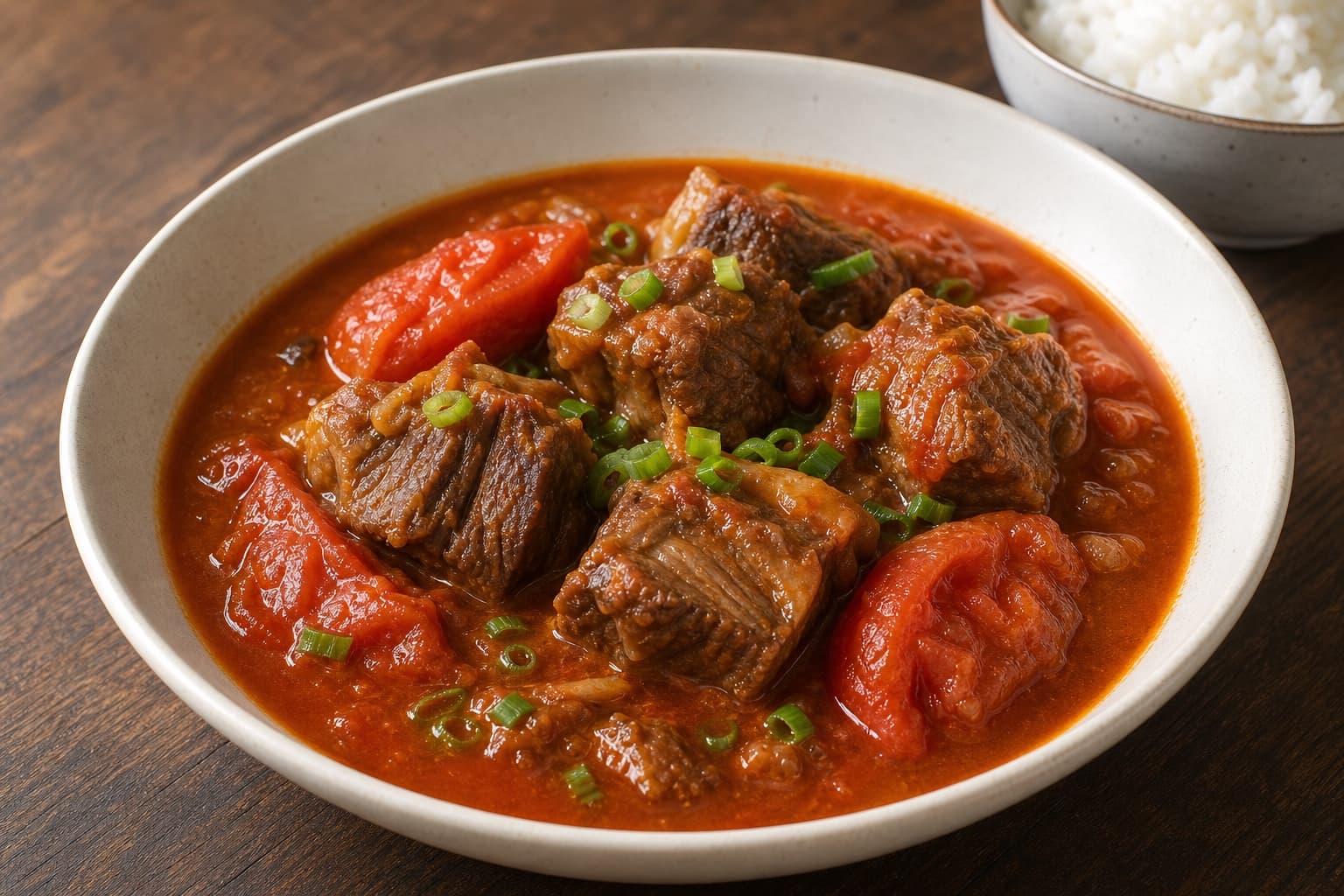 China / home-style · IntermediateChinese Tomato Beef StewKnow when the beef is truly spoon-tender while keeping the tomato sauce glossy, not watery.
 Japan / yōshoku · IntermediateJapanese Pork TonkatsuKeep a thick pork chop juicy and safely cooked inside an airy panko shell that stays attached and audibly crisp.
 Nanxiang / Shanghai · PatientXiao Long BaoSeal clear hot soup inside a delicate wrapper that survives the steamer and reaches the spoon intact.
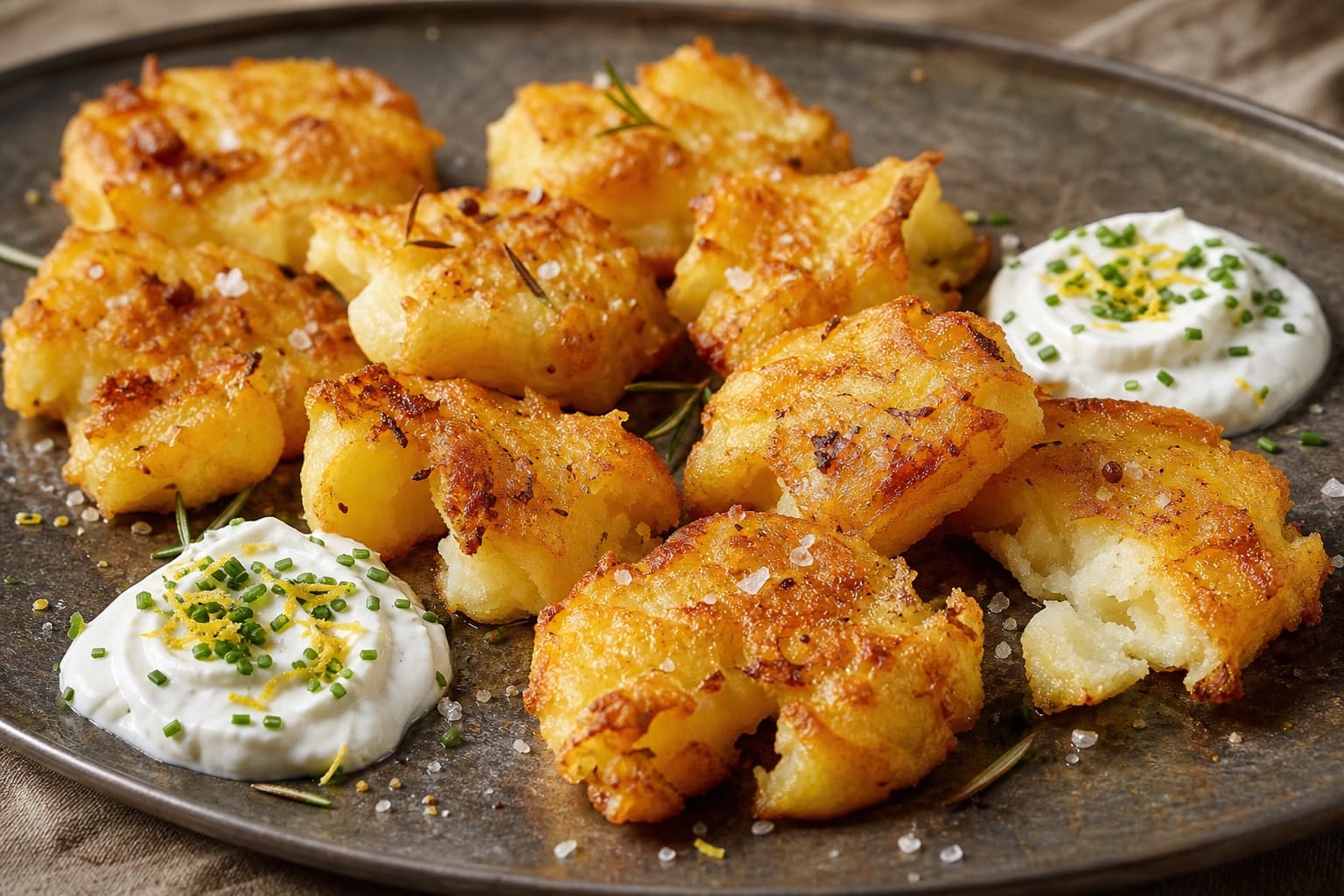 Contemporary British technique · IntermediateUltra-Crispy Smashed PotatoesBuild a brittle, craggy golden shell around a genuinely fluffy centre without needing a deep fryer.
 Indonesia · BeginnerNasi GorengGet separate grains and kecap gloss instead of sticky rice.
 Bali-inspired · IntermediateCrispy-Skin Salmon Sambal MatahCrisp the skin without drying the fish, then keep bright sambal beside - not over - the crust.