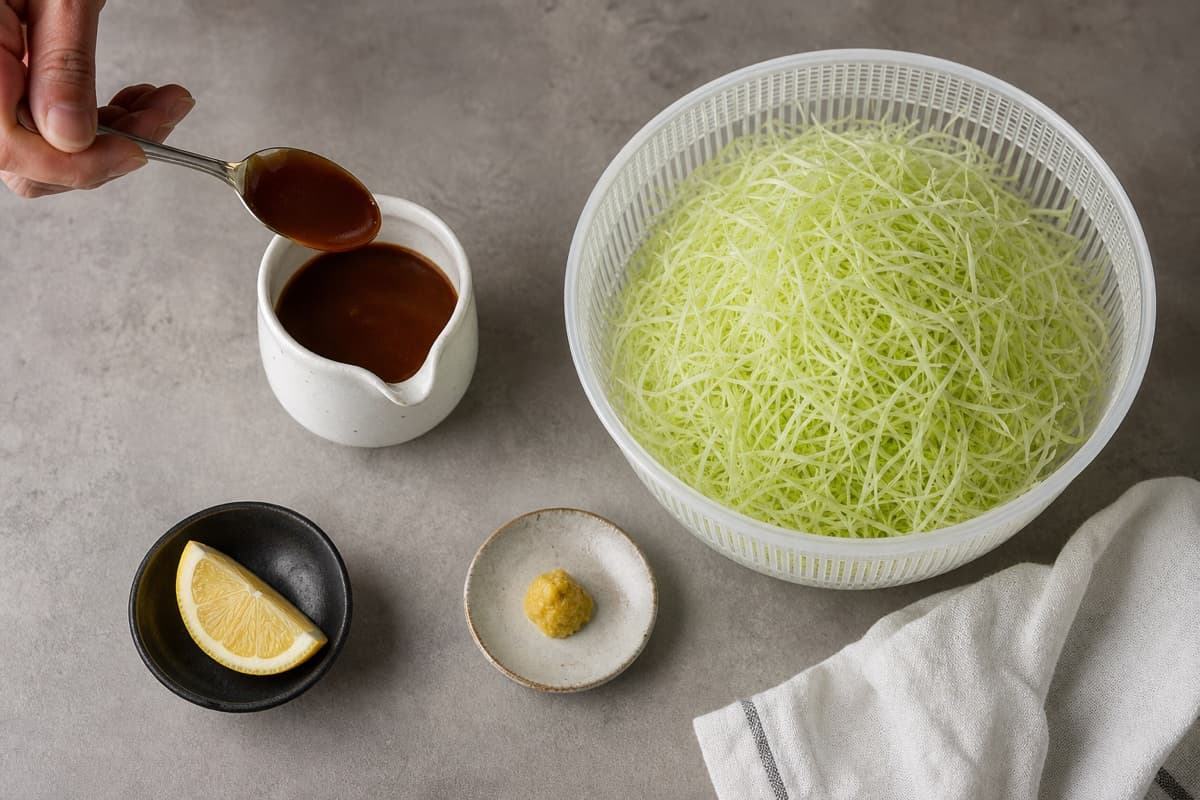
Make sauce and dry crisp cabbage
The sauce is glossy and spoonable; cabbage is cold, airy, and crisp with no visible water.
See this stepJP · Japan / yōshoku
Rosu-katsu made from a genuinely thick pork loin chop, wrapped in coarse airy Japanese panko, gently cooked in a first fry, then flashed hot for a crisp restaurant-style shell. Shredded cabbage and homemade tonkatsu sauce are complete subcomponents, not unexplained extras.
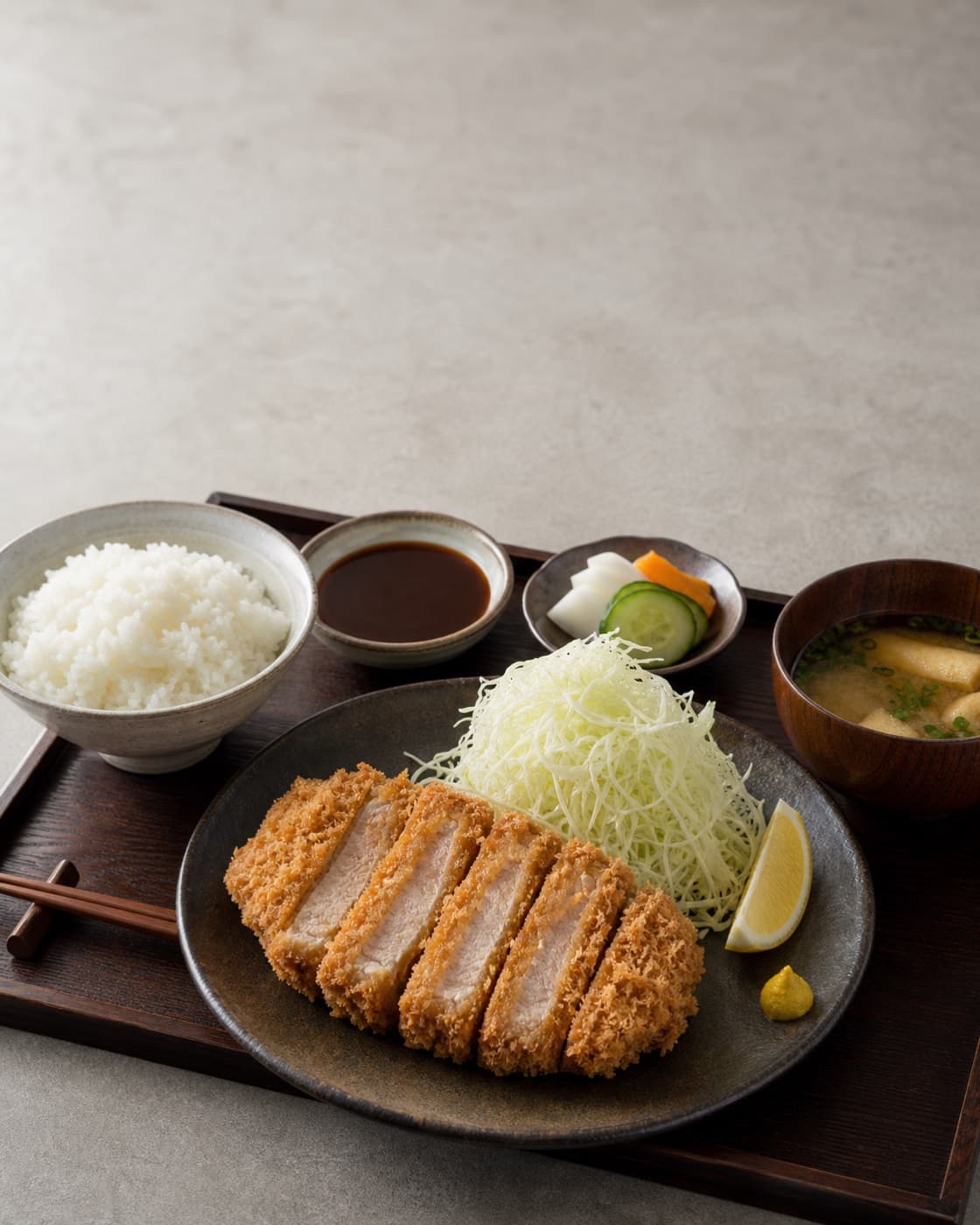
The transformation
Compare the colour, consistency, and cue at each stage.
The sauce is glossy and spoonable; cabbage is cold, airy, and crisp with no visible water.
See this step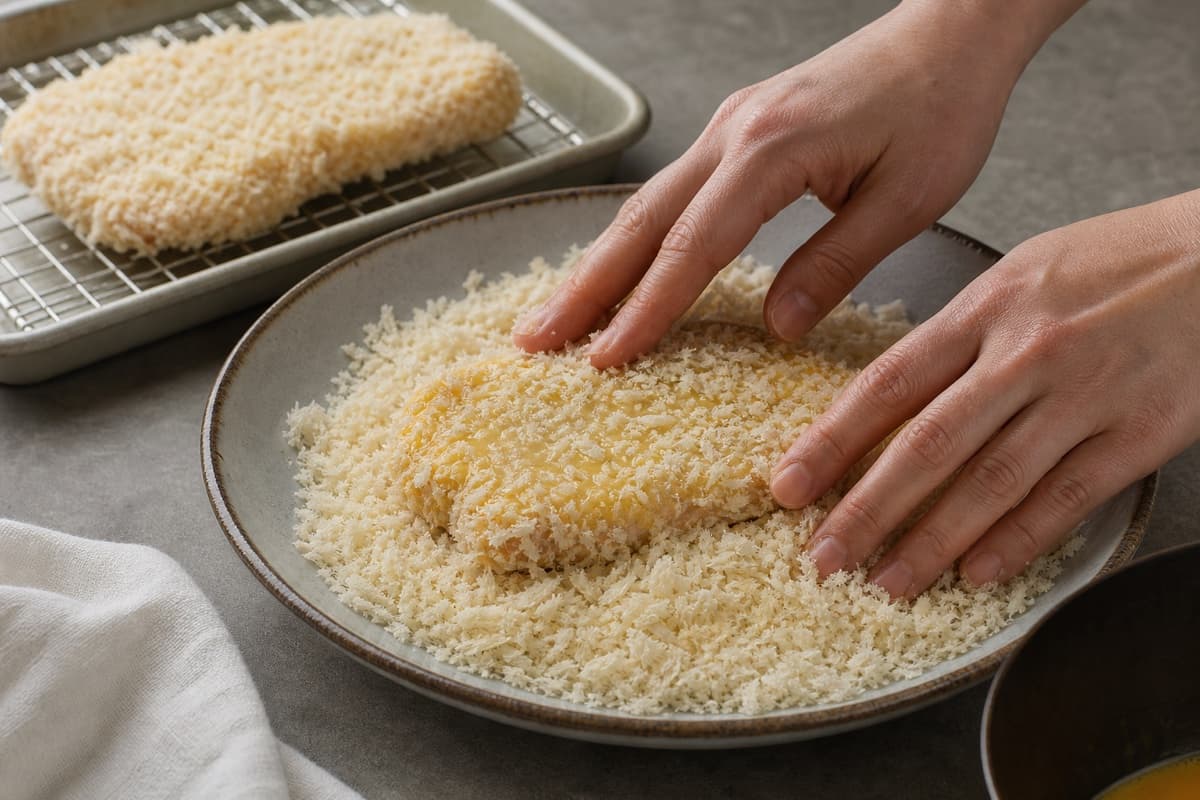
The coating is rough and dimensional, remains attached when lifted, and has no dark compressed wet patches.
See this step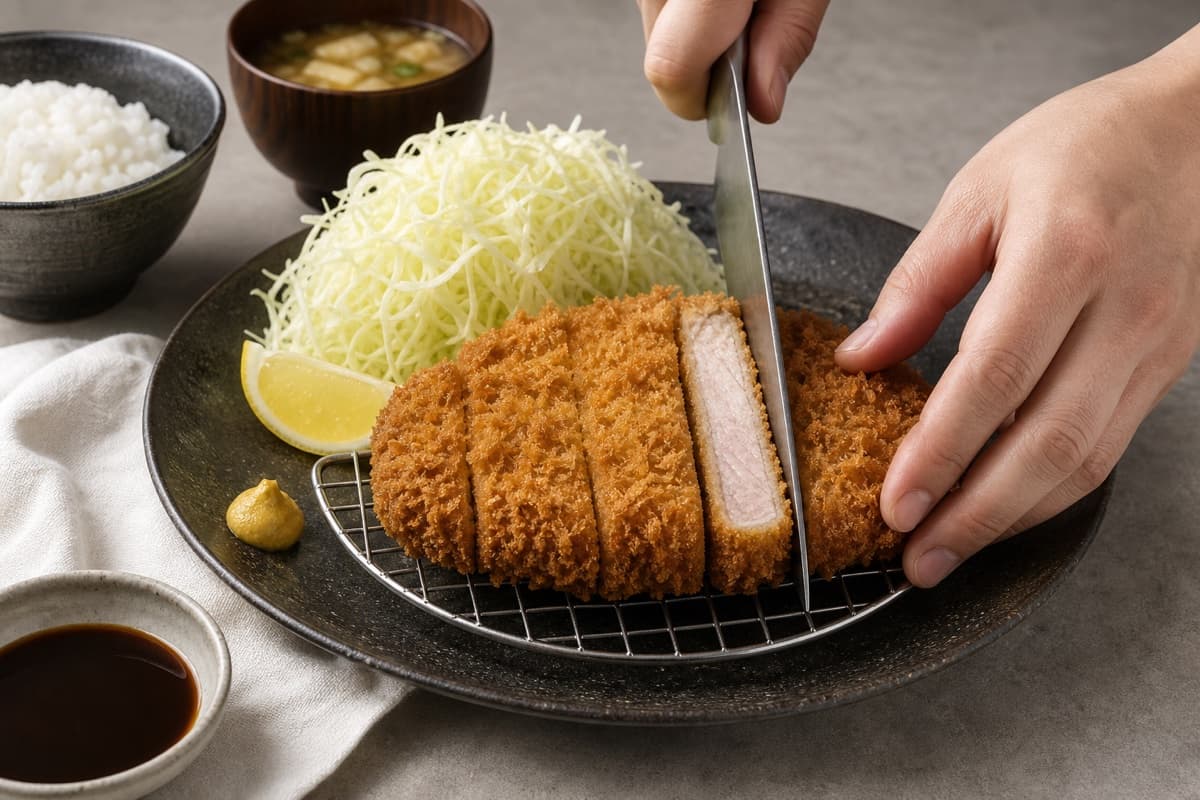
Panko stays attached to juicy pork, cabbage remains fluffy, and diners add sauce bite by bite without soaking the whole crust.
ReadyFlavour foundation
Scoring only the connective seam prevents curling without flattening the pork. A whisper-thin flour layer, egg loosened with water, coarse panko pressed only once, and a 10-minute rack rest bond the crust. The lower first fry cooks gently; the brief hotter second fry dries and colours the panko.
Taste profile
Tonkatsu is a Japanese yōshoku adaptation that became distinct from European cutlets: rosu-katsu stays thick, is submerged in oil, and is served with finely shredded cabbage and sauce.
Cook plan
Versions
Diet & allergens
Dietary notes: dairy-free, high-protein, gluten-free adaptable.
Contains or may contain: wheat, gluten, egg, soy, mustard, fish depending on sauces and dashi, pork.
Check packaged-ingredient labels and cross-contamination advice for the brands you use.
Budget
Planning estimate only · not live or locally verified pricing
What belongs where
Tonkatsu is a Japanese yōshoku system, not pork coated in a generic breadcrumb crust. Thick rosu-katsu, a thin flour-and-egg bond, coarse panko, and a controlled two-temperature fry create the main cutlet. Tonkatsu sauce and finely shredded cabbage remain separate table components; rice, miso soup, and pickles complete an optional teishoku rather than becoming part of the coating.
tonkatsu sōsu · とんかつソース
rosu-katsu · ロースカツ
koromo · 衣
nido-age · 二度揚げ
kyabetsu and teishoku · キャベツ・定食
Storage notes are conservative home-kitchen guidance. Chill perishable food within 2 hours, keep it at 5°C or colder, and follow local food-safety and package directions when they are stricter.
Step-by-step method
Read the action and cue together. Move on when the food matches the cue.
Combine ketchup, Worcestershire, soy, and sugar over medium heat; stir until small bubbles appear, 1–2 minutes, then cool. Slice cabbage into strands no wider than 1 mm, soak in ice water for 5 minutes, spin thoroughly, and towel it completely dry. Keep sauce, cabbage, lemon, and karashi separate.
Common mistake: Wet cabbage leaks onto the panko, while boiling the sauce hard makes it sticky and too salty.
Recovery: Lower the heat immediately, skim or stir gently, and continue at a small simmer until the surface calms.
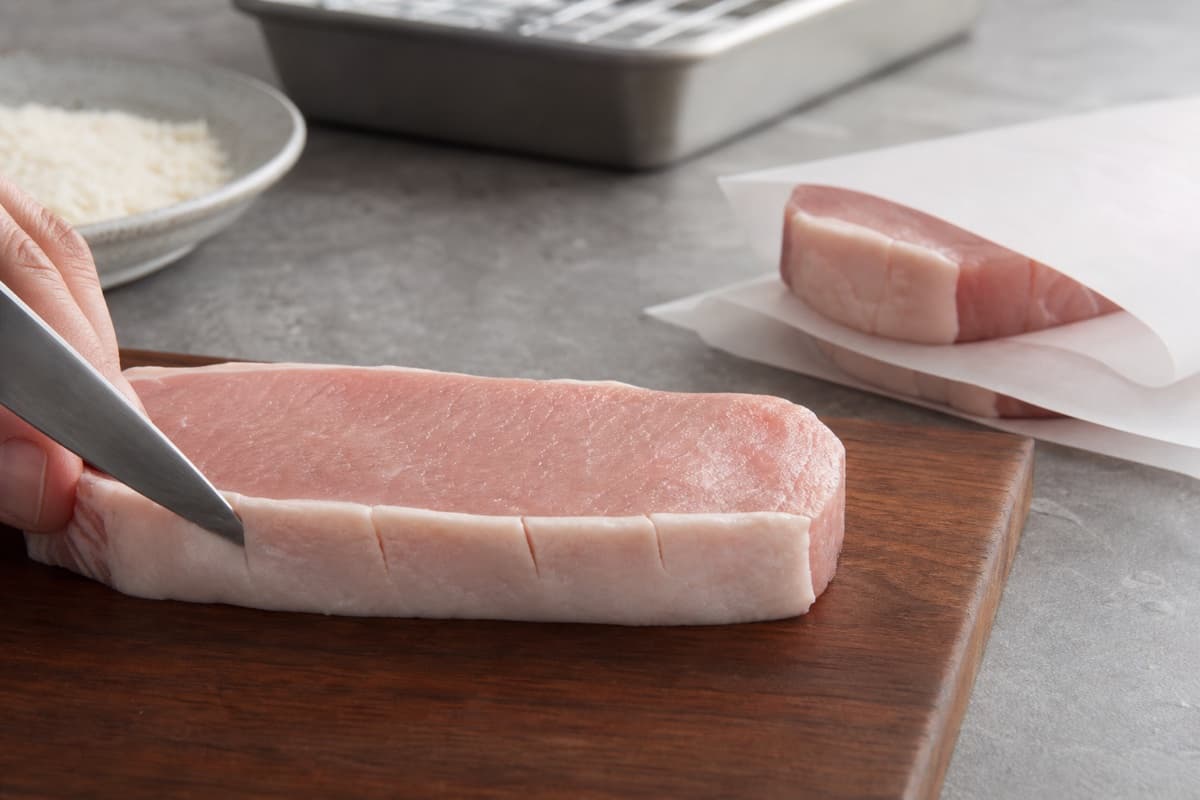
Keep a 4–5 mm fat edge. Cut only through the tough connective seam between fat and meat every 2 cm on both sides. Tap each chop lightly between parchment until it is an even 20–22 mm, reshape it, pat dry, then apply the measured salt and pepper. Rest refrigerated for 10 minutes.
Common mistake: Heavy pounding dries the pork; fold a thin irregular edge inward before coating and rely on the thermometer rather than a fixed time.
Recovery: Reduce uncovered and season in small rounds, checking the visual cue before adding more salt, sugar, or sauce.
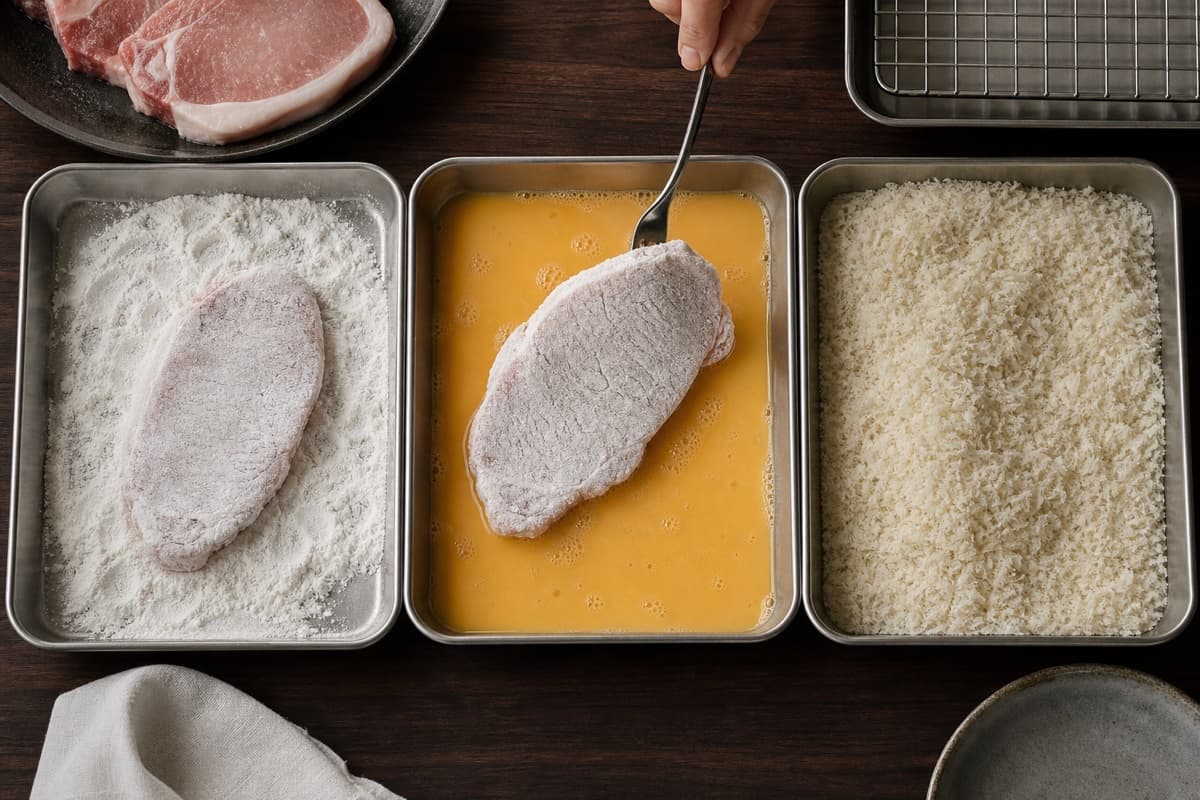
Put flour in tray one, eggs beaten thoroughly with 30 ml water in tray two, and loose panko in tray three. Coat every pork surface in a whisper-thin flour layer and shake firmly. Dip fully in egg, lift with a fork or tongs, and let the excess run off.
Common mistake: Thick flour turns pasty and detaches; brush it off and repeat the flour stage before dipping in egg.
Recovery: Pause before the next step, compare the cue, then correct heat, moisture, or seasoning while the dish is still flexible.
Lay the egg-coated chop in coarse panko, scatter more over it, and press only once with open fingertips. Do not squeeze or crush the long shards. Rest each coated chop on a wire rack for 10 minutes and patch only obvious bare spots.
Common mistake: Crushed fine crumb creates a dense greasy shell; lift away compacted clumps and replace them with loose coarse panko.
Recovery: Pause before the next step, compare the cue, then correct heat, moisture, or seasoning while the dish is still flexible.
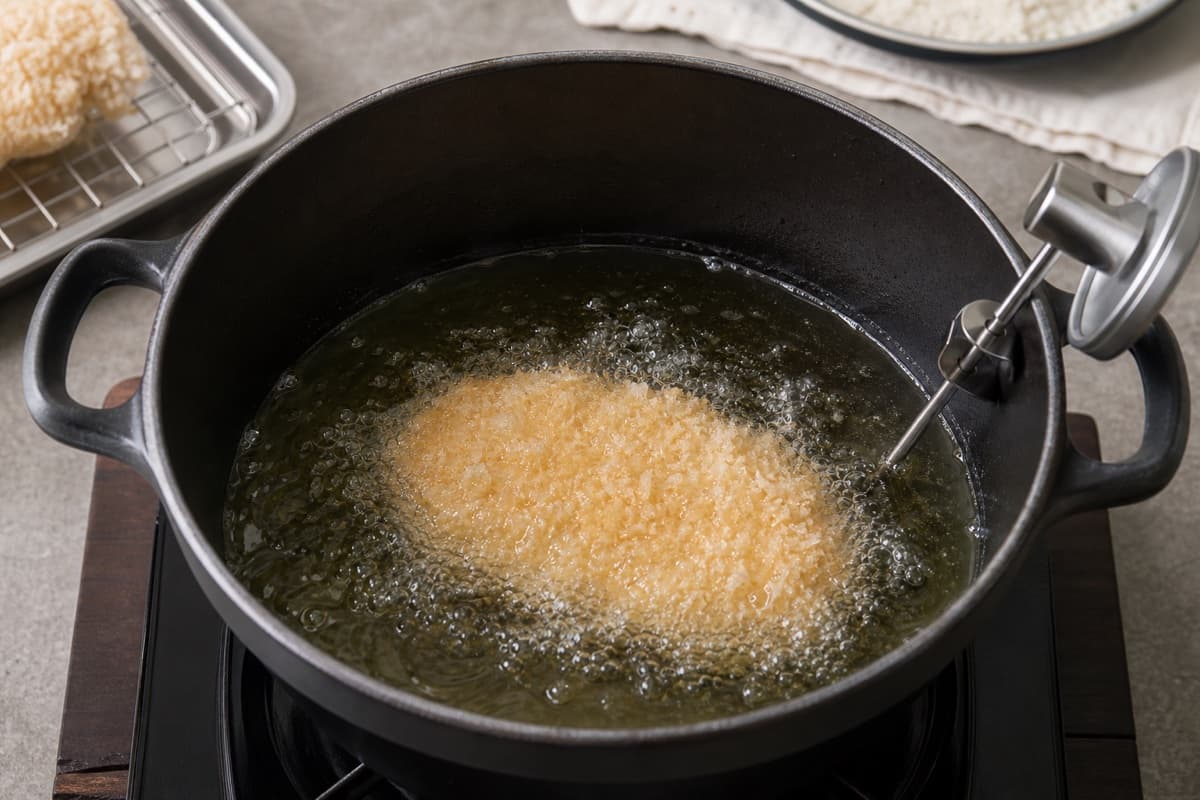
Fill the pot no more than halfway with oil and heat to 160–165°C. Fry no more than two chops, only if they do not touch and the oil recovers above 155°C within 30 seconds. Leave them untouched for 90 seconds, cook 3 minutes on the first side and 2 minutes on the second, then lift carefully.
Common mistake: Crowding crashes the temperature and makes panko oily; remove one chop, let the oil recover, and continue one at a time.
Recovery: Pause before the next step, compare the cue, then correct heat, moisture, or seasoning while the dish is still flexible.
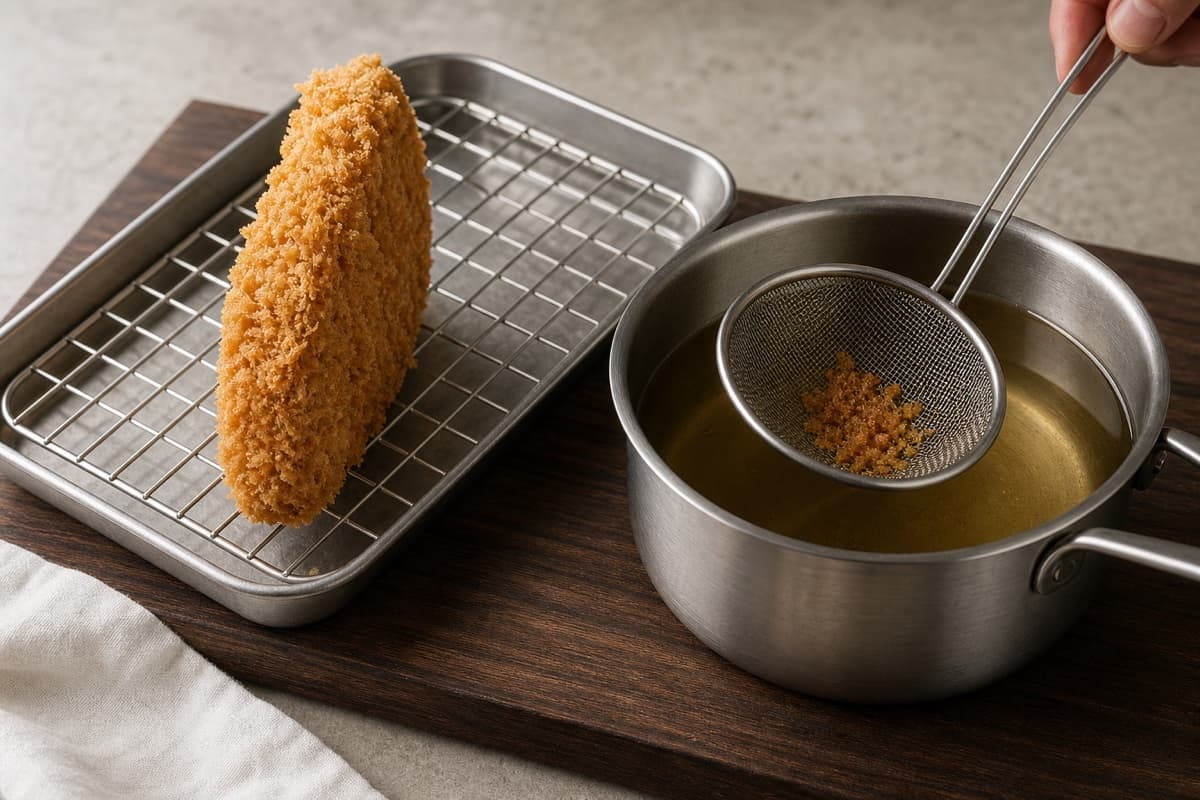
Stand first-fried cutlets nearly upright on the rack for 3 minutes so hot oil and steam can escape from both faces. Skim every loose crumb from the pot, then raise the clean oil to 185°C. Never drain on flat paper towels.
Common mistake: A flat or stacked rest traps steam and softens the underside; move the cutlets to a rack and lean them apart.
Recovery: Spread the food out, raise heat only after moisture drops, and hold back extra sauce until the pan is frying again.
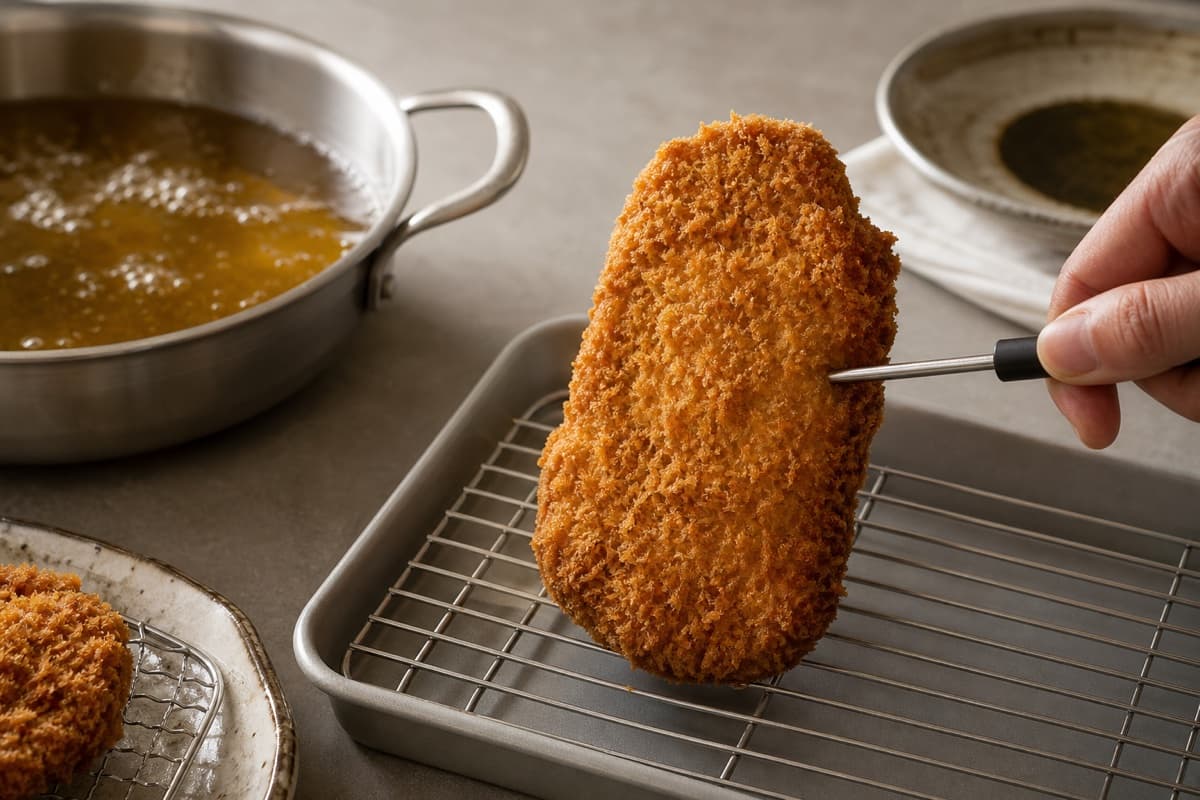
Return cutlets to 185°C for 30 seconds per side, about 1 minute total. Drain vertically. Insert a clean probe horizontally through one narrow edge into the thickest centre; every chop must reach at least 63°C, then rest for at least 3 minutes. If low, return it at 165–170°C in 30-second intervals - not at 185°C - until safe.
Common mistake: Keeping underdone pork at 185°C burns panko before the centre is safe; lower the oil and correct in short measured intervals.
Recovery: Re-cover the cup and continue at the gentlest steam in 2-minute increments. Stop when the centre wobbles as one mass and the safety temperature is reached.
After the safety rest, make one straight downward knife stroke for each 18–20 mm strip; do not saw. Keep the strips aligned. Plate immediately with dry cabbage, lemon, karashi, and sauce in a separate vessel. Add optional short-grain rice, miso soup, and pickles for a complete teishoku.
Common mistake: Cutting immediately, sawing, stacking, or pouring sauce over every strip tears or steams away the crisp shell.
Recovery: Spread the food out, raise heat only after moisture drops, and hold back extra sauce until the pan is frying again.
Ingredients
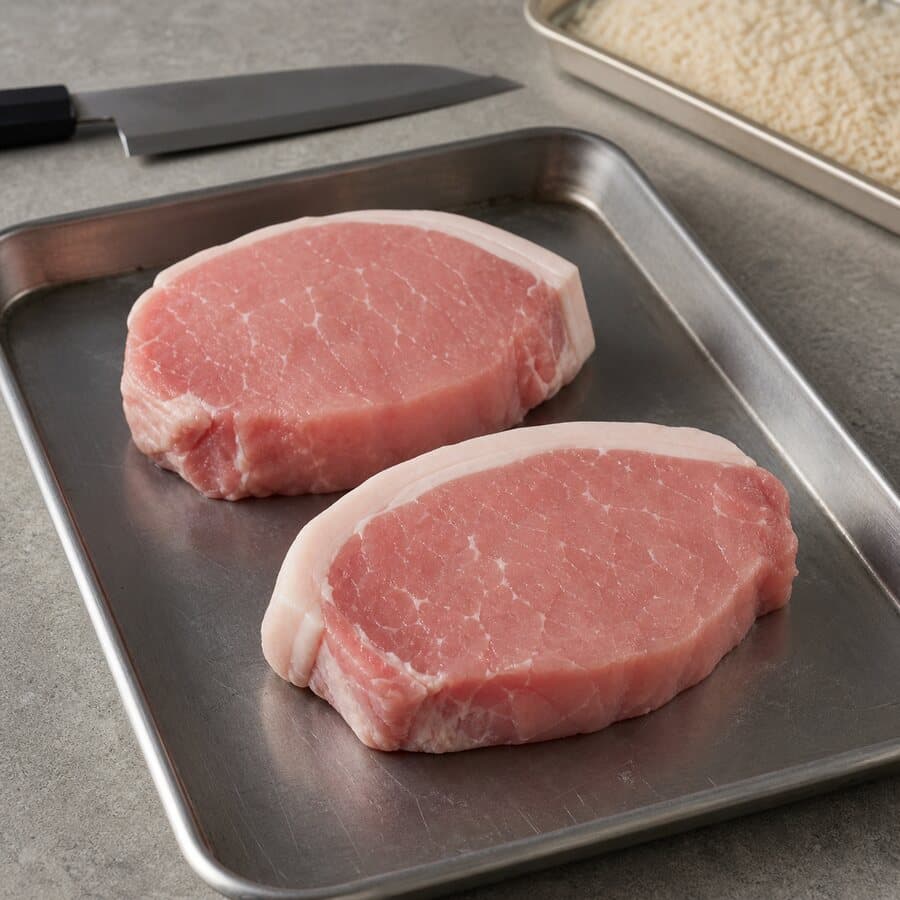
rosu-katsu centre with enough thickness and fat edge to stay juicy
Note: This dish contains pork. Do not pound the chops thin; even them to 20–22 mm and verify 63°C internally.
Swap: four 20 mm pork tenderloin medallions for leaner hire-katsu
 Nearby Asian grocersSearch TozerbaSearch Asian PantryToko Nusantara
 Search Coles
 Search WoolworthsFind an ALDIFind an IGA
These links open searches, catalogues, or store locators. Check the exact form and local availability there.
Nearby traditional marketsPasar Jaya networkSuper Indo locationsRanch Market outletsHypermart online Search Sayurbox
 Search Tokopedia
 Search ShopeeOpen GrabMart
These links open searches, catalogues, or store locators. Check the exact form and local availability there.
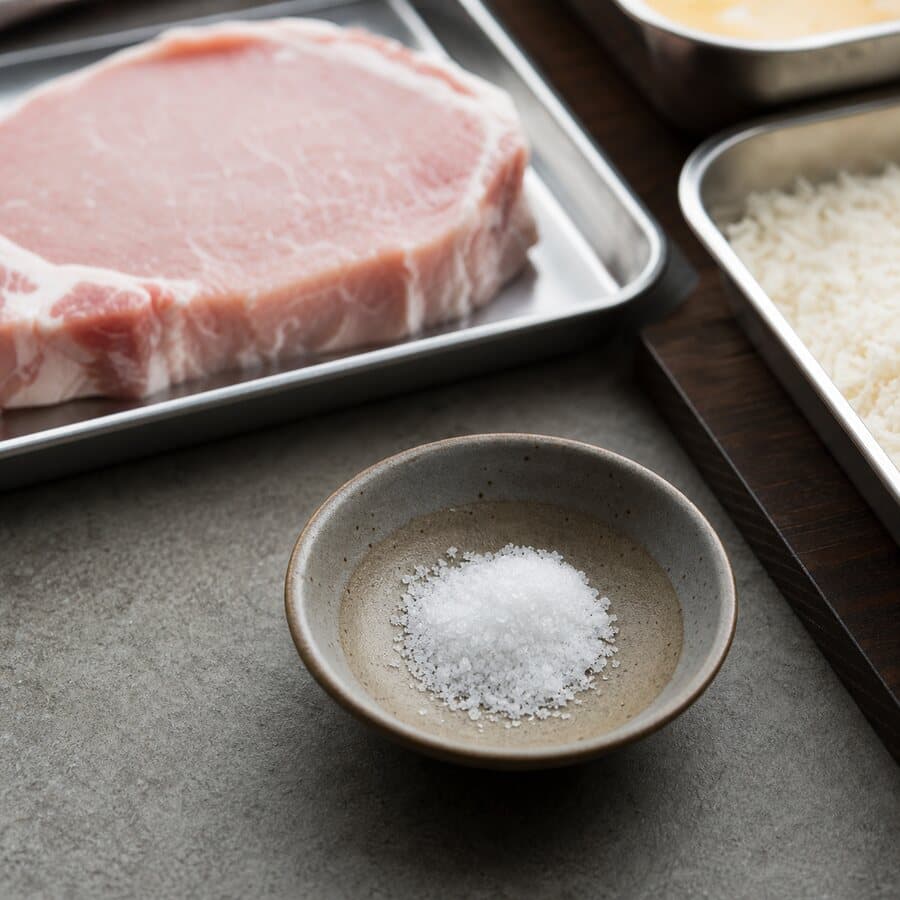
light measured seasoning beneath the salty-sweet sauce
Nearby Asian grocersSearch TozerbaSearch Asian PantryToko NusantaraSearch ColesSearch WoolworthsFind an ALDIFind an IGAThese links open searches, catalogues, or store locators. Check the exact form and local availability there.
Nearby traditional marketsPasar Jaya networkSuper Indo locationsRanch Market outletsHypermart onlineSearch SayurboxSearch TokopediaSearch ShopeeOpen GrabMartThese links open searches, catalogues, or store locators. Check the exact form and local availability there.
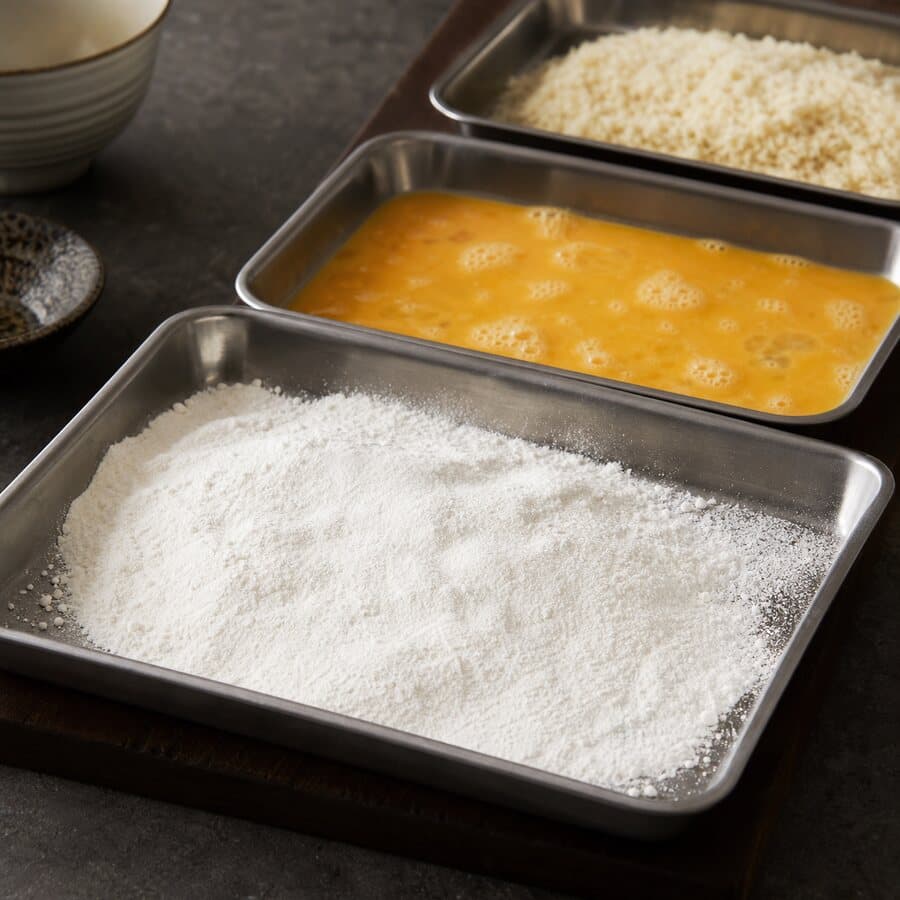
an extremely thin dry bridge between pork and egg
Note: Contains wheat and gluten; excess flour becomes a pasty layer that detaches.
Swap: fine rice flour for a gluten-free coating
Nearby Asian grocersSearch TozerbaSearch Asian PantryToko NusantaraSearch ColesSearch WoolworthsFind an ALDIFind an IGAThese links open searches, catalogues, or store locators. Check the exact form and local availability there.
Nearby traditional marketsPasar Jaya networkSuper Indo locationsRanch Market outletsHypermart onlineSearch SayurboxSearch TokopediaSearch ShopeeOpen GrabMartThese links open searches, catalogues, or store locators. Check the exact form and local availability there.
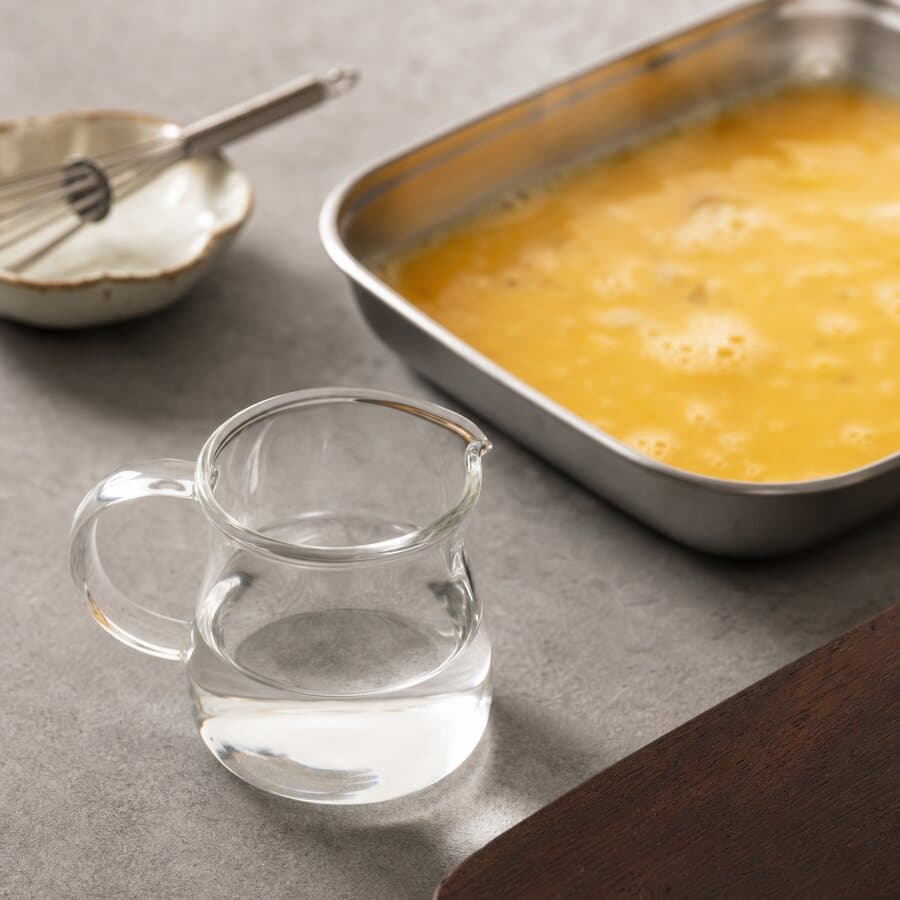
loosens egg so it coats the thin flour layer evenly
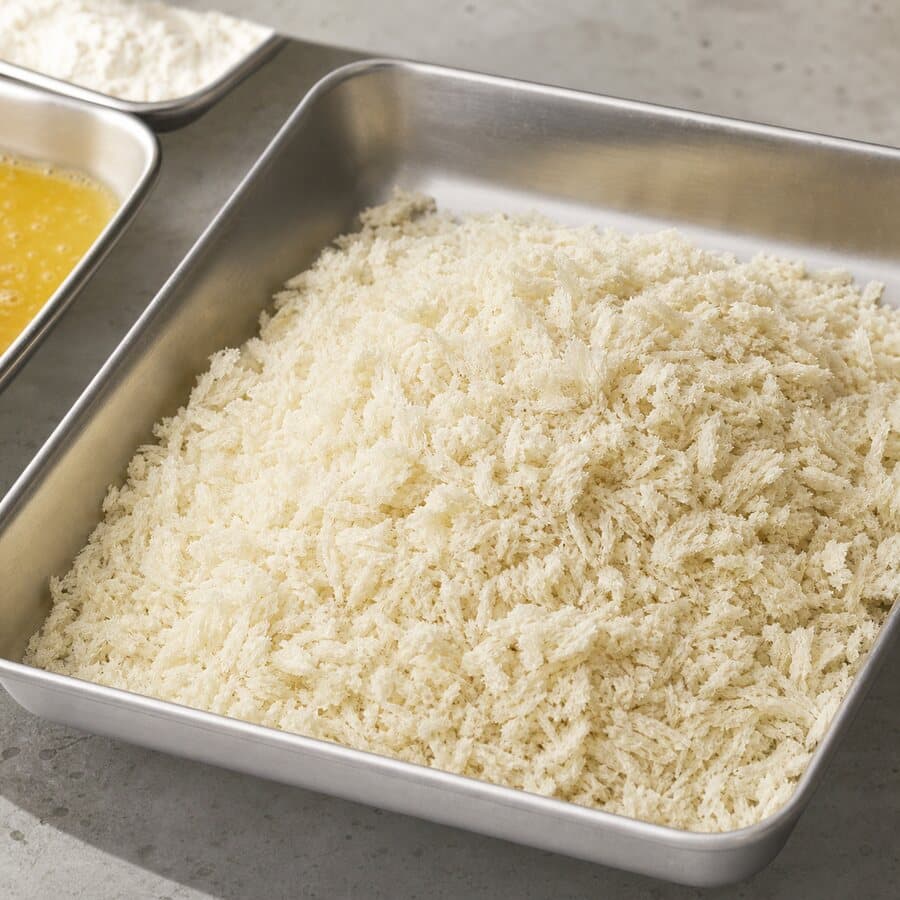
large airy shards that form the characteristic light crisp shell
Note: Usually contains wheat and gluten; do not crush the flakes while applying them.
Swap: coarse crumbs made from crustless soft white bread, never fine Western breadcrumbs
Nearby Asian grocersSearch TozerbaSearch Asian PantryToko NusantaraSearch ColesSearch WoolworthsFind an ALDIFind an IGAThese links open searches, catalogues, or store locators. Check the exact form and local availability there.
Nearby traditional marketsPasar Jaya networkSuper Indo locationsRanch Market outletsHypermart onlineSearch SayurboxSearch TokopediaSearch ShopeeOpen GrabMartThese links open searches, catalogues, or store locators. Check the exact form and local availability there.
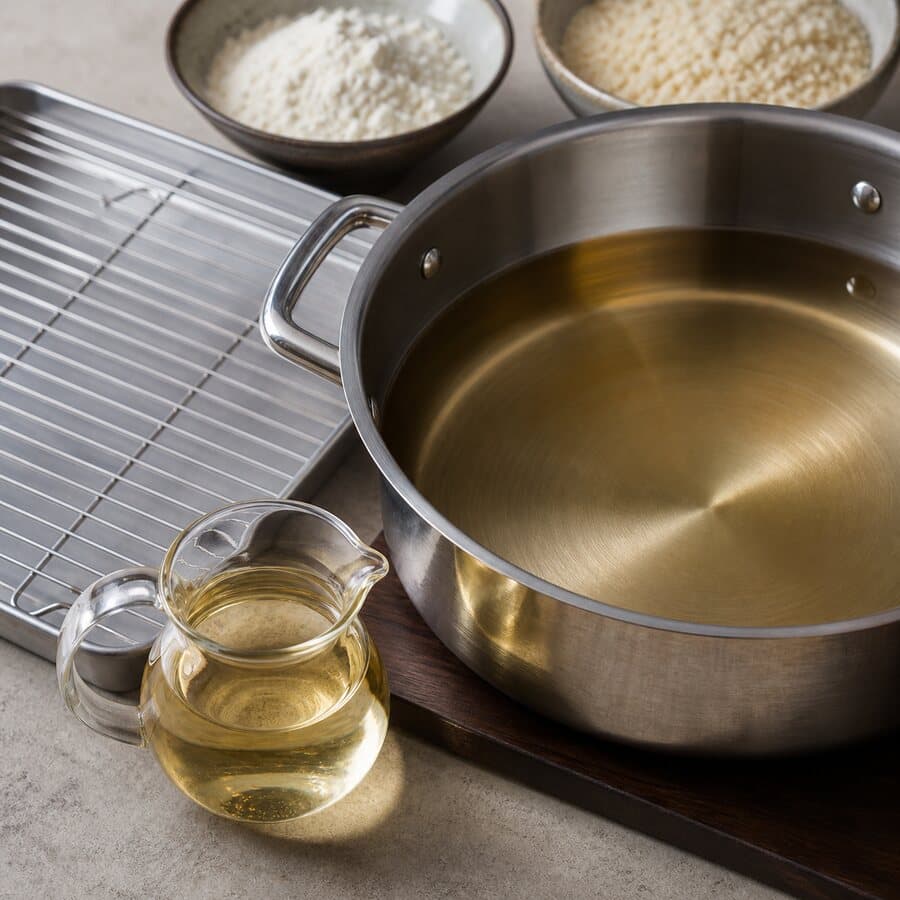
deep enough for full submersion and stable two-stage frying
Note: Fill the pot no more than halfway, keep water away, and never extinguish an oil fire with water.
Nearby Asian grocersSearch TozerbaSearch Asian PantryToko NusantaraSearch ColesSearch WoolworthsFind an ALDIFind an IGAThese links open searches, catalogues, or store locators. Check the exact form and local availability there.
Nearby traditional marketsPasar Jaya networkSuper Indo locationsRanch Market outletsHypermart onlineSearch SayurboxSearch TokopediaSearch ShopeeOpen GrabMartThese links open searches, catalogues, or store locators. Check the exact form and local availability there.
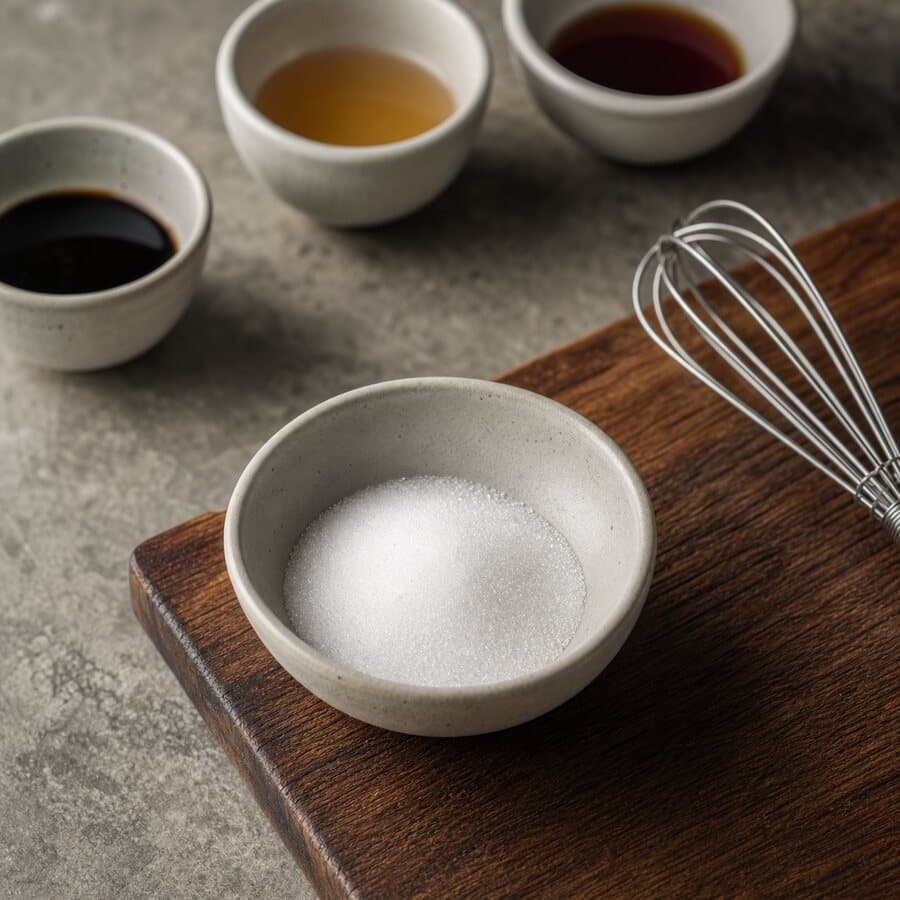
rounds the acidic sauces into the familiar sweet-tangy condiment
Nearby Asian grocersSearch TozerbaSearch Asian PantryToko NusantaraSearch ColesSearch WoolworthsFind an ALDIFind an IGAThese links open searches, catalogues, or store locators. Check the exact form and local availability there.
Nearby traditional marketsPasar Jaya networkSuper Indo locationsRanch Market outletsHypermart onlineSearch SayurboxSearch TokopediaSearch ShopeeOpen GrabMartThese links open searches, catalogues, or store locators. Check the exact form and local availability there.
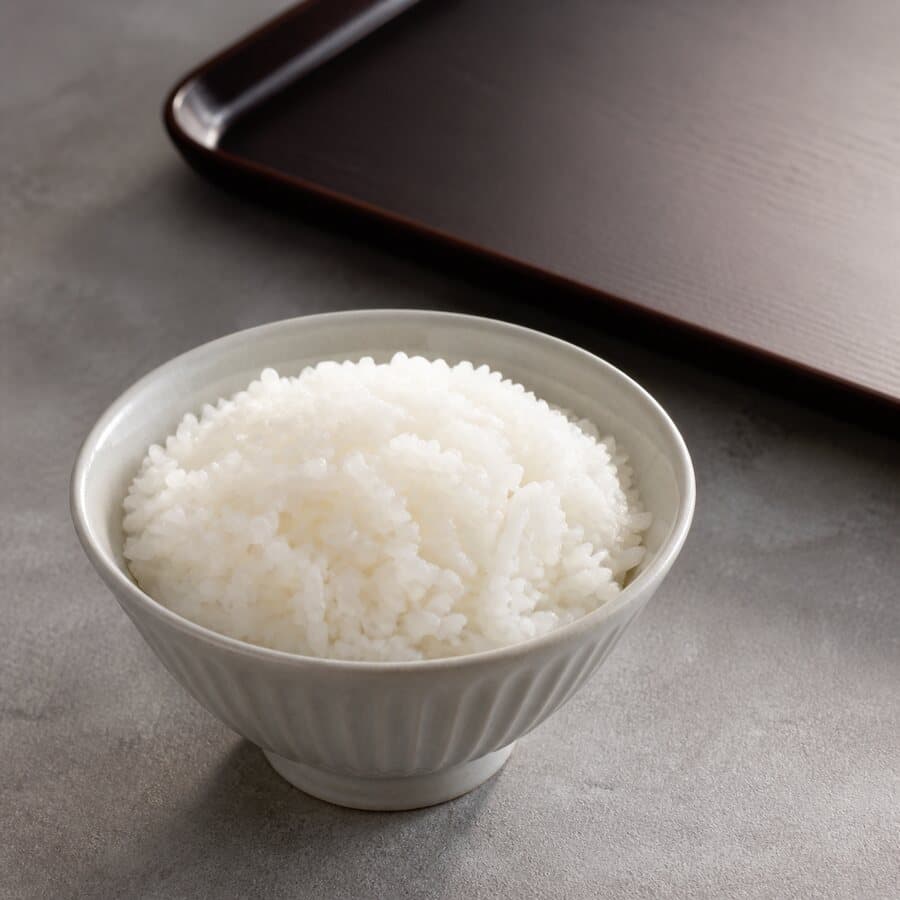
plain starch for a complete teishoku set
Nearby Asian grocersSearch TozerbaSearch Asian PantryToko NusantaraSearch ColesSearch WoolworthsFind an ALDIFind an IGAThese links open searches, catalogues, or store locators. Check the exact form and local availability there.
Nearby traditional marketsPasar Jaya networkSuper Indo locationsRanch Market outletsHypermart onlineSearch SayurboxSearch TokopediaSearch ShopeeOpen GrabMartThese links open searches, catalogues, or store locators. Check the exact form and local availability there.
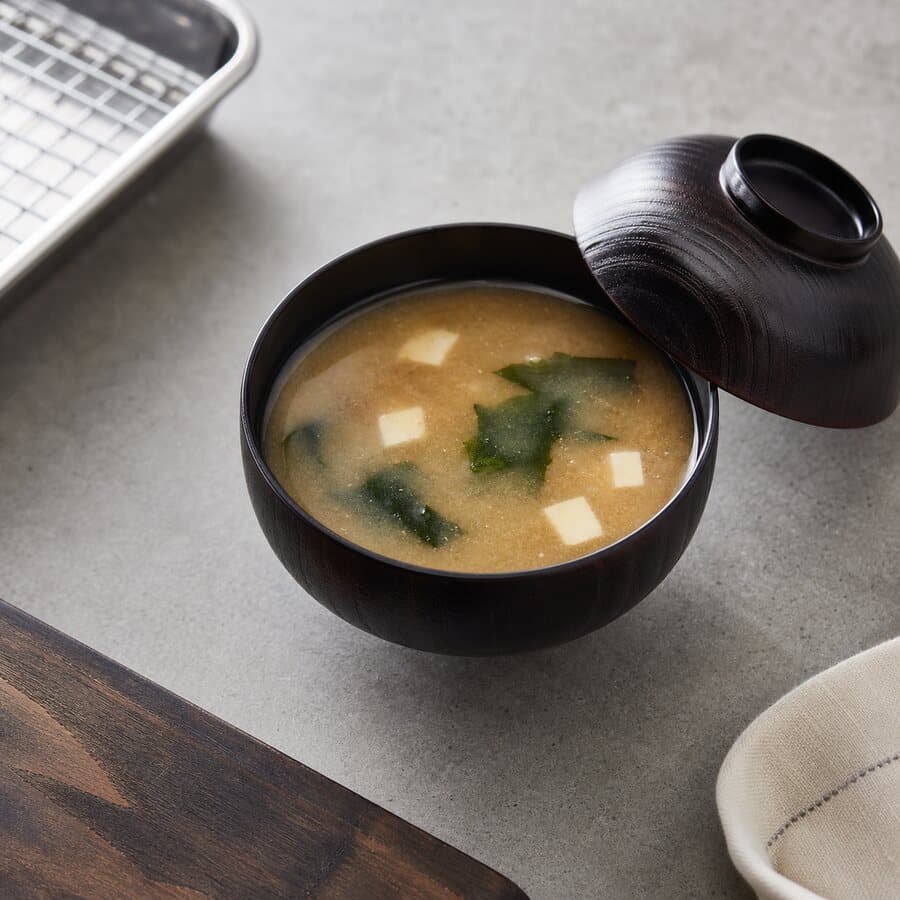
traditional warm soup alongside a tonkatsu teishoku
Note: Miso contains soy; dashi may contain fish and packaged products may contain wheat.
Nearby Asian grocersSearch TozerbaSearch Asian PantryToko NusantaraSearch ColesSearch WoolworthsFind an ALDIFind an IGAThese links open searches, catalogues, or store locators. Check the exact form and local availability there.
Nearby traditional marketsPasar Jaya networkSuper Indo locationsRanch Market outletsHypermart onlineSearch SayurboxSearch TokopediaSearch ShopeeOpen GrabMartThese links open searches, catalogues, or store locators. Check the exact form and local availability there.
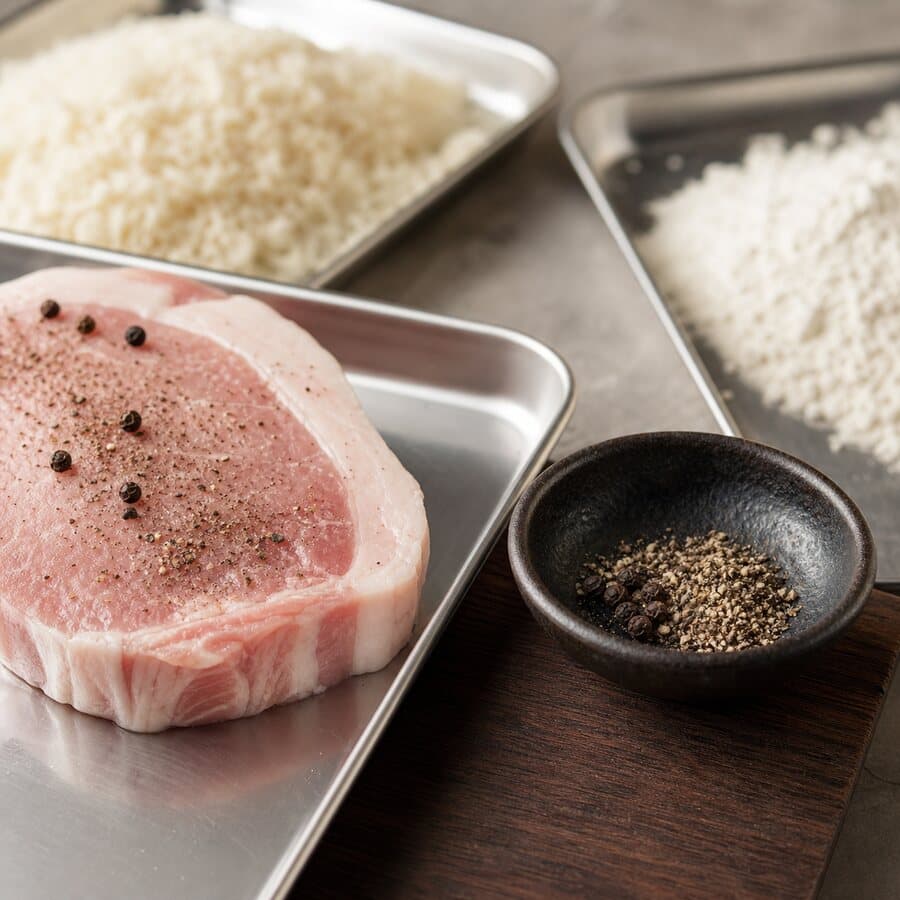
subtle warmth directly on the pork
Nearby Asian grocersSearch TozerbaSearch Asian PantryToko NusantaraSearch ColesSearch WoolworthsFind an ALDIFind an IGAThese links open searches, catalogues, or store locators. Check the exact form and local availability there.
Nearby traditional marketsPasar Jaya networkSuper Indo locationsRanch Market outletsHypermart onlineSearch SayurboxSearch TokopediaSearch ShopeeOpen GrabMartThese links open searches, catalogues, or store locators. Check the exact form and local availability there.
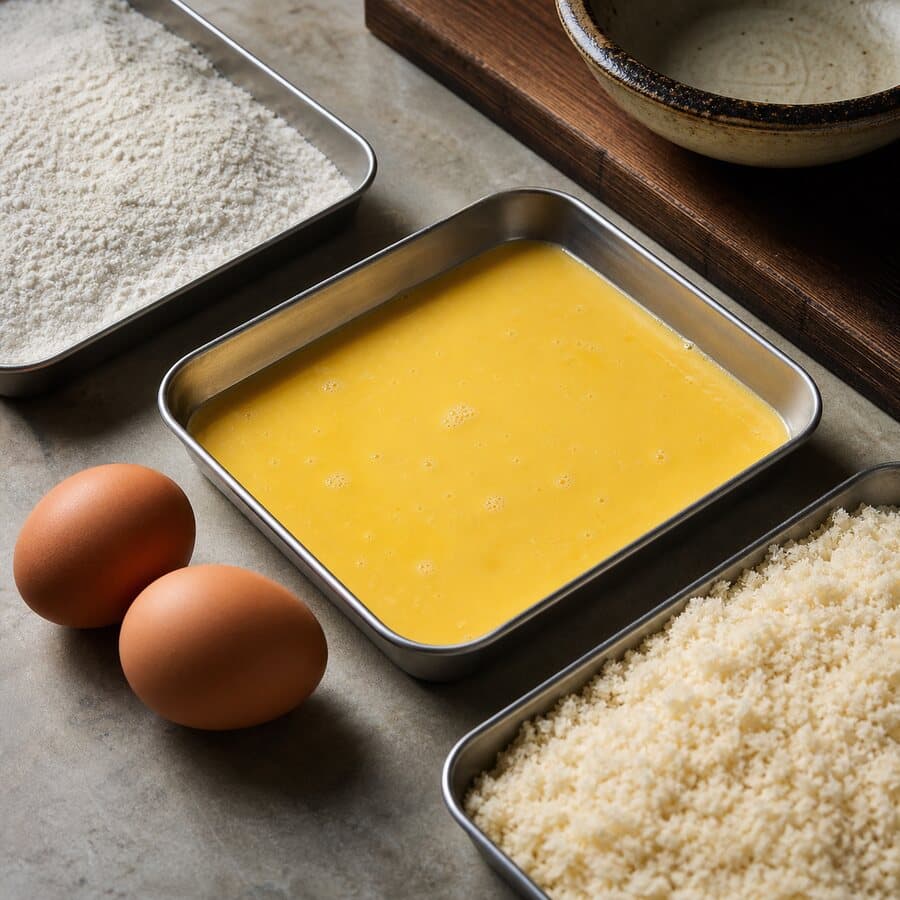
wet bridge that holds coarse panko to the floured pork
Note: Contains egg.
Nearby Asian grocersSearch TozerbaSearch Asian PantryToko NusantaraSearch ColesSearch WoolworthsFind an ALDIFind an IGAThese links open searches, catalogues, or store locators. Check the exact form and local availability there.
Nearby traditional marketsPasar Jaya networkSuper Indo locationsRanch Market outletsHypermart onlineSearch SayurboxSearch TokopediaSearch ShopeeOpen GrabMartThese links open searches, catalogues, or store locators. Check the exact form and local availability there.
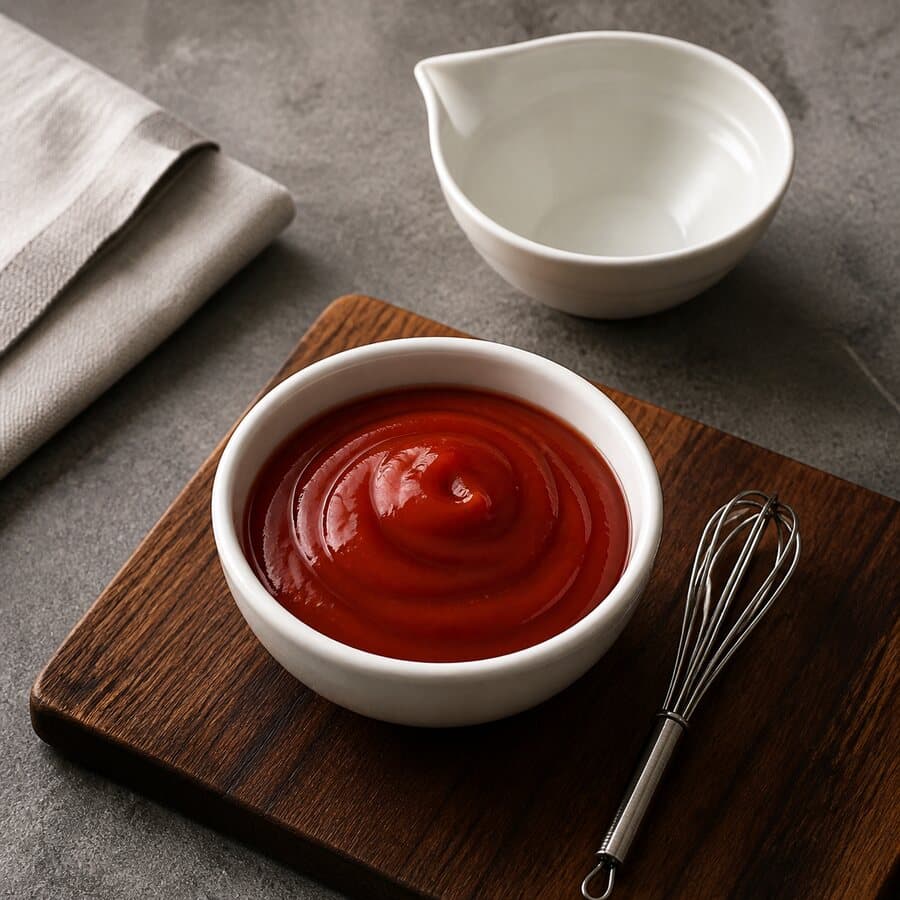
fruit, sweetness, and body in the beginner tonkatsu sauce
Nearby Asian grocersSearch TozerbaSearch Asian PantryToko NusantaraSearch ColesSearch WoolworthsFind an ALDIFind an IGAThese links open searches, catalogues, or store locators. Check the exact form and local availability there.
Nearby traditional marketsPasar Jaya networkSuper Indo locationsRanch Market outletsHypermart onlineSearch SayurboxSearch TokopediaSearch ShopeeOpen GrabMartThese links open searches, catalogues, or store locators. Check the exact form and local availability there.
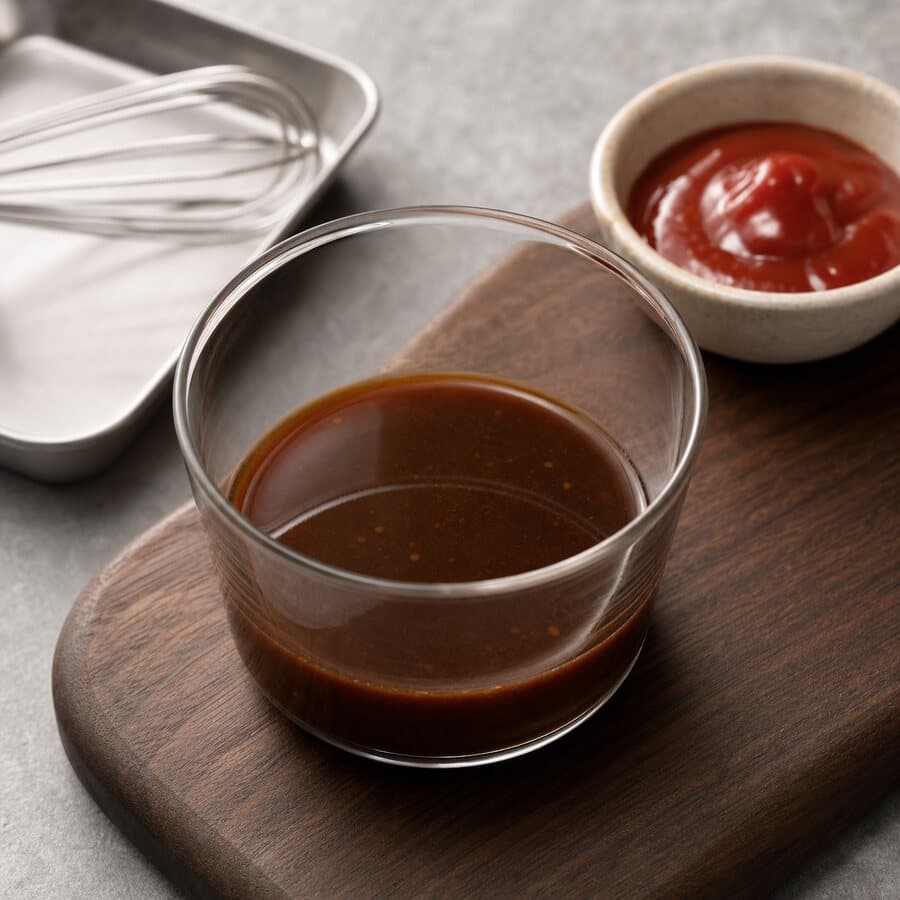
spiced tang and savoury depth in the separate tonkatsu sauce
Note: Brands may contain fish, barley, gluten, or other allergens; check the exact label.
Nearby Asian grocersSearch TozerbaSearch Asian PantryToko NusantaraSearch ColesSearch WoolworthsFind an ALDIFind an IGAThese links open searches, catalogues, or store locators. Check the exact form and local availability there.
Nearby traditional marketsPasar Jaya networkSuper Indo locationsRanch Market outletsHypermart onlineSearch SayurboxSearch TokopediaSearch ShopeeOpen GrabMartThese links open searches, catalogues, or store locators. Check the exact form and local availability there.
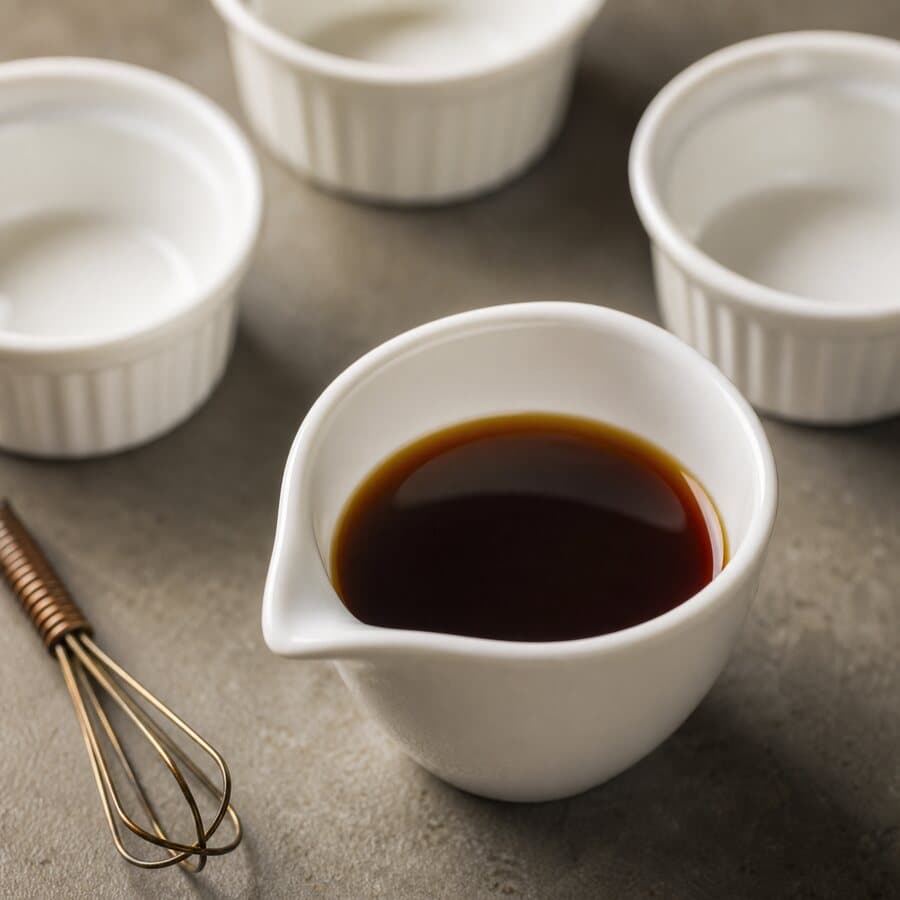
umami and salt in the homemade tonkatsu sauce
Note: Contains soy and commonly wheat.
Swap: gluten-free tamari when the remaining sauce ingredients are also certified gluten-free
Nearby Asian grocersSearch TozerbaSearch Asian PantryToko NusantaraSearch ColesSearch WoolworthsFind an ALDIFind an IGAThese links open searches, catalogues, or store locators. Check the exact form and local availability there.
Nearby traditional marketsPasar Jaya networkSuper Indo locationsRanch Market outletsHypermart onlineSearch SayurboxSearch TokopediaSearch ShopeeOpen GrabMartThese links open searches, catalogues, or store locators. Check the exact form and local availability there.
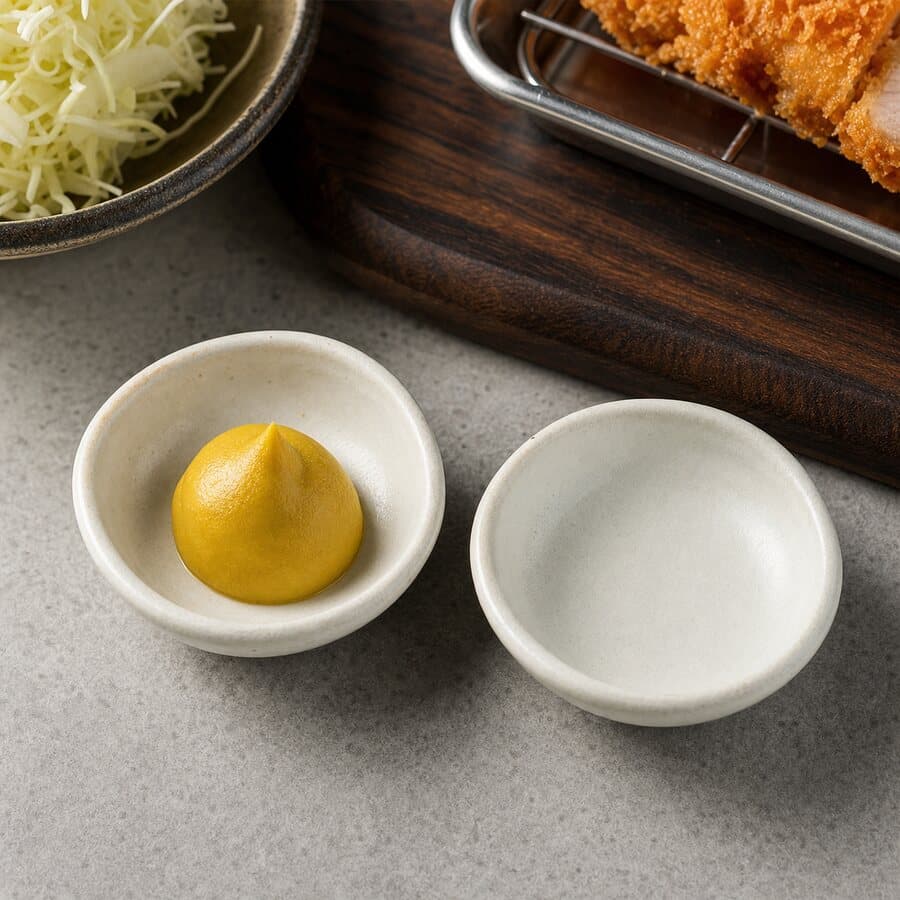
sharp table condiment kept separate from the sauce
Note: Contains mustard.
Swap: hot English mustard used sparingly
Nearby Asian grocersSearch TozerbaSearch Asian PantryToko NusantaraSearch ColesSearch WoolworthsFind an ALDIFind an IGAThese links open searches, catalogues, or store locators. Check the exact form and local availability there.
Nearby traditional marketsPasar Jaya networkSuper Indo locationsRanch Market outletsHypermart onlineSearch SayurboxSearch TokopediaSearch ShopeeOpen GrabMartThese links open searches, catalogues, or store locators. Check the exact form and local availability there.
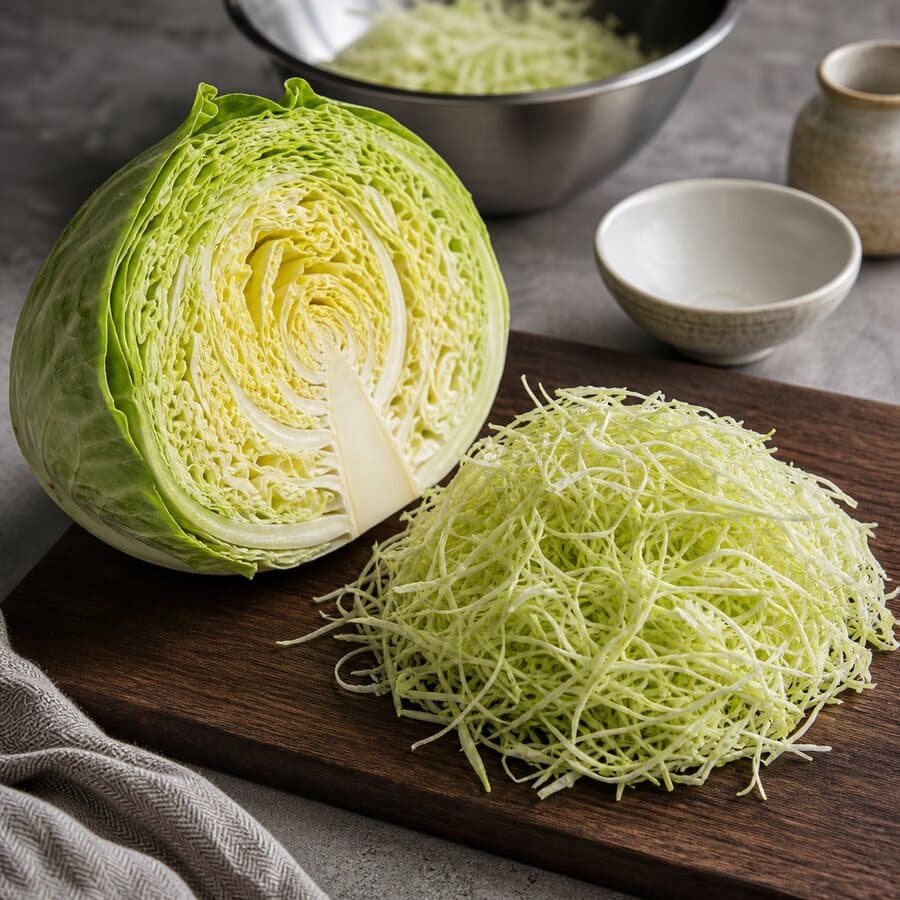
fine, cold, undressed crunch that resets the palate after fried pork
Note: Slice to about 1 mm, crisp briefly in ice water, then spin and towel completely dry.
Nearby Asian grocersSearch TozerbaSearch Asian PantryToko NusantaraSearch ColesSearch WoolworthsFind an ALDIFind an IGAThese links open searches, catalogues, or store locators. Check the exact form and local availability there.
Nearby traditional marketsPasar Jaya networkSuper Indo locationsRanch Market outletsHypermart onlineSearch SayurboxSearch TokopediaSearch ShopeeOpen GrabMartThese links open searches, catalogues, or store locators. Check the exact form and local availability there.
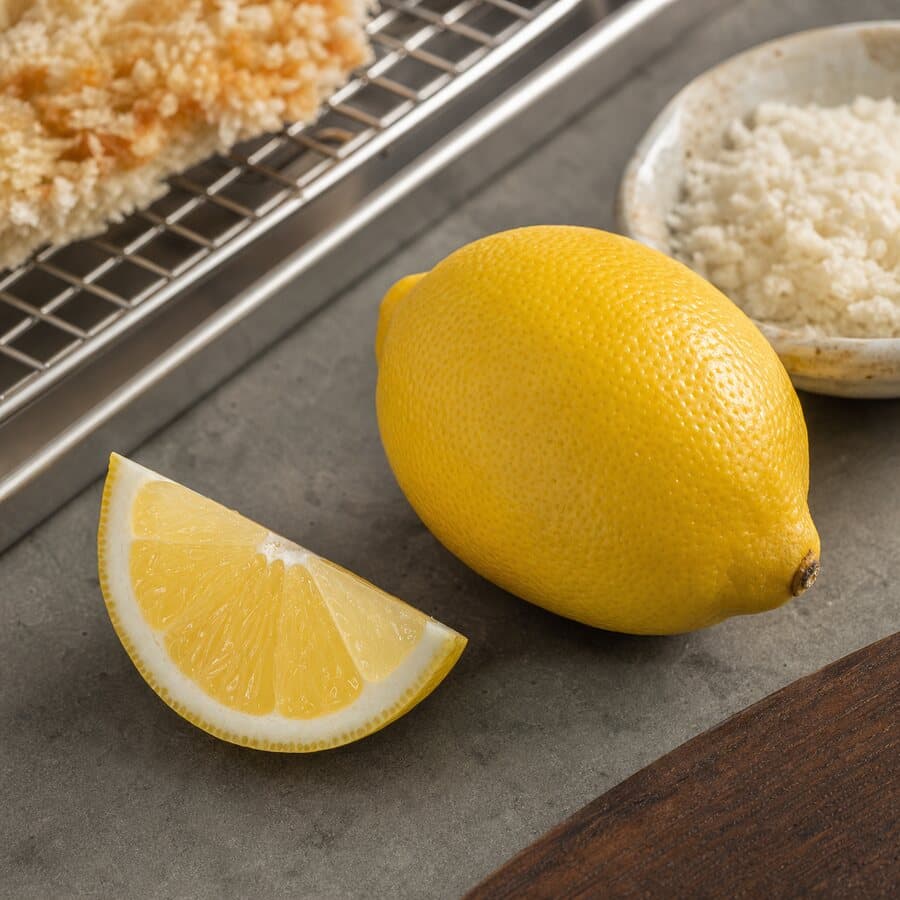
fresh acid served as a wedge rather than soaked into the crust
Swap: four small wedges of mild lime
Nearby Asian grocersSearch TozerbaSearch Asian PantryToko NusantaraSearch ColesSearch WoolworthsFind an ALDIFind an IGAThese links open searches, catalogues, or store locators. Check the exact form and local availability there.
Nearby traditional marketsPasar Jaya networkSuper Indo locationsRanch Market outletsHypermart onlineSearch SayurboxSearch TokopediaSearch ShopeeOpen GrabMartThese links open searches, catalogues, or store locators. Check the exact form and local availability there.
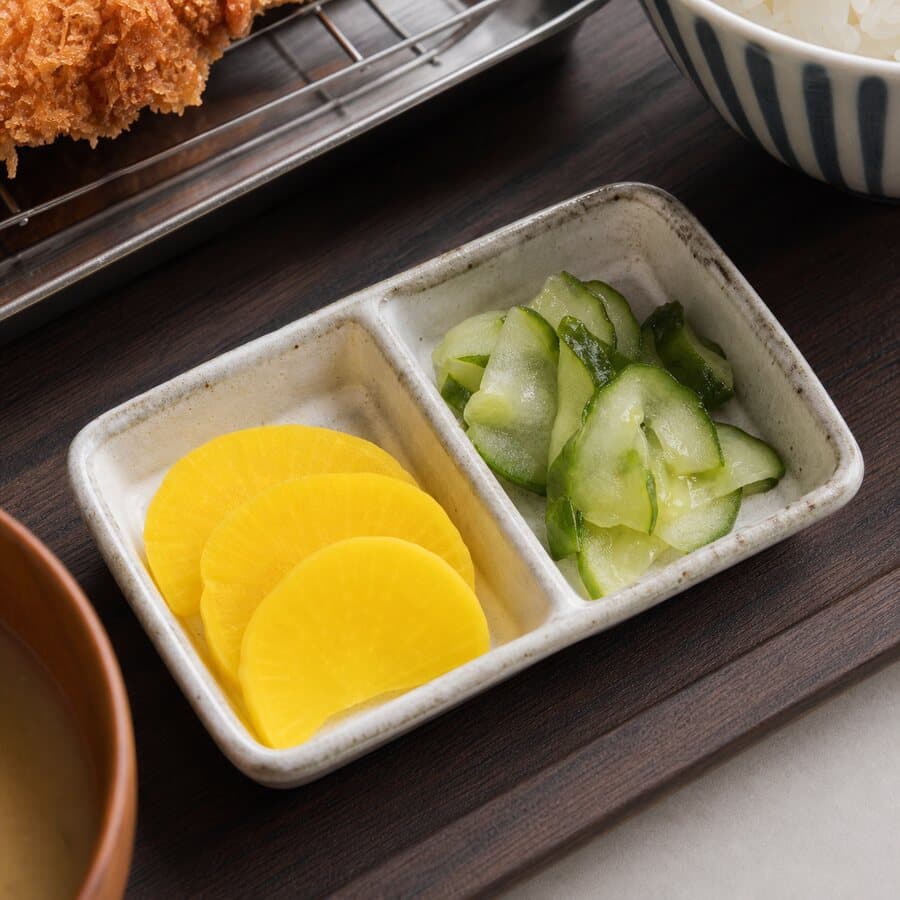
small acidic, crunchy side for the complete set
Note: Check packaged pickles for soy, wheat, fish, colours, and preservatives.
Nearby Asian grocersSearch TozerbaSearch Asian PantryToko NusantaraSearch ColesSearch WoolworthsFind an ALDIFind an IGAThese links open searches, catalogues, or store locators. Check the exact form and local availability there.
Nearby traditional marketsPasar Jaya networkSuper Indo locationsRanch Market outletsHypermart onlineSearch SayurboxSearch TokopediaSearch ShopeeOpen GrabMartThese links open searches, catalogues, or store locators. Check the exact form and local availability there.
Melbourne and Jakarta
Current links help you search by the right ingredient name; they do not confirm a product, price, or stock level.
Start with an Indonesian or broader Asian grocer for boneless thick-cut pork loin chops; use supermarkets or butchers for boneless thick-cut pork loin chops, fine sea salt.
boneless thick-cut pork loin chops: four 20 mm pork tenderloin medallions for leaner hire-katsu.
boneless thick-cut pork loin chops: This dish contains pork. Do not pound the chops thin; even them to 20–22 mm and verify 63°C internally.
Nearby Asian grocersSearch TozerbaSearch Asian PantryToko NusantaraSearch ColesSearch WoolworthsFind an ALDIFind an IGAThese links open searches, catalogues, or store locators. Check the exact form and local availability there.
Start with pasar stalls for daging loin babi tebal tanpa tulang, kol hijau; use supermarkets or online marketplaces for sealed pantry staples.
boneless thick-cut pork loin chops: four 20 mm pork tenderloin medallions for leaner hire-katsu.
boneless thick-cut pork loin chops: This dish contains pork. Do not pound the chops thin; even them to 20–22 mm and verify 63°C internally.
Nearby traditional marketsPasar Jaya networkSuper Indo locationsRanch Market outletsHypermart onlineSearch SayurboxSearch TokopediaSearch ShopeeOpen GrabMartThese links open searches, catalogues, or store locators. Check the exact form and local availability there.
Fix problems
The active method already includes its most likely mistake and recovery. Open the reference library when your question falls outside the current step.
No. Kikkoman’s official home method fries a 2 cm chop at 170°C for about 5 minutes. Japanese culinary guidance also documents a lower first fry, rest, and hot finishing fry; this recipe uses that restaurant-style refinement and labels it clearly.
Rosu-katsu keeps the pork about 2 cm thick, fully submerges it in oil, and uses large airy Japanese panko. Schnitzel is normally pounded much thinner and shallow-fried.
Yes, colour alone is unreliable. The beginner safety rule is a horizontal probe reading of at least 63°C followed by a minimum three-minute rest.
They will cook, but they produce a denser, more oil-prone crust and should not be presented as the intended tonkatsu texture. Use coarse Japanese panko or coarse fresh crumbs from crustless white bread.
Shape pork earlier the same day, but bread only 1–2 hours ahead and refrigerate uncovered on a rack. Longer holding hydrates panko. Fry immediately before serving.
It is best treated as its own condiment sub-recipe, not an unexplained bottled extra or an Indonesian bumbu paste. This version measures ketchup, Worcestershire, Japanese soy, and sugar, while store-bought Japanese tonkatsu sauce remains an acceptable shortcut.
Refrigerate within 2 hours and keep for 3–4 days. Reheat on a rack in a 190°C oven or air fryer until the official leftover endpoint of 74°C; microwave reheating softens the panko.
Keep a thick pork chop juicy and safely cooked inside an airy panko shell that stays attached and audibly crisp. Look for juicy pork, thin bonding layer, attached coarse panko, dry cabbage, and sauce held separately: A horizontal probe confirms at least 63°C before a three-minute rest and straight downward slicing into 18–20 mm strips.
Wet cabbage leaks onto the panko, while boiling the sauce hard makes it sticky and too salty. Lower the heat immediately, skim or stir gently, and continue at a small simmer until the surface calms.
Scale the measured ingredients with the serving count, then scale the vessel or work in batches. Keep the same visual finish - juicy pork, thin bonding layer, attached coarse panko, dry cabbage, and sauce held separately - rather than forcing the original timer.
Next cooks
Recipes here share ingredients, bumbu logic, region, spice level, or weeknight patterns so the next cook reuses what you just learned.
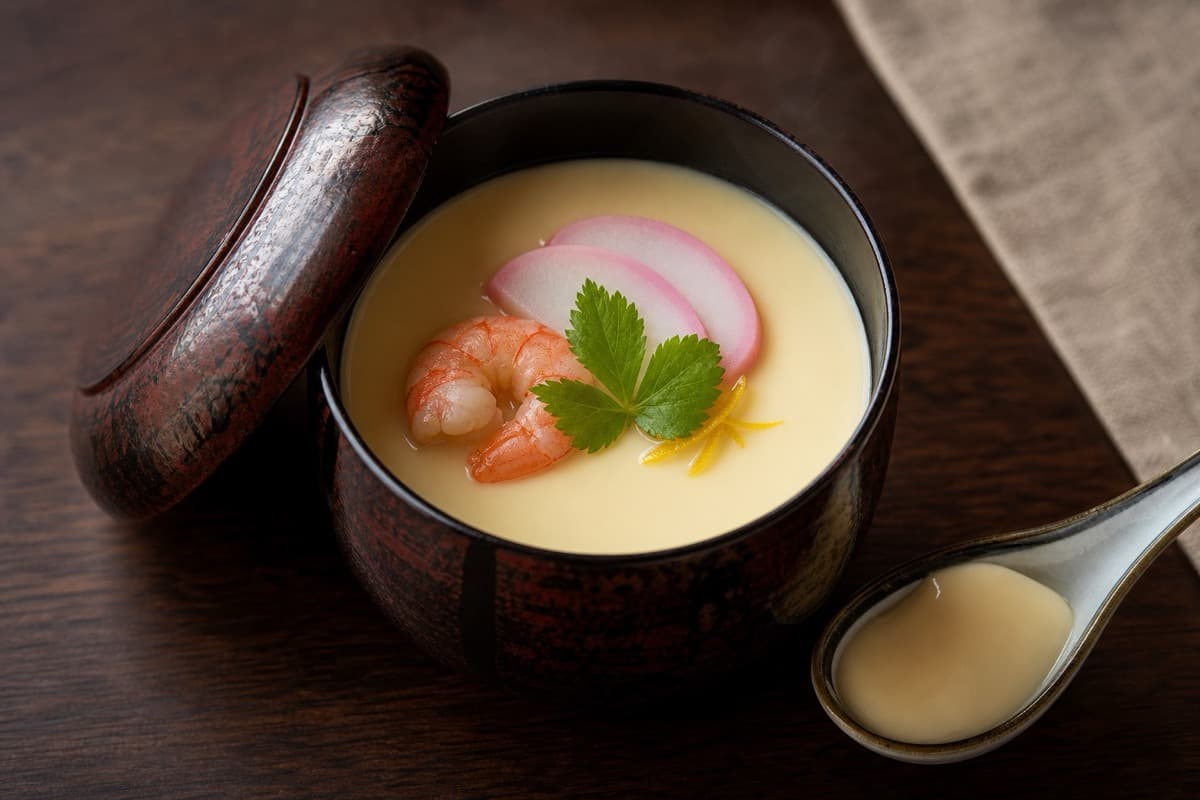 Japan · IntermediateChawanmushiSet a glossy, spoonable custard with no bubbles, stringy egg, or honeycomb holes.
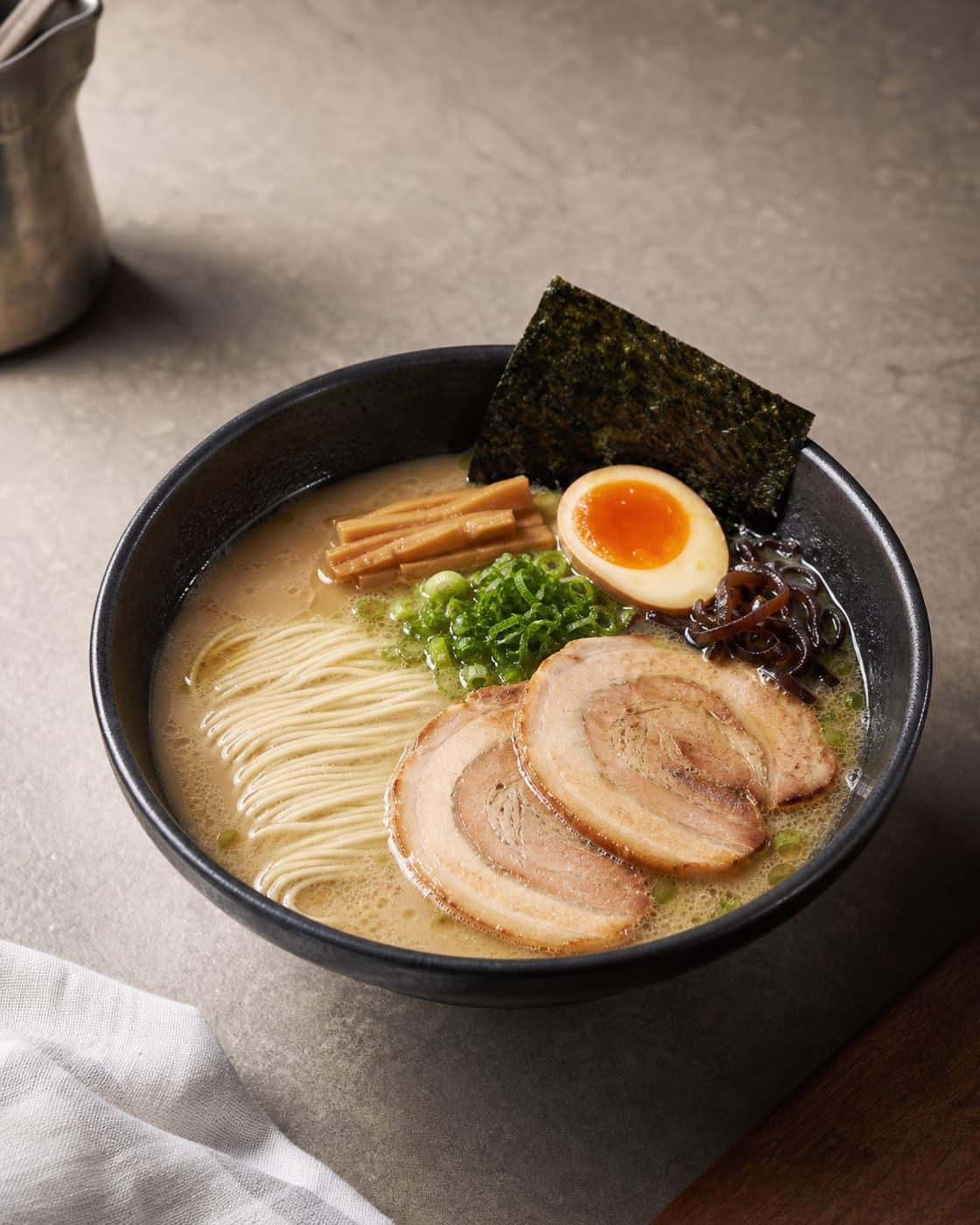 Japan / composed pork-bone ramen · PatientTonkotsu Shoyu RamenBuild an opaque ivory broth that tastes like pork - not dairy - and assemble six balanced bowls before the noodles soften.
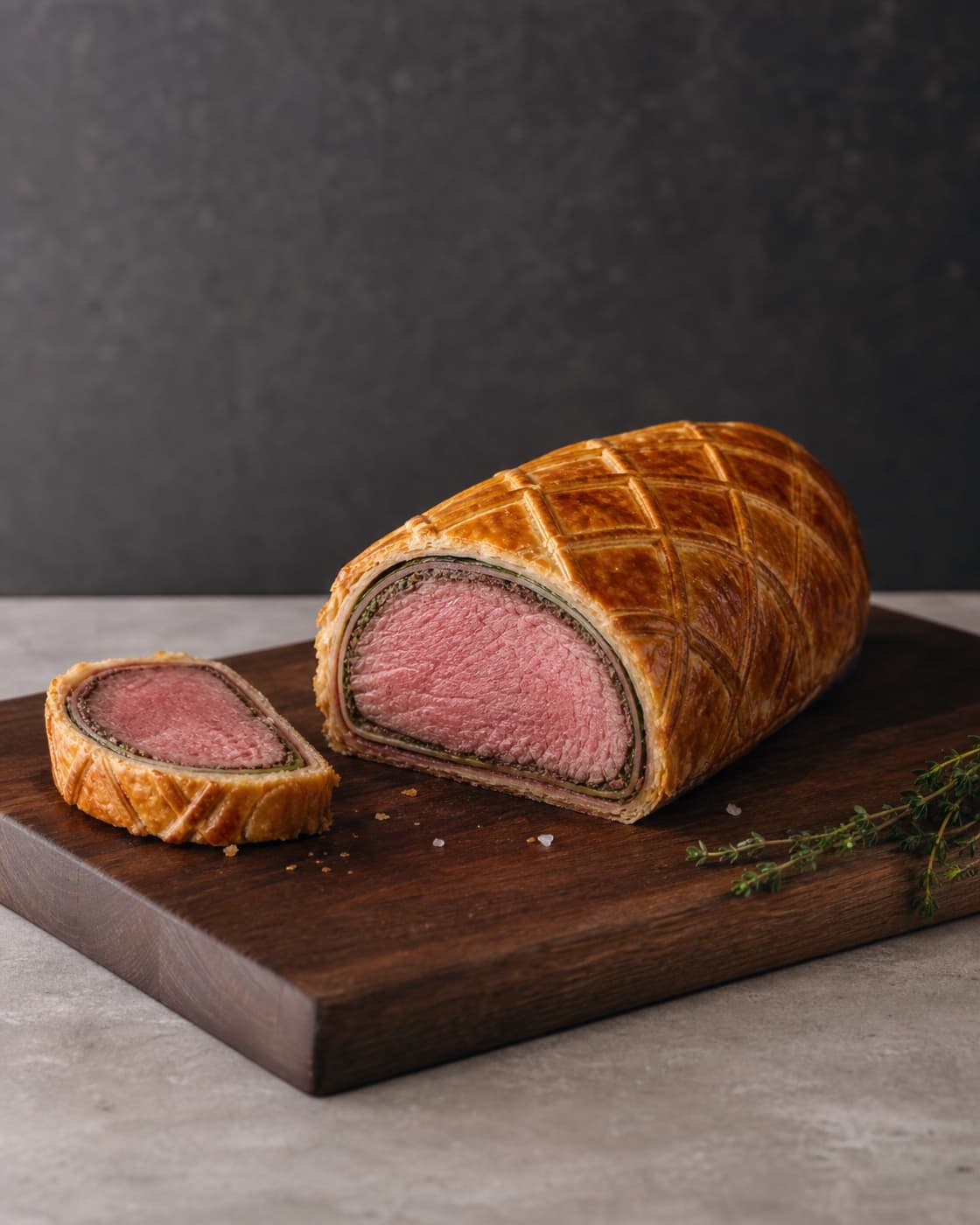 Britain / modern restaurant tradition · PatientBeef WellingtonSynchronise a crisp pastry shell with safely rested, evenly pink beef and thin, distinct moisture-barrier layers.
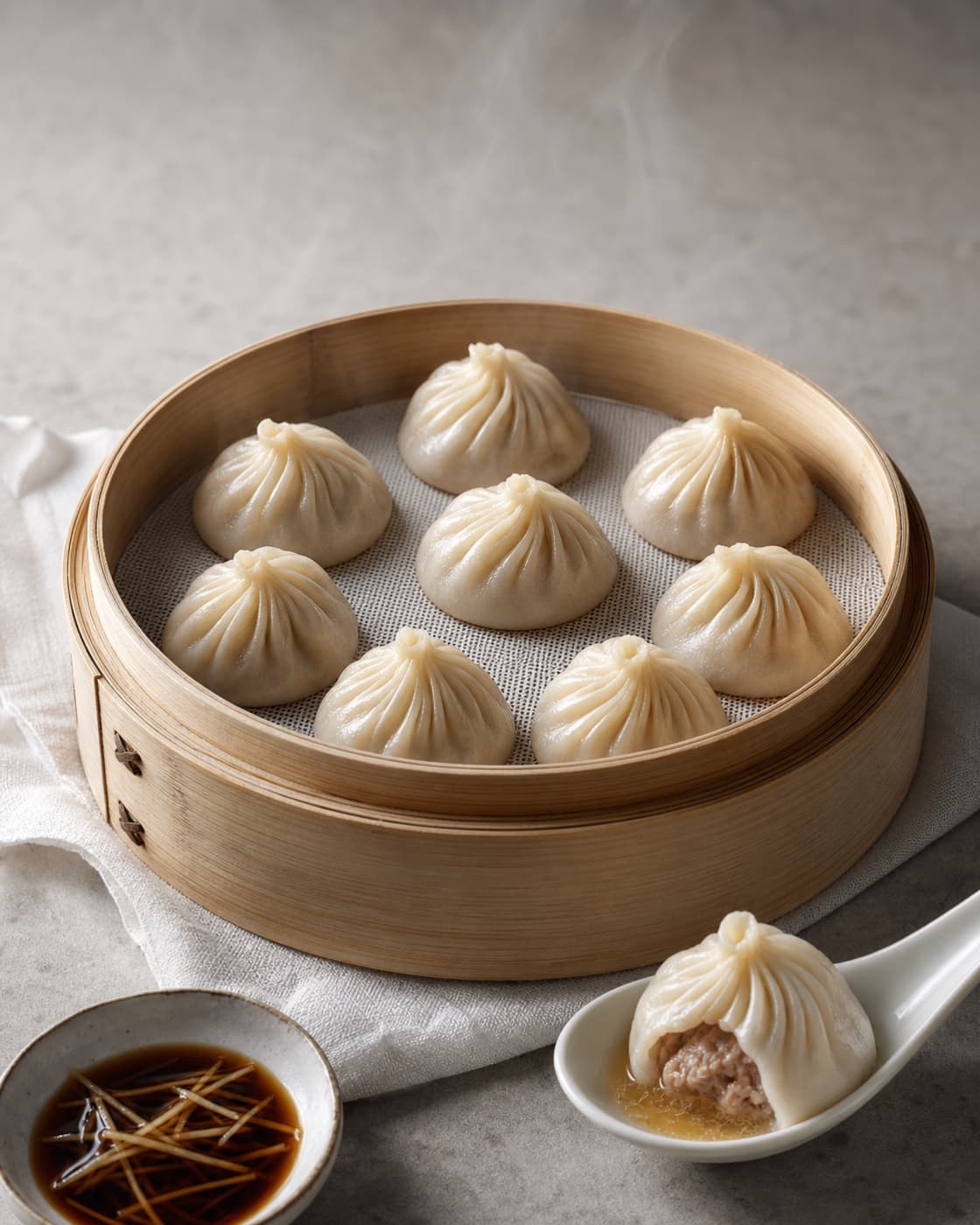 Nanxiang / Shanghai · PatientXiao Long BaoSeal clear hot soup inside a delicate wrapper that survives the steamer and reaches the spoon intact.
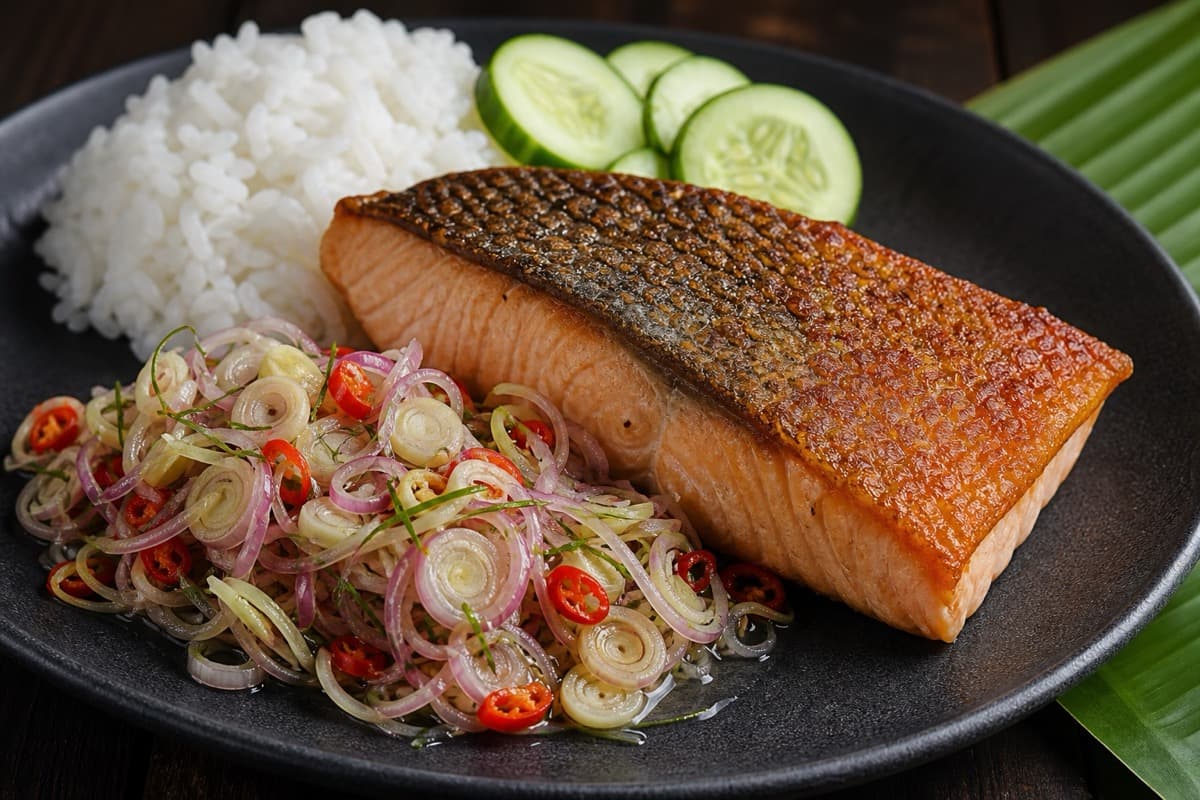 Bali-inspired · IntermediateCrispy-Skin Salmon Sambal MatahCrisp the skin without drying the fish, then keep bright sambal beside - not over - the crust.
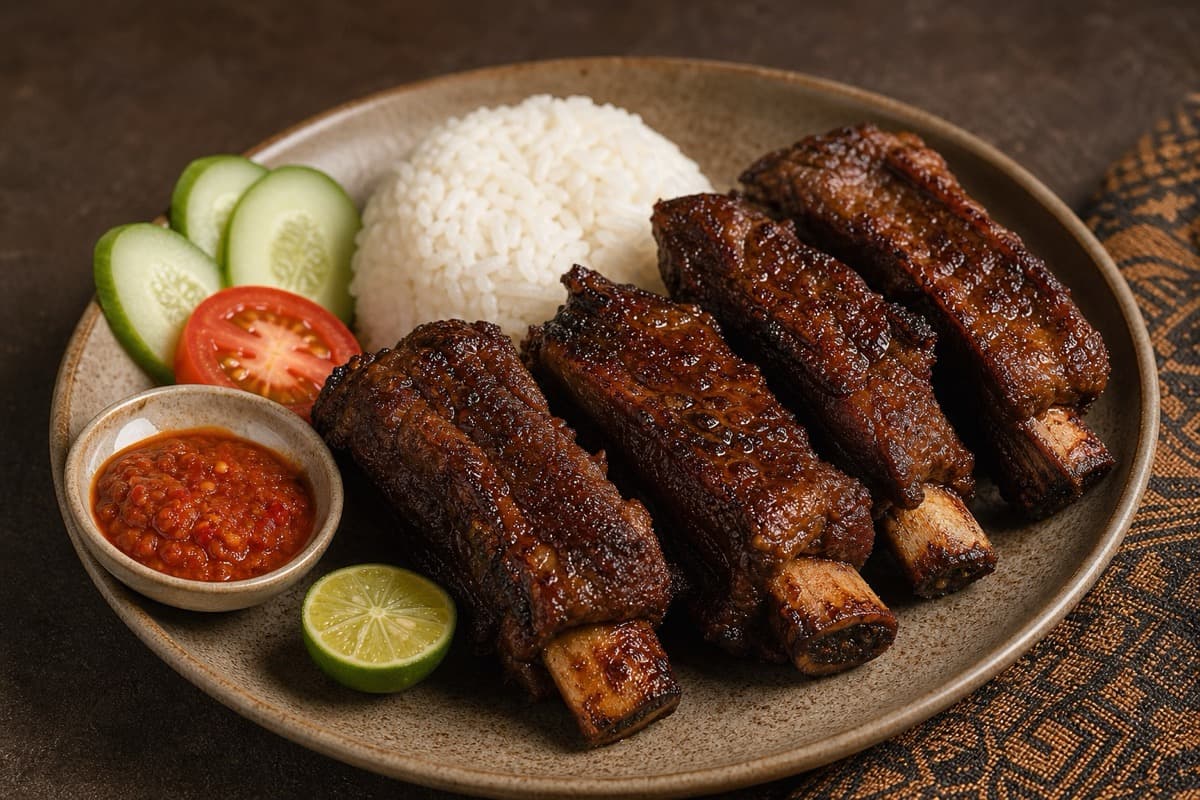 Modern Indonesian · PatientIga Sapi Goreng MaduMake ribs fork-tender yet intact, then glaze them glossy without scorching the honey.