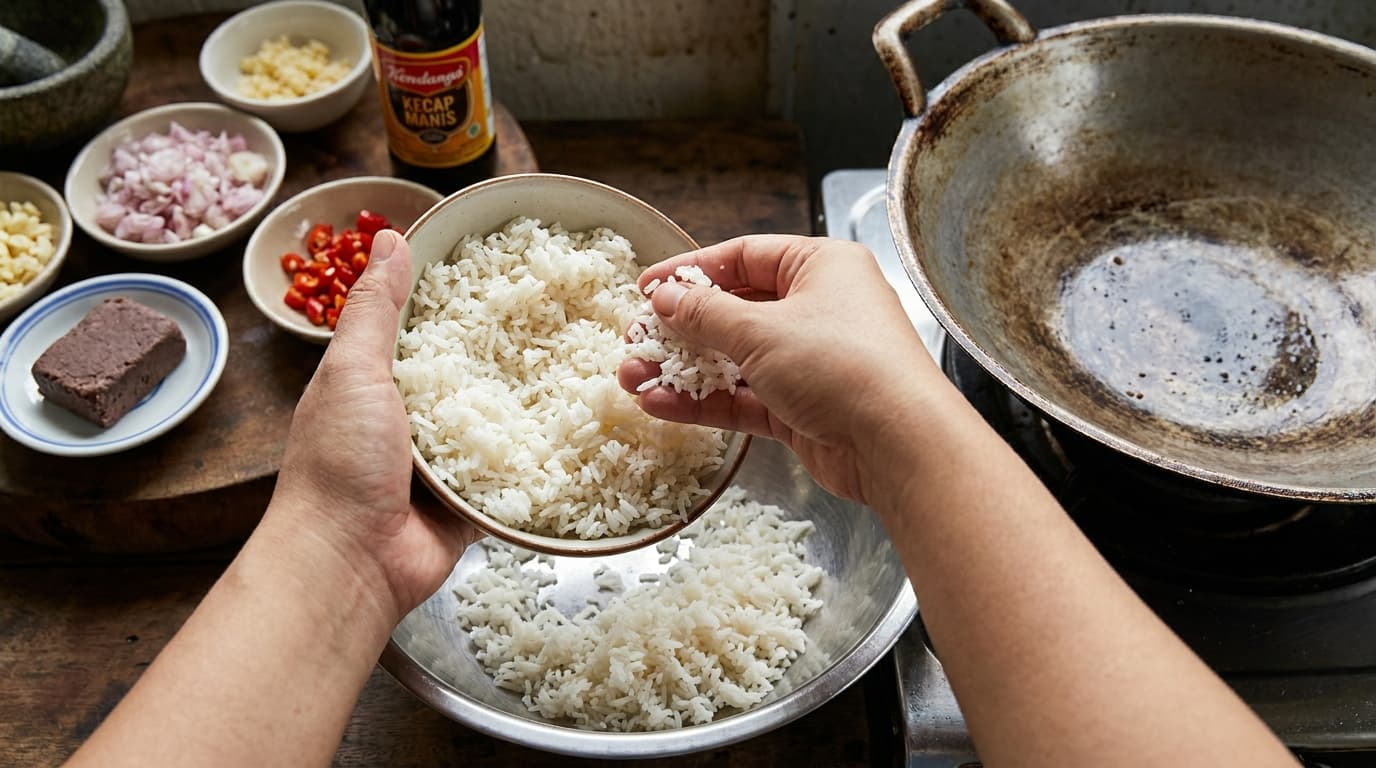
Break up cold rice
Loose grains before cooking.
See this stepID · Indonesia
A fast wok dish built around old rice, kecap manis, and enough heat to taste smoky without turning wet.
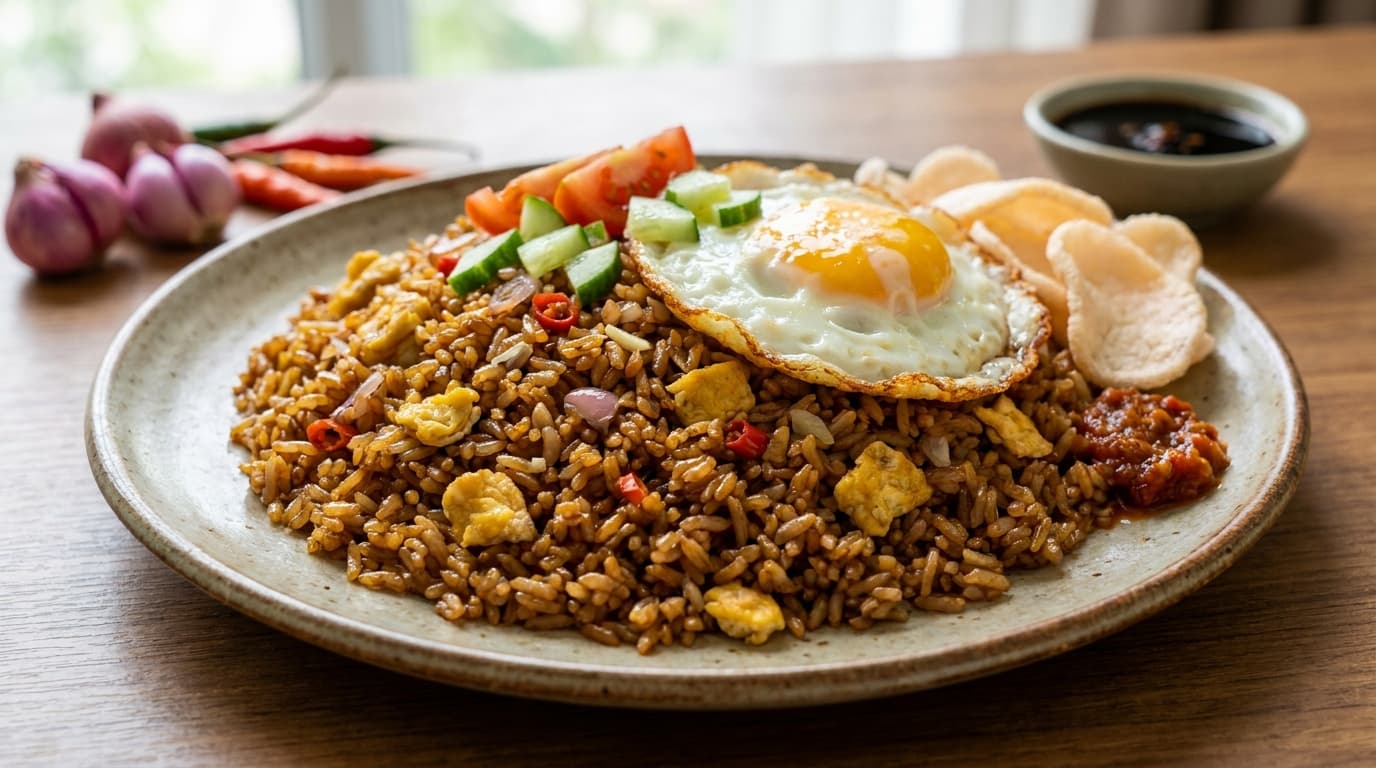
The transformation
Compare the colour, consistency, and cue at each stage.
Loose grains before cooking.
See this step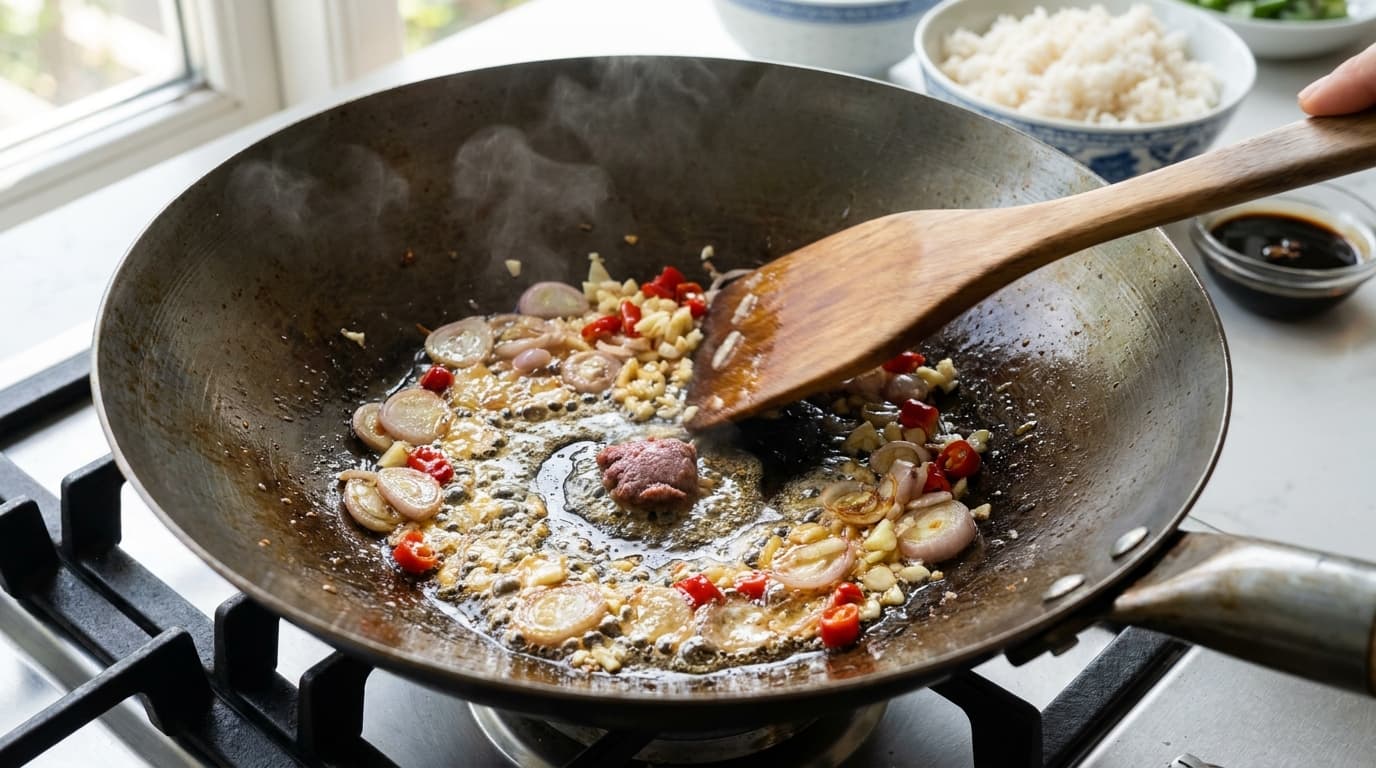
Small bubbles and sweet shallot smell.
See this step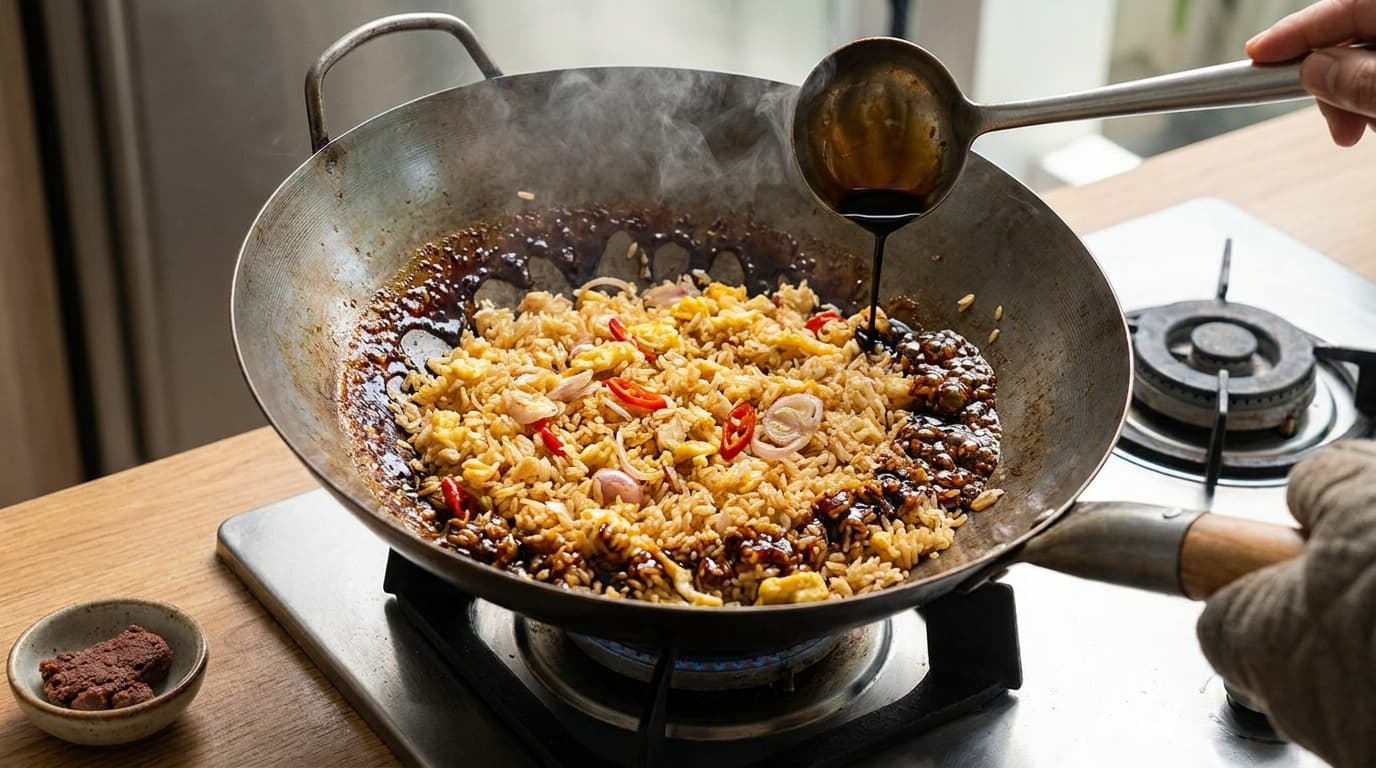
Dark glossy patches, no sauce pool.
See this stepFlavour foundation
Day-old rice and staged sauce keep the wok hot. Kecap goes in late so it caramelises around grains instead of steaming them.
Taste profile
Everyday rice rescue: breakfast, street stall, home dinner, and late-night plate.
Cook plan
Versions
Diet & allergens
Dietary notes: halal-friendly, vegetarian option.
Contains or may contain: egg, soy, shellfish when using terasi.
Check packaged-ingredient labels and cross-contamination advice for the brands you use.
Budget
Planning estimate only · not live or locally verified pricing
What belongs where
The ingredient list is organised for shopping; this map reorganises the same recipe by cooking function so you know what belongs in the pot and what stays separate.
shallot, garlic, chilli, terasi or mushroom umami
cucumber
Storage notes are conservative home-kitchen guidance. Chill perishable food within 2 hours, keep it at 5°C or colder, and follow local food-safety and package directions when they are stricter.
Step-by-step method
Read the action and cue together. Move on when the food matches the cue.
Separate day-old rice with your fingers so no cold clumps hit the wok.
Common mistake: Fresh hot rice steams and turns sticky.
Recovery: Spread the food out, raise heat only after moisture drops, and hold back extra sauce until the pan is frying again.
Heat 1 tablespoon oil and fry shallot, garlic, chilli, and terasi or vegetarian umami until fragrant. Reserve the remaining oil for the eggs.
Common mistake: Burnt garlic makes the whole wok bitter.
Recovery: Move the pan off heat, scrape only the unburnt paste into a clean spot, add a small splash of oil or liquid, and restart gently.
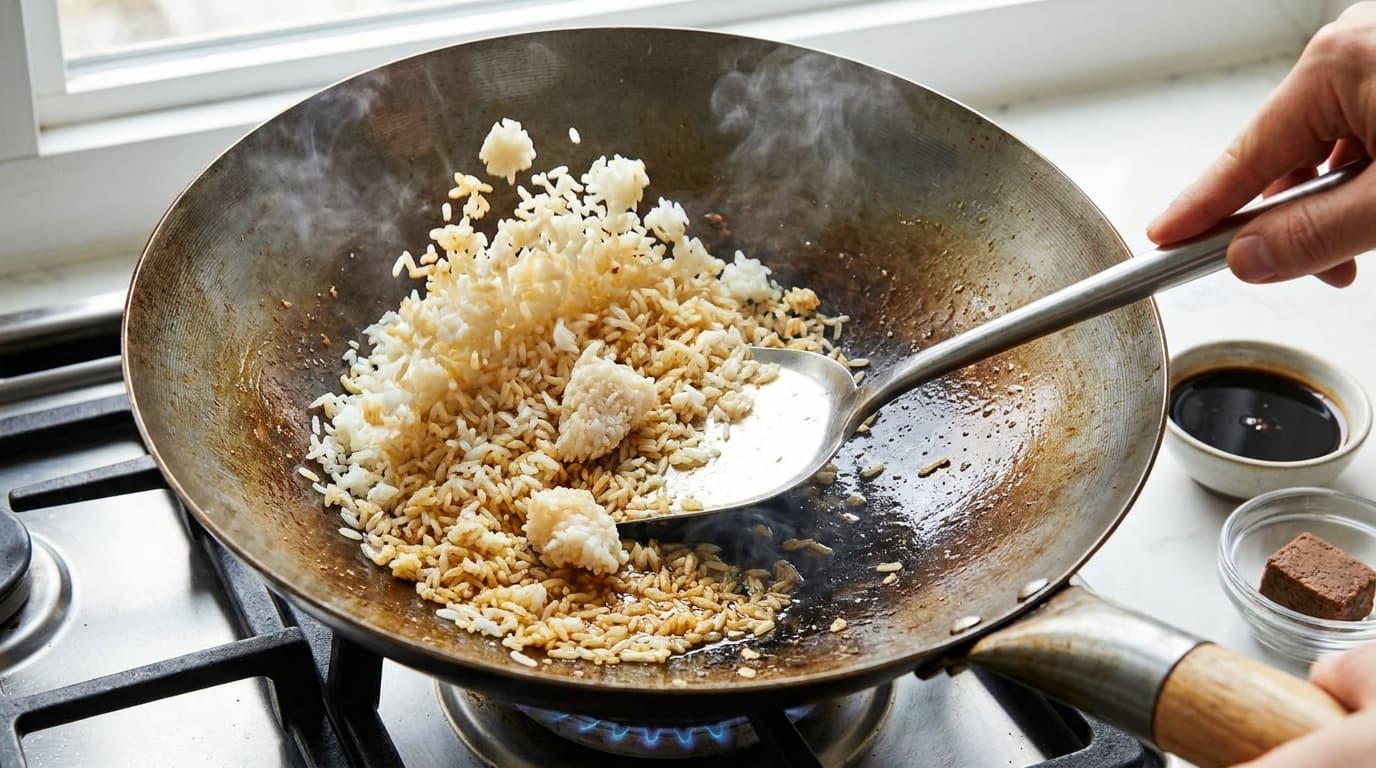
Add rice and toss until every grain is hot before sauce goes in.
Common mistake: Sauce added too early cools the pan.
Recovery: Pause before the next step, compare the cue, then correct heat, moisture, or seasoning while the dish is still flexible.
Drizzle kecap around the edge, add white pepper, toss, and stop when grains are lacquered.
Common mistake: Too much kecap turns the dish sweet and wet.
Recovery: Spread the food out, raise heat only after moisture drops, and hold back extra sauce until the pan is frying again.
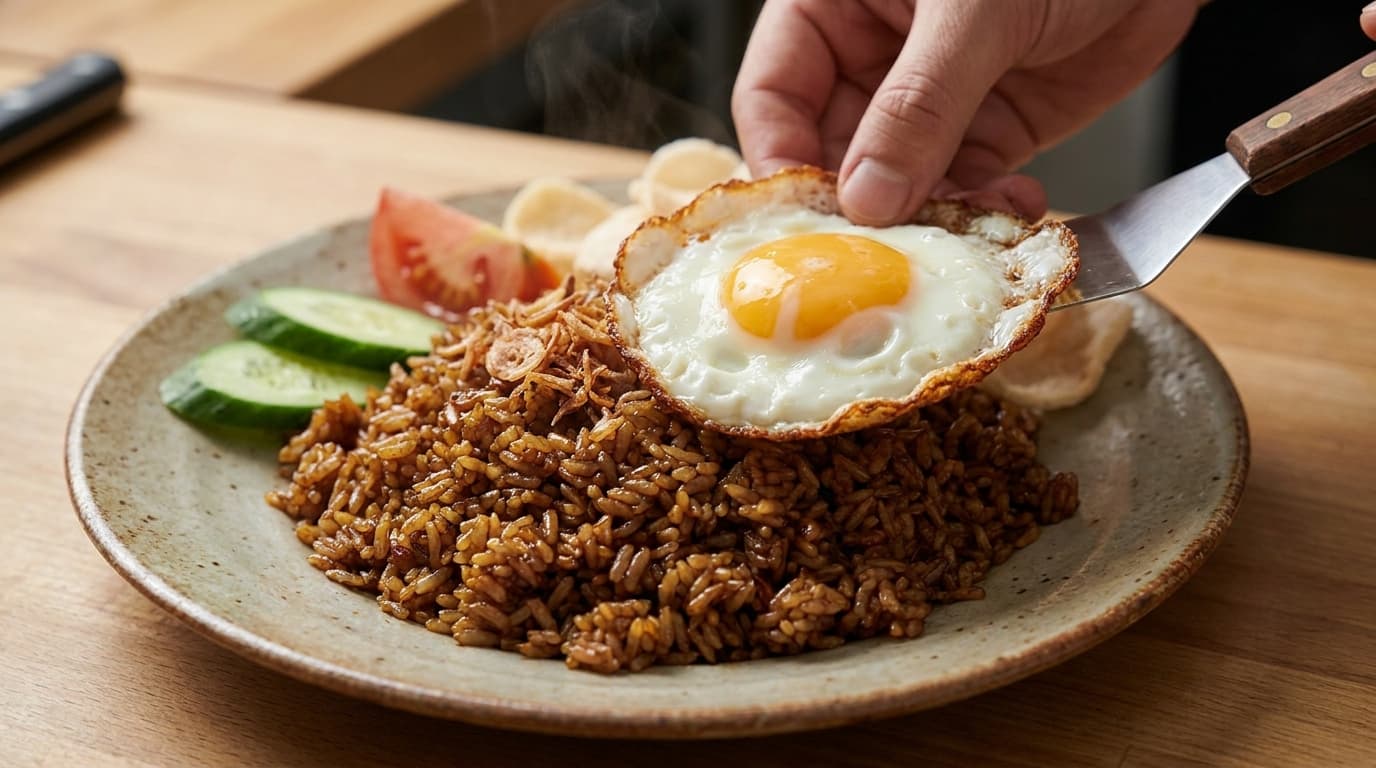
Fry the eggs in the reserved 1 tablespoon oil. Top each portion with an egg and serve sliced cucumber beside the hot rice.
Common mistake: Covering the plate traps steam and softens the rice.
Recovery: Spread the food out, raise heat only after moisture drops, and hold back extra sauce until the pan is frying again.
Ingredients
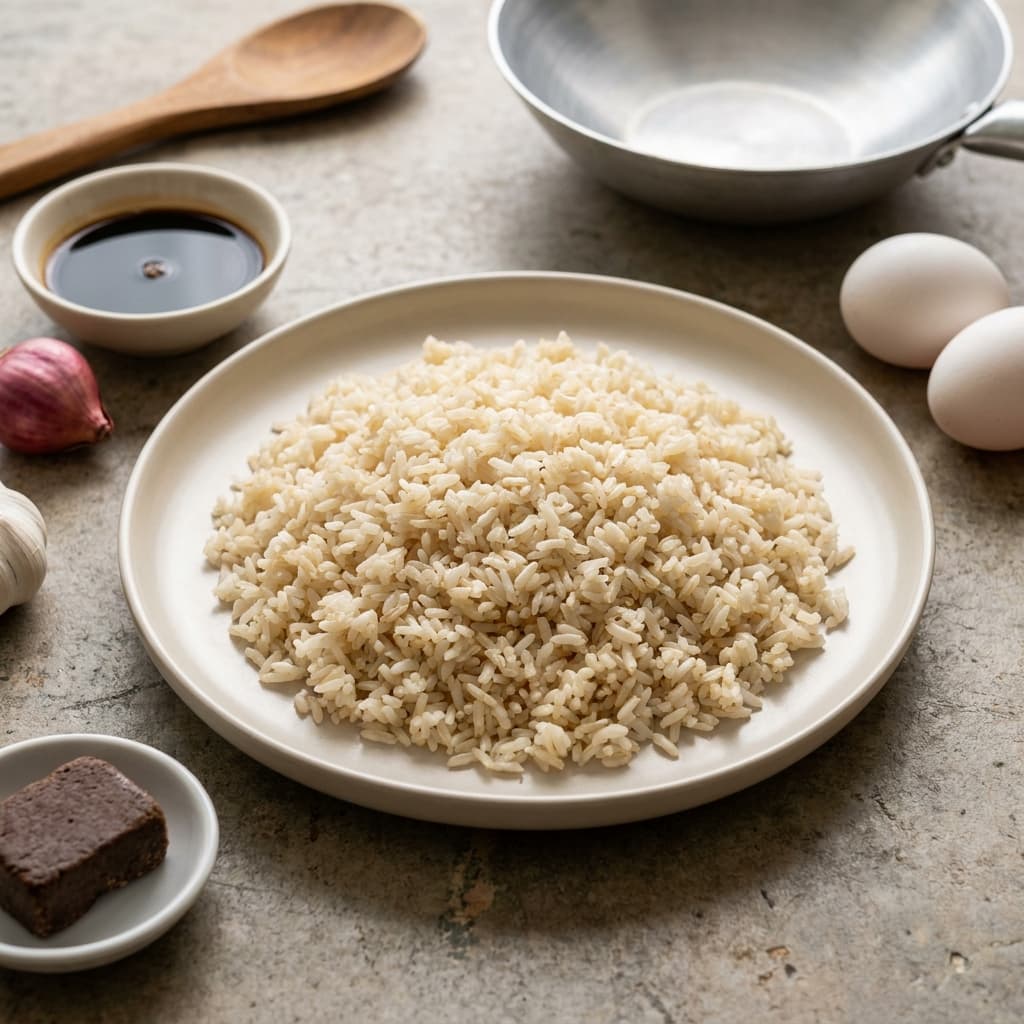
dry grains that fry instead of clump
Note: Fresh hot rice steams and turns gluey.
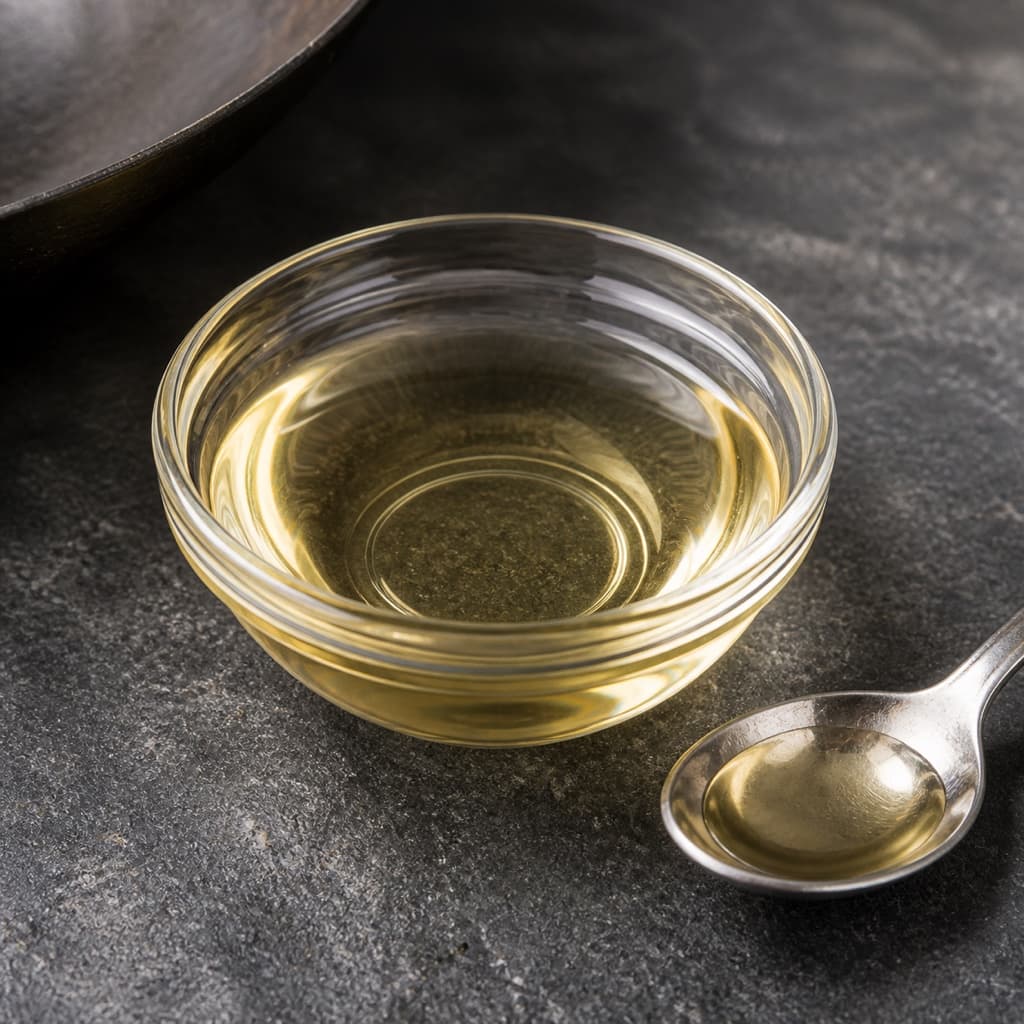
lets the rice fry instead of steam
 Nearby Asian grocersSearch TozerbaSearch Asian PantryToko Nusantara
 Search Coles
 Search WoolworthsFind an ALDIFind an IGA
These links open searches, catalogues, or store locators. Check the exact form and local availability there.
Nearby traditional marketsPasar Jaya networkSuper Indo locationsRanch Market outletsHypermart online Search Sayurbox
 Search Tokopedia
 Search ShopeeOpen GrabMart
These links open searches, catalogues, or store locators. Check the exact form and local availability there.
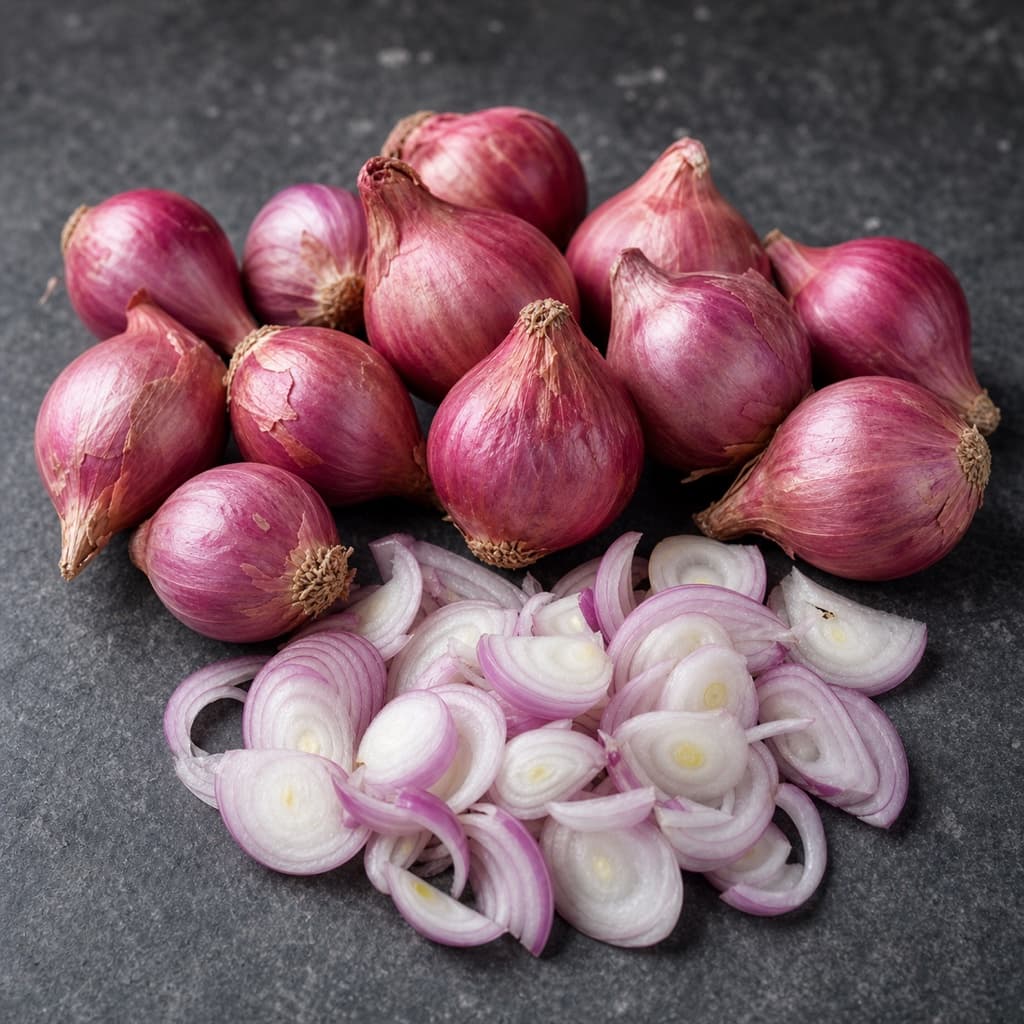
sweet aromatic base for the wok
Nearby Asian grocersSearch TozerbaSearch Asian PantryToko NusantaraSearch ColesSearch WoolworthsFind an ALDIFind an IGAThese links open searches, catalogues, or store locators. Check the exact form and local availability there.
Nearby traditional marketsPasar Jaya networkSuper Indo locationsRanch Market outletsHypermart onlineSearch SayurboxSearch TokopediaSearch ShopeeOpen GrabMartThese links open searches, catalogues, or store locators. Check the exact form and local availability there.
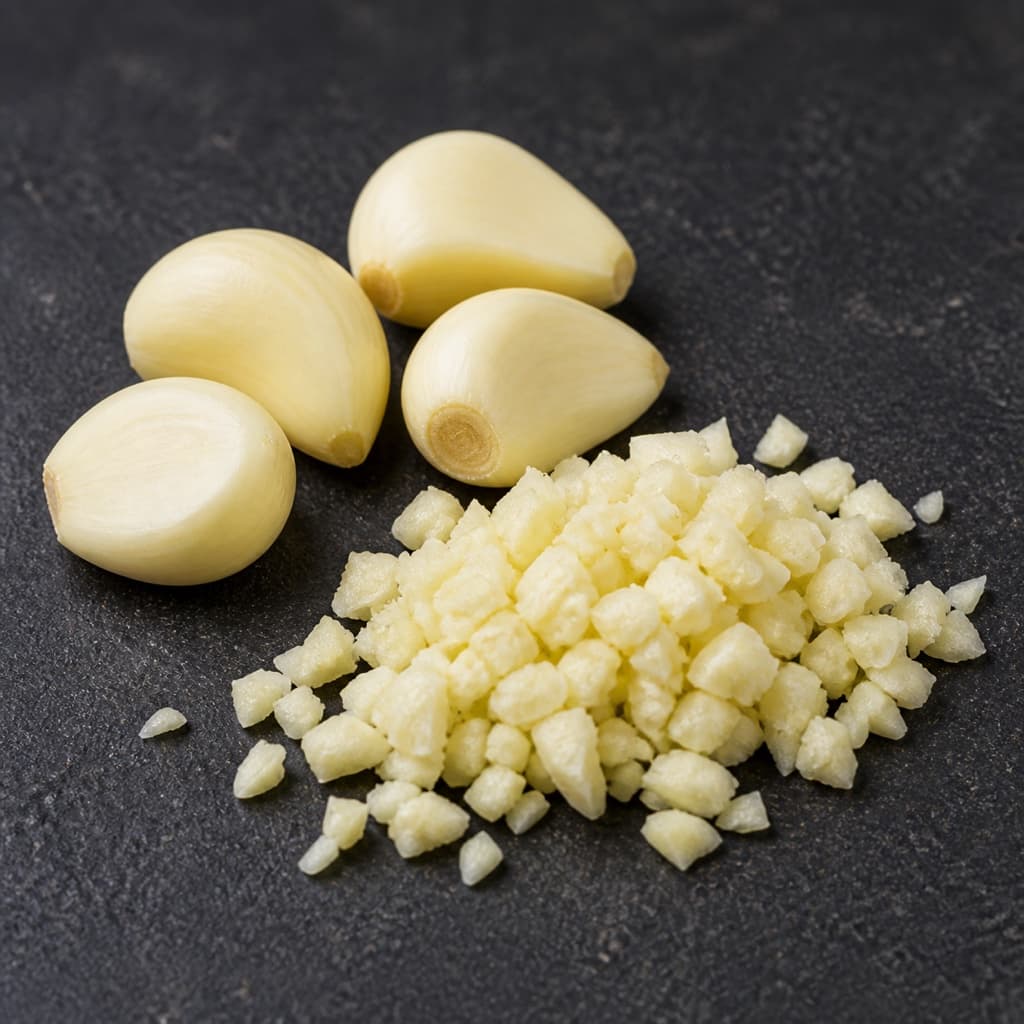
savoury aromatic that should smell sweet before rice goes in
Nearby Asian grocersSearch TozerbaSearch Asian PantryToko NusantaraSearch ColesSearch WoolworthsFind an ALDIFind an IGAThese links open searches, catalogues, or store locators. Check the exact form and local availability there.
Nearby traditional marketsPasar Jaya networkSuper Indo locationsRanch Market outletsHypermart onlineSearch SayurboxSearch TokopediaSearch ShopeeOpen GrabMartThese links open searches, catalogues, or store locators. Check the exact form and local availability there.
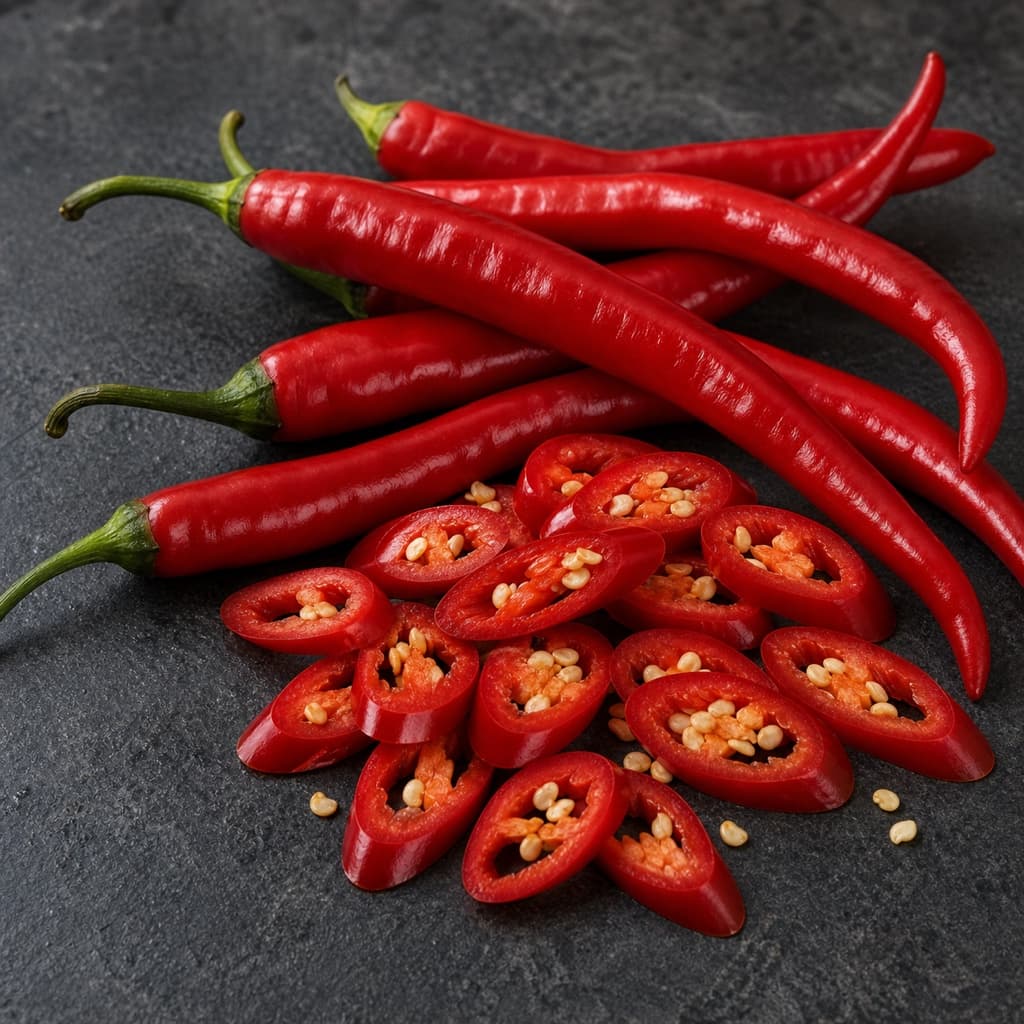
fresh heat in the aromatic base
Swap: omit for mild rice and serve sambal separately
Nearby Asian grocersSearch TozerbaSearch Asian PantryToko NusantaraSearch ColesSearch WoolworthsFind an ALDIFind an IGAThese links open searches, catalogues, or store locators. Check the exact form and local availability there.
Nearby traditional marketsPasar Jaya networkSuper Indo locationsRanch Market outletsHypermart onlineSearch SayurboxSearch TokopediaSearch ShopeeOpen GrabMartThese links open searches, catalogues, or store locators. Check the exact form and local availability there.
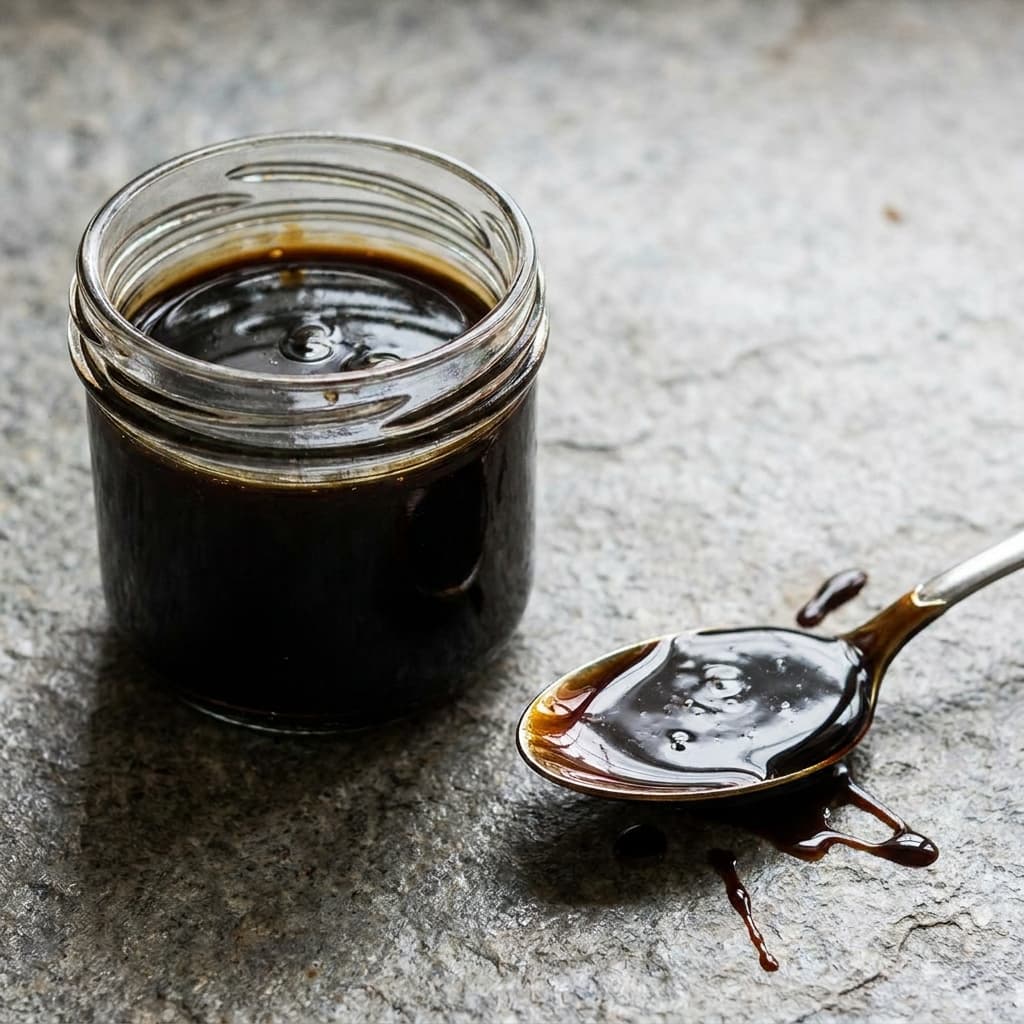
sweet soy glaze and colour
Swap: dark soy plus palm sugar in an emergency
Nearby Asian grocersSearch TozerbaSearch Asian PantryToko NusantaraSearch ColesSearch WoolworthsFind an ALDIFind an IGAThese links open searches, catalogues, or store locators. Check the exact form and local availability there.
Nearby traditional marketsPasar Jaya networkSuper Indo locationsRanch Market outletsHypermart onlineSearch SayurboxSearch TokopediaSearch ShopeeOpen GrabMartThese links open searches, catalogues, or store locators. Check the exact form and local availability there.
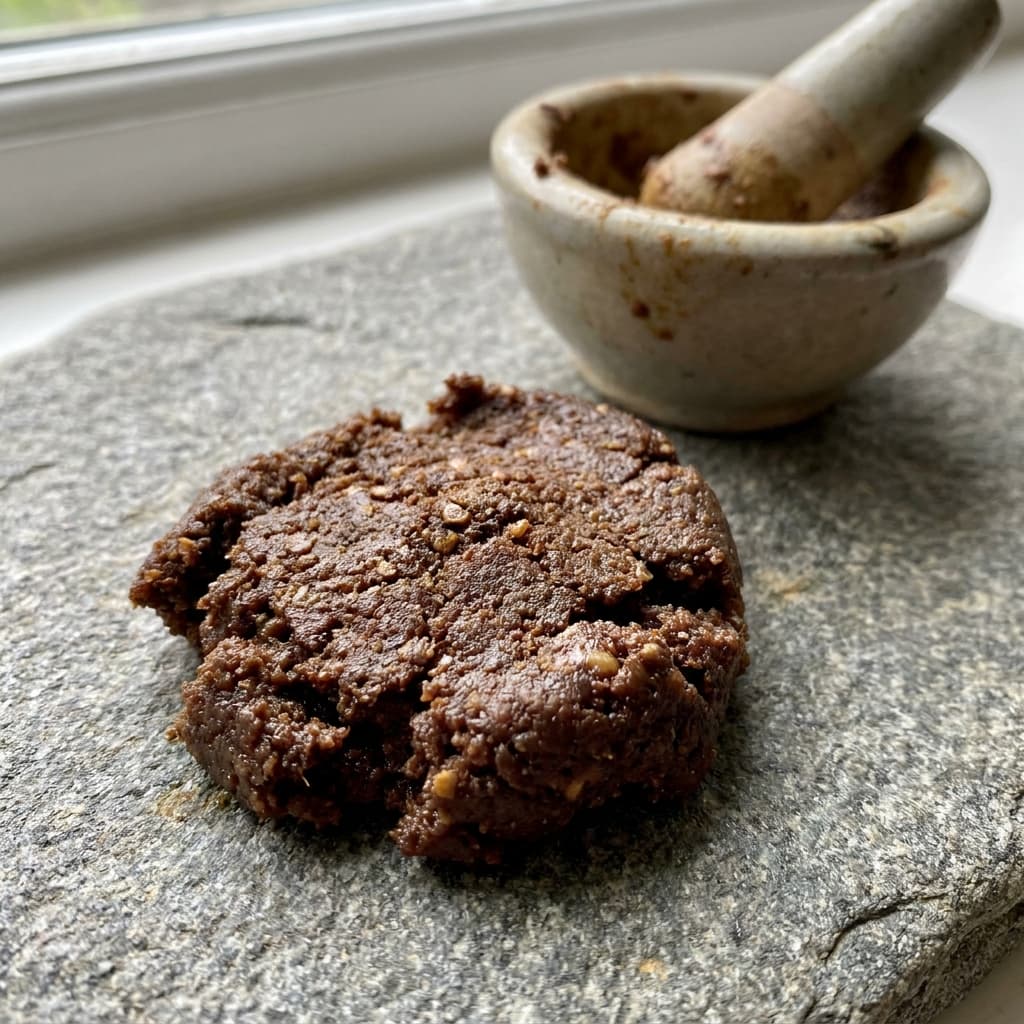
deep savoury aroma
Swap: miso plus soy for vegetarian depth
Nearby Asian grocersSearch TozerbaSearch Asian PantryToko NusantaraSearch ColesSearch WoolworthsFind an ALDIFind an IGAThese links open searches, catalogues, or store locators. Check the exact form and local availability there.
Nearby traditional marketsPasar Jaya networkSuper Indo locationsRanch Market outletsHypermart onlineSearch SayurboxSearch TokopediaSearch ShopeeOpen GrabMartThese links open searches, catalogues, or store locators. Check the exact form and local availability there.
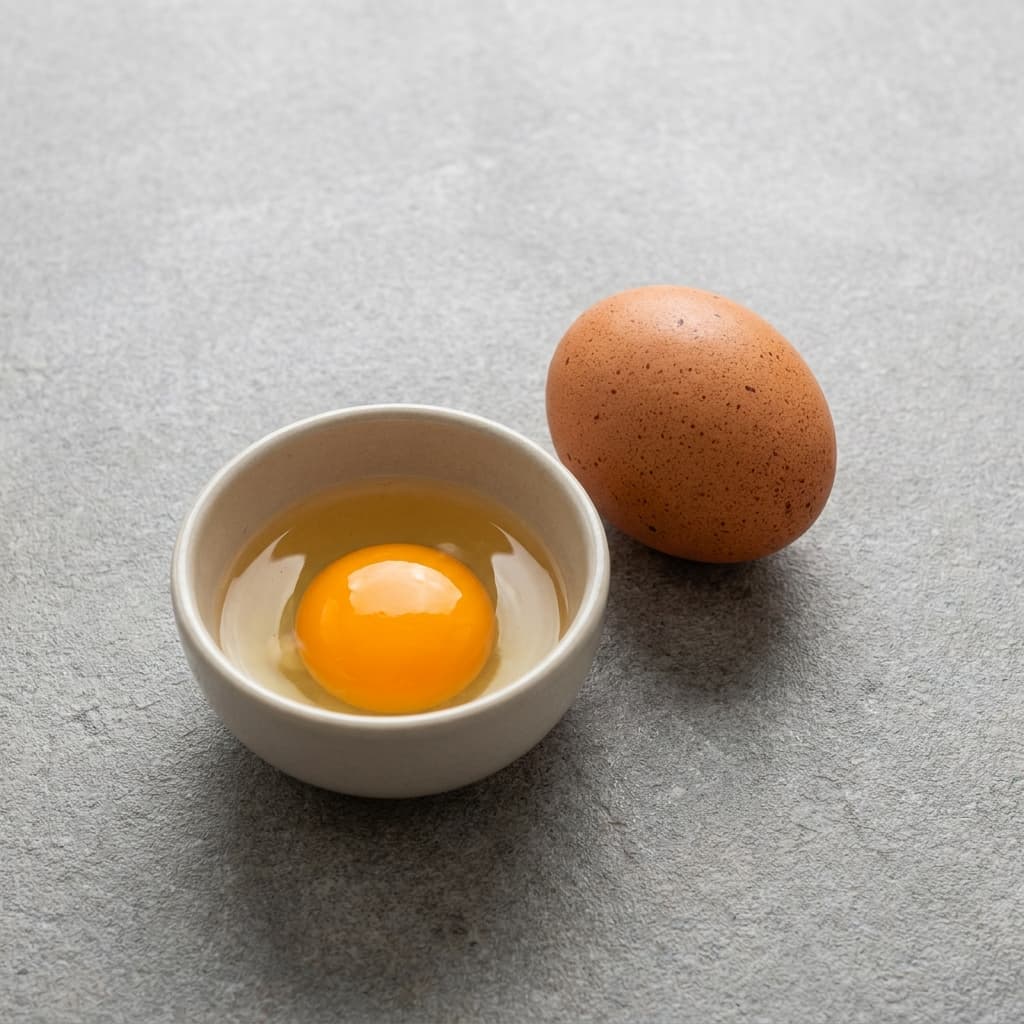
rich topping and breakfast cue
Nearby Asian grocersSearch TozerbaSearch Asian PantryToko NusantaraSearch ColesSearch WoolworthsFind an ALDIFind an IGAThese links open searches, catalogues, or store locators. Check the exact form and local availability there.
Nearby traditional marketsPasar Jaya networkSuper Indo locationsRanch Market outletsHypermart onlineSearch SayurboxSearch TokopediaSearch ShopeeOpen GrabMartThese links open searches, catalogues, or store locators. Check the exact form and local availability there.
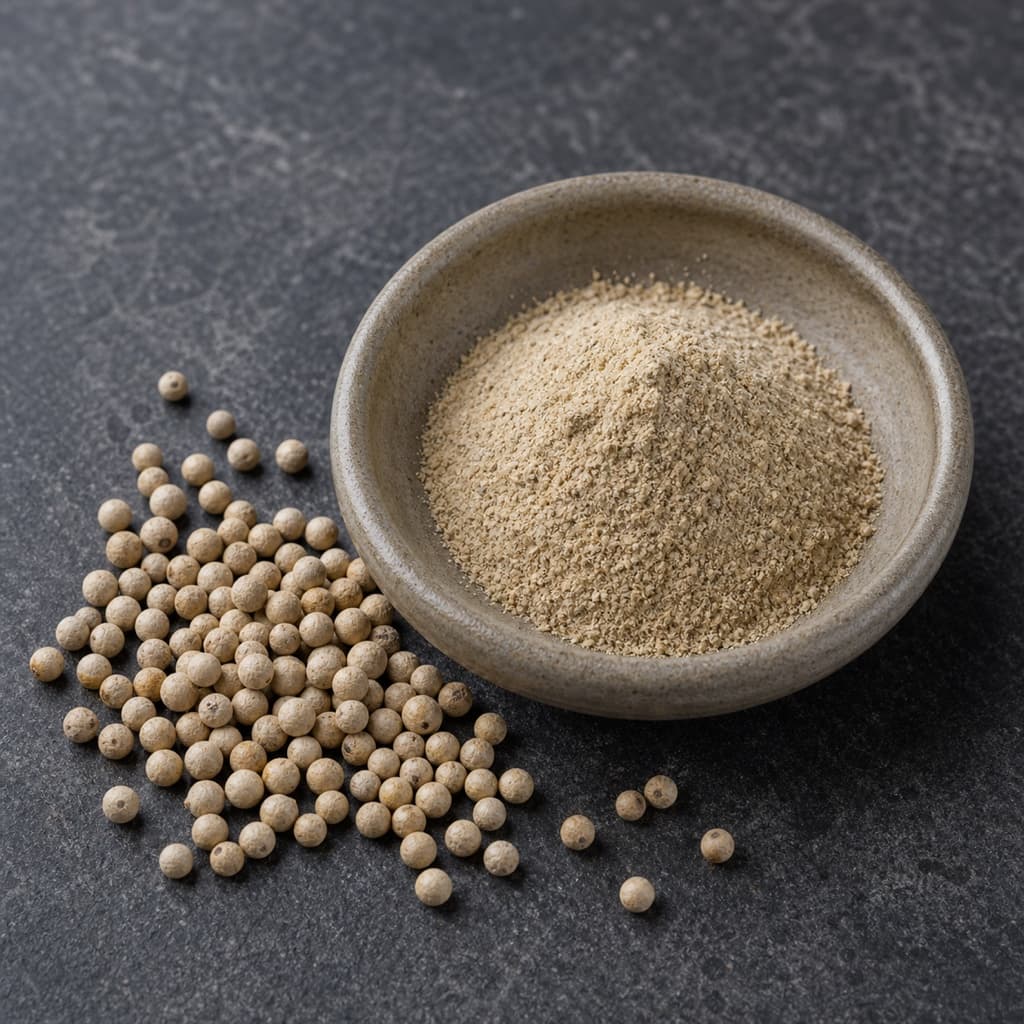
clean pepper heat at the finish
Nearby Asian grocersSearch TozerbaSearch Asian PantryToko NusantaraSearch ColesSearch WoolworthsFind an ALDIFind an IGAThese links open searches, catalogues, or store locators. Check the exact form and local availability there.
Nearby traditional marketsPasar Jaya networkSuper Indo locationsRanch Market outletsHypermart onlineSearch SayurboxSearch TokopediaSearch ShopeeOpen GrabMartThese links open searches, catalogues, or store locators. Check the exact form and local availability there.
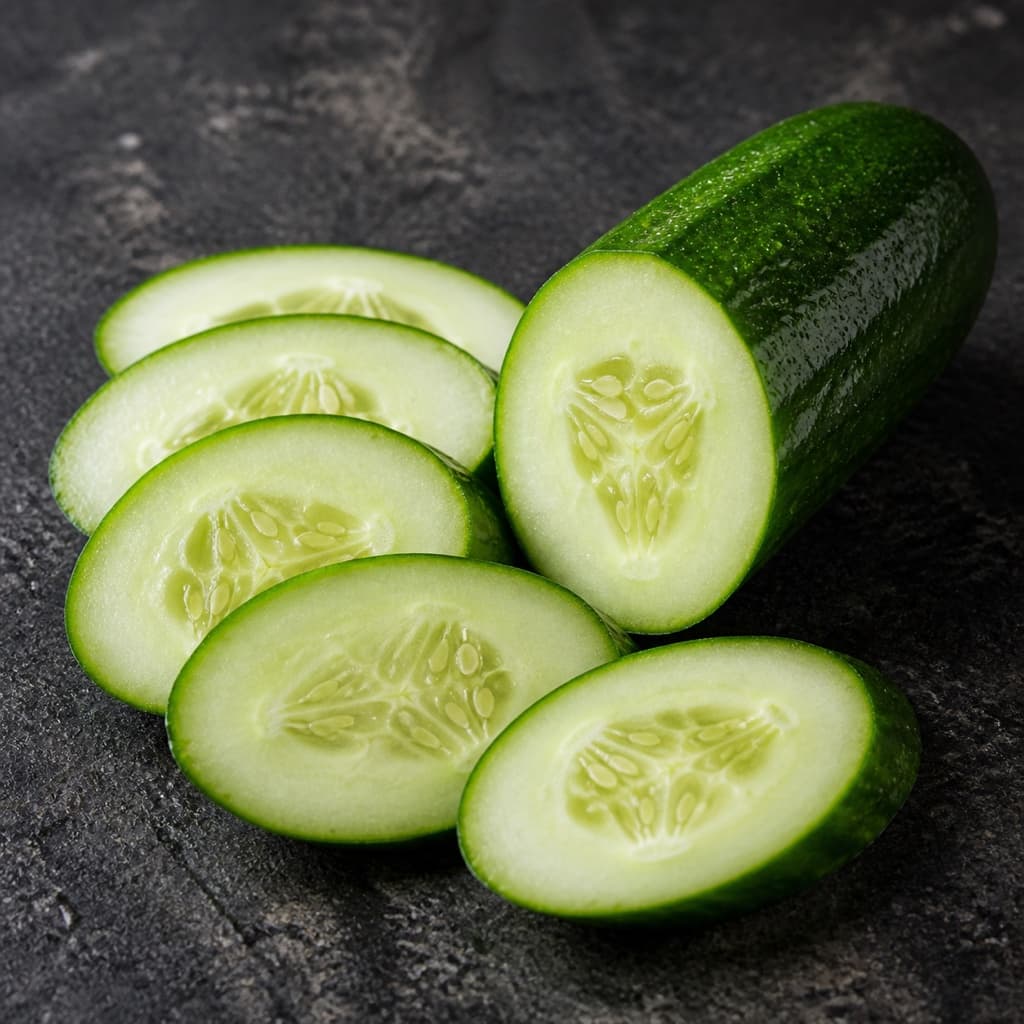
cool crunch beside the hot rice
Nearby Asian grocersSearch TozerbaSearch Asian PantryToko NusantaraSearch ColesSearch WoolworthsFind an ALDIFind an IGAThese links open searches, catalogues, or store locators. Check the exact form and local availability there.
Nearby traditional marketsPasar Jaya networkSuper Indo locationsRanch Market outletsHypermart onlineSearch SayurboxSearch TokopediaSearch ShopeeOpen GrabMartThese links open searches, catalogues, or store locators. Check the exact form and local availability there.
Melbourne and Jakarta
Current links help you search by the right ingredient name; they do not confirm a product, price, or stock level.
Start with an Indonesian or broader Asian grocer for day-old rice; use supermarkets or butchers for day-old rice, egg.
red chilli: omit for mild rice and serve sambal separately.
day-old rice: Fresh hot rice steams and turns gluey.
Start with pasar stalls for bawang merah, bawang putih; use supermarkets or online marketplaces for sealed pantry staples.
red chilli: omit for mild rice and serve sambal separately.
day-old rice: Fresh hot rice steams and turns gluey.
Fix problems
The active method already includes its most likely mistake and recovery. Open the reference library when your question falls outside the current step.
Yes, spread it on a tray and chill uncovered until dry before frying.
Use miso plus soy for a vegetarian version, or skip it and add mushrooms.
Get separate grains and kecap gloss instead of sticky rice. Look for brown lacquer on separate grains: Sauce coats grains in patches of dark shine, not a wet pool.
Fresh hot rice steams and turns sticky. Spread the food out, raise heat only after moisture drops, and hold back extra sauce until the pan is frying again.
Scale the measured ingredients with the serving count, then scale the vessel or work in batches. Keep the same visual finish - brown lacquer on separate grains - rather than forcing the original timer.
red chilli: omit for mild rice and serve sambal separately; kecap manis: dark soy plus palm sugar in an emergency; shrimp paste: miso plus soy for vegetarian depth
day-old rice: Fresh hot rice steams and turns gluey.
Drain wet components well, keep the pan hot, and add sauce only after the main ingredient is hot. If the pan steams, spread the food out and pause extra sauce.
Next cooks
Recipes here share ingredients, bumbu logic, region, spice level, or weeknight patterns so the next cook reuses what you just learned.
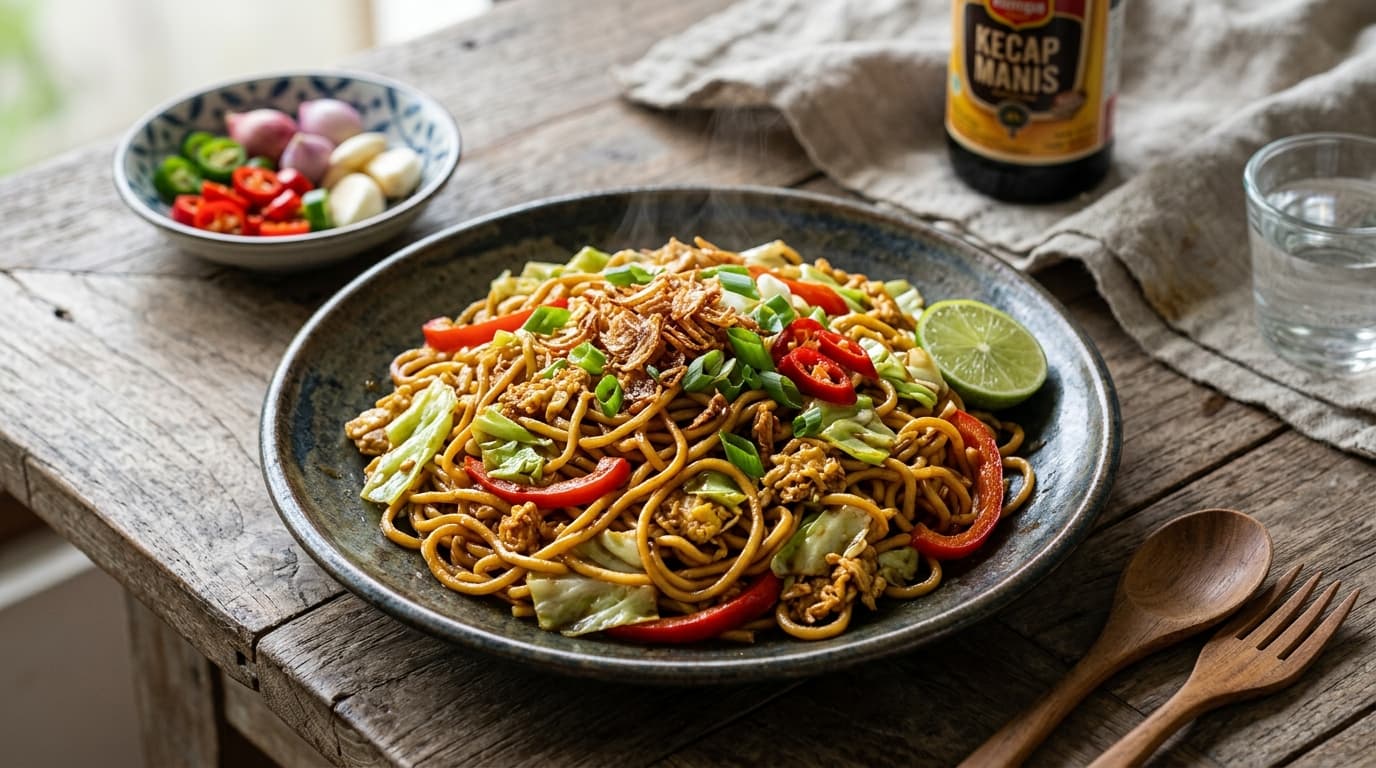 Indonesia · BeginnerMie GorengGet glossy noodles that stay springy.
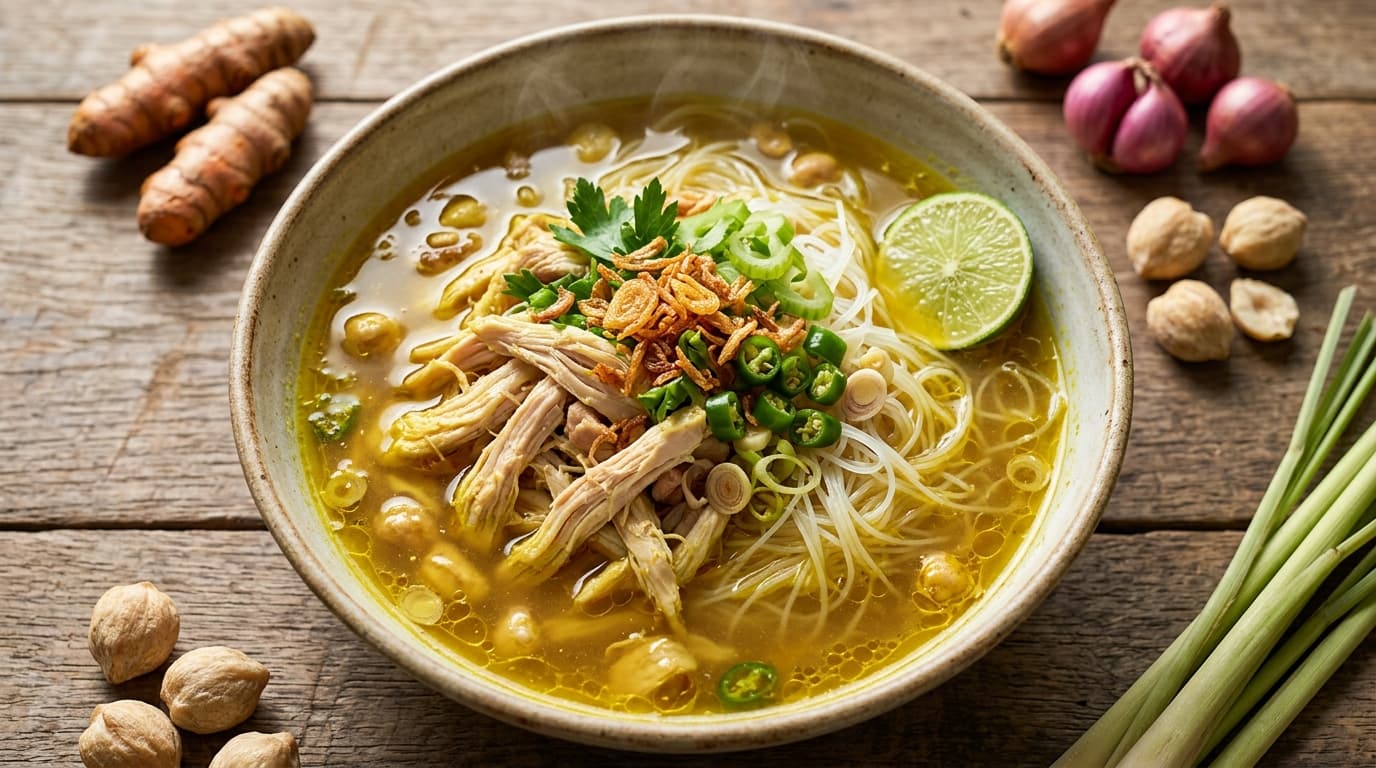 Java · BeginnerSoto AyamBuild a golden broth that tastes clean, not muddy.
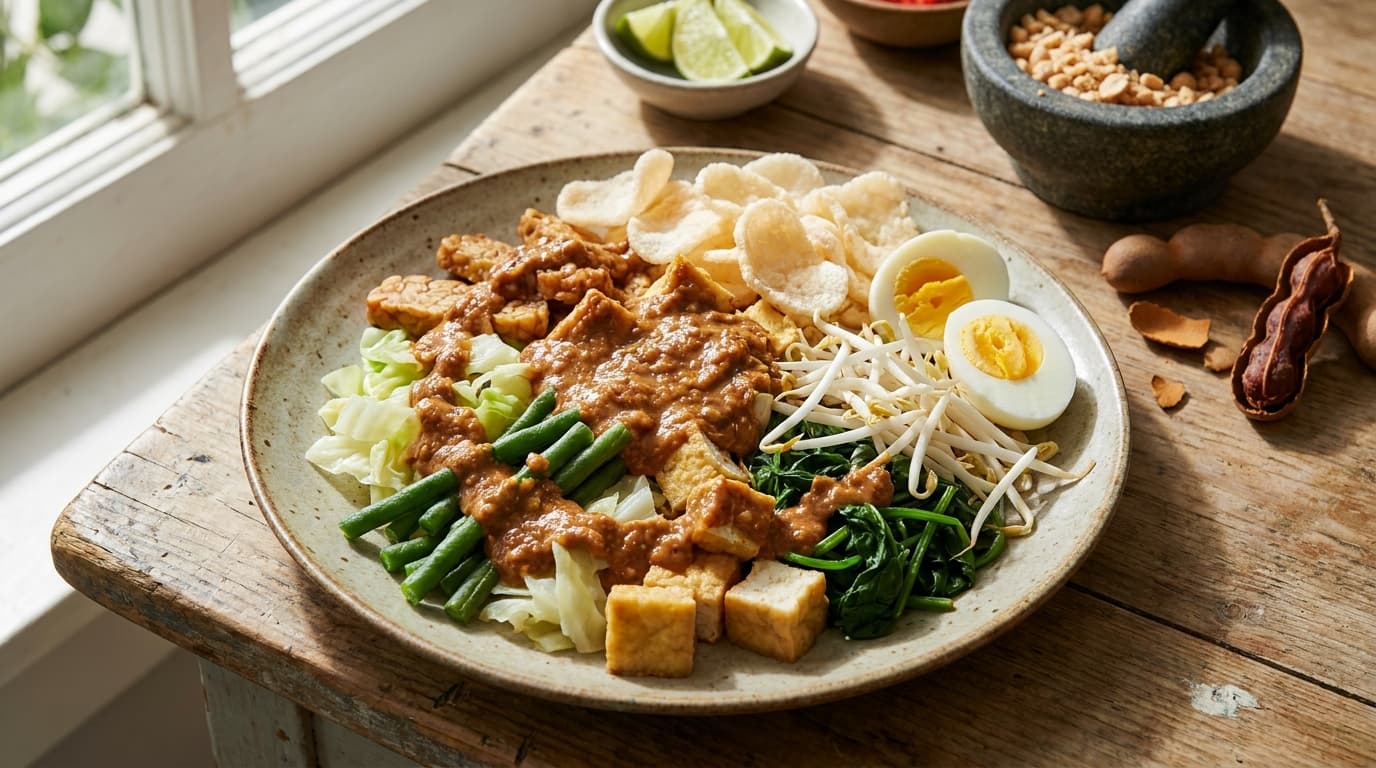 Jakarta · BeginnerGado-GadoBuild a sauce that coats vegetables without turning the plate heavy.
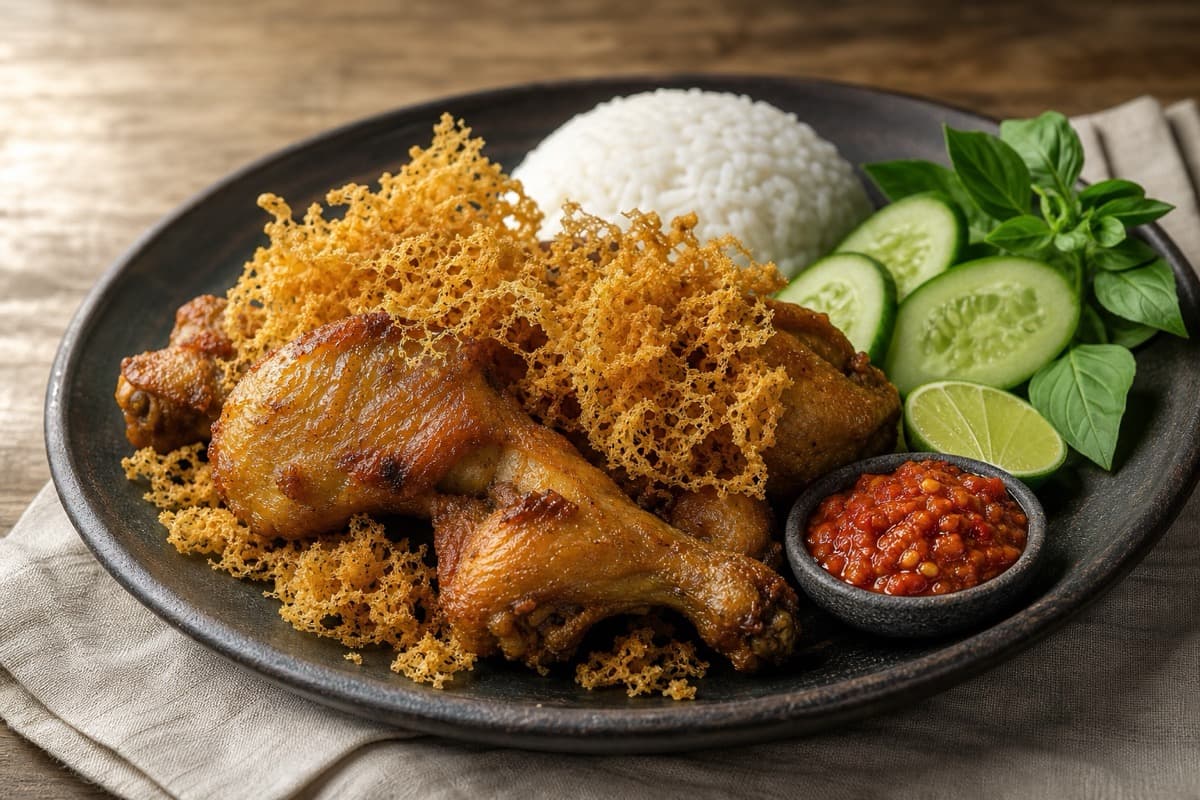 Yogyakarta · IntermediateAyam Goreng KalasanKeep the chicken juicy, the crust golden, and the kremes brittle - not greasy.
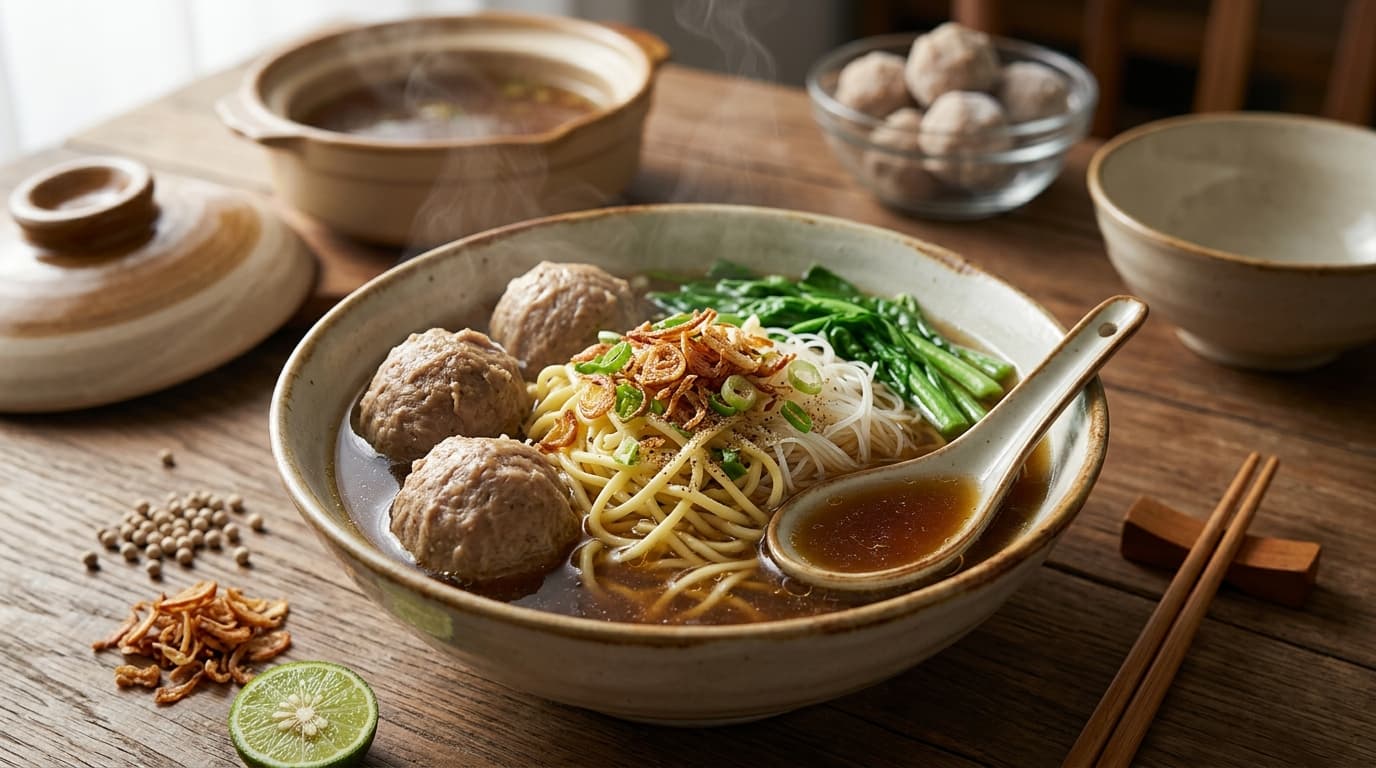 Indonesia · BeginnerBaksoMake a clear, savoury bowl that does not taste watery.
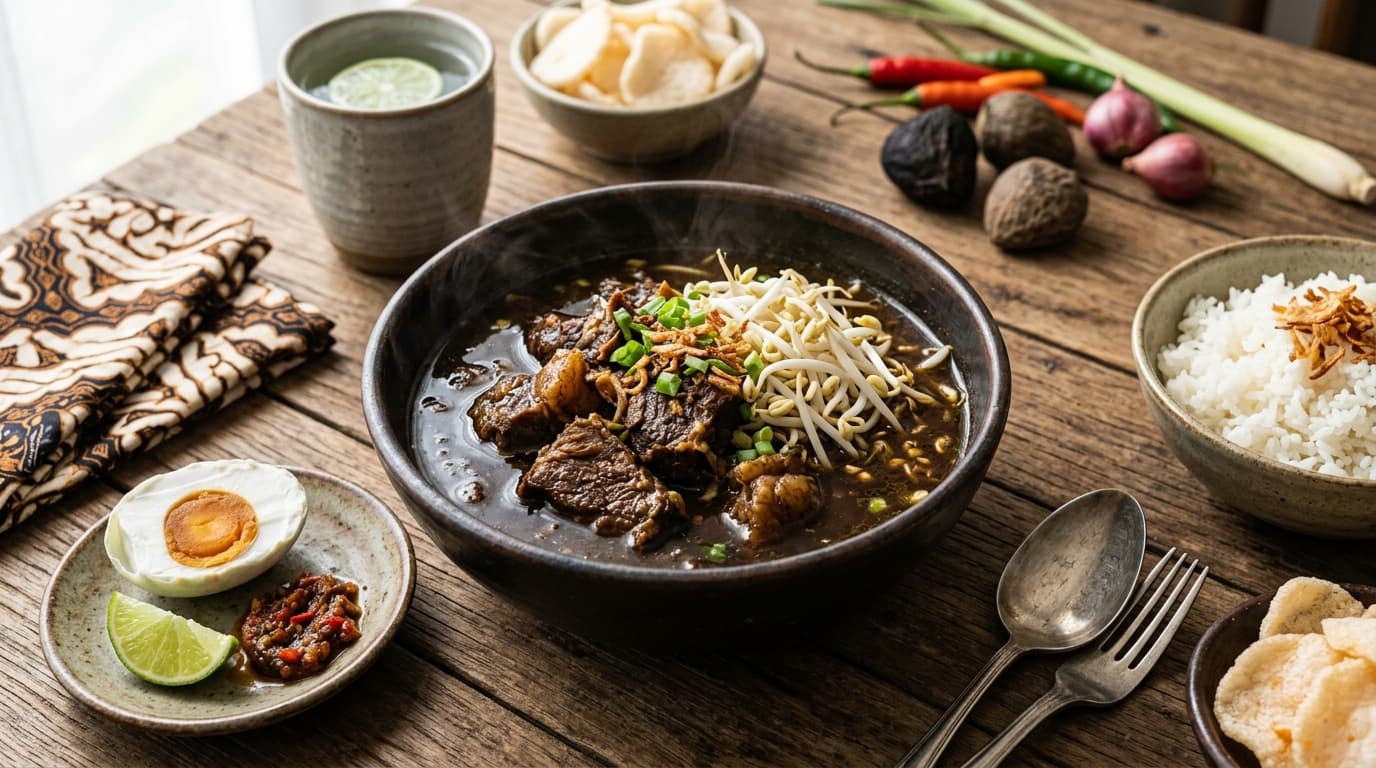 East Java · PatientRawonGet the deep black broth without bitterness.