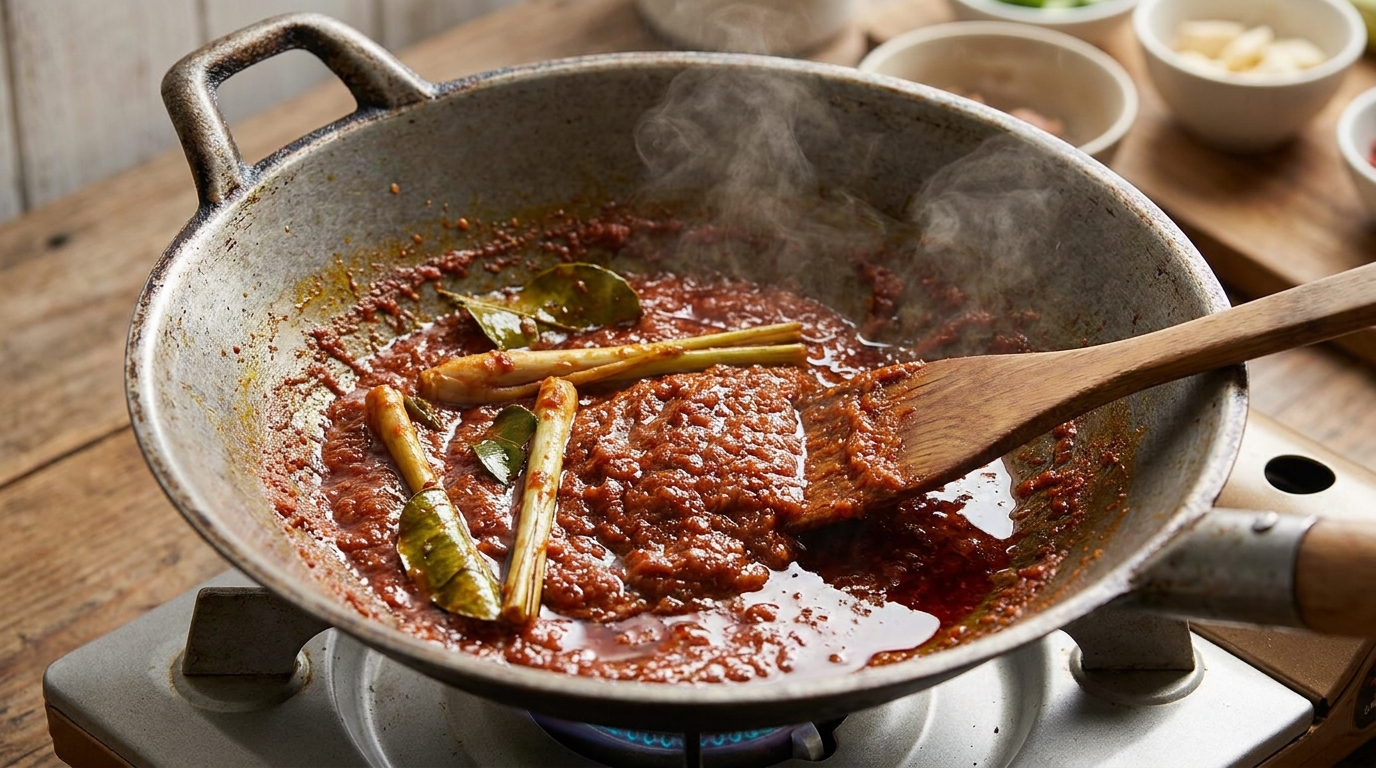
Fry until glossy
Brick-red paste, no raw garlic smell, visible oil ring.
See this stepID · Minangkabau / West Sumatra
A patient coconut braise that turns from curry to dark, clinging spice paste. The lesson is heat control, not speed.
Editorially cross-checked · medium confidence · not yet labelled as a verified kitchen test
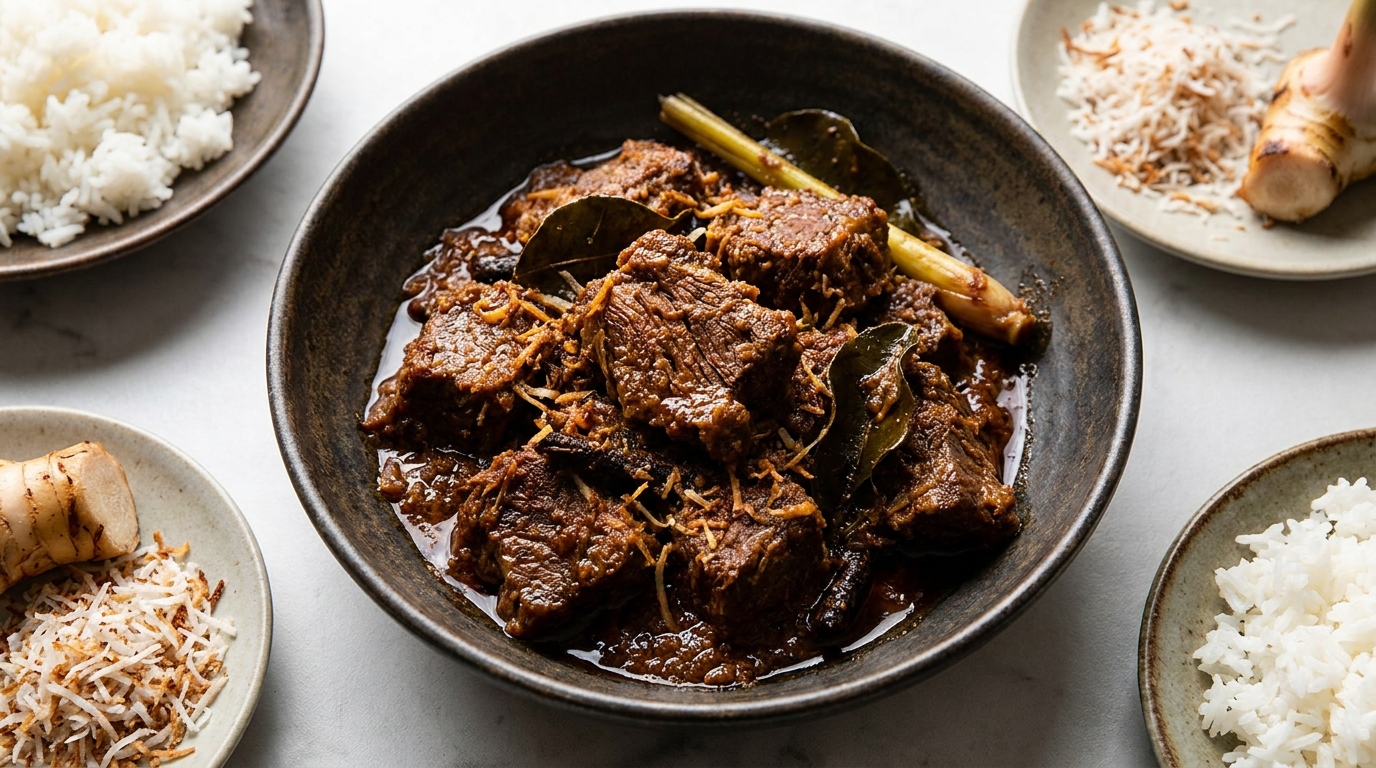
The transformation
Use the words as the current cooking guidance. The images below are labelled separately when they are only prototype references.
Brick-red paste, no raw garlic smell, visible oil ring.
See this step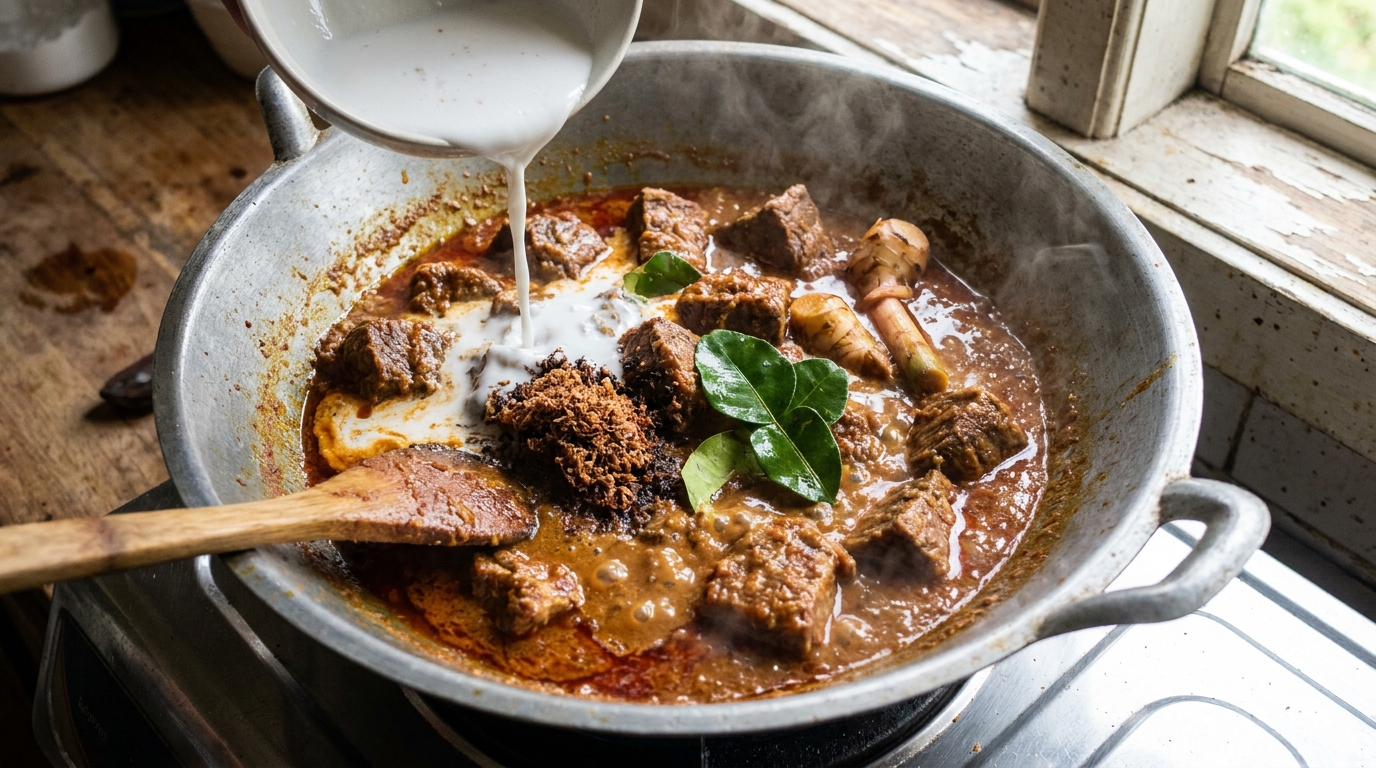
Beef starts tender and sauce thickens from curry to kalio.
See this step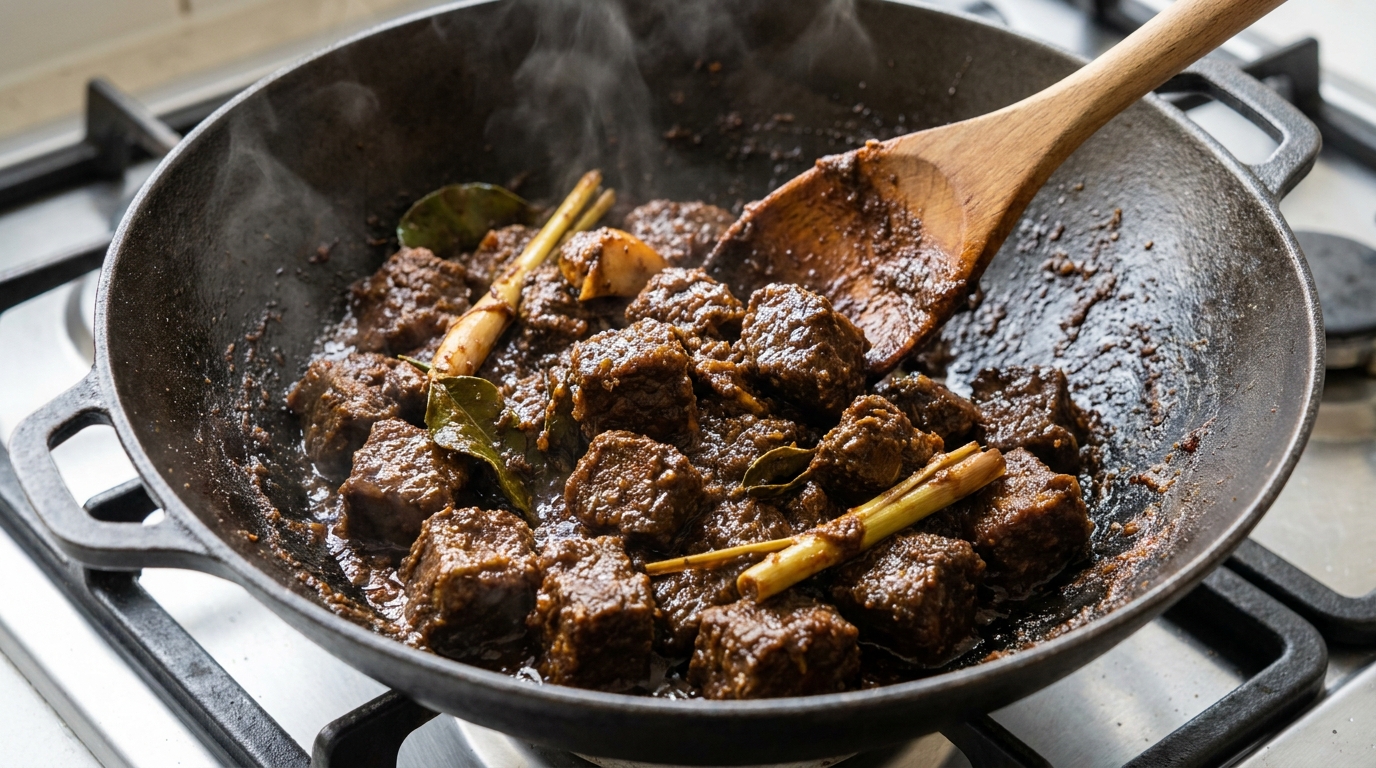
No loose sauce; the spoon drags through dark coconut paste.
See this stepFlavour foundation
The bumbu is cooked twice: first to remove raw aromatics, then slowly with coconut milk until oil separates and coats the beef.
Taste profile
A patient celebration dish where the final dry stage matters as much as the ingredients.
Cook plan
Versions
Diet & allergens
Dietary notes: halal-friendly.
Contains or may contain: coconut.
Check packaged-ingredient labels and cross-contamination advice for the brands you use.
Budget
Planning estimate only · not live or locally verified pricing
What belongs where
The ingredient list is organised for shopping; this map reorganises the same recipe by cooking function so you know what belongs in the pot and what stays separate.
bumbu merah, toasted coconut, lemongrass, galangal
Storage notes are conservative home-kitchen guidance. Chill perishable food within 2 hours, keep it at 5°C or colder, and follow local food-safety and package directions when they are stricter.
Step-by-step method
Read the action and cue together. Generated images are retained only as labelled prototype references until a continuous real cook replaces them.
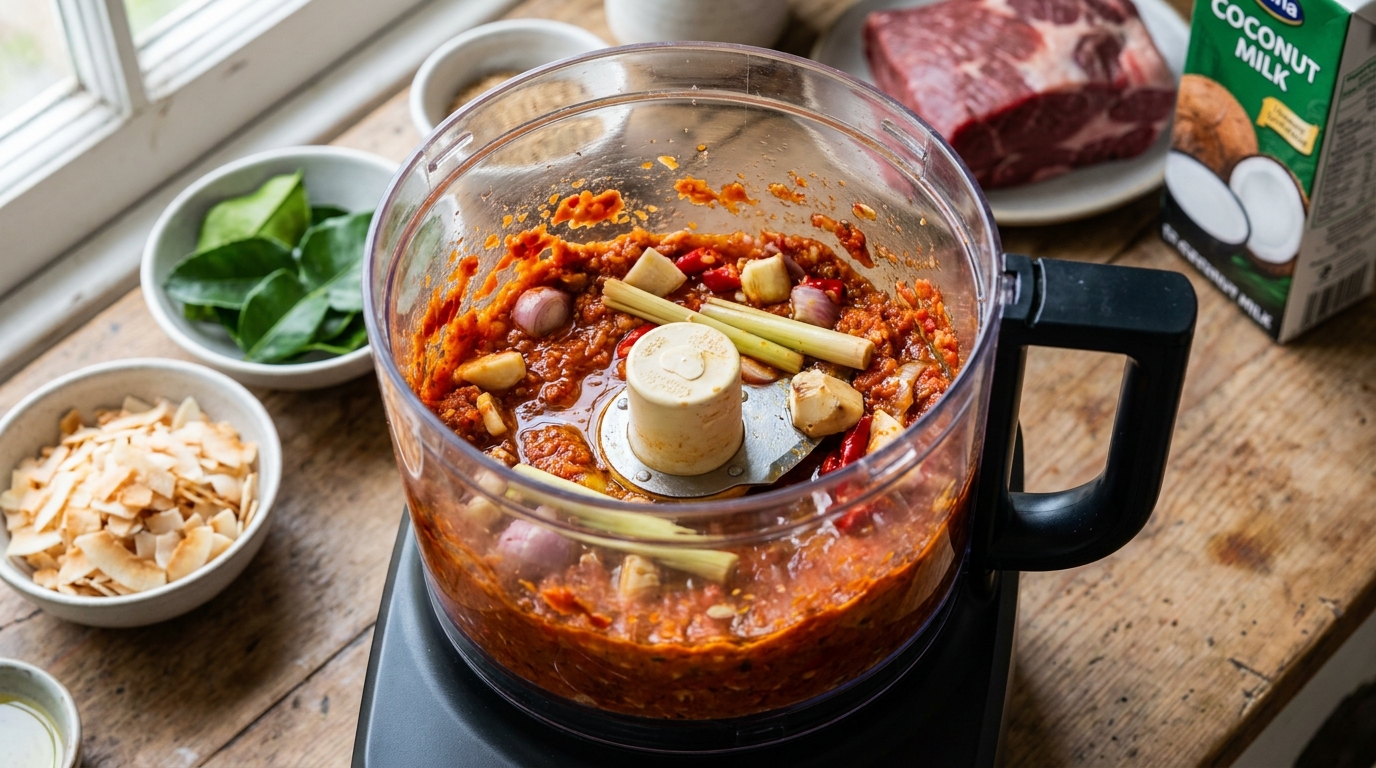
Blend shallot, garlic, chilli, galangal, lemongrass, and 1 tablespoon of the measured oil. Reserve the remaining oil for frying.
Common mistake: Do not add beef before the raw onion and chilli smell has cooked out.
Recovery: Pause before the next step, compare the cue, then correct heat, moisture, or seasoning while the dish is still flexible.
Cook the paste slowly with lime leaves until it darkens and oil appears around the edge.
Common mistake: If it sticks hard, lower heat and scrape before adding coconut milk.
Recovery: Pause before the next step, compare the cue, then correct heat, moisture, or seasoning while the dish is still flexible.
Add beef, coconut milk, toasted coconut, palm sugar, and salt. Simmer gently, stirring every 15 minutes.
Common mistake: A rolling boil toughens beef and can split the coconut.
Recovery: Lower the heat immediately, skim or stir gently, and continue at a small simmer until the surface calms.
Keep stirring more often as the pot dries until the paste clings to each cube.
Common mistake: The final stage burns quickly if the heat stays high.
Recovery: Move the pan off heat, scrape only the unburnt paste into a clean spot, add a small splash of oil or liquid, and restart gently.
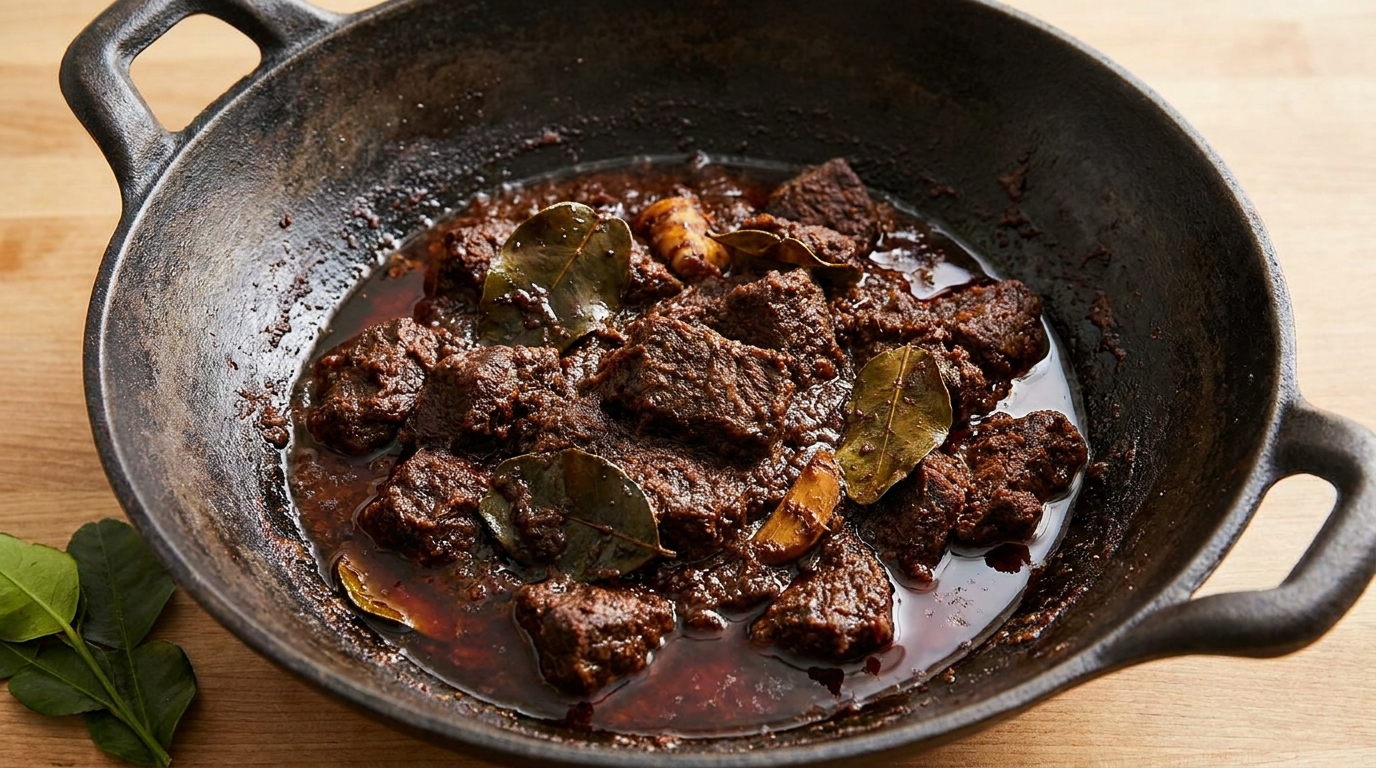
Turn off the heat and rest so the oil settles and the beef absorbs the bumbu.
Common mistake: Serving immediately can make the finish taste oily instead of deep.
Recovery: Pause before the next step, compare the cue, then correct heat, moisture, or seasoning while the dish is still flexible.
Ingredients
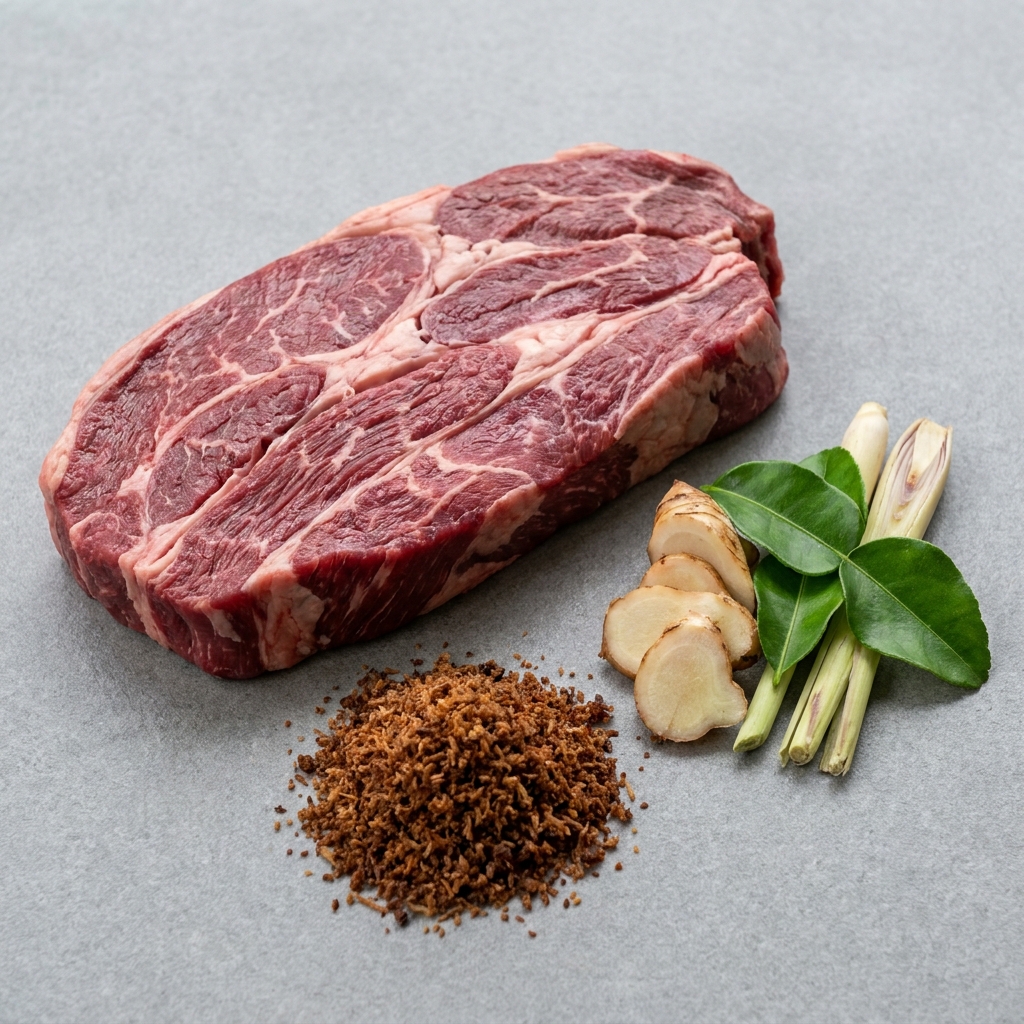
collagen-rich cut that survives a long braise
Swap: boneless short rib for a richer premium version
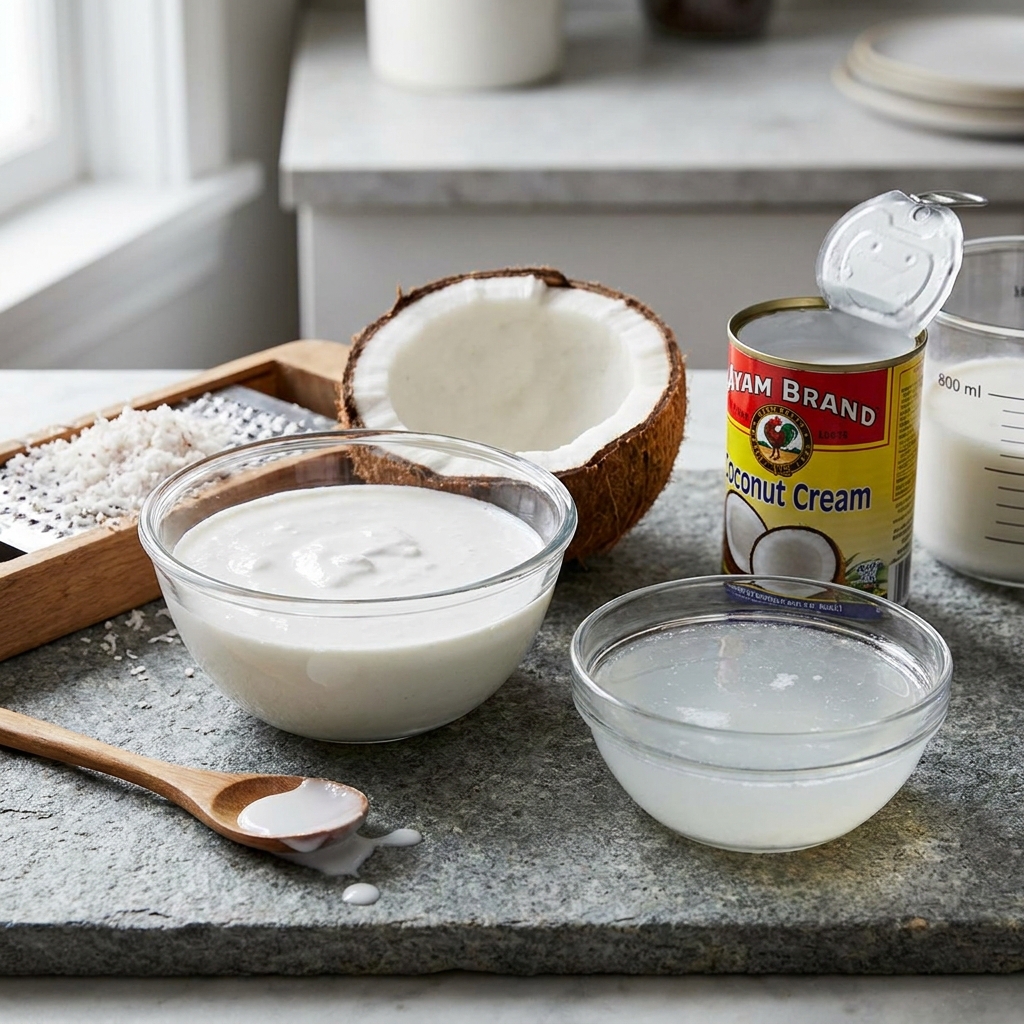
fat, body, and the sauce that reduces into paste
Note: Light coconut milk will not reduce with the same gloss.
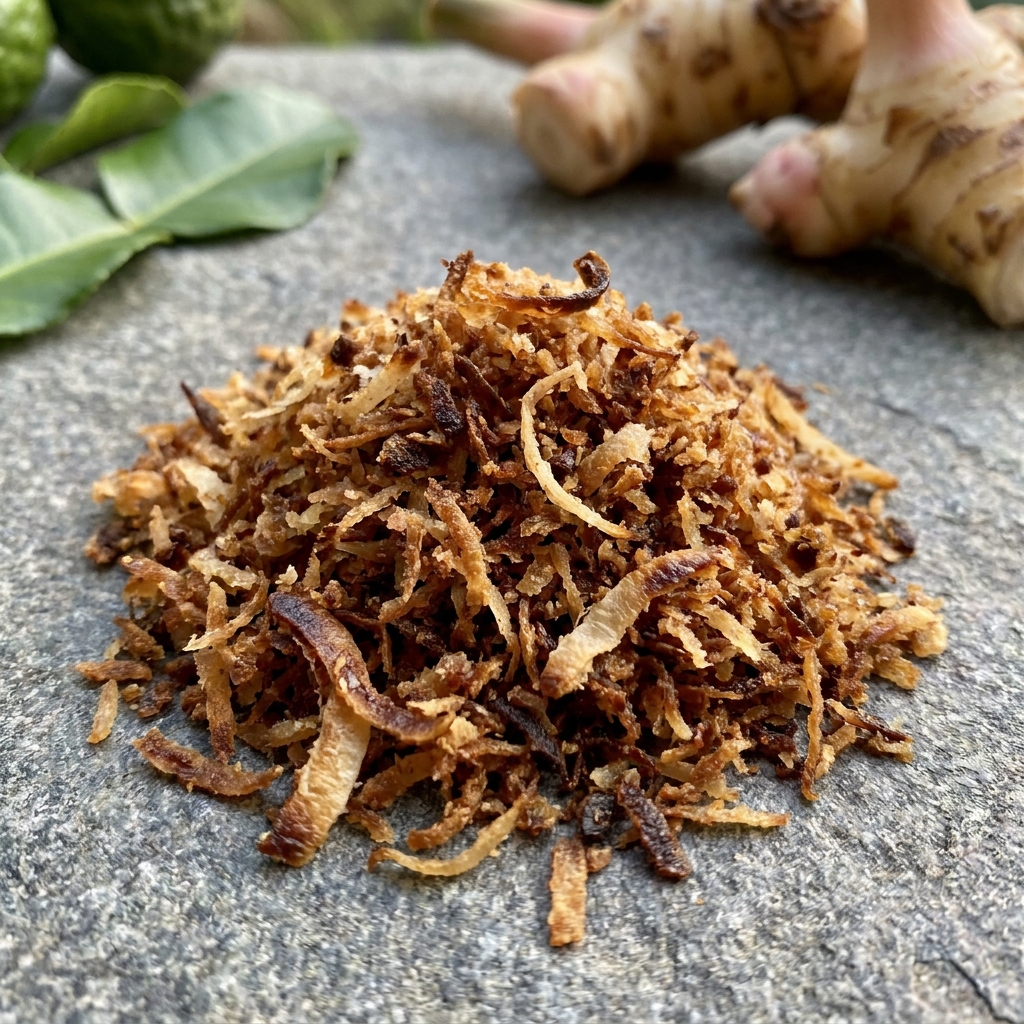
nutty body and final dark texture
Note: Sweetened coconut makes the finish taste like dessert.
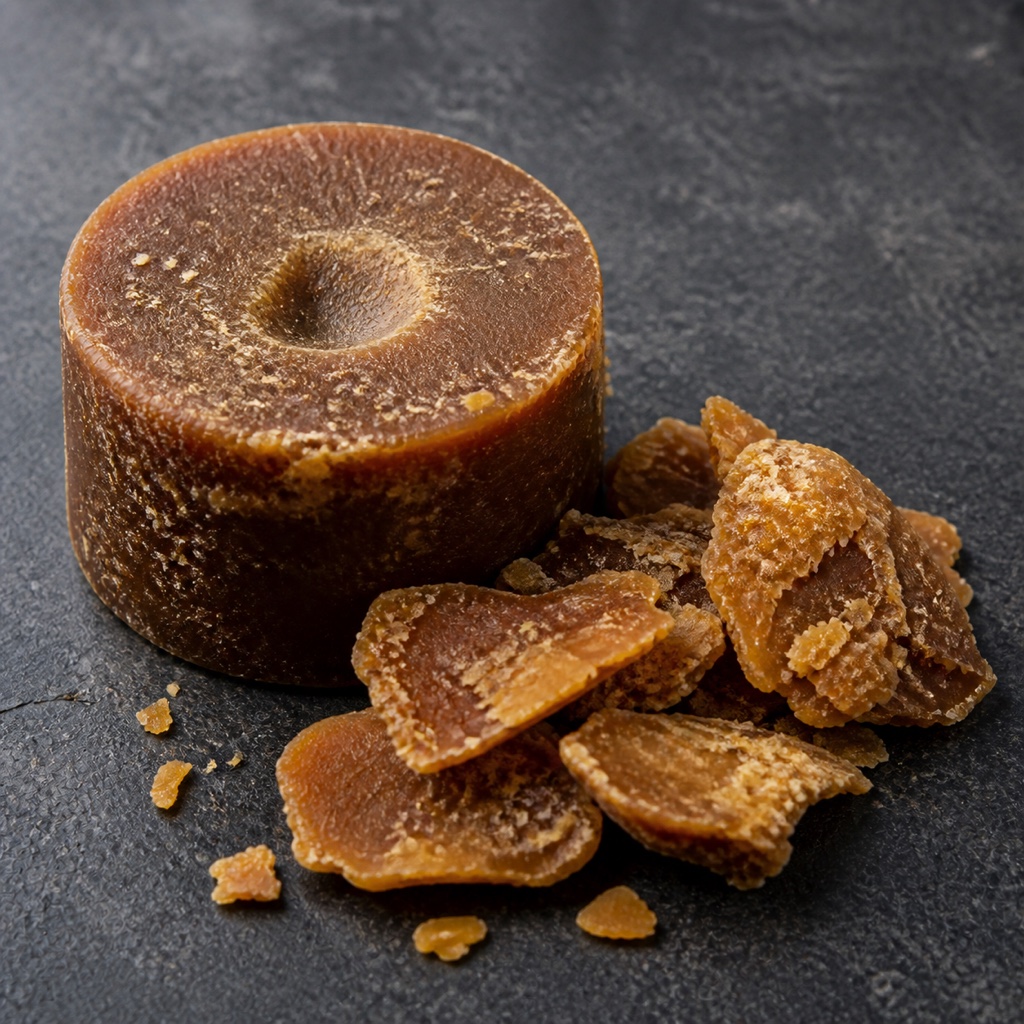
rounds bitterness without making the finish sweet
Swap: brown sugar in a small amount if palm sugar is unavailable
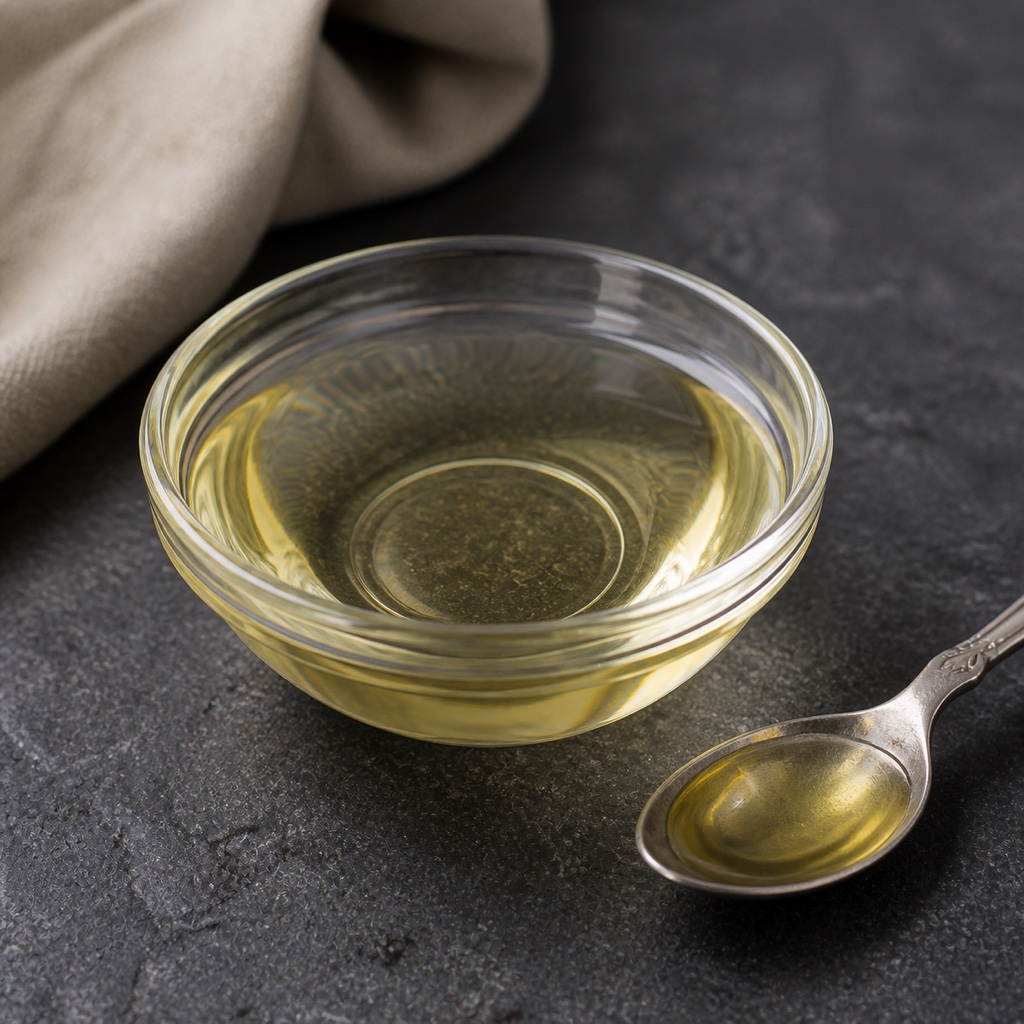
helps the bumbu fry until glossy before coconut milk goes in
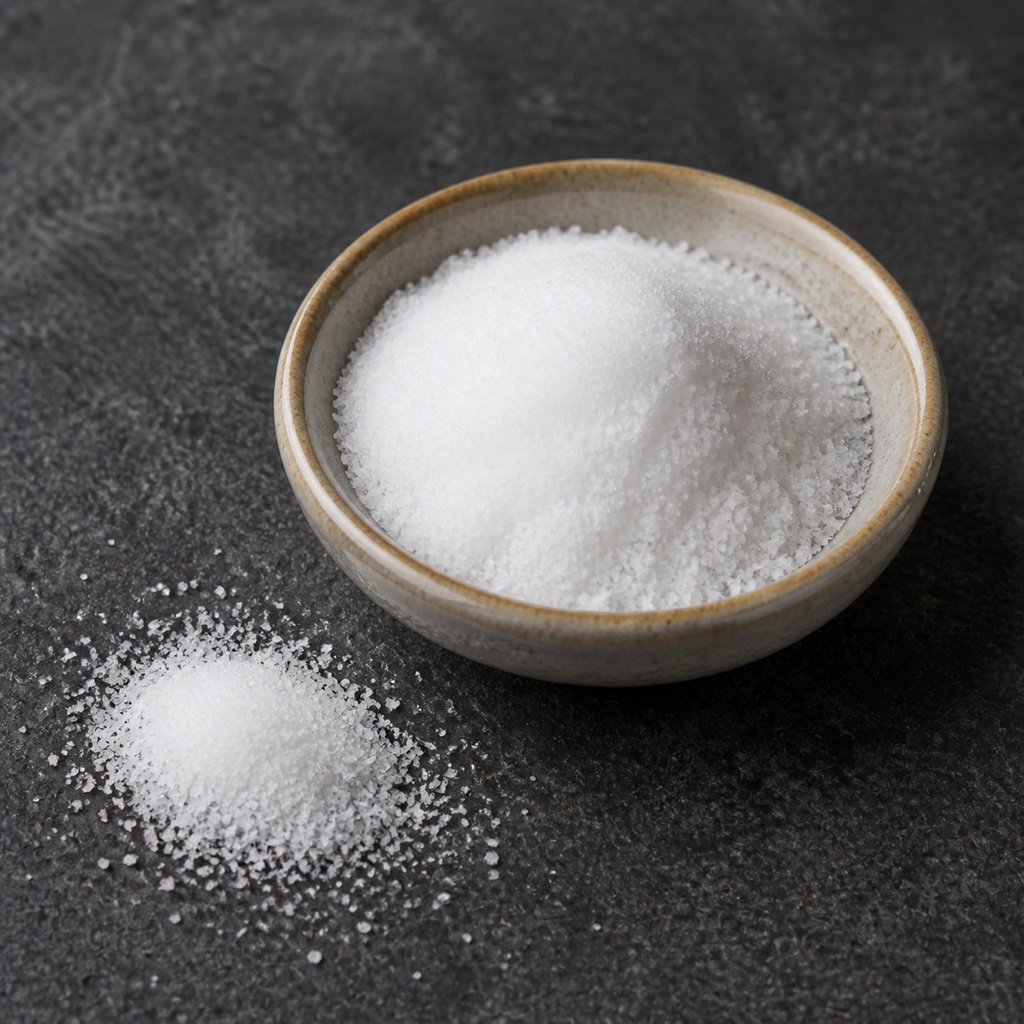
seasons the beef through the long reduction
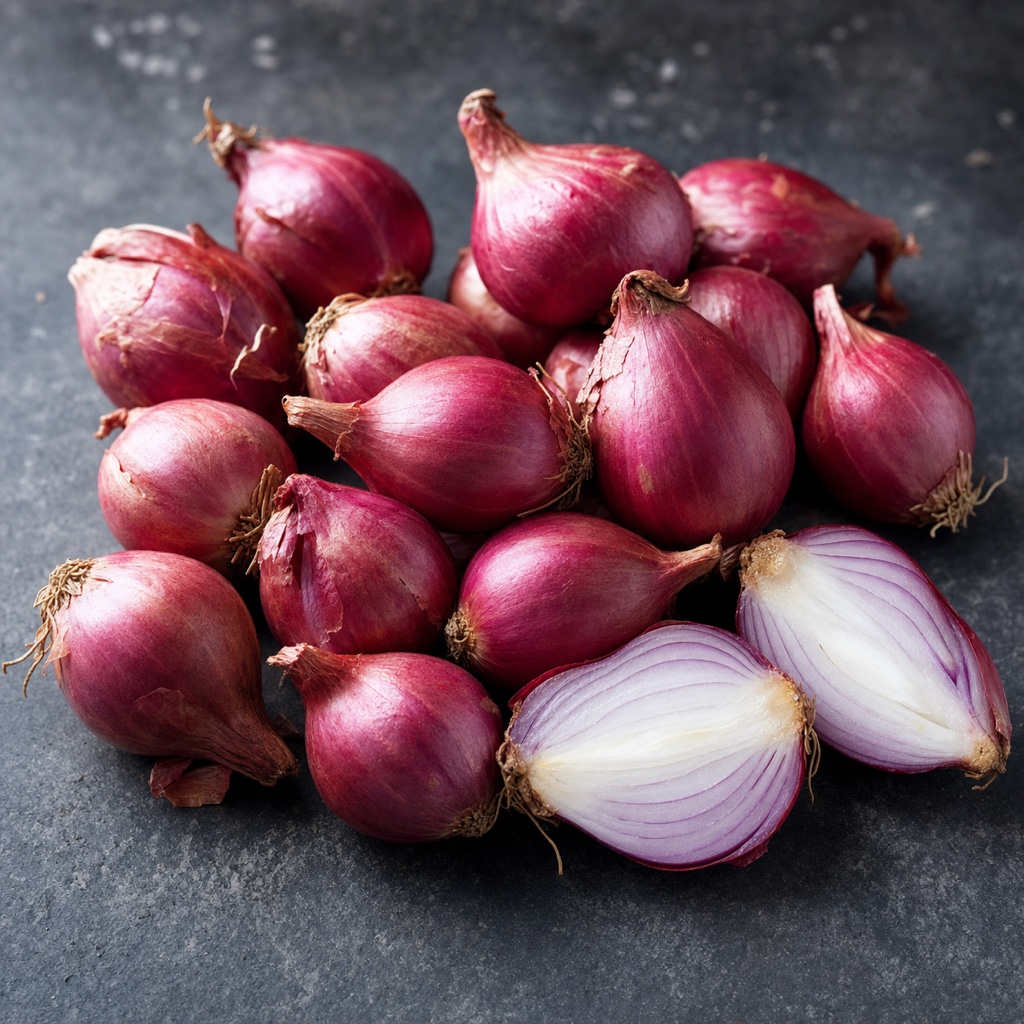
sweet base for the bumbu merah paste
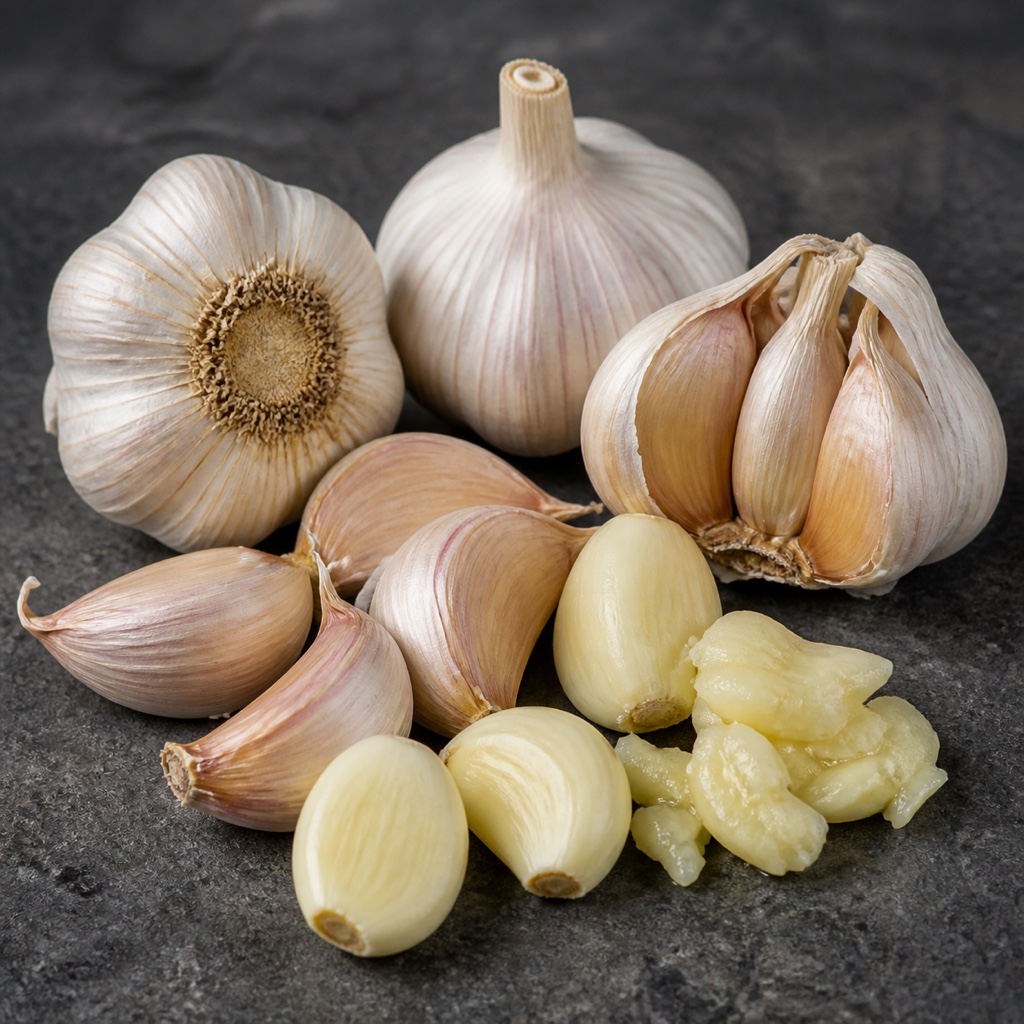
savoury base that must cook past its raw bite
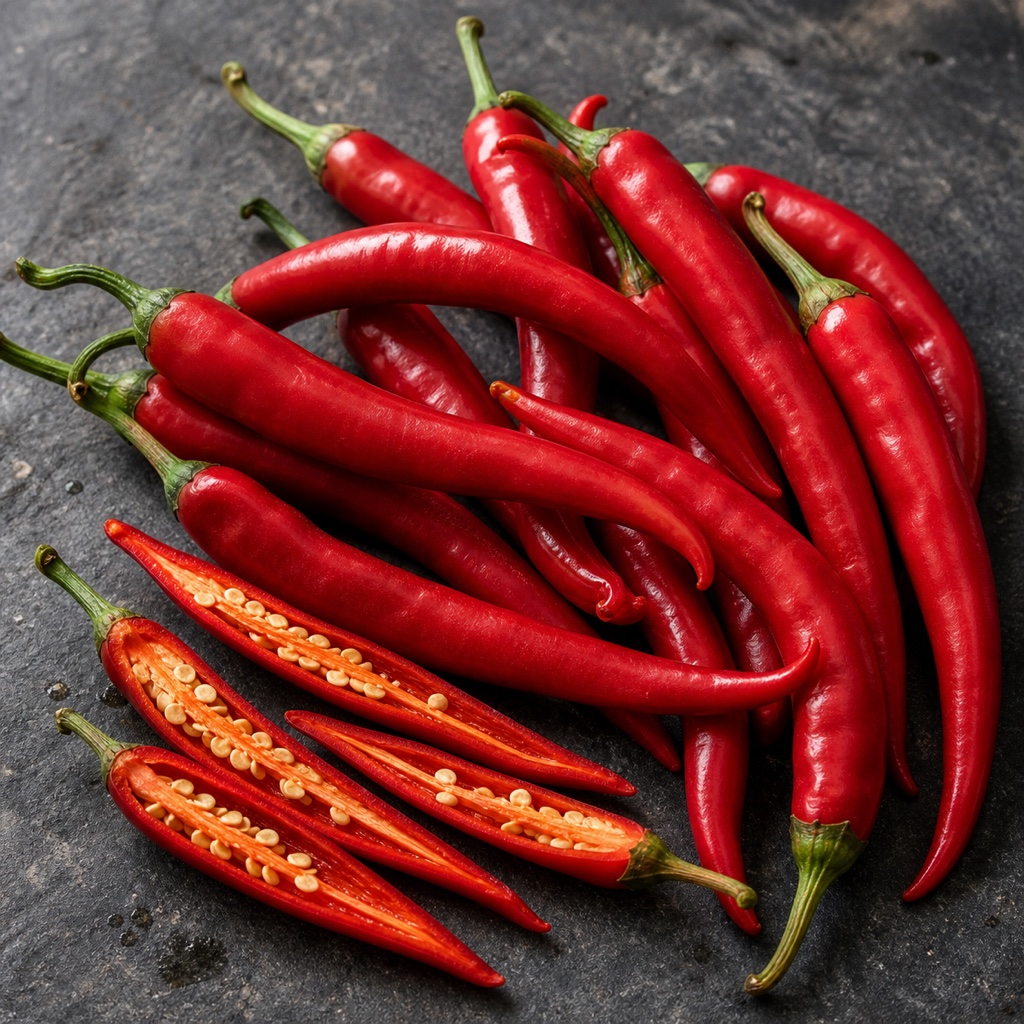
colour and heat for the cooked red paste
Swap: milder long red chilli plus sambal at the table
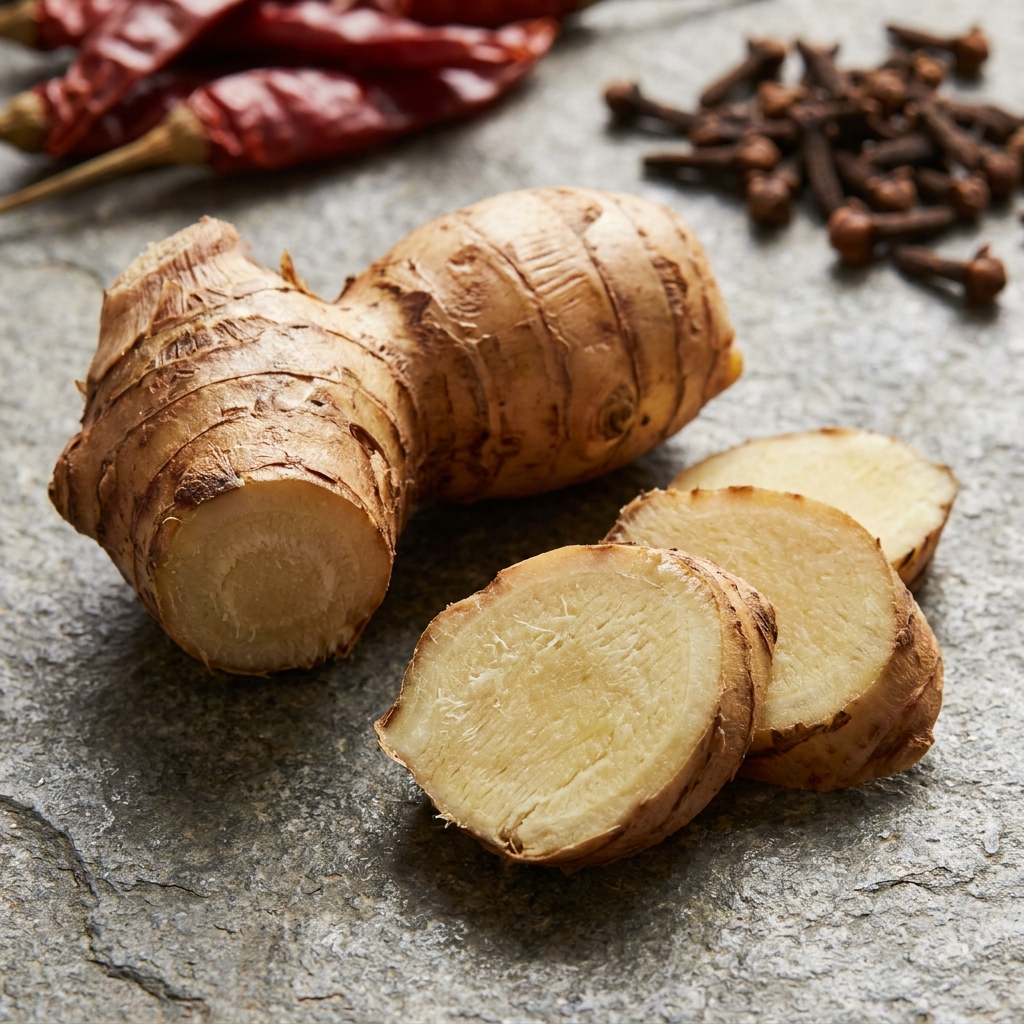
piney heat that makes rendang taste Indonesian, not generic curry
Swap: ginger plus lime zest only if galangal is impossible
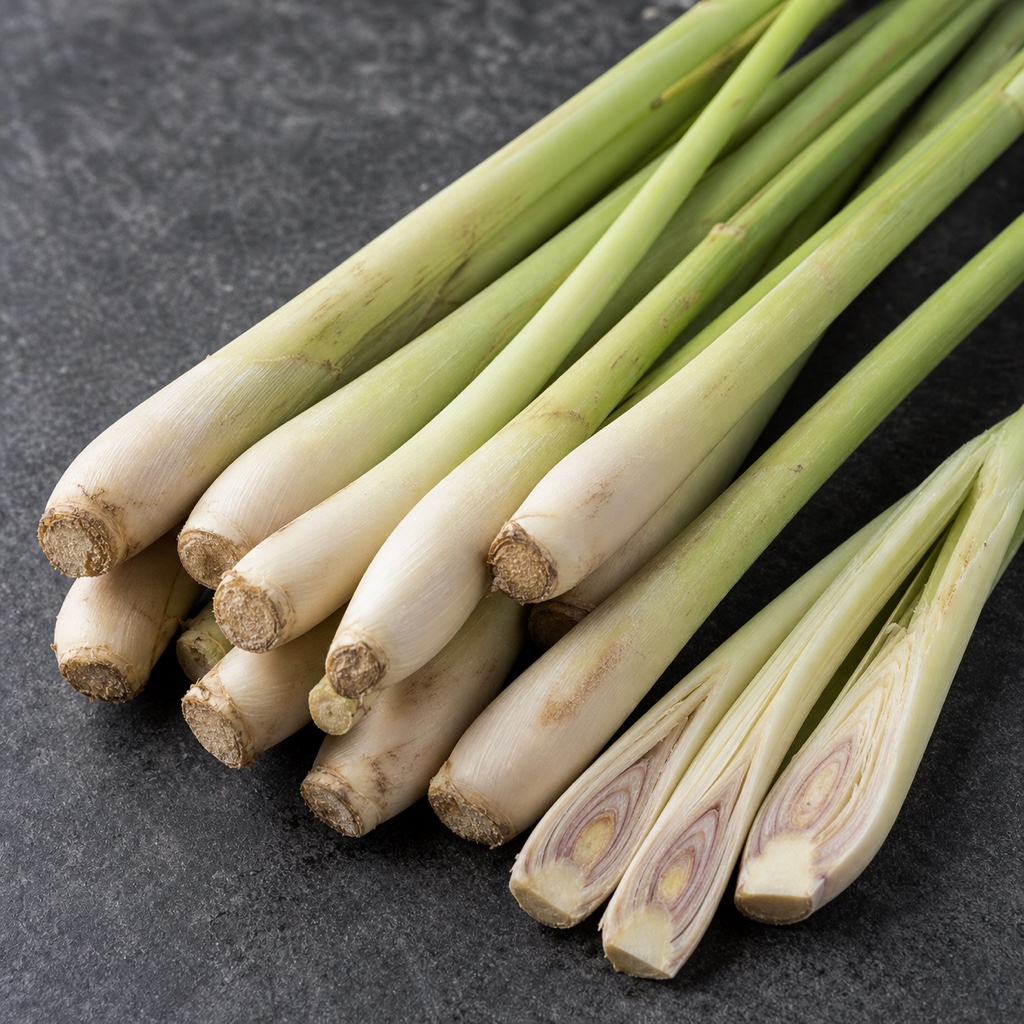
citrus-grassy aroma through the long braise
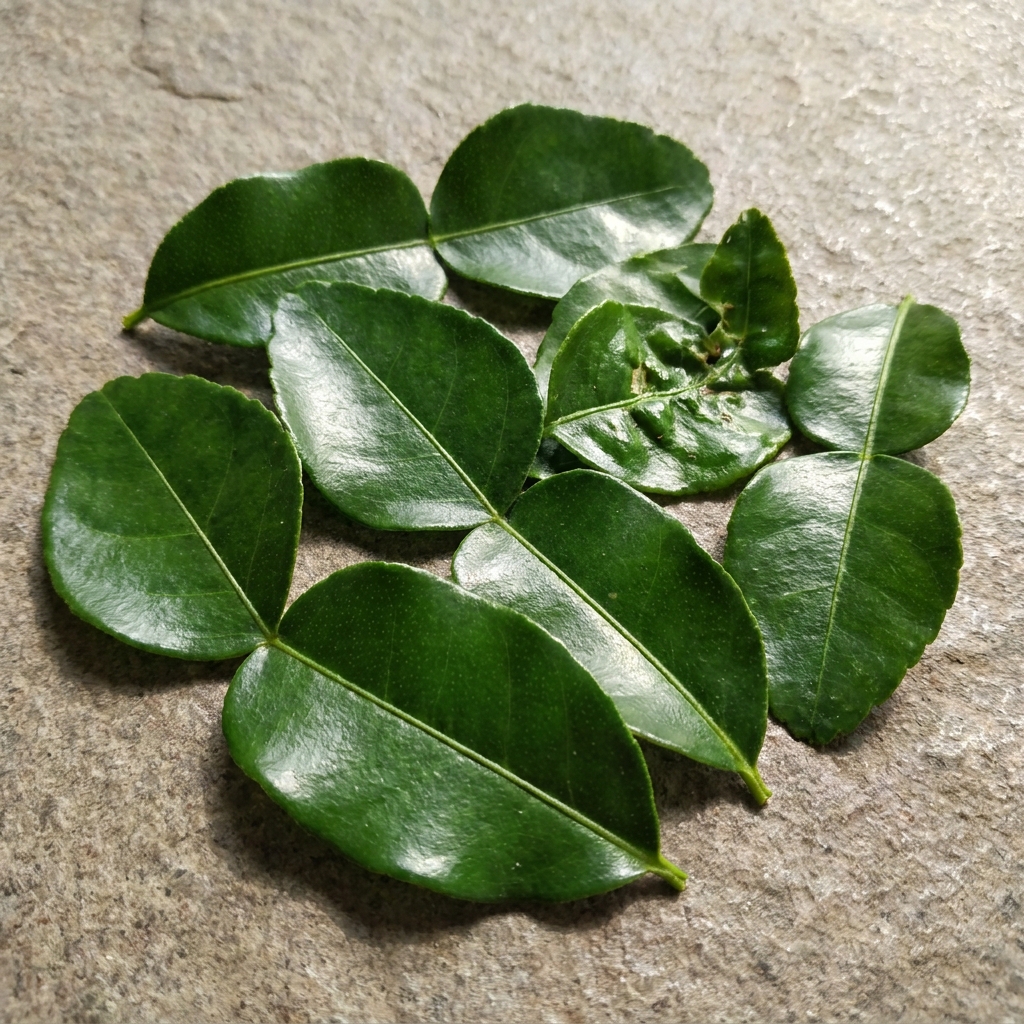
citrus perfume through the long cook
Melbourne and Jakarta
Current links help you search by the right ingredient name; they do not confirm a product, price, or stock level.
Start with an Indonesian or broader Asian grocer for coconut milk; use supermarkets or butchers for beef chuck, coconut milk.
beef chuck: boneless short rib for a richer premium version.
coconut milk: Light coconut milk will not reduce with the same gloss.
Start with pasar stalls for daging sapi bagian sengkel/sandung lamur, bawang merah; use supermarkets or online marketplaces for sealed pantry staples.
beef chuck: boneless short rib for a richer premium version.
coconut milk: Light coconut milk will not reduce with the same gloss.
Evidence status
Fix problems
The active method already includes its most likely mistake and recovery. Open the reference library when your question falls outside the current step.
Yes. Rendang improves overnight and freezes well once fully cooled.
You are at the kalio stage. Keep reducing gently until the sauce becomes a clinging paste.
Know exactly when the coconut milk has reduced enough. Look for dark paste stuck to each cube: No loose sauce. The bumbu clings and the pot sounds dry when stirred.
A rolling boil toughens beef and can split the coconut. Lower the heat immediately, skim or stir gently, and continue at a small simmer until the surface calms.
Scale the measured ingredients with the serving count, then scale the vessel or work in batches. Keep the same visual finish—dark paste stuck to each cube—rather than forcing the original timer.
beef chuck: boneless short rib for a richer premium version; red chilli: milder long red chilli plus sambal at the table; galangal: ginger plus lime zest only if galangal is impossible; palm sugar: brown sugar in a small amount if palm sugar is unavailable
coconut milk: Light coconut milk will not reduce with the same gloss.; toasted coconut: Sweetened coconut makes the finish taste like dessert.
Next cooks
Recipes here share ingredients, bumbu logic, region, spice level, or weeknight patterns so the next cook reuses what you just learned.
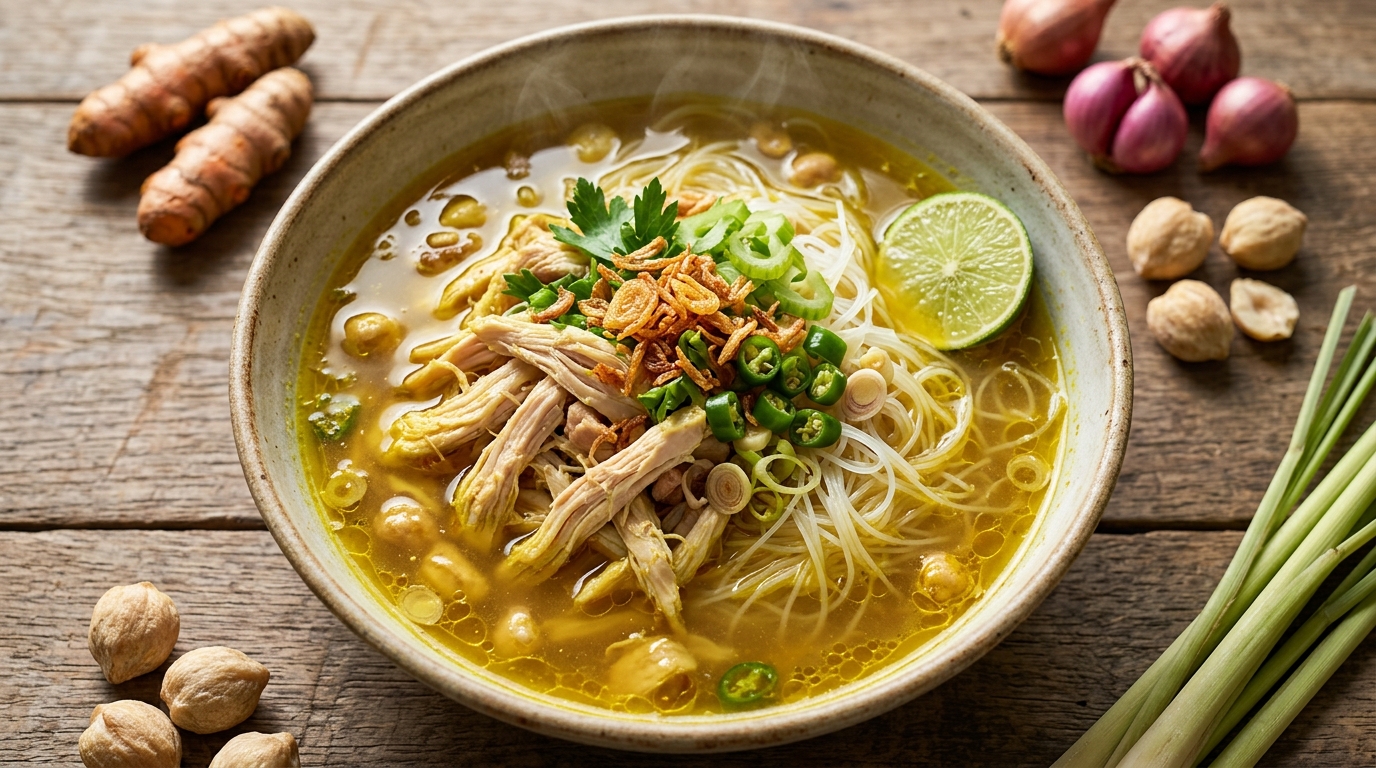 Java · BeginnerSoto AyamBuild a golden broth that tastes clean, not muddy.
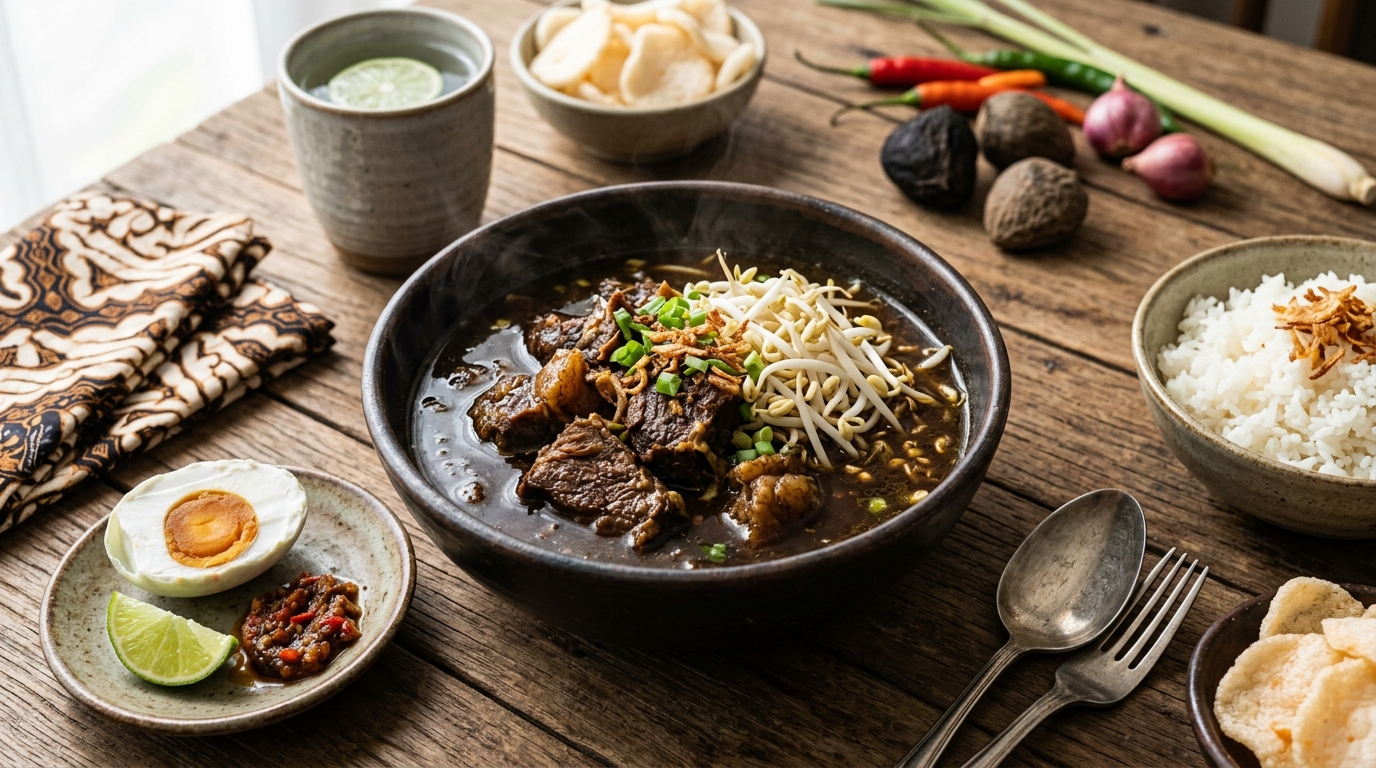 East Java · PatientRawonGet the deep black broth without bitterness.
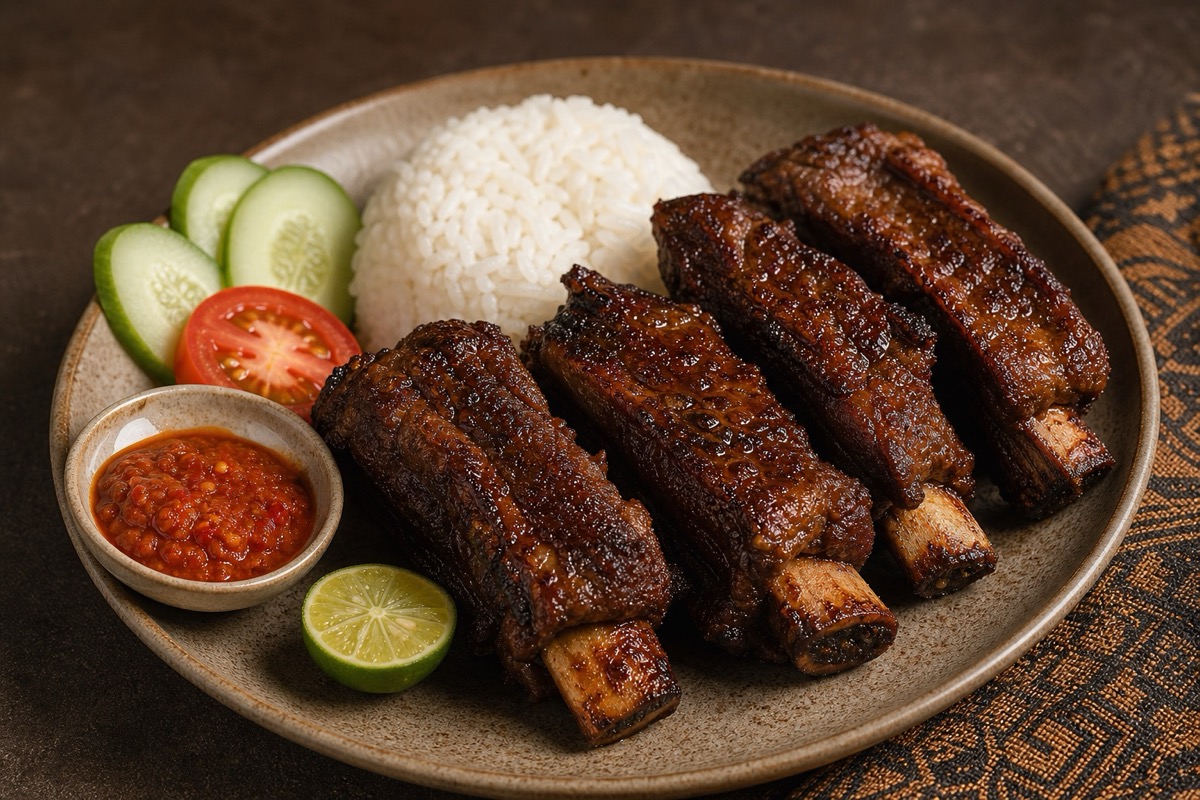 Modern Indonesian · PatientIga Sapi Goreng MaduMake ribs fork-tender yet intact, then glaze them glossy without scorching the honey.
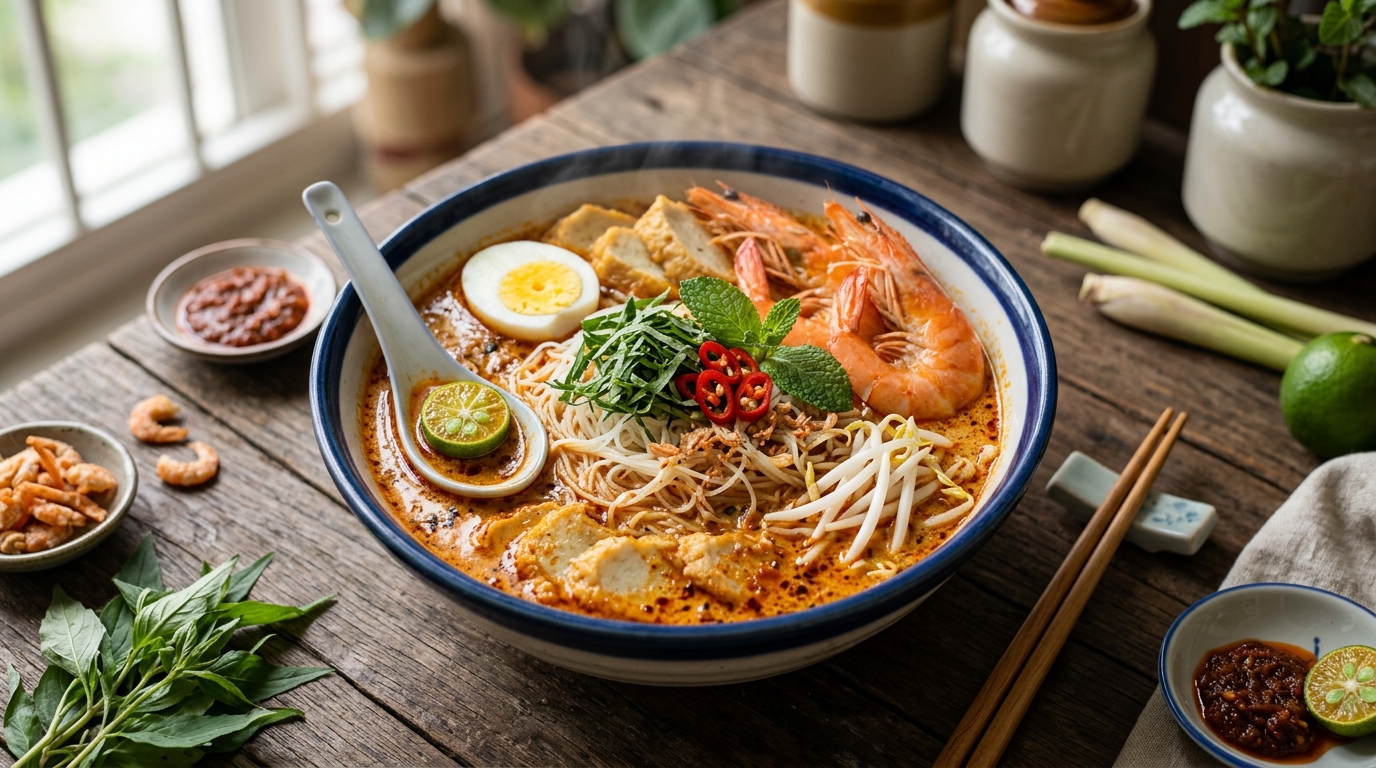 Singapore / Malaysia · IntermediateLaksa LemakMake a soup that tastes deep without a restaurant stockpot.
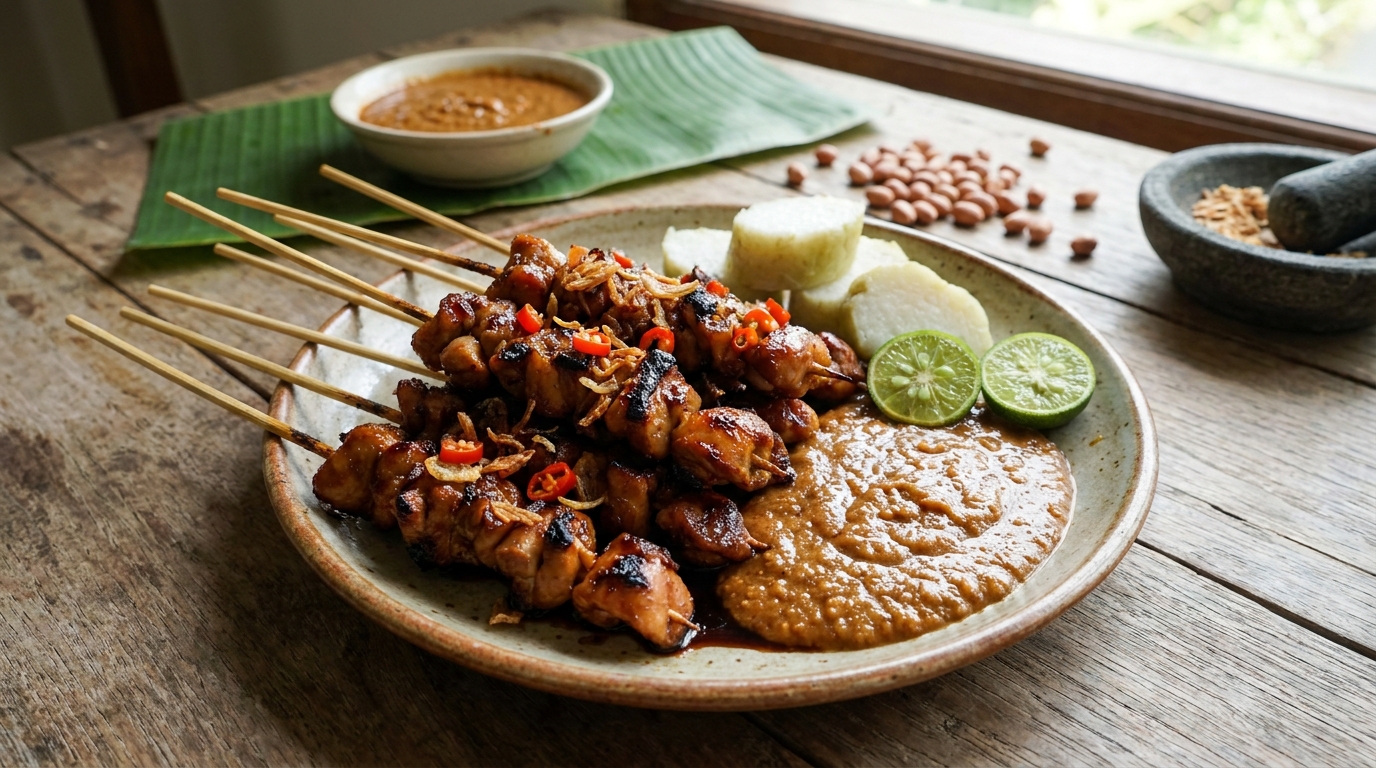 Java · IntermediateSate AyamChar edges without drying the chicken.
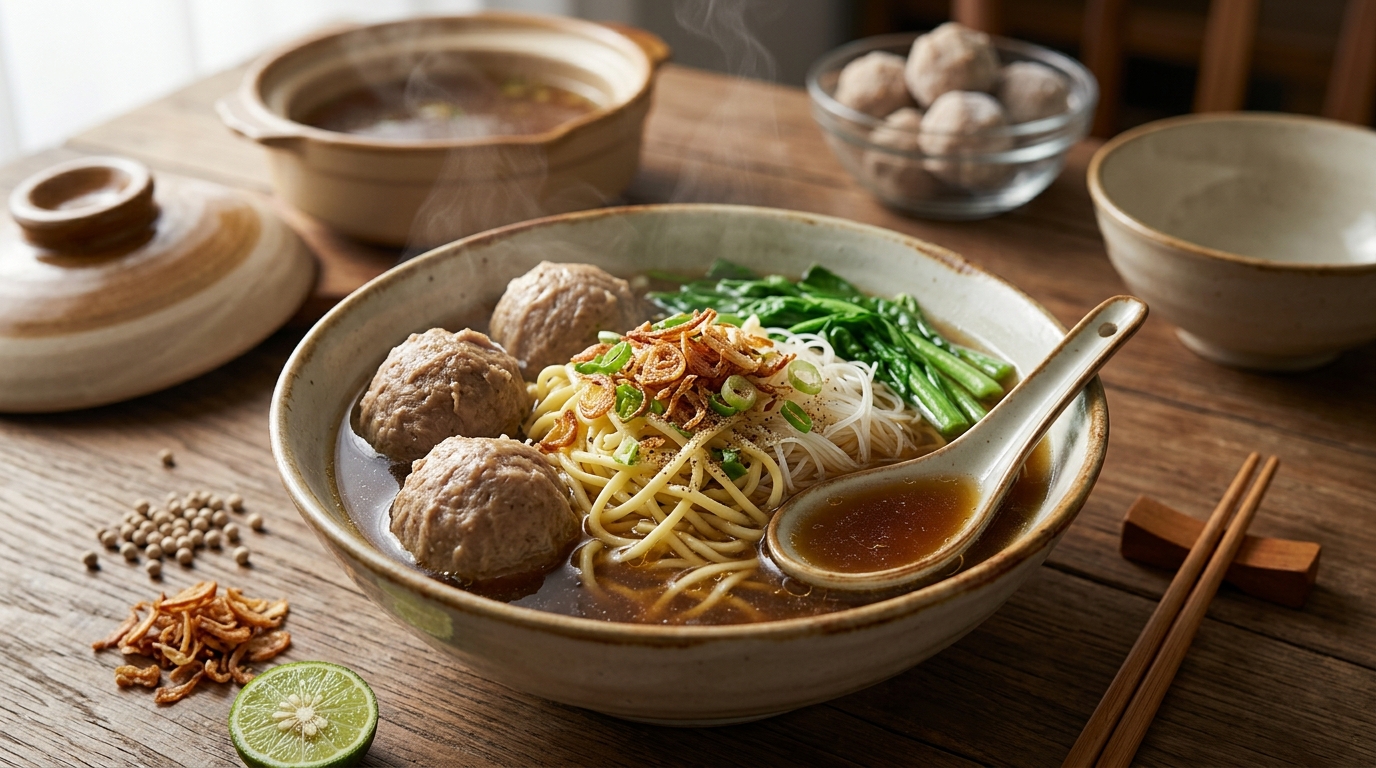 Indonesia · BeginnerBaksoMake a clear, savoury bowl that does not taste watery.