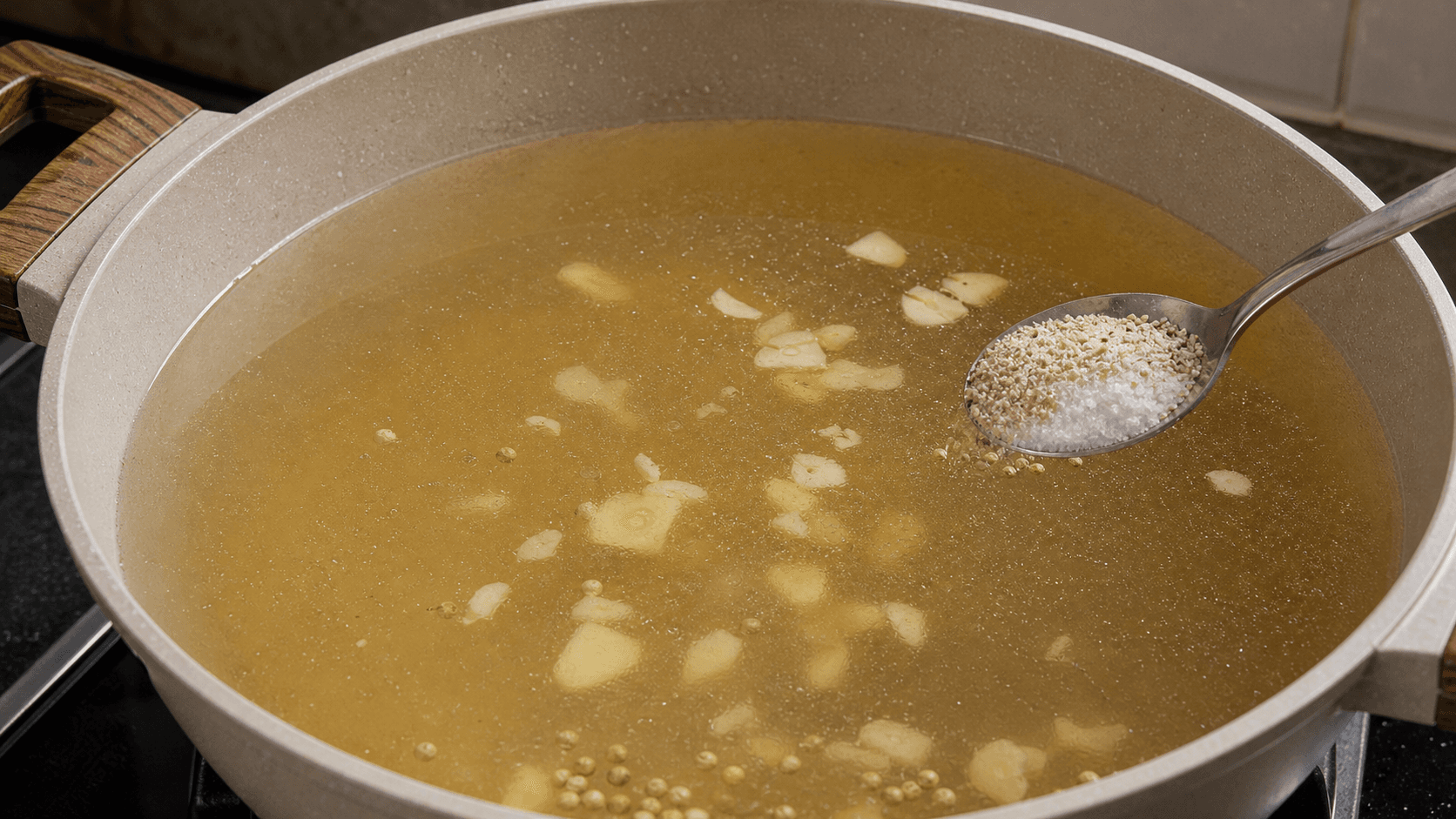
Season the broth
Light amber broth, no foam.
See this stepID · Indonesia
A street-style meatball soup with bouncy beef balls, clear broth, noodles, greens, fried shallot, and sambal.
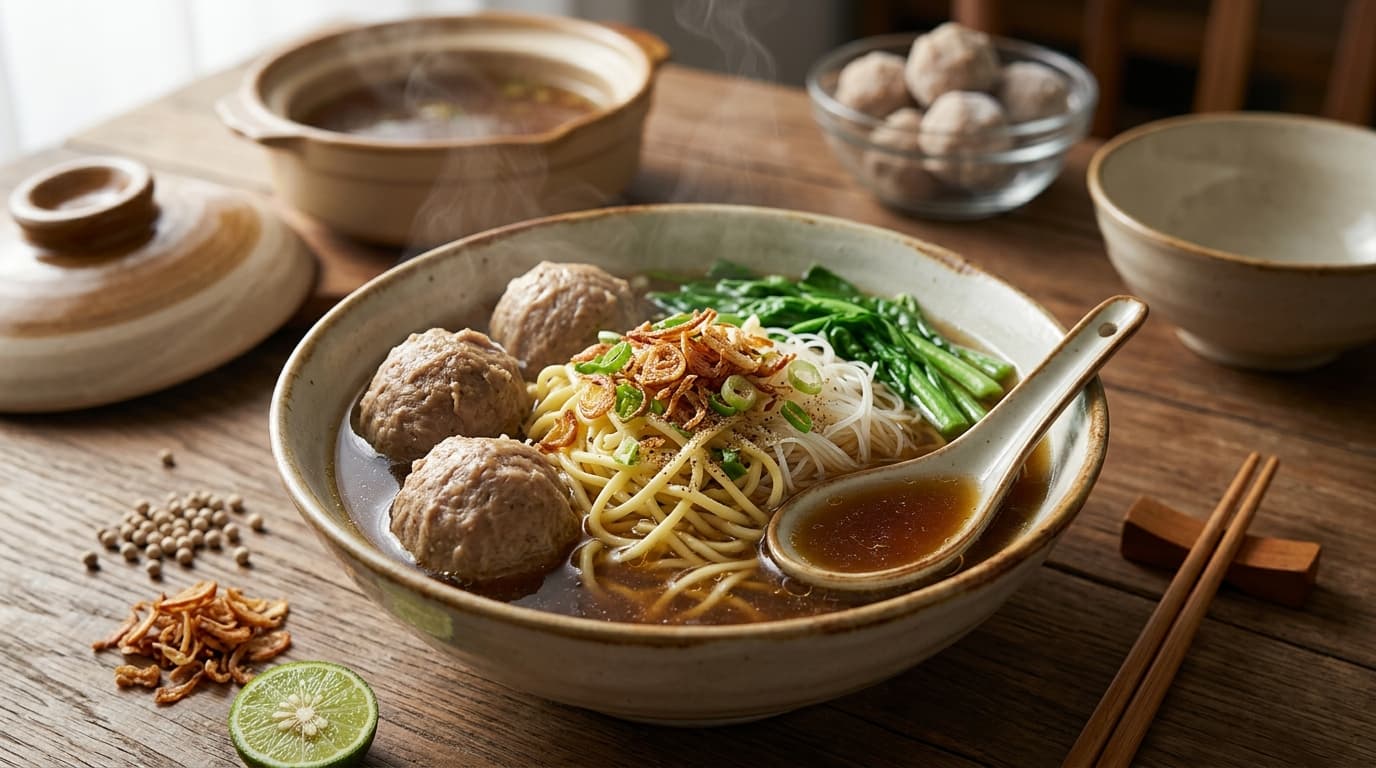
The transformation
Compare the colour, consistency, and cue at each stage.
Light amber broth, no foam.
See this step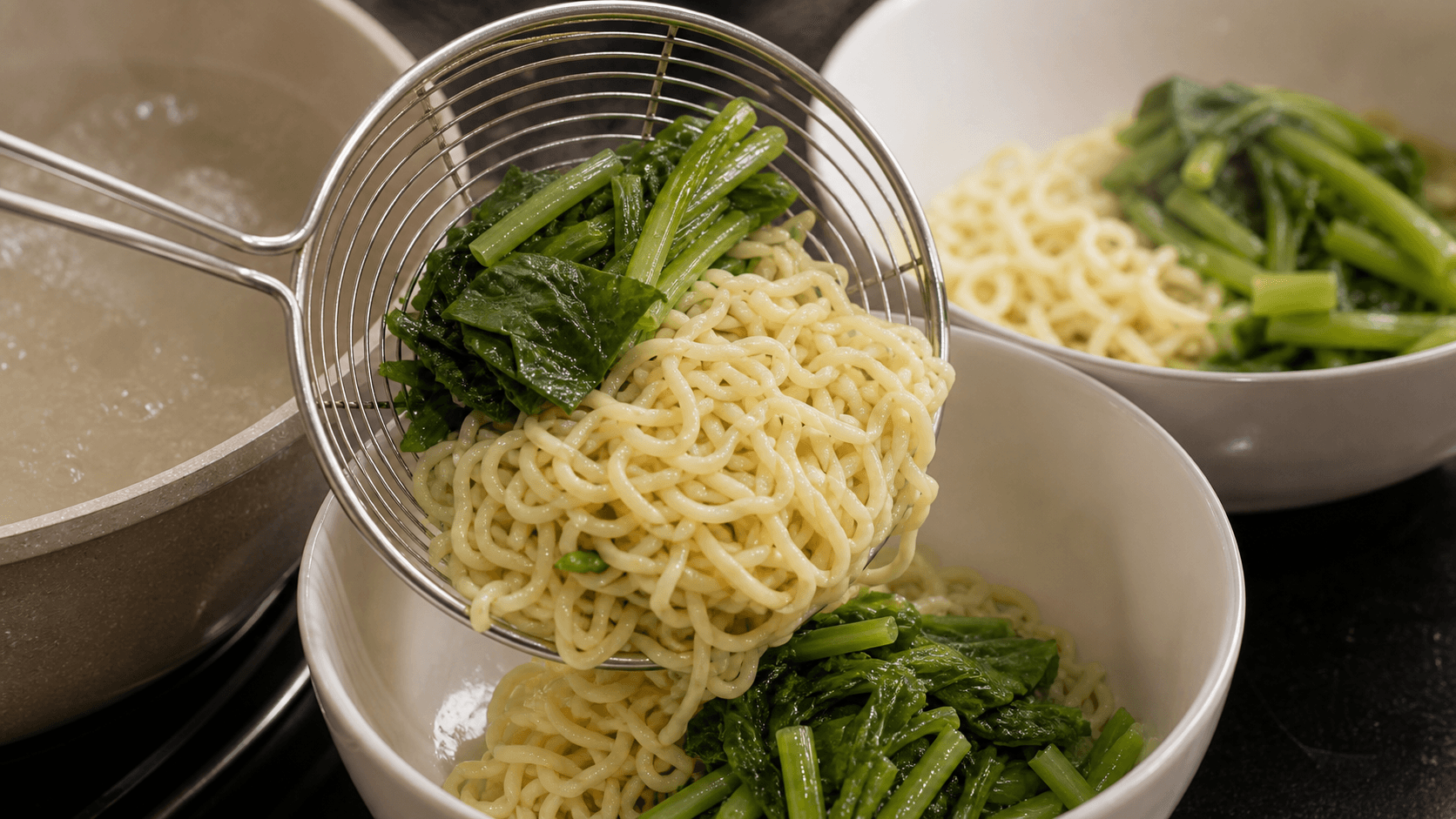
Noodles are springy and greens are fresh.
See this step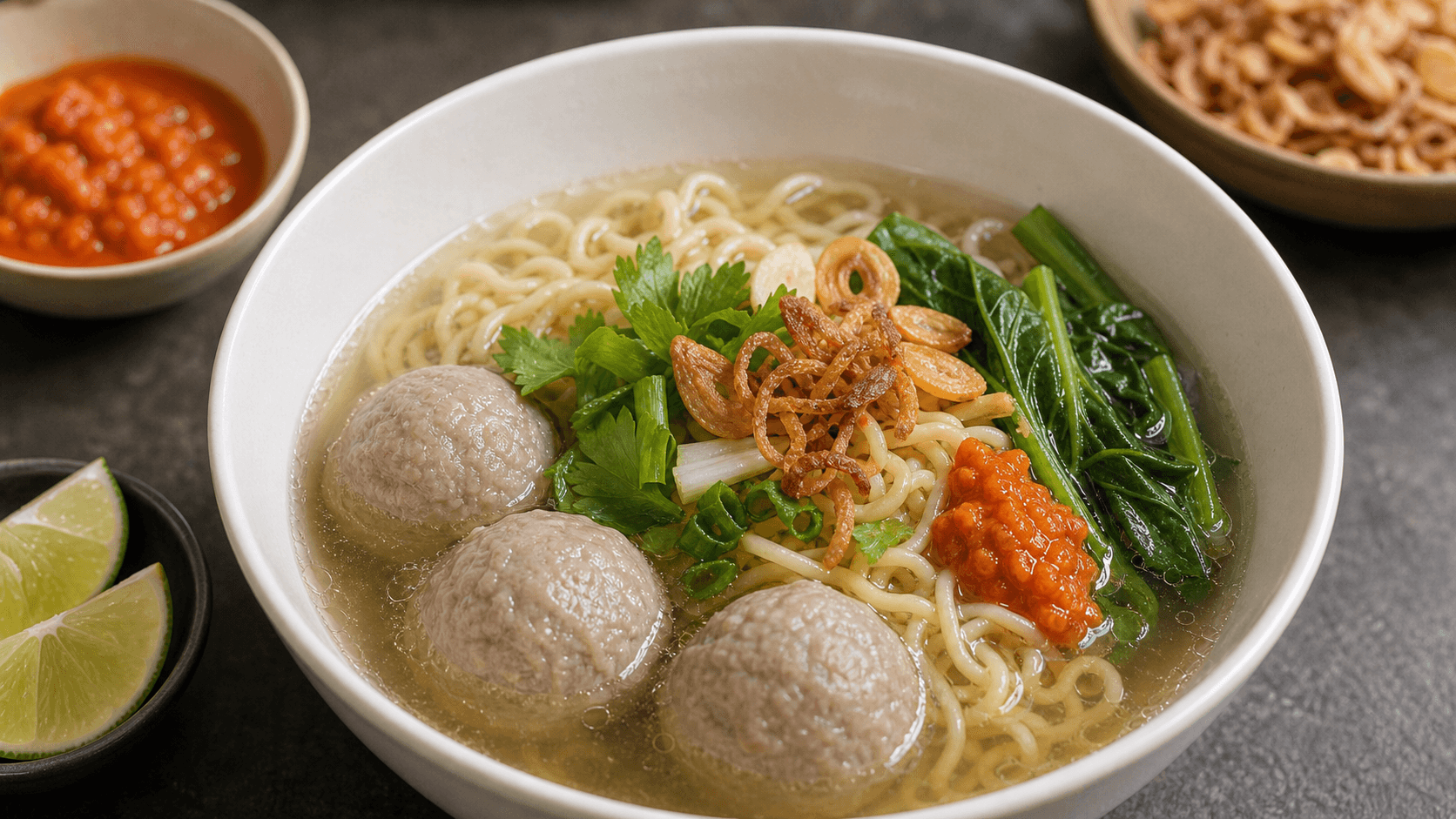
Clear soup with crisp topping.
ReadyFlavour foundation
Broth carries the dish, so garlic oil and pepper are layered after simmering instead of boiled flat.
Taste profile
Street bowl logic: broth first, toppings last, texture always visible.
Cook plan
Versions
Diet & allergens
Dietary notes: halal-friendly.
Contains or may contain: wheat when served with noodles, soy.
Check packaged-ingredient labels and cross-contamination advice for the brands you use.
Budget
Planning estimate only · not live or locally verified pricing
What belongs where
The ingredient list is organised for shopping; this map reorganises the same recipe by cooking function so you know what belongs in the pot and what stays separate.
beef stock, garlic oil, white pepper, fried shallot
sambal dan kecap
Chinese celery or spring onion, fried shallots, lime
Storage notes are conservative home-kitchen guidance. Chill perishable food within 2 hours, keep it at 5°C or colder, and follow local food-safety and package directions when they are stricter.
Step-by-step method
Read the action and cue together. Move on when the food matches the cue.
Warm stock with 20 g garlic, white pepper, and salt until it tastes savoury before meatballs go in. Reserve 10 g garlic for the aromatic oil.
Common mistake: Weak broth makes the whole bowl watery.
Recovery: Reduce uncovered and season in small rounds, checking the visual cue before adding more salt, sugar, or sauce.
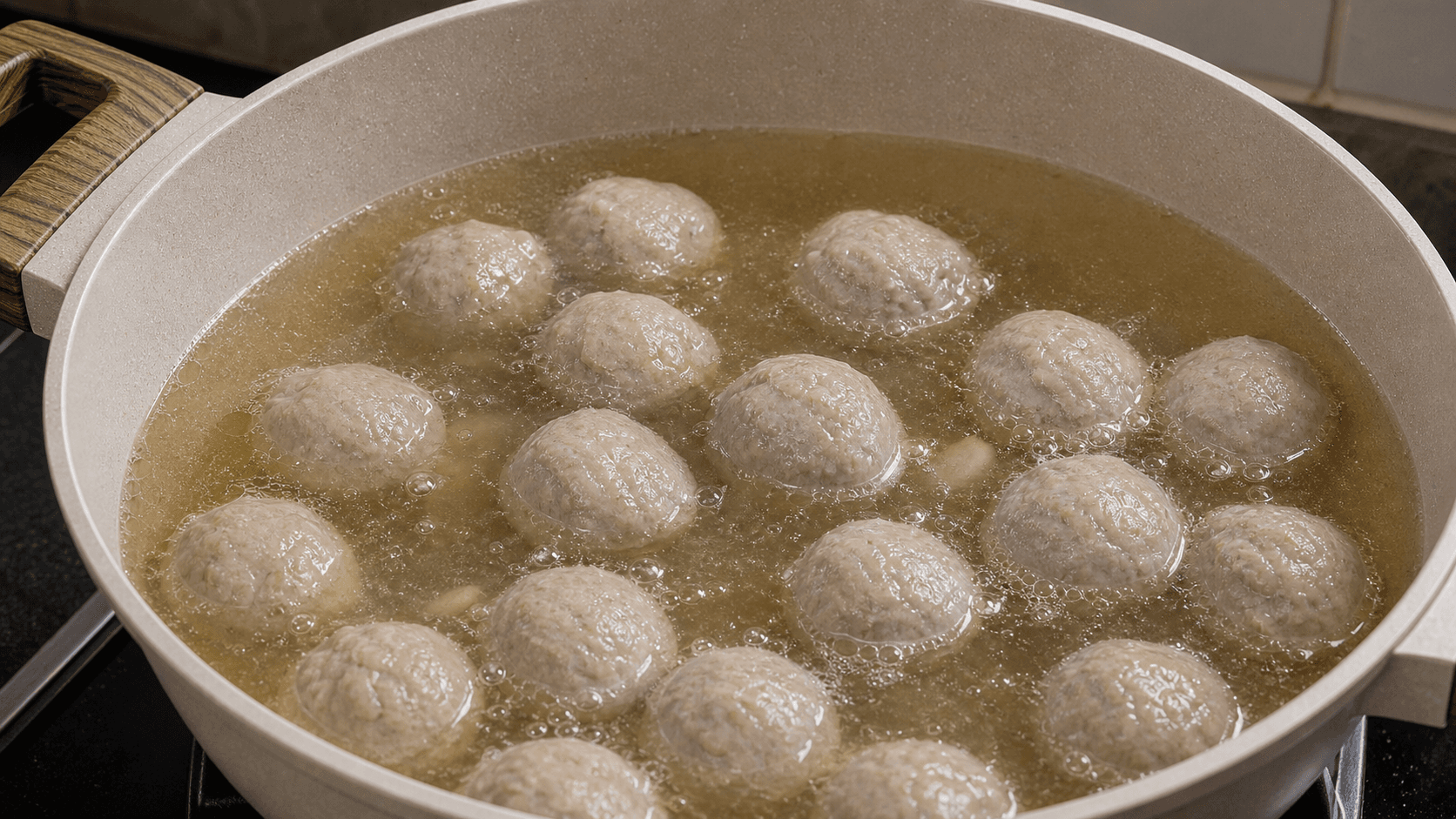
Add meatballs and keep at a gentle simmer until hot through.
Common mistake: Boiling hard roughens the texture.
Recovery: Lower the heat immediately, skim or stir gently, and continue at a small simmer until the surface calms.
Cook noodles separately and divide into bowls with greens.
Common mistake: Cooking noodles in broth clouds it.
Recovery: Lower the heat immediately, skim or stir gently, and continue at a small simmer until the surface calms.
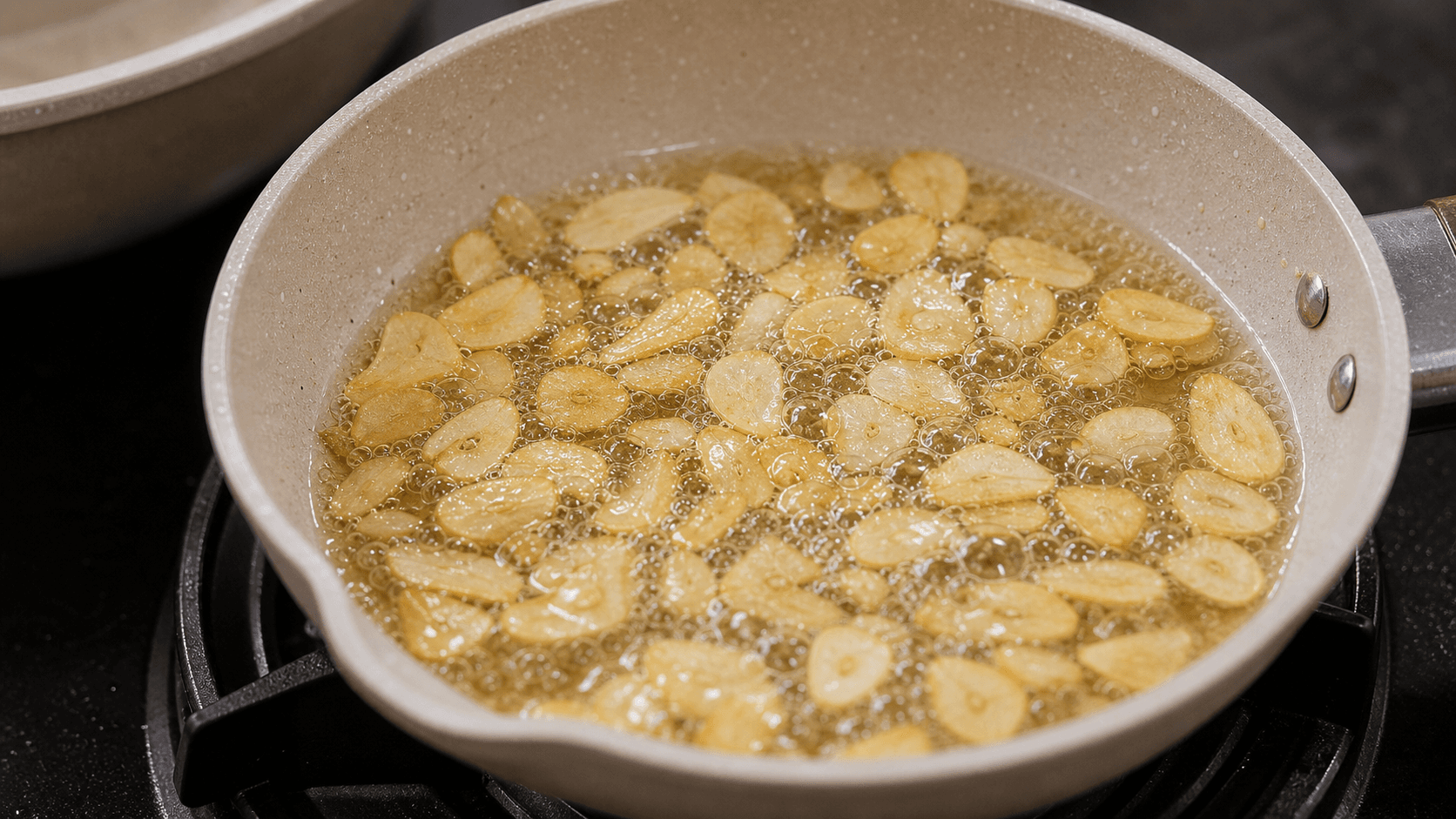
Fry the reserved 10 g garlic in the measured oil until pale gold and fragrant.
Common mistake: Garlic keeps darkening after heat is off.
Recovery: Move the pan off heat, scrape only the unburnt paste into a clean spot, add a small splash of oil or liquid, and restart gently.
Pour broth and bakso over noodles, then add fried shallot, celery, sambal, and lime.
Common mistake: Adding herbs too early wilts them flat.
Recovery: Pause before the next step, compare the cue, then correct heat, moisture, or seasoning while the dish is still flexible.
Ingredients
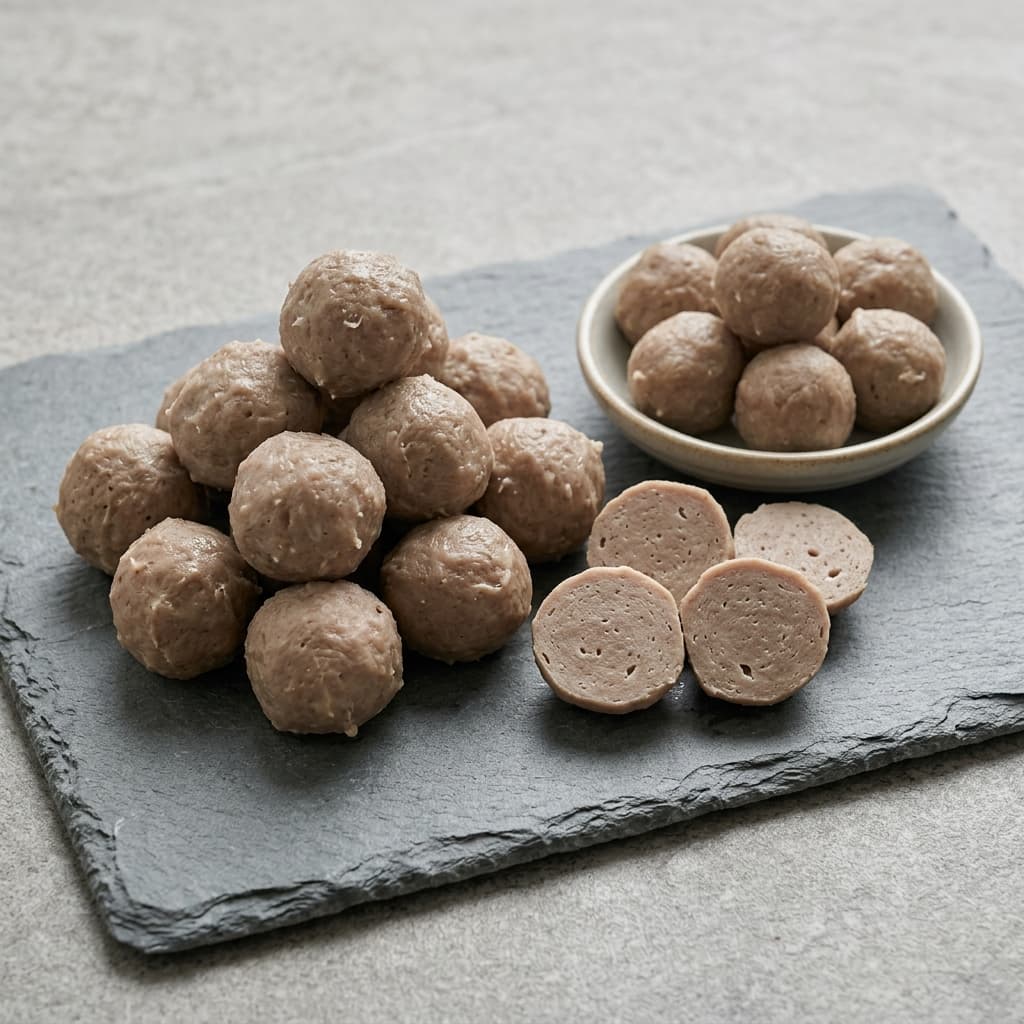
main protein and bounce
 Nearby Asian grocersSearch TozerbaSearch Asian PantryToko Nusantara
 Search Coles
 Search WoolworthsFind an ALDIFind an IGA
These links open searches, catalogues, or store locators. Check the exact form and local availability there.
Nearby traditional marketsPasar Jaya networkSuper Indo locationsRanch Market outletsHypermart online Search Sayurbox
 Search Tokopedia
 Search ShopeeOpen GrabMart
These links open searches, catalogues, or store locators. Check the exact form and local availability there.
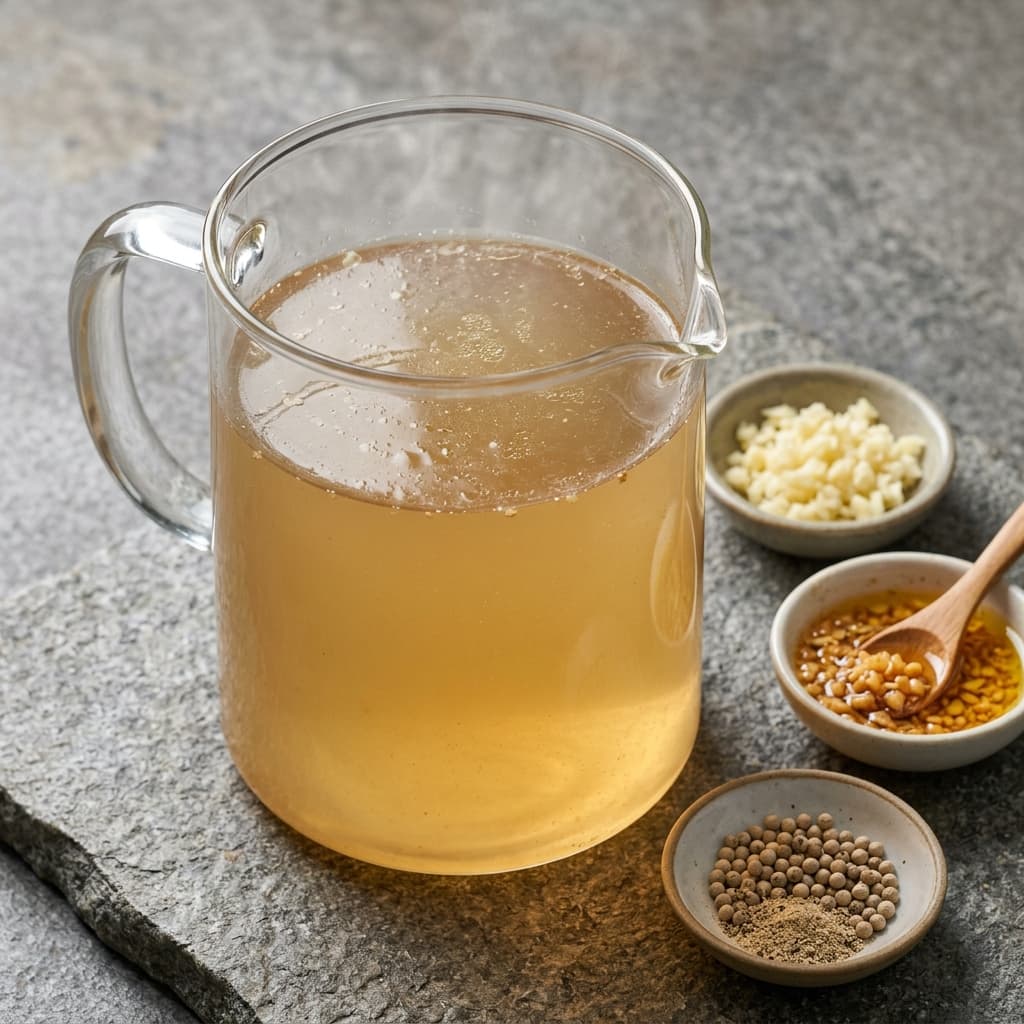
clear savoury broth
Nearby Asian grocersSearch TozerbaSearch Asian PantryToko NusantaraSearch ColesSearch WoolworthsFind an ALDIFind an IGAThese links open searches, catalogues, or store locators. Check the exact form and local availability there.
Nearby traditional marketsPasar Jaya networkSuper Indo locationsRanch Market outletsHypermart onlineSearch SayurboxSearch TokopediaSearch ShopeeOpen GrabMartThese links open searches, catalogues, or store locators. Check the exact form and local availability there.
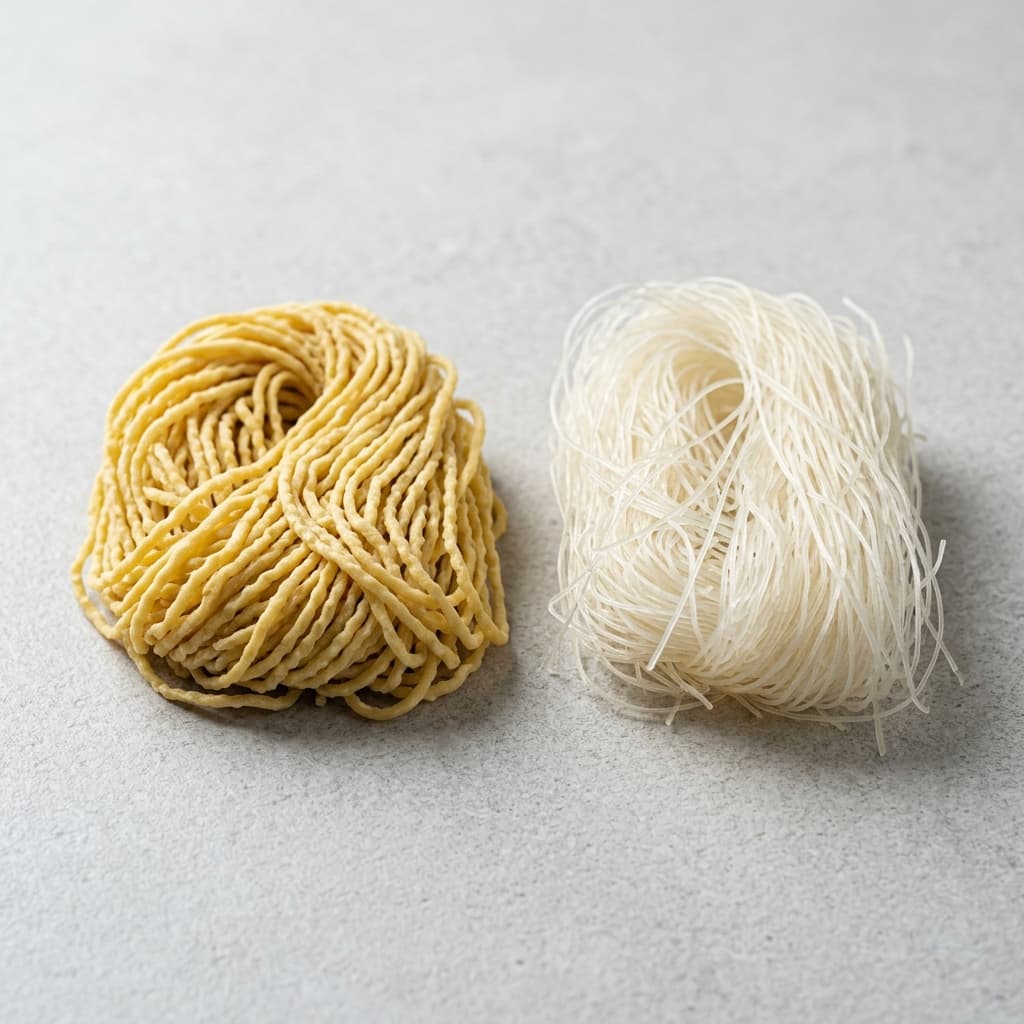
bowl base
Nearby Asian grocersSearch TozerbaSearch Asian PantryToko NusantaraSearch ColesSearch WoolworthsFind an ALDIFind an IGAThese links open searches, catalogues, or store locators. Check the exact form and local availability there.
Nearby traditional marketsPasar Jaya networkSuper Indo locationsRanch Market outletsHypermart onlineSearch SayurboxSearch TokopediaSearch ShopeeOpen GrabMartThese links open searches, catalogues, or store locators. Check the exact form and local availability there.
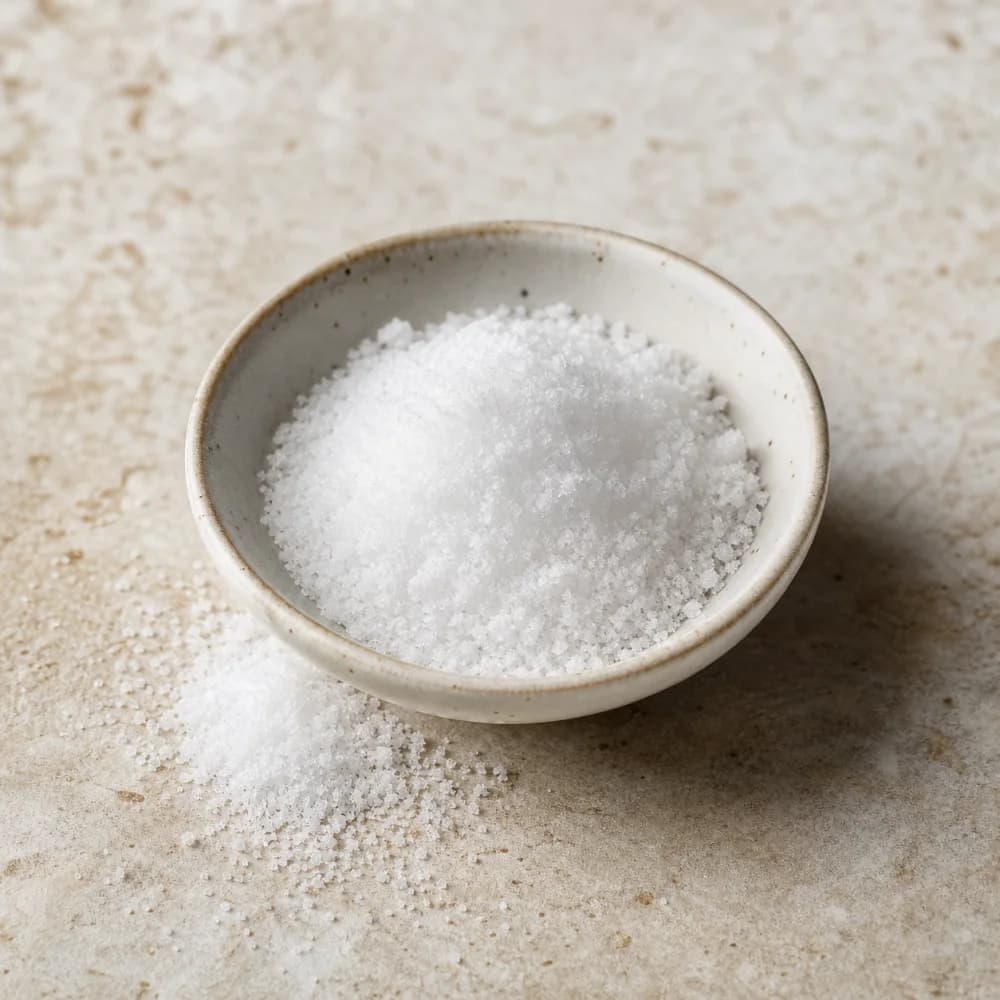
finishes the broth after stock concentration is checked
Nearby Asian grocersSearch TozerbaSearch Asian PantryToko NusantaraSearch ColesSearch WoolworthsFind an ALDIFind an IGAThese links open searches, catalogues, or store locators. Check the exact form and local availability there.
Nearby traditional marketsPasar Jaya networkSuper Indo locationsRanch Market outletsHypermart onlineSearch SayurboxSearch TokopediaSearch ShopeeOpen GrabMartThese links open searches, catalogues, or store locators. Check the exact form and local availability there.
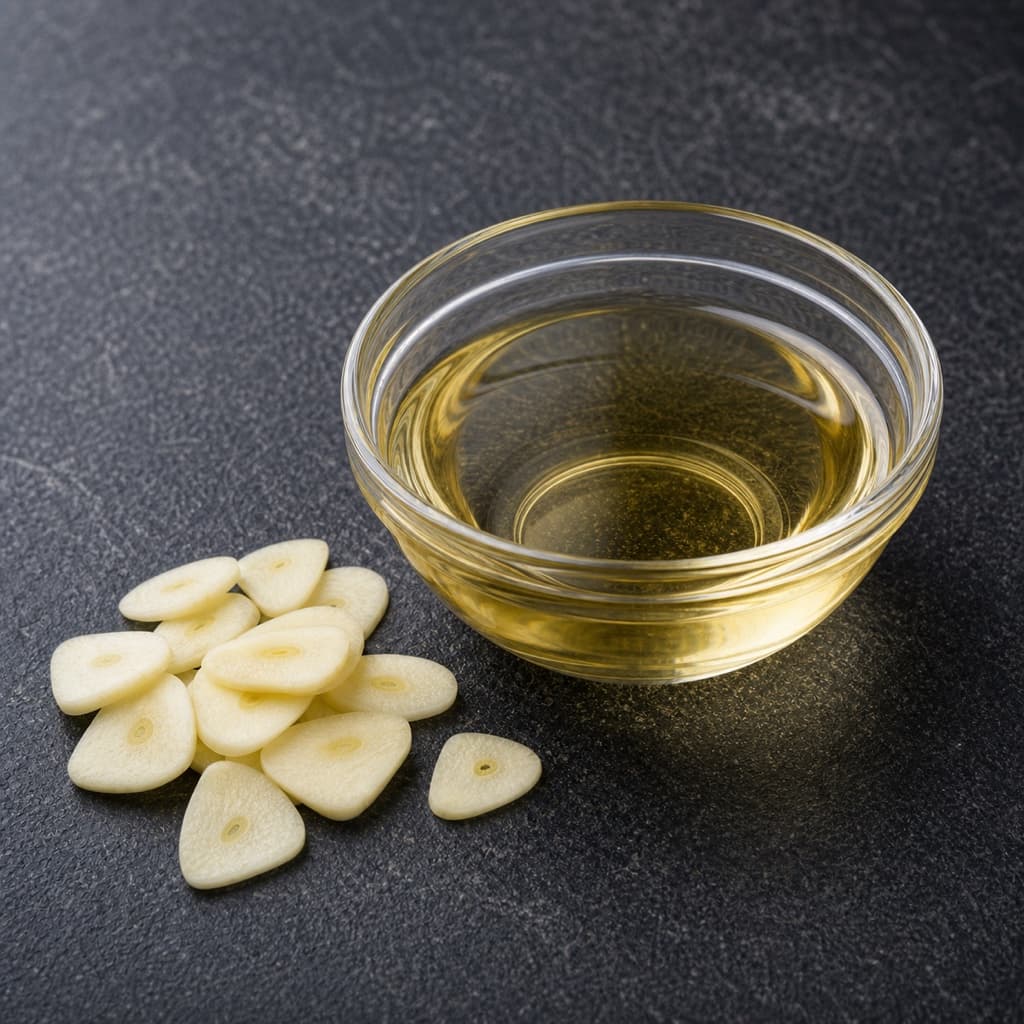
fries garlic into aromatic oil
Nearby Asian grocersSearch TozerbaSearch Asian PantryToko NusantaraSearch ColesSearch WoolworthsFind an ALDIFind an IGAThese links open searches, catalogues, or store locators. Check the exact form and local availability there.
Nearby traditional marketsPasar Jaya networkSuper Indo locationsRanch Market outletsHypermart onlineSearch SayurboxSearch TokopediaSearch ShopeeOpen GrabMartThese links open searches, catalogues, or store locators. Check the exact form and local availability there.
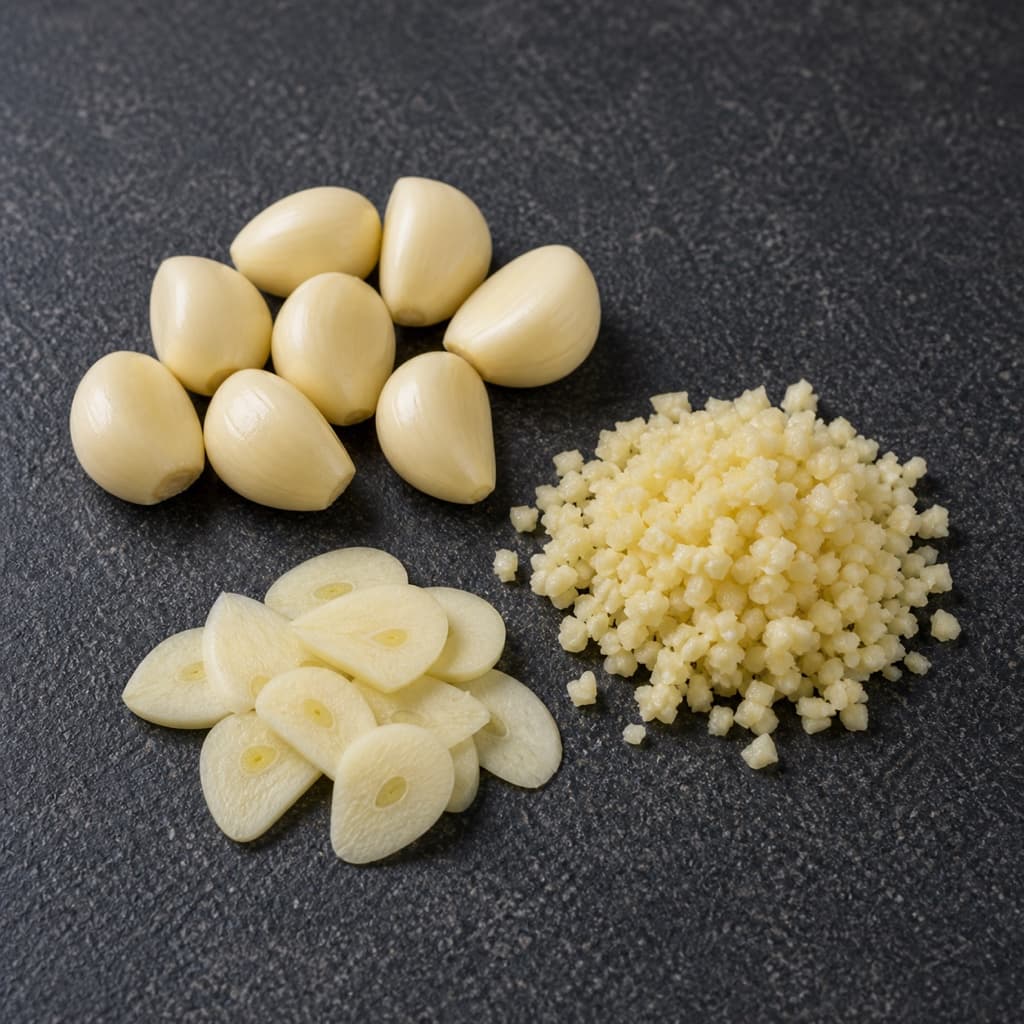
base for garlic oil and broth aroma
Nearby Asian grocersSearch TozerbaSearch Asian PantryToko NusantaraSearch ColesSearch WoolworthsFind an ALDIFind an IGAThese links open searches, catalogues, or store locators. Check the exact form and local availability there.
Nearby traditional marketsPasar Jaya networkSuper Indo locationsRanch Market outletsHypermart onlineSearch SayurboxSearch TokopediaSearch ShopeeOpen GrabMartThese links open searches, catalogues, or store locators. Check the exact form and local availability there.
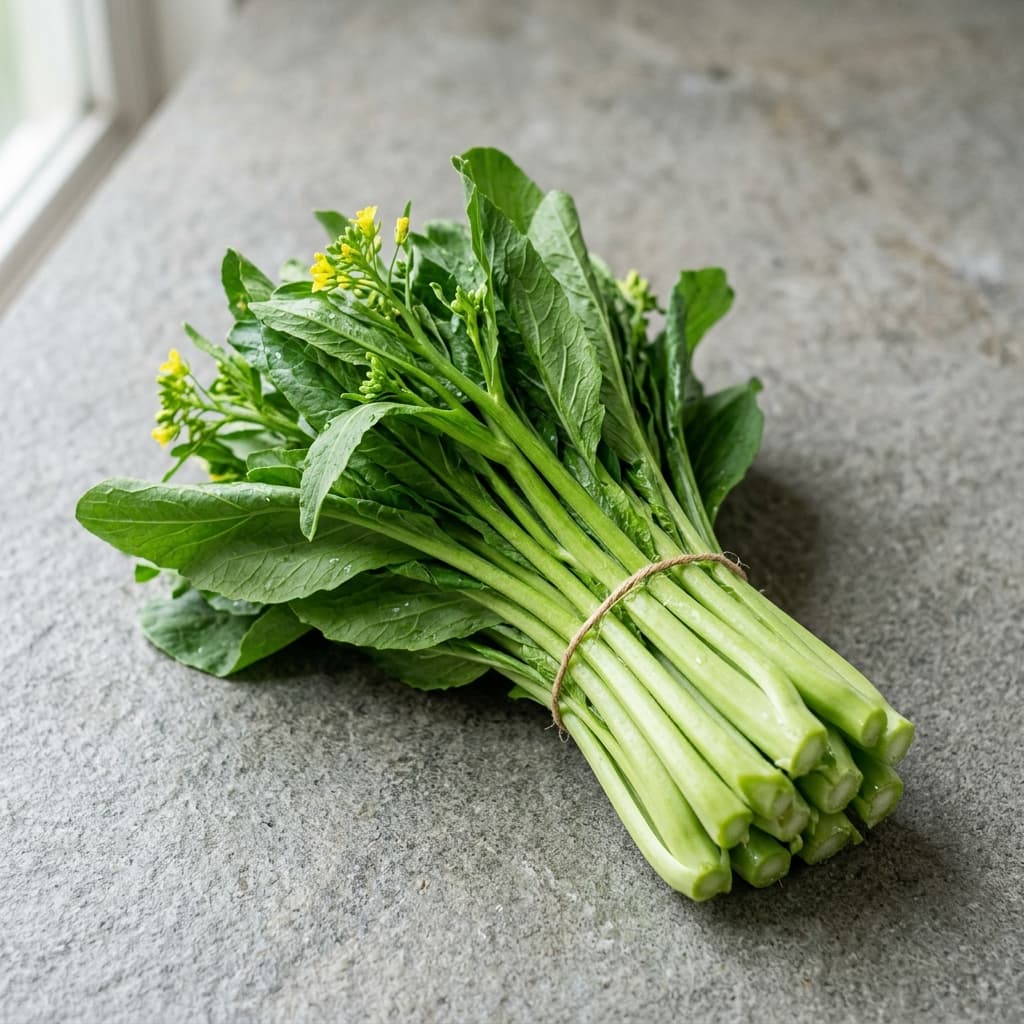
fresh bite
Nearby Asian grocersSearch TozerbaSearch Asian PantryToko NusantaraSearch ColesSearch WoolworthsFind an ALDIFind an IGAThese links open searches, catalogues, or store locators. Check the exact form and local availability there.
Nearby traditional marketsPasar Jaya networkSuper Indo locationsRanch Market outletsHypermart onlineSearch SayurboxSearch TokopediaSearch ShopeeOpen GrabMartThese links open searches, catalogues, or store locators. Check the exact form and local availability there.
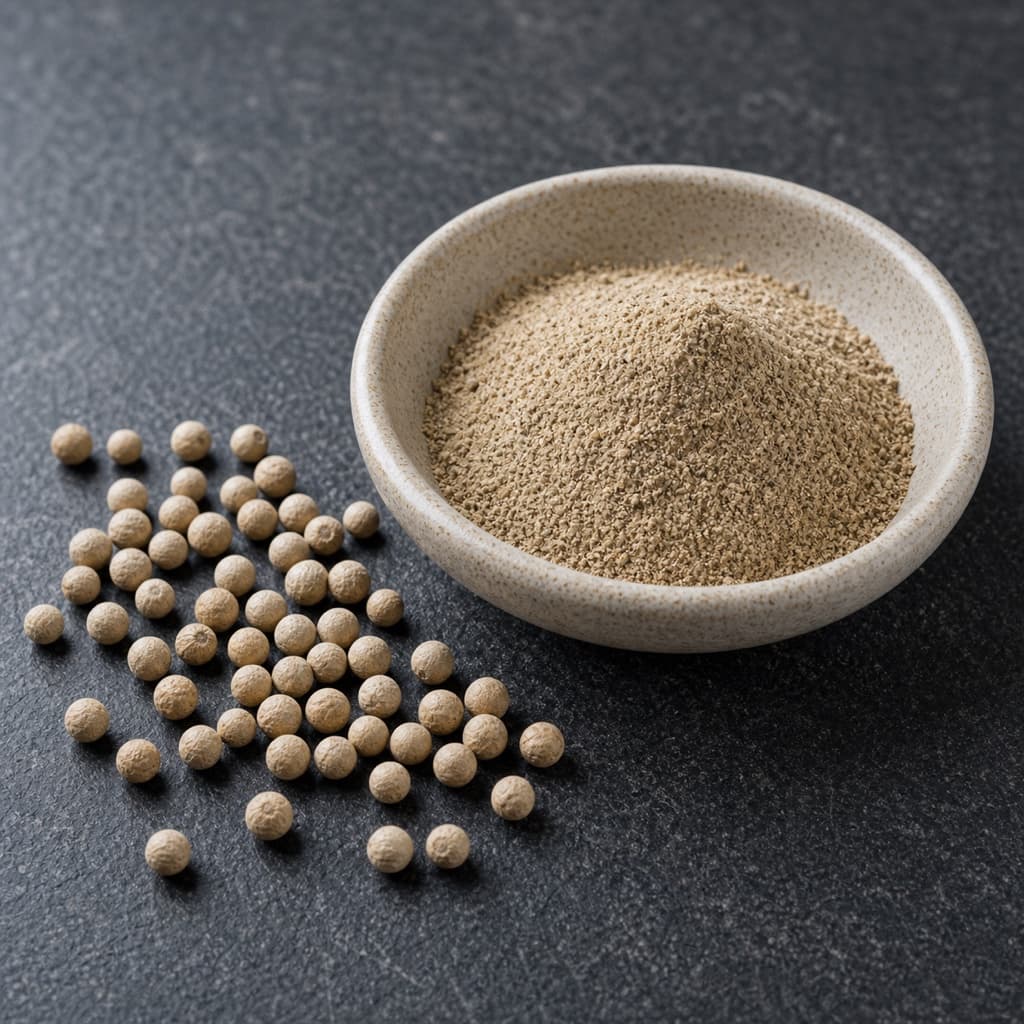
street-bowl pepper warmth
Nearby Asian grocersSearch TozerbaSearch Asian PantryToko NusantaraSearch ColesSearch WoolworthsFind an ALDIFind an IGAThese links open searches, catalogues, or store locators. Check the exact form and local availability there.
Nearby traditional marketsPasar Jaya networkSuper Indo locationsRanch Market outletsHypermart onlineSearch SayurboxSearch TokopediaSearch ShopeeOpen GrabMartThese links open searches, catalogues, or store locators. Check the exact form and local availability there.
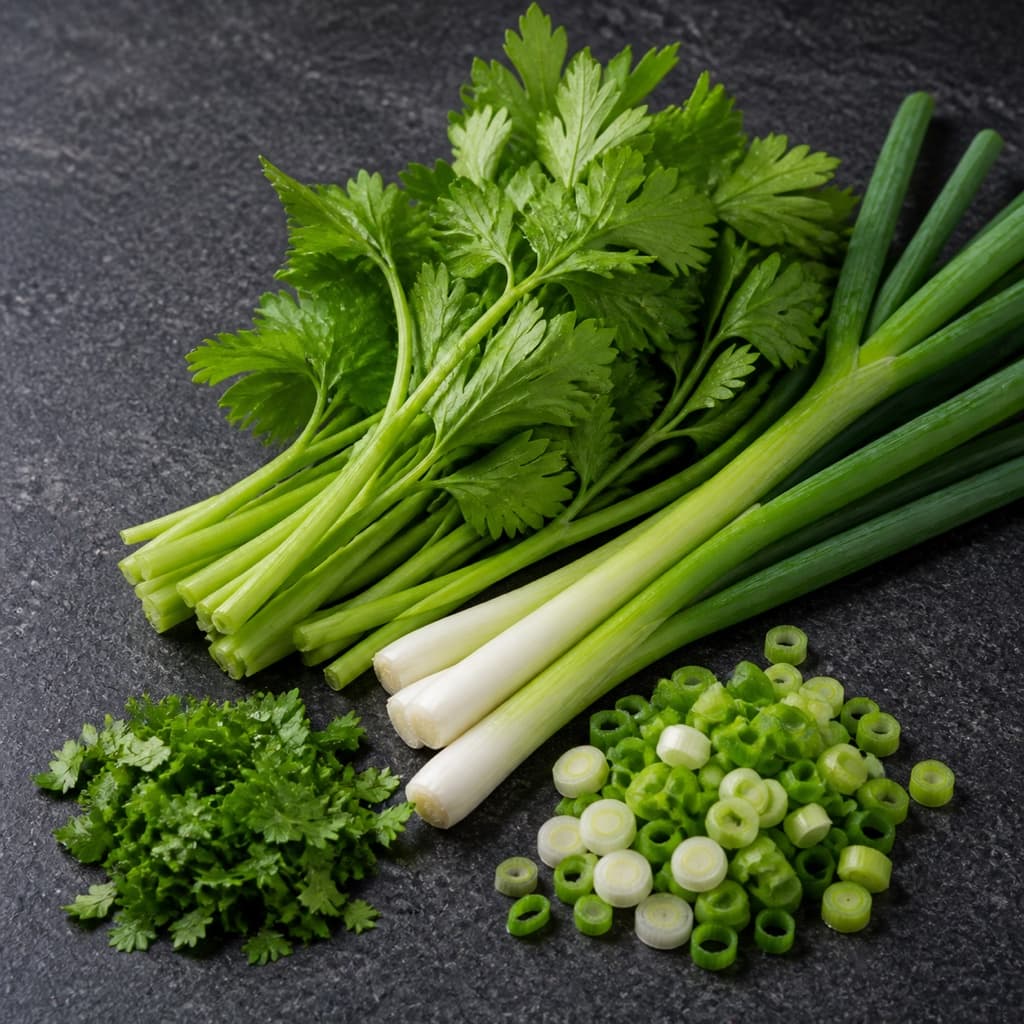
fresh green finish
Nearby Asian grocersSearch TozerbaSearch Asian PantryToko NusantaraSearch ColesSearch WoolworthsFind an ALDIFind an IGAThese links open searches, catalogues, or store locators. Check the exact form and local availability there.
Nearby traditional marketsPasar Jaya networkSuper Indo locationsRanch Market outletsHypermart onlineSearch SayurboxSearch TokopediaSearch ShopeeOpen GrabMartThese links open searches, catalogues, or store locators. Check the exact form and local availability there.
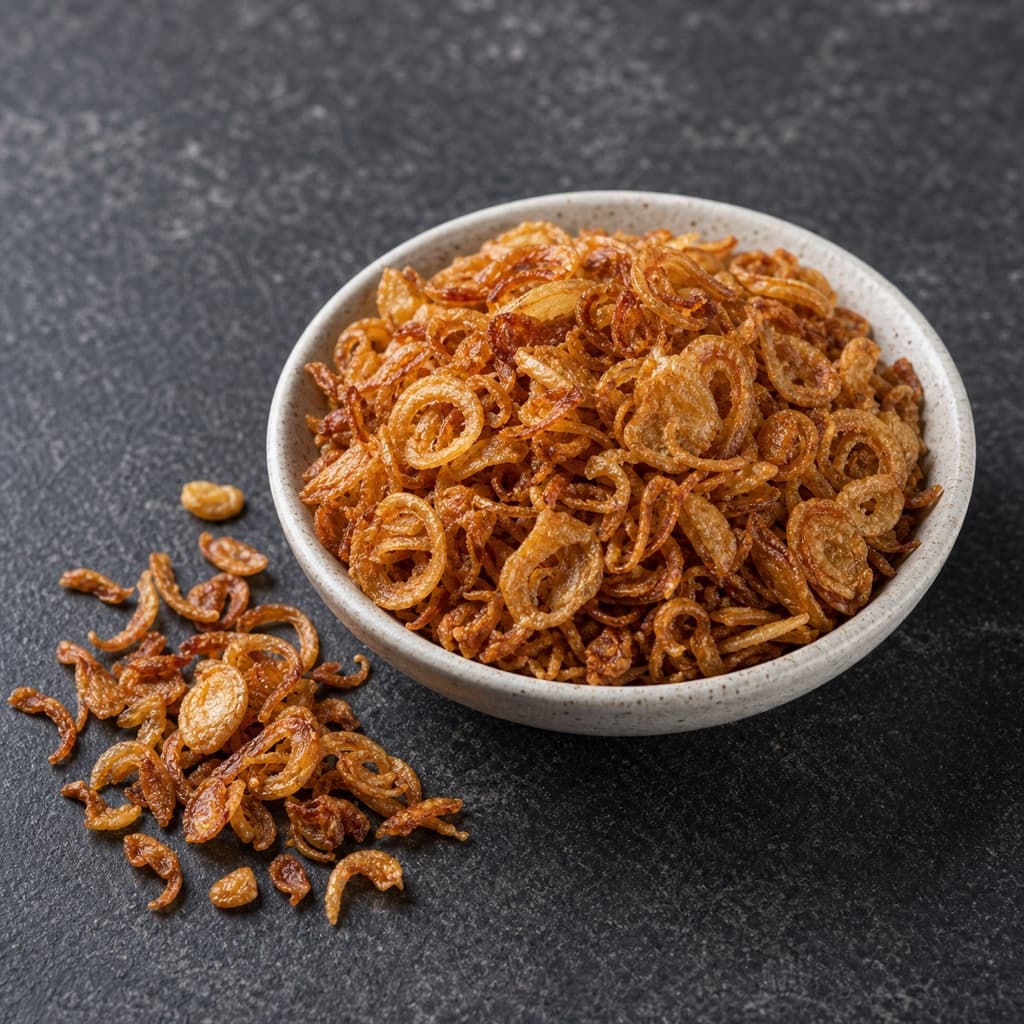
crunch and savoury top note
Nearby Asian grocersSearch TozerbaSearch Asian PantryToko NusantaraSearch ColesSearch WoolworthsFind an ALDIFind an IGAThese links open searches, catalogues, or store locators. Check the exact form and local availability there.
Nearby traditional marketsPasar Jaya networkSuper Indo locationsRanch Market outletsHypermart onlineSearch SayurboxSearch TokopediaSearch ShopeeOpen GrabMartThese links open searches, catalogues, or store locators. Check the exact form and local availability there.
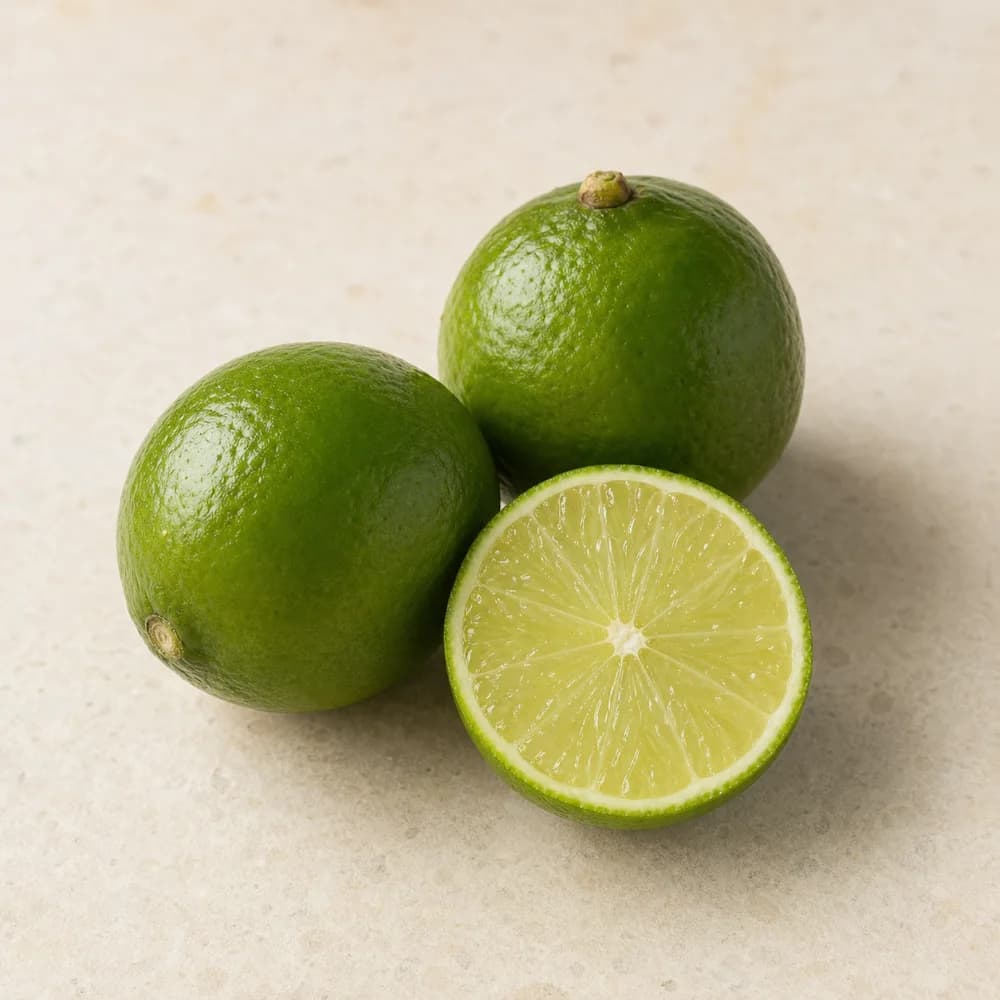
fresh acid added to individual bowls
Nearby Asian grocersSearch TozerbaSearch Asian PantryToko NusantaraSearch ColesSearch WoolworthsFind an ALDIFind an IGAThese links open searches, catalogues, or store locators. Check the exact form and local availability there.
Nearby traditional marketsPasar Jaya networkSuper Indo locationsRanch Market outletsHypermart onlineSearch SayurboxSearch TokopediaSearch ShopeeOpen GrabMartThese links open searches, catalogues, or store locators. Check the exact form and local availability there.
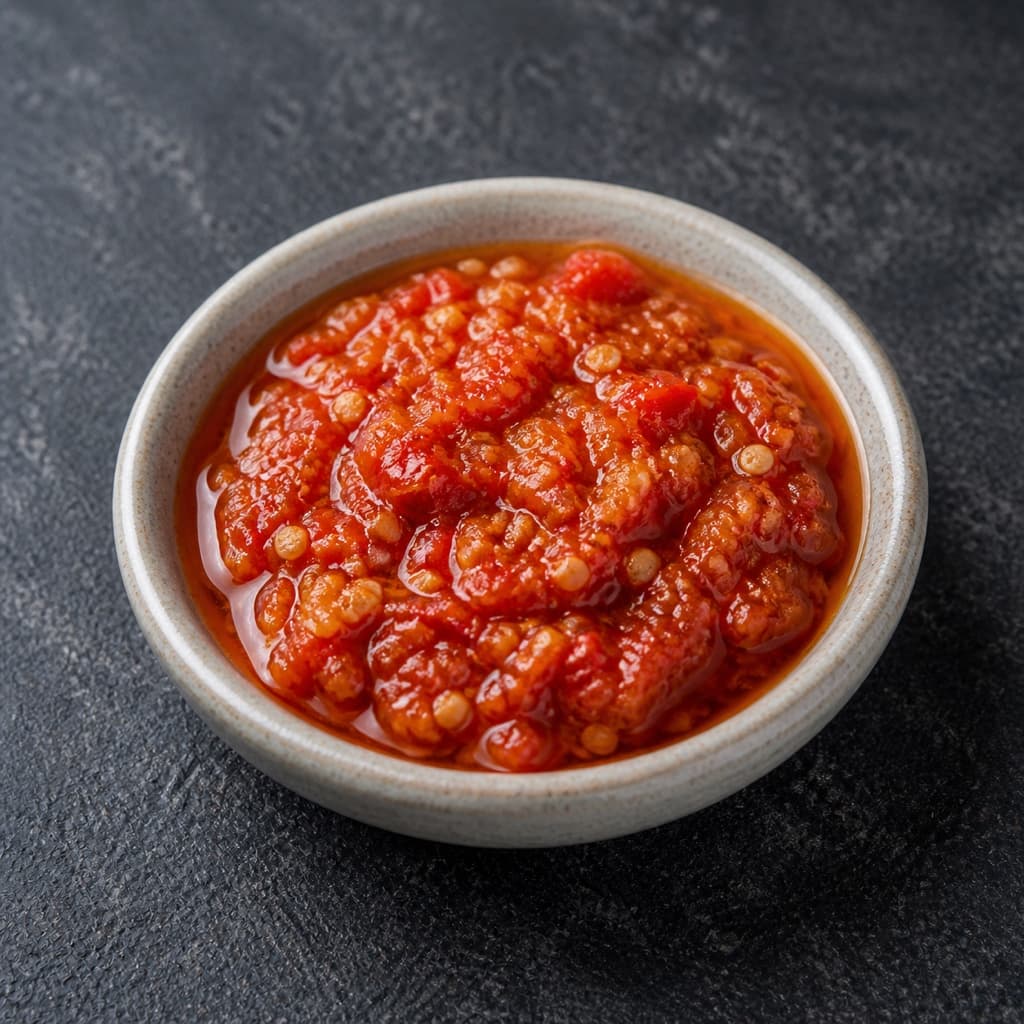
heat served at the table so the broth stays clean
Nearby Asian grocersSearch TozerbaSearch Asian PantryToko NusantaraSearch ColesSearch WoolworthsFind an ALDIFind an IGAThese links open searches, catalogues, or store locators. Check the exact form and local availability there.
Nearby traditional marketsPasar Jaya networkSuper Indo locationsRanch Market outletsHypermart onlineSearch SayurboxSearch TokopediaSearch ShopeeOpen GrabMartThese links open searches, catalogues, or store locators. Check the exact form and local availability there.
Melbourne and Jakarta
Current links help you search by the right ingredient name; they do not confirm a product, price, or stock level.
Start with an Indonesian or broader Asian grocer for garlic; use supermarkets or butchers for beef meatballs, beef stock.
Keep the bumbu balance before changing ingredients.
Keep garlic close to the recipe when it defines the cue.
Nearby Asian grocersSearch TozerbaSearch Asian PantryToko NusantaraSearch ColesSearch WoolworthsFind an ALDIFind an IGAThese links open searches, catalogues, or store locators. Check the exact form and local availability there.
Start with pasar stalls for bakso sapi, bawang putih; use supermarkets or online marketplaces for sealed pantry staples.
Keep the bumbu balance before changing ingredients.
Keep garlic close to the recipe when it defines the cue.
Nearby traditional marketsPasar Jaya networkSuper Indo locationsRanch Market outletsHypermart onlineSearch SayurboxSearch TokopediaSearch ShopeeOpen GrabMartThese links open searches, catalogues, or store locators. Check the exact form and local availability there.
Fix problems
The active method already includes its most likely mistake and recovery. Open the reference library when your question falls outside the current step.
Yes. Simmer gently and cut one open if the meatballs are large.
Clear broth, white pepper, garlic oil, fried shallot, and sambal at the end.
Make a clear, savoury bowl that does not taste watery. Look for clear soup with crisp topping: Noodles, greens, broth, then garlic oil and fried shallot.
Weak broth makes the whole bowl watery. Reduce uncovered and season in small rounds, checking the visual cue before adding more salt, sugar, or sauce.
Scale the measured ingredients with the serving count, then scale the vessel or work in batches. Keep the same visual finish - clear soup with crisp topping - rather than forcing the original timer.
Hold a gentle simmer and keep noodles and garnish separate until serving. If the surface turns violent, lower the heat before making another adjustment.
Next cooks
Recipes here share ingredients, bumbu logic, region, spice level, or weeknight patterns so the next cook reuses what you just learned.
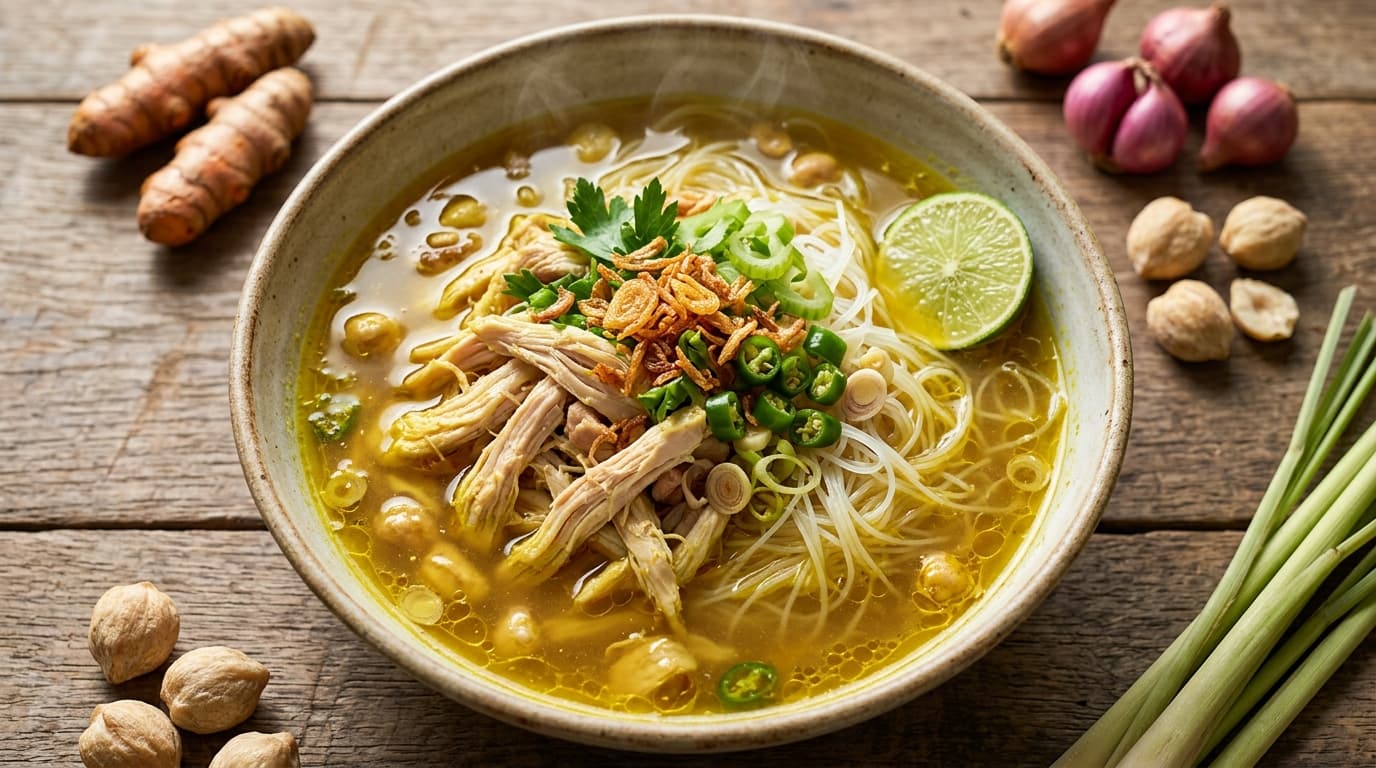 Java · BeginnerSoto AyamBuild a golden broth that tastes clean, not muddy.
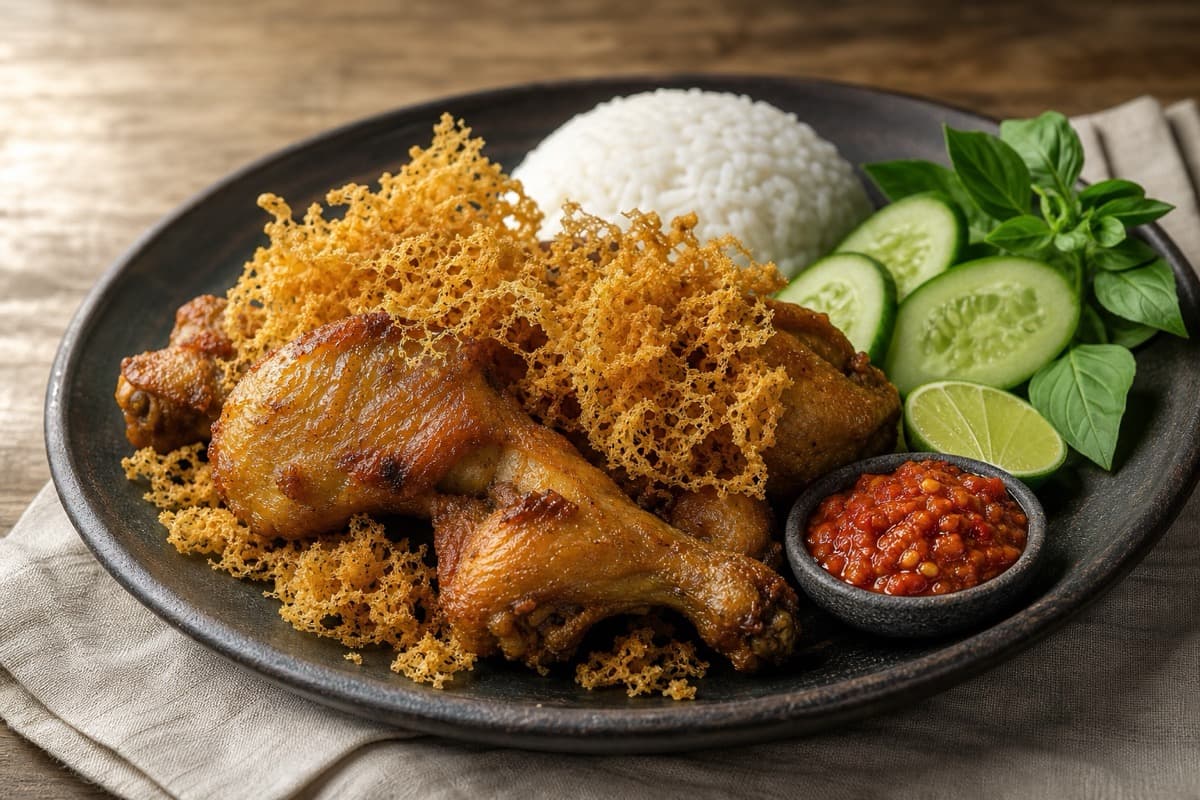 Yogyakarta · IntermediateAyam Goreng KalasanKeep the chicken juicy, the crust golden, and the kremes brittle - not greasy.
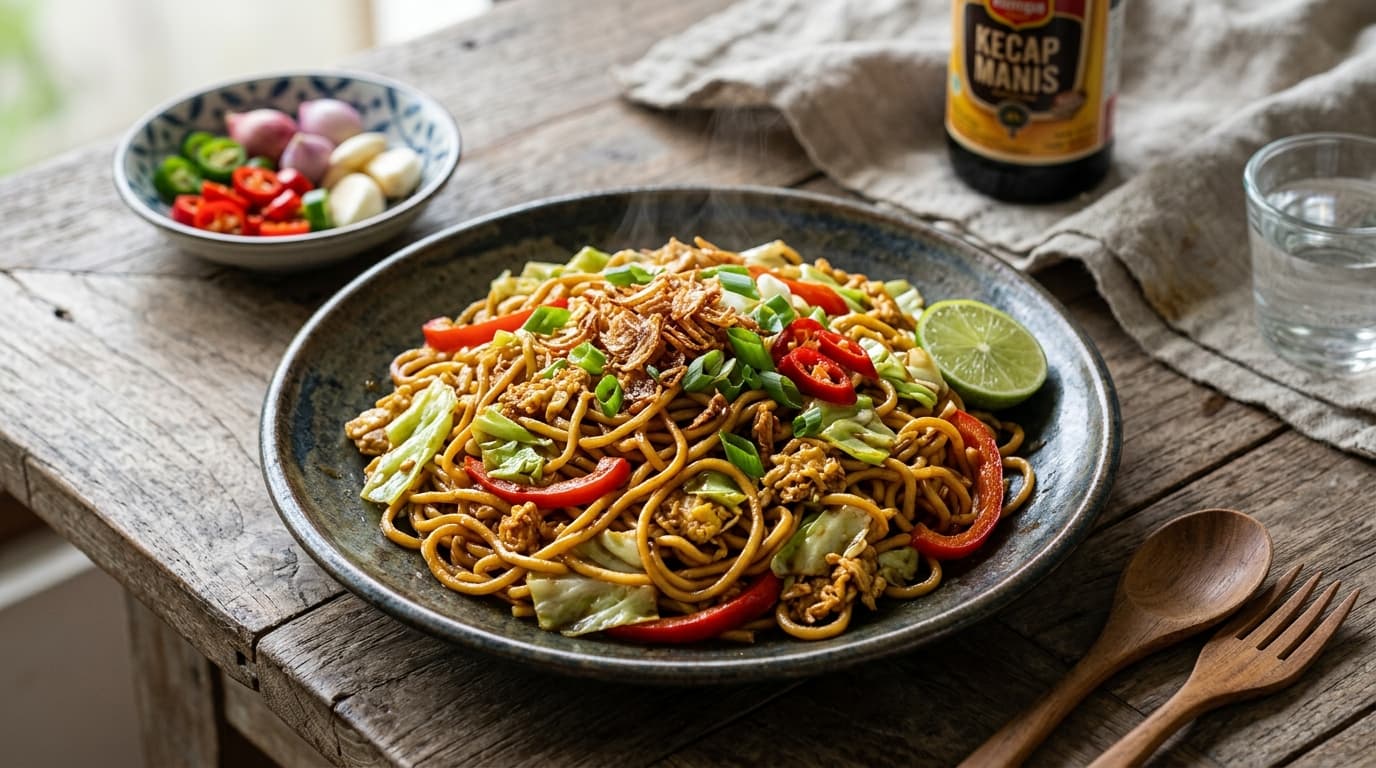 Indonesia · BeginnerMie GorengGet glossy noodles that stay springy.
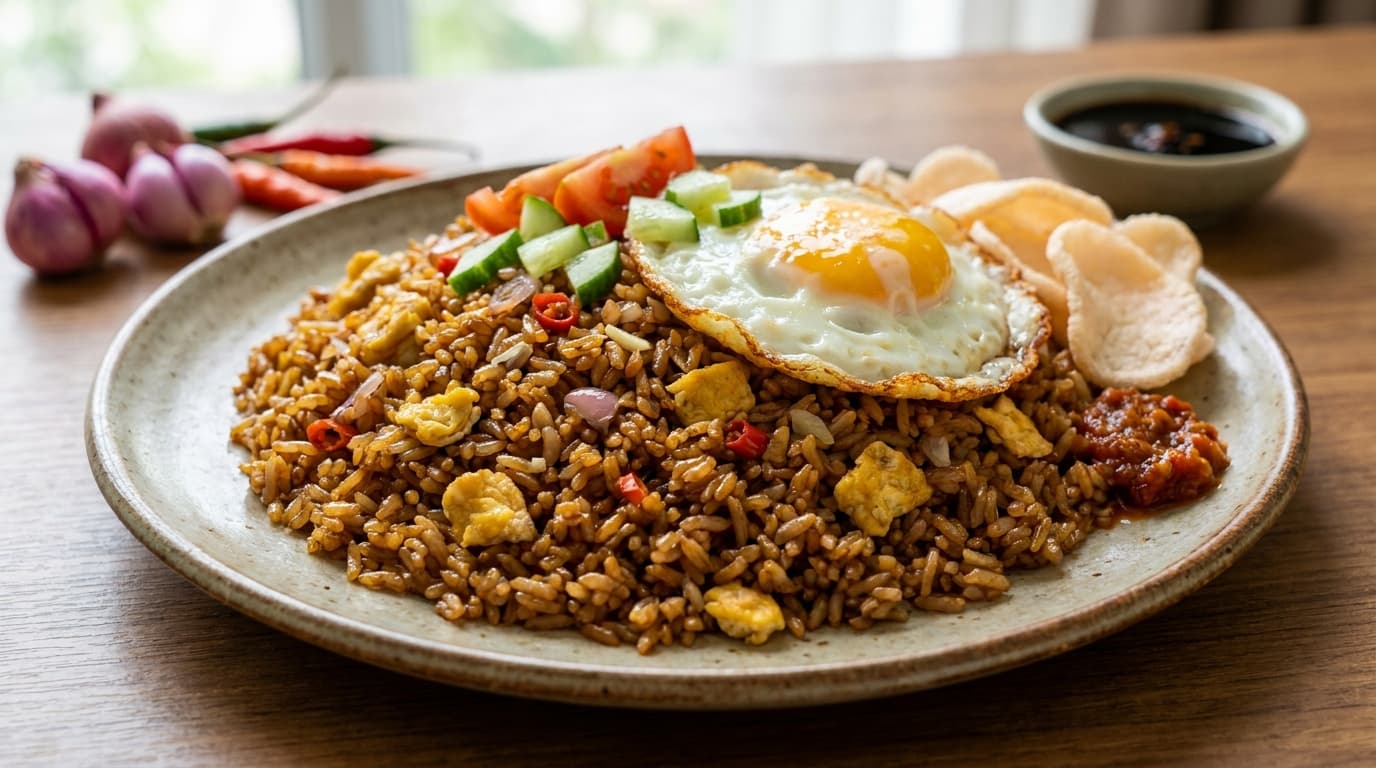 Indonesia · BeginnerNasi GorengGet separate grains and kecap gloss instead of sticky rice.
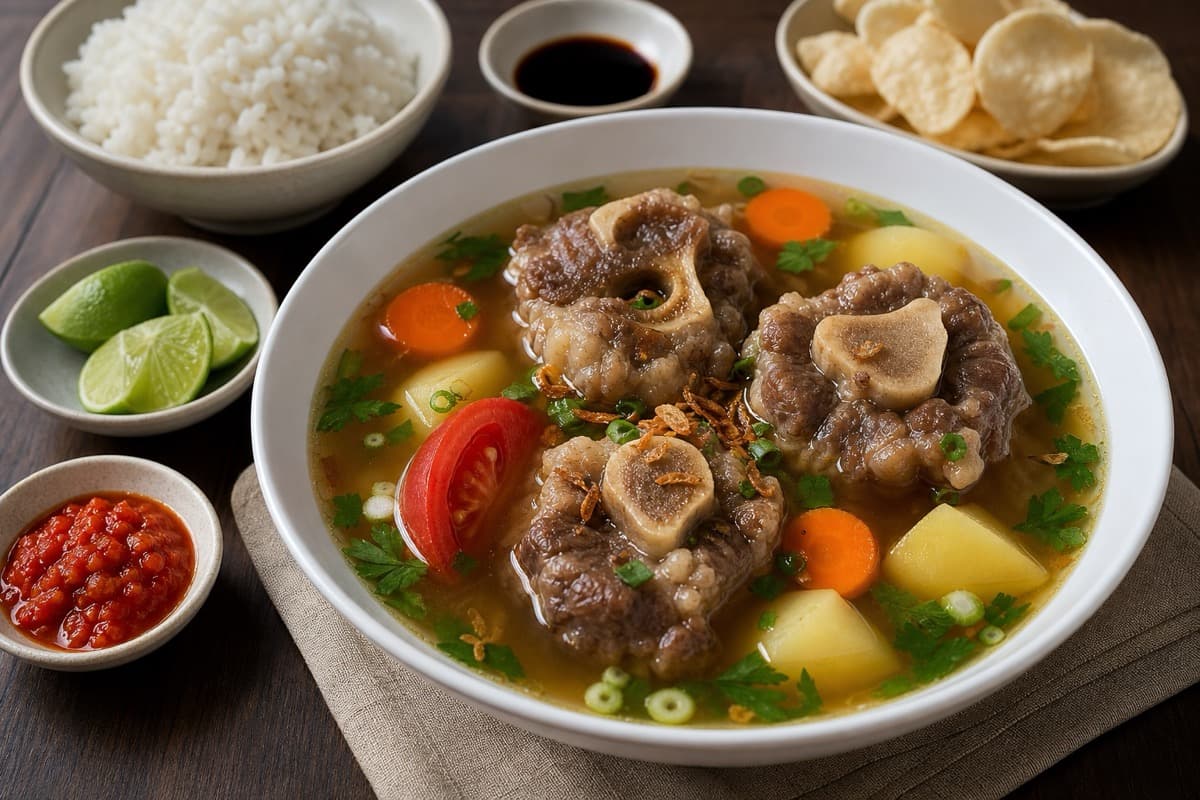 Jakarta · PatientSop BuntutBuild a clear amber broth and know exactly when oxtail is tender but still attached to the bone.
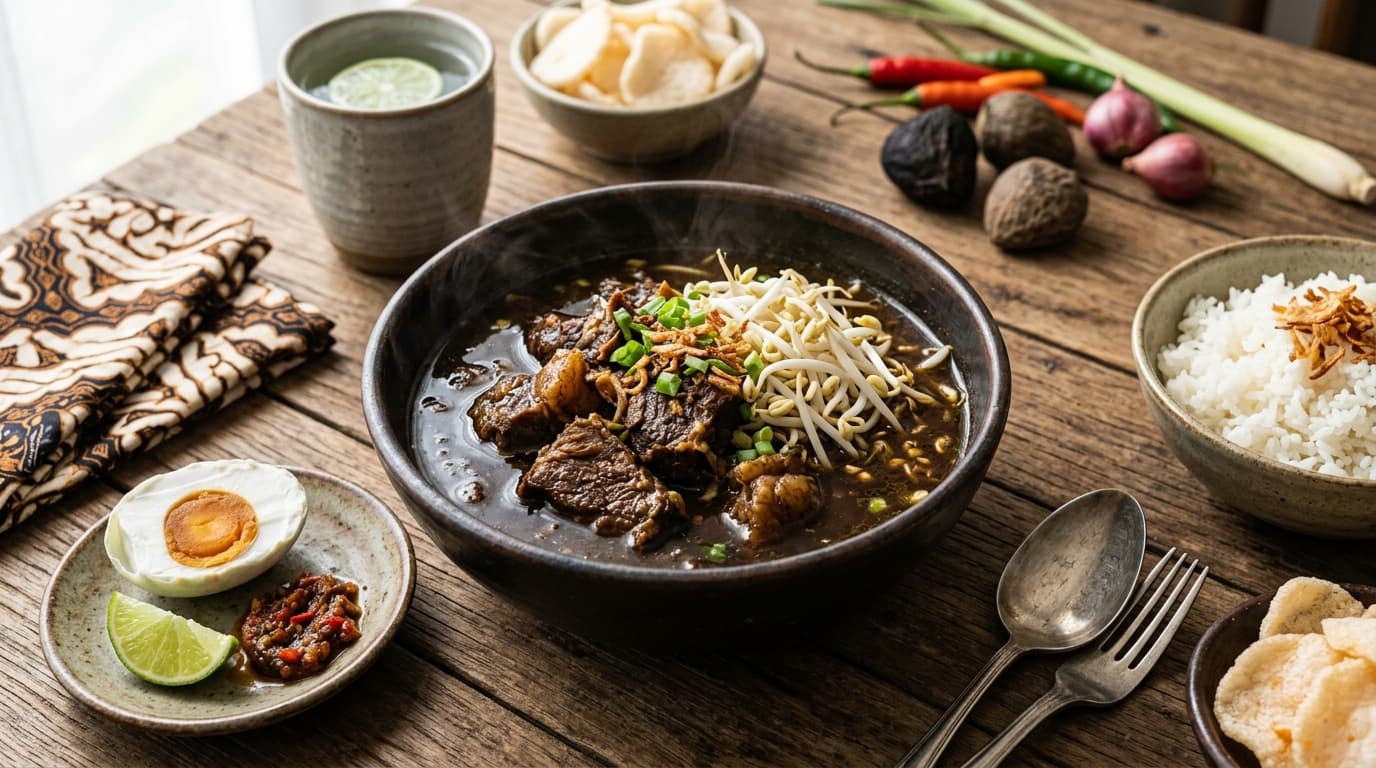 East Java · PatientRawonGet the deep black broth without bitterness.