Recipe 01 / 19
ID · Minangkabau
Rendang
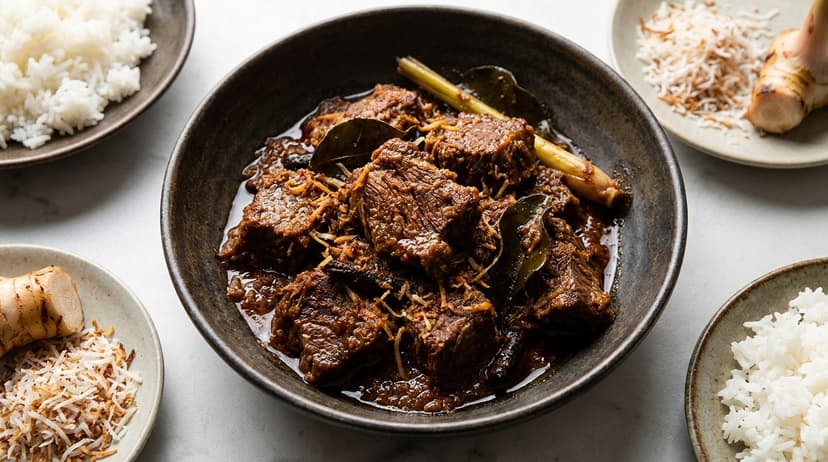
A patient coconut braise that turns from curry to dark, clinging spice paste. The lesson is heat control, not speed.
Know exactly when the coconut milk has reduced enough.
- Place & style
- Minangkabau / West Sumatra Indonesian · Main
- Yield
- 6 servings Beef · spice 4/5
- Time
- 3 hr 35 min 35 min prep · 3 hr cook
- Cook level
- Patient halal · freezer-friendly · slow cook
Bumbu / flavour foundation
bumbu merah, toasted coconut, lemongrass, galangal
The bumbu is cooked twice: first to remove raw aromatics, then slowly with coconut milk until oil separates and coats the beef.
Equipment
- heavy pot or Dutch oven
- blender or mortar
- wooden spatula
- splatter guard
Read the visual cue before each step. The clock is guidance; the food decides when you move.
01 · Market sheet
Know what you are buying.
Every ingredient is shown in context, named in English and Bahasa Indonesia, and tied to its job in the dish.Meat or seafoodDaging atau seafood
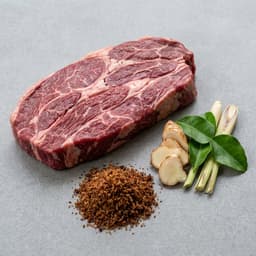
1 kg
beef chuck
daging sapi bagian sengkel/sandung lamur
collagen-rich cut that survives a long braise
Dry pantryBahan kering

800 ml
coconut milk
santan
fat, body, and the sauce that reduces into paste
Watch: Light coconut milk will not reduce with the same gloss.
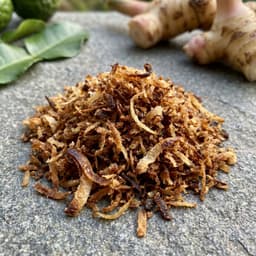
45 g
toasted coconut
kelapa sangrai
nutty body and final dark texture
Watch: Sweetened coconut makes the finish taste like dessert.
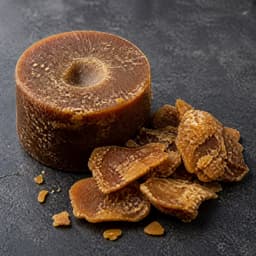
1 tbsp
palm sugar
gula aren
rounds bitterness without making the finish sweet
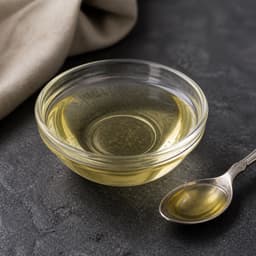
3 tbsp
neutral oil
minyak netral
helps the bumbu fry until glossy before coconut milk goes in

2 tsp
fine salt
garam halus
seasons the beef through the long reduction
Fresh produceSayur & bahan segar
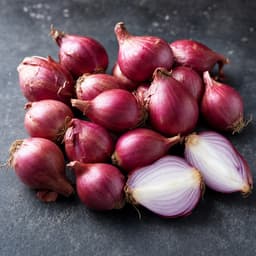
180 g
shallots
bawang merah
sweet base for the bumbu merah paste
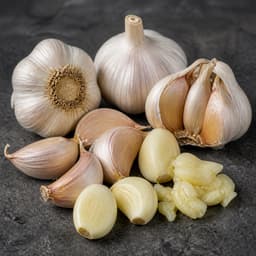
40 g
garlic
bawang putih
savoury base that must cook past its raw bite
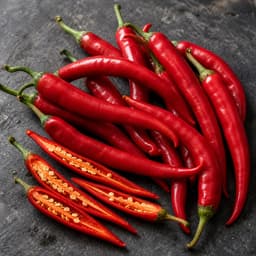
80 g
red chilli
cabai merah
colour and heat for the cooked red paste
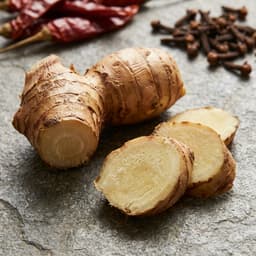
50 g
galangal
lengkuas
piney heat that makes rendang taste Indonesian, not generic curry
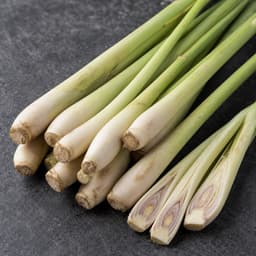
3 stalks
lemongrass
serai
citrus-grassy aroma through the long braise

8 leaves
makrut lime leaf
daun jeruk
citrus perfume through the long cook
02 · Method
Cook in order. Read the decisive cue.
5 stages · 3 hr 35 min total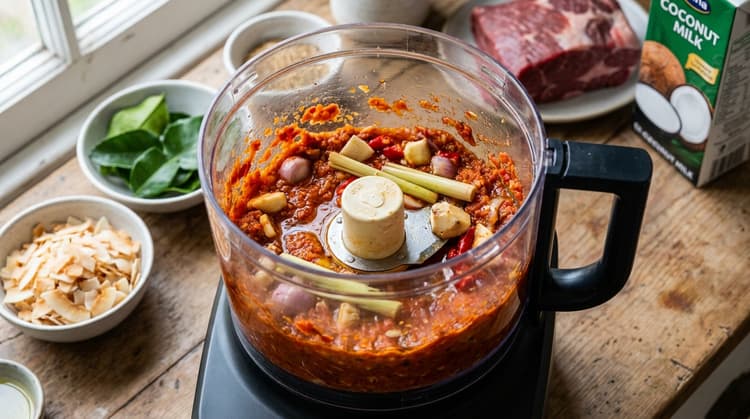
Stage 01
Blend the bumbu
Blend shallot, garlic, chilli, galangal, lemongrass, and 1 tablespoon of the measured oil. Reserve the remaining oil for frying.
- Move on when
- The paste should be wet, red, and sharp-smelling before heat.
- Common mistake
- Do not add beef before the raw onion and chilli smell has cooked out.
- Recovery
- Pause before the next step, compare the cue, then correct heat, moisture, or seasoning while the dish is still flexible.
Stage 02
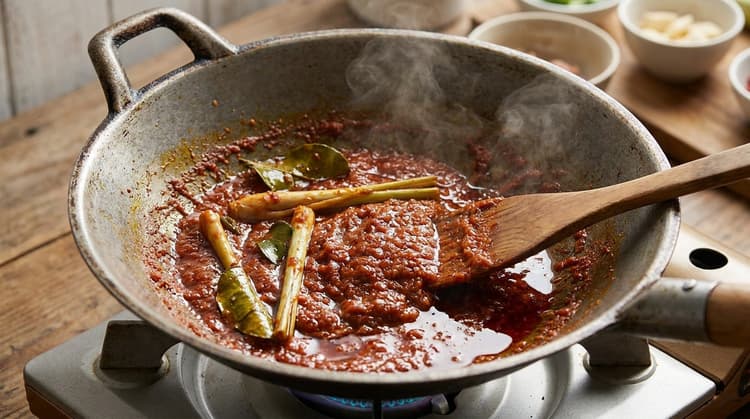
Fry until glossy
Cook the paste slowly with lime leaves until it darkens and oil appears around the edge.
- Move on when
- Brick-red paste, no raw garlic smell, visible oil ring.
- Common mistake
- If it sticks hard, lower heat and scrape before adding coconut milk.
- Recovery
- Pause before the next step, compare the cue, then correct heat, moisture, or seasoning while the dish is still flexible.
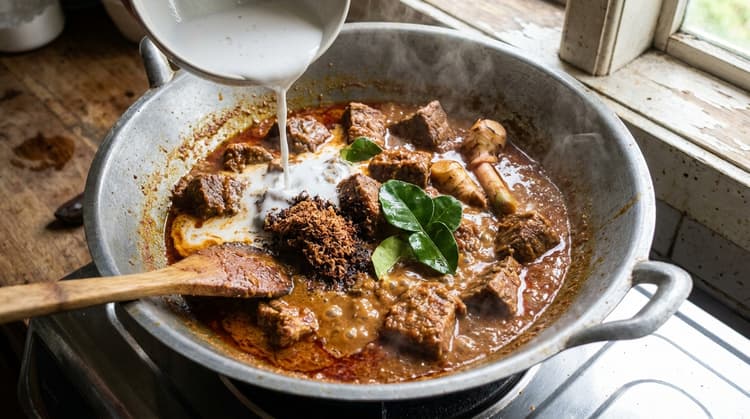
Stage 03
Braise the beef
Add beef, coconut milk, toasted coconut, palm sugar, and salt. Simmer gently, stirring every 15 minutes.
- Move on when
- Beef starts tender and sauce thickens from curry to kalio.
- Common mistake
- A rolling boil toughens beef and can split the coconut.
- Recovery
- Lower the heat immediately, skim or stir gently, and continue at a small simmer until the surface calms.
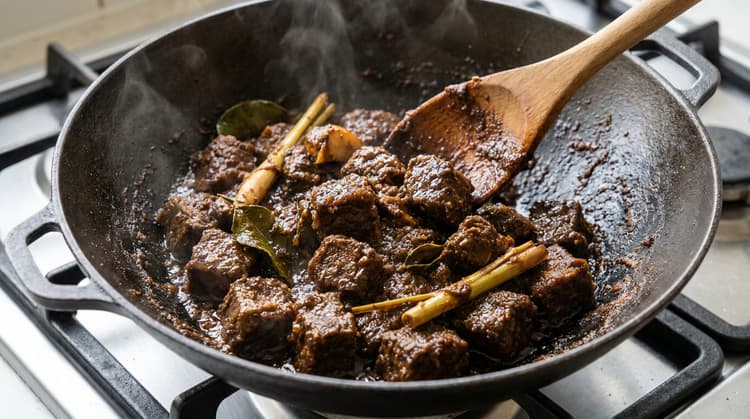
Stage 04
Reduce to dry rendang
Keep stirring more often as the pot dries until the paste clings to each cube.
- Move on when
- No loose sauce; the spoon drags through dark coconut paste.
- Common mistake
- The final stage burns quickly if the heat stays high.
- Recovery
- Move the pan off heat, scrape only the unburnt paste into a clean spot, add a small splash of oil or liquid, and restart gently.
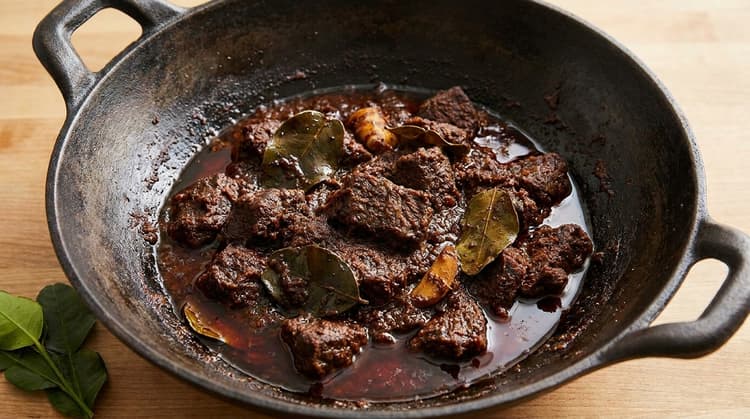
Stage 05
Rest before serving
Turn off the heat and rest so the oil settles and the beef absorbs the bumbu.
- Move on when
- The paste looks darker and tighter after resting.
- Common mistake
- Serving immediately can make the finish taste oily instead of deep.
- Recovery
- Pause before the next step, compare the cue, then correct heat, moisture, or seasoning while the dish is still flexible.
03 · Source & shop
Where the guidance comes from.
Technique guidance is stable editorial material. Prices, stock, and local availability should be rechecked before a special trip.Melbourne
- Best source: use an Indonesian or broader Asian grocer for beef chuck, coconut milk, shallots; buy beef chuck, coconut milk, toasted coconut from a supermarket or butcher if quality is better there.
- Hard-to-find watch: ask for the Bahasa names (daging sapi bagian sengkel/sandung lamur, santan, bawang merah) and keep coconut milk close to the recipe because it changes the identity of Rendang.
- Acceptable swaps: beef chuck: boneless short rib for a richer premium version; red chilli: milder long red chilli plus sambal at the table.
- Do not swap lightly: coconut milk, toasted coconut carries the dish cue and should stay close to the recipe.
- Fresh vs packaged: buy shallots, garlic, red chilli fresh or frozen from grocers; packaged coconut milk, toasted coconut, palm sugar is fine when labels are clean and dates are current.
Jakarta
- Best source: pasar stalls are the first stop for daging sapi bagian sengkel/sandung lamur, santan, bawang merah; use supermarkets for sealed pantry items, coconut products, noodles, and sauces.
- Hard-to-find watch: check freshness and supplier trust for daging sapi bagian sengkel/sandung lamur, santan, bawang merah, especially when the ingredient defines the dish.
- Acceptable swaps: beef chuck: boneless short rib for a richer premium version; red chilli: milder long red chilli plus sambal at the table.
- Do not swap lightly: coconut milk, toasted coconut carries the Minangkabau cue for Rendang; change it only after you understand the visual stage.
- Fresh vs packaged: buy herbs and aromatics fresh when possible, but packaged pantry staples are fine if the aroma is clean and the date is current.
Editorial provenance
Bango - Resep Rendang Manis
Cross-checks the beef, coconut, aromatic leaf, chilli, and slow-reduction structure.
Supports: beef and coconut base, slow reduction, aromatic leaf structure.
Boundary: Bango's version includes kecap manis; Bumbu Lens keeps the drier visual target and flags gloss, oil release, and final resting as the decisive cues.
Reviewed 2026-07-10Midori / Wikimedia Commons, CC BY 3.0

Used as a finished-dish visual reference only.
Supports: finished-dish appearance, image credit boundary.
Boundary: A finished-dish image does not validate ingredient quantities, timing, safety, or the method sequence.
Reviewed 2026-07-10Bumbu Lens editorial method audit
Reviewed Rendang as an ordered cook flow with visual cues, common mistakes, and recovery notes.
Supports: method sequence, visual checkpoints, mistake and recovery notes.
Boundary: Use this as editorial guidance; run a tested-kitchen pass before publishing nutrition, safety guarantees, or commercial pack quantities.
Reviewed 2026-07-10Bumbu Lens Melbourne/Jakarta sourcing heuristic
Mapped ingredient groups to likely Melbourne grocer, supermarket, butcher, pasar, and Jakarta supermarket paths.
Supports: Melbourne sourcing, Jakarta sourcing, volatile availability boundary.
Boundary: Ingredient availability, price, and store stock change; verify with local grocers before travel, bulk shopping, or holiday cooking.
Reviewed 2026-07-10Your next cook
Kitchen notes
Record the batch size, timing, substitutions, and visual cue you want to remember next time.