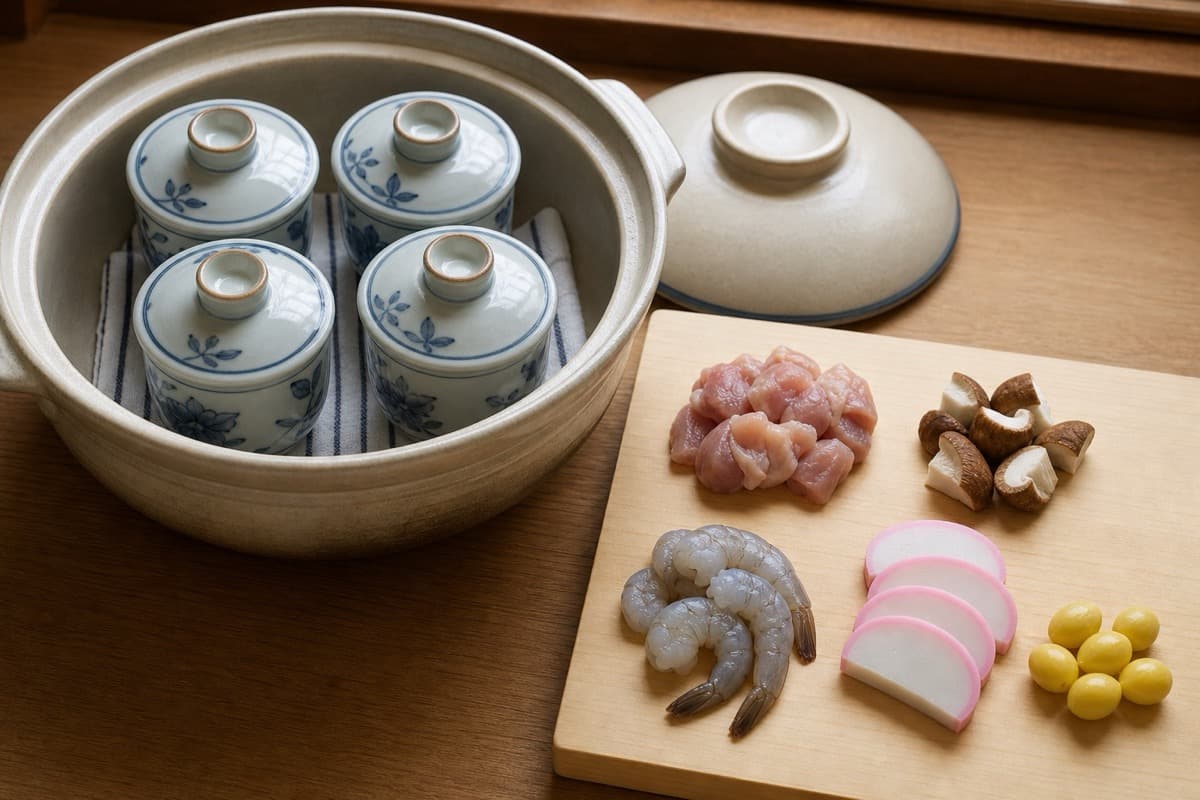
Fit the cups and cut fillings evenly
Cups sit level and stable; every chicken piece is small enough to heat at the same rate.
See this stepJP · Japan / washoku
Japanese steamed savoury egg custard made at a precise one-to-three egg-to-dashi ratio, hiding tender chicken, shrimp, shiitake, and kamaboko beneath a glossy surface.
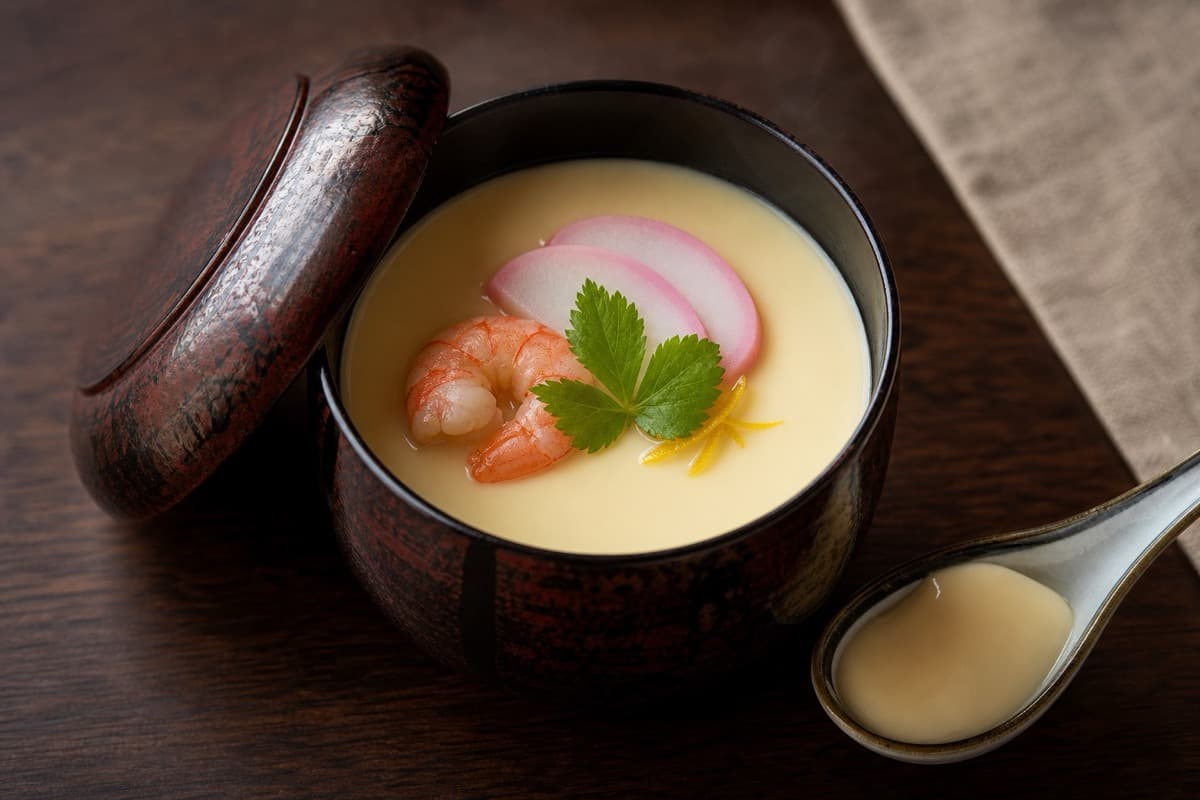
The transformation
Compare the colour, consistency, and cue at each stage.
Cups sit level and stable; every chicken piece is small enough to heat at the same rate.
See this step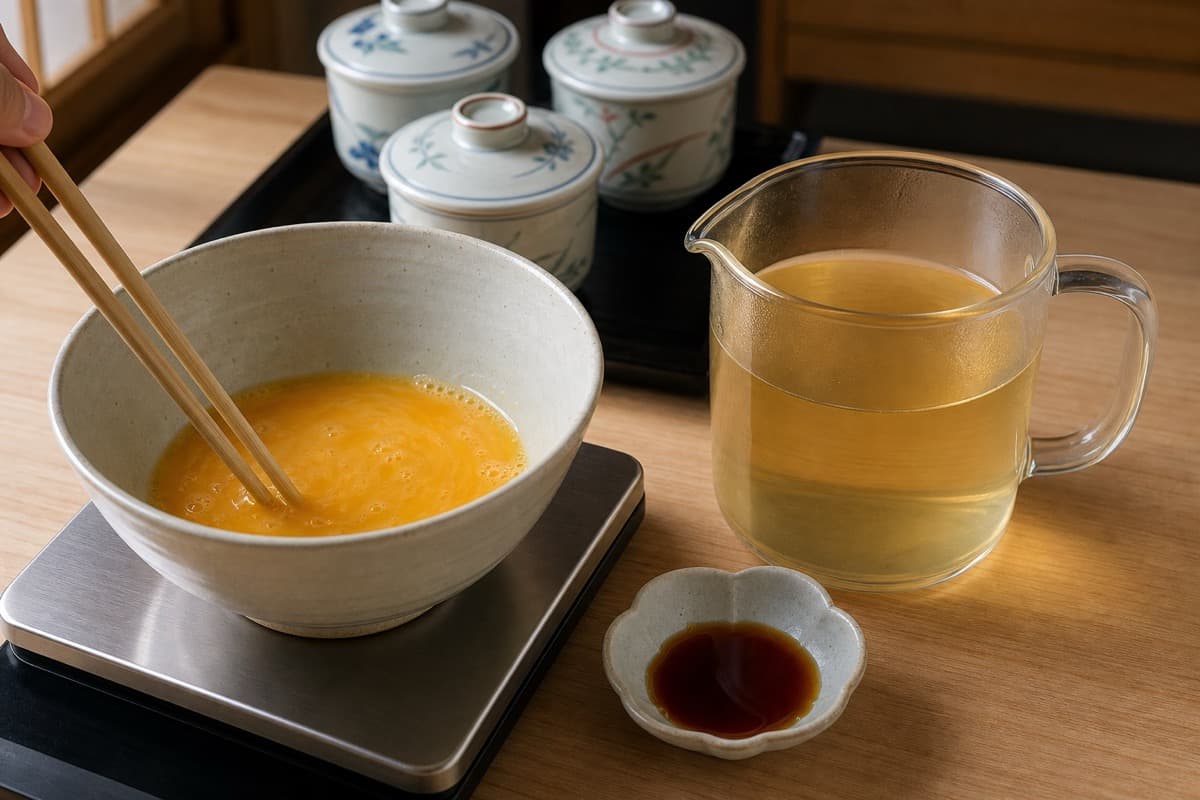
Egg and dashi are evenly combined at 1:3 by weight with almost no foam.
See this step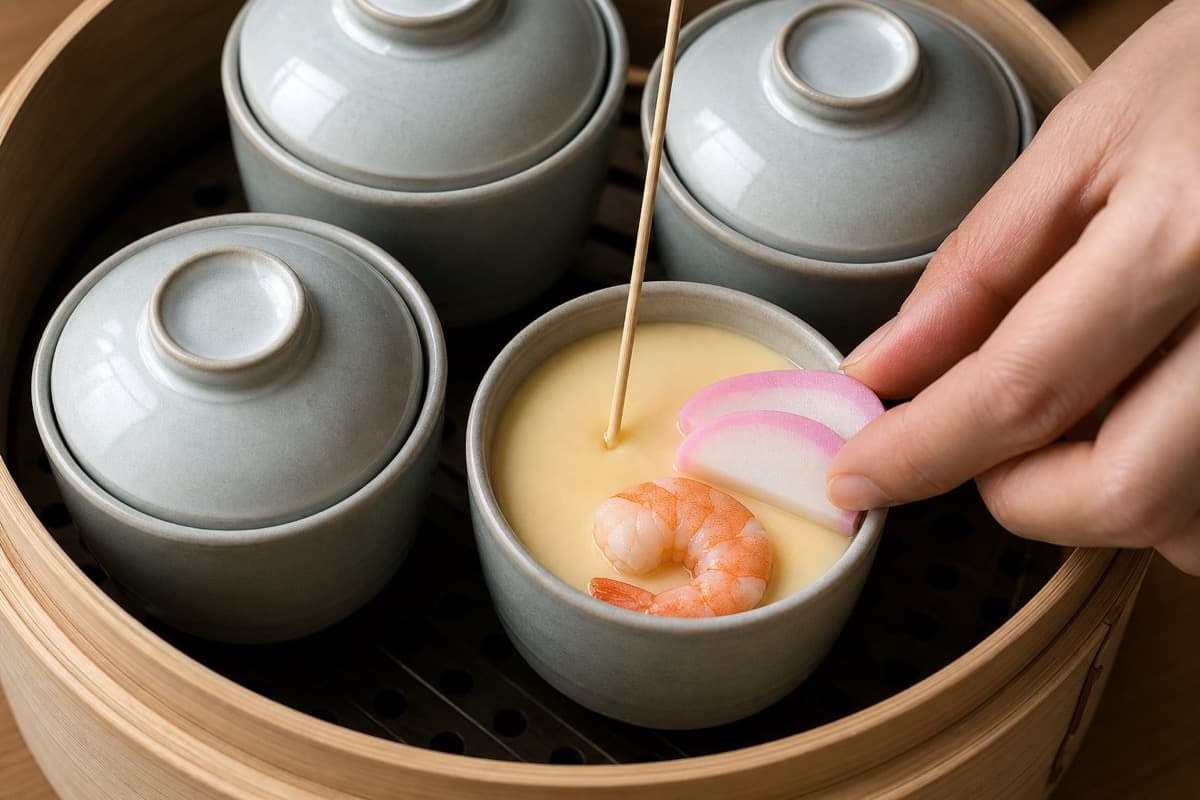
A skewer near the centre releases clear dashi, not milky egg; centre temperature is about 77–80°C.
See this stepFlavour foundation
Weighing one part egg to three parts room-temperature dashi controls the set. Gentle mixing, fine straining, covered cups, and a barely simmering water bath prevent foam and porous curdling.
Taste profile
A Japanese steamed soup eaten from its individual cooking cup with a spoon, not a sweet dairy custard.
Cook plan
Versions
Diet & allergens
Dietary notes: dairy-free, pescatarian option, vegetarian option, gluten-free adaptable.
Contains or may contain: egg, fish, crustacean, soy, wheat depending on kamaboko.
Check packaged-ingredient labels and cross-contamination advice for the brands you use.
Budget
Planning estimate only · not live or locally verified pricing
What belongs where
Chawanmushi is Japanese and does not need an Indonesian bumbu or sambal label. Its flavour architecture is dashi, a precisely seasoned egg custard, pre-cooked fillings, and a restrained fresh garnish.
だし · kaldu dashi
egg + dashi mixture
具材 · gu-zai
yakumi
Storage notes are conservative home-kitchen guidance. Chill perishable food within 2 hours, keep it at 5°C or colder, and follow local food-safety and package directions when they are stricter.
Step-by-step method
Read the action and cue together. Move on when the food matches the cue.
Before filling anything, confirm all four cups fit without touching and the pot lid closes. Place a folded thin cloth or silicone rack beneath them. Cut chicken into eight even 1.5 cm pieces, slice shiitake 4–5 mm thick, and keep small shrimp whole.
Common mistake: Crowded cups rattle and large raw chicken pieces heat too slowly.
Recovery: Pause before the next step, compare the cue, then correct heat, moisture, or seasoning while the dish is still flexible.
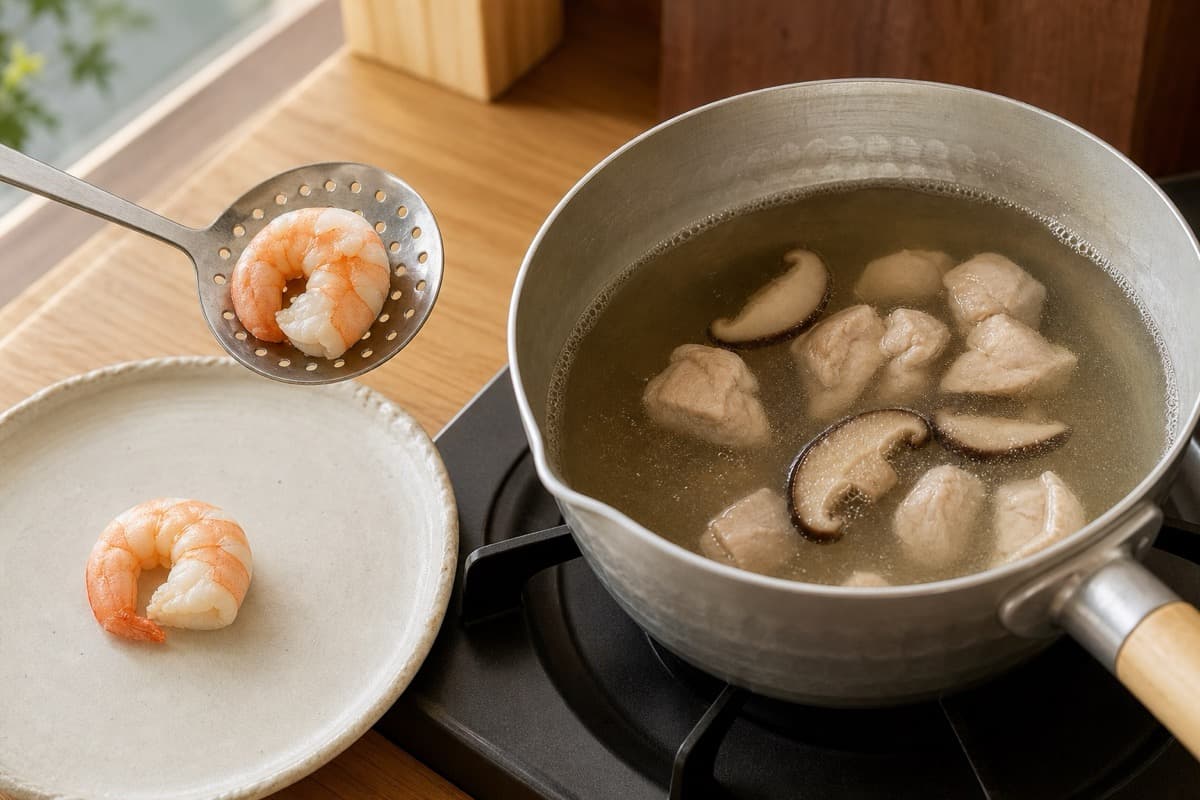
Bring 150 ml dashi and 5 g soy to a gentle simmer. Cook chicken 3–4 minutes to 74°C, adding shiitake for the final 2 minutes. Remove both, then poach shrimp 60–90 seconds until pearly and opaque. Cool the fillings and discard the cloudy poaching liquid rather than adding it to custard.
Common mistake: Leaving shrimp for the full steam makes it rubbery; raw watery fillings weaken the set.
Recovery: Spread the food out, raise heat only after moisture drops, and hold back extra sauce until the pan is frying again.
Combine 450 g room-temperature dashi with 10 g soy, mirin, and salt. Weigh shelled eggs: for any amount other than 150 g, use exactly three times that weight of seasoned dashi. Break yolks, then stir side-to-side with chopsticks against the bowl bottom instead of whisking air in.
Common mistake: Counting eggs without weighing changes the ratio; hot dashi makes stringy scrambled flecks.
Recovery: Pause before the next step, compare the cue, then correct heat, moisture, or seasoning while the dish is still flexible.
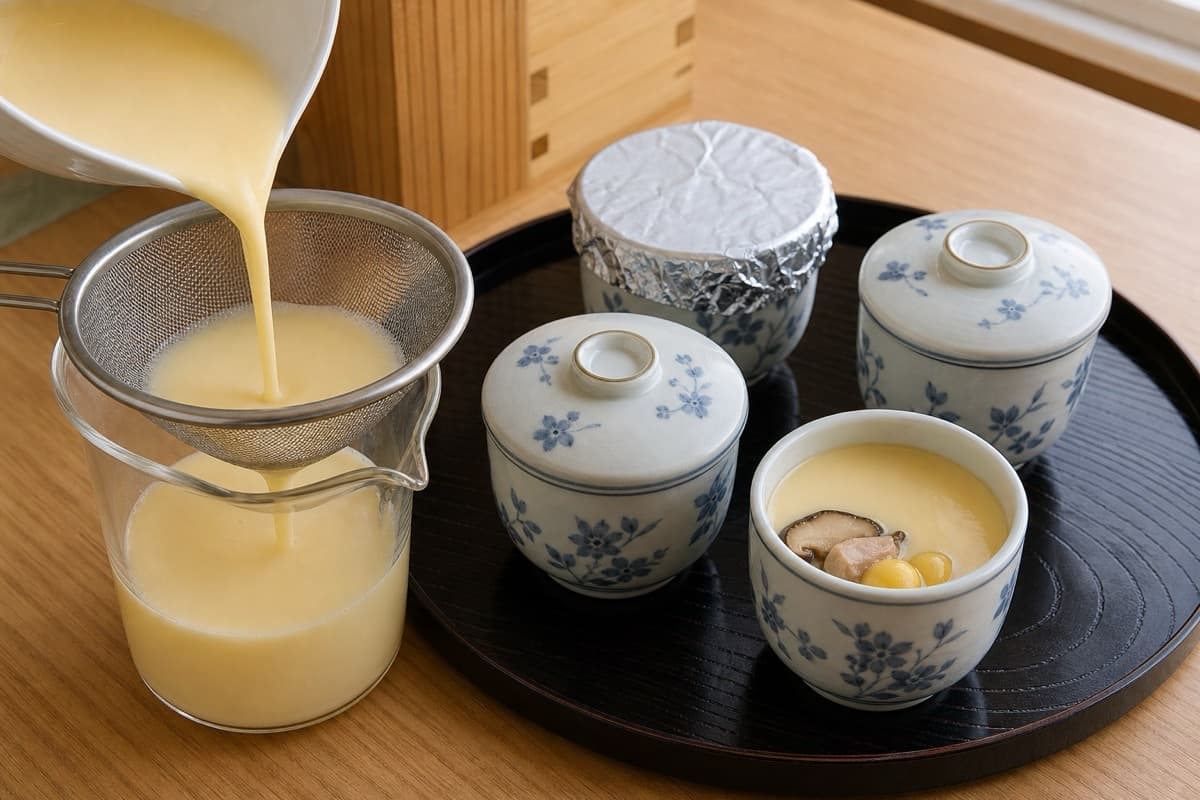
Add seasoned dashi to egg in three additions, stirring gently. Pass through a fine sieve into a jug and skim bubbles. Divide chicken, shiitake, and optional ginkgo among cups; add about 155 g custard to each with 1–1.5 cm headspace. Pop bubbles and cover every cup with its lid or foil.
Common mistake: Unstrained white makes streaks; uncovered cups collect drips that pit and dilute the surface.
Recovery: Pause before the next step, compare the cue, then correct heat, moisture, or seasoning while the dish is still flexible.
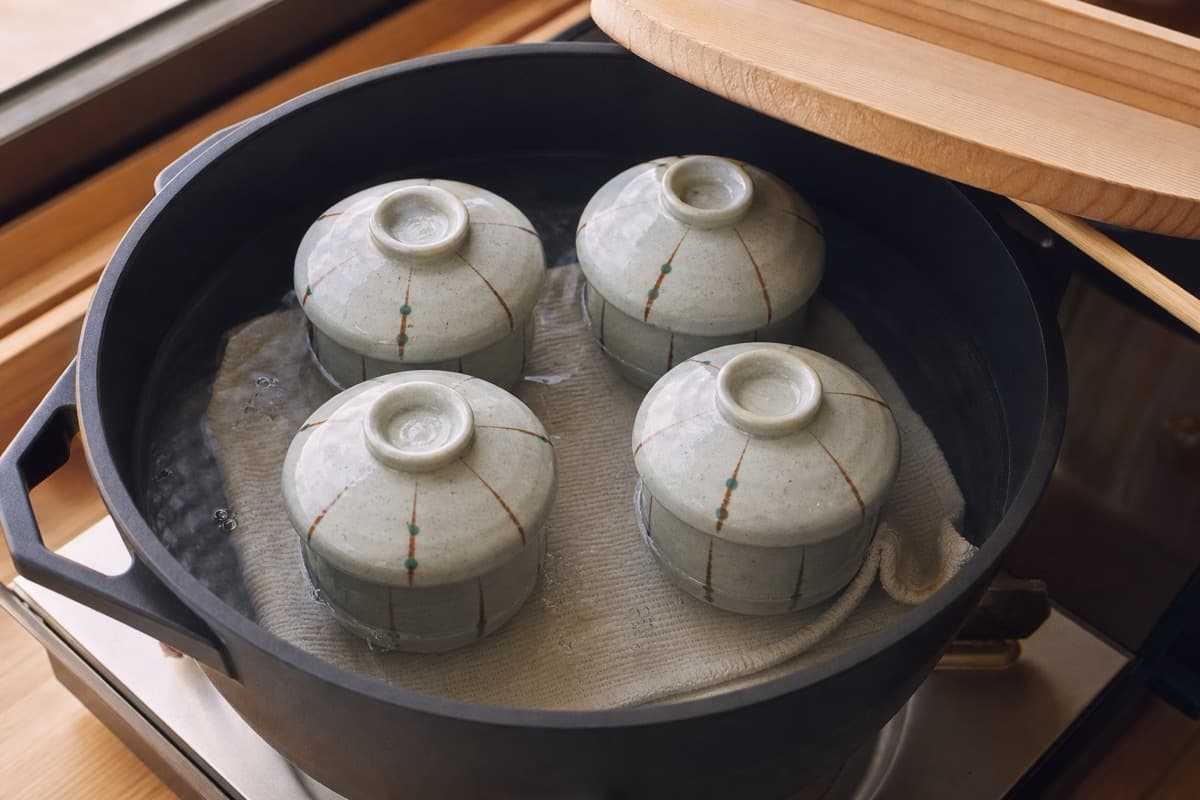
Arrange covered cups on the cloth, add warm water to one-third their height, and cover the pot. Use medium heat only until water reaches a bare simmer, then immediately turn to the lowest heat and prop the pot lid open about 1 cm with a chopstick.
Common mistake: High trapped steam overheats egg into honeycomb holes and rubbery curds.
Recovery: The texture cannot be reversed, but it is usually still edible if safely cooked. Serve this batch gently, then lower the water to a bare simmer, crack the lid, and shorten the next steam.
After 14 minutes, open the lid away from your face. The edge should be set and centre move as one soft jelly; if it waves like liquid, continue in 2-minute increments. Once it supports weight, place one cooked shrimp and two kamaboko slices on each cup, re-cover, and steam 2–3 minutes.
Common mistake: A liquid wave is underdone, but chasing a stiff set squeezes water from overheated egg.
Recovery: Re-cover the cup and continue at the gentlest steam in 2-minute increments. Stop when the centre wobbles as one mass and the safety temperature is reached.
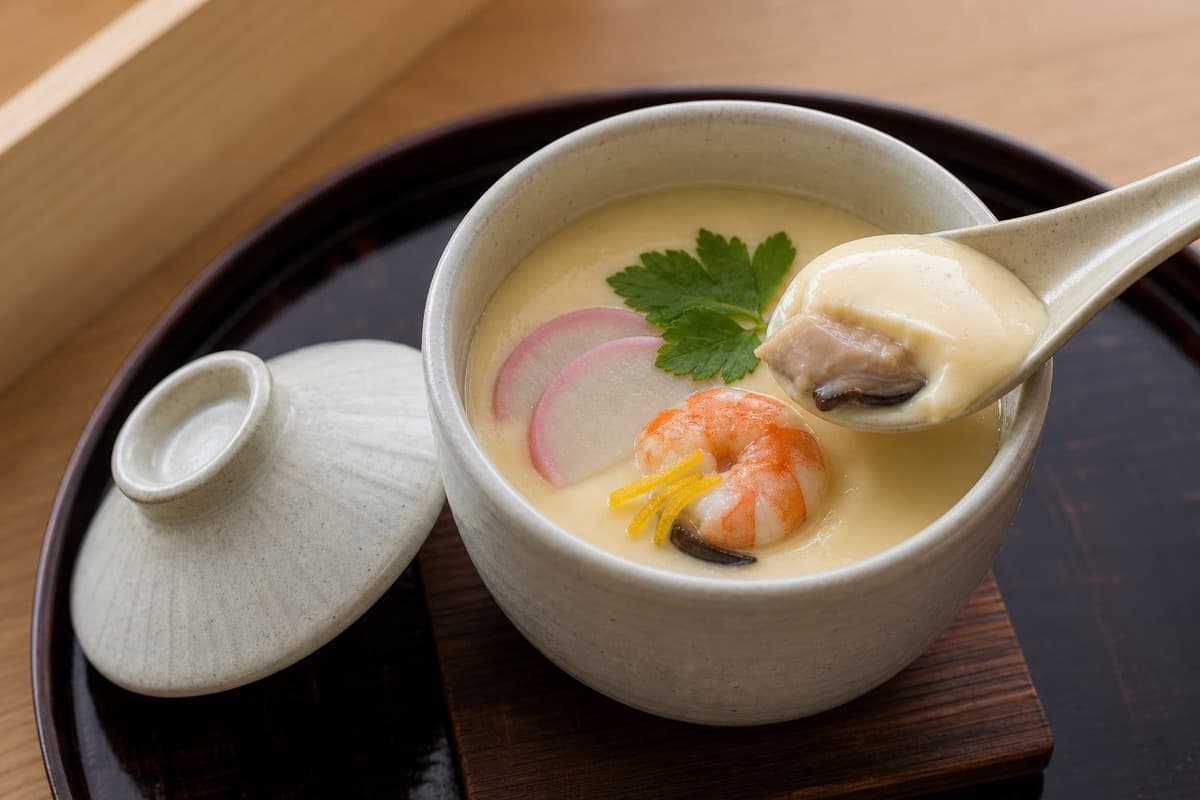
Turn off heat and rest covered for 3 minutes so residual heat completes the set gently. Add mitsuba and fine yuzu peel. Serve hot in the cooking cup with a small spoon and warn diners that the ceramic is hot.
Common mistake: Freezing or hard reheating causes porous texture and clear liquid separation.
Recovery: The texture cannot be reversed, but it is usually still edible if safely cooked. Serve this batch gently, then lower the water to a bare simmer, crack the lid, and shorten the next steam.
Ingredients
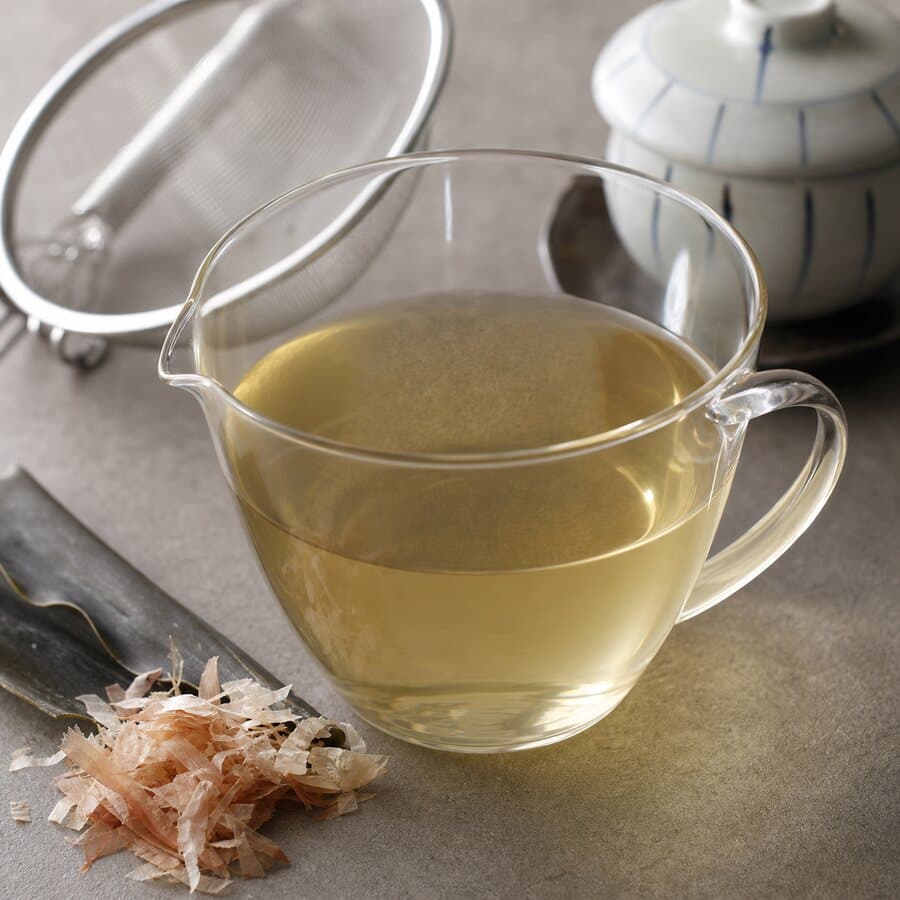
the main flavour and three-part liquid in the delicate custard
Note: Most dashi contains fish; use kombu-shiitake dashi for a vegetarian version.
Swap: make from 700 ml water, 7 g kombu, and 14 g katsuobushi; instant dashi is fine if salt is adjusted
 Nearby Asian grocersSearch TozerbaSearch Asian PantryToko Nusantara
 Search Coles
 Search WoolworthsFind an ALDIFind an IGA
These links open searches, catalogues, or store locators. Check the exact form and local availability there.
Nearby traditional marketsPasar Jaya networkSuper Indo locationsRanch Market outletsHypermart online Search Sayurbox
 Search Tokopedia
 Search ShopeeOpen GrabMart
These links open searches, catalogues, or store locators. Check the exact form and local availability there.
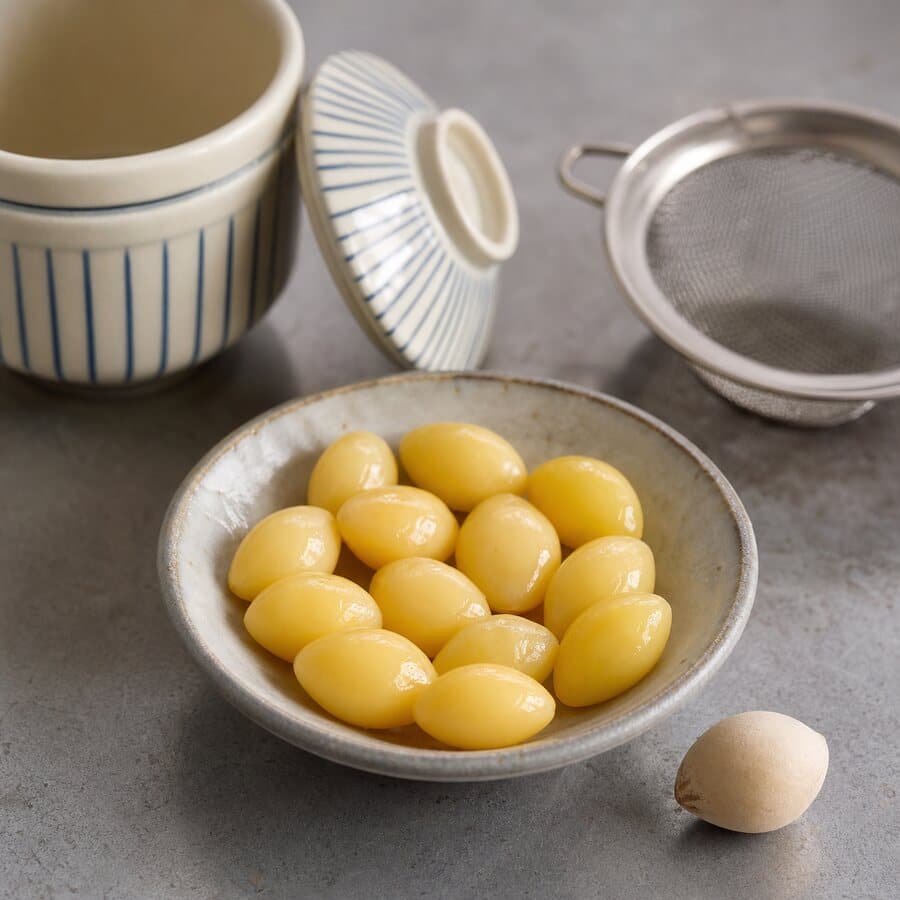
optional traditional bittersweet discovery inside each cup
Note: Use only 1–2 prepared nuts per cup; too many taste bitter.
Swap: omit; the custard does not depend on it
Nearby Asian grocersSearch TozerbaSearch Asian PantryToko NusantaraSearch ColesSearch WoolworthsFind an ALDIFind an IGAThese links open searches, catalogues, or store locators. Check the exact form and local availability there.
Nearby traditional marketsPasar Jaya networkSuper Indo locationsRanch Market outletsHypermart onlineSearch SayurboxSearch TokopediaSearch ShopeeOpen GrabMartThese links open searches, catalogues, or store locators. Check the exact form and local availability there.
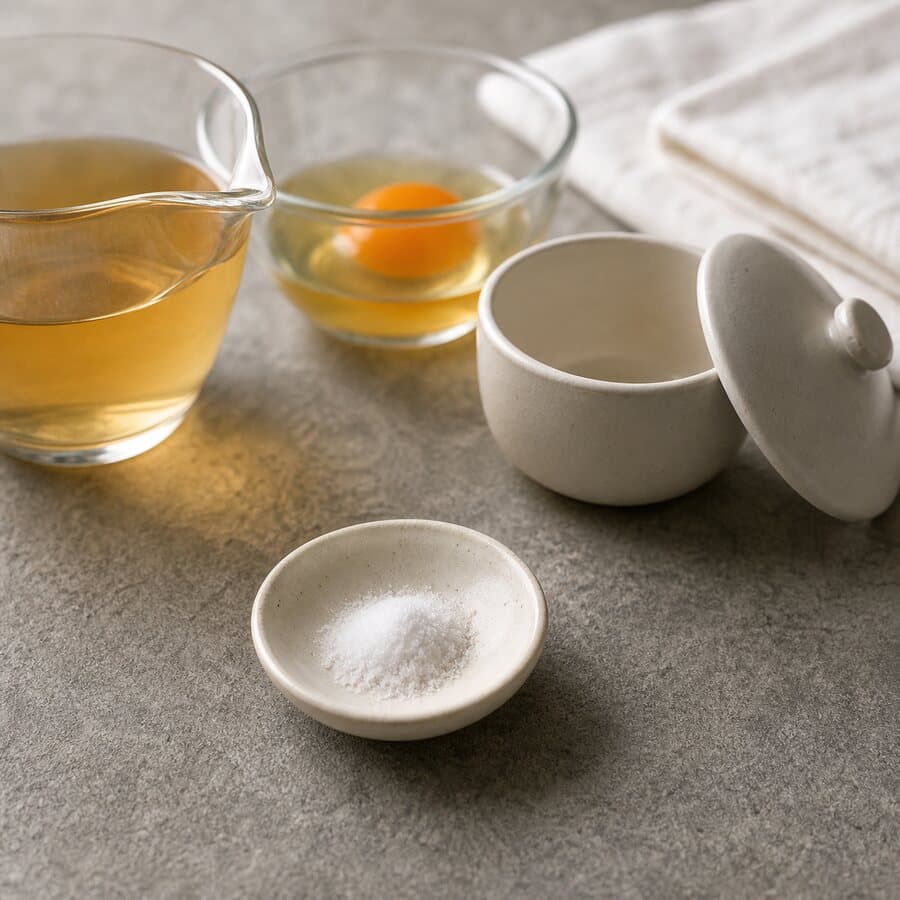
brings the custard close to the classic lightly seasoned set
Note: Reduce this when instant dashi or regular soy is already salty.
Nearby Asian grocersSearch TozerbaSearch Asian PantryToko NusantaraSearch ColesSearch WoolworthsFind an ALDIFind an IGAThese links open searches, catalogues, or store locators. Check the exact form and local availability there.
Nearby traditional marketsPasar Jaya networkSuper Indo locationsRanch Market outletsHypermart onlineSearch SayurboxSearch TokopediaSearch ShopeeOpen GrabMartThese links open searches, catalogues, or store locators. Check the exact form and local availability there.
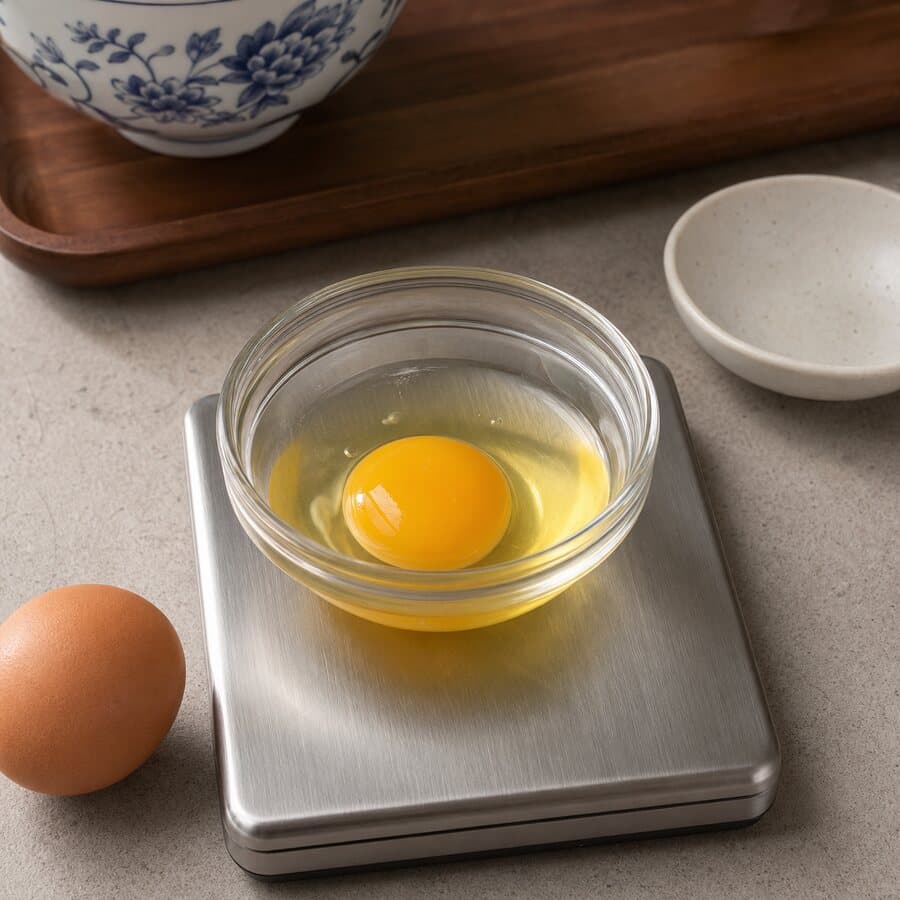
one structural part to exactly three parts dashi
Note: Egg sizes vary: weigh the egg and use three times its weight in dashi.
Nearby Asian grocersSearch TozerbaSearch Asian PantryToko NusantaraSearch ColesSearch WoolworthsFind an ALDIFind an IGAThese links open searches, catalogues, or store locators. Check the exact form and local availability there.
Nearby traditional marketsPasar Jaya networkSuper Indo locationsRanch Market outletsHypermart onlineSearch SayurboxSearch TokopediaSearch ShopeeOpen GrabMartThese links open searches, catalogues, or store locators. Check the exact form and local availability there.
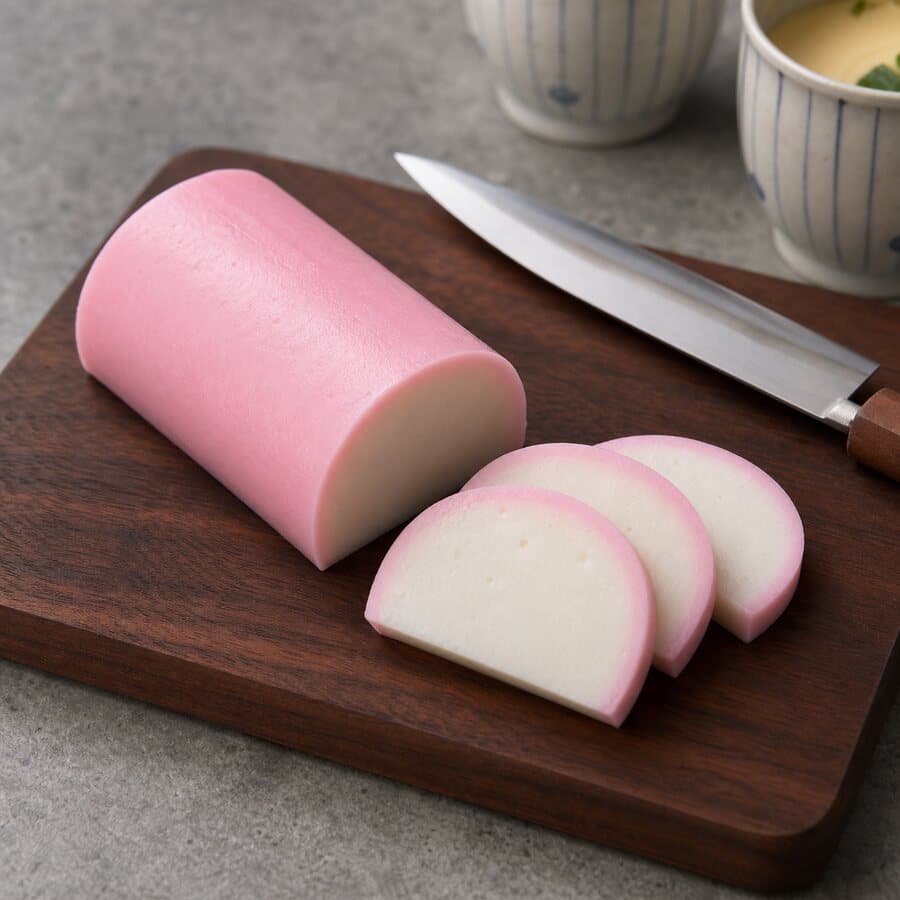
traditional colour, fish flavour, and a tender bounce
Note: Packaged kamaboko may contain fish, egg, soy, and wheat; read the label.
Swap: omit if unavailable
Nearby Asian grocersSearch TozerbaSearch Asian PantryToko NusantaraSearch ColesSearch WoolworthsFind an ALDIFind an IGAThese links open searches, catalogues, or store locators. Check the exact form and local availability there.
Nearby traditional marketsPasar Jaya networkSuper Indo locationsRanch Market outletsHypermart onlineSearch SayurboxSearch TokopediaSearch ShopeeOpen GrabMartThese links open searches, catalogues, or store locators. Check the exact form and local availability there.
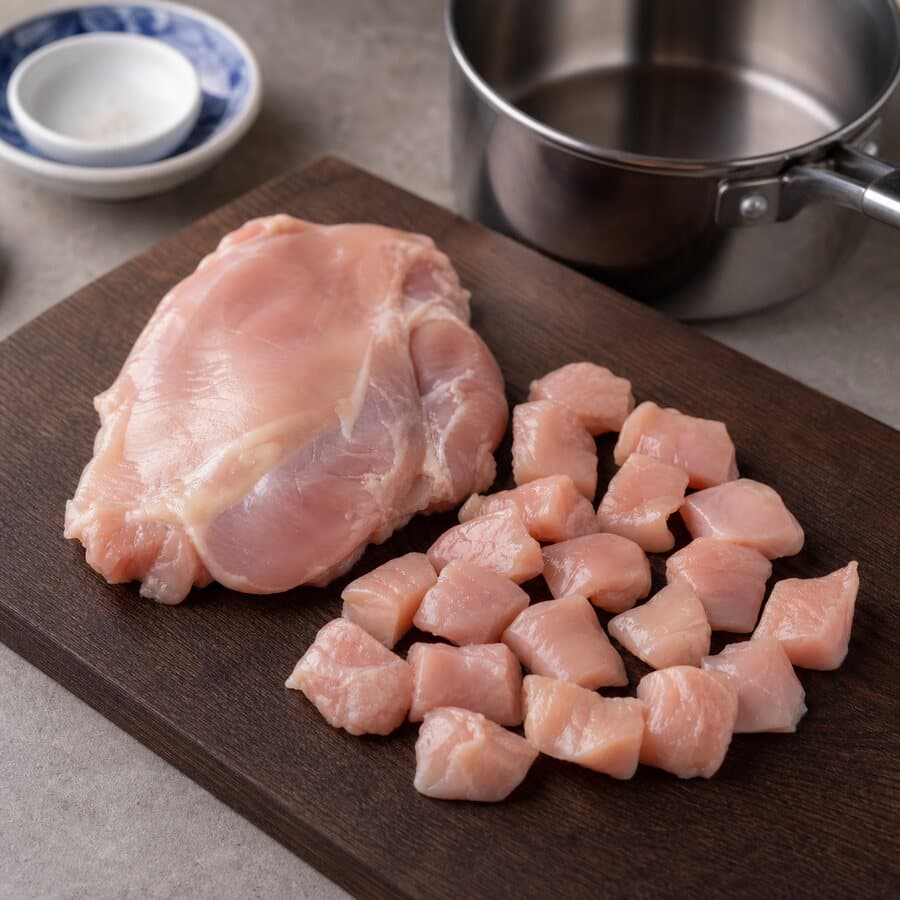
small savoury filling pre-poached for beginner-safe doneness
Note: Cut into eight even 1.5 cm pieces and pre-cook to 74°C.
Swap: omit for a pescatarian version
Nearby Asian grocersSearch TozerbaSearch Asian PantryToko NusantaraSearch ColesSearch WoolworthsFind an ALDIFind an IGAThese links open searches, catalogues, or store locators. Check the exact form and local availability there.
Nearby traditional marketsPasar Jaya networkSuper Indo locationsRanch Market outletsHypermart onlineSearch SayurboxSearch TokopediaSearch ShopeeOpen GrabMartThese links open searches, catalogues, or store locators. Check the exact form and local availability there.
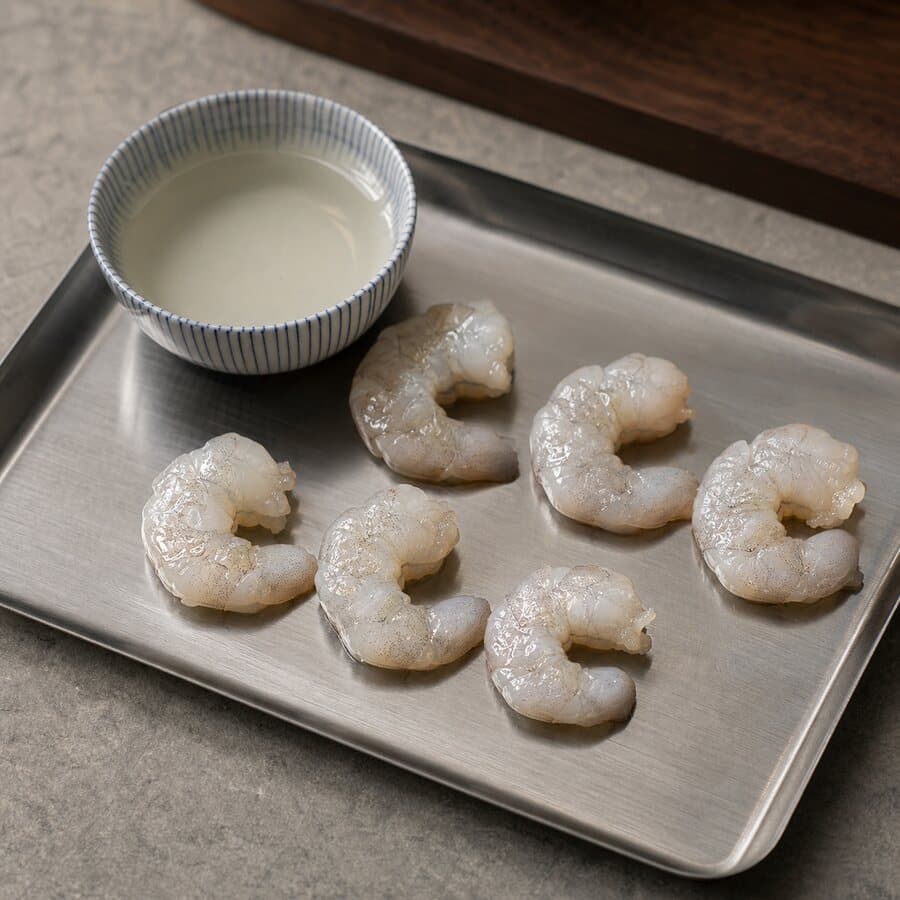
traditional seafood filling added late so it stays tender
Note: Contains crustacean; poach only until pearly, opaque, and just firm.
Swap: small scallop or firm white fish
Nearby Asian grocersSearch TozerbaSearch Asian PantryToko NusantaraSearch ColesSearch WoolworthsFind an ALDIFind an IGAThese links open searches, catalogues, or store locators. Check the exact form and local availability there.
Nearby traditional marketsPasar Jaya networkSuper Indo locationsRanch Market outletsHypermart onlineSearch SayurboxSearch TokopediaSearch ShopeeOpen GrabMartThese links open searches, catalogues, or store locators. Check the exact form and local availability there.
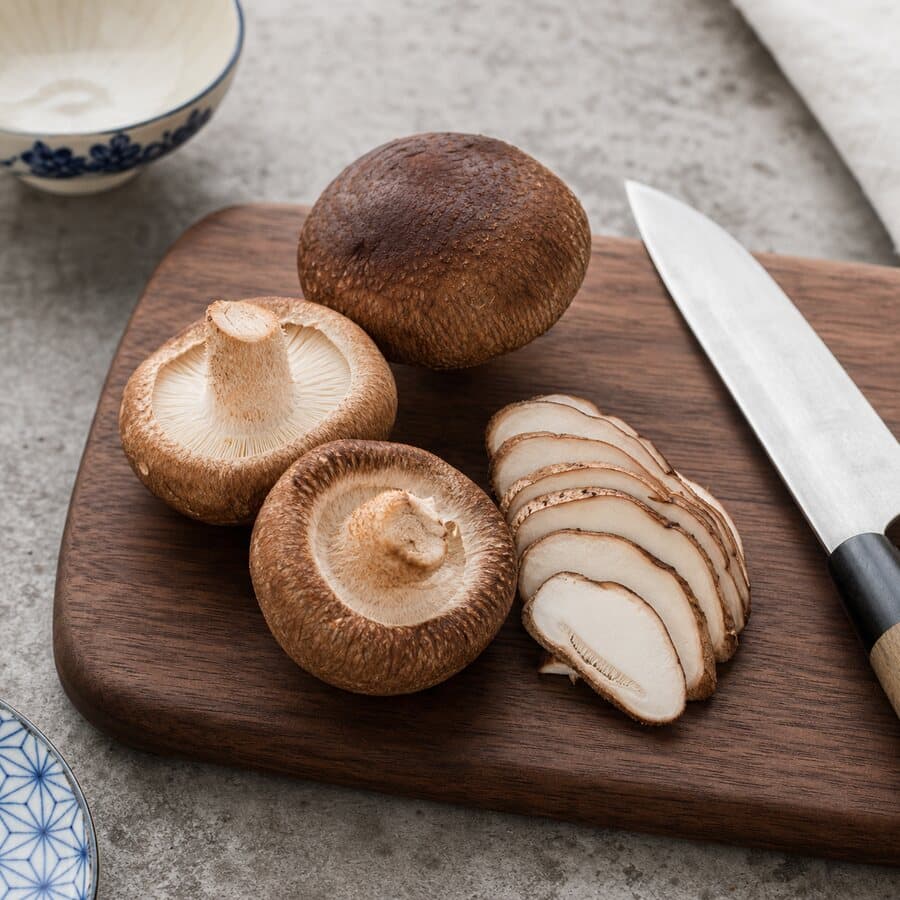
earthy umami and a soft contrasting slice
Swap: rehydrated dried shiitake, squeezed very dry
Nearby Asian grocersSearch TozerbaSearch Asian PantryToko NusantaraSearch ColesSearch WoolworthsFind an ALDIFind an IGAThese links open searches, catalogues, or store locators. Check the exact form and local availability there.
Nearby traditional marketsPasar Jaya networkSuper Indo locationsRanch Market outletsHypermart onlineSearch SayurboxSearch TokopediaSearch ShopeeOpen GrabMartThese links open searches, catalogues, or store locators. Check the exact form and local availability there.
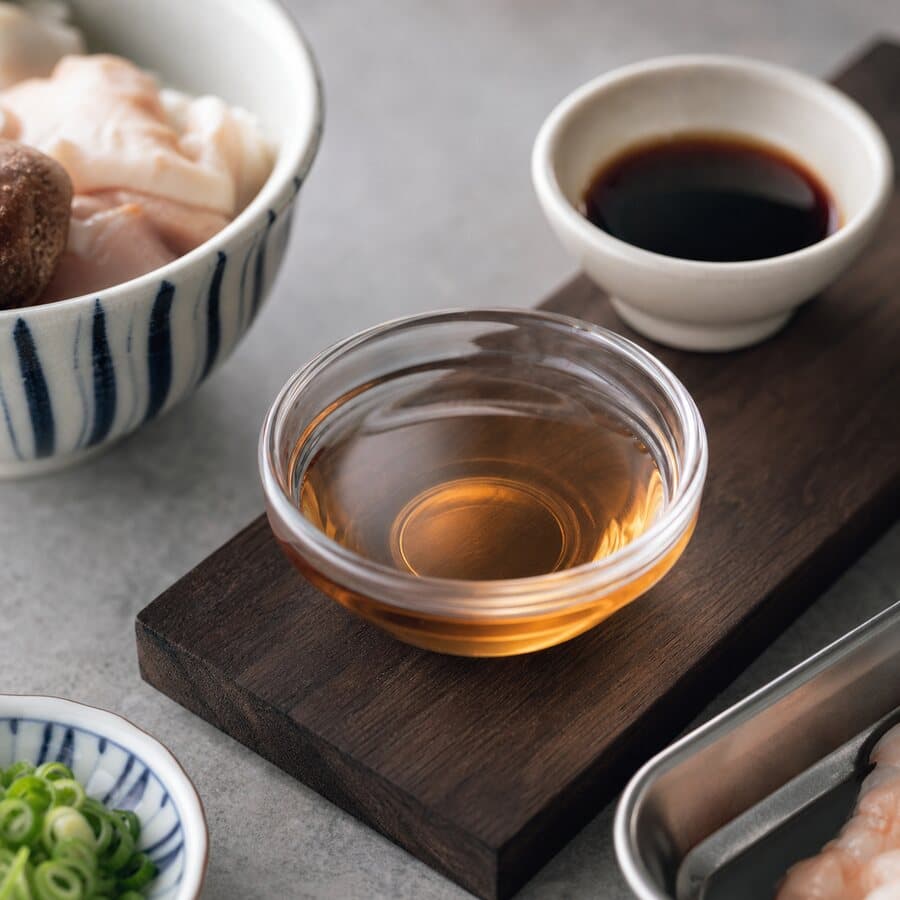
salty umami without turning the custard brown
Note: Contains soy and commonly wheat.
Swap: 8–10 g regular soy or gluten-free tamari, then adjust salt
Nearby Asian grocersSearch TozerbaSearch Asian PantryToko NusantaraSearch ColesSearch WoolworthsFind an ALDIFind an IGAThese links open searches, catalogues, or store locators. Check the exact form and local availability there.
Nearby traditional marketsPasar Jaya networkSuper Indo locationsRanch Market outletsHypermart onlineSearch SayurboxSearch TokopediaSearch ShopeeOpen GrabMartThese links open searches, catalogues, or store locators. Check the exact form and local availability there.
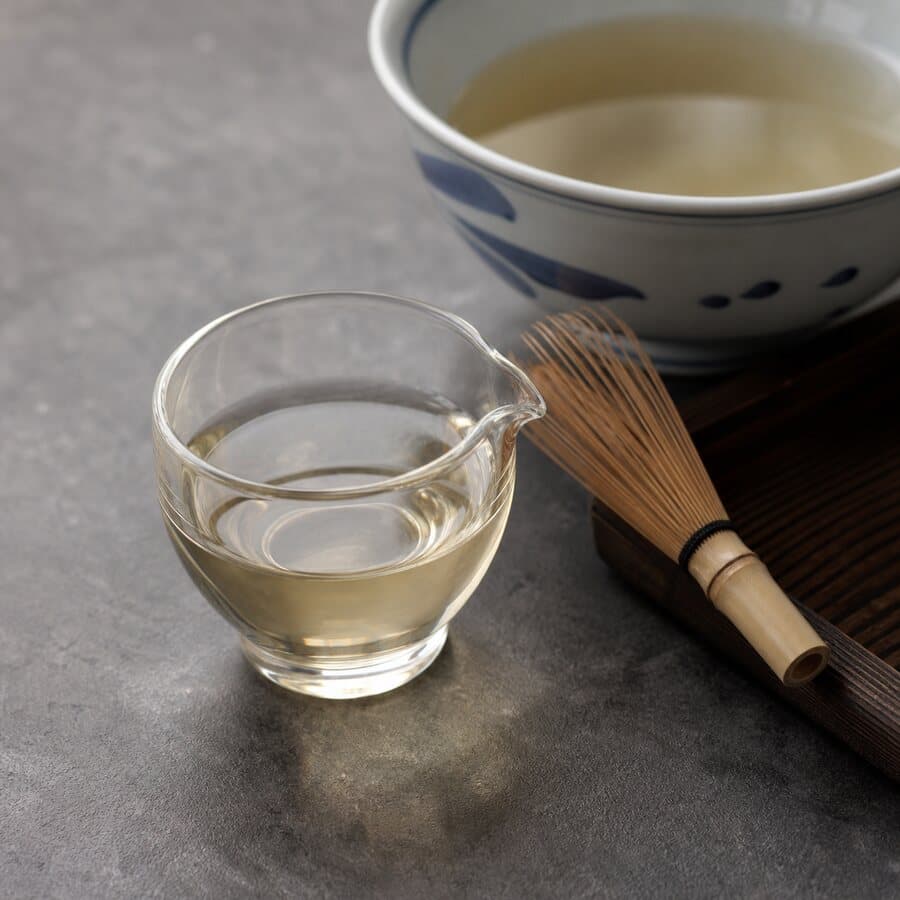
subtle sweetness and washoku seasoning
Note: Traditional mirin contains alcohol; use the stated substitute when required.
Swap: 10 g water plus 1.5 g sugar for an alcohol-free version
Nearby Asian grocersSearch TozerbaSearch Asian PantryToko NusantaraSearch ColesSearch WoolworthsFind an ALDIFind an IGAThese links open searches, catalogues, or store locators. Check the exact form and local availability there.
Nearby traditional marketsPasar Jaya networkSuper Indo locationsRanch Market outletsHypermart onlineSearch SayurboxSearch TokopediaSearch ShopeeOpen GrabMartThese links open searches, catalogues, or store locators. Check the exact form and local availability there.
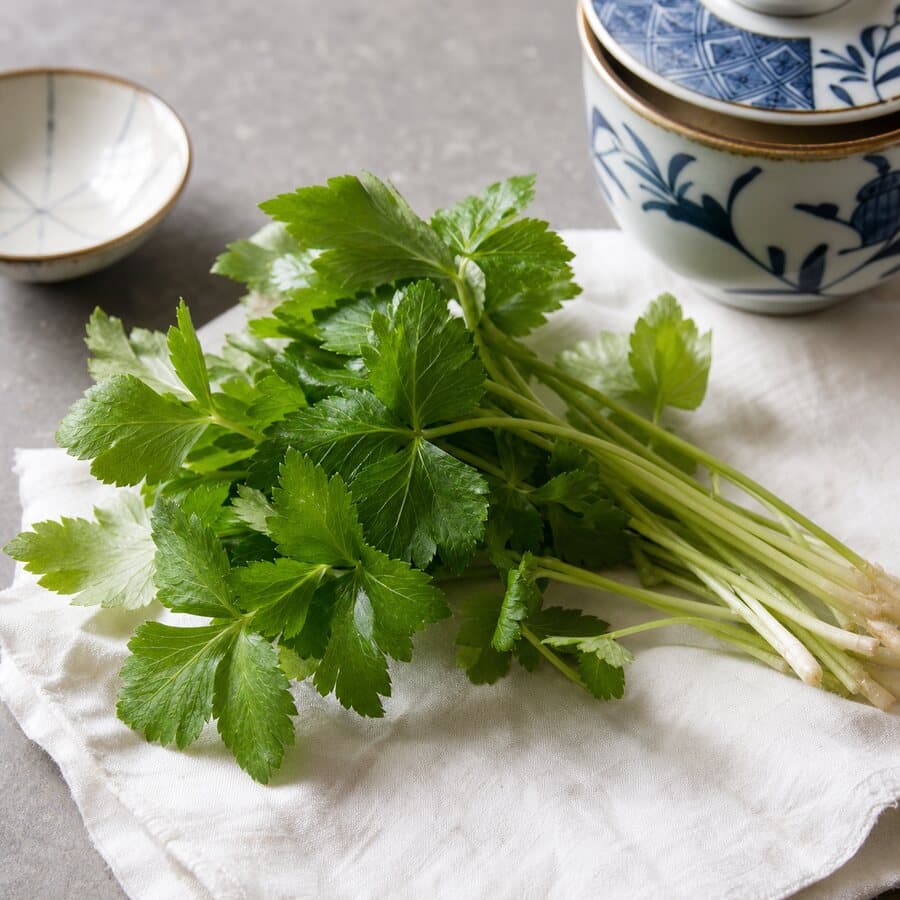
delicate Japanese herb garnish added after steaming
Swap: tender celery leaves or flat-leaf parsley, used sparingly
Nearby Asian grocersSearch TozerbaSearch Asian PantryToko NusantaraSearch ColesSearch WoolworthsFind an ALDIFind an IGAThese links open searches, catalogues, or store locators. Check the exact form and local availability there.
Nearby traditional marketsPasar Jaya networkSuper Indo locationsRanch Market outletsHypermart onlineSearch SayurboxSearch TokopediaSearch ShopeeOpen GrabMartThese links open searches, catalogues, or store locators. Check the exact form and local availability there.
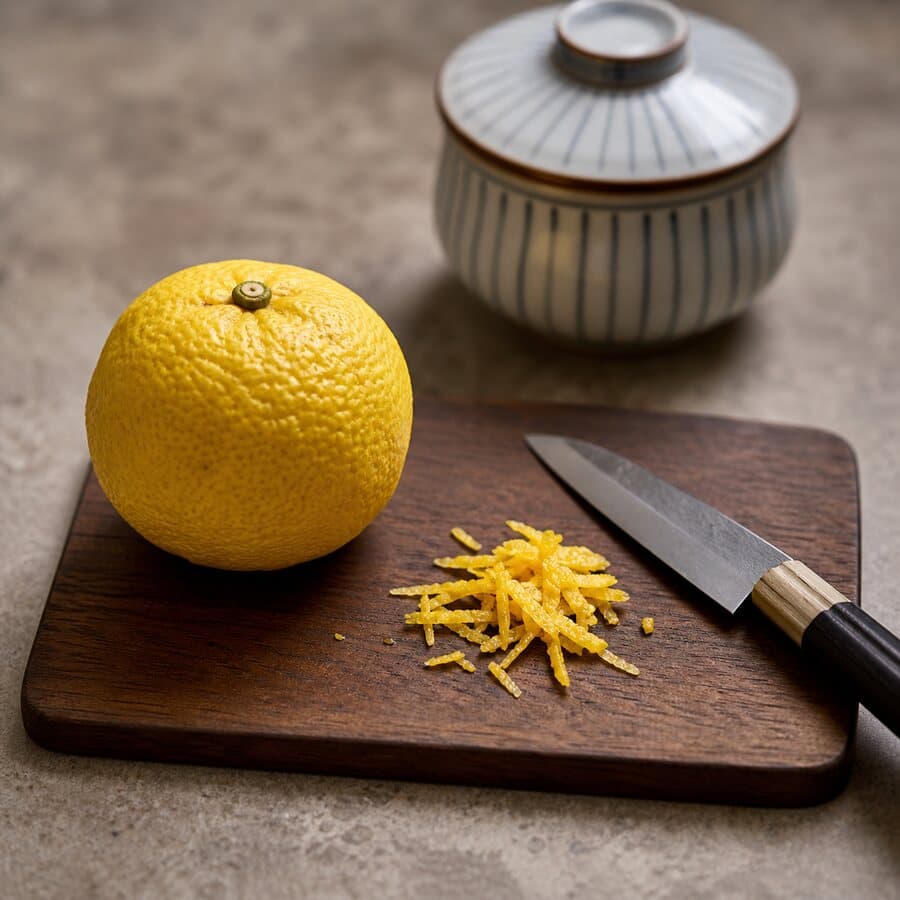
optional fine citrus perfume on the finished cup
Swap: a few hair-fine threads of lemon zest
Nearby Asian grocersSearch TozerbaSearch Asian PantryToko NusantaraSearch ColesSearch WoolworthsFind an ALDIFind an IGAThese links open searches, catalogues, or store locators. Check the exact form and local availability there.
Nearby traditional marketsPasar Jaya networkSuper Indo locationsRanch Market outletsHypermart onlineSearch SayurboxSearch TokopediaSearch ShopeeOpen GrabMartThese links open searches, catalogues, or store locators. Check the exact form and local availability there.
Melbourne and Jakarta
Current links help you search by the right ingredient name; they do not confirm a product, price, or stock level.
Start with an Indonesian or broader Asian grocer for unsalted dashi; use supermarkets or butchers for unsalted dashi, whole egg, weighed without shell.
unsalted dashi: make from 700 ml water, 7 g kombu, and 14 g katsuobushi; instant dashi is fine if salt is adjusted.
unsalted dashi: Most dashi contains fish; use kombu-shiitake dashi for a vegetarian version.
Nearby Asian grocersSearch TozerbaSearch Asian PantryToko NusantaraSearch ColesSearch WoolworthsFind an ALDIFind an IGAThese links open searches, catalogues, or store locators. Check the exact form and local availability there.
Start with pasar stalls for paha ayam tanpa tulang dan kulit, udang kecil kupas tanpa urat; use supermarkets or online marketplaces for sealed pantry staples.
unsalted dashi: make from 700 ml water, 7 g kombu, and 14 g katsuobushi; instant dashi is fine if salt is adjusted.
unsalted dashi: Most dashi contains fish; use kombu-shiitake dashi for a vegetarian version.
Nearby traditional marketsPasar Jaya networkSuper Indo locationsRanch Market outletsHypermart onlineSearch SayurboxSearch TokopediaSearch ShopeeOpen GrabMartThese links open searches, catalogues, or store locators. Check the exact form and local availability there.
Fix problems
The active method already includes its most likely mistake and recovery. Open the reference library when your question falls outside the current step.
Yes - the intended canonical Japanese name is Chawanmushi (茶碗蒸し). Bumbu Lens keeps ‘Chawan Musi’ and ‘Chawan Mushi’ as search aliases so the recipe is still easy to find.
Japanese washoku references treat it as a delicate dashi-led steamed soup eaten from an individual cup with a spoon, not a dairy custard or Western pudding.
Yes. Use kombu-shiitake dashi and cooked, thoroughly drained shiitake, ginkgo, edamame, or squeezed spinach. Omit chicken, shrimp, bonito dashi, and kamaboko; egg remains structural, so it is not vegan.
Refrigerate covered within 2 hours and use this seafood version within 2 days. Reheat once, covered, over the gentlest steam for 6–10 minutes until steaming hot - about 75°C - without letting the water roll.
Set a glossy, spoonable custard with no bubbles, stringy egg, or honeycomb holes. Look for smooth pale surface, soft wobble, silky spooned interior: The centre reaches about 77–80°C, moves as one soft jelly, and a skewer releases clear - not milky - dashi.
Leaving shrimp for the full steam makes it rubbery; raw watery fillings weaken the set. Spread the food out, raise heat only after moisture drops, and hold back extra sauce until the pan is frying again.
Scale the measured ingredients with the serving count, then scale the vessel or work in batches. Keep the same visual finish - smooth pale surface, soft wobble, silky spooned interior - rather than forcing the original timer.
unsalted dashi: make from 700 ml water, 7 g kombu, and 14 g katsuobushi; instant dashi is fine if salt is adjusted; boneless skinless chicken thigh: omit for a pescatarian version; peeled deveined small shrimp: small scallop or firm white fish; fresh shiitake mushrooms: rehydrated dried shiitake, squeezed very dry
unsalted dashi: Most dashi contains fish; use kombu-shiitake dashi for a vegetarian version.; whole egg, weighed without shell: Egg sizes vary: weigh the egg and use three times its weight in dashi.; boneless skinless chicken thigh: Cut into eight even 1.5 cm pieces and pre-cook to 74°C.; peeled deveined small shrimp: Contains crustacean; poach only until pearly, opaque, and just firm.
Next cooks
Recipes here share ingredients, bumbu logic, region, spice level, or weeknight patterns so the next cook reuses what you just learned.
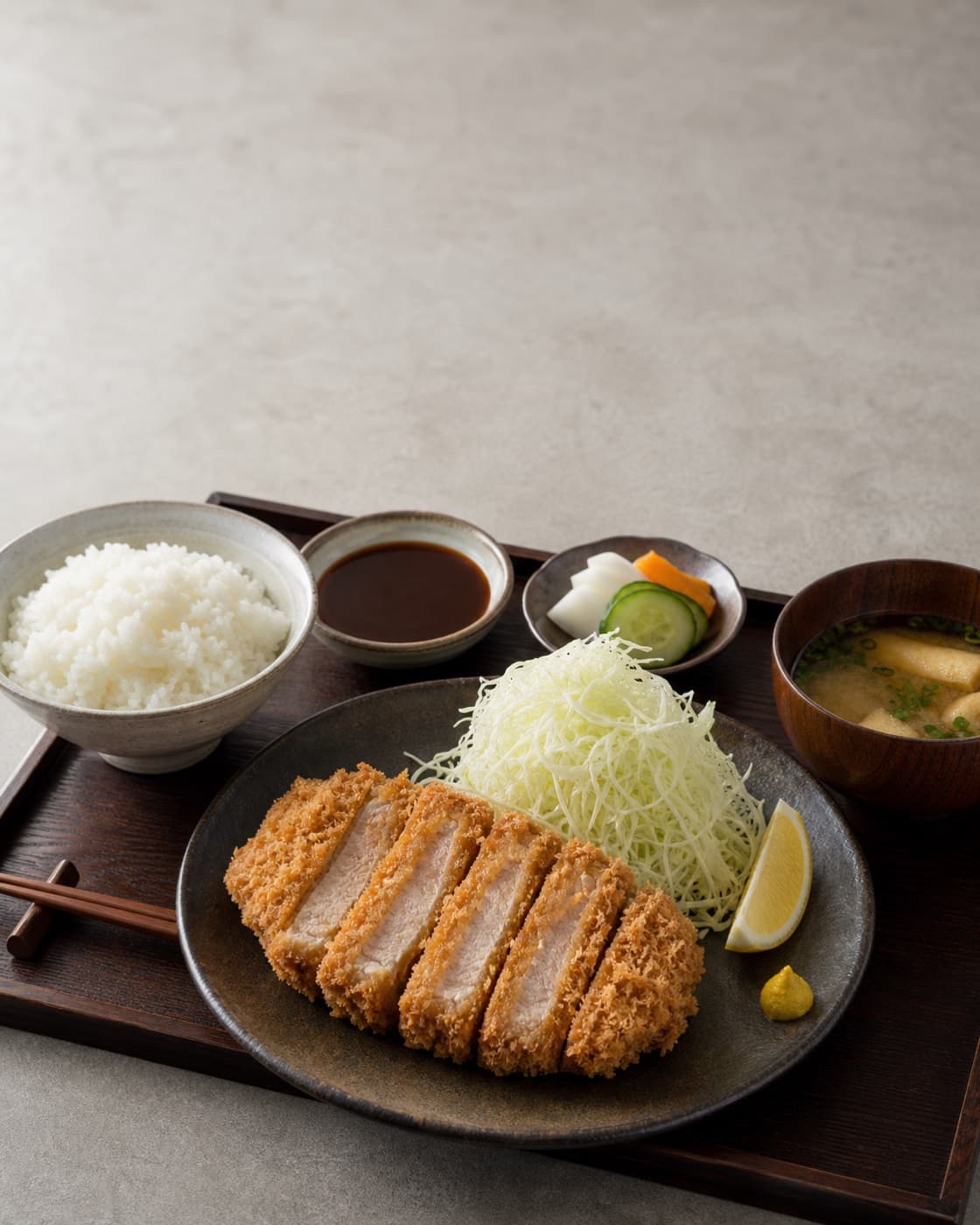 Japan / yōshoku · IntermediateJapanese Pork TonkatsuKeep a thick pork chop juicy and safely cooked inside an airy panko shell that stays attached and audibly crisp.
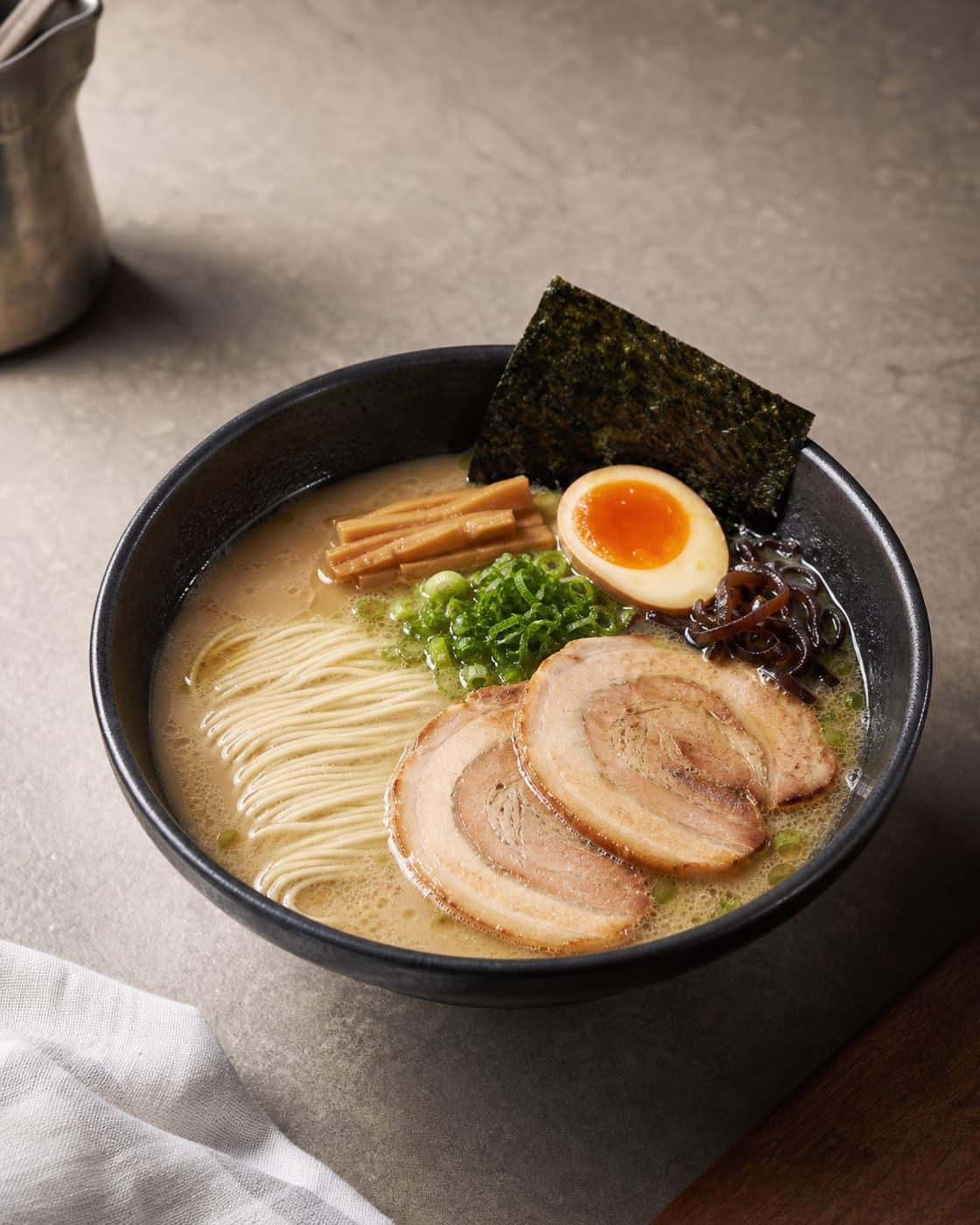 Japan / composed pork-bone ramen · PatientTonkotsu Shoyu RamenBuild an opaque ivory broth that tastes like pork - not dairy - and assemble six balanced bowls before the noodles soften.
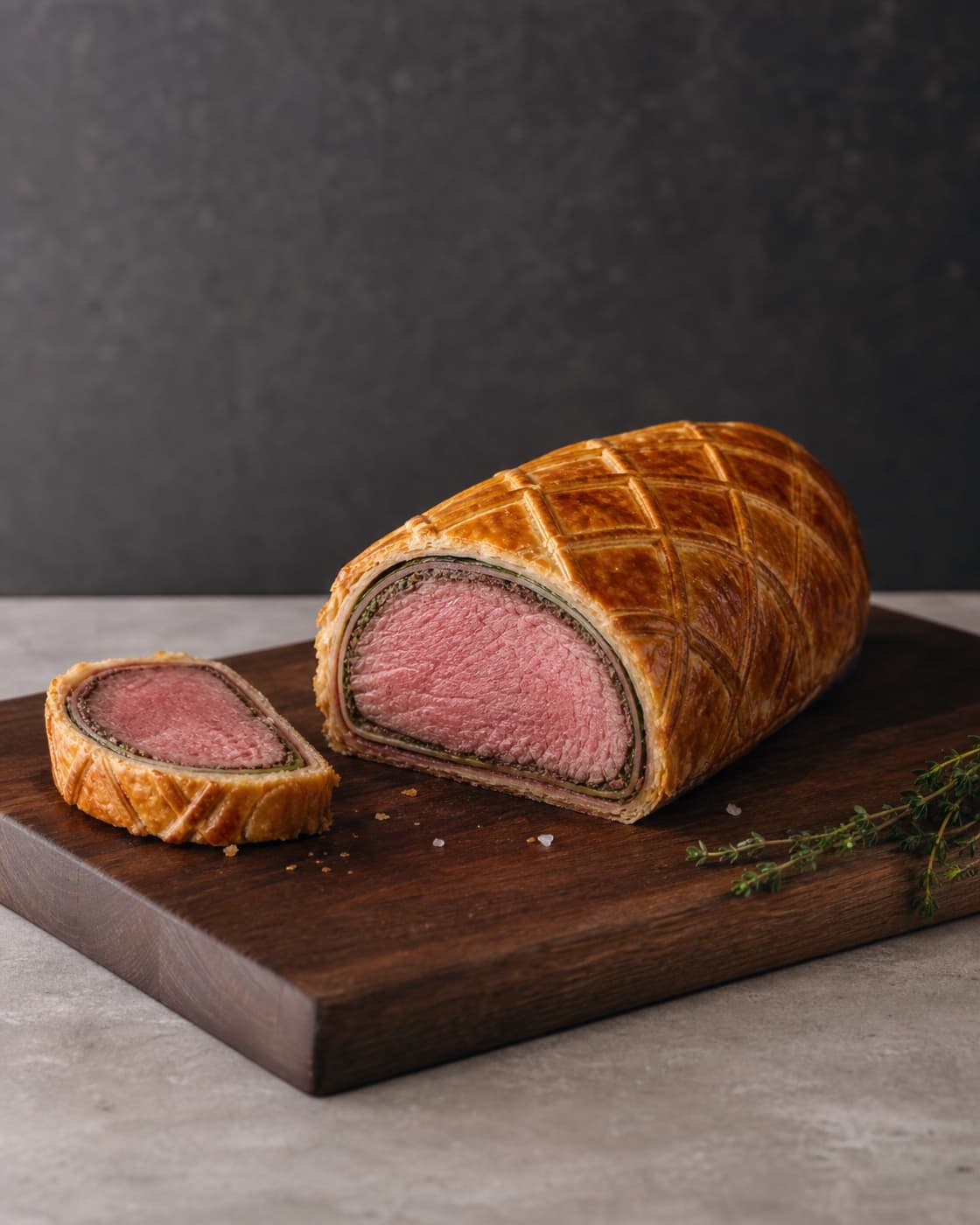 Britain / modern restaurant tradition · PatientBeef WellingtonSynchronise a crisp pastry shell with safely rested, evenly pink beef and thin, distinct moisture-barrier layers.
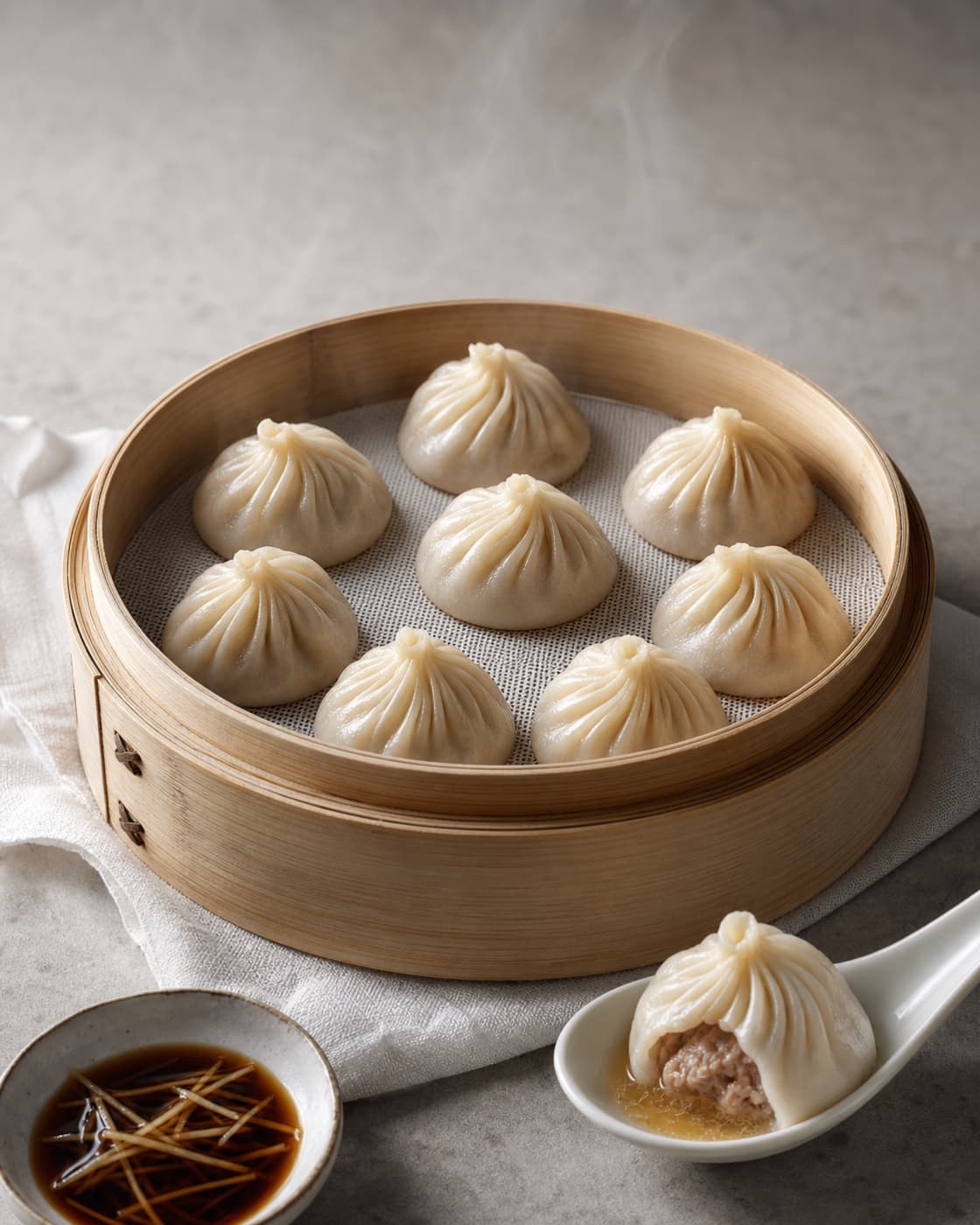 Nanxiang / Shanghai · PatientXiao Long BaoSeal clear hot soup inside a delicate wrapper that survives the steamer and reaches the spoon intact.
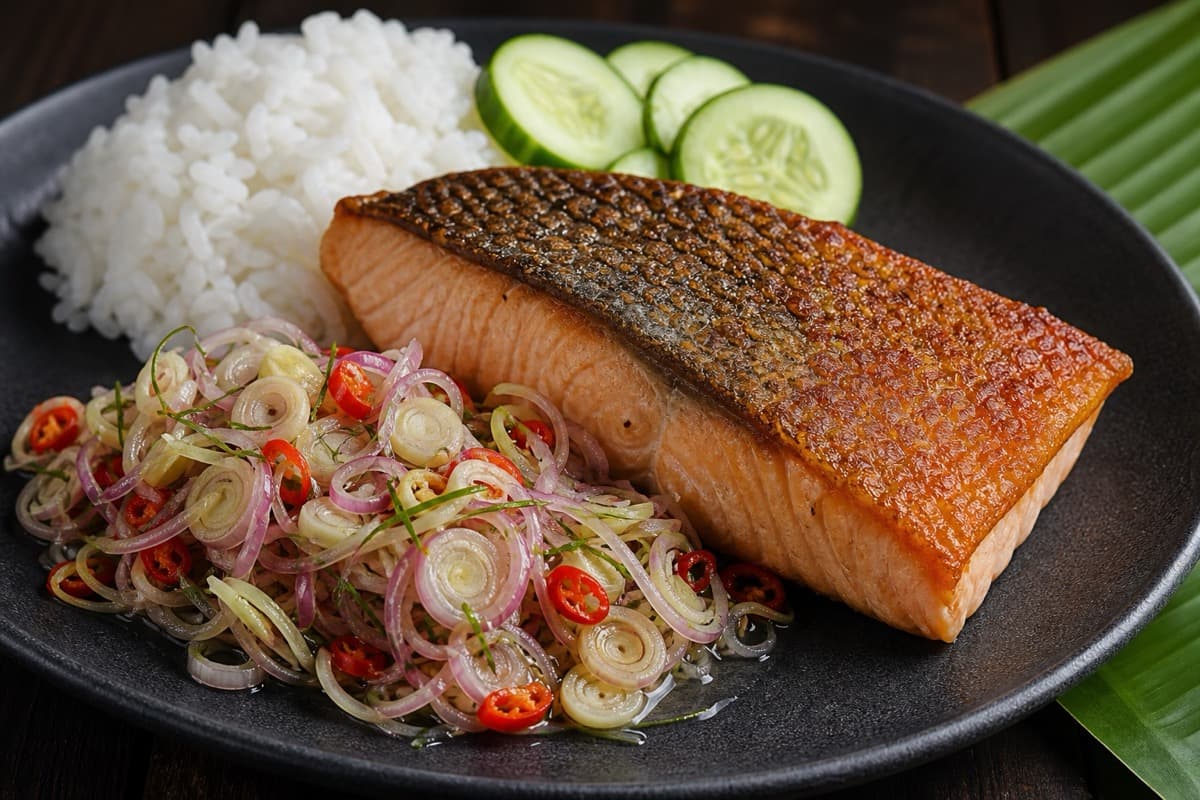 Bali-inspired · IntermediateCrispy-Skin Salmon Sambal MatahCrisp the skin without drying the fish, then keep bright sambal beside - not over - the crust.
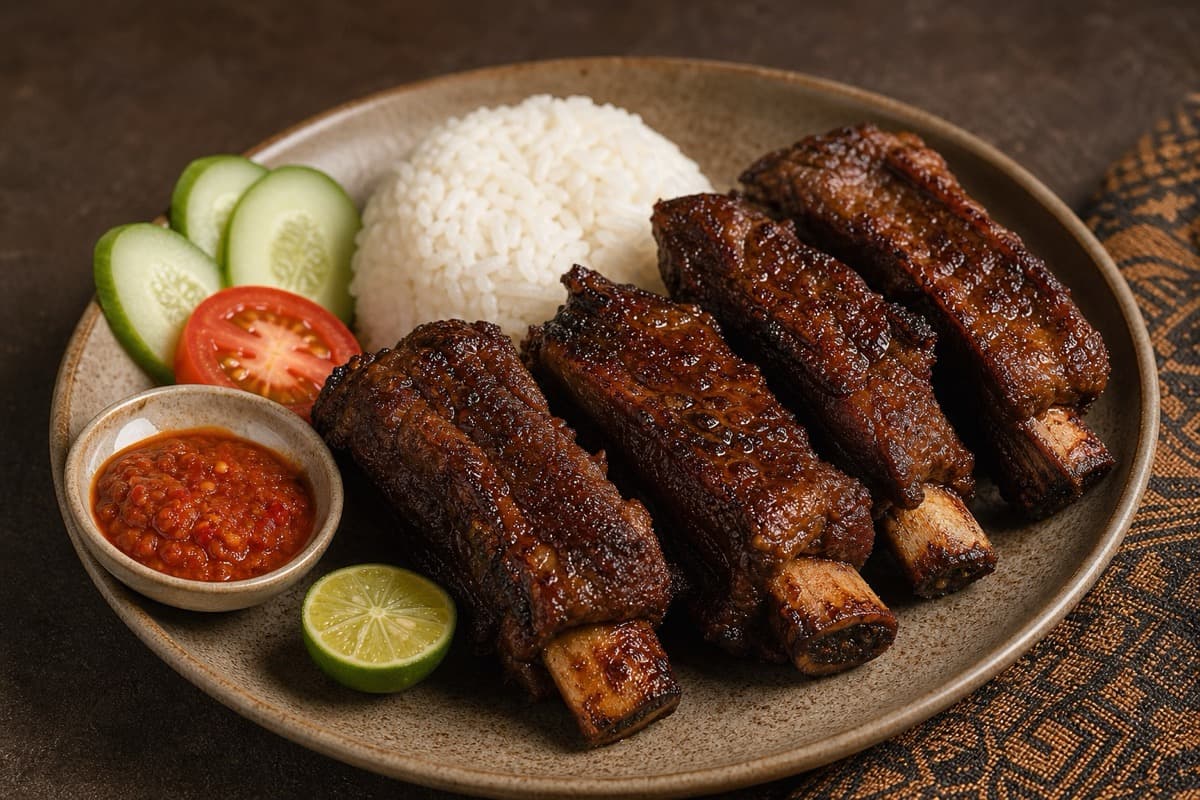 Modern Indonesian · PatientIga Sapi Goreng MaduMake ribs fork-tender yet intact, then glaze them glossy without scorching the honey.