Recipe 13 / 19
ID · Modern Indonesian
Iga Sapi Goreng Madu
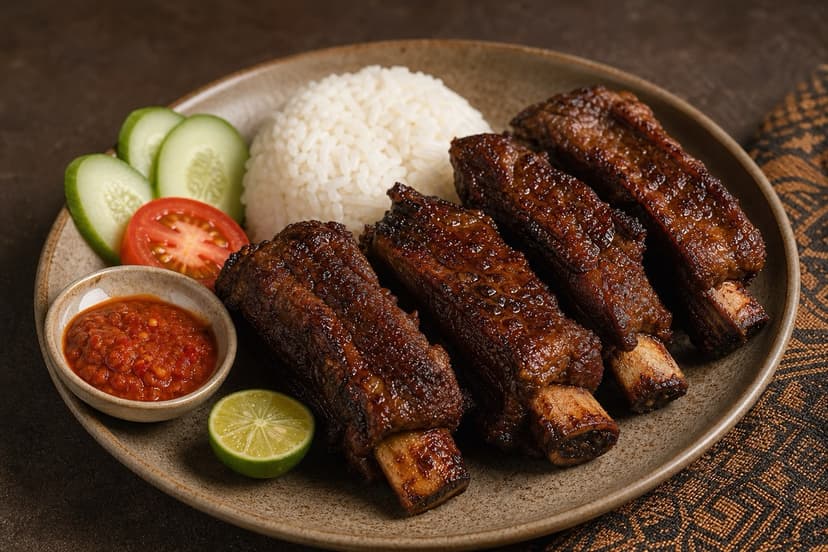
Modern Indonesian honey-glazed fried beef short ribs: tender-braised with bumbu, dried, briefly fried for crisp edges, then coated in kecap, honey, pepper, and fresh lime.
Make ribs fork-tender yet intact, then glaze them glossy without scorching the honey.
- Place & style
- Modern Indonesian Indonesian fusion · Main
- Yield
- 4 servings Beef · spice 1/5
- Time
- 3 hr 35 min prep · 2 hr 25 min cook
- Cook level
- Patient beef · ribs · honey · goreng · modern Indonesian · halal-friendly · weekend · meal prep
Bumbu / flavour foundation
shallot, garlic, turmeric, ginger, coriander, galangal, salam, lime leaf
Moist heat converts the ribs' collagen before frying, a dry surface makes the brief fry safe and crisp, and reducing kecap-stock before adding honey prevents bitter burnt sugar.
Equipment
- heavy braising pot or pressure cooker
- blender or mortar
- high-sided frying pan
- rack
- thermometer
- wide glaze pan
Read the visual cue before each step. The clock is guidance; the food decides when you move.
01 · Market sheet
Know what you are buying.
Every ingredient is shown in context, named in English and Bahasa Indonesia, and tied to its job in the dish.Meat or seafoodDaging atau seafood
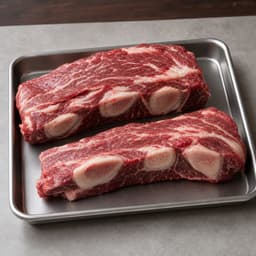
1 kg
meaty bone-in beef short ribs
iga sapi bertulang dan berdaging
collagen-rich ribs that become tender yet survive a brief fry
Watch: Ask for eight even 5-7 cm pieces; thin back ribs dry out before the braise pays off.
Fresh produceSayur & bahan segar
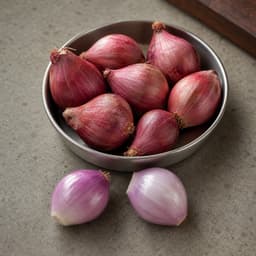
80 g
shallots
bawang merah
sweet body for the braising bumbu
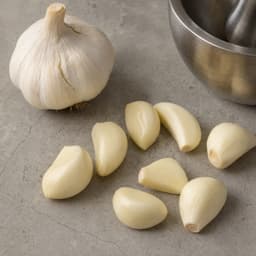
25 g
garlic
bawang putih
savoury depth cooked past its raw edge
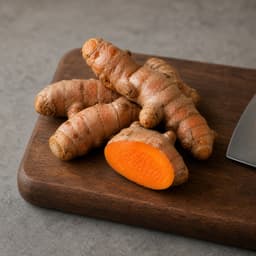
12 g
fresh turmeric
kunyit segar
earthy colour and Indonesian braise character
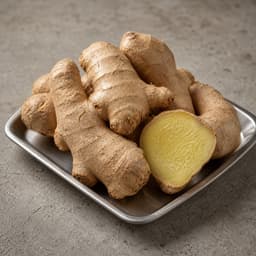
15 g
fresh ginger
jahe segar
warm aromatic lift through the rich beef
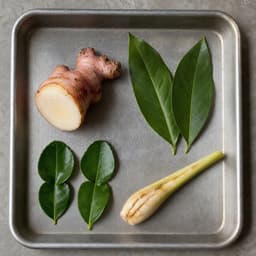
25 g + 7 leaves + 1 stalk
galangal, salam, lime leaf, and lemongrass
lengkuas, daun salam, daun jeruk, dan serai
whole aromatics perfume the braise without becoming grit in the glaze
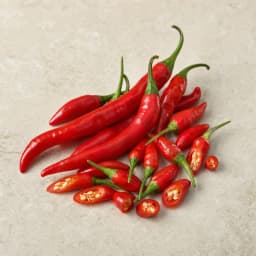
1 chilli
red chilli, optional
cabai merah, opsional
optional fresh heat in the savoury glaze
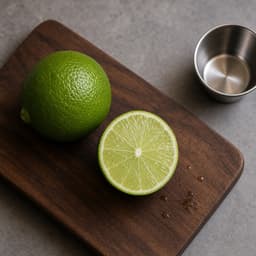
15 ml
fresh lime juice
air jeruk limau
brightens the rich glaze after the heat is turned off
SpicesRempah
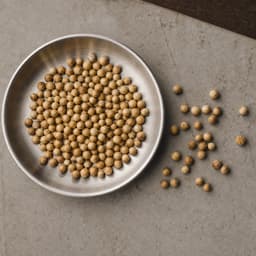
5 g
coriander seeds
biji ketumbar
toasted citrus-spice note in the bumbu
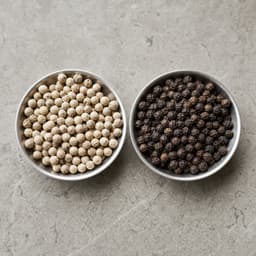
3 g
white and black pepper
merica putih dan hitam
white pepper seasons the braise; coarse black pepper finishes the glaze
Dry pantryBahan kering
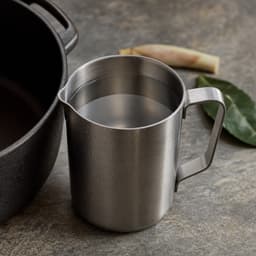
1.5 L
water
air
moist heat for collagen conversion and the later savoury glaze base
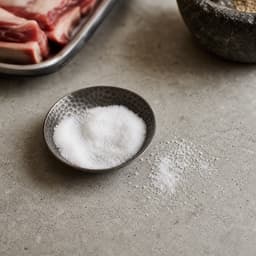
10 g
fine salt
garam halus
seasons the beef before salty kecap enters the final glaze
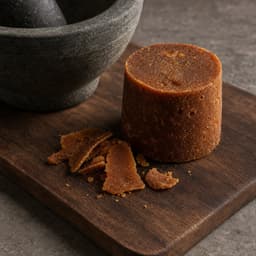
10 g
palm sugar
gula aren
small background sweetness in the braise
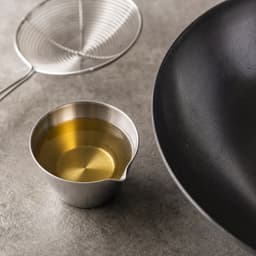
530 ml
neutral high-heat oil
minyak goreng netral
fries the bumbu and gives the tender ribs a brief crisp edge
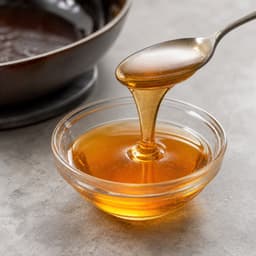
45 g
honey
madu
rounded floral sweetness added only after the savoury glaze reduces
Watch: Never serve honey to a baby under 12 months; keep it away from high heat so it does not burn.
SaucesSaus & bumbu botol
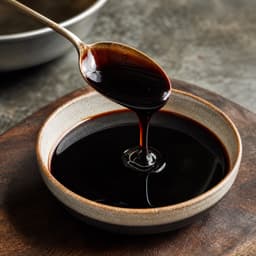
45 ml
kecap manis
kecap manis
soy, caramel colour, and body in the reduced glaze
Watch: Contains soy and may contain wheat; check the brand if gluten matters.
GarnishPelengkap
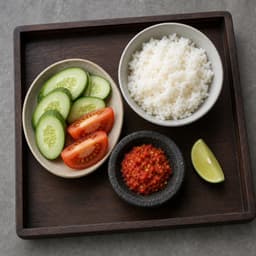
4 servings
rice, cucumber, tomato, sambal, and lime
nasi, timun, tomat, sambal, dan jeruk limau
plain rice and fresh acidity balance the dark glossy ribs
02 · Method
Cook in order. Read the decisive cue.
7 stages · 3 hr total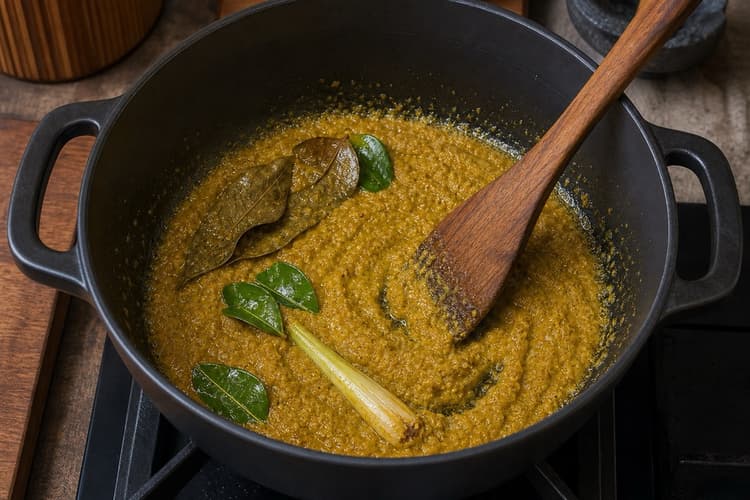
Stage 01
Blend and fully fry the bumbu
Pat ribs dry. Blend shallot, garlic, turmeric, ginger, coriander, and white pepper smooth. Heat 30 ml oil over medium and fry 8-10 minutes, adding galangal, daun salam, lime leaves, and bruised lemongrass halfway. Stir until the colour deepens and raw allium smell disappears.
- Move on when
- Golden bumbu looks glossy with a fine oil line at the edge and smells rounded, not sharp.
- Common mistake
- Water added while the paste smells raw locks a flat onion taste into the long braise.
- Recovery
- Pause before the next step, compare the cue, then correct heat, moisture, or seasoning while the dish is still flexible.
Stage 02
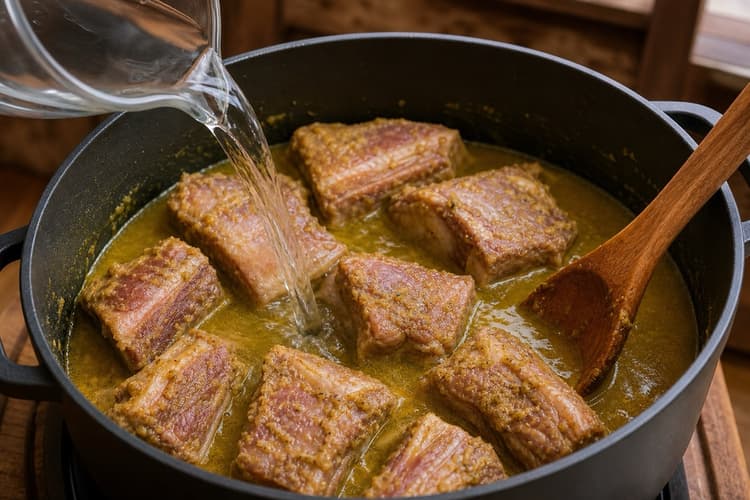
Coat and start the rib braise
Turn eight even rib pieces through the cooked bumbu for 3 minutes. Add 1.5 L water, salt, and palm sugar; scrape the base and bring only to a gentle simmer. Partly cover once the surface is calm.
- Move on when
- Ribs are mostly submerged in a golden aromatic broth, not a sticky dark sauce.
- Common mistake
- Honey belongs nowhere near this stage; long high heat would make it bitter.
- Recovery
- Move the pan off heat, scrape only the unburnt paste into a clean spot, add a small splash of oil or liquid, and restart gently.
Stage 03
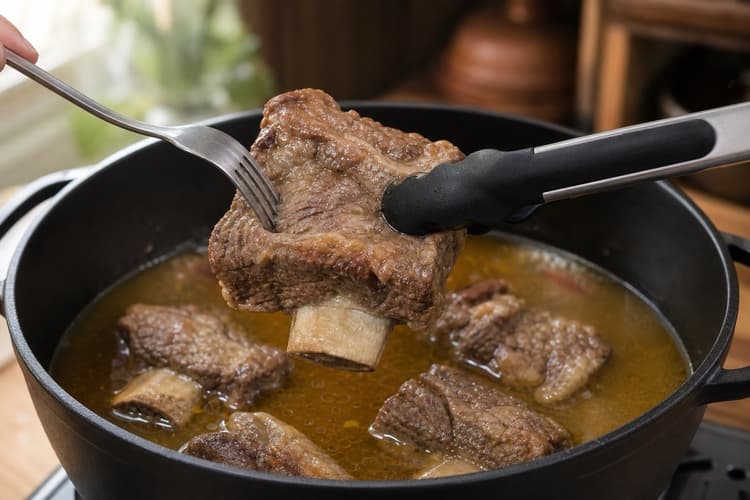
Braise until tender but intact
Maintain a gentle simmer for 2-2½ hours total, turning every 30 minutes and adding boiling water only if needed. Stop when a fork enters easily and about 5 mm of bone is exposed, while each piece can still be lifted. Pressure-cooker option: 750-800 ml water, 35-40 minutes high pressure, then 15 minutes natural release.
- Move on when
- Collagen is soft and glossy; meat yields around the bone without falling away.
- Common mistake
- Falling-apart ribs disintegrate during frying, while chewy ribs need time rather than harder heat.
- Recovery
- Skip the oil fry. Chill the pieces until firm, reduce the glaze separately, and brush or spoon it over the meat so the flavour is saved without breaking the ribs.
Stage 04
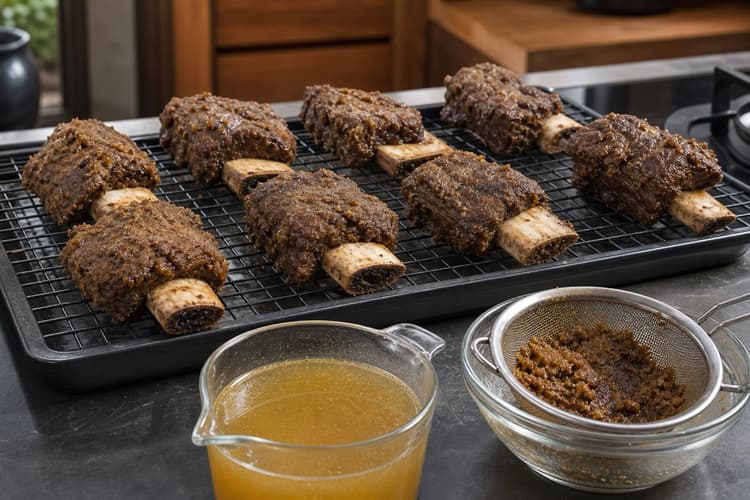
Reserve stock and dry every rib
Lift ribs to a rack. Strain and de-fat 150 ml braising liquid for the glaze. Gently remove only loose, thick bumbu clumps that would burn, leaving a thin seasoning film. Cool at least 20 minutes until the surface is matte, or chill uncovered for 30 minutes.
- Move on when
- Ribs feel dry outside, remain intact, and no liquid drips toward the frying pan.
- Common mistake
- Wet ribs cause dangerous oil splatter and steam instead of crisping.
- Recovery
- Turn off the heat and step back. Never add water to hot oil. Let bubbling settle, dry the food completely, reduce the batch size, and restart only when the setup is stable.
Stage 05
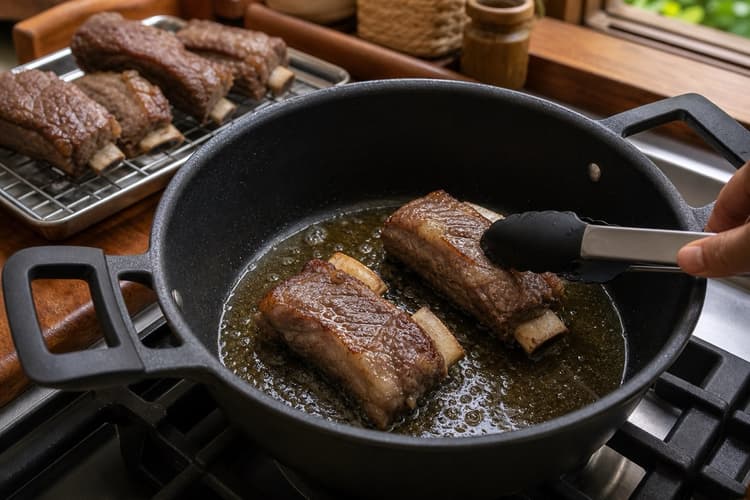
Briefly shallow-fry for crisp edges
Heat 1-2 cm neutral oil to 170-175°C in a stable high-sided pan. Fry only 2-3 ribs at a time for 45-75 seconds per side, just until edges become medium brown. Drain on a clean rack; do not chase the final dark colour in oil.
- Move on when
- Edges are crisp and brown while the centre remains juicy; there is no sugar-black crust.
- Common mistake
- Several minutes of frying dries meat that is already fully cooked.
- Recovery
- Pause before the next step, compare the cue, then correct heat, moisture, or seasoning while the dish is still flexible.
Stage 06
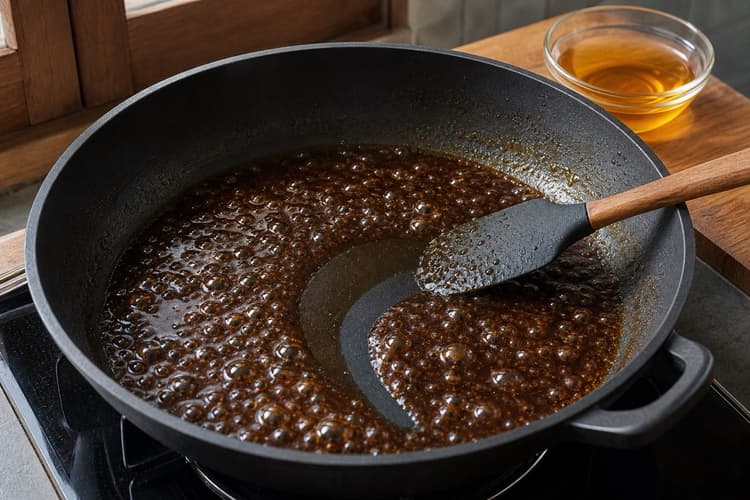
Reduce kecap-stock before honey
In a clean wide pan combine the 150 ml reserved stock, kecap manis, black pepper, and optional sliced chilli. Boil over medium until bubbles become large and a spatula trail stays visible for about one second. Only then lower the heat completely.
- Move on when
- The savoury reduction is glossy and lightly syrupy but still flows back across the pan.
- Common mistake
- Reducing stock, kecap, and honey together burns the honey while water is still escaping.
- Recovery
- Move the pan off heat, scrape only the unburnt paste into a clean spot, add a small splash of oil or liquid, and restart gently.
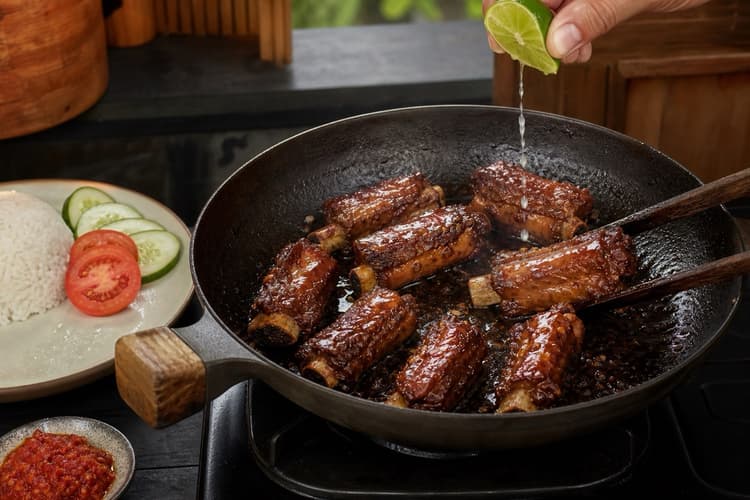
Stage 07
Glaze gently and lime off heat
Stir honey into the low-heat reduction for 20-30 seconds. Add ribs and turn gently for 45-90 seconds until coated. If it turns candy-sticky, loosen with 1 tbsp hot stock or water. Switch off heat, add lime, and serve immediately with rice, cucumber, tomato, sambal, and extra lime.
- Move on when
- A dark-mahogany glaze clings in a thin shine; sweetness is rounded and lime smells fresh.
- Common mistake
- High heat blackens the honey, and lime cooked too early loses brightness.
- Recovery
- Pause before the next step, compare the cue, then correct heat, moisture, or seasoning while the dish is still flexible.
03 · Source & shop
Where the guidance comes from.
Technique guidance is stable editorial material. Prices, stock, and local availability should be rechecked before a special trip.Melbourne
- Best source: use an Indonesian or broader Asian grocer for meaty bone-in beef short ribs, shallots, garlic; buy meaty bone-in beef short ribs, water, fine salt from a supermarket or butcher if quality is better there.
- Hard-to-find watch: ask for the Bahasa names (iga sapi bertulang dan berdaging, bawang merah, bawang putih) and keep meaty bone-in beef short ribs close to the recipe because it changes the identity of Iga Sapi Goreng Madu.
- Acceptable swaps: fresh turmeric: 1 tsp ground turmeric; galangal, salam, lime leaf, and lemongrass: omit daun salam rather than replacing it heavily with European bay.
- Do not swap lightly: meaty bone-in beef short ribs, kecap manis carries the dish cue and should stay close to the recipe.
- Fresh vs packaged: buy shallots, garlic, fresh turmeric fresh or frozen from grocers; packaged coriander seeds, white and black pepper, water is fine when labels are clean and dates are current.
Jakarta
- Best source: pasar stalls are the first stop for iga sapi bertulang dan berdaging, bawang merah, bawang putih; use supermarkets for sealed pantry items, coconut products, noodles, and sauces.
- Hard-to-find watch: check freshness and supplier trust for iga sapi bertulang dan berdaging, bawang merah, bawang putih, especially when the ingredient defines the dish.
- Acceptable swaps: fresh turmeric: 1 tsp ground turmeric; galangal, salam, lime leaf, and lemongrass: omit daun salam rather than replacing it heavily with European bay.
- Do not swap lightly: meaty bone-in beef short ribs, kecap manis carries the Modern Indonesian cue for Iga Sapi Goreng Madu; change it only after you understand the visual stage.
- Fresh vs packaged: buy herbs and aromatics fresh when possible, but packaged pantry staples are fine if the aroma is clean and the date is current.
Editorial provenance
Cookpad - Iga Sapi Goreng Madu
Documents a contemporary Indonesian home-cook use of the exact dish name and a sweet-savoury rib treatment built from honey, citrus, aromatics, palm sugar, and kecap manis.
Supports: documented contemporary dish name, honey and kecap direction, aromatic rib preparation.
Boundary: Cookpad is community-authored. This source supports a modern home-style recipe concept only; it does not establish Iga Sapi Goreng Madu as inherited regional heritage or a canonical traditional dish.
Reviewed 2026-07-10detikFood - Iga Goreng Berempah
Cross-checks the transferable fried-rib technique: cook ribs with spices until tender first, drain them, then fry briefly so the exterior browns without leaving the interior tough.
Supports: tenderise before frying, drain before hot oil, brief crisping finish.
Boundary: This source is iga goreng berempah, not an exact honey version; it validates the two-stage rib technique, not the honey glaze or a heritage claim.
Reviewed 2026-07-10Bango - Iga Bakar Kecap
Cross-checks honey, kecap manis, ginger, onion, garlic, and a cook-until-tender sequence followed by reducing the sauce to a glossy glaze before a high-heat finish.
Supports: honey and kecap glaze, tenderise before browning, reduce glaze separately to control shine.
Boundary: This is a branded grilled-rib analogue, not the exact fried dish. It supports glaze behaviour and sequencing only, and it does not turn the app's modern synthesis into regional heritage.
Reviewed 2026-07-10FoodSafety.gov - Safe Minimum Internal Temperatures
Provides the 63°C / 145°F plus three-minute-rest safety floor for whole-cut beef; ribs continue cooking well past that point until collagen has softened before frying and glazing.
Supports: whole-cut beef minimum, rest-time guidance, safety versus tenderness distinction.
Boundary: The safety floor is not a tenderness target. Bone-adjacent temperature and collagen breakdown both need checking before the rib reaches hot oil.
Reviewed 2026-07-10Food Standards Australia New Zealand - Food safety basics
Applies clean-separate-cook-chill controls when ribs are tenderised ahead, cooled, and fried later; refrigerate at 5°C or colder and do not leave cooked ribs at room temperature beyond the two-hour/four-hour limits.
Supports: safe make-ahead chilling, cross-contamination control, two-hour/four-hour rule.
Boundary: This is household safety guidance, not validation of the recipe's honey quantity, frying time, shelf life, or commercial HACCP controls.
Reviewed 2026-07-10Bumbu Lens generated visual cue reference
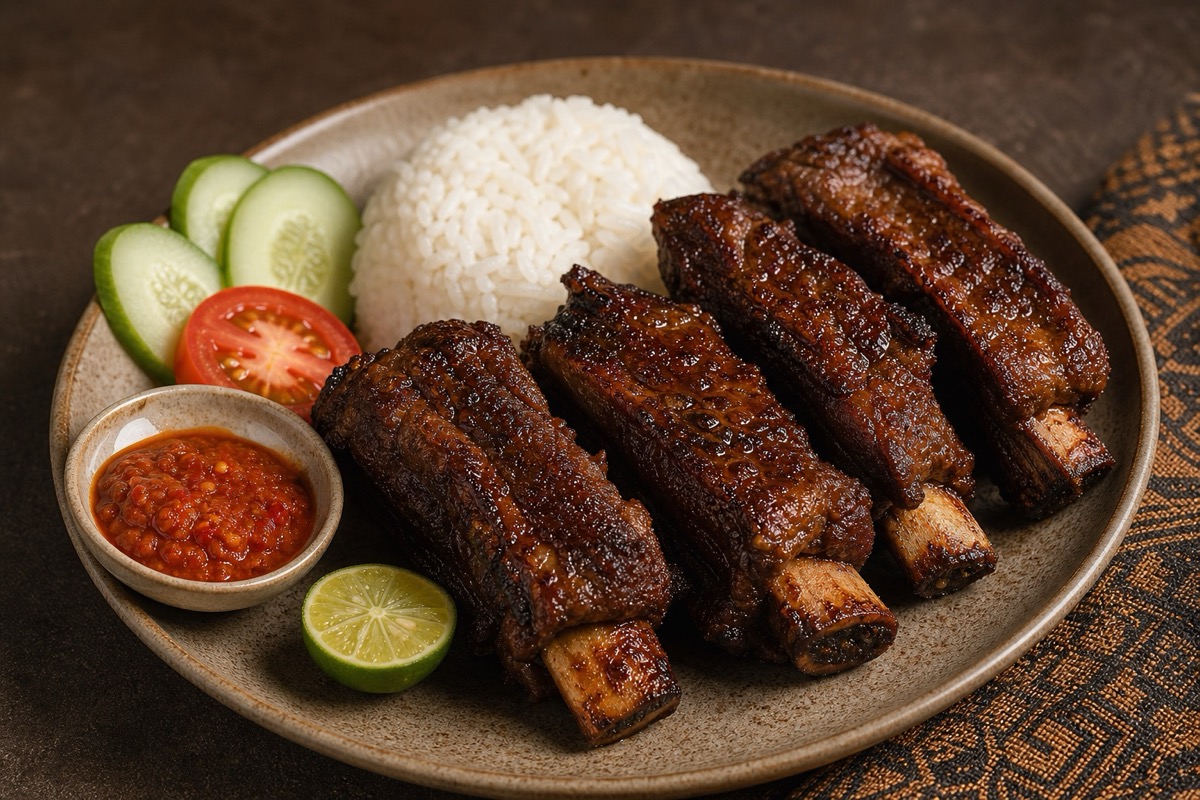
Recorded as a local editorial or generated visual cue asset, not an independent external source.
Supports: finished-dish appearance, image credit boundary.
Boundary: A local or generated asset is visual guidance, not evidence of authenticity, ingredient quantities, timing, safety, or method accuracy.
Reviewed 2026-07-10Bumbu Lens editorial method audit
Reviewed Iga Sapi Goreng Madu as an ordered cook flow with visual cues, common mistakes, and recovery notes.
Supports: method sequence, visual checkpoints, mistake and recovery notes.
Boundary: Use this as editorial guidance; run a tested-kitchen pass before publishing nutrition, safety guarantees, or commercial pack quantities.
Reviewed 2026-07-10Bumbu Lens Melbourne/Jakarta sourcing heuristic
Mapped ingredient groups to likely Melbourne grocer, supermarket, butcher, pasar, and Jakarta supermarket paths.
Supports: Melbourne sourcing, Jakarta sourcing, volatile availability boundary.
Boundary: Ingredient availability, price, and store stock change; verify with local grocers before travel, bulk shopping, or holiday cooking.
Reviewed 2026-07-10Your next cook
Kitchen notes
Record the batch size, timing, substitutions, and visual cue you want to remember next time.