Step 1 decision
Soak, blanch, and reset the pot
Beef surfaces are clean grey-brown with no beige foam or dark clots, and the pot has no residue.
Open step 1KR · Korea / clear meat-broth style
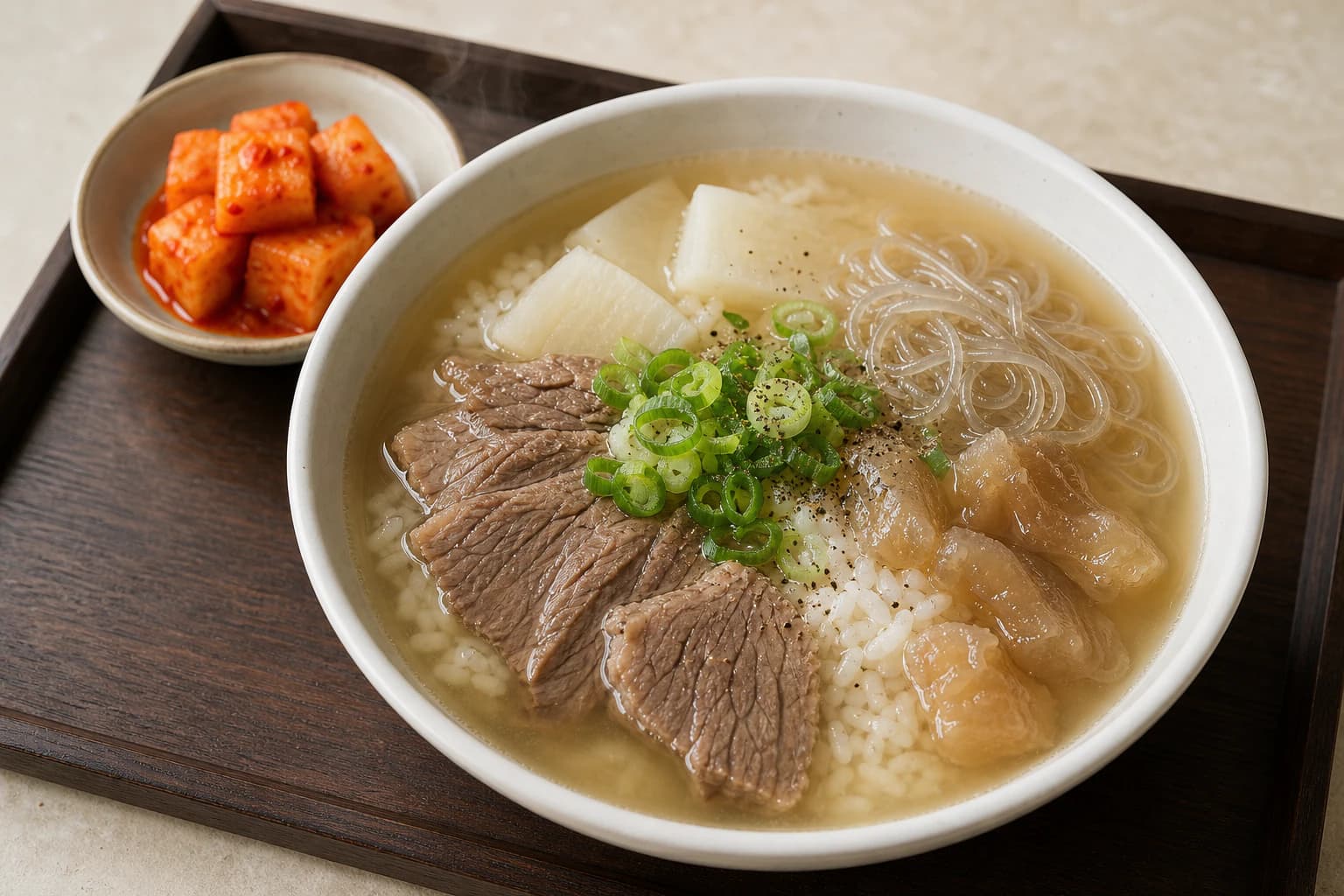
A clear Korean beef soup built from brisket, tendon, radish, and patient heat. The easy path keeps the meat-led identity and toryeom bowl service without turning it into milky seolleongtang.
Decision-point map
Scan the decision points now. Each full-size cooking frame appears once, beside the step where you need it.
Beef surfaces are clean grey-brown with no beige foam or dark clots, and the pot has no residue.
Open step 1Broth remains clear; tender brisket slices without crumbling and tendon is supple rather than rubbery.
Open step 3The bowl is piping hot, clear, clean-edged, and finished with bright green onion beside crisp kimchi.
Check the final stepIngredients
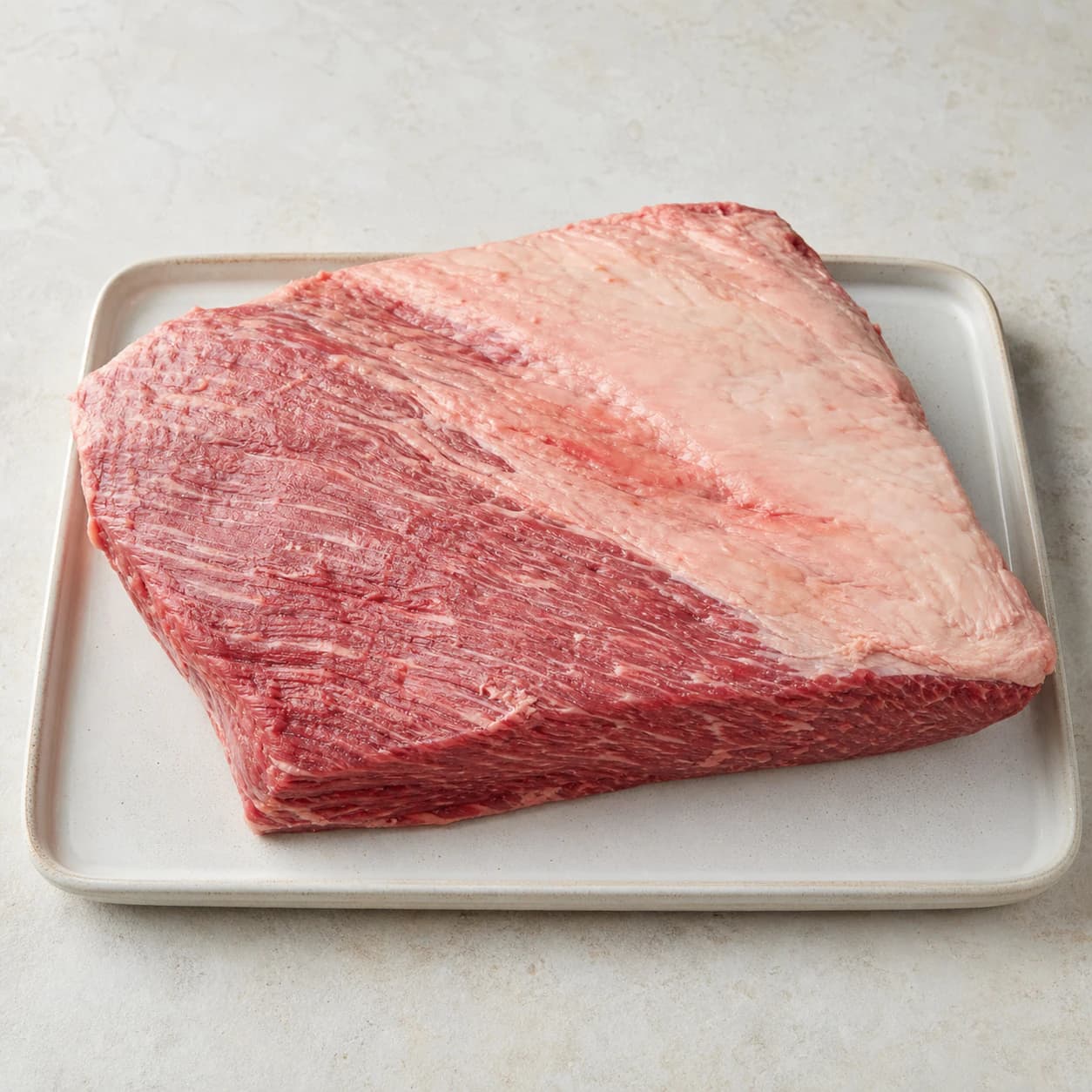
meaty broth base and tender sliced topping
Note: Use fresh uncured beef; corned brisket will make the broth salty and non-traditional.
Swap: 1 kg beef shin for a leaner, slightly more gelatinous pot
Melbourne
 Nearby butchers
 Search Coles
 Search WoolworthsFind an ALDIFind an IGASearch TozerbaSearch Asian PantryToko Nusantara
These links open searches, catalogues, or store locators. Check the exact form and local availability there.
Jakarta
Nearby butchers and marketsPasar Jaya networkSuper Indo locationsRanch Market outletsHypermart online Search Sayurbox
 Search Tokopedia
 Search ShopeeOpen GrabMart
These links open searches, catalogues, or store locators. Check the exact form and local availability there.
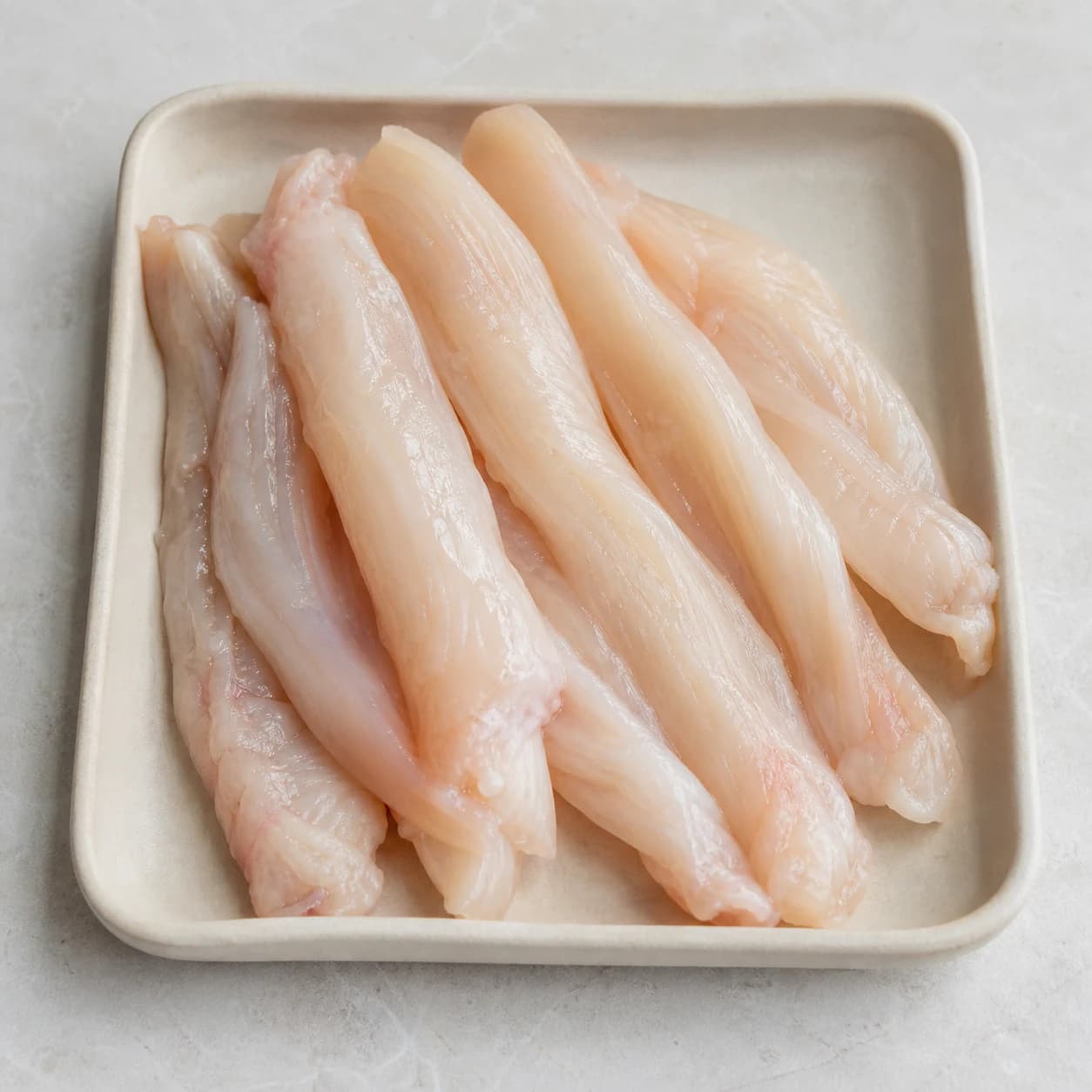
soft gelatinous contrast and broth body without a bone-heavy emulsion
Note: Tendon takes longer than brisket; judge each piece separately before slicing.
Swap: 300 g extra brisket for the easiest supermarket-only path
Melbourne
Nearby butchersSearch ColesSearch WoolworthsFind an ALDIFind an IGASearch TozerbaSearch Asian PantryToko NusantaraThese links open searches, catalogues, or store locators. Check the exact form and local availability there.
Jakarta
Nearby butchers and marketsPasar Jaya networkSuper Indo locationsRanch Market outletsHypermart onlineSearch SayurboxSearch TokopediaSearch ShopeeOpen GrabMartThese links open searches, catalogues, or store locators. Check the exact form and local availability there.

cold soak, disposable blanch, and measured clear broth
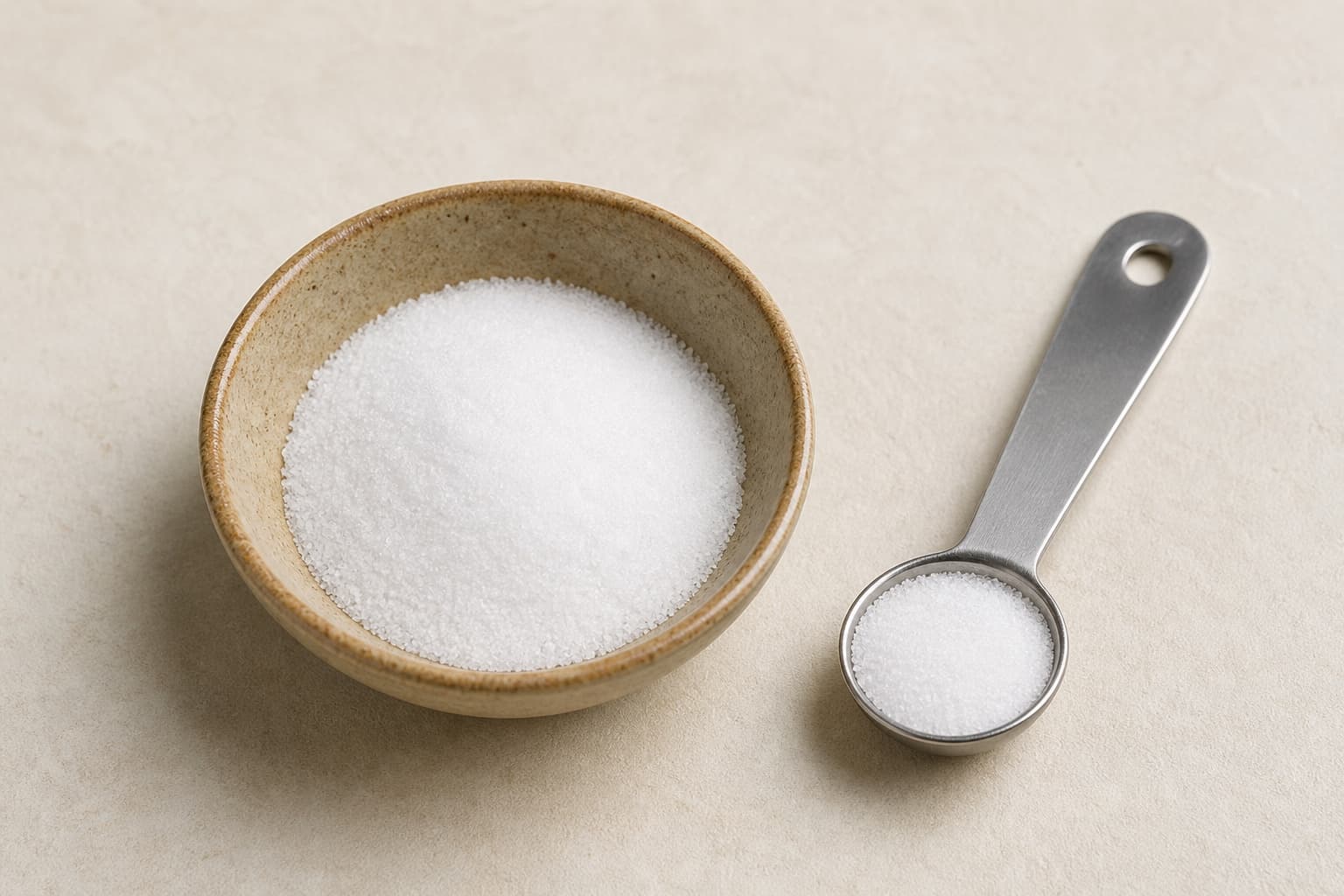
seasons the strained broth while leaving final adjustment to each diner
Melbourne
Nearby supermarketsSearch ColesSearch WoolworthsFind an ALDIFind an IGASearch TozerbaSearch Asian PantryToko NusantaraThese links open searches, catalogues, or store locators. Check the exact form and local availability there.
Jakarta
Nearby supermarketsSuper Indo locationsRanch Market outletsHypermart onlinePasar Jaya networkSearch SayurboxSearch TokopediaSearch ShopeeOpen GrabMartThese links open searches, catalogues, or store locators. Check the exact form and local availability there.
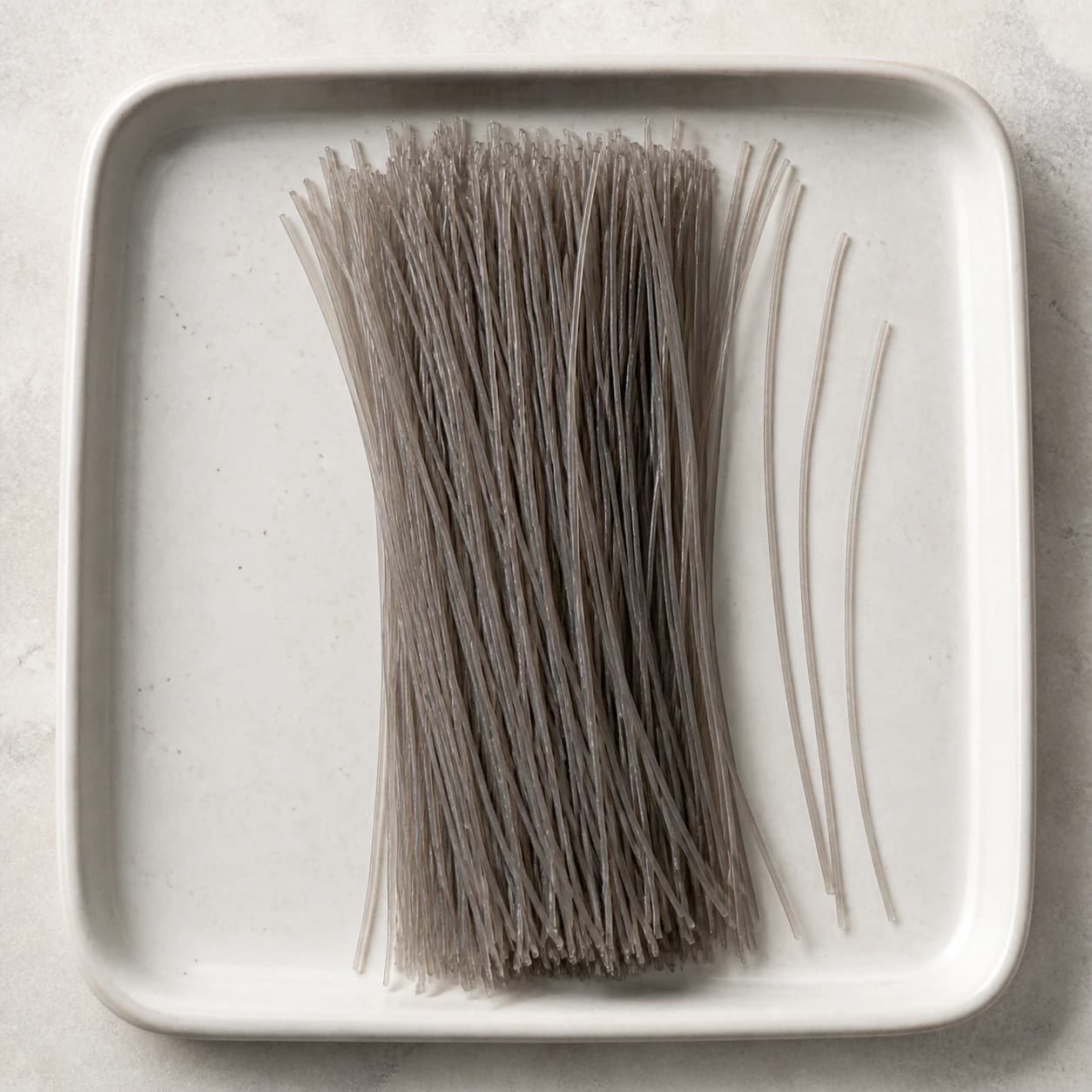
springy optional noodle layer without clouding the stock
Note: Check the pack if gluten avoidance is required; seasoning sachets are not used.
Swap: omit and add more rice
Melbourne
Nearby specialist grocersMr Dad CBD guideGuideSolAsia QV guideGuideKT Mart / KKETTA guideGuideTokyo Hometown guideGuideSearch TozerbaSearch Asian PantryToko NusantaraSearch ColesSearch WoolworthsFind an ALDIFind an IGAThese links open searches, catalogues, or store locators. Check the exact form and local availability there.
Jakarta
Nearby specialist shopsSearch SayurboxSearch TokopediaSearch ShopeeOpen GrabMartSuper Indo locationsRanch Market outletsHypermart onlinePasar Jaya networkThese links open searches, catalogues, or store locators. Check the exact form and local availability there.
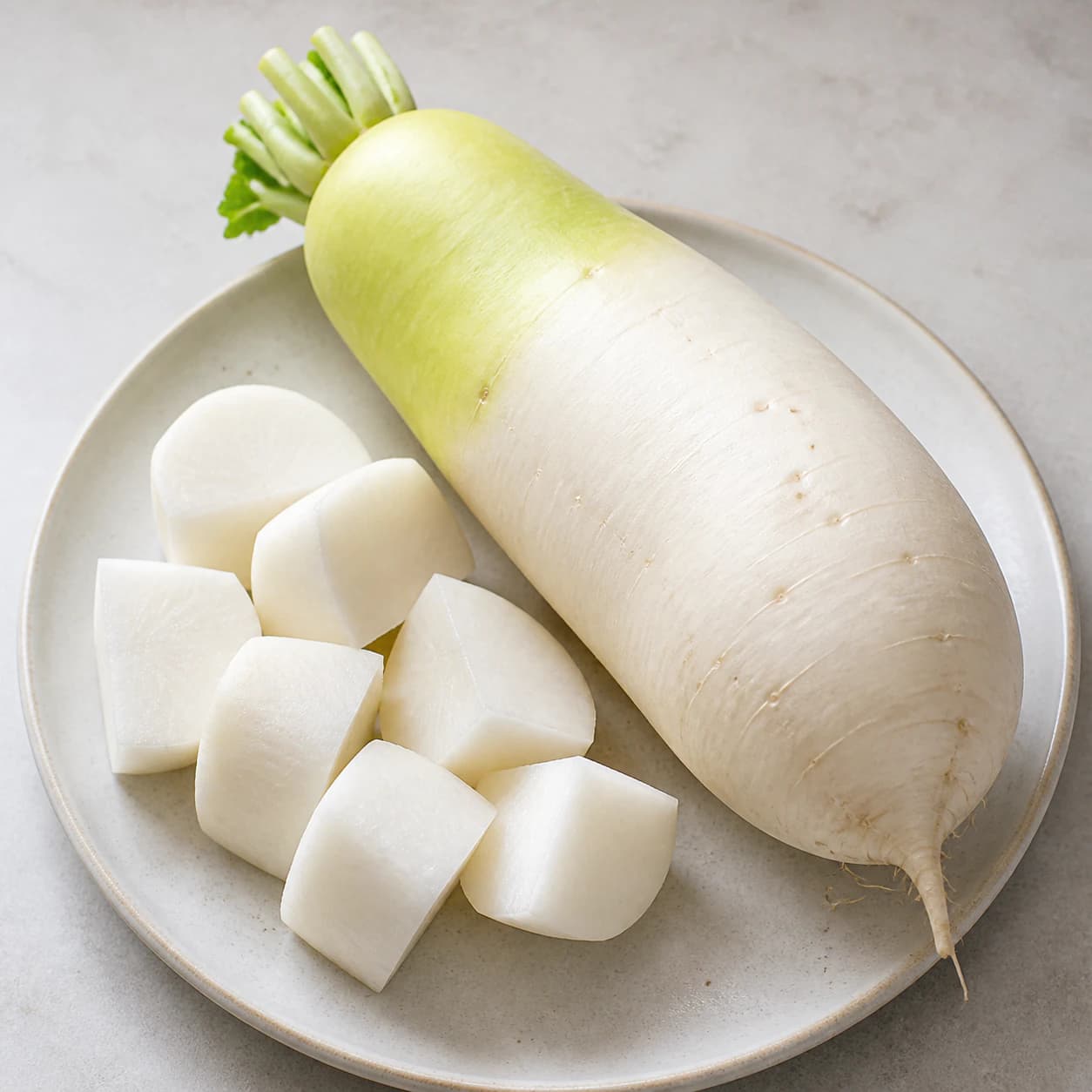
gentle sweetness and clean vegetal depth in the broth
Swap: ordinary daikon; do not use small red salad radishes
Melbourne
Nearby produce marketsSearch ColesSearch WoolworthsFind an ALDIFind an IGASearch TozerbaSearch Asian PantryToko NusantaraThese links open searches, catalogues, or store locators. Check the exact form and local availability there.
Jakarta
Nearby produce marketsPasar Jaya networkSuper Indo locationsRanch Market outletsHypermart onlineSearch SayurboxSearch TokopediaSearch ShopeeOpen GrabMartThese links open searches, catalogues, or store locators. Check the exact form and local availability there.
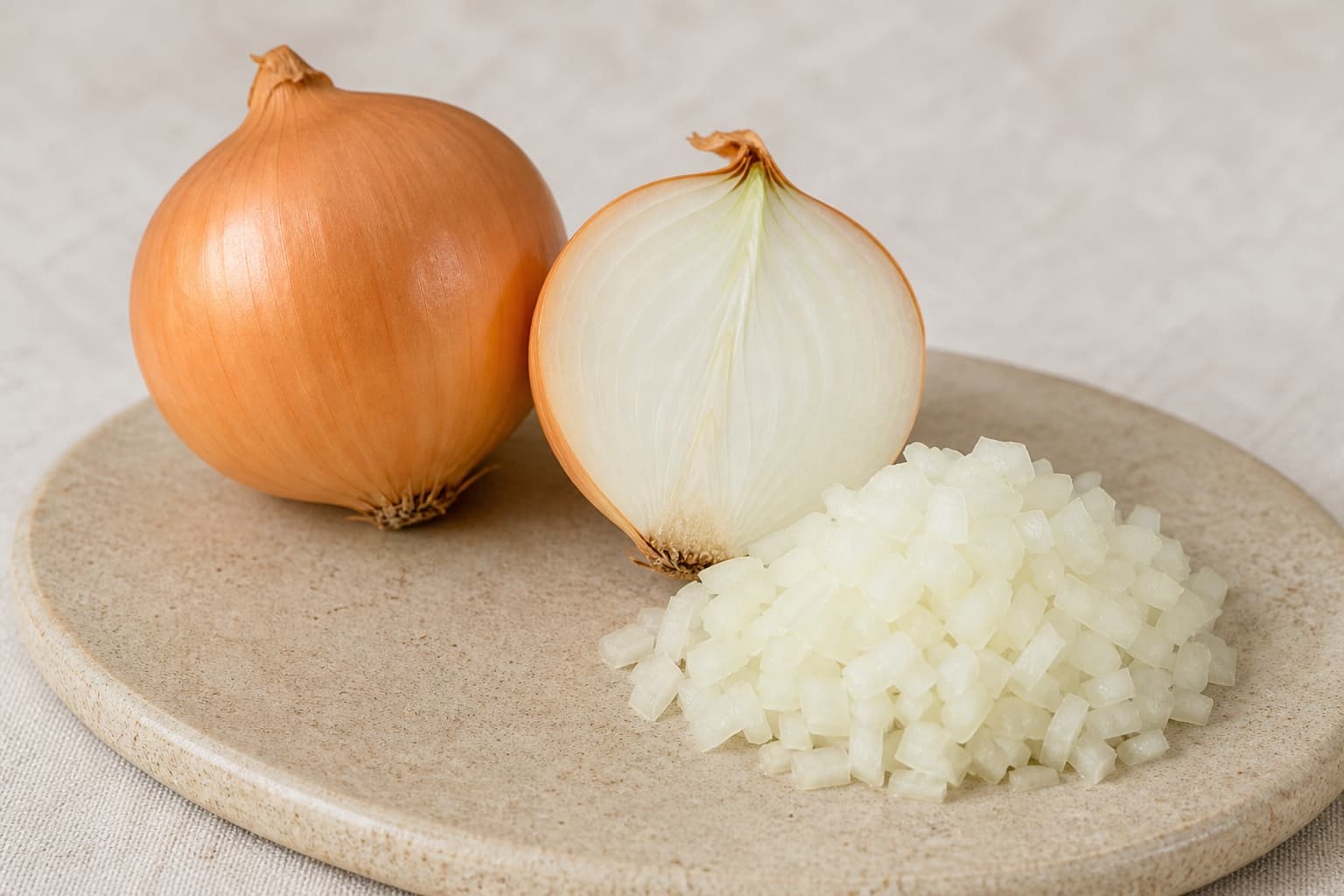
rounded sweetness that is strained from the final broth
Melbourne
Nearby produce marketsSearch ColesSearch WoolworthsFind an ALDIFind an IGASearch TozerbaSearch Asian PantryToko NusantaraThese links open searches, catalogues, or store locators. Check the exact form and local availability there.
Jakarta
Nearby produce marketsPasar Jaya networkSuper Indo locationsRanch Market outletsHypermart onlineSearch SayurboxSearch TokopediaSearch ShopeeOpen GrabMartThese links open searches, catalogues, or store locators. Check the exact form and local availability there.
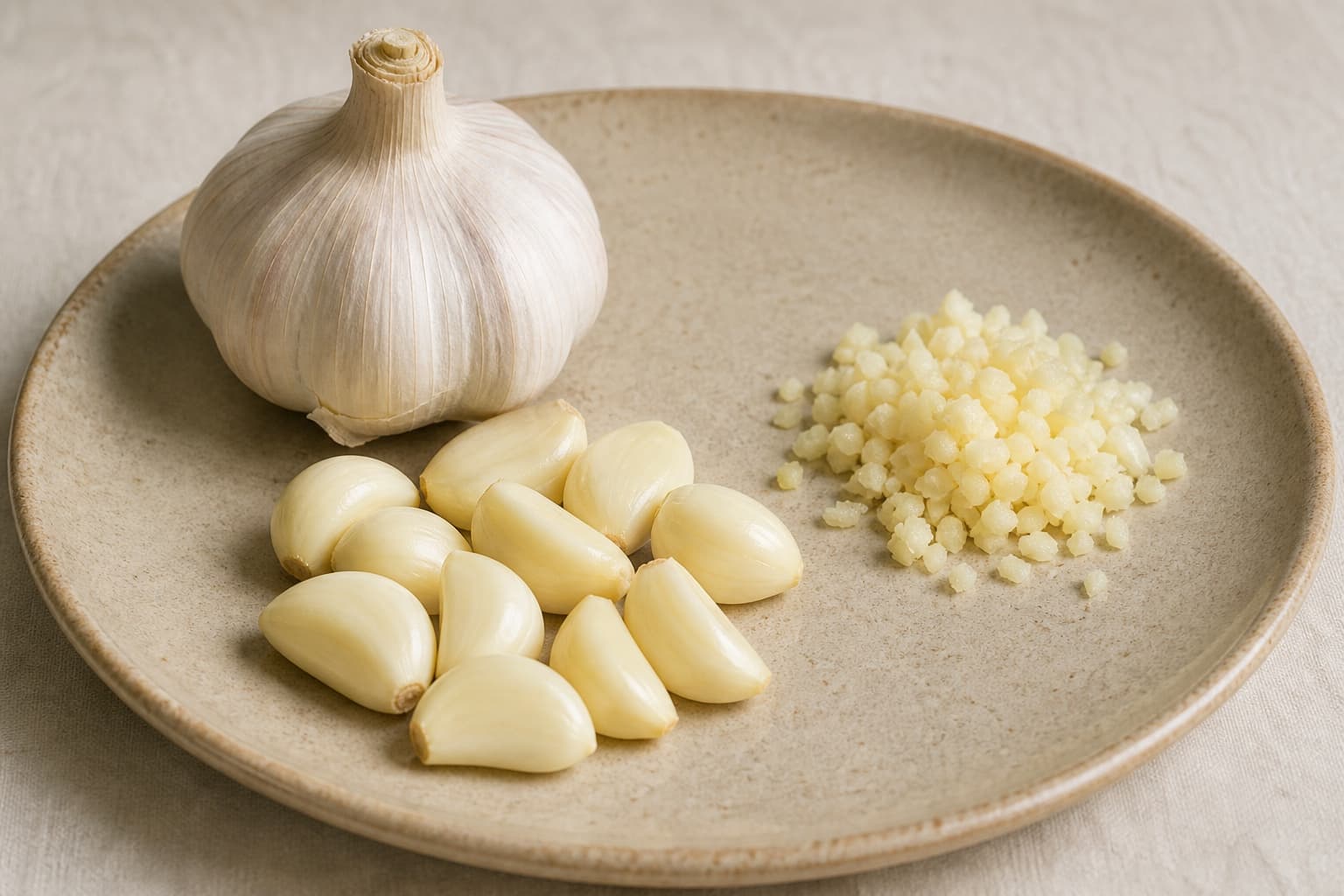
restrained aromatic warmth through the long simmer
Melbourne
Nearby produce marketsSearch ColesSearch WoolworthsFind an ALDIFind an IGASearch TozerbaSearch Asian PantryToko NusantaraThese links open searches, catalogues, or store locators. Check the exact form and local availability there.
Jakarta
Nearby produce marketsPasar Jaya networkSuper Indo locationsRanch Market outletsHypermart onlineSearch SayurboxSearch TokopediaSearch ShopeeOpen GrabMartThese links open searches, catalogues, or store locators. Check the exact form and local availability there.
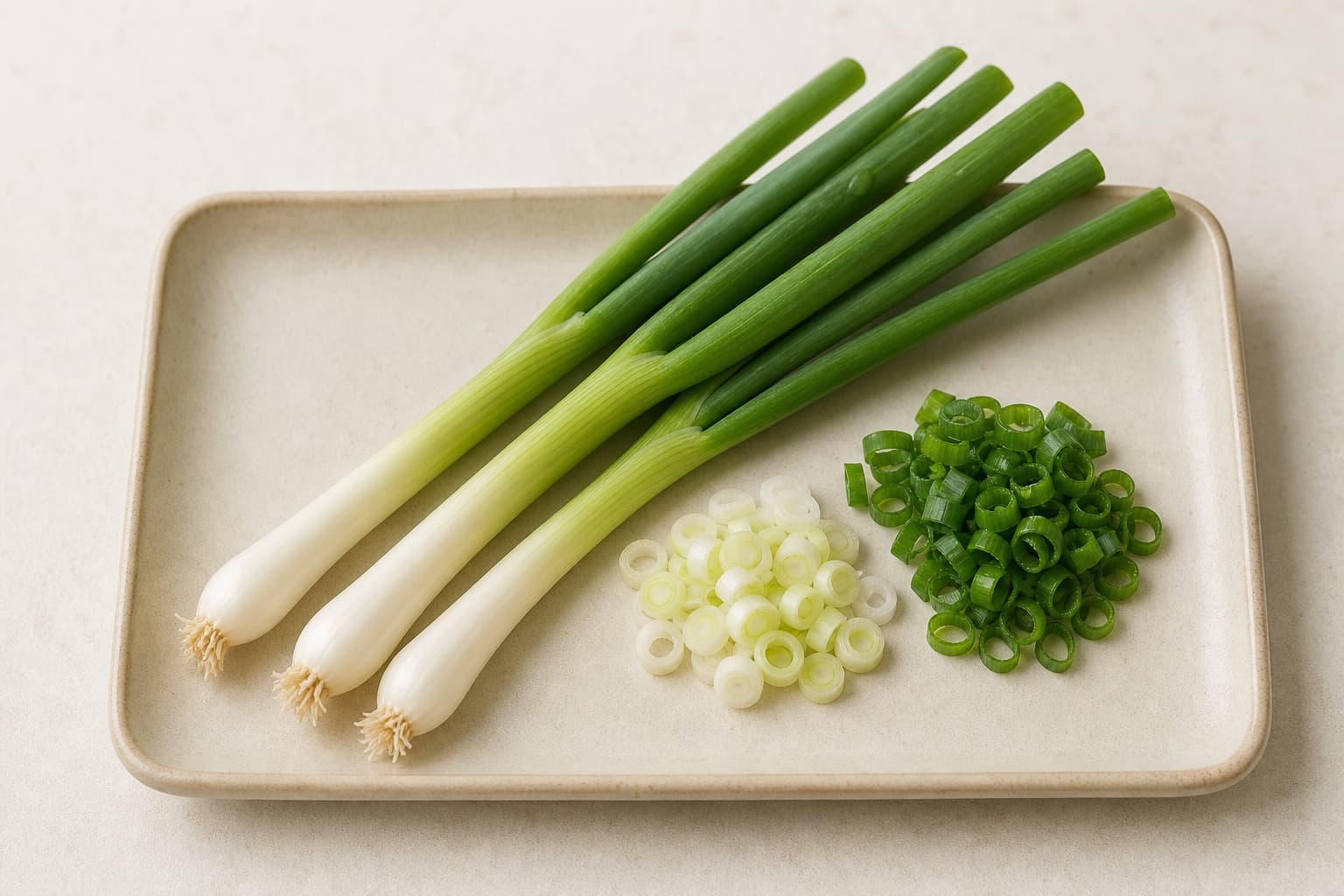
whole whites perfume the stock; finely sliced green parts finish each bowl
Melbourne
Nearby produce marketsSearch ColesSearch WoolworthsFind an ALDIFind an IGASearch TozerbaSearch Asian PantryToko NusantaraThese links open searches, catalogues, or store locators. Check the exact form and local availability there.
Jakarta
Nearby produce marketsPasar Jaya networkSuper Indo locationsRanch Market outletsHypermart onlineSearch SayurboxSearch TokopediaSearch ShopeeOpen GrabMartThese links open searches, catalogues, or store locators. Check the exact form and local availability there.

small final dose of savour without making the broth taste sauced
Note: Contains fish; soup soy usually contains soy and may contain wheat.
Swap: 15 ml Korean soup soy sauce, accepting a slightly darker broth
Melbourne
Nearby specialist grocersMr Dad CBD guideGuideSolAsia QV guideGuideSearch TozerbaSearch Asian PantryToko NusantaraSearch ColesSearch WoolworthsFind an ALDIFind an IGAThese links open searches, catalogues, or store locators. Check the exact form and local availability there.
Jakarta
Nearby specialist shopsSearch SayurboxSearch TokopediaSearch ShopeeOpen GrabMartSuper Indo locationsRanch Market outletsHypermart onlinePasar Jaya networkThese links open searches, catalogues, or store locators. Check the exact form and local availability there.
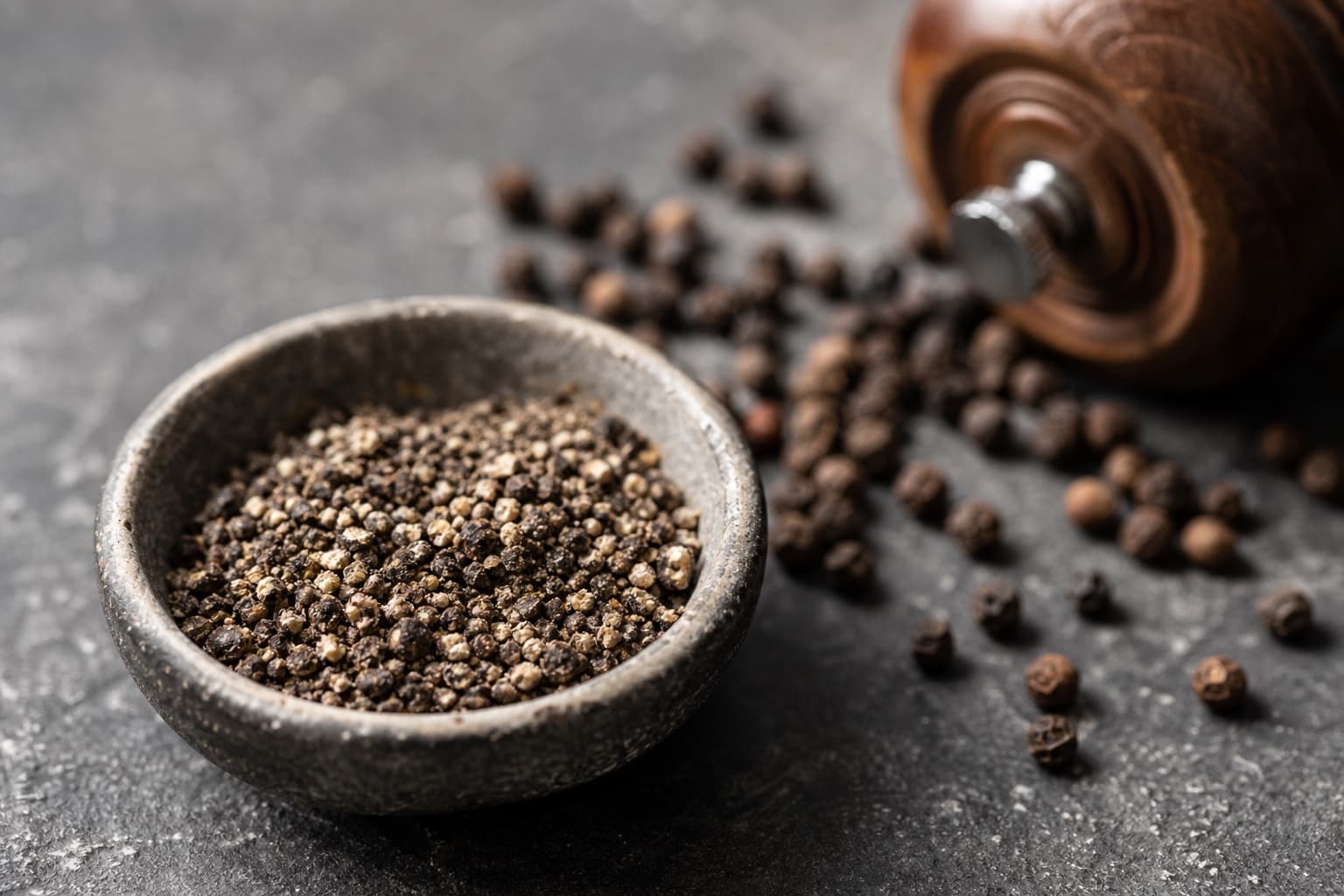
warm table seasoning over the finished clear bowl
Melbourne
Nearby specialist grocersMr Dad CBD guideGuideSolAsia QV guideGuideSearch TozerbaSearch Asian PantryToko NusantaraSearch ColesSearch WoolworthsFind an ALDIFind an IGAThese links open searches, catalogues, or store locators. Check the exact form and local availability there.
Jakarta
Nearby specialist shopsSearch SayurboxSearch TokopediaSearch ShopeeOpen GrabMartSuper Indo locationsRanch Market outletsHypermart onlinePasar Jaya networkThese links open searches, catalogues, or store locators. Check the exact form and local availability there.
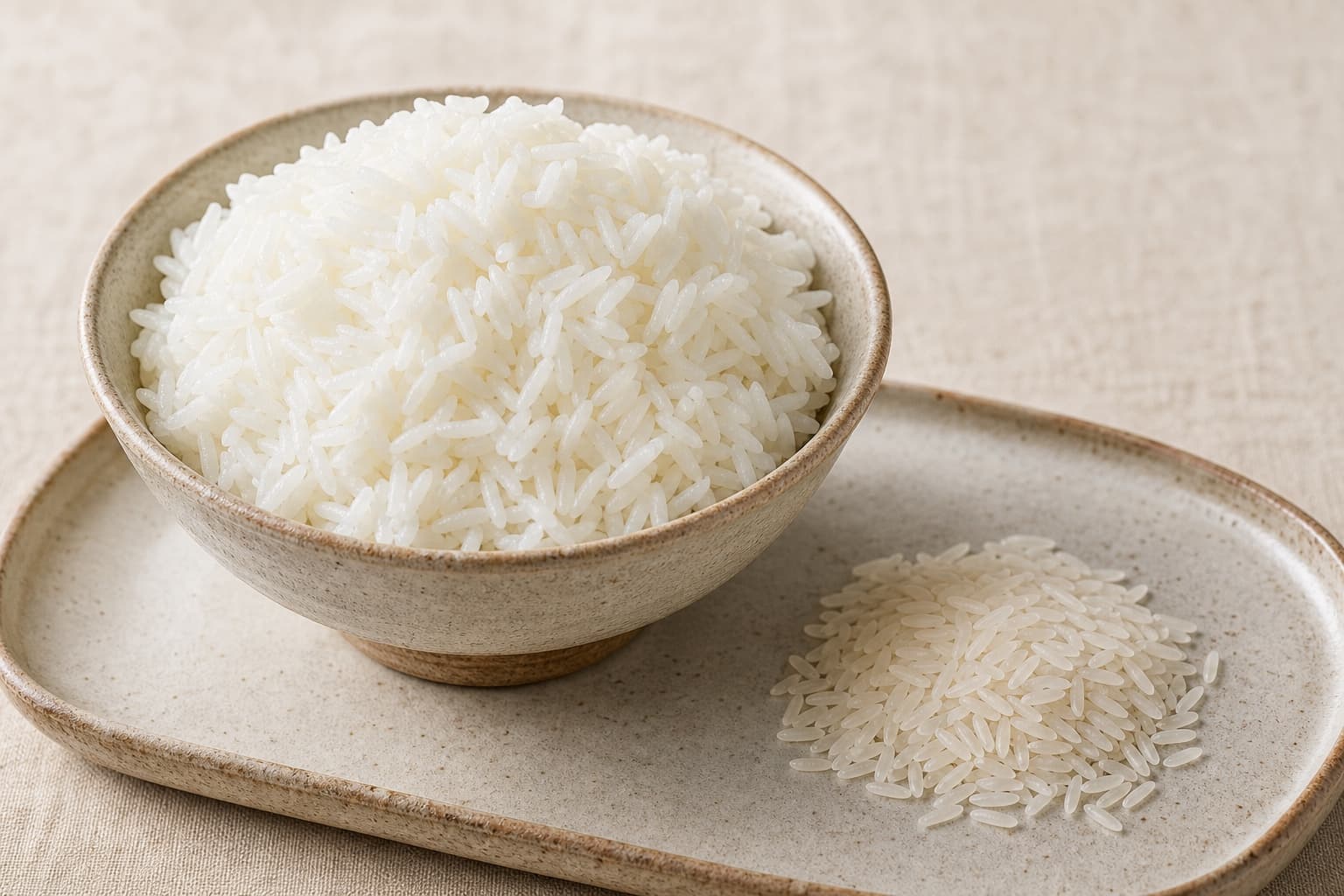
hot prepared base for gomtang-gukbap service
Melbourne
Nearby produce marketsSearch ColesSearch WoolworthsFind an ALDIFind an IGASearch TozerbaSearch Asian PantryToko NusantaraThese links open searches, catalogues, or store locators. Check the exact form and local availability there.
Jakarta
Nearby produce marketsPasar Jaya networkSuper Indo locationsRanch Market outletsHypermart onlineSearch SayurboxSearch TokopediaSearch ShopeeOpen GrabMartThese links open searches, catalogues, or store locators. Check the exact form and local availability there.
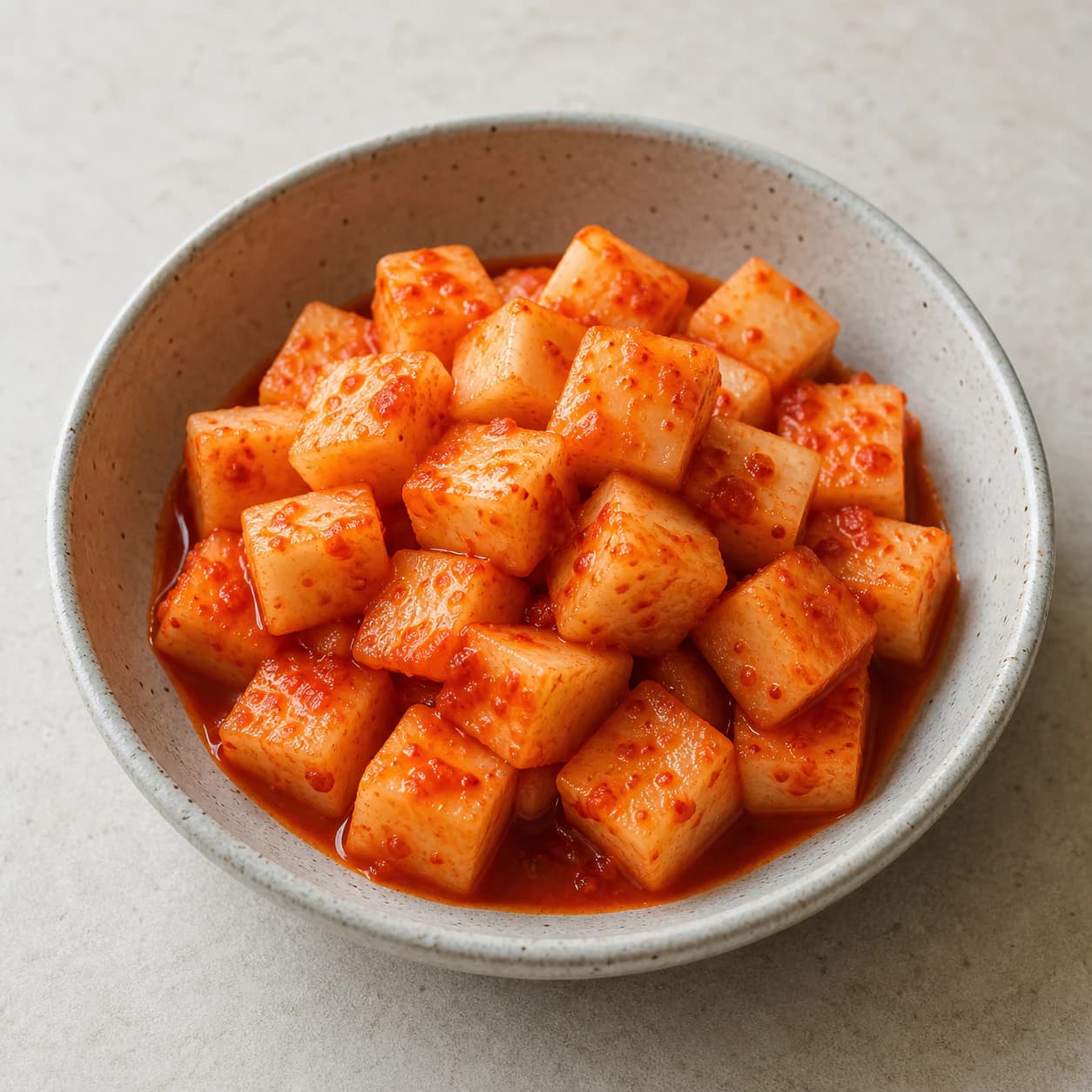
crisp fermented side traditionally paired with the mild beef broth
Note: Kimchi may contain fish, crustacea, soy, or wheat depending on the recipe; read the exact label.
Swap: well-fermented baechu kimchi
Melbourne
Nearby produce marketsSearch ColesSearch WoolworthsFind an ALDIFind an IGASearch TozerbaSearch Asian PantryToko NusantaraThese links open searches, catalogues, or store locators. Check the exact form and local availability there.
Jakarta
Nearby produce marketsPasar Jaya networkSuper Indo locationsRanch Market outletsHypermart onlineSearch SayurboxSearch TokopediaSearch ShopeeOpen GrabMartThese links open searches, catalogues, or store locators. Check the exact form and local availability there.
Calculated estimate · per serving
1 of 6 bowls; includes the authored rice, noodles, beef, tendon, radish, and broth
Calculated from the authored edible ingredient weights using representative AFCD Release 3 and USDA FoodData Central profiles, then divided by the recipe yield. Energy follows the FSANZ ingredient-contribution method. Optional serving accompaniments are excluded. The model allocates the edible cooked yield from the authored brisket, tendon, rice, noodles, radish, seasoning, and measured broth across six bowls; discarded scum and skimmed fat are excluded.
Calculated estimate only, not a laboratory result or personalised dietary advice. Actual values vary with brands, produce, meat trim, substitutions, final serving size, and how much cooking or rendered oil is left in the pan or skimmed. Check packaged labels for allergens and sodium; consult an accredited practising dietitian or clinician for medical dietary needs. Beef trim, collagen extraction, how aggressively the chilled stock is de-fatted, broth reduction, and table salt or kimchi materially change the finished bowl.
Reference data: Australian Food Composition Database · FSANZ calculation method · USDA FoodData Central · calculated 2026-07-15
Step-by-step method
Read the action and cue together. Move on when the food matches the cue.
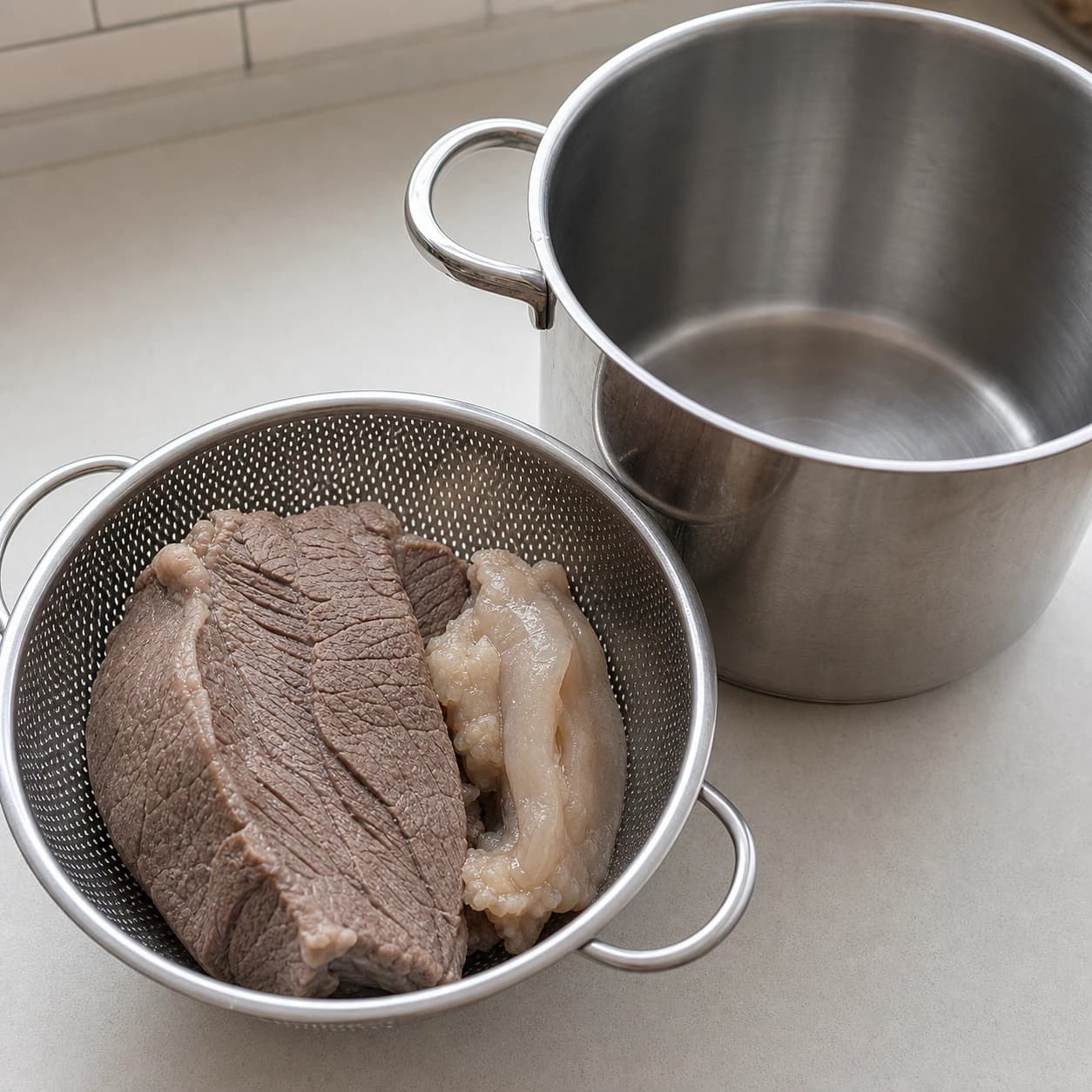
Trim only thick external fat from the brisket and tendon. For the clearest result, cover both with cold water and refrigerate for 1 hour, then drain; skip the soak when time is short. Cover in the stockpot with about 2.5 L fresh water, bring to a boil, and blanch uncovered for 10 minutes. Drain, rinse meat under cool running water, scrub away clinging foam, and wash the pot with hot soapy water. Treat the blanched meat as not yet safely cooked.
Common mistake: Reusing blanch water or a dirty pot defeats the clear-broth reset.
Recovery: Pause before the next step, compare the cue, then correct heat, moisture, or seasoning while the dish is still flexible.
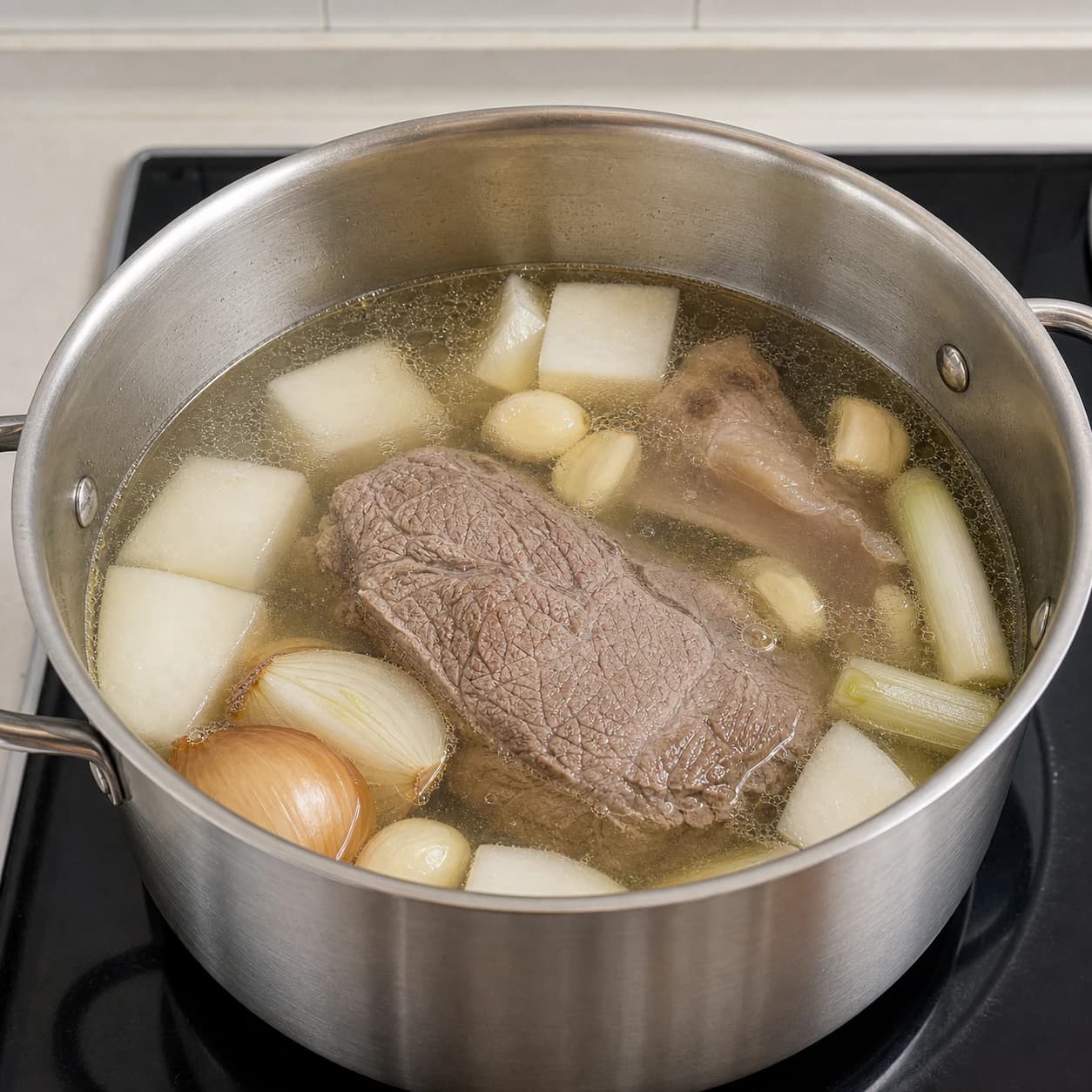
Return the clean brisket and tendon to the washed pot. Add the prepared radish, onion, garlic, and the white/light-green lengths from the spring onions; reserve dark green slices for serving. Add 4.5 L fresh water. Bring just to a boil over medium-high, skimming repeatedly, then immediately reduce the heat.
Common mistake: Walking away during the first boil lets foam break up and circulate through the stock.
Recovery: Lower the heat immediately, skim or stir gently, and continue at a small simmer until the surface calms.
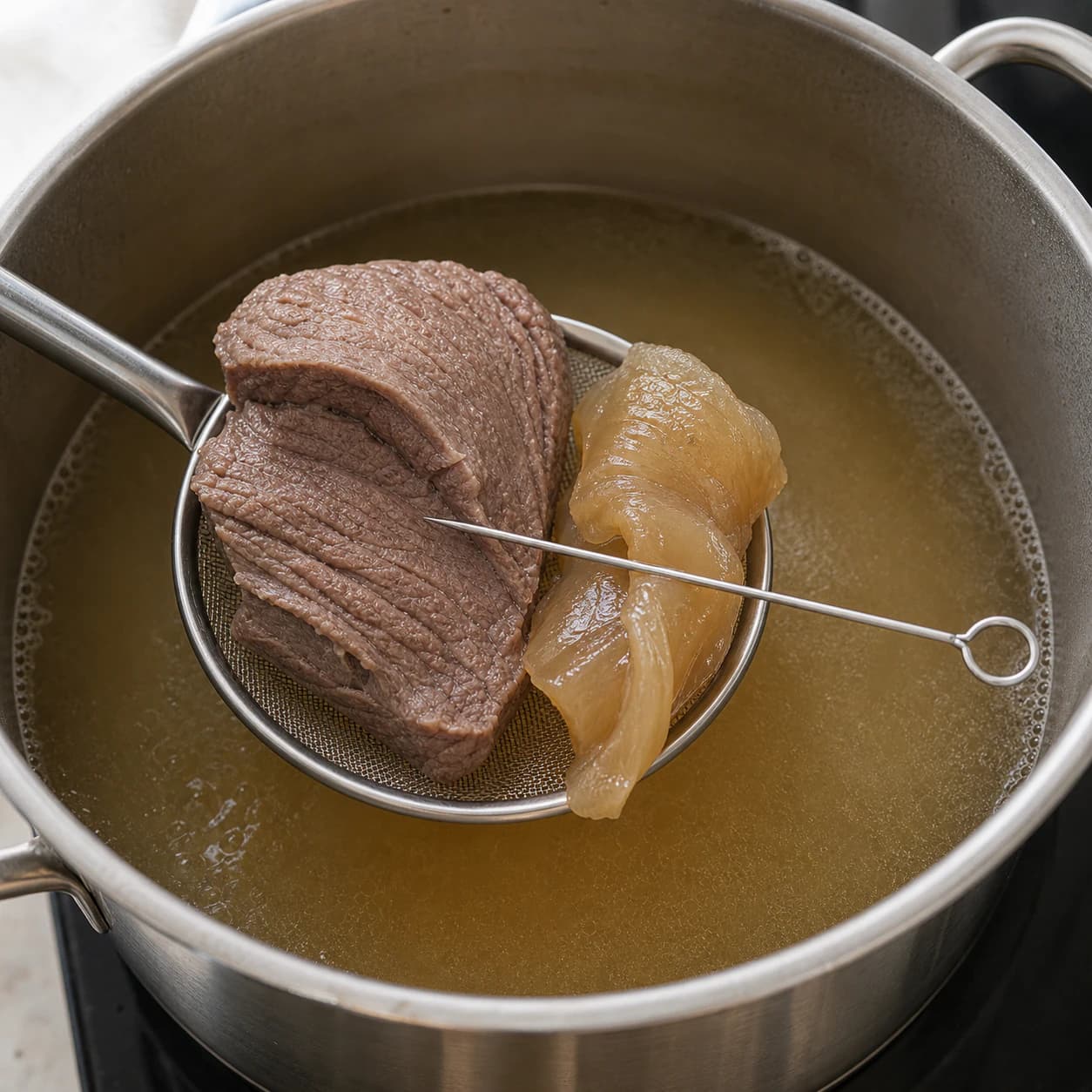
Partly cover and maintain 88–95°C: small edge bubbles and an occasional centre bubble, never a rolling boil. Skim during the first hour. Begin testing brisket at 1 hour 45 minutes and tendon at 2 hours 15 minutes. Remove each only when a skewer enters with little resistance; tendon should bend easily and look translucent. Chill the pieces just long enough to slice neatly. Continue the broth with the aromatics until the final cut is tender.
Common mistake: One timer for both cuts either dries brisket or leaves tendon tough.
Recovery: Lower to a gentle simmer and give it more time; texture fixes happen slowly, not with harder heat.
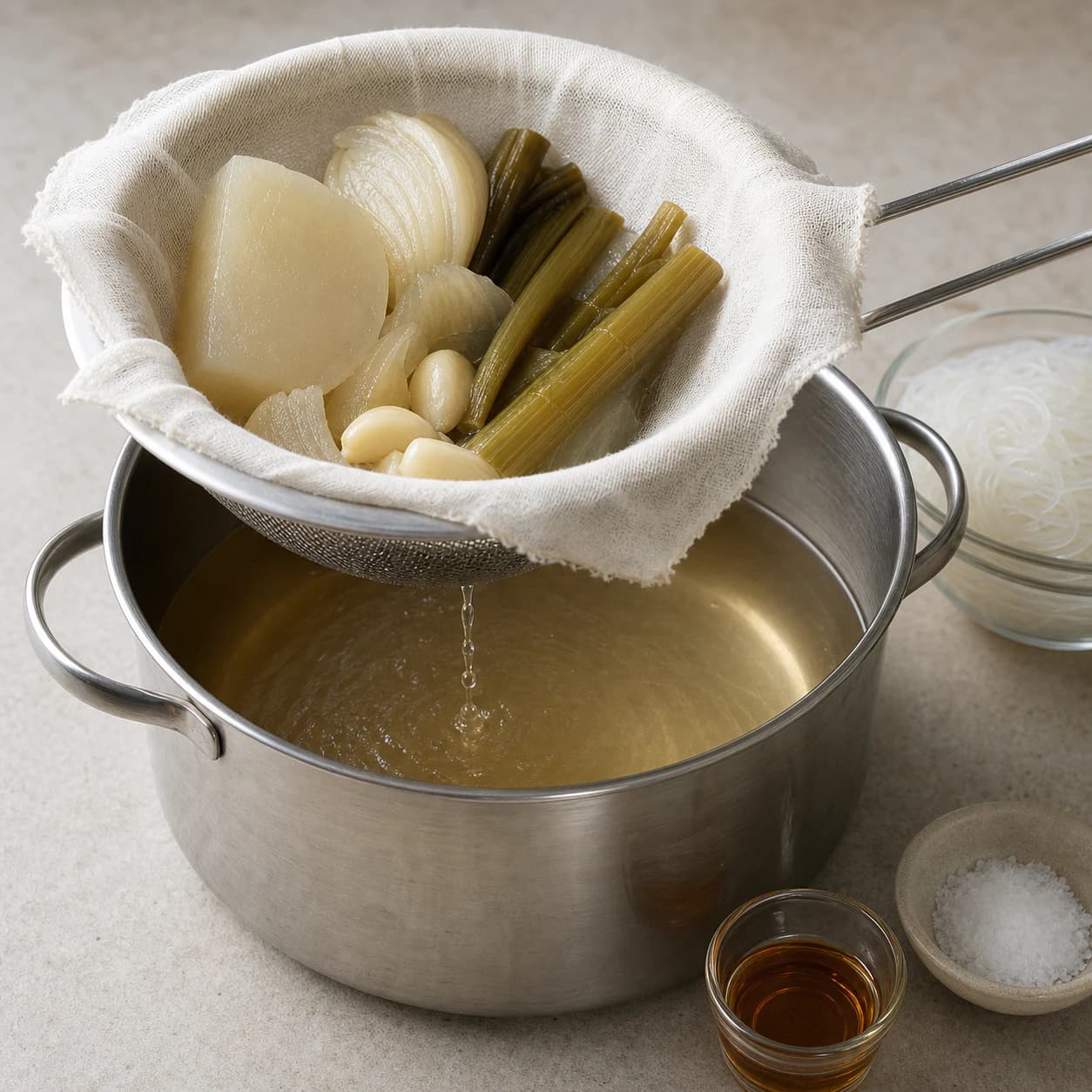
Strain through a lined fine sieve without pressing the spent vegetables. For same-day service, rest 10 minutes and skim surface fat or use a separator. For the cleanest make-ahead bowl, cool broth in shallow containers from 60°C to 21°C within 2 hours and then to 5°C within another 4 hours; refrigerate and lift off solid fat. Reheat to a boil, add the fish sauce and 12 g of the salt, then adjust cautiously with the remaining salt. Soak dangmyeon according to its pack and cook it in the boiling broth only until tender.
Common mistake: Pressing vegetables clouds the stock; leaving a deep hot pot to cool slowly is unsafe.
Recovery: Stop and discard the unsafe ingredient. Restart with a prepared edible version from a trusted food supplier.
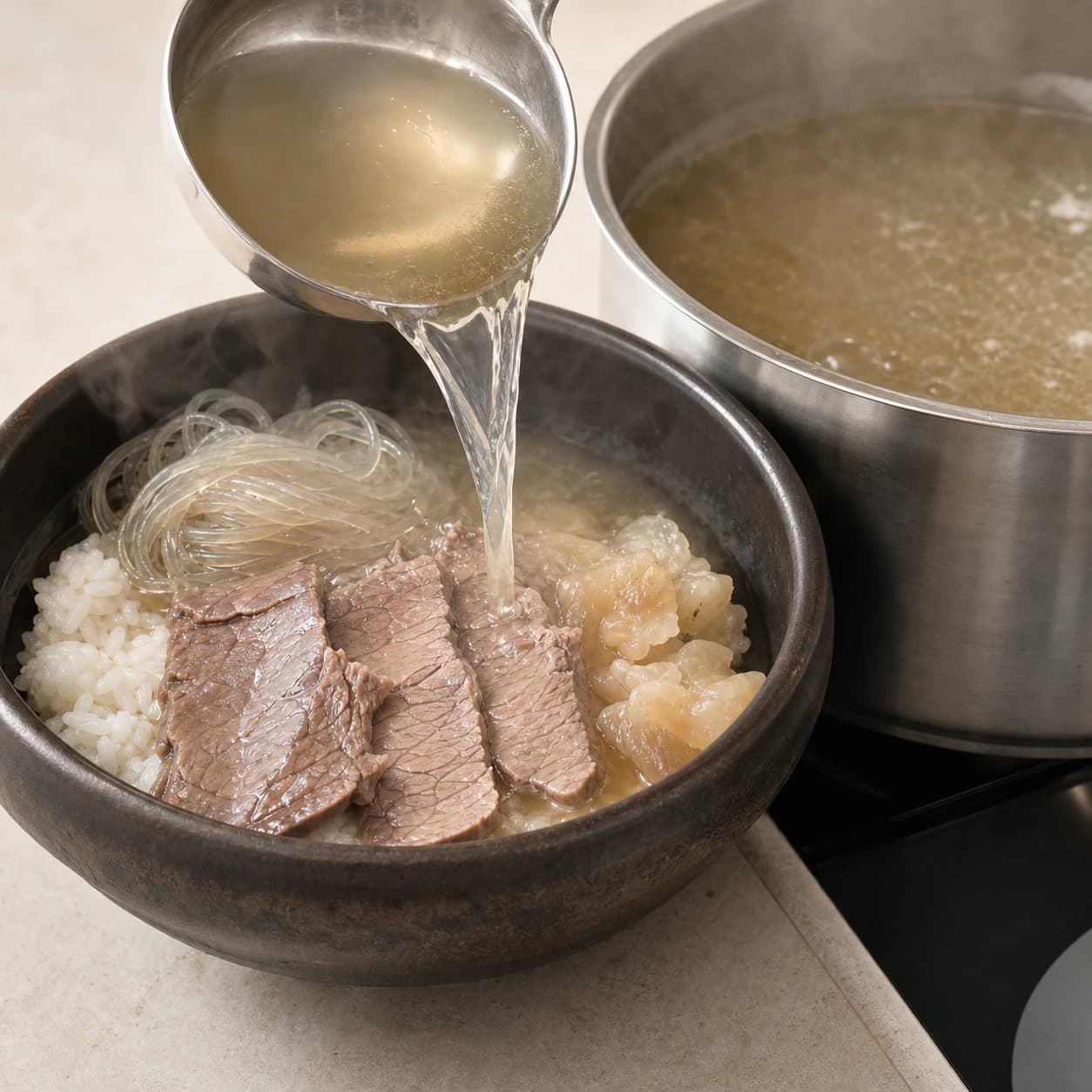
Slice brisket across the grain and tendon into bite-size pieces. Put hot cooked rice, noodles if used, brisket, and tendon into each heatproof bowl. Keep broth at a full boil. Ladle broth over one bowl, hold the solids back with the ladle, and pour broth into the pot; repeat once, then fill the bowl with final boiling broth. Repeat bowl by bowl.
Common mistake: Leaving rice to boil in the main pot releases starch and clouds every serving.
Recovery: Lower the heat immediately, skim or stir gently, and continue at a small simmer until the surface calms.
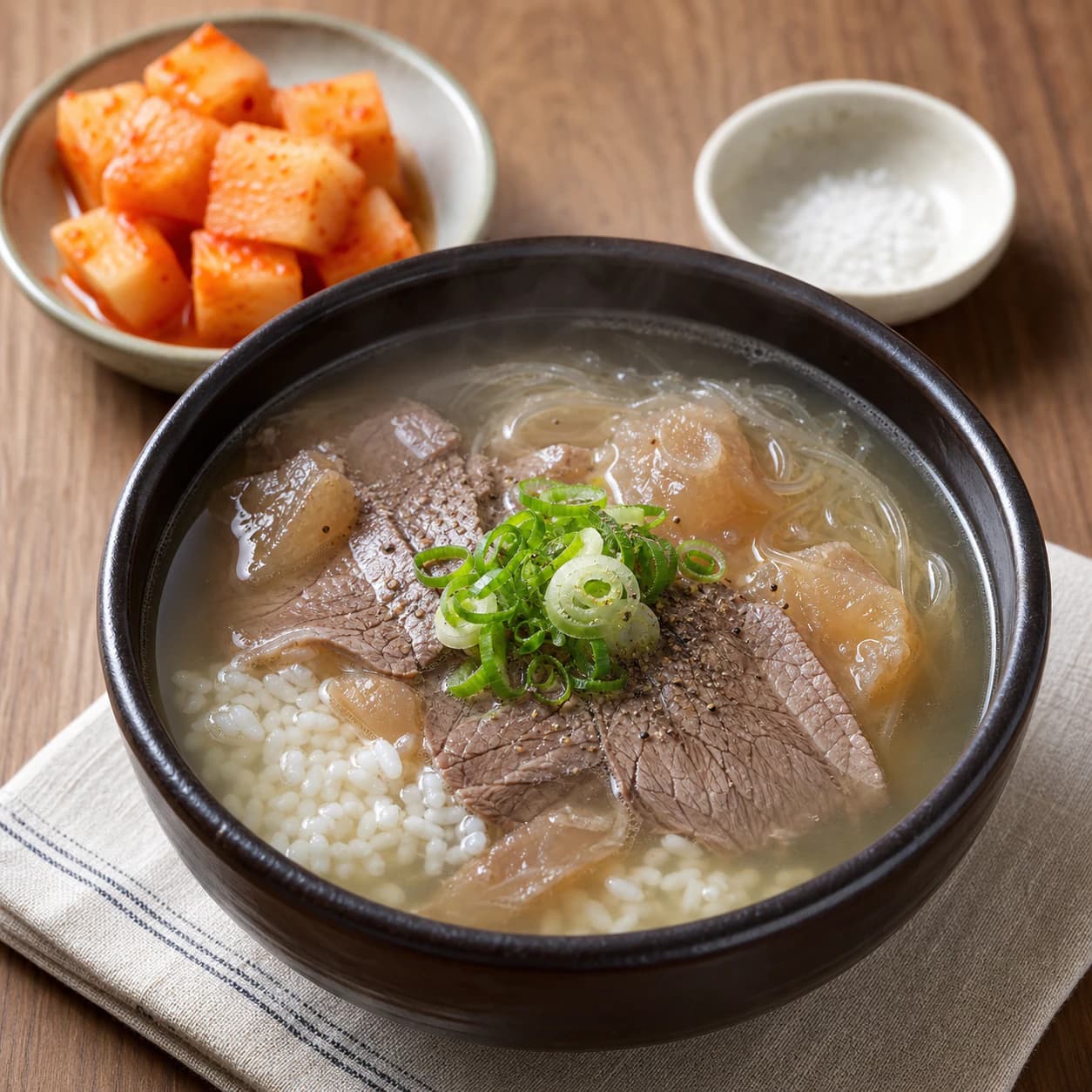
Top with the reserved spring-onion greens and black pepper. Serve immediately with prepared kkakdugi and extra salt at the table. Keep serving broth at or above 60°C. Cool leftovers by the FSANZ two-stage limit in shallow containers, refrigerate below 5°C for up to 4 days, and reheat rapidly until steaming; avoid repeated cooling and reheating.
Common mistake: Letting a large stockpot drift through 5–60°C for hours makes a make-ahead soup unsafe.
Recovery: Stop and discard the unsafe ingredient. Restart with a prepared edible version from a trusted food supplier.
Fix problems
The active method already includes its most likely mistake and recovery. Open the reference library when your question falls outside the current step.
This recipe follows a clear, meat-led gomtang path. Seolleongtang relies on prolonged hard boiling of beef bones for a milky-white emulsion; the names and formulas can overlap regionally, so the page should describe its actual clear method rather than claim one universal rule.
Yes. Replace 450 g tendon with about 300 g extra brisket or shin. The broth will have less gelatinous body, but the blanch, quiet simmer, clean straining, and toryeom service still work.
The usual causes are incomplete blanch cleaning, a rolling boil, pressing spent vegetables through the sieve, or boiling rice in the stock. Cloudiness is safe if handling was sound, but it cannot be reversed; keep the next stage gentle and strain carefully.
Yes. Cool strained broth in shallow containers to the FSANZ two-stage limit, refrigerate below 5°C, and remove the solid fat the next day. Freeze broth and sliced meat separately for up to 3 months; thaw in the refrigerator and reheat rapidly until steaming.
Build a deep beef broth that stays clear enough to see the rice and sliced meat. Look for clear golden broth, visible rice and beef, bright sliced spring onion: Hot broth surrounds distinct rice grains and thin beef slices with no greasy slick; spring onion stays bright and kkakdugi remains separate.
One timer for both cuts either dries brisket or leaves tendon tough. Lower to a gentle simmer and give it more time; texture fixes happen slowly, not with harder heat.
Scale the measured ingredients with the serving count, then scale the vessel or work in batches. Keep the same visual finish - clear golden broth, visible rice and beef, bright sliced spring onion - rather than forcing the original timer.
beef brisket: 1 kg beef shin for a leaner, slightly more gelatinous pot; cleaned beef tendon: 300 g extra brisket for the easiest supermarket-only path; Korean radish or daikon: ordinary daikon; do not use small red salad radishes; fish sauce: 15 ml Korean soup soy sauce, accepting a slightly darker broth
beef brisket: Use fresh uncured beef; corned brisket will make the broth salty and non-traditional.; cleaned beef tendon: Tendon takes longer than brisket; judge each piece separately before slicing.; fish sauce: Contains fish; soup soy usually contains soy and may contain wheat.; sweet-potato starch noodles, optional: Check the pack if gluten avoidance is required; seasoning sachets are not used.
Recipe sourcing hand-off
This page keeps only the dish-specific brief. The complete aisle list, Bahasa names, dated store evidence, optional distance sorting, and map routes live in the connected shopping and city guides.
Start with a Korean, Chinese, or Vietnamese butcher for fresh beef tendon and an intact brisket piece. A mainstream butcher or supermarket can cover brisket; use the all-brisket variant when tendon would require a second trip.
Open the Melbourne sourcing guideAsk a trusted pasar or supermarket butcher for sandung lamur and cleaned urat sapi. Buy from a counter with fast turnover and reliable refrigeration.
Open the Jakarta sourcing guideFlavour foundation
A blanch and clean-pot reset remove loose proteins before the real extraction. A quiet simmer keeps fat and sediment from emulsifying, while tendon supplies body and toryeom heats each rice bowl without prolonged boiling.
Taste profile
Gomtang is a broad Korean family of long-simmered meat and bone soups. This is explicitly a clear, meat-led home version influenced by contemporary gomtang practice; it is not labelled as one protected Naju house recipe and is not the milky bone emulsion associated with seolleongtang.
Cook plan
Versions
Diet & allergens
Dietary notes: dairy-free, nut-free, egg-free, gluten-free option.
Contains or may contain: fish depending on seasoning and kimchi label, soy depending on soup-soy and kimchi labels, crustacea depending on kkakdugi label, wheat/gluten depending on noodles, soy sauce, and kimchi.
Check packaged-ingredient labels and cross-contamination advice for the brands you use.
Budget
Planning estimate only - not live or locally verified pricing
What belongs where
The ingredient list is organised for shopping; this map reorganises the same recipe by cooking function so you know what belongs in the pot and what stays separate.
beef brisket, tendon, Korean radish, garlic, onion, daepa, restrained seasoning
hot cooked short-grain rice, prepared kkakdugi radish kimchi
Storage notes are conservative home-kitchen guidance. Chill perishable food within 2 hours, keep it at 5°C or colder, and follow local food-safety and package directions when they are stricter.
Sources & evidence
Sources support the specific technique or safety point stated below.
Cross-checks the long, clear beef-and-tendon broth, repeated skimming, sliced brisket and tendon, rice, noodles, radish, and table seasoning used in a home-scale gomtang bowl.
Boundary: Gomtang names a family of Korean beef soups with regional and household variation. This streamlined brisket-and-tendon version does not claim to reproduce every bone, offal, or restaurant stock formula.Recorded as a local editorial or generated visual cue asset, not an independent external source.
Boundary: A local or generated asset is visual guidance, not evidence of authenticity, ingredient quantities, timing, safety, or method accuracy.Applies two-stage cooling to the make-ahead broth: cool from 60°C to 21°C within two hours and from 21°C to 5°C within another four hours, using shallow containers before rapid reheating.
Boundary: A full stockpot cools too slowly as one mass. Divide and measure the broth rather than treating overnight refrigeration as automatically safe.Next cooks
Recipes here share ingredients, bumbu logic, region, spice level, or weeknight patterns so the next cook reuses what you just learned.
 Jakarta · PatientSop BuntutBuild a clear amber broth and know exactly when oxtail is tender but still attached to the bone.
 China / home-style · IntermediateChinese Tomato Beef StewKnow when the beef is truly spoon-tender while keeping the tomato sauce glossy, not watery.
 East Java · PatientRawonGet the deep black broth without bitterness.
 Modern Indonesian · PatientIga Sapi Goreng MaduMake ribs fork-tender yet intact, then glaze them glossy without scorching the honey.
 Japan / composed pork-bone ramen · PatientTonkotsu Shoyu RamenBuild an opaque ivory broth that tastes like pork - not dairy - and assemble six balanced bowls before the noodles soften.
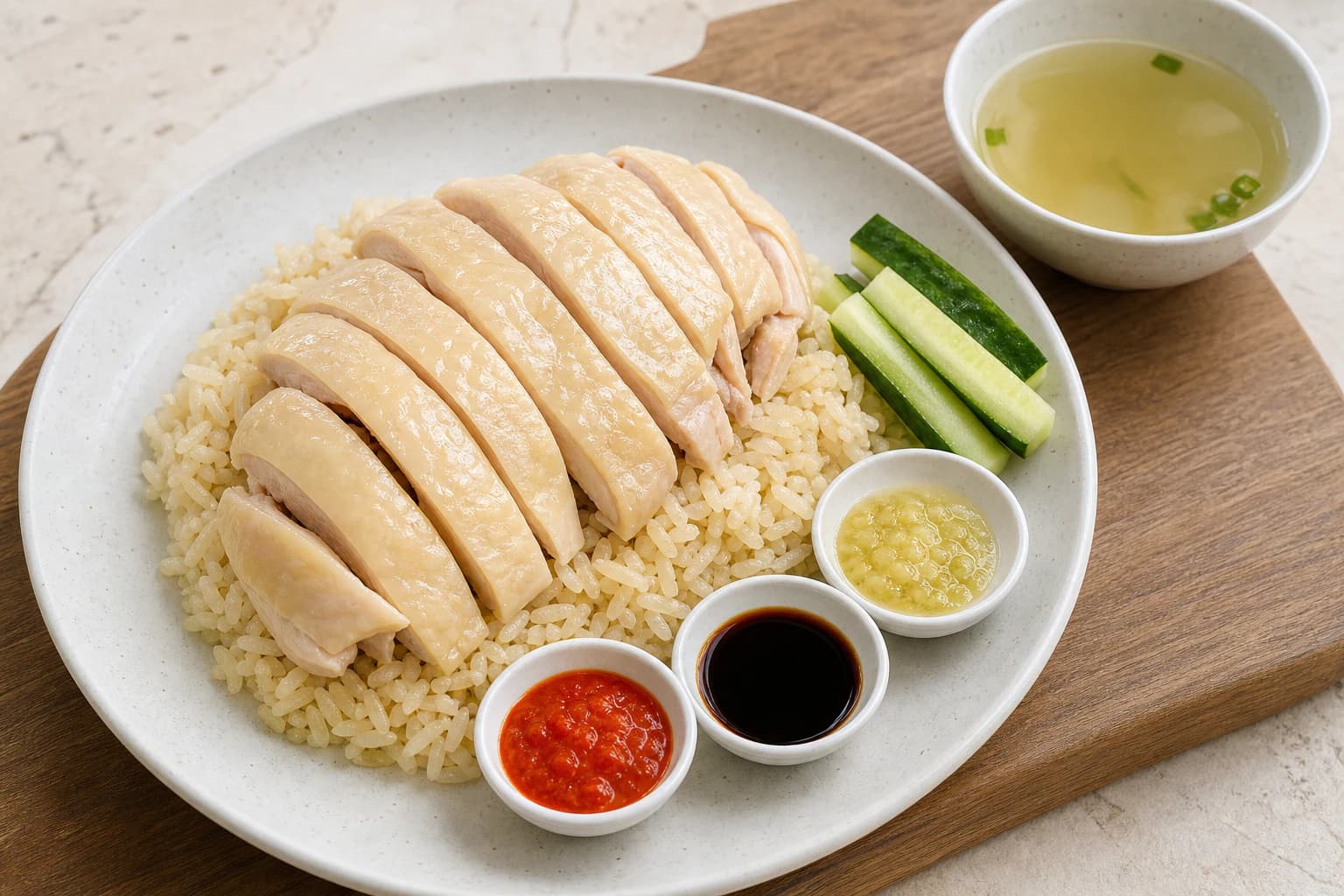 Singapore / Hainanese diaspora · IntermediateHainanese Chicken RicePoach a whole chicken safely to 75°C while keeping silky skin and separate, savoury rice grains.