Recipe 20 / 24
CN · China / home-style
Chinese Tomato Beef Stew
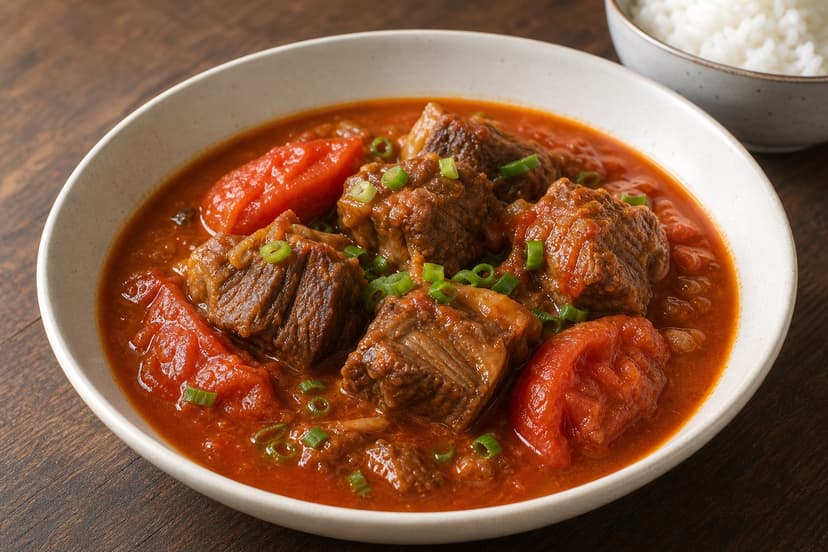
番茄炖牛腩 turns a connective, affordable beef cut into a clear-tasting, gelatinous braise. One portion of tomato melts into the sauce; a second stays bright enough to taste fresh.
Know when the beef is truly spoon-tender while keeping the tomato sauce glossy, not watery.
- Place & style
- China / home-style Chinese · Main
- Yield
- 6 servings Beef · spice 0/5
- Time
- 3 hr 10 min 30 min prep · 2 hr 40 min cook
- Cook level
- Intermediate Chinese home cooking · make-ahead · freezer-friendly · one-pot
Bumbu / flavour foundation
ripe tomato, scallion, ginger, garlic, light soy, star anise, cassia
Blanching keeps the braise clean; brief browning restores roasted depth. Tomato paste and the first tomato cut form a concentrated base, while late tomato wedges preserve acidity, colour, and identity.
Equipment
- 5-6 L heavy pot or Dutch oven with a lid
- large colander
- heavy tongs
- fine skewer or cake tester
- instant-read thermometer
- wide serving bowl
Read the visual cue before each step. The clock is guidance; the food decides when you move.
01 · Market sheet
Know what you are buying.
Every ingredient is shown in context, named in English and Bahasa Indonesia, and tied to its job in the dish.Meat or seafoodDaging atau seafood
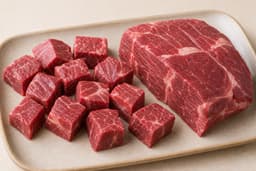
1 kg, cut into 4 cm cubes
beef chuck or brisket
daging sapi sandung lamur atau sengkel
collagen-rich beef that becomes spoon-tender without drying out
Generated reference - not verified cook evidence.
Watch: Avoid lean topside; visible connective seams are what become gelatin during the long braise.
Fresh produceSayur & bahan segar
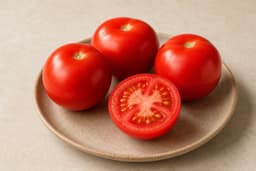
1.2 kg whole
ripe round or vine tomatoes
tomat merah matang
two-stage tomato base: two-thirds melts into sauce and one-third stays recognisable
Generated reference - not verified cook evidence.
Watch: Keep every seed and drop of juice; draining them removes flavour and useful braising liquid.
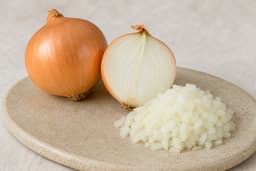
200 g, finely chopped
yellow onion
bawang bombai
sweet body beneath the concentrated tomato base
Generated reference - not verified cook evidence.
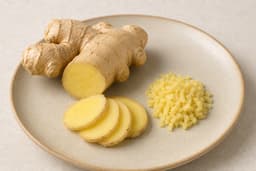
30 g
fresh ginger, divided
jahe segar, dibagi
half cleans the blanch; half perfumes the tomato base
Generated reference - not verified cook evidence.
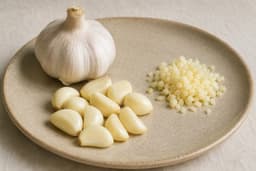
20 g, finely chopped
garlic
bawang putih
savoury aromatic for the tomato base
Generated reference - not verified cook evidence.
Watch: Keep it pale; dark garlic makes the long braise bitter.
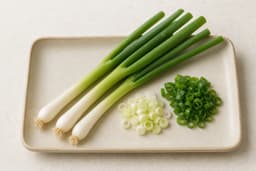
4, about 60 g
scallions, divided
daun bawang, dibagi
cleans the blanch, seasons the base, and supplies the fresh finish
Generated reference - not verified cook evidence.
Dry pantryBahan kering

30 ml
neutral cooking oil
minyak goreng netral
conducts enough heat to brown the dried beef and cook the tomato paste
Generated reference - not verified cook evidence.
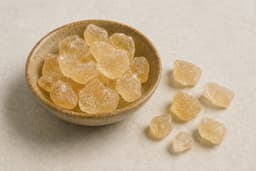
12 g
rock sugar
gula batu
rounds tomato acidity without turning the braise into a sweet sauce
Generated reference - not verified cook evidence.

8 g
fine salt, divided
garam halus, dibagi
seasons the tomato base first, then balances the reduced sauce
Generated reference - not verified cook evidence.

about 3.9 L, plus cold running water for cooling
water, divided
air, dibagi
cold blanching water plus measured boiling braising water
Generated reference - not verified cook evidence.
Watch: Use boiling water for the braise so the browned beef does not cool abruptly.
SaucesSaus & bumbu botol

30 ml
Shaoxing cooking wine, divided
arak masak Shaoxing, dibagi
half cleans the blanch and half releases browned flavour from the pot
Generated reference - not verified cook evidence.
Watch: Contains alcohol and may contain wheat or sulphites; check the exact label.
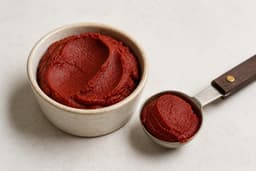
30 g
tomato paste
pasta tomat
reliable concentration and savour without ketchup sweetness
Generated reference - not verified cook evidence.
Watch: Use concentrated paste, not tomato sauce or ketchup.
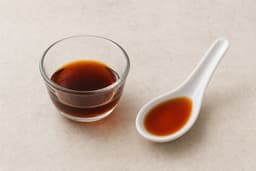
30 ml
Chinese light soy sauce
kecap asin ringan Tiongkok
restrained fermented savour that keeps the tomato colour clear
Generated reference - not verified cook evidence.
Watch: Most soy sauce contains soy and wheat. Dark soy will make the stew heavier and much darker.
SpicesRempah

1 whole, about 2 g
whole star anise
bunga lawang utuh
a restrained warm background note rather than a dominant five-spice taste
Generated reference - not verified cook evidence.
Watch: Remove after 1 hour; extra pods make the sauce medicinal.
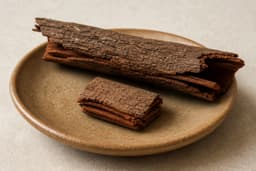
1 piece, 4 cm, about 3 g
cassia bark
kayu manis cassia
quiet woody warmth through the first half of the braise
Generated reference - not verified cook evidence.
Watch: Remove after 1 hour so it does not dominate the fresh tomato finish.
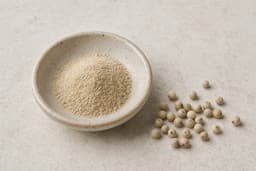
1 g, about 1/2 tsp
ground white pepper
lada putih bubuk
clean aromatic warmth added only after reduction
Generated reference - not verified cook evidence.
GarnishPelengkap
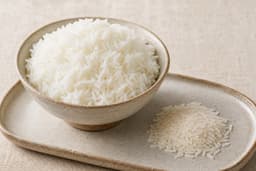
900 g cooked, optional
cooked jasmine rice
nasi melati matang
optional prepared accompaniment for six bowls
Generated reference - not verified cook evidence.
Calculated estimate · per serving
Nutrition information
1 of 6 recipe servings; optional 150 g cooked jasmine rice excluded
- Energy
- 1810 kJ433 kcal
- Protein
- 34.3 g
- Carbohydrate
- 17.2 g
- Sugars
- 9.8 g
- Dietary fibre
- 3.7 g
- Total fat
- 24 g
- Saturated fat
- 8.7 g
- Sodium
- 940 mg
How this estimate was calculated
Calculated from the authored edible ingredient weights using representative AFCD Release 3 and USDA FoodData Central profiles, then divided by the recipe yield. Energy follows the FSANZ ingredient-contribution method. Optional serving accompaniments are excluded. The calculation uses a representative raw beef chuck profile and counts all 30 ml measured oil and all recipe salt/soy; discarded blanching water contributes no nutrition.
Calculated estimate only, not a laboratory result or personalised dietary advice. Actual values vary with brands, produce, meat trim, substitutions, final serving size, and how much cooking or rendered oil is left in the pan or skimmed. Check packaged labels for allergens and sodium; consult an accredited practising dietitian or clinician for medical dietary needs.
Reference data: Australian Food Composition Database · FSANZ calculation method · USDA FoodData Central · calculated 2026-07-14
02 · Method
Cook in order. Read the decisive cue.
7 stages · 3 hr 10 min total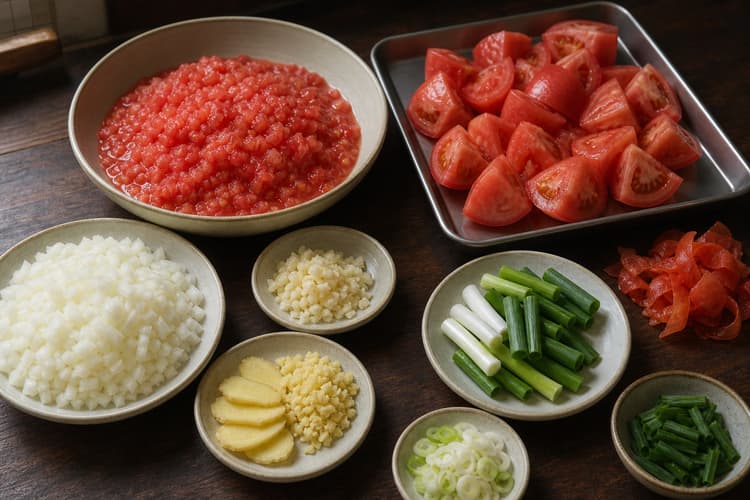
Stage 01
Peel, split, and stage the produce
Score a shallow X in each tomato. Use about 1 L of the measured boiling water to cover them for 30-45 seconds, then cool under cold running water and peel. Discard the tomato-blanch water. Core without discarding seeds or juice. Finely chop roughly 800 g and cut the remaining 400 g into 3 cm wedges. Finely chop the onion and garlic. Divide the ginger: slice half and finely chop half. Cut two scallions into thirds for blanching; slice the remaining whites and reserve all greens for serving.
- Move on when
- Two clearly different tomato cuts are ready, with every seed and drop of juice retained and the aromatics separated by use.
- Common mistake
- Draining tomato juice removes the liquid and flavour needed to build the sauce.
- Recovery
- Pause before the next step, compare the cue, then correct heat, moisture, or seasoning while the dish is still flexible.
Stage 02
Blanch and clean the beef
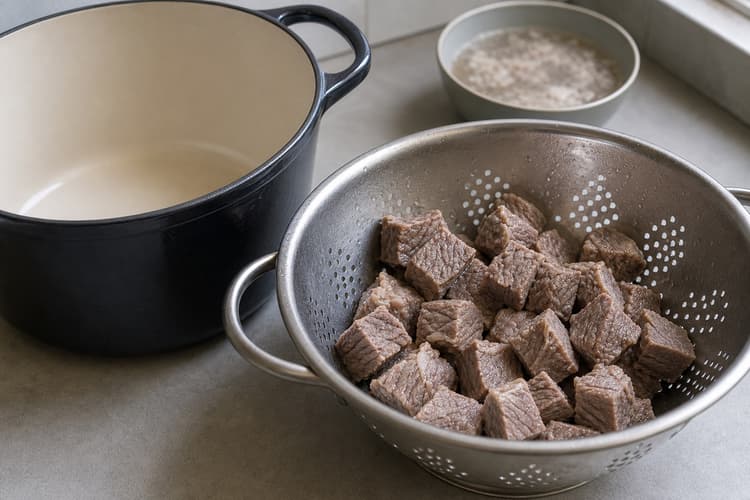
Put the beef in the clean heavy pot with about 2 L cold water, the sliced ginger, scallion thirds, and 15 ml of the measured Shaoxing wine. Bring slowly to a boil, skim, and boil for 2 minutes. Drain, rinse the cubes with warm water, wash the pot, and pat the beef very dry. Reserve the remaining 15 ml Shaoxing for the tomato base. The beef remains raw for safety purposes after this cleaning step.
- Move on when
- The cubes are clean grey-brown with visible collagen seams and no beige foam or dark clots attached.
- Common mistake
- Keeping the blanch water muddies the sauce; putting wet beef into oil causes dangerous spitting.
- Recovery
- Spread the food out, raise heat only after moisture drops, and hold back extra sauce until the pan is frying again.
Stage 03
Brown in uncrowded batches
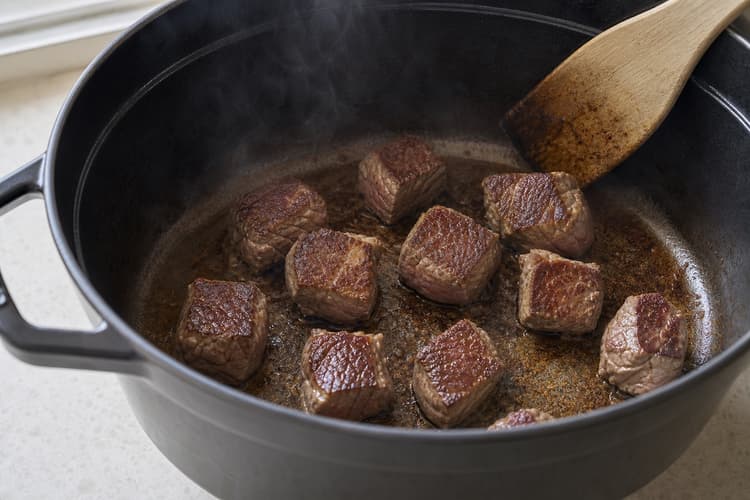
Heat the washed, completely dry Dutch oven over medium-high. Add all the measured neutral oil and brown the dried beef in two batches. Leave each batch undisturbed long enough to colour two broad faces, then move it to a tray. The cubes do not need colour on every side.
- Move on when
- Dry mahogany patches contrast with paler edges, and the pot holds clean brown fond with no black residue.
- Common mistake
- Crowding releases steam; blackening the fond makes the tomato sauce bitter.
- Recovery
- Move the pan off heat, scrape only the unburnt paste into a clean spot, add a small splash of oil or liquid, and restart gently.
Stage 04
Cook a concentrated tomato base
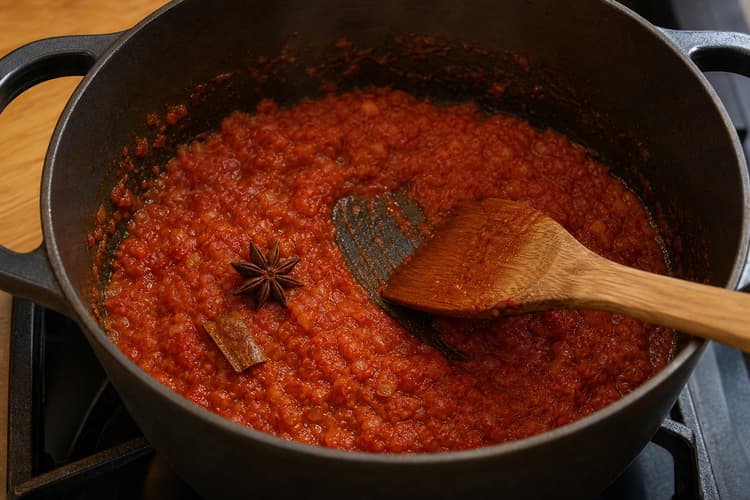
Lower the pot to medium. Cook the prepared onion for 6-8 minutes until soft and lightly gold. Add the prepared chopped ginger, garlic, scallion whites, star anise, and cassia for 60 seconds. Fry the tomato paste for 1-2 minutes until brick red. Add the finely chopped tomato with all its juice, rock sugar, and 4 g of the measured salt. Cook for 8-10 minutes, pressing occasionally, until thick and glossy. Deglaze with the reserved 15 ml Shaoxing and reserve the remaining salt for the finish.
- Move on when
- A spatula leaves a trail that closes slowly, tiny oil glints appear, and the raw tomato-paste smell is gone.
- Common mistake
- Adding braising water while the tomatoes still look raw produces a thin, one-dimensional stew.
- Recovery
- Reduce uncovered and season in small rounds, checking the visual cue before adding more salt, sugar, or sauce.
Stage 05
Hold a bare simmer until truly tender
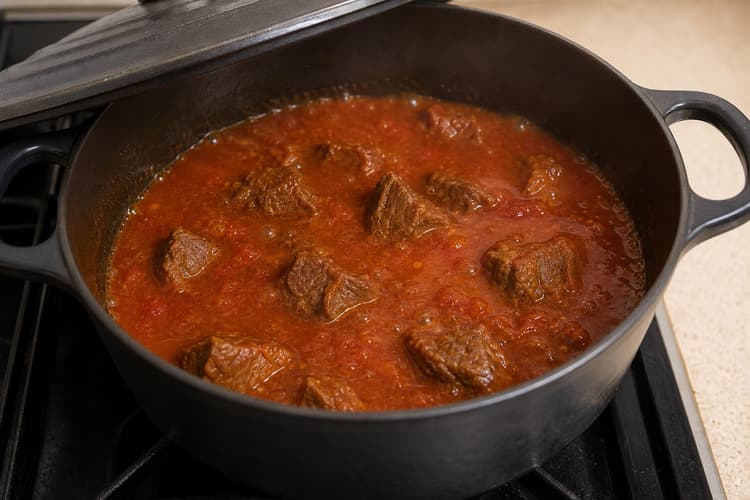
Return the browned beef and its tray juices. Add the light soy and exactly 900 ml boiling water. Bring to a boil, skim once, then partly cover and hold the Dutch oven at roughly 88-95°C: small edge bubbles and only an occasional centre bubble. Turn pieces every 30 minutes and top up only with boiling water if they become exposed. Remove the star anise and cassia after 1 hour. Begin testing at 1 1/2 hours; continue in 20-minute blocks until a skewer enters the centre with little resistance and a spoon can split a cube while it still lifts intact.
- Move on when
- The pot barely simmers, and the most resistant cube, not the clock, eventually yields to a skewer and spoon.
- Common mistake
- Stopping when the beef is merely cooked leaves collagen chewy; boiling harder tightens the meat and breaks the sauce.
- Recovery
- Lower the heat immediately, skim or stir gently, and continue at a small simmer until the surface calms.
Stage 06
Add fresh tomato and glaze the sauce
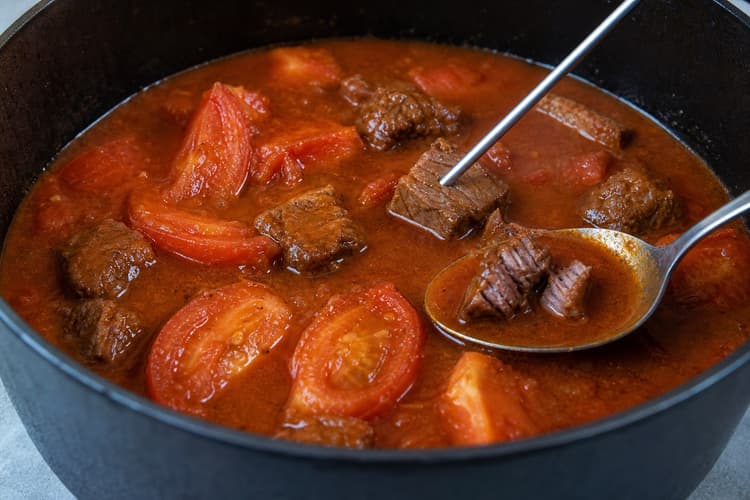
Add the reserved tomato wedges and simmer uncovered for 8-12 minutes. Their edges should soften while their centres retain shape. If the sauce is watery, temporarily lift out the beef and intact tomato wedges, reduce the liquid briskly, then return them. Add the white pepper and only enough of the reserved salt after reduction. Do not use cornstarch to disguise unreduced broth.
- Move on when
- The sauce coats a spoon in a glossy, pourable film, with both melted tomato and recognisable softened wedges.
- Common mistake
- Hard boiling destroys the fresh tomato phase; salting before reduction can make the final glaze too salty.
- Recovery
- Lower the heat immediately, skim or stir gently, and continue at a small simmer until the surface calms.
Stage 07
Rest, skim, and serve
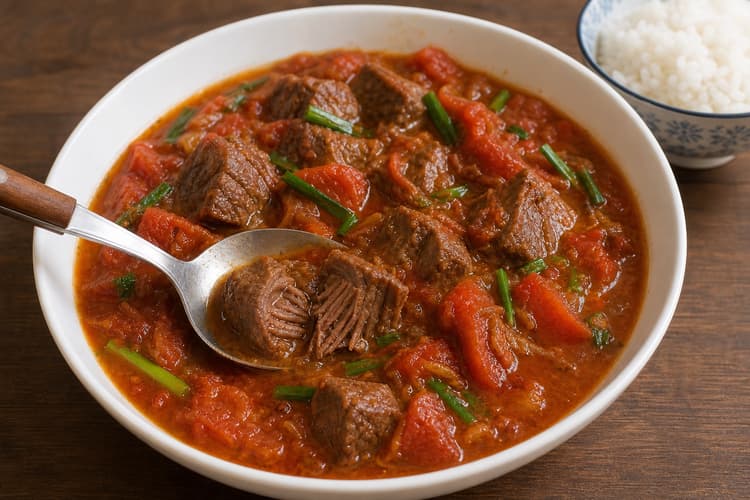
Rest the pot off heat for 10 minutes. Skim only any large free-fat pool while retaining the glossy gelatin. Fold in the prepared scallion greens and serve with the optional hot jasmine rice. Cool leftovers in shallow portions from 60°C to 21°C within 2 hours, then to 5°C within another 4 hours. Refrigerate for up to 4 days or freeze for 2-3 months; reheat rapidly to 74°C.
- Move on when
- A spoon-cut cube exposes moist fibres and the glossy sauce clings without a watery ring.
- Common mistake
- Aggressive skimming removes body; leaving a full hot Dutch oven to cool slowly is unsafe.
- Recovery
- Stop and discard the unsafe ingredient. Restart with a prepared edible version from a trusted food supplier.
03 · Source & shop
Where the guidance comes from.
Technique guidance is stable editorial material. Prices, stock, and local availability should be rechecked before a special trip.Melbourne
- Start with a high-turnover butcher or Asian butcher for chuck, brisket, gravy beef, shin, or boneless short rib with visible connective seams. Mr Dad Queen Street is the first documented CBD specialist route in this guide; SolAsia QV, KT Mart / KKETTA, and Tokyo Hometown are other pantry routes, but no store listing is a live stock promise.
- Ripe tomatoes, onion, garlic, ginger, scallions, tomato paste, neutral oil, salt, white pepper, and jasmine rice are ordinary greengrocer or supermarket lines. Compare produce quality before store branding.
- Chinese light soy, Shaoxing wine, star anise, cassia, and rock sugar are the specialist label checks. Shaoxing and soy can contain wheat, alcohol, or sulphites; use the authored tamari and water paths when needed.
- Catalogue previews and product links are identification aids checked on their displayed date. Price, range, and stock depend on the selected Melbourne store; confirm before travelling.
Jakarta
- Ask a trusted pasar butcher or supermarket meat counter for sandung lamur or sengkel with visible connective seams; avoid very lean cuts for this long braise.
- Pasar produce stalls are the first stop for ripe tomatoes, onion, garlic, ginger, and scallions. Super Indo, Ranch Market, Hypermart, Sayurbox, and local delivery services are practical fallbacks by neighbourhood.
- Use a Chinese or Asian supermarket or trusted online grocer for light soy, Shaoxing, star anise, cassia, and rock sugar. Verify wheat, alcohol, and sulphite requirements on the exact package.
- Keep chilled beef cold during delivery and treat marketplace results as search leads, not verified local inventory.
Editorial provenance
Woks of Love - Hearty Tomato Beef Stew
Cross-checks a Chinese family tomato-beef braise using a clean blanch, connective beef, a concentrated tomato base, long gentle cooking, and fresh tomatoes added in stages.
Supports: clean beef blanch, two-stage tomato technique, long tomato-beef braise.
Boundary: This is a modern family recipe source, not evidence that every Chinese household uses the same aromatics, vegetables, or blanch-and-brown sequence.
Reviewed 2026-07-10Yanyan Food Tube via Xiachufang - 番茄炖牛腩
Cross-checks a 1 kg brisket scale, peeled tomato, a wine-scallion-ginger blanch, tomato-paste base, and roughly one-and-a-half-hour tenderness window.
Supports: 1 kg beef scale, peeled tomato and blanch sequence, tomato-paste braise.
Boundary: This is a community recipe rather than a regional authority; its formula supports home-cook technique, not a universal origin or authenticity claim.
Reviewed 2026-07-10TasteLife / Chef John Zhang - Stewed Beef Brisket With Tomato
Cross-checks blanching connective brisket, frying tomato paste, simmering until tender, and staging vegetables late enough to retain shape.
Supports: connective brisket, fried tomato paste, late vegetable staging.
Boundary: Its potato, carrot, slurry, and timing are not copied into this two-texture tomato version.
Reviewed 2026-07-10Food Standards Australia New Zealand - Cooling and reheating food
Applies two-stage cooling to the finished braise: 60°C to 21°C within two hours, then 21°C to 5°C within four hours, using shallow portions and rapid reheating.
Supports: two-stage stew cooling, shallow-container handling, rapid reheating.
Boundary: A full Dutch oven cools too slowly as one mass. The guidance does not validate the recipe's tenderness timing or storage quality.
Reviewed 2026-07-10FoodSafety.gov - Safe Minimum Internal Temperatures
Separates safety from tenderness: intact beef reaches the conservative chart endpoint before collagen becomes spoon-tender, while leftovers are reheated to 74°C.
Supports: beef safety distinction, thermometer use, 74°C leftover reheating.
Boundary: Internal temperature cannot replace the skewer-resistance test for braise quality; the recipe requires both safe handling and collagen tenderness.
Reviewed 2026-07-10Generated reference image · not verified cook evidence
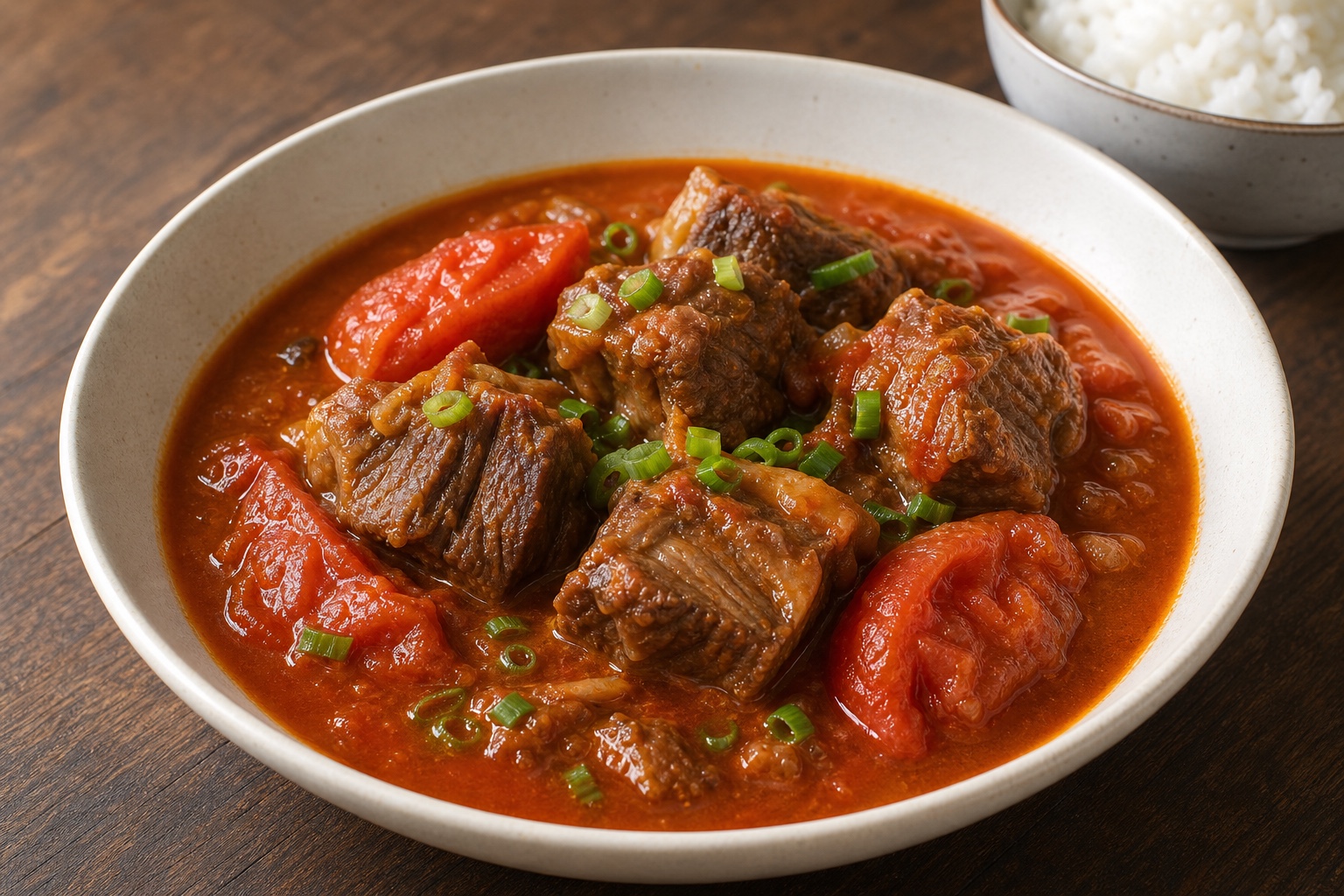
Recorded as a local editorial or generated visual cue asset, not an independent external source.
Supports: finished-dish appearance, image credit boundary.
Boundary: A local or generated asset is visual guidance, not evidence of authenticity, ingredient quantities, timing, safety, or method accuracy.
Reviewed 2026-07-10Bumbu Lens editorial method audit
Reviewed Chinese Tomato Beef Stew as an ordered cook flow with visual cues, common mistakes, and recovery notes.
Supports: method sequence, visual checkpoints, mistake and recovery notes.
Boundary: Use this as editorial guidance; run a tested-kitchen pass before publishing nutrition, safety guarantees, or commercial pack quantities.
Reviewed 2026-07-10Bumbu Lens Melbourne/Jakarta sourcing heuristic
Mapped ingredient groups to likely Melbourne grocer, supermarket, butcher, pasar, and Jakarta supermarket paths.
Supports: Melbourne sourcing, Jakarta sourcing, volatile availability boundary.
Boundary: Ingredient availability, price, and store stock change; verify with local grocers before travel, bulk shopping, or holiday cooking.
Reviewed 2026-07-10Your next cook
Kitchen notes
Record the batch size, timing, substitutions, and visual cue you want to remember next time.